English
 Arabic
 French
 Spanish
 Portuguese
 Deutsch
 Turkish
 Dutch
Dutch
 Italiano
 Russian
 Romaian
 Portuguese (Brazil)
 Greek
Greek
NYPD Data Breach: Backup Tapes Stolen—80,000 at Risk
Games |
2025-11-03 02:55:40
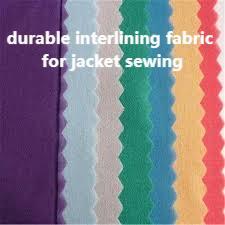
In the dynamic world of garment manufacturing, Interlining has established itself as one of the most vital yet often unseen components. Without the structural support provided by Interlining, garments would lose their intended shape, comfort, and durability. From formal suits to casual jackets, its presence ensures the balance between style and function that consumers expect in today’s fast-moving fashion industry.
When most people look at a piece of clothing, their attention is captured by the outer fabric, the design, and the visible finishing touches. Yet what lies beneath the surface often determines the overall quality of the garment. The hidden internal layers provide reinforcement, maintain structure, and create the polished appearance that separates professional clothing from ordinary wear.
Beyond structure, inner layers play a significant role in comfort. They allow garments to sit naturally on the body without sagging or warping over time. This is especially true in pieces that demand precision such as tailored suits, coats, and uniforms. These layers also help fabrics drape elegantly, adding to the wearer’s confidence and satisfaction.
Durability is a central concern in modern apparel, particularly with the growing awareness around sustainability. Inner reinforcements help extend the lifespan of clothing, preventing fabric distortion and protecting against daily wear. This makes garments more resistant to frequent washing, stretching, and environmental stress, thus reducing the need for early replacement. By quietly improving longevity, this hidden component aligns with the industry’s push for responsible production and consumption.
Technological advancement has reshaped the textile industry, and hidden garment layers are no exception. Today, manufacturers are experimenting with new compositions that provide superior breathability, lighter weight, and greater environmental responsibility. Eco-conscious consumers are particularly drawn to solutions that use recyclable or biodegradable materials, which reduce the footprint of production without sacrificing performance. These improvements open doors to sustainable fashion that still maintains elegance and reliability.
The future of textile support layers is full of potential. Research is currently exploring “smart fabrics” capable of temperature regulation, added flexibility, or even health-monitoring features. When applied to inner garment structures, these innovations could revolutionize not only how clothes are worn but also how they interact with the body. As fashion becomes increasingly tech-driven, hidden layers will remain a key area where practicality and creativity intersect.
In summary, while most consumers may never see or touch these invisible components directly, their impact is undeniable. They define shape, ensure strength, improve comfort, and extend the life of garments. For more detailed insights into this essential textile element and its evolving applications, visit https://www.interlining-factory.com/news/what-is-interlining-types-applications-and-more.html