


Smart Cities and Infrastructure Development Boost the India Sensors Market
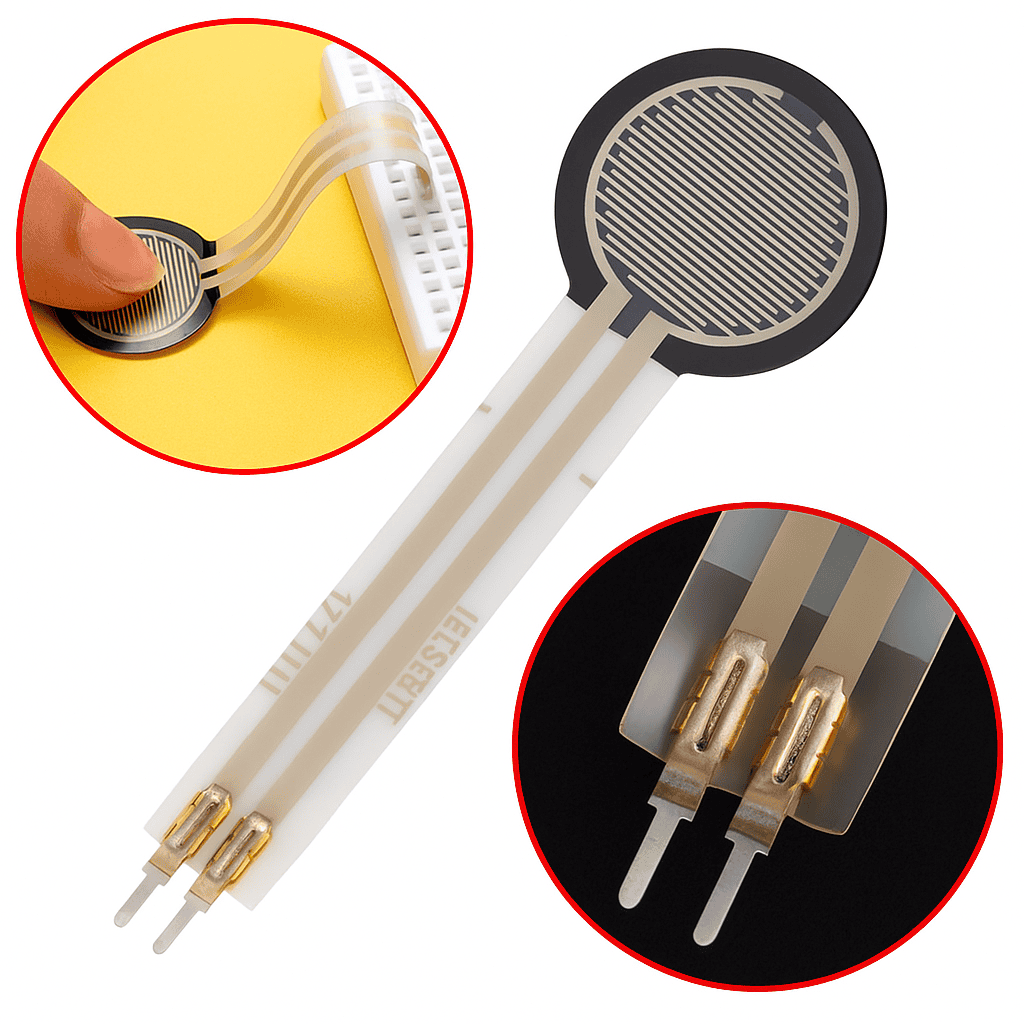
The rapid expansion of the manufacturing sector across major Asian economies has triggered a massive shift toward automated processes, advanced instrumentation, and predictive maintenance protocols. Modern industrial facilities rely heavily on interconnected devices, Internet of Things networks, and precise monitoring apparatus to maintain operational stability and high output standards. As factories transition to Industry 4.0 standards, real-time data acquisition becomes essential for controlling automated assembly lines, managing energy consumption, and preventing costly machinery downtime. Enterprise managers increasingly prioritize high-precision monitoring solutions that integrate seamlessly with cloud platforms and edge computing hardware. This transformation is further accelerated by government initiatives promoting local manufacturing capabilities, infrastructure modernization, and supply chain resilience. Consequently, industrial leaders are making significant investments in next-generation hardware components that can survive harsh operational environments while delivering continuous, accurate accurate telemetry. Organizations that adopt these sophisticated monitoring architectures gain a distinct competitive edge through enhanced resource allocation, lower maintenance expenditures, and improved workplace safety protocols.
To gain a comprehensive understanding of how these technological advancements are reshaping the subcontinent's industrial landscape, detailed industry assessments provide crucial strategic perspective. Navigating this fast-evolving environment requires analyzing key drivers like automotive expansion, consumer electronics manufacturing, and municipal infrastructure developments across multiple regional hubs. Stakeholders must evaluate supply chain bottlenecks, local fabrication capacities, and regulatory frameworks that impact overall commercial deployment. Detailed technical reviews demonstrate that low-cost wireless sensor integration, miniaturization, and MEMS technology adoption serve as primary engines for future sector expansion. Corporate decision-makers who track these critical metrics can better align their capital expenditures, product development timelines, and strategic partnerships. For an in-depth evaluation of current industry scope and future commercial trajectories, explore the latest India Sensors Market analysis.
Frequently Asked Questions
What primary drivers are accelerating industrial automation adoption?
Key drivers include the transition to Industry 4.0 standards, government incentives for domestic manufacturing, the necessity of predictive maintenance to prevent downtime, and rising demand for real-time operational telemetry across modern production facilities.
How does MEMS technology impact sensor deployment in industrial settings?
Micro-Electro-Mechanical Systems (MEMS) technology enables significant miniaturization, lower power consumption, and reduced unit costs, making it feasible to deploy dense sensor networks across complex equipment and remote monitoring locations.
➤➤➤Explore MRFR’s Related Ongoing Coverage In Semiconductor Industry:
Non Volatile Dual In Line Memory Module Market
Nordic Building Automation And Control Market
Optical Time Domain Reflectometer Market
Paint Process Automation Market
Passive Electronic Components In The Oil Gas Market

 Arabic
 French
 Spanish
 Portuguese
 Deutsch
 Turkish
 Dutch
Dutch
 Italiano
 Russian
 Romaian
 Portuguese (Brazil)
 Greek
Greek