English
 Arabic
 French
 Spanish
 Portuguese
 Deutsch
 Turkish
 Dutch
Dutch
 Italiano
 Russian
 Romaian
 Portuguese (Brazil)
 Greek
Greek
Mammal Haus Debut: 'Frog' Explores Sisterhood Bonds
Games |
2025-10-29 00:18:55
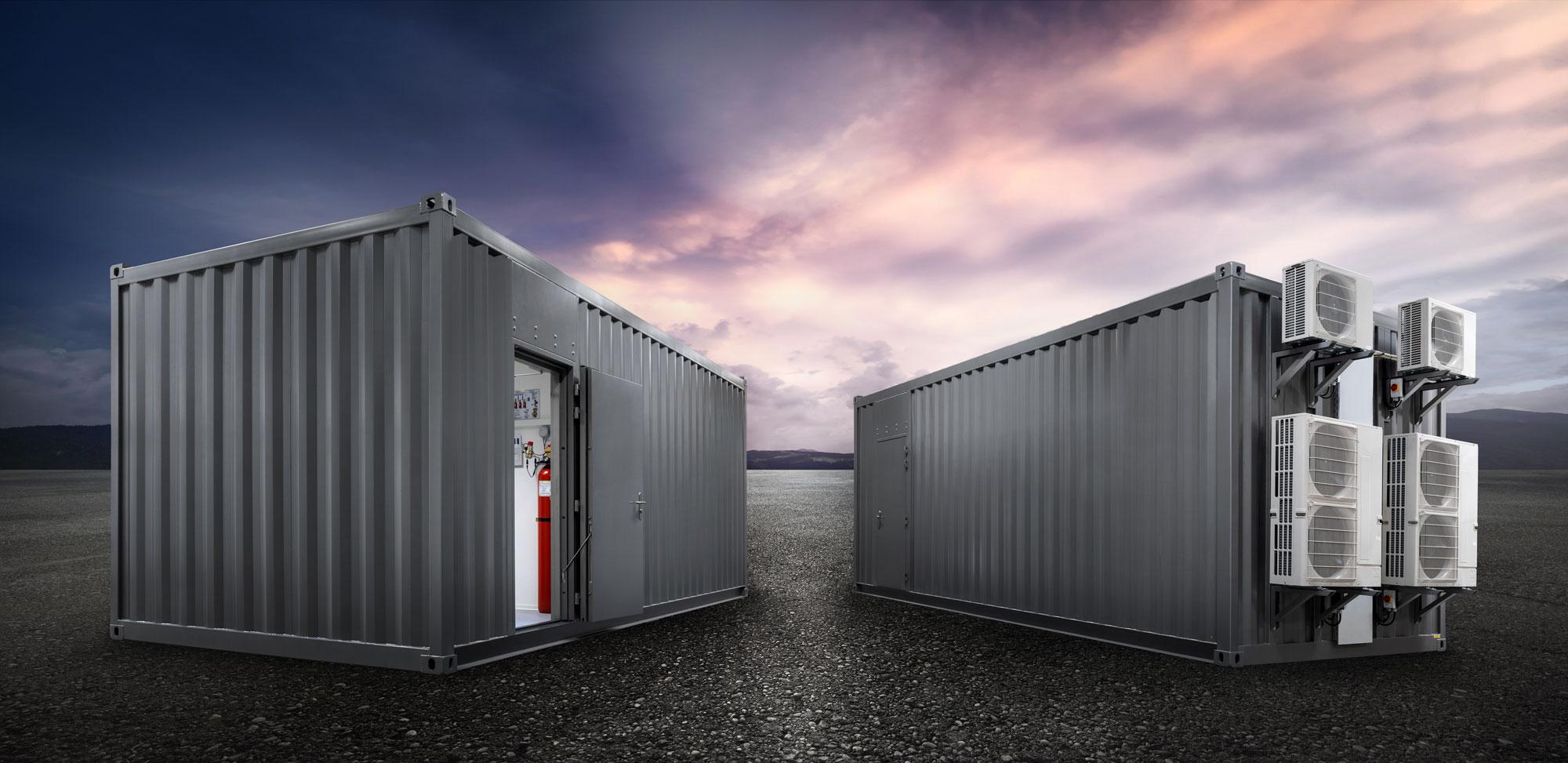
The immense scale and relentless pace of construction in the hyperscale data center sector have forced a fundamental reinvention of the industry's supply chain and construction methods, a transformation in which modularity plays a central role. This is a key trend shaping the global Containerized Data Center Market. The hyperscale cloud providers—AWS, Microsoft, and Google—are building new data center capacity at a speed and scale that is unprecedented in the history of construction. To achieve this, they cannot rely on traditional, slow, and labor-intensive on-site construction methods. Instead, they have been the primary drivers of a major shift towards a more industrialized, manufacturing-based approach. This involves breaking the data center down into a series of large, standardized, prefabricated modules that are built in a controlled factory environment and then transported to the construction site for final assembly. This "data center prefabrication" applies not just to the IT space itself, but to the entire facility, including the massive power and cooling infrastructure. This modular, manufacturing-led approach is the key to the hyperscalers' ability to build their massive global fleets of data centers with greater speed, higher quality, and more predictable costs.
Key Players
The key players in this modular hyperscale supply chain are a close and highly collaborative ecosystem. The hyperscalers themselves are the primary key players, as they are the ones defining the standardized designs and driving the demand. Their internal data center engineering teams are some of the most influential designers in the industry. The second group of key players are the major global industrial and electrical equipment manufacturers, such as Schneider Electric and Vertiv. They have become key partners to the hyperscalers, building dedicated factories to produce large, prefabricated power and cooling "skids" or modules that are custom-designed to the hyperscaler's specifications. For example, a company might build a complete, multi-megawatt electrical room on a massive steel frame in their factory and ship it as a single unit to the data center site. The third group of key players are the major general contractors and construction management firms who are responsible for the on-site assembly of these massive modular components, a process that is more like assembling a giant Lego set than traditional construction. This is a trend that is most advanced in the massive-scale hyperscale projects in North America and, increasingly, in Europe.
Future in "Containerized Data Center Market"
The future of modularity in the global hyperscale supply chain will be a story of even greater standardization and a more "disaggregated" approach to design. A major future trend will be a much deeper collaboration between the hyperscalers and their supply chain partners to create a more open and standardized set of modular components. This is a key goal of the Open Compute Project (OCP), which is working to create open standards for everything from server designs to entire data center facilities. This will allow for a more "plug-and-play" approach to data center construction, with a greater interoperability between components from different vendors. Another major future trend will be a more disaggregated modular design. Instead of a single, monolithic container, the future may see a data center being assembled from a set of more granular, standardized building blocks—a power module, a cooling module, a networking module, and a compute module—which can be mixed and matched to create a more flexible and easily upgradable facility. The future is about applying the principles of the modern manufacturing assembly line to the process of building a data center, a vision being aggressively pursued by the global leaders.
Key Points "Containerized Data Center Market"
This analysis highlights several crucial points about the role of modularity in the hyperscale supply chain. The primary driver is the need for greater speed, quality, and cost predictability in building data centers at a massive, global scale. The key players are a collaborative ecosystem of the hyperscalers driving the designs, and the major industrial manufacturers who are building the large, prefabricated power and cooling modules. The future lies in a greater standardization of modular components, driven by initiatives like the Open Compute Project, and a move towards more disaggregated and flexible modular designs. The shift to a prefabricated, manufacturing-led approach is a fundamental and permanent transformation of the data center construction industry worldwide. The Containerized Data Center Market is projected to grow to USD 281.23 Billion by 2035, exhibiting a CAGR of 24.16% during the forecast period 2025-2035.
Top Trending Reports -
Spain Time Tracking Software Market Size
Argentina Virtual Desktop Infrastructure Market Size
Brazil Virtual Desktop Infrastructure Market Size