


Beyond Likes: How Social Media Marketing for Small Businesses Drives Real Growth
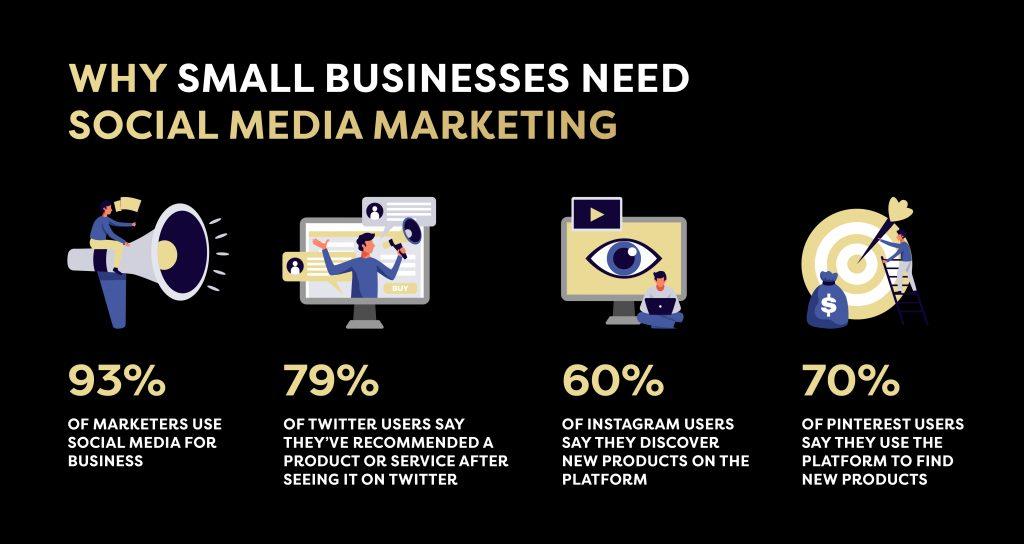
Social media has changed the way businesses connect with customers. For small businesses, platforms like Facebook, Instagram, LinkedIn, and other digital channels provide opportunities that were once only available to large companies with significant marketing budgets.
However, building a successful social media presence is not simply about collecting followers or receiving likes. Real business growth comes from creating meaningful connections, reaching the right audience, and turning online engagement into measurable results.
Today’s customers often research businesses online before making purchasing decisions. They look for reviews, brand credibility, customer experiences, and valuable content before choosing who to trust. This makes social media an essential part of a modern marketing strategy.
Professional social media marketing for small businesses helps companies create strategic campaigns that increase brand visibility, engage potential customers, and build long-term relationships with their audience.
Why Social Media Matters for Small Businesses
Small businesses often face challenges when competing with larger brands. Bigger companies may have more resources, larger teams, and higher advertising budgets.
Social media helps level the playing field by allowing smaller businesses to showcase their products, share their stories, and communicate directly with customers.
Unlike traditional marketing channels, social media allows businesses to:
-
Build brand awareness
-
Engage directly with customers
-
Promote products and services
-
Share valuable content
-
Generate leads
-
Improve customer loyalty
For small businesses, social media is not just a place to post updates. It is a platform for building trust and creating relationships.
Moving Beyond Likes and Followers
One of the biggest misconceptions about social media marketing is that success is measured only by followers, likes, or comments.
While engagement is important, these numbers do not always represent business growth.
A successful social media strategy focuses on meaningful outcomes such as:
-
Website visits
-
Customer inquiries
-
Sales opportunities
-
Brand recognition
-
Customer retention
A business with a smaller but highly engaged audience can often achieve better results than a company with thousands of inactive followers.
The goal is not simply to gain attention. The goal is to attract the right people who are interested in the products or services being offered.
Creating a Strong Social Media Strategy
Successful social media marketing starts with a clear strategy. Posting randomly without understanding the audience or objectives often leads to inconsistent results.
A strong strategy includes:
Understanding the Target Audience
Small businesses need to understand who their customers are.
Important factors include:
-
Age group
-
Location
-
Interests
-
Buying behavior
-
Customer challenges
For example, a local fitness business may target people interested in health and wellness, while a B2B company may focus on professionals and decision-makers.
Understanding the audience helps businesses create content that connects with potential customers.
Choosing the Right Platforms
Not every platform is suitable for every business.
Different platforms serve different purposes:
-
Facebook can help businesses connect with local communities
-
Instagram works well for visual brands and product-based businesses
-
LinkedIn is valuable for B2B companies
-
TikTok can help brands reach new audiences through creative content
Small businesses should focus on platforms where their customers are most active instead of trying to manage every channel.
The Role of Content in Social Media Growth
Content is the foundation of successful social media marketing.
Customers do not want to see constant promotional messages. They want content that provides value, answers questions, and helps them make better decisions.
Effective social media content may include:
-
Educational posts
-
Customer stories
-
Product demonstrations
-
Behind-the-scenes content
-
Industry tips
-
Testimonials
-
Short videos
For example, a home service business can share maintenance tips, customer results, and helpful advice instead of only advertising services.
This approach builds credibility and keeps audiences engaged.
How Social Media Helps Generate More Customers
Social media platforms provide businesses with opportunities to reach potential customers throughout the buying journey.
A customer may first discover a business through a social media post, follow the brand for updates, and later make a purchase.
A well-planned social media strategy helps businesses:
-
Increase visibility
-
Build trust
-
Encourage customer interaction
-
Drive website traffic
-
Generate inquiries
This makes social media an important channel for customer acquisition.
Paid Social Media Advertising for Small Businesses
Organic reach on social platforms can be limited, especially for growing businesses. Paid advertising allows companies to reach specific audiences more effectively.
Social media advertising allows businesses to target users based on:
-
Location
-
Interests
-
Demographics
-
Online behavior
For example, a small retail business in the United States can promote products specifically to customers within its service area.
Paid campaigns can help businesses:
-
Promote special offers
-
Increase website traffic
-
Generate leads
-
Retarget interested customers
When combined with organic content, paid advertising can create a stronger marketing strategy.
Building Customer Relationships Through Social Media
One major advantage of social media is direct communication with customers.
Businesses can use social platforms to:
-
Answer questions
-
Respond to feedback
-
Handle customer concerns
-
Create conversations
Customers appreciate brands that are responsive and approachable.
For small businesses, this personal connection can become a competitive advantage because customers often prefer businesses that feel authentic and accessible.
Common Social Media Marketing Mistakes Small Businesses Should Avoid
Posting Without a Strategy
Random posting without clear goals can make marketing efforts ineffective.
Businesses should have a content plan that supports their objectives.
Focusing Only on Promotions
Constantly promoting products can reduce audience engagement.
A better approach is balancing promotional content with educational and entertaining posts.
Ignoring Analytics
Without measuring performance, businesses cannot understand what works.
Important metrics include:
-
Engagement rate
-
Website traffic
-
Leads generated
-
Customer interactions
-
Conversion results
Analytics help businesses improve their strategies over time.
Trying to Manage Everything Alone
Social media requires consistency, creativity, and ongoing optimization. Many small business owners struggle to manage marketing while handling daily operations.
Professional support can help businesses maintain quality content and effective campaigns.
How Social Media Marketing Supports Long-Term Business Growth
Social media is not only about short-term promotions. When used strategically, it helps businesses create long-term brand value.
A strong social media presence can help small businesses:
-
Increase recognition
-
Build customer trust
-
Create loyal communities
-
Improve online reputation
-
Generate consistent opportunities
Over time, social media becomes a valuable business asset that supports growth.
Frequently Asked Questions (FAQs)
Why is social media marketing important for small businesses?
Social media marketing helps small businesses increase visibility, connect with customers, build trust, and promote their products or services to targeted audiences.
How often should a small business post on social media?
Posting frequency depends on the platform and business goals. Consistency and content quality are more important than simply posting frequently.
Which social media platform is best for small businesses?
The best platform depends on the target audience, industry, and marketing goals. Businesses should focus on platforms where their customers are most active.
Can social media marketing help generate sales?
Yes. A strategic social media approach can attract potential customers, increase engagement, drive traffic, and support sales growth.
Should small businesses invest in paid social media advertising?
Paid advertising can help small businesses reach specific audiences faster and increase visibility when campaigns are properly targeted and optimized.
Final Thoughts
Social media success is about much more than likes and followers. For small businesses, the real value comes from building relationships, creating trust, and turning online interactions into business opportunities.
A strategic approach to content, audience targeting, and engagement can help businesses compete effectively in today’s digital marketplace.
By focusing on meaningful connections instead of vanity metrics, small businesses can use social media as a powerful tool for sustainable growth.

 Arabic
 French
 Spanish
 Portuguese
 Deutsch
 Turkish
 Dutch
Dutch
 Italiano
 Russian
 Romaian
 Portuguese (Brazil)
 Greek
Greek