


The Lock Turns Normally but the Latch Does Not Move: What Should Dubai Residents Check?
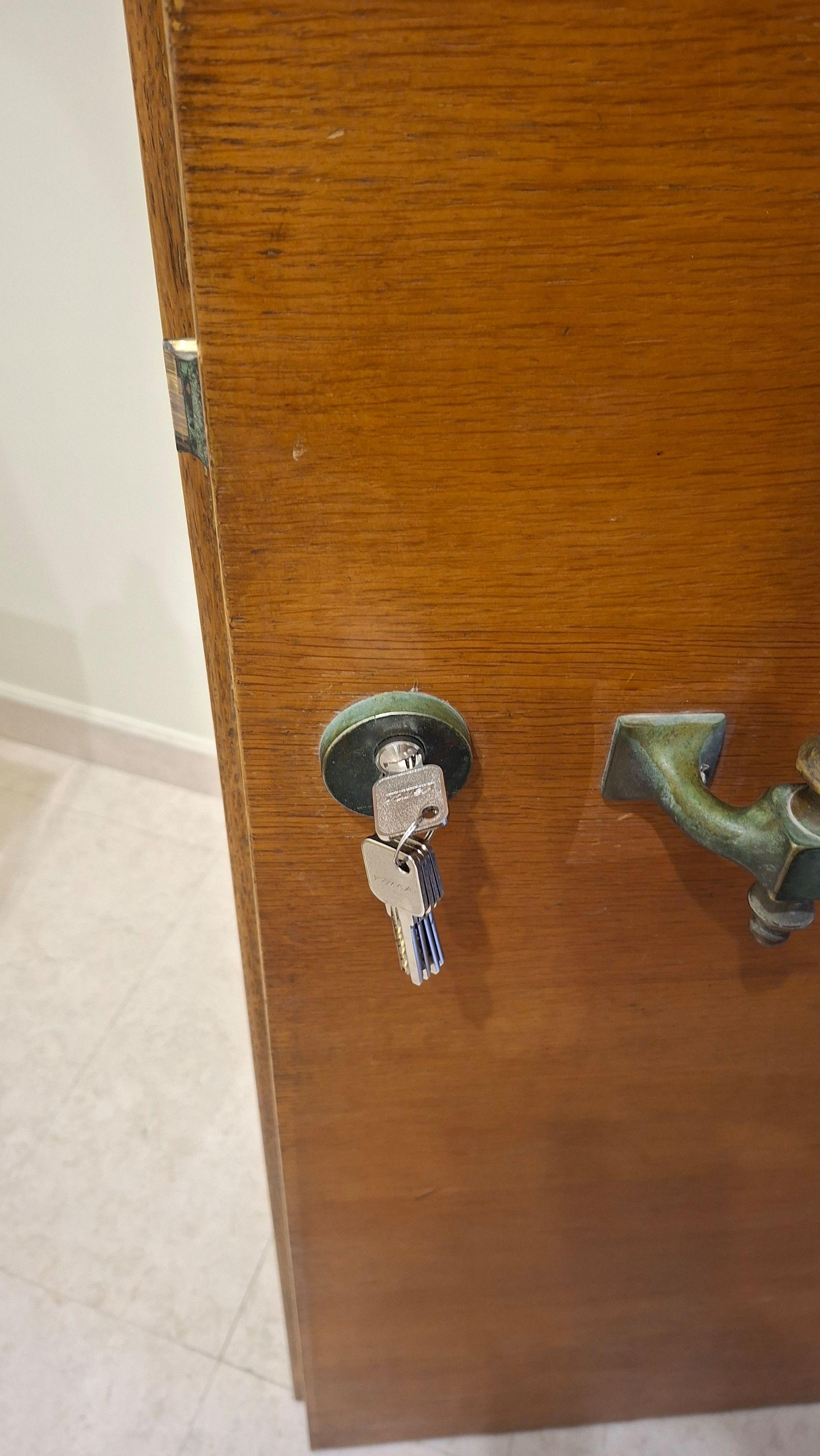
A door lock can sometimes appear to be working normally while the door itself refuses to open. You insert the key, turn it as usual, and feel the cylinder moving, but the latch does not retract from the door frame. This can be confusing because the key and lock may not appear completely broken.
The problem can involve several different parts of the door hardware. The cylinder, latch, spindle, handle, internal mechanism, or door alignment may all play a role. In some cases, a relatively small mechanical fault can prevent the entire door from opening normally.
For Dubai homeowners, tenants, landlords, and businesses, understanding what to check can help identify the problem without making the situation worse. Most importantly, a lock that is not functioning correctly should not be forced repeatedly, as excessive pressure can damage the key or internal hardware.
Start by Understanding What the Latch Does
The latch is the part of the door mechanism that extends into the frame when the door is closed. It keeps the door in the closed position and retracts when the handle or appropriate locking mechanism is operated.
When the key turns but the latch does not move, the key cylinder may not be the part that has failed. The movement generated by the key or handle may not be reaching the latch correctly.
This distinction is important because replacing the cylinder immediately may not solve the actual problem. The complete locking mechanism should be considered before deciding what needs to be changed.
Check Whether the Handle Moves Normally
The door handle can provide an important clue. Try operating the handle gently and observe whether it feels normal or unusually loose.
A handle that moves without retracting the latch can indicate an issue with the connection between the handle and internal mechanism. Depending on the lock design, the spindle or another internal component may no longer be transferring movement correctly.
Do not repeatedly pull or twist the handle with excessive force. If the handle feels disconnected or unusually loose, further force could potentially make the internal problem worse.
The Cylinder May Be Working While Another Part Has Failed
A key turning normally does not necessarily mean that every component inside the lock is functioning correctly. The cylinder can rotate while another part of the mechanism fails to transfer that movement to the latch or bolt.
This can happen with older or heavily used hardware, particularly when internal components have become worn.
If the key turns through its normal range but the door remains closed, the issue may therefore be further inside the locking mechanism rather than at the keyway itself.
Check Whether the Door Is Under Pressure
Door alignment is another important factor. Sometimes the latch is not actually broken, but pressure from the door or frame is preventing it from retracting or releasing properly.
For example, the door may have shifted slightly within its frame, or the latch may be pressing against the strike plate. You may notice that the door needs to be pushed, pulled, or lifted before the locking mechanism responds correctly.
If you are already outside and the door is closed, avoid applying excessive force. If the lock is accessible and the problem continues, professional inspection can determine whether alignment is contributing to the issue.
Look at the Strike Plate
The strike plate is fitted to the door frame and provides the opening where the latch enters. If the plate becomes loose, moves out of alignment, or is damaged, the latch may not operate correctly.
A small change in position can sometimes create noticeable resistance. The door may close differently than it did previously, or the latch may scrape against the frame.
If the door has gradually become harder to close or open, rather than failing suddenly, alignment should be considered alongside the lock itself.
Consider the Age of the Lock
Locks are mechanical devices, and repeated daily use can eventually affect their internal components. A lock that has been installed for many years may develop wear in springs, levers, spindles, cylinders, or other parts.
An ageing lock does not necessarily need immediate replacement. Some faults can be repaired or adjusted depending on the design and condition of the hardware.
However, if the same mechanism has repeatedly caused problems, replacement may eventually be more practical than continuing to repair individual components.
What If the Latch Is Stuck?
A stuck latch can have different causes. Dirt, wear, damaged internal components, pressure from the frame, or mechanical failure can all potentially affect its movement.
Avoid trying to force the latch back using unsuitable objects. Doing so can damage the door, frame, or locking mechanism and may make professional repair more difficult.
If the latch cannot move normally through the intended handle or locking mechanism, the hardware should be assessed rather than forced.
Does the Problem Happen With the Door Open?
If you can safely test the mechanism with the door open, this can provide useful information.
Operate the handle and key while observing the latch. If the latch retracts normally when the door is open but becomes difficult when the door is closed, the frame or strike alignment may be involved.
If the latch does not move even with the door open, the problem is more likely to be within the lock or handle mechanism.
This simple observation can help narrow down the possible cause.
What If the Key Turns Too Easily?
A key that suddenly feels unusually loose can also be a warning sign.
If the key rotates without the normal resistance or does not appear to engage the locking mechanism properly, an internal connection may have failed.
This is different from a normal key operation. If the behaviour has changed suddenly, avoid repeatedly turning the key in an attempt to make the door respond.
A professional can inspect the cylinder and internal mechanism to determine what has happened.
Could the Handle or Spindle Be Responsible?
Many door handles operate the latch through a spindle or related internal connection. If this component becomes damaged, loose, or disconnected, moving the handle may no longer retract the latch.
You may notice that the handle moves but feels unusually light or does not have its normal spring-back action.
Because the exact mechanism varies between locks, it is better to identify the lock type before attempting to dismantle it.
Should You Try to Repair It Yourself?
Simple visible issues, such as a loose external screw, may sometimes be easy to identify. However, a latch that does not move despite normal key operation can involve internal components that are not visible from outside.
Taking the lock apart without understanding its construction can create additional problems. Small components can also be misplaced or installed incorrectly.
If the door is an important entrance or the mechanism has stopped operating properly, professional assessment is generally more practical than experimenting with the internal lock.
When Repair May Be Enough
A malfunctioning latch does not automatically mean that the complete lock needs replacement. Depending on the cause, a professional may find that adjustment or repair is sufficient.
Possible repair-related work can include addressing loose hardware, correcting alignment, replacing a damaged component, or servicing a suitable mechanism.
The appropriate solution depends on the lock's design and physical condition. A professional inspection can help distinguish a repairable fault from a lock that has reached the end of its useful service life.
When Replacement May Be More Practical
Replacement may make more sense when the locking mechanism is significantly worn, damaged, repeatedly failing, or no longer suitable for the door.
If several internal components have deteriorated, repairing one part may only provide a temporary solution. Similarly, if replacement parts are unavailable for an older lock, installing suitable new hardware can be more practical.
The decision should be based on the condition of the existing lock rather than simply replacing it because the latch has stopped moving.
What Dubai Residents Should Tell a Locksmith
If professional assistance is required, explain exactly what happened instead of simply saying that the door is broken.
Useful information includes whether:
- The key turns normally
- The handle moves
- The latch remains extended
- The problem happens only when the door is closed
- The lock worked normally previously
- The door had been difficult to close recently
- The lock is old
- The problem appeared suddenly
These details can help the professional understand the symptoms before inspecting the hardware.
For residents who need professional door lock repair services in Dubai, describing the exact behaviour of the lock can make it easier to determine whether repair, adjustment, or replacement should be considered.
Avoid Repeatedly Forcing the Door
When a door will not open, frustration can lead to increasingly strong attempts to turn the key or pull the handle. This can create additional damage.
A key can bend or break inside the cylinder. The handle can also be damaged if excessive force is applied, while the door frame can be affected if someone repeatedly pushes or kicks the door.
If normal operation is no longer working, stop before the problem becomes more complicated.
What If You Are Locked Inside?
If the door cannot be opened from the inside, the situation should be treated seriously, particularly if there is another safety concern or no alternative exit.
Do not dismantle the lock unnecessarily. If there is an urgent safety issue, use an appropriate emergency exit where available and seek immediate assistance.
For a normal mechanical lock failure without an immediate danger, professional locksmith assistance can be arranged to assess and resolve the issue.
Frequently Asked Questions
Why does my key turn but the latch does not move?
The cylinder may be turning while another part of the internal mechanism, handle connection, spindle, or latch has developed a fault. Door alignment can also contribute to the problem.
Can door alignment stop the latch from working?
Yes. Pressure between the latch and strike plate can make the mechanism difficult to operate, particularly when the door is closed.
Does a faulty latch always mean I need a new lock?
No. Depending on the cause and condition of the hardware, repair or adjustment may be possible.
Should I force the key if the latch will not retract?
No. Excessive force can damage or break the key and may create a more complicated lock problem.
Can an old lock be repaired?
Some older locks can be repaired, but the availability of suitable components and the overall condition of the mechanism need to be considered.
Final Thoughts
When a key turns normally but the latch refuses to move, the visible part of the lock may not be where the actual problem is. The cylinder, handle, spindle, internal mechanism, latch, and door-frame alignment can all affect how the locking system operates.
Start by observing the symptoms rather than forcing the mechanism. If possible, compare how the latch behaves with the door open and closed, check whether the handle feels normal, and consider whether the door has recently developed alignment problems.
A professional inspection can then determine whether the issue is suitable for repair or whether replacement would provide a more reliable solution. For Dubai residents, dealing with a malfunctioning latch early can help prevent a minor mechanical problem from turning into a complete lockout or damaged door.
The key point is simple: if the key still turns but the latch no longer responds, do not assume the key or cylinder is the entire problem. The complete door-lock mechanism needs to be considered.

 Arabic
 French
 Spanish
 Portuguese
 Deutsch
 Turkish
 Dutch
Dutch
 Italiano
 Russian
 Romaian
 Portuguese (Brazil)
 Greek
Greek