


Clean-Label Products and Transparency Influence Consumer Choices in the Health Wellness Food Market
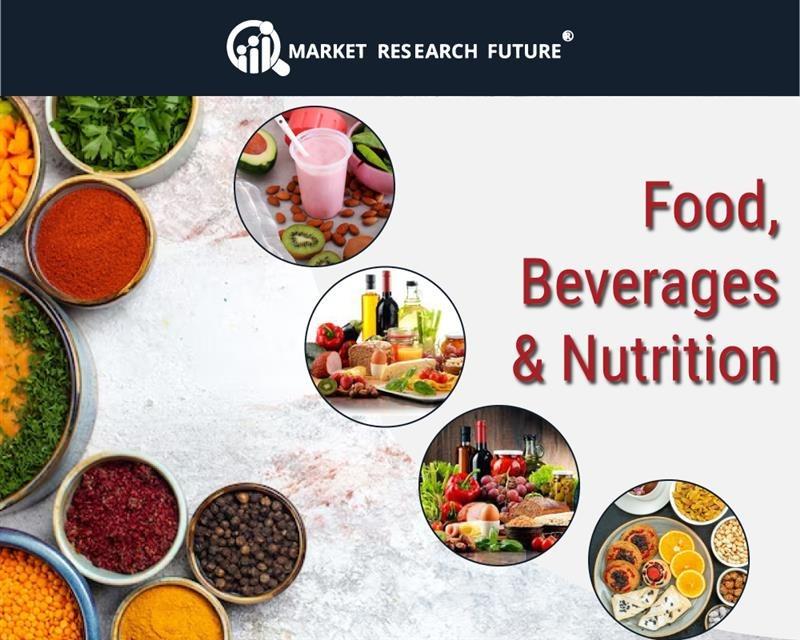
Ingredient transparency has become an important consideration in the Health Wellness Food Market. As consumers become more attentive to food composition and sourcing, demand is growing for products with understandable ingredient lists, clear nutritional information, and credible descriptions of their attributes.
Clean-label positioning is commonly associated with recognizable ingredients, straightforward labeling, and reduced reliance on certain additives. However, the term does not have one universal regulatory definition, so brands must explain product characteristics accurately rather than treating clean label as a guaranteed measure of nutritional quality.
The market is projected by Market Research Future to grow from USD 1,376.46 billion in 2025 to USD 2,869.3 billion by 2035, registering a CAGR of 7.62%. This expansion provides a favorable environment for brands that prioritize product quality, transparency, and consumer trust.
Factors Supporting Clean-Label Demand
One major driver is growing interest in informed food choices. Consumers increasingly examine ingredient lists, nutrition panels, allergen information, and sourcing details before purchasing. Clear communication helps shoppers determine whether a product aligns with their preferences and dietary requirements.
Demand for organic, plant-based, and minimally processed products is also influencing product development. While these categories are distinct, they often appeal to consumers seeking greater clarity about how food is produced and what it contains. Manufacturers are responding by reviewing ingredient selection, refining formulations, and improving packaging information.
Digital retail is reinforcing this trend. Online product pages allow brands to present ingredient explanations, certifications where applicable, and detailed nutrition information. This is particularly useful for consumers comparing specialized foods or managing specific dietary preferences.
Emerging Industry Trends
Simplified ingredient communication is becoming a competitive tool. Brands are increasingly emphasizing the role of individual ingredients and making nutrition information easier to understand. Packaging and websites can also explain sourcing practices and manufacturing standards when these statements are supported by verifiable information.
Product reformulation is another trend. Some manufacturers are reducing added sugar, adjusting sodium levels, or replacing selected ingredients to align with consumer expectations. Such changes require careful testing to maintain taste, texture, food safety, and shelf stability.
Sustainable sourcing and packaging may also influence purchasing decisions. However, environmental claims should be specific and substantiated, since vague language can weaken consumer confidence.
Challenges for Market Participants
Reformulation can increase production costs and introduce technical difficulties. Replacing an ingredient may affect flavor, texture, processing performance, or shelf life. Businesses must also comply with labeling regulations, which vary by country and product category.
Another challenge is consumer interpretation. A product described as natural or clean-label is not automatically low in sugar, allergen-free, or nutritionally balanced. Accurate communication is therefore essential.
Future Outlook
Transparency is likely to remain a differentiating factor as competition increases across health-focused food categories. Brands that pair clear labeling with dependable quality, accessible prices, and evidence-based communication may build stronger consumer relationships.
For broader industry context, review the organic and natural food market trends through the lens of the expanding Health Wellness Food Market.
FAQs
Q1. What does clean label mean in the food industry?
It generally refers to products marketed around recognizable ingredients and transparent labeling, but it has no single universal definition.
Q2. Why is ingredient transparency important?
It helps consumers evaluate products, compare nutrition information, identify relevant ingredients, and make choices aligned with their preferences.

 Arabic
 French
 Spanish
 Portuguese
 Deutsch
 Turkish
 Dutch
Dutch
 Italiano
 Russian
 Romaian
 Portuguese (Brazil)
 Greek
Greek