English
 Arabic
 French
 Spanish
 Portuguese
 Deutsch
 Turkish
 Dutch
Dutch
 Italiano
 Russian
 Romaian
 Portuguese (Brazil)
 Greek
Greek
FLYLOONG-CANDYMACHINE Chocolate Twist Packing Machine for Sweet Brands
Shopping |
2025-06-20 08:27:51
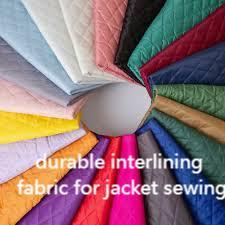
When creating garments that balance both style and structure, few elements are as essential as Interlining . The use of Interlining helps designers maintain form, add durability, and achieve a professional finish in apparel. This hidden layer may not always be visible to consumers, but its role in shaping the fashion industry is undeniable. By providing strength and stability, it elevates clothing from simple fabric to well-constructed attire suited for diverse needs.
Behind every well-tailored jacket, crisp shirt, or structured dress lies a stabilizing layer that ensures fabrics hold their shape. This layer prevents sagging and maintains a polished look over time. Without it, many garments would quickly lose their structure after a few wears, making them less appealing to consumers. Designers and manufacturers rely heavily on this material to deliver long-lasting quality in fashion pieces.
In addition to supporting structure, this textile layer also influences how clothing feels when worn. It can add softness for comfort or firmness for a sharp finish. This versatility allows designers to adapt garments for various purposes, from lightweight summer clothing to professional uniforms requiring durability. The ability to blend function with comfort is what makes this fabric element indispensable in apparel production.
As the textile industry moves toward eco-conscious practices, sustainable options for this essential material are becoming more common. Recycled fibers, biodegradable choices, and innovative blends are now being explored. These developments not only reduce environmental impact but also provide manufacturers with the chance to align with global sustainability goals. For consumers, the growing demand for responsible fashion means materials must balance performance with eco-friendly innovation.
While clothing is the most visible use, this supportive layer finds applications across other industries as well. Accessories like handbags, belts, and hats use it to achieve sturdiness and form. In technical textiles, such as workwear and protective garments, it ensures safety and resilience. Even in home furnishings like curtains or upholstery, its role in creating structured and lasting products is significant. Its adaptability ensures continued relevance in both fashion and beyond.
The future of textiles lies in smart, multifunctional fabrics, and this supporting layer is no exception. From combining with advanced fibers to integrating moisture-wicking or temperature-regulating properties, innovation continues to expand its possibilities. As fashion technology grows, the importance of this hidden yet vital material will only increase. Designers, suppliers, and manufacturers will continue to depend on it as they create garments that meet modern expectations of durability, comfort, and sustainability.
This essential textile layer proves that what lies beneath the surface often matters most. Its role in fashion, accessories, and industrial use underlines how fundamental it is to the textile world. For more insights into its functions and applications, visit https://www.interlining-factory.com/news/what-is-interlining-types-applications-and-more.html .