


Refurbished Electronics Market: Technology Trends Shaping the Next Generation of Devices
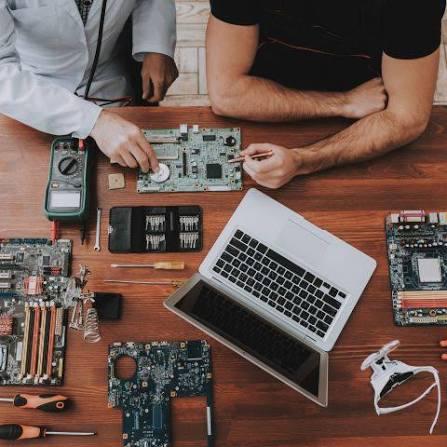
The current macroeconomic climate, characterized by persistent inflationary pressures and a widespread cost-of-living crisis, has fundamentally altered consumer spending habits across virtually all demographics. Discretionary income has shrunk, forcing households and individuals to make difficult financial compromises, particularly regarding high-ticket items like consumer electronics. Historically, the launch of a flagship smartphone or a next-generation laptop would trigger immediate, massive waves of upgrades. However, as the retail prices for these premium devices soar well past the thousand-dollar mark, a substantial portion of the population finds themselves priced out of the primary market. This economic reality has birthed a pragmatic consumer base that prioritizes functionality and value over the prestige of owning the absolute latest technology. For our group discussion, it is vital to dissect how financial constraints have accelerated the mainstream acceptance of second-hand and revitalized gadgets. People are realizing that the technological leap between consecutive generations of devices is often incremental, meaning a two-year-old flagship phone often performs just as well as the newest release for everyday tasks. We must explore how this financial prudence is reshaping brand loyalty and disrupting traditional tech adoption cycles worldwide.
As we delve deeper into this financial shift, it becomes evident that the secondary tech ecosystem is not merely a fallback option but a strategic choice for savvy consumers. Independent platforms and certified programs offered by original manufacturers alike have recognized this massive demographic seeking premium experiences at discounted rates. By offering comprehensive return policies and financing options on revitalized devices, these entities have successfully democratized access to high-end technology. This competitive pricing strategy is forcing a broader industry reckoning, compelling primary manufacturers to reconsider their pricing models and product lifespans. To fully comprehend where this financial momentum is heading over the next decade, consulting a detailed Refurbished Electronics Market forecast is indispensable, as it highlights projected revenue streams and consumer adoption rates. Our discussion must critically evaluate the long-term sustainability of this trend. Will consumers revert to purchasing brand-new devices once the global economy stabilizes, or has the perception of value been permanently altered? Understanding these economic drivers is crucial for predicting the future landscape of retail technology and the evolving definition of consumer value in the modern digital age.
FAQ 1: Why are consumers shifting away from new flagship smartphones? Consumers are primarily shifting away due to the immense cost-of-living increases and inflation, making the $1,000+ price tags of new flagship devices financially unfeasible, driving them toward high-quality, pre-owned alternatives.
FAQ 2: Does buying refurbished technology mean sacrificing performance? Not necessarily. Because technological advancements between yearly models have become highly incremental, a refurbished flagship device from a year or two ago often provides an identical day-to-day performance experience to the newest model.
➤➤➤Explore MRFR’s Related Ongoing Coverage In Semiconductor Industry:
Platform Screen Door System Market
Position Proximity Sensor Market
Positive Material Identification Market
Powder Bed Fusion Process 3D Printer Market

 English
 Arabic
 French
 Spanish
 Portuguese
 Deutsch
 Turkish
 Dutch
Dutch
 Russian
 Romaian
 Portuguese (Brazil)
 Greek
Greek