English
 Arabic
 French
 Spanish
 Portuguese
 Deutsch
 Turkish
 Dutch
Dutch
 Italiano
 Russian
 Romaian
 Portuguese (Brazil)
 Greek
Greek
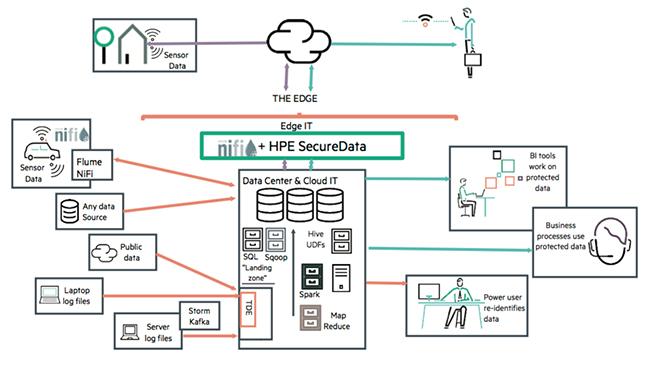
Big Data Security and Privacy: Balancing Protection and Compliance
Other |
2025-12-09 09:35:03

The Cargo Door Interlock Safety Systems Market is poised for significant expansion over the forecast period, driven by the increasing emphasis on aviation safety and stringent regulatory mandates across commercial and cargo aviation sectors. These systems play a critical role in preventing inadvertent door opening during flight, ensuring both cargo integrity and passenger safety.
The rising number of air cargo operations worldwide has intensified the demand for reliable safety systems. Advanced cargo door interlock safety mechanisms reduce operational risks and enhance compliance with international aviation safety standards. As airlines expand their cargo fleets, investment in these systems is expected to grow substantially, particularly in regions experiencing high air freight traffic.
Technological advancements are a major driver in this market. Modern cargo door interlock systems incorporate sensors, automated locking mechanisms, and real-time monitoring, improving safety outcomes and operational efficiency. The integration of IoT-based monitoring further supports predictive maintenance and minimizes downtime, creating opportunities for system upgrades and aftermarket services.
Request a Sample Report: https://researchintelo.com/request-sample/64252
Market Overview and Key Drivers
The Cargo Door Interlock Safety Systems Market is influenced by several growth drivers:
However, market expansion faces certain restraints. The high costs of system installation and maintenance, particularly for small and regional carriers, can slow adoption. Additionally, integrating advanced interlock systems with legacy aircraft may pose technical challenges, limiting immediate market penetration.
Opportunities lie in retrofitting existing fleets and the increasing adoption of unmanned cargo aircraft. As drones and autonomous cargo carriers gain prominence, there is potential for specialized interlock safety solutions, opening new revenue streams for manufacturers and service providers.
Regional Insights and Market Dynamics
North America leads the Cargo Door Interlock Safety Systems Market, driven by a dense concentration of air cargo operations and early adoption of advanced aviation technologies. The region’s robust regulatory framework ensures adherence to the latest safety standards, fueling continuous investments.
Europe is a significant market due to stringent European Aviation Safety Agency (EASA) regulations, with countries like Germany, France, and the UK leading system implementation. Asia-Pacific is emerging as a high-growth region, fueled by expanding air cargo networks in China, India, and Southeast Asia, coupled with rising air freight demand.
The Middle East and Latin America present moderate growth opportunities. Airlines in these regions are gradually upgrading their fleets, and regional hubs such as Dubai and São Paulo are investing in cargo infrastructure, indirectly driving the demand for safety interlock systems.
View Full Report: https://researchintelo.com/report/cargo-door-interlock-safety-systems-market
Market Segmentation and Value Insights
The market is segmented based on type, application, and aircraft category.
Market value trends indicate consistent growth, with the global market projected to reach substantial figures by 2032, registering a steady CAGR. Increasing fleet expansions, regulatory pressure, and technological innovations are key contributors to this upward trajectory.
Competitive Landscape and Strategic Insights
While Research Intelo does not focus on specific company names, the market is characterized by continuous innovation and product differentiation. Manufacturers are focusing on improving system reliability, sensor accuracy, and integration with aircraft monitoring systems. Strategic investments in R&D and aftermarket service offerings are expected to remain pivotal for capturing market share.
Collaboration with aviation authorities and aircraft manufacturers ensures compliance and encourages adoption. The growing trend of predictive maintenance and IoT-enabled monitoring further strengthens the market by offering long-term cost savings and operational efficiency to airlines.
Enquire Before Buying: https://researchintelo.com/request-for-customization/64252
Emerging Trends and Opportunities
Several emerging trends are shaping the Cargo Door Interlock Safety Systems Market:
Investments in research for advanced materials and lightweight mechanisms also enhance system efficiency without significantly increasing aircraft weight. The integration of safety systems into digital twin models is gaining attention, providing operators with enhanced simulation and risk assessment tools.
Challenges and Restraints
Despite opportunities, the market faces challenges. High initial investment and operational costs can be a barrier for smaller airlines. Additionally, the complexity of integrating interlock systems into older aircraft may slow adoption. Adherence to strict certification and safety standards requires continuous system testing and compliance audits, adding to operational expenditures.
Check Out the Report: https://researchintelo.com/checkout/64252
Conclusion and Market Outlook
The Cargo Door Interlock Safety Systems Market is positioned for robust growth, driven by regulatory mandates, technological advancements, and increasing air cargo operations. As airlines seek safer, more efficient operations, the adoption of advanced interlock solutions is expected to rise steadily across all regions.