English
 Arabic
 French
 Spanish
 Portuguese
 Deutsch
 Turkish
 Dutch
Dutch
 Italiano
 Russian
 Romaian
 Portuguese (Brazil)
 Greek
Greek
Valorant : Veto – Nouvel agent et ses stratégies
Games |
2025-10-29 01:51:01
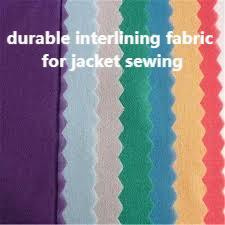
In contemporary garment production, Interlining plays a vital role in improving both the structural integrity and aesthetic appeal of clothing. By incorporating Interlining into selected areas, designers can ensure garments retain their shape, maintain durability, and deliver a professional finish. This material bridges the gap between fashion and function, allowing for garments that are both stylish and long-lasting. Understanding its practical benefits helps manufacturers create products that meet industry standards while exceeding customer expectations.
One of the primary purposes of supportive layers in clothing is to maintain shape in areas that endure stress, such as collars, cuffs, and lapels. Using the right materials prevents sagging and wrinkling, ensuring a sharp and consistent appearance. Properly integrated layers reduce deformation over time, keeping garments looking polished even after repeated use.
While structural integrity is essential, comfort must not be sacrificed. Modern textiles allow for breathable, lightweight materials that do not impede movement. By carefully balancing rigidity and flexibility, clothing designers provide a comfortable experience for the wearer without compromising support. This approach is particularly crucial in everyday wear and professional uniforms where flexibility and ease of movement are priorities.
Achieving uniformity and precision is critical for quality control. Variations in fabric thickness, adhesive application, or bonding techniques can lead to defects such as puckering or uneven seams. By standardizing production and performing meticulous inspections, manufacturers ensure consistent outcomes. Precision in the production process also contributes to better fit, aesthetic appeal, and long-term garment durability.
The benefits of supportive layers extend beyond traditional clothing. These materials are used in accessories, upholstery, and protective gear to enhance durability, shape, and functionality. Innovative techniques in material selection allow designers to experiment with weight, texture, and rigidity, producing items that are both practical and visually appealing. This versatility highlights the importance of integrating supportive materials into various product categories.
Leading producers focus on sustainable sourcing and efficient manufacturing processes. By reducing waste and selecting eco-friendly materials, environmental impact is minimized. Rigorous testing ensures products maintain performance over time, guaranteeing customer satisfaction. Combining quality assurance with sustainability creates reliable products that perform well and last long. For further information on product types and applications, visit https://www.interlining-factory.com/news/what-is-interlining-types-applications-and-more.html .