English
 Arabic
 French
 Spanish
 Portuguese
 Deutsch
 Turkish
 Dutch
Dutch
 Italiano
 Russian
 Romaian
 Portuguese (Brazil)
 Greek
Greek
Japanese Cinemas 2001: Spirited Away Breaks Records
Games |
2025-10-26 07:03:17
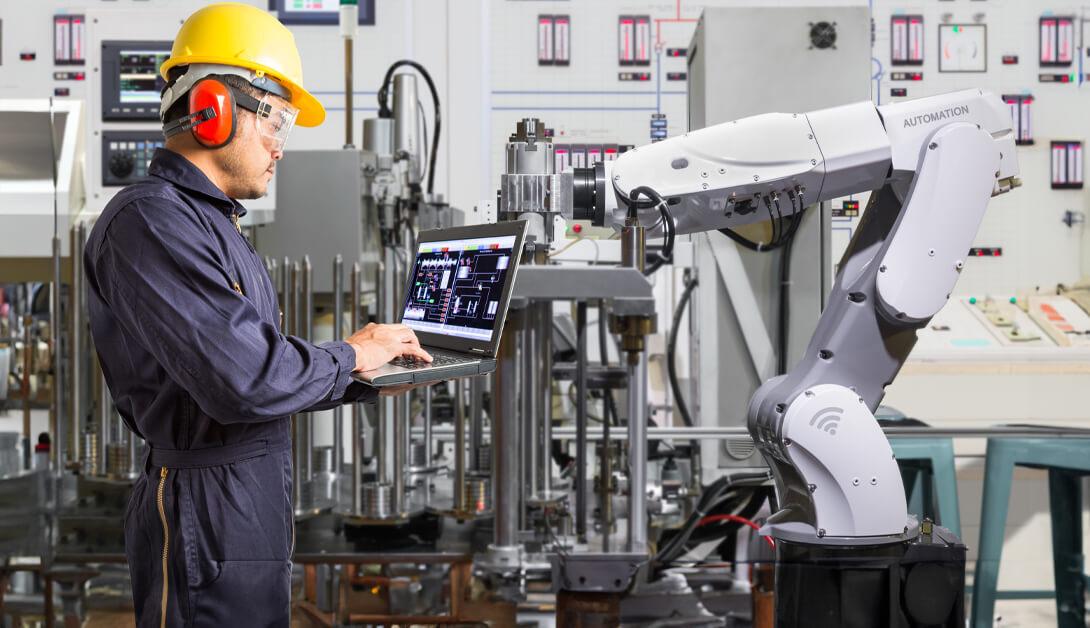
The automated industrial quality control market has been the scene of a significant and ongoing trend of strategic consolidation, a movement that is concentrating greater market power in the hands of the largest and most well-capitalized players. This powerful wave of Automated Industrial Quality Control Market Share Consolidation is being driven by the desire of major industrial technology and automation companies to build a more comprehensive, end-to-end portfolio of "smart factory" solutions. The underlying strategic logic is clear: to offer customers a single, integrated platform that spans the entire production lifecycle, from design and simulation to automation and quality assurance. To achieve this vision, the major players are using M&A as a strategic shortcut to acquire best-in-class technologies and fill critical gaps in their offerings. This trend is leading to a less fragmented market landscape, where a few major platform providers are able to offer a more complete and integrated suite of solutions, making it more difficult for smaller, specialized point-solution providers to compete.
A primary driver of this consolidation is the acquisition of specialized sensor and metrology companies by larger industrial software and automation giants. For example, a company that is a leader in manufacturing execution systems (MES) or product lifecycle management (PLM) software might acquire a company that manufactures 3D scanners or advanced metrology sensors. This allows the acquirer to vertically integrate, moving from just managing the digital design of a part to also being able to manage the physical inspection and quality verification of that part. This creates a powerful "digital thread" that links the design intent directly to the quality control results on the factory floor. Hexagon's long series of acquisitions, including of metrology companies like Leica Geosystems and software companies like MSC Software, is a prime example of a company building a comprehensive digital reality platform through strategic M&A. This strategy transforms the company from a simple tool provider into a strategic partner for a manufacturer's entire quality process.
Another key aspect of consolidation is the acquisition of innovative AI and machine learning startups by the established machine vision and automation leaders. As deep learning has proven to be a game-changing technology for solving complex inspection problems, the major players have been in a race to acquire the best AI talent and technology. By acquiring an AI startup, an established company can instantly integrate cutting-edge deep learning capabilities into its existing product line, providing its massive customer base with a powerful new tool and leapfrogging competitors who are still relying on traditional, rule-based vision algorithms. This trend is not just about adding features; it is about securing a leadership position in the next generation of industrial inspection. The overall impact of this consolidation is the emergence of a few, highly powerful industrial technology platforms that can offer a complete suite of solutions for the modern, data-driven factory, with automated quality control as a core and deeply integrated component. The Automated Industrial Quality Control Market size is projected to grow to USD 50.51 Billion by 2035, exhibiting a CAGR of 8.88% during the forecast period 2025-2035.
Top Trending Reports -
Video Streaming Ott Platform Market