


Exchange Traded Fund Market Growth Driven by Rising Demand for Diversified Investments
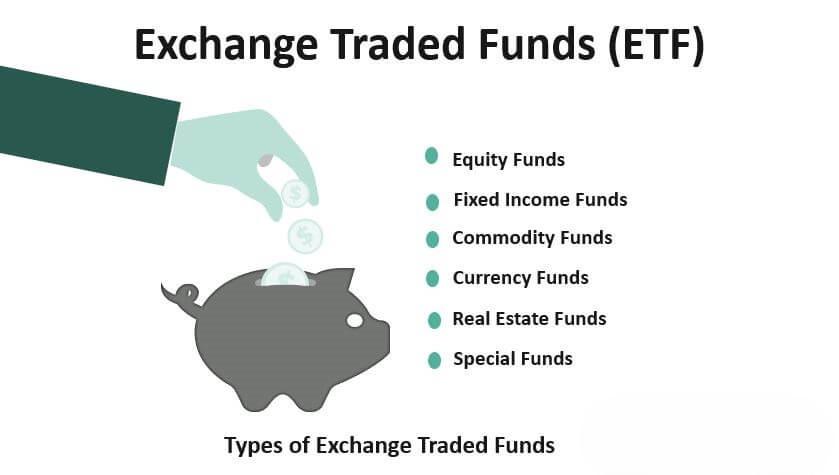
Institutional asset allocators, pension funds, and wealth management firms are continuously searching for efficient instruments that facilitate long-term wealth preservation alongside strategic capital deployment. The modern macroeconomic environment, characterized by fluctuating bond yields and global trade shifts, requires dynamic portfolio rebalancing strategies that mitigate systemic risk while maintaining capital efficiency. In this context, reviewing an updated Exchange Traded Fund Market forecast helps market researchers evaluate projected asset inflows, emerging sector allocations, and macroeconomic risk factors impacting global liquidity. Institutional capital managers are increasingly replacing traditional derivatives and single-stock exposures with highly liquid, exchange-listed index products to streamline execution and minimize counterparty credit risks. Furthermore, regulatory mandates emphasizing transparency and fee reduction are accelerating the displacement of high-cost active funds, forcing traditional portfolio managers to rethink their value proposition.
As structural market shifts unfold, the integration of quantitative models and automated execution strategies is expected to further propel systemic demand for index-based vehicles. Emerging markets in Latin America, Asia-Pacific, and the Middle East present significant headroom for expanding passive investment infrastructure, supported by rising middle-class wealth and digital trading platforms. Asset management institutions are actively expanding product suites to incorporate fixed-income strategies, inflation-hedged instruments, and private market proxy solutions designed to weather market volatility. By examining these structural projections during collaborative group sessions, analysts can evaluate how passive mechanisms influence capital allocation, price discovery, and market stability across various asset classes. The continued convergence of technology and institutional finance will undoubtedly solidify the strategic importance of these dynamic instruments worldwide.
Frequently Asked Questions
Q1: Why are institutional investors increasingly using passive index products instead of direct derivative positions? A: Index products eliminate counterparty risk, reduce complex collateral management obligations, offer transparent pricing, and provide deep operational liquidity without requiring complex ISDA agreements.
Q2: How do global monetary policies influence long-term institutional asset allocations? A: Central bank interest rate adjustments alter yield expectations, encouraging institutional managers to dynamically reallocate capital between fixed-income, equity, and commodity-based passive vehicles.
➤➤➤Explore MRFR’s Related Ongoing Coverage In Semiconductor Industry:
Compulsory Third Party Insurance Market
Connected Street Lights Market
Outdoor Lighting Controller Market
US Predictive Emission Monitoring System Market

 English
 Arabic
 French
 Portuguese
 Deutsch
 Turkish
 Dutch
Dutch
 Italiano
 Russian
 Romaian
 Portuguese (Brazil)
 Greek
Greek