The Crypto News Hub

The Crypto News Hub

@CryptoNews

  • Unlock your gateway to the Pan Freedom Ecosystem!
    Create your account in just a few simple steps and start exploring the power of decentralized finance, security, and freedom—all in one place.

    #PanFreedom #PanFreedomEcosystem #BlockchainRevolution #CryptoCommunity #CryptoEcosystem
    Unlock your gateway to the Pan Freedom Ecosystem! 🚀 Create your account in just a few simple steps and start exploring the power of decentralized finance, security, and freedom—all in one place. ✨🔐 #PanFreedom #PanFreedomEcosystem #BlockchainRevolution #CryptoCommunity #CryptoEcosystem
    ·322 Views ·5 Plays ·0 Reviews
  • Gary Gensler Warns of a Crypto Shakeout: Sentiment and Fundamentals Will Shape the Market's Future.

    Gary Gensler, the chairman of the U.S. Securities and Exchange Commission (SEC), has been vocal about his views on the future of the cryptocurrency market. Recently, he made headlines by predicting a significant shakeout in the industry, warning that the market is at a crucial juncture. According to Gensler, the role of sentiment in the crypto market will increasingly outweigh the fundamentals, which could lead to volatile fluctuations and price corrections.

    This statement from Gensler is particularly notable given his position as chairman of the SEC, where he is in charge of implementing financial industry regulations. His remarks come at a time when the cryptocurrency business is seeing huge growth while also facing increased regulatory scrutiny. Gensler argues that, while the foundations of cryptocurrencies, such as blockchain technology and decentralised finance, are strong, the current market emotion will primarily decide their future trajectory.

    Gensler mentions a crypto shakeout, which is not necessarily an unexpected event. In fact, many observers expect that as the sector evolves, weaker projects will be weeded out, leaving only the more durable cryptocurrencies. However, Gensler's remarks underscore an essential consideration: market sentiment. During instances of intense optimism or fear, investors' emotional behaviour can cause large price movements that are often unrelated to the project's underlying fundamentals.

    Market sentiment in the cryptocurrency market has traditionally been turbulent. The dramatic rise and fall of Bitcoin and other altcoins over the years demonstrate how sentiment may take the lead, culminating in speculative bubbles. Investors are frequently motivated by fear of missing out (FOMO) during bull markets or panic during downturn markets, which can lead to illogical market fluctuations.

    According to Gensler's caution, sentiment may become even more prominent in the future, perhaps overshadowing the basic fundamentals that often drive markets in established sectors. This could imply that cryptocurrencies with strong technical foundations or new features will struggle to gain momentum if market sentiment is negative. Conversely, cryptocurrencies that benefit from positive sentiment, even if they lack strong fundamentals, may see quick price increases and market dominance.

    As Gensler noted, the current regulatory climate will have a substantial impact on market sentiment. With governments around the world mulling new cryptocurrency rules, any rapid policy shifts might have a significant impact on how investors see the market. Gensler highlighted how uncertainty and fear of regulatory crackdowns can undermine sentiment, whereas clear, favourable legislation can promote investor confidence and increase market participation.

    Understanding the characteristics of cryptocurrency market sentiment is becoming increasingly crucial to investors. While good fundamentals will always be important in deciding a cryptocurrency's long-term viability, sentiment fluctuations may cause short-term volatility. This volatility is something that investors should be prepared for, since it will most likely define the future of the cryptocurrency market.

    Gensler's prognosis on the cryptocurrency shakeout should be taken with caution. Although the principles of blockchain and cryptocurrency are exciting and revolutionary, the market's emotional responses will have a significant impact on which companies succeed and which fail. For individuals trying to navigate the crypto world, keeping an eye on sentiment trends and knowing the underlying technology will be critical to making informed judgements.
    Gary Gensler Warns of a Crypto Shakeout: Sentiment and Fundamentals Will Shape the Market's Future. Gary Gensler, the chairman of the U.S. Securities and Exchange Commission (SEC), has been vocal about his views on the future of the cryptocurrency market. Recently, he made headlines by predicting a significant shakeout in the industry, warning that the market is at a crucial juncture. According to Gensler, the role of sentiment in the crypto market will increasingly outweigh the fundamentals, which could lead to volatile fluctuations and price corrections. This statement from Gensler is particularly notable given his position as chairman of the SEC, where he is in charge of implementing financial industry regulations. His remarks come at a time when the cryptocurrency business is seeing huge growth while also facing increased regulatory scrutiny. Gensler argues that, while the foundations of cryptocurrencies, such as blockchain technology and decentralised finance, are strong, the current market emotion will primarily decide their future trajectory. Gensler mentions a crypto shakeout, which is not necessarily an unexpected event. In fact, many observers expect that as the sector evolves, weaker projects will be weeded out, leaving only the more durable cryptocurrencies. However, Gensler's remarks underscore an essential consideration: market sentiment. During instances of intense optimism or fear, investors' emotional behaviour can cause large price movements that are often unrelated to the project's underlying fundamentals. Market sentiment in the cryptocurrency market has traditionally been turbulent. The dramatic rise and fall of Bitcoin and other altcoins over the years demonstrate how sentiment may take the lead, culminating in speculative bubbles. Investors are frequently motivated by fear of missing out (FOMO) during bull markets or panic during downturn markets, which can lead to illogical market fluctuations. According to Gensler's caution, sentiment may become even more prominent in the future, perhaps overshadowing the basic fundamentals that often drive markets in established sectors. This could imply that cryptocurrencies with strong technical foundations or new features will struggle to gain momentum if market sentiment is negative. Conversely, cryptocurrencies that benefit from positive sentiment, even if they lack strong fundamentals, may see quick price increases and market dominance. As Gensler noted, the current regulatory climate will have a substantial impact on market sentiment. With governments around the world mulling new cryptocurrency rules, any rapid policy shifts might have a significant impact on how investors see the market. Gensler highlighted how uncertainty and fear of regulatory crackdowns can undermine sentiment, whereas clear, favourable legislation can promote investor confidence and increase market participation. Understanding the characteristics of cryptocurrency market sentiment is becoming increasingly crucial to investors. While good fundamentals will always be important in deciding a cryptocurrency's long-term viability, sentiment fluctuations may cause short-term volatility. This volatility is something that investors should be prepared for, since it will most likely define the future of the cryptocurrency market. Gensler's prognosis on the cryptocurrency shakeout should be taken with caution. Although the principles of blockchain and cryptocurrency are exciting and revolutionary, the market's emotional responses will have a significant impact on which companies succeed and which fail. For individuals trying to navigate the crypto world, keeping an eye on sentiment trends and knowing the underlying technology will be critical to making informed judgements.
    ·16K Views ·0 Reviews
  • Can the Digital Euro be the Solution to China and US Tightening Payment Control in Europe?

    As China and the US tighten their grip on global payment systems, Europe finds itself at a crossroads. The emergence of digital currencies, particularly the digital euro, could hold the key to reducing reliance on the dominant payment systems controlled by these two economic powers.

    The digital euro intends to create a more secure and efficient method of transacting inside Europe, establishing the European Union as a dominant player in the digital financial industry. With China and the United States controlling crucial payment infrastructure, the digital euro could provide an option that promotes greater economic independence in European countries.

    As China's digital yuan gains traction and the US imposes tighter financial penalties, Europe is more concerned about its ability to maintain financial sovereignty. The digital euro could address this issue by offering a state-backed, entirely digital currency that avoids traditional payment methods such as SWIFT, which are prone to political interference.

    However, the path to deploying the digital euro is beset with hurdles. To ensure the project's success, regulatory difficulties, technological barriers, and potential opposition from commercial banks and the broader public must be addressed. While the European Central Bank (ECB) is working hard to introduce a digital euro, it is unclear whether it will win the trust and adoption required to compete with China's and the United States' influence.

    The digital euro's success will be determined by its ability to enable smooth, rapid, and low-cost transactions while maintaining privacy and security. It should also include features that make it a desirable alternative to private digital currencies and traditional payment methods.

    As Europe considers its alternatives, the decision will have far-reaching consequences for the future of global banking. Can the digital euro prevent China and the United States from tightening their payment controls over Europe, or will it struggle to gain popularity in a world where digital currencies are already a competitive battleground?


    Can the Digital Euro be the Solution to China and US Tightening Payment Control in Europe? As China and the US tighten their grip on global payment systems, Europe finds itself at a crossroads. The emergence of digital currencies, particularly the digital euro, could hold the key to reducing reliance on the dominant payment systems controlled by these two economic powers. The digital euro intends to create a more secure and efficient method of transacting inside Europe, establishing the European Union as a dominant player in the digital financial industry. With China and the United States controlling crucial payment infrastructure, the digital euro could provide an option that promotes greater economic independence in European countries. As China's digital yuan gains traction and the US imposes tighter financial penalties, Europe is more concerned about its ability to maintain financial sovereignty. The digital euro could address this issue by offering a state-backed, entirely digital currency that avoids traditional payment methods such as SWIFT, which are prone to political interference. However, the path to deploying the digital euro is beset with hurdles. To ensure the project's success, regulatory difficulties, technological barriers, and potential opposition from commercial banks and the broader public must be addressed. While the European Central Bank (ECB) is working hard to introduce a digital euro, it is unclear whether it will win the trust and adoption required to compete with China's and the United States' influence. The digital euro's success will be determined by its ability to enable smooth, rapid, and low-cost transactions while maintaining privacy and security. It should also include features that make it a desirable alternative to private digital currencies and traditional payment methods. As Europe considers its alternatives, the decision will have far-reaching consequences for the future of global banking. Can the digital euro prevent China and the United States from tightening their payment controls over Europe, or will it struggle to gain popularity in a world where digital currencies are already a competitive battleground?
    ·13K Views ·0 Reviews
  • Robert Kiyosaki believes the historic Bitcoin crash is upon us, urging investors to seize the opportunity and increase their Bitcoin investment.

    In a recent warning, financial expert Robert Kiyosaki, known for his bestselling book Rich Dad Poor Dad, stated that the "historic Bitcoin crash" is already unfolding. As cryptocurrency markets continue to experience volatility, Kiyosaki's remarks have sparked widespread attention, especially among investors who are closely monitoring Bitcoin's performance. His bold assertion that a Bitcoin crash is imminent has prompted many to reconsider their investment strategies and evaluate how they can capitalize on the situation.

    Kiyosaki, who has long advocated for Bitcoin as a great asset, sees the current market corrections as a call to action. He famously asserted that Bitcoin, like gold and silver, is a necessary component of any well-rounded portfolio. Despite his warning about the Bitcoin meltdown, he stated that he will continue to buy additional Bitcoin, viewing the drop as an opportunity for experienced investors to gain a better position in the market.

    Kiyosaki's social media tweets emphasise the perils of established financial institutions and fiat currencies, which he believes are on the verge of collapse. According to him, the Federal Reserve's monetary policies, as well as global inflationary pressures, are making Bitcoin an increasingly attractive hedge. The recent variations in the price of Bitcoin have further strengthened his trust in cryptocurrency's potential as a store of value.

    As the "historic Bitcoin crash" develops, Kiyosaki urges his followers to buy more Bitcoin before it climbs again. This perspective is consistent with the bigger view of many cryptocurrency proponents, who believe that Bitcoin's long-term trajectory will continue to rise despite short-term collapses or swings.

    Kiyosaki's message to novice Bitcoin investors is clear: now is the moment to take action. The "buy low, sell high" principle is key to investment, and Kiyosaki sees this dip as an excellent buying opportunity. By purchasing Bitcoin during this market downturn, investors might position themselves for higher gains when the market eventually recovers. This method is consistent with his overall attitude of being proactive and in control of one's financial future, which he frequently mentions in his books and speaking engagements.

    Furthermore, Kiyosaki's proposal for increased Bitcoin investing is gaining traction as more people seek alternative assets in an uncertain global market. With the recent devaluation of traditional currencies and increased concerns about inflation, many people are turning to Bitcoin and other cryptocurrencies to protect their savings. Kiyosaki's constant promotion for Bitcoin as a safe investment is likely to continue to sway those who are undecided about cryptocurrency.

    The potential for Bitcoin's growth is enormous, and Kiyosaki is one of many who believe that this is only the beginning. While the short-term volatility of Bitcoin can be unnerving, Kiyosaki believes the long-term prognosis is highly optimistic. As more people comprehend Bitcoin's underlying value proposition and its capacity to function independently of central banks, it becomes evident that cryptocurrency is positioned to play a significant role in the future of finance.

    Finally, Robert Kiyosaki's warning of a historic Bitcoin fall should not be interpreted as a reason to fear. Instead, it should be considered as an opportunity for investors to purchase additional Bitcoin while prices remain low. Kiyosaki and many other cryptocurrency specialists feel that Bitcoin's long-term prospects remain high. For individuals ready to take the risk and embrace this new asset class, Bitcoin may be the key to achieving financial independence in an increasingly uncertain economic landscape.
    Robert Kiyosaki believes the historic Bitcoin crash is upon us, urging investors to seize the opportunity and increase their Bitcoin investment. In a recent warning, financial expert Robert Kiyosaki, known for his bestselling book Rich Dad Poor Dad, stated that the "historic Bitcoin crash" is already unfolding. As cryptocurrency markets continue to experience volatility, Kiyosaki's remarks have sparked widespread attention, especially among investors who are closely monitoring Bitcoin's performance. His bold assertion that a Bitcoin crash is imminent has prompted many to reconsider their investment strategies and evaluate how they can capitalize on the situation. Kiyosaki, who has long advocated for Bitcoin as a great asset, sees the current market corrections as a call to action. He famously asserted that Bitcoin, like gold and silver, is a necessary component of any well-rounded portfolio. Despite his warning about the Bitcoin meltdown, he stated that he will continue to buy additional Bitcoin, viewing the drop as an opportunity for experienced investors to gain a better position in the market. Kiyosaki's social media tweets emphasise the perils of established financial institutions and fiat currencies, which he believes are on the verge of collapse. According to him, the Federal Reserve's monetary policies, as well as global inflationary pressures, are making Bitcoin an increasingly attractive hedge. The recent variations in the price of Bitcoin have further strengthened his trust in cryptocurrency's potential as a store of value. As the "historic Bitcoin crash" develops, Kiyosaki urges his followers to buy more Bitcoin before it climbs again. This perspective is consistent with the bigger view of many cryptocurrency proponents, who believe that Bitcoin's long-term trajectory will continue to rise despite short-term collapses or swings. Kiyosaki's message to novice Bitcoin investors is clear: now is the moment to take action. The "buy low, sell high" principle is key to investment, and Kiyosaki sees this dip as an excellent buying opportunity. By purchasing Bitcoin during this market downturn, investors might position themselves for higher gains when the market eventually recovers. This method is consistent with his overall attitude of being proactive and in control of one's financial future, which he frequently mentions in his books and speaking engagements. Furthermore, Kiyosaki's proposal for increased Bitcoin investing is gaining traction as more people seek alternative assets in an uncertain global market. With the recent devaluation of traditional currencies and increased concerns about inflation, many people are turning to Bitcoin and other cryptocurrencies to protect their savings. Kiyosaki's constant promotion for Bitcoin as a safe investment is likely to continue to sway those who are undecided about cryptocurrency. The potential for Bitcoin's growth is enormous, and Kiyosaki is one of many who believe that this is only the beginning. While the short-term volatility of Bitcoin can be unnerving, Kiyosaki believes the long-term prognosis is highly optimistic. As more people comprehend Bitcoin's underlying value proposition and its capacity to function independently of central banks, it becomes evident that cryptocurrency is positioned to play a significant role in the future of finance. Finally, Robert Kiyosaki's warning of a historic Bitcoin fall should not be interpreted as a reason to fear. Instead, it should be considered as an opportunity for investors to purchase additional Bitcoin while prices remain low. Kiyosaki and many other cryptocurrency specialists feel that Bitcoin's long-term prospects remain high. For individuals ready to take the risk and embrace this new asset class, Bitcoin may be the key to achieving financial independence in an increasingly uncertain economic landscape.
    ·14K Views ·0 Reviews
  • Crypto price today has witnessed significant shifts, with Bitcoin dropping below ₹94,500 and altcoins like Cardano and Avalanche facing a decline of up to 6%.

    Crypto price today:

    Bitcoin fell over 2% to $94,357 on Thursday, the fifth day in a row. This came after strong US economic data showed that the economy was doing well, which made the case for the Federal Reserve to hold off on cutting interest rates.

    New data shows that activity in the US services sector sped up in December and the number of job openings rose in November. This strength in the American economy means that the Federal Reserve will not cut interest rates as much in 2025.

    According to the CME FedWatch tool, markets now expect the Fed to cut rates just once in 2025, down from two times in December. Before, the Fed said that rates would be lowered twice this year, which was half of what was expected.

    Also, rising U.S. 10-year Treasury yields—they are now at 4.68%, which is close to multi-year highs—and a stronger Dollar Index—it is currently above 109—have put pressure on Bitcoin, lowering demand and driving down its price.

    Bitcoin falls below ₹94,500:

    "The recent price fluctuations have been attributed to stronger-than-expected U.S. economic data, prompting profit-taking among investors and contributing to a shift in market sentiment," said Shivam Thakral, the CEO of BuyUcoin.

    "While the outlook appears bearish, many investors remain optimistic about Bitcoin's long-term prospects, suggesting that the market may stabilise and recover soon," Thakral said.

    Avinash Shekhar, Co-Founder and CEO of Pi42, said, "Bitcoin's recent bearish engulfing candle and drop to $92,500 are a reminder that the crypto market is becoming more volatile." On-chain metrics show that even though strong liquidity flows are happening thanks to more stablecoins being available, prices were pushed down by bigger economic factors like stronger-than-expected job growth in the US.

    "Bitcoin could now consolidate at levels around $90,000 and further correction, possibly towards $71,500," Shekhar said.

    CoinMarketCap shows that the total value of all stablecoins is now $152.99 billion, which is 92.52% of the total value of all cryptocurrencies traded in a 24-hour period.

    BTC, which is the biggest cryptocurrency in the world, has lost $1.870 trillion in market value in the past 24 hours. CoinMarketCap says that Bitcoin has 56.4% of the market right now. From 24 hours ago to now, the value of Bitcoin has gone up 2.7%, to $64.1 billion.

    Crypto price today has witnessed significant shifts, with Bitcoin dropping below ₹94,500 and altcoins like Cardano and Avalanche facing a decline of up to 6%. Crypto price today: Bitcoin fell over 2% to $94,357 on Thursday, the fifth day in a row. This came after strong US economic data showed that the economy was doing well, which made the case for the Federal Reserve to hold off on cutting interest rates. New data shows that activity in the US services sector sped up in December and the number of job openings rose in November. This strength in the American economy means that the Federal Reserve will not cut interest rates as much in 2025. According to the CME FedWatch tool, markets now expect the Fed to cut rates just once in 2025, down from two times in December. Before, the Fed said that rates would be lowered twice this year, which was half of what was expected. Also, rising U.S. 10-year Treasury yields—they are now at 4.68%, which is close to multi-year highs—and a stronger Dollar Index—it is currently above 109—have put pressure on Bitcoin, lowering demand and driving down its price. Bitcoin falls below ₹94,500: "The recent price fluctuations have been attributed to stronger-than-expected U.S. economic data, prompting profit-taking among investors and contributing to a shift in market sentiment," said Shivam Thakral, the CEO of BuyUcoin. "While the outlook appears bearish, many investors remain optimistic about Bitcoin's long-term prospects, suggesting that the market may stabilise and recover soon," Thakral said. Avinash Shekhar, Co-Founder and CEO of Pi42, said, "Bitcoin's recent bearish engulfing candle and drop to $92,500 are a reminder that the crypto market is becoming more volatile." On-chain metrics show that even though strong liquidity flows are happening thanks to more stablecoins being available, prices were pushed down by bigger economic factors like stronger-than-expected job growth in the US. "Bitcoin could now consolidate at levels around $90,000 and further correction, possibly towards $71,500," Shekhar said. CoinMarketCap shows that the total value of all stablecoins is now $152.99 billion, which is 92.52% of the total value of all cryptocurrencies traded in a 24-hour period. BTC, which is the biggest cryptocurrency in the world, has lost $1.870 trillion in market value in the past 24 hours. CoinMarketCap says that Bitcoin has 56.4% of the market right now. From 24 hours ago to now, the value of Bitcoin has gone up 2.7%, to $64.1 billion.
    ·14K Views ·0 Reviews
  • Sberbank's Concerns on the Digital Ruble Launch Delay: Why It Matters for Moscow's Future Economy.

    In recent developments, Sberbank has urged Moscow to delay the digital ruble launch until 2026. The digital ruble, a central bank digital currency (CBDC), represents a critical step towards the future of Russia's financial system. However, experts, including officials at Sberbank, have expressed concerns over the current readiness of infrastructure and the possible economic challenges.

    As Russia moves on with this big initiative, the decision to postpone the digital ruble launch until 2026 underlines the difficulty of implementing a CBDC. While the digital ruble has the potential to transform the Russian economy by enabling faster, more secure payment methods, it is critical that the requisite regulatory, technological, and societal mechanisms are in place.

    Sberbank's position comes as the government and the Bank of Russia move forward with pilot initiatives to test the digital ruble in real-world transactions. Despite its potential, there is growing concern that rushing the digital ruble's complete deployment may expose the country to unanticipated economic dangers. This delay would allow more time for testing, upgrades, and public awareness, resulting in a more seamless and effective transfer to a new digital currency.

    While the digital ruble provides numerous benefits, including increased financial inclusion, lower transaction costs, and improved economic monitoring, Moscow must address concerns raised by financial institutions such as Sberbank. Such a large-scale implementation necessitates strong technical systems, a clear regulatory framework, and widespread public acceptance.

    The issue remains: will the deferral until 2026 allow Russia to sufficiently prepare for the digital ruble's launch? Only time will tell, but this conservative strategy may eventually enhance Russia's financial destiny.
    Sberbank's Concerns on the Digital Ruble Launch Delay: Why It Matters for Moscow's Future Economy. In recent developments, Sberbank has urged Moscow to delay the digital ruble launch until 2026. The digital ruble, a central bank digital currency (CBDC), represents a critical step towards the future of Russia's financial system. However, experts, including officials at Sberbank, have expressed concerns over the current readiness of infrastructure and the possible economic challenges. As Russia moves on with this big initiative, the decision to postpone the digital ruble launch until 2026 underlines the difficulty of implementing a CBDC. While the digital ruble has the potential to transform the Russian economy by enabling faster, more secure payment methods, it is critical that the requisite regulatory, technological, and societal mechanisms are in place. Sberbank's position comes as the government and the Bank of Russia move forward with pilot initiatives to test the digital ruble in real-world transactions. Despite its potential, there is growing concern that rushing the digital ruble's complete deployment may expose the country to unanticipated economic dangers. This delay would allow more time for testing, upgrades, and public awareness, resulting in a more seamless and effective transfer to a new digital currency. While the digital ruble provides numerous benefits, including increased financial inclusion, lower transaction costs, and improved economic monitoring, Moscow must address concerns raised by financial institutions such as Sberbank. Such a large-scale implementation necessitates strong technical systems, a clear regulatory framework, and widespread public acceptance. The issue remains: will the deferral until 2026 allow Russia to sufficiently prepare for the digital ruble's launch? Only time will tell, but this conservative strategy may eventually enhance Russia's financial destiny.
    ·12K Views ·0 Reviews
  • How Crypto Donations are Revolutionizing Relief Efforts for the Los Angeles Wildfires

    Crypto donations for Los Angeles wildfire relief have become an innovative and efficient way to provide support during natural disasters. The recent devastating wildfires in Los Angeles have prompted a surge of generosity from the global cryptocurrency community. These donations, which are typically processed faster and with lower fees than traditional financial channels, offer a powerful alternative for people looking to make an immediate impact in times of crisis.

    Unlike traditional methods, cryptocurrency donations may be made with a few clicks and are often available within minutes, allowing organisations on the ground to mobilise resources more quickly. The decentralised nature of bitcoin also makes donations more transparent and traceable, giving donors confidence that their gifts are going to the appropriate locations.

    Several organisations, including the American Red Cross, have begun accepting cryptocurrency donations for wildfire assistance. This move is crucial because it creates a completely new path for those who may be unable to contribute through standard channels but are well-versed in crypto technologies.

    Furthermore, crypto donations have the potential to attract younger, tech-savvy donors who are more likely to interact with online groups and prefer digital currencies. It's a win-win situation because it not only expedites relief operations but also inspires a new generation to get involved in philanthropic activities.

    As the use of digital currency grows, it is projected that crypto donations will become increasingly crucial in future disaster relief efforts. Cryptocurrency's flexibility and speed make it an essential tool for addressing large-scale calamities such as the Los Angeles wildfires.

    More philanthropic organisations are expected to follow suit in the coming months, building cryptocurrency donation systems to promote a variety of causes. This turn towards cryptocurrency in charity is more than simply a fleeting fad; it heralds the start of a new age in humanitarian relief, with digital currency bridging the gap between need and support in unprecedented ways.
    How Crypto Donations are Revolutionizing Relief Efforts for the Los Angeles Wildfires Crypto donations for Los Angeles wildfire relief have become an innovative and efficient way to provide support during natural disasters. The recent devastating wildfires in Los Angeles have prompted a surge of generosity from the global cryptocurrency community. These donations, which are typically processed faster and with lower fees than traditional financial channels, offer a powerful alternative for people looking to make an immediate impact in times of crisis. Unlike traditional methods, cryptocurrency donations may be made with a few clicks and are often available within minutes, allowing organisations on the ground to mobilise resources more quickly. The decentralised nature of bitcoin also makes donations more transparent and traceable, giving donors confidence that their gifts are going to the appropriate locations. Several organisations, including the American Red Cross, have begun accepting cryptocurrency donations for wildfire assistance. This move is crucial because it creates a completely new path for those who may be unable to contribute through standard channels but are well-versed in crypto technologies. Furthermore, crypto donations have the potential to attract younger, tech-savvy donors who are more likely to interact with online groups and prefer digital currencies. It's a win-win situation because it not only expedites relief operations but also inspires a new generation to get involved in philanthropic activities. As the use of digital currency grows, it is projected that crypto donations will become increasingly crucial in future disaster relief efforts. Cryptocurrency's flexibility and speed make it an essential tool for addressing large-scale calamities such as the Los Angeles wildfires. More philanthropic organisations are expected to follow suit in the coming months, building cryptocurrency donation systems to promote a variety of causes. This turn towards cryptocurrency in charity is more than simply a fleeting fad; it heralds the start of a new age in humanitarian relief, with digital currency bridging the gap between need and support in unprecedented ways.
    ·13K Views ·0 Reviews
  • Discover Canaan's New Bitcoin Mining Home Heaters at CES 2025

    In an exciting move at CES 2025, Canaan has unveiled its innovative Bitcoin mining home heaters, a groundbreaking fusion of technology and practicality. As the cryptocurrency mining world continues to evolve, the integration of mining hardware into household appliances presents an opportunity to make mining more accessible and efficient. These Bitcoin mining home heaters are designed to help miners reduce energy costs while maintaining a comfortable environment in their homes.

    Canaan's new device provides miners with a two-fold solution: the capacity to mine Bitcoin while heating their living area. This invention comes at a time when there has never been a greater demand for energy-efficient crypto mining solutions. The Bitcoin mining house heaters are designed to suit the expanding demands of both individual miners and larger businesses seeking to maximise return on investment while minimising environmental impact.

    Incorporating Bitcoin mining capability into a home heating equipment not only provides warmth in the cooler months, but also ensures that every kilowatt of energy spent is used to mine cryptocurrency, giving you a distinct advantage in the competitive mining scene. These devices could transform how miners interact with the energy-intensive process, resulting in a more sustainable way to earn Bitcoin at home.

    The heaters are outfitted with excellent cooling systems to keep the mining rigs at appropriate temperatures, ensuring that the machines work smoothly even after extended periods of use. With the price of Bitcoin fluctuating, miners are seeking for new ways to maximise profits, and these house heaters appear to be a viable choice for those looking to diversify their investments in both technological and energy solutions.

    Canaan's Bitcoin mining home heaters are expected to be a hit at CES 2025, since they offer a unique solution to the issues that Bitcoin miners encounter around the world. These heaters represent a big step forward in the development of environmentally friendly mining techniques since they make use of existing residential infrastructure while minimising additional energy costs.

    With the advent of green energy efforts, Canaan's solution fits perfectly with the industry's shift towards lowering carbon footprints while also supporting the growth of the Bitcoin ecosystem. These home heaters could establish a new standard for miners seeking to operate responsibly and financially.

    Finally, Canaan's Bitcoin mining home heaters provide a one-of-a-kind option for cryptocurrency miners by integrating the requirement for energy efficiency with the demand for practical household solutions. As the world watches CES 2025, it will be intriguing to see how this breakthrough affects the future of mining technology and sustainability.
    Discover Canaan's New Bitcoin Mining Home Heaters at CES 2025 In an exciting move at CES 2025, Canaan has unveiled its innovative Bitcoin mining home heaters, a groundbreaking fusion of technology and practicality. As the cryptocurrency mining world continues to evolve, the integration of mining hardware into household appliances presents an opportunity to make mining more accessible and efficient. These Bitcoin mining home heaters are designed to help miners reduce energy costs while maintaining a comfortable environment in their homes. Canaan's new device provides miners with a two-fold solution: the capacity to mine Bitcoin while heating their living area. This invention comes at a time when there has never been a greater demand for energy-efficient crypto mining solutions. The Bitcoin mining house heaters are designed to suit the expanding demands of both individual miners and larger businesses seeking to maximise return on investment while minimising environmental impact. Incorporating Bitcoin mining capability into a home heating equipment not only provides warmth in the cooler months, but also ensures that every kilowatt of energy spent is used to mine cryptocurrency, giving you a distinct advantage in the competitive mining scene. These devices could transform how miners interact with the energy-intensive process, resulting in a more sustainable way to earn Bitcoin at home. The heaters are outfitted with excellent cooling systems to keep the mining rigs at appropriate temperatures, ensuring that the machines work smoothly even after extended periods of use. With the price of Bitcoin fluctuating, miners are seeking for new ways to maximise profits, and these house heaters appear to be a viable choice for those looking to diversify their investments in both technological and energy solutions. Canaan's Bitcoin mining home heaters are expected to be a hit at CES 2025, since they offer a unique solution to the issues that Bitcoin miners encounter around the world. These heaters represent a big step forward in the development of environmentally friendly mining techniques since they make use of existing residential infrastructure while minimising additional energy costs. With the advent of green energy efforts, Canaan's solution fits perfectly with the industry's shift towards lowering carbon footprints while also supporting the growth of the Bitcoin ecosystem. These home heaters could establish a new standard for miners seeking to operate responsibly and financially. Finally, Canaan's Bitcoin mining home heaters provide a one-of-a-kind option for cryptocurrency miners by integrating the requirement for energy efficiency with the demand for practical household solutions. As the world watches CES 2025, it will be intriguing to see how this breakthrough affects the future of mining technology and sustainability.
    ·13K Views ·0 Reviews
  • How Non-linear Thinking Fuels the Evolution and Innovation of Blockchain Technology

    In the rapidly growing and ever-evolving world of blockchain technology, one key concept stands out for its potential to drive forward-thinking and groundbreaking advancements: non-linear thinking. Blockchain, in its early stages, was primarily driven by linear processes and predictable development, but as the technology has grown, non-linear thinking has emerged as a crucial force for its evolution.

    At its heart, non-linear thinking refers to a mental process that does not follow a standard, step-by-step pattern. Instead, it values adaptability, inventiveness, and the investigation of numerous options at once. This attitude enables blockchain innovators to deviate from traditional paths and explore unusual solutions to challenging problems, resulting in dramatic developments in the blockchain ecosystem.

    When blockchain technology originally appeared, it was largely utilised for bitcoin, but as time passed, its potential applications expanded dramatically. Developers and entrepreneurs began experimenting with a variety of use cases in industries including supply chain management, healthcare, real estate, finance, and voting systems. Non-linear thinking was critical in this case, helping them to recognise the technology's potential beyond its original limitations.

    Blockchain's decentralised nature makes it ideal for nonlinear thinking. By eliminating the need for intermediaries, blockchain enables people to think independently and contribute in novel and unexpected ways. This willingness to experiment has resulted in creative solutions such as decentralised financing (DeFi), smart contracts, and non-fungible tokens (NFTs). These improvements were only possible because people were ready to look outside of old assumptions.

    The emergence of decentralised autonomous organisations (DAOs) is a notable example of nonlinear thinking in blockchain. DAOs are totally autonomous entities that follow a set of predefined rules stored on the blockchain. These organisations have the capacity to completely transform governance and business processes. DAOs, rather than having a hierarchical structure, rely on consensus and community decision-making, which allows for greater flexibility and scalability. This non-linear approach to organisational design is already altering industries and may become the norm for firms in the future.

    Furthermore, the change to non-linear thinking has resulted in new consensus mechanisms other than the standard proof-of-work (PoW) and proof-of-stake (PoS) models. Proof-of-authority (PoA) and delegated proof-of-stake (DPoS) are examples of how blockchain may be tailored to the specific requirements of different businesses. These unique methods would not be viable if blockchain engineers had only used linear thinking.

    Furthermore, non-linear thinking promotes cross-disciplinary collaboration, which is especially crucial as blockchain evolves. As blockchain technology overlaps with industries like as artificial intelligence, the Internet of Things (IoT), and even biotechnology, entrepreneurs can combine ideas from other fields, resulting in synergies that push the limits of what blockchain can accomplish.

    It is also vital to recognise that non-linear thinking can help solve one of blockchain's most significant challenges: scalability. Traditional blockchain networks, such as Bitcoin and Ethereum, struggle to scale their infrastructure to support an ever-increasing volume of transactions. To solve these difficulties, non-linear thinking is resulting in the development of new solutions such as sharding, layer-2 solutions, and sidechains. These tactics are allowing blockchain to scale in ways that were previously believed impossible, demonstrating the power of innovative problem-solving.

    As blockchain evolves, non-linear thinking will remain a critical component for future innovation. Blockchain developers and entrepreneurs who adopt a philosophy that emphasises creativity, experimentation, and discovery will continue to push the frontiers of what is possible. The end result will be a more connected, decentralised, and efficient world powered by cutting-edge technology.

    To summarise, non-linear thinking in blockchain advancement has been and will continue to be a driving factor for innovation. This strategy provides for novel solutions to complicated challenges, promotes flexibility in thinking, and helps the blockchain ecosystem to survive in a rapidly evolving technical world.
    How Non-linear Thinking Fuels the Evolution and Innovation of Blockchain Technology In the rapidly growing and ever-evolving world of blockchain technology, one key concept stands out for its potential to drive forward-thinking and groundbreaking advancements: non-linear thinking. Blockchain, in its early stages, was primarily driven by linear processes and predictable development, but as the technology has grown, non-linear thinking has emerged as a crucial force for its evolution. At its heart, non-linear thinking refers to a mental process that does not follow a standard, step-by-step pattern. Instead, it values adaptability, inventiveness, and the investigation of numerous options at once. This attitude enables blockchain innovators to deviate from traditional paths and explore unusual solutions to challenging problems, resulting in dramatic developments in the blockchain ecosystem. When blockchain technology originally appeared, it was largely utilised for bitcoin, but as time passed, its potential applications expanded dramatically. Developers and entrepreneurs began experimenting with a variety of use cases in industries including supply chain management, healthcare, real estate, finance, and voting systems. Non-linear thinking was critical in this case, helping them to recognise the technology's potential beyond its original limitations. Blockchain's decentralised nature makes it ideal for nonlinear thinking. By eliminating the need for intermediaries, blockchain enables people to think independently and contribute in novel and unexpected ways. This willingness to experiment has resulted in creative solutions such as decentralised financing (DeFi), smart contracts, and non-fungible tokens (NFTs). These improvements were only possible because people were ready to look outside of old assumptions. The emergence of decentralised autonomous organisations (DAOs) is a notable example of nonlinear thinking in blockchain. DAOs are totally autonomous entities that follow a set of predefined rules stored on the blockchain. These organisations have the capacity to completely transform governance and business processes. DAOs, rather than having a hierarchical structure, rely on consensus and community decision-making, which allows for greater flexibility and scalability. This non-linear approach to organisational design is already altering industries and may become the norm for firms in the future. Furthermore, the change to non-linear thinking has resulted in new consensus mechanisms other than the standard proof-of-work (PoW) and proof-of-stake (PoS) models. Proof-of-authority (PoA) and delegated proof-of-stake (DPoS) are examples of how blockchain may be tailored to the specific requirements of different businesses. These unique methods would not be viable if blockchain engineers had only used linear thinking. Furthermore, non-linear thinking promotes cross-disciplinary collaboration, which is especially crucial as blockchain evolves. As blockchain technology overlaps with industries like as artificial intelligence, the Internet of Things (IoT), and even biotechnology, entrepreneurs can combine ideas from other fields, resulting in synergies that push the limits of what blockchain can accomplish. It is also vital to recognise that non-linear thinking can help solve one of blockchain's most significant challenges: scalability. Traditional blockchain networks, such as Bitcoin and Ethereum, struggle to scale their infrastructure to support an ever-increasing volume of transactions. To solve these difficulties, non-linear thinking is resulting in the development of new solutions such as sharding, layer-2 solutions, and sidechains. These tactics are allowing blockchain to scale in ways that were previously believed impossible, demonstrating the power of innovative problem-solving. As blockchain evolves, non-linear thinking will remain a critical component for future innovation. Blockchain developers and entrepreneurs who adopt a philosophy that emphasises creativity, experimentation, and discovery will continue to push the frontiers of what is possible. The end result will be a more connected, decentralised, and efficient world powered by cutting-edge technology. To summarise, non-linear thinking in blockchain advancement has been and will continue to be a driving factor for innovation. This strategy provides for novel solutions to complicated challenges, promotes flexibility in thinking, and helps the blockchain ecosystem to survive in a rapidly evolving technical world.
    ·15K Views ·0 Reviews
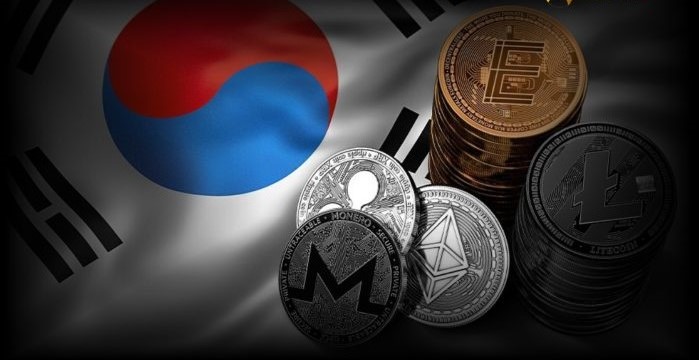
  • South Korean Regulators Will Review Plan to Let Companies Buy Crypto in 2025

    In 2025, South Korean regulators are set to review a new plan that could significantly impact the country’s cryptocurrency market. If approved, companies operating within South Korea will be able to directly purchase cryptocurrency. This potential policy shift marks a pivotal moment for businesses and crypto enthusiasts alike, especially as the country continues to explore blockchain technology.

    The government has been closely monitoring the expansion of the cryptocurrency market, and many South Korean enterprises are eager to incorporate digital assets into their operations. The proposed regulatory assessment is an important step towards identifying how businesses might legally operate with cryptocurrencies while not violating existing rules.

    The move is part of South Korea's broader plan to embrace blockchain technology while minimising the risks associated with digital currency. The country's financial authorities have traditionally maintained a cautious approach towards cryptocurrency. Nonetheless, given the industry's rapid expansion, there is growing realisation that a balanced regulatory framework is required for innovation to thrive. By permitting businesses to buy cryptocurrency, South Korea might make a significant contribution to the global cryptocurrency ecosystem.

    The assessment process, which is projected to last through 2025, will include comprehensive interaction with stakeholders such as financial institutions, cryptocurrency exchanges, and business leaders. The goal is to achieve a balance between encouraging innovation and safeguarding investors from the possible hazards connected with digital currencies.

    In recent years, bitcoin popularity has increased both globally and in South Korea. Companies see blockchain and digital currencies as important instruments for streamlining processes, increasing transparency, and expanding into new financial markets. However, without clear legislative standards, many businesses have been cautious to invest in cryptocurrency.

    South Korean officials are currently working to build a comprehensive framework that tackles these problems. The plan to allow businesses to buy cryptocurrency will most likely contain procedures for due diligence, anti-money laundering safeguards, and consumer protection. These measures are important to reduce the risk of fraud, tax evasion, and market manipulation.

    South Korean officials' decision to potentially approve corporate cryptocurrency purchases demonstrates the country's growing interest in the potential of cryptocurrencies as an asset class. South Korean policymakers are becoming more crypto-friendly, recognising the technology's potential to spur economic growth and technical advancement.

    Finally, South Korea's decision to allow enterprises to buy cryptocurrency may create a precedent for other countries to follow. As the global crypto market matures, regulators must stay up with the technological advancements and economic trends that drive the industry. South Korea's decision to study and possibly adopt such a scheme will be widely monitored by industry players and financial authorities throughout the world.
    South Korean Regulators Will Review Plan to Let Companies Buy Crypto in 2025 In 2025, South Korean regulators are set to review a new plan that could significantly impact the country’s cryptocurrency market. If approved, companies operating within South Korea will be able to directly purchase cryptocurrency. This potential policy shift marks a pivotal moment for businesses and crypto enthusiasts alike, especially as the country continues to explore blockchain technology. The government has been closely monitoring the expansion of the cryptocurrency market, and many South Korean enterprises are eager to incorporate digital assets into their operations. The proposed regulatory assessment is an important step towards identifying how businesses might legally operate with cryptocurrencies while not violating existing rules. The move is part of South Korea's broader plan to embrace blockchain technology while minimising the risks associated with digital currency. The country's financial authorities have traditionally maintained a cautious approach towards cryptocurrency. Nonetheless, given the industry's rapid expansion, there is growing realisation that a balanced regulatory framework is required for innovation to thrive. By permitting businesses to buy cryptocurrency, South Korea might make a significant contribution to the global cryptocurrency ecosystem. The assessment process, which is projected to last through 2025, will include comprehensive interaction with stakeholders such as financial institutions, cryptocurrency exchanges, and business leaders. The goal is to achieve a balance between encouraging innovation and safeguarding investors from the possible hazards connected with digital currencies. In recent years, bitcoin popularity has increased both globally and in South Korea. Companies see blockchain and digital currencies as important instruments for streamlining processes, increasing transparency, and expanding into new financial markets. However, without clear legislative standards, many businesses have been cautious to invest in cryptocurrency. South Korean officials are currently working to build a comprehensive framework that tackles these problems. The plan to allow businesses to buy cryptocurrency will most likely contain procedures for due diligence, anti-money laundering safeguards, and consumer protection. These measures are important to reduce the risk of fraud, tax evasion, and market manipulation. South Korean officials' decision to potentially approve corporate cryptocurrency purchases demonstrates the country's growing interest in the potential of cryptocurrencies as an asset class. South Korean policymakers are becoming more crypto-friendly, recognising the technology's potential to spur economic growth and technical advancement. Finally, South Korea's decision to allow enterprises to buy cryptocurrency may create a precedent for other countries to follow. As the global crypto market matures, regulators must stay up with the technological advancements and economic trends that drive the industry. South Korea's decision to study and possibly adopt such a scheme will be widely monitored by industry players and financial authorities throughout the world.
    ·13K Views ·0 Reviews
More Stories
Techawks - Powered By Pantrade Blockchain https://techawks.com