


How to Build a High-Impact Tech Portfolio Project That Stand Out to Recruiters
When tech recruiters scan entry-level resumes, they are looking for evidence of real-world problem solving, code quality, and self-directed learning. A single production-grade, well-documented project can do more for your job hunt than a GPA or dozens of certificate badges.
Follow this four-step blueprint to build a stand-out portfolio project from scratch:
Step 1: Solve a Real (or Niche) Problem
Avoid copying tutorials step-by-step. Instead, build a tool that solves a specific pain point for yourself, a student club, or a local business.
Action: Look for manual tasks you do repeatedly (e.g., tracking assignment deadlines across multiple platforms, scraping local transit schedules, or automating newsletter summaries) and build a dedicated solution for it.
Step 2: Focus on Engineering Depth over Feature Quantity
A simple application with clean architecture, error handling, unit tests, and performance optimization is far more impressive than a massive app full of half-finished, buggy features.
Action: Pick 1–2 core user flows and polish them thoroughly:
Implement proper input validation and error states.
Add responsive UI styling and smooth loading states.
Write basic unit or integration tests for critical business logic.
Step 3: Deploy to Production (Don't Keep It on localhost)
A repository that only runs on your local machine creates friction for reviewers. If a hiring manager can click a link and test your app in 5 seconds, your chances of getting an interview skyrocket.
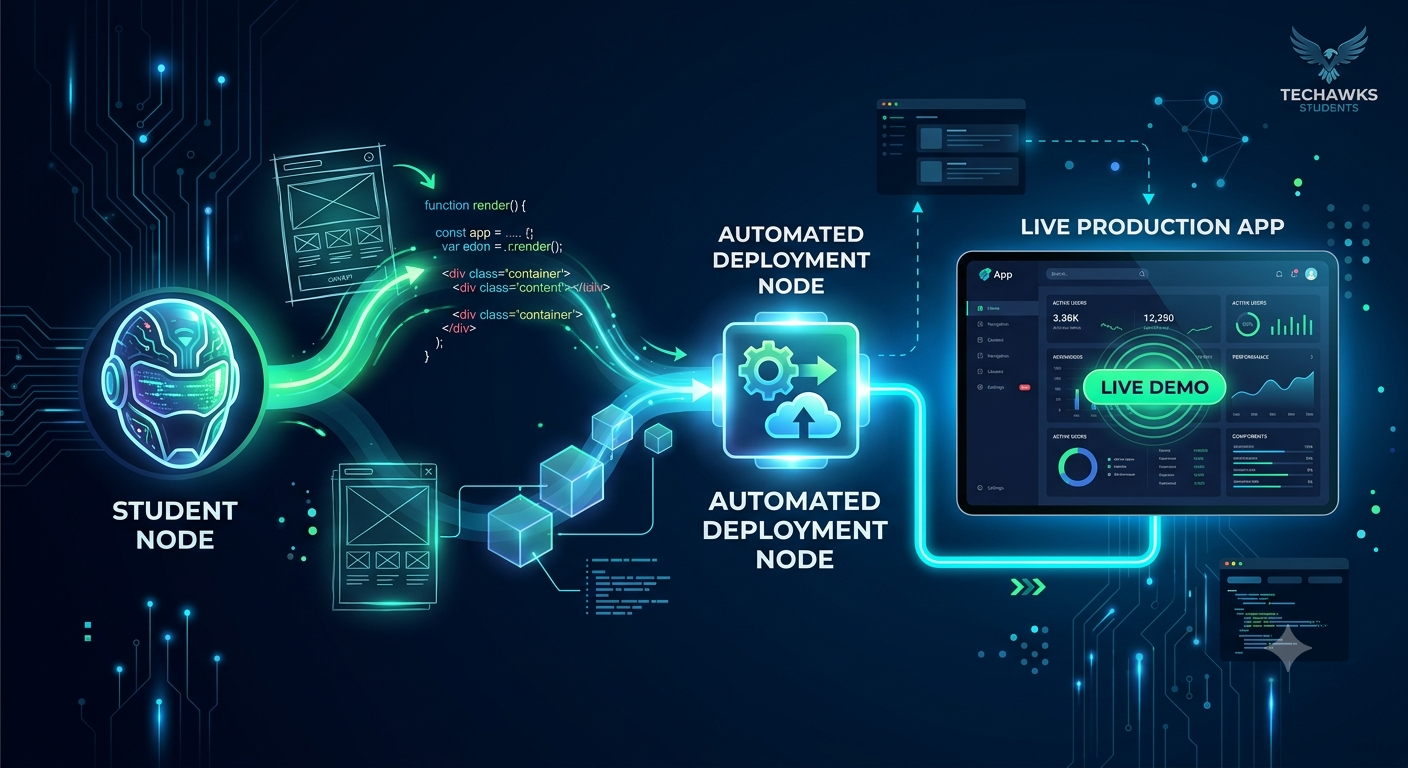
Action: Deploy your project using free or low-cost cloud platforms (e.g., Vercel, Render, Netlify, or AWS Free Tier). Set up a continuous deployment (CD) pipeline so every push to your main Git branch automatically updates the live site.
Step 4: Write a Senior-Level GitHub README
Your README file is the homepage of your project. Recruiters and engineers will often read it before ever opening your source code.
Action: Structure your README with these essential sections:
Project Overview: A clear 2-sentence summary of what the tool does and why you built it.
Live Demo Link & Screenshots/GIFs: Visual proof that the app works.
Tech Stack: A concise bulleted list of languages, frameworks, databases, and hosting tools used.
Key Engineering Challenges: A short paragraph explaining a tough technical bug or architectural decision you solved during development.
Key Takeaways
Originality Beats Tutorials: Build tools that solve real, personal, or practical problems rather than repeating generic online tutorials.
Ship to the Web: Always deploy your application so non-technical recruiters can test it instantly without running terminal commands.
Document Your Progress: A detailed, professional README shows strong technical communication skills—a key trait senior engineers look for in interns and juniors.
CTA
Starting your tech journey or working on your next big project? Connect with fellow students, mentors, and early-career engineers to get feedback on your code, find project collaborators, and swap interview prep resources. Join the Students in Tech Community today!
When tech recruiters scan entry-level resumes, they are looking for evidence of real-world problem solving, code quality, and self-directed learning. A single production-grade, well-documented project can do more for your job hunt than a GPA or dozens of certificate badges.
Follow this four-step blueprint to build a stand-out portfolio project from scratch:
Step 1: Solve a Real (or Niche) Problem
Avoid copying tutorials step-by-step. Instead, build a tool that solves a specific pain point for yourself, a student club, or a local business.
Action: Look for manual tasks you do repeatedly (e.g., tracking assignment deadlines across multiple platforms, scraping local transit schedules, or automating newsletter summaries) and build a dedicated solution for it.
Step 2: Focus on Engineering Depth over Feature Quantity
A simple application with clean architecture, error handling, unit tests, and performance optimization is far more impressive than a massive app full of half-finished, buggy features.
Action: Pick 1–2 core user flows and polish them thoroughly:
Implement proper input validation and error states.
Add responsive UI styling and smooth loading states.
Write basic unit or integration tests for critical business logic.
Step 3: Deploy to Production (Don't Keep It on localhost)
A repository that only runs on your local machine creates friction for reviewers. If a hiring manager can click a link and test your app in 5 seconds, your chances of getting an interview skyrocket.
Action: Deploy your project using free or low-cost cloud platforms (e.g., Vercel, Render, Netlify, or AWS Free Tier). Set up a continuous deployment (CD) pipeline so every push to your main Git branch automatically updates the live site.
Step 4: Write a Senior-Level GitHub README
Your README file is the homepage of your project. Recruiters and engineers will often read it before ever opening your source code.
Action: Structure your README with these essential sections:
Project Overview: A clear 2-sentence summary of what the tool does and why you built it.
Live Demo Link & Screenshots/GIFs: Visual proof that the app works.
Tech Stack: A concise bulleted list of languages, frameworks, databases, and hosting tools used.
Key Engineering Challenges: A short paragraph explaining a tough technical bug or architectural decision you solved during development.
Key Takeaways
Originality Beats Tutorials: Build tools that solve real, personal, or practical problems rather than repeating generic online tutorials.
Ship to the Web: Always deploy your application so non-technical recruiters can test it instantly without running terminal commands.
Document Your Progress: A detailed, professional README shows strong technical communication skills—a key trait senior engineers look for in interns and juniors.
CTA
Starting your tech journey or working on your next big project? Connect with fellow students, mentors, and early-career engineers to get feedback on your code, find project collaborators, and swap interview prep resources. Join the Students in Tech Community today!
How to Build a High-Impact Tech Portfolio Project That Stand Out to Recruiters
When tech recruiters scan entry-level resumes, they are looking for evidence of real-world problem solving, code quality, and self-directed learning. A single production-grade, well-documented project can do more for your job hunt than a GPA or dozens of certificate badges.
Follow this four-step blueprint to build a stand-out portfolio project from scratch:
Step 1: Solve a Real (or Niche) Problem
Avoid copying tutorials step-by-step. Instead, build a tool that solves a specific pain point for yourself, a student club, or a local business.
Action: Look for manual tasks you do repeatedly (e.g., tracking assignment deadlines across multiple platforms, scraping local transit schedules, or automating newsletter summaries) and build a dedicated solution for it.
Step 2: Focus on Engineering Depth over Feature Quantity
A simple application with clean architecture, error handling, unit tests, and performance optimization is far more impressive than a massive app full of half-finished, buggy features.
Action: Pick 1–2 core user flows and polish them thoroughly:
Implement proper input validation and error states.
Add responsive UI styling and smooth loading states.
Write basic unit or integration tests for critical business logic.
Step 3: Deploy to Production (Don't Keep It on localhost)
A repository that only runs on your local machine creates friction for reviewers. If a hiring manager can click a link and test your app in 5 seconds, your chances of getting an interview skyrocket.
Action: Deploy your project using free or low-cost cloud platforms (e.g., Vercel, Render, Netlify, or AWS Free Tier). Set up a continuous deployment (CD) pipeline so every push to your main Git branch automatically updates the live site.
Step 4: Write a Senior-Level GitHub README
Your README file is the homepage of your project. Recruiters and engineers will often read it before ever opening your source code.
Action: Structure your README with these essential sections:
Project Overview: A clear 2-sentence summary of what the tool does and why you built it.
Live Demo Link & Screenshots/GIFs: Visual proof that the app works.
Tech Stack: A concise bulleted list of languages, frameworks, databases, and hosting tools used.
Key Engineering Challenges: A short paragraph explaining a tough technical bug or architectural decision you solved during development.
Key Takeaways
Originality Beats Tutorials: Build tools that solve real, personal, or practical problems rather than repeating generic online tutorials.
Ship to the Web: Always deploy your application so non-technical recruiters can test it instantly without running terminal commands.
Document Your Progress: A detailed, professional README shows strong technical communication skills—a key trait senior engineers look for in interns and juniors.
CTA
Starting your tech journey or working on your next big project? Connect with fellow students, mentors, and early-career engineers to get feedback on your code, find project collaborators, and swap interview prep resources. Join the Students in Tech Community today!

 English
 Arabic
 French
 Spanish
 Deutsch
 Turkish
 Dutch
Dutch
 Italiano
 Russian
 Romaian
 Portuguese (Brazil)
 Greek
Greek