 English
 Arabic
 French
 Spanish
 Portuguese
 Deutsch
 Turkish
 Dutch
Dutch
 Italiano
 Russian
 Romaian
 Portuguese (Brazil)
 Greek
Greek
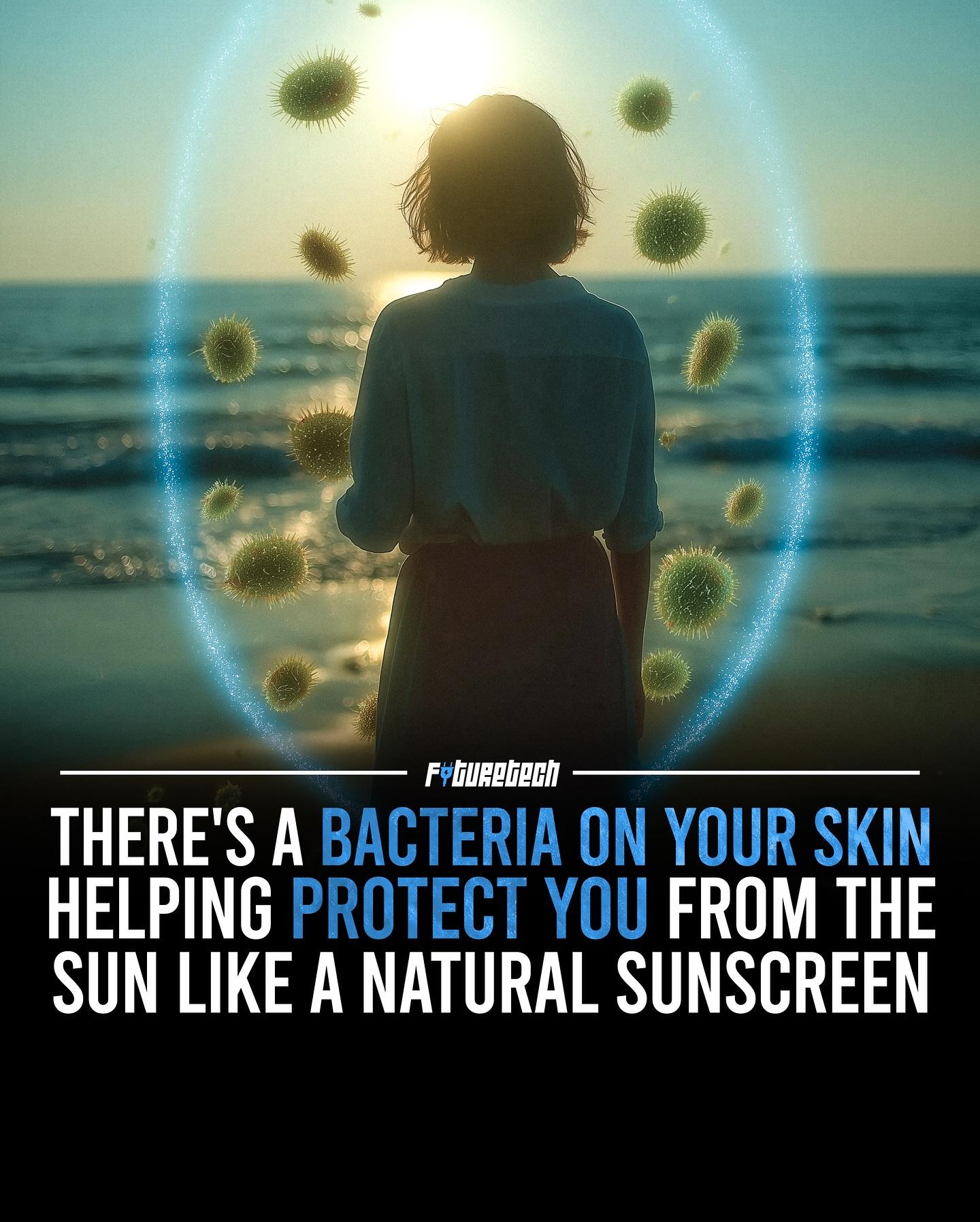
A recent study in the Journal of Investigative Dermatology reveals that certain skin bacteria, like Staphylococcus epidermidis, may serve as a natural form of sunscreen.
These microbes produce an enzyme called urocanase, which breaks down cis-urocanic acid—a molecule activated by UVB exposure that can suppress skin immunity and trigger inflammation—into harmless substances, reducing its harmful effects.
The research underscores the protective role of the skin microbiome, not only in defending against UV damage but also in regulating immune responses. These insights could lead to future treatments designed to boost or mimic this natural microbial shield.
These microbes produce an enzyme called urocanase, which breaks down cis-urocanic acid—a molecule activated by UVB exposure that can suppress skin immunity and trigger inflammation—into harmless substances, reducing its harmful effects.
The research underscores the protective role of the skin microbiome, not only in defending against UV damage but also in regulating immune responses. These insights could lead to future treatments designed to boost or mimic this natural microbial shield.
A recent study in the Journal of Investigative Dermatology reveals that certain skin bacteria, like Staphylococcus epidermidis, may serve as a natural form of sunscreen.
These microbes produce an enzyme called urocanase, which breaks down cis-urocanic acid—a molecule activated by UVB exposure that can suppress skin immunity and trigger inflammation—into harmless substances, reducing its harmful effects.
The research underscores the protective role of the skin microbiome, not only in defending against UV damage but also in regulating immune responses. These insights could lead to future treatments designed to boost or mimic this natural microbial shield.
·118 Views
·0 Reviews
