 English
 Arabic
 French
 Spanish
 Portuguese
 Deutsch
 Turkish
 Dutch
Dutch
 Italiano
 Russian
 Romaian
 Portuguese (Brazil)
 Greek
Greek
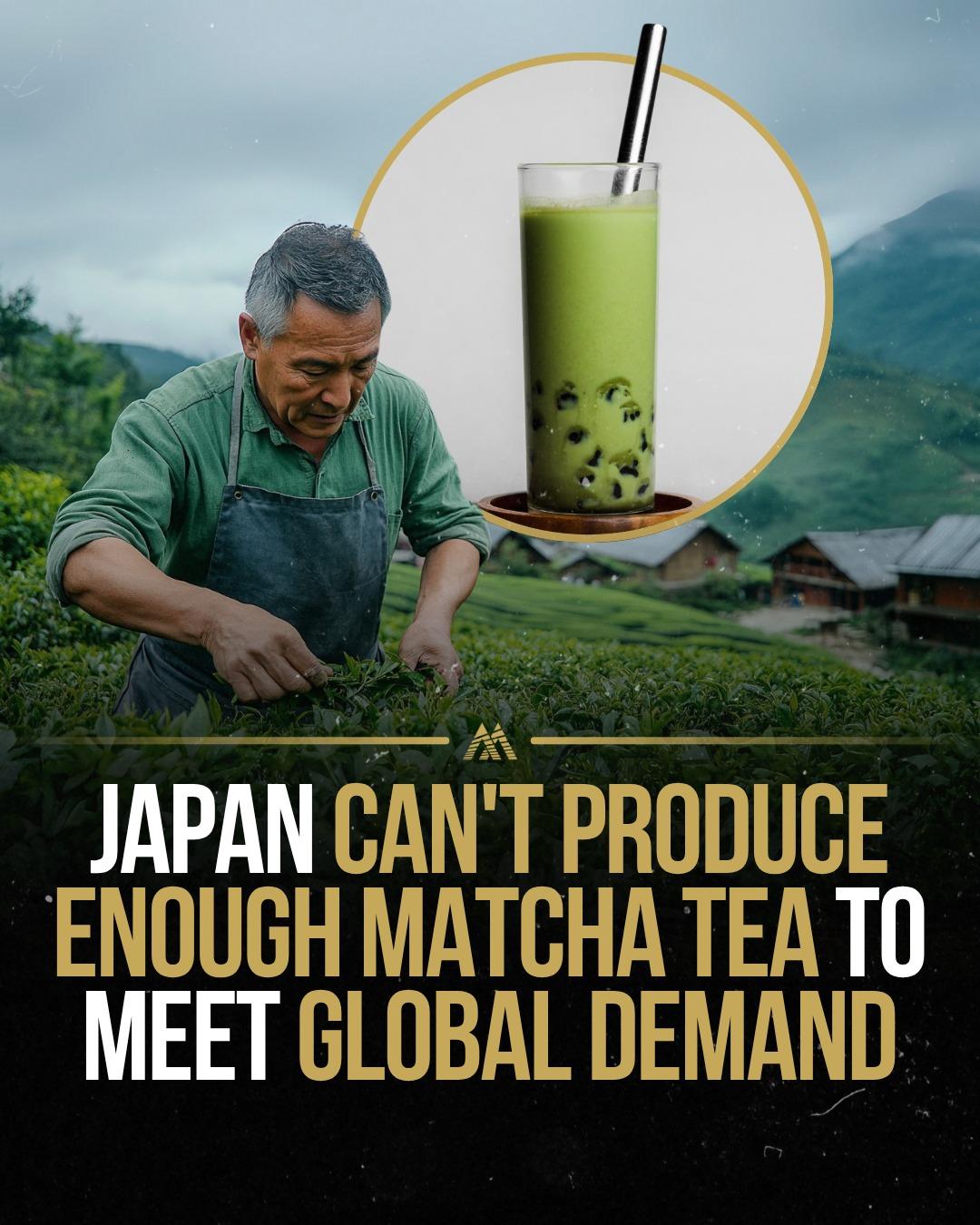
Japan can’t produce enough matcha tea to meet global demand.
Due to rising international demand, especially from the U.S., Europe, and China, Japan is experiencing a matcha shortage, according to reports from Japanese agricultural cooperatives and tea producers. Regions like Uji in Kyoto and Nishio in Aichi—known for premium matcha—are struggling to meet export needs, as the traditional production process is slow and labor-intensive.
Matcha exports from Japan have more than doubled over the past decade, but the limited supply of shade-grown, hand-picked tea leaves can't keep up. Producers warn that continued pressure may impact quality and sustainability in the long term.
Follow for more @mindset.therapy
Due to rising international demand, especially from the U.S., Europe, and China, Japan is experiencing a matcha shortage, according to reports from Japanese agricultural cooperatives and tea producers. Regions like Uji in Kyoto and Nishio in Aichi—known for premium matcha—are struggling to meet export needs, as the traditional production process is slow and labor-intensive.
Matcha exports from Japan have more than doubled over the past decade, but the limited supply of shade-grown, hand-picked tea leaves can't keep up. Producers warn that continued pressure may impact quality and sustainability in the long term.
Follow for more @mindset.therapy
Japan can’t produce enough matcha tea to meet global demand.
Due to rising international demand, especially from the U.S., Europe, and China, Japan is experiencing a matcha shortage, according to reports from Japanese agricultural cooperatives and tea producers. Regions like Uji in Kyoto and Nishio in Aichi—known for premium matcha—are struggling to meet export needs, as the traditional production process is slow and labor-intensive.
Matcha exports from Japan have more than doubled over the past decade, but the limited supply of shade-grown, hand-picked tea leaves can't keep up. Producers warn that continued pressure may impact quality and sustainability in the long term.
Follow for more 👉 @mindset.therapy
·338 Views
·0 Reviews
