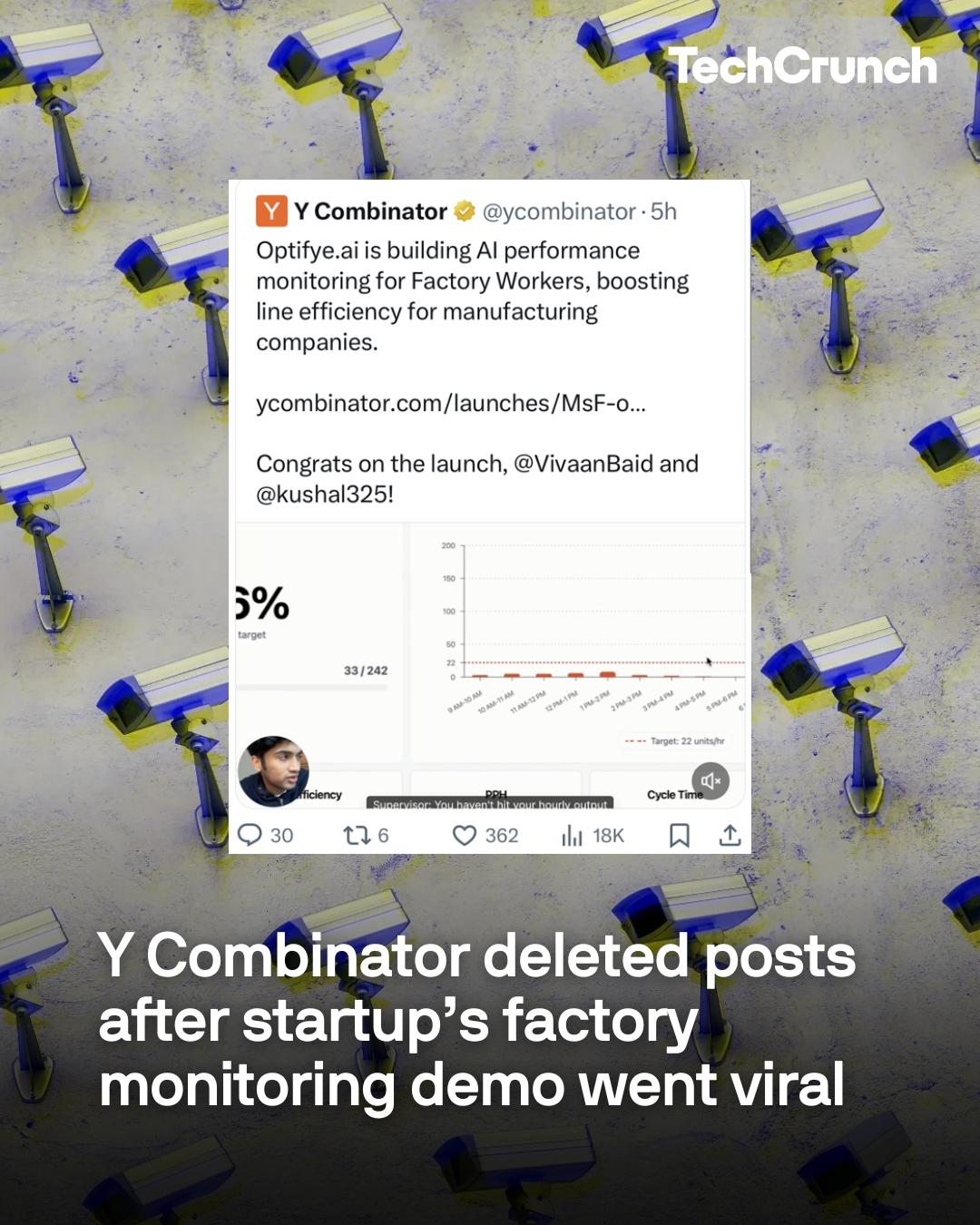
• A demo from Optifye.ai, a member of Y Combinator’s current cohort, sparked a social media backlash that ended up with YC deleting it off its socials.

    Optifye says it’s building software to help factory owners know who’s working — and who isn’t — in “real-time” thanks to AI-powered security cameras it places on assembly lines, according to its YC profile.

    On Monday, YC posted an Optifye demo video on X and on LinkedIn, according to a snapshot saved by TechCrunch.

    The video shows Optifye co-founder Kushal Mohta acting as the boss of a garment factory, calling a supervisor — in reality his co-founder Vivaan Baid — about a low-performing worker known only as “Number 17.”

    The clip was heavily criticized on X, where @VCBrags called it “sweatshops-as-a-service” and another deemed it “computer vision sweatshop software.” It also sparked criticism on Y Combinator’s own link sharing site Hacker News.

    Read more on Optifye and watch the demo at the link in the bio

    Article by Charles Rollet

    Image Credits: Vicente Méndez / Getty Images

    #TechCrunch #technews #artificialintelligence #startup #YC #YCombinator
    A demo from Optifye.ai, a member of Y Combinator’s current cohort, sparked a social media backlash that ended up with YC deleting it off its socials. Optifye says it’s building software to help factory owners know who’s working — and who isn’t — in “real-time” thanks to AI-powered security cameras it places on assembly lines, according to its YC profile. On Monday, YC posted an Optifye demo video on X and on LinkedIn, according to a snapshot saved by TechCrunch. The video shows Optifye co-founder Kushal Mohta acting as the boss of a garment factory, calling a supervisor — in reality his co-founder Vivaan Baid — about a low-performing worker known only as “Number 17.” The clip was heavily criticized on X, where @VCBrags called it “sweatshops-as-a-service” and another deemed it “computer vision sweatshop software.” It also sparked criticism on Y Combinator’s own link sharing site Hacker News. Read more on Optifye and watch the demo at the link in the bio 👆 Article by Charles Rollet Image Credits: Vicente Méndez / Getty Images #TechCrunch #technews #artificialintelligence #startup #YC #YCombinator
    ·149 Views ·0 voorbeeld
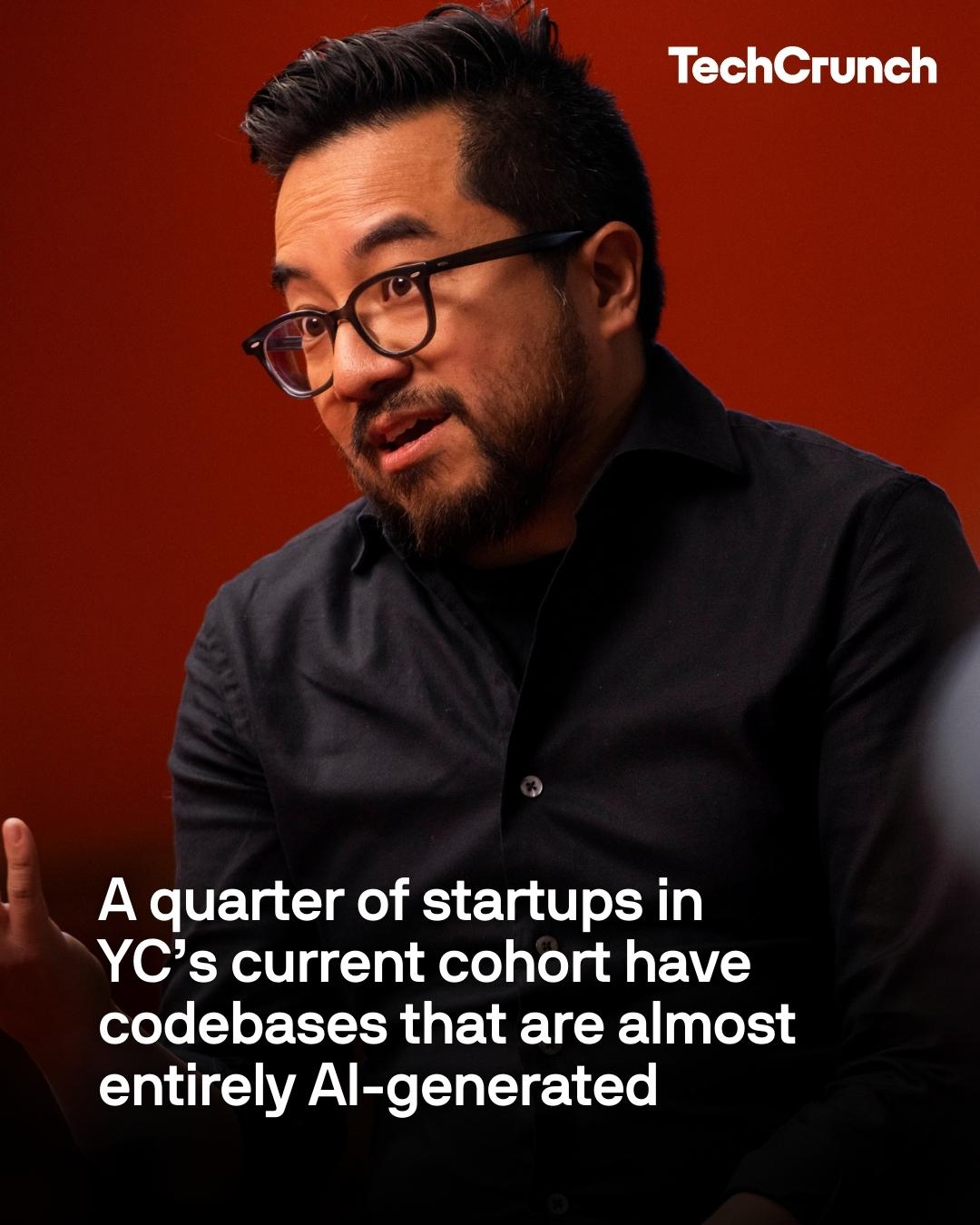
  • A quarter of the W25 startup batch have 95% of their codebases generated by AI, YC managing partner Jared Friedman said during a conversation posted on YouTube.

    Friedman said that this 95% figure didn’t include things like code written to import libraries but took into consideration the code typed by humans as compared to AI.

    “It’s not like we funded a bunch of non-technical founders. Every one of these people is highly technical, completely capable of building their own products from scratch. A year ago, they would have built their product from scratch — but now 95% of it is built by an AI,” he said.

    Code generated from AI is far from perfect, though. Studies and reports have observed that some AI-generated code can insert security flaws in applications, cause outages, or make mistakes, forcing devs to change the code or debug heavily.

    Read more at the link in the bio

    Article by Ivan Mehta

    Image Credits: Bloomberg / Contributor / Getty Images

    #TechCrunch #technews #artificialintelligence #startups #founders #YC #YCombinator
    A quarter of the W25 startup batch have 95% of their codebases generated by AI, YC managing partner Jared Friedman said during a conversation posted on YouTube. Friedman said that this 95% figure didn’t include things like code written to import libraries but took into consideration the code typed by humans as compared to AI. “It’s not like we funded a bunch of non-technical founders. Every one of these people is highly technical, completely capable of building their own products from scratch. A year ago, they would have built their product from scratch — but now 95% of it is built by an AI,” he said. Code generated from AI is far from perfect, though. Studies and reports have observed that some AI-generated code can insert security flaws in applications, cause outages, or make mistakes, forcing devs to change the code or debug heavily. Read more at the link in the bio 👆 Article by Ivan Mehta Image Credits: Bloomberg / Contributor / Getty Images #TechCrunch #technews #artificialintelligence #startups #founders #YC #YCombinator
    ·237 Views ·0 voorbeeld
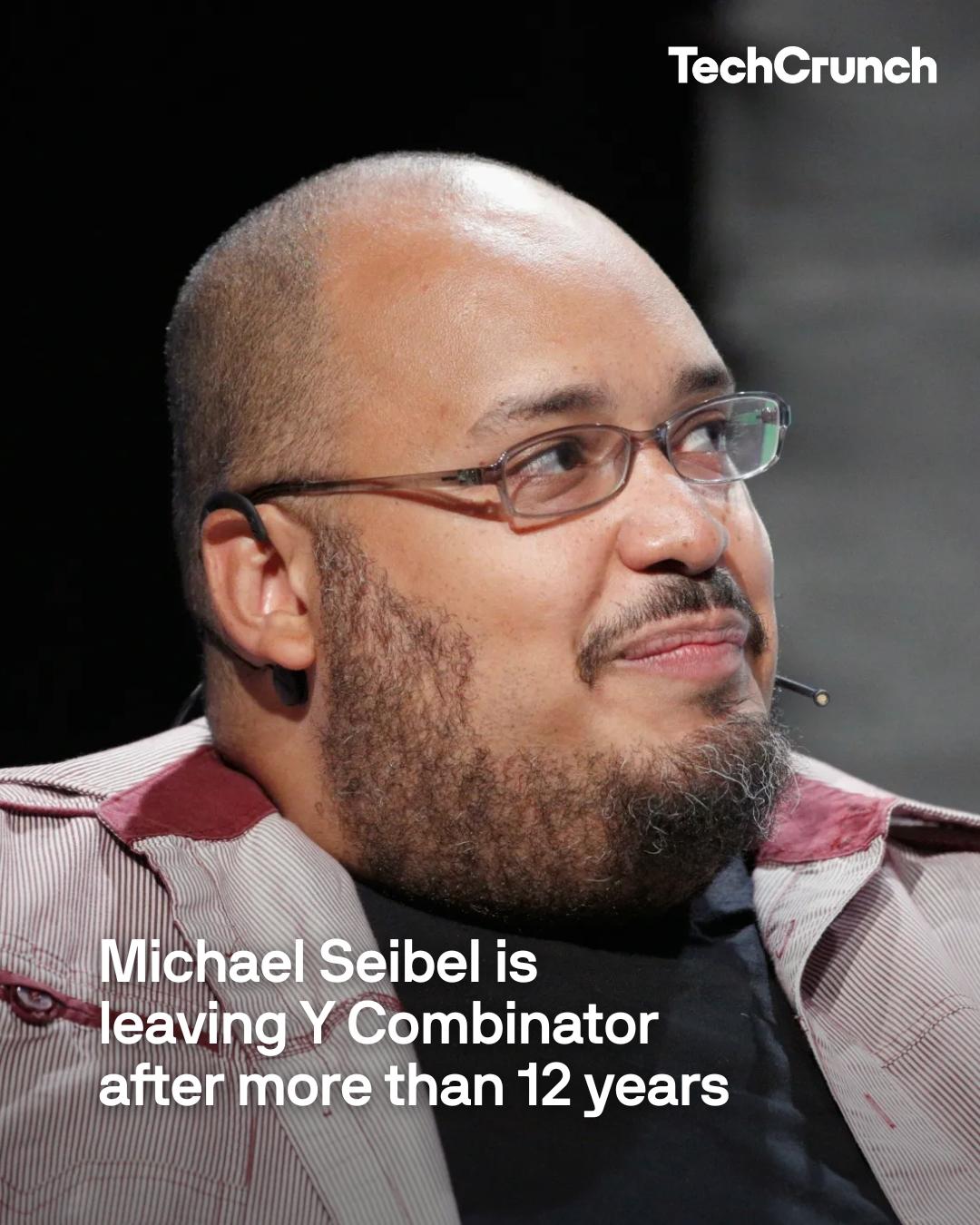
  • Michael Seibel announced late Wednesday on X that after more than 12 years at the famed accelerator Y Combinator, he is transitioning to a “partner emeritus” role.

    Y Combinator CEO Garry Tan shared the news separately in a company blog post, highlighting Seibel’s long history with the outfit. Seibel first joined YC as a founder, going through the program twice — once with the streaming startup Justin.TV and later with the streaming app Socialcam.

    Seibel later served as a group partner, managing director, and CEO of the YC accelerator.

    Notably, Seibel had already stepped back into a less operational group partner role recently. In a YC blog post last year, he wrote that he was ready to “hand over my leadership responsibilities,” with the transition becoming “effective” after the accelerator’s winter batch of startups completed the program.

    Read more on Seibel leaving YC at the link in the bio

    Article by Connie Loizos

    Image Credits: Kimberly White / Getty Images

    #TechCrunch #technews #startups #founders #YCombinator #YC
    Michael Seibel announced late Wednesday on X that after more than 12 years at the famed accelerator Y Combinator, he is transitioning to a “partner emeritus” role. Y Combinator CEO Garry Tan shared the news separately in a company blog post, highlighting Seibel’s long history with the outfit. Seibel first joined YC as a founder, going through the program twice — once with the streaming startup Justin.TV and later with the streaming app Socialcam. Seibel later served as a group partner, managing director, and CEO of the YC accelerator. Notably, Seibel had already stepped back into a less operational group partner role recently. In a YC blog post last year, he wrote that he was ready to “hand over my leadership responsibilities,” with the transition becoming “effective” after the accelerator’s winter batch of startups completed the program. Read more on Seibel leaving YC at the link in the bio 👆 Article by Connie Loizos Image Credits: Kimberly White / Getty Images #TechCrunch #technews #startups #founders #YCombinator #YC
    ·369 Views ·0 voorbeeld
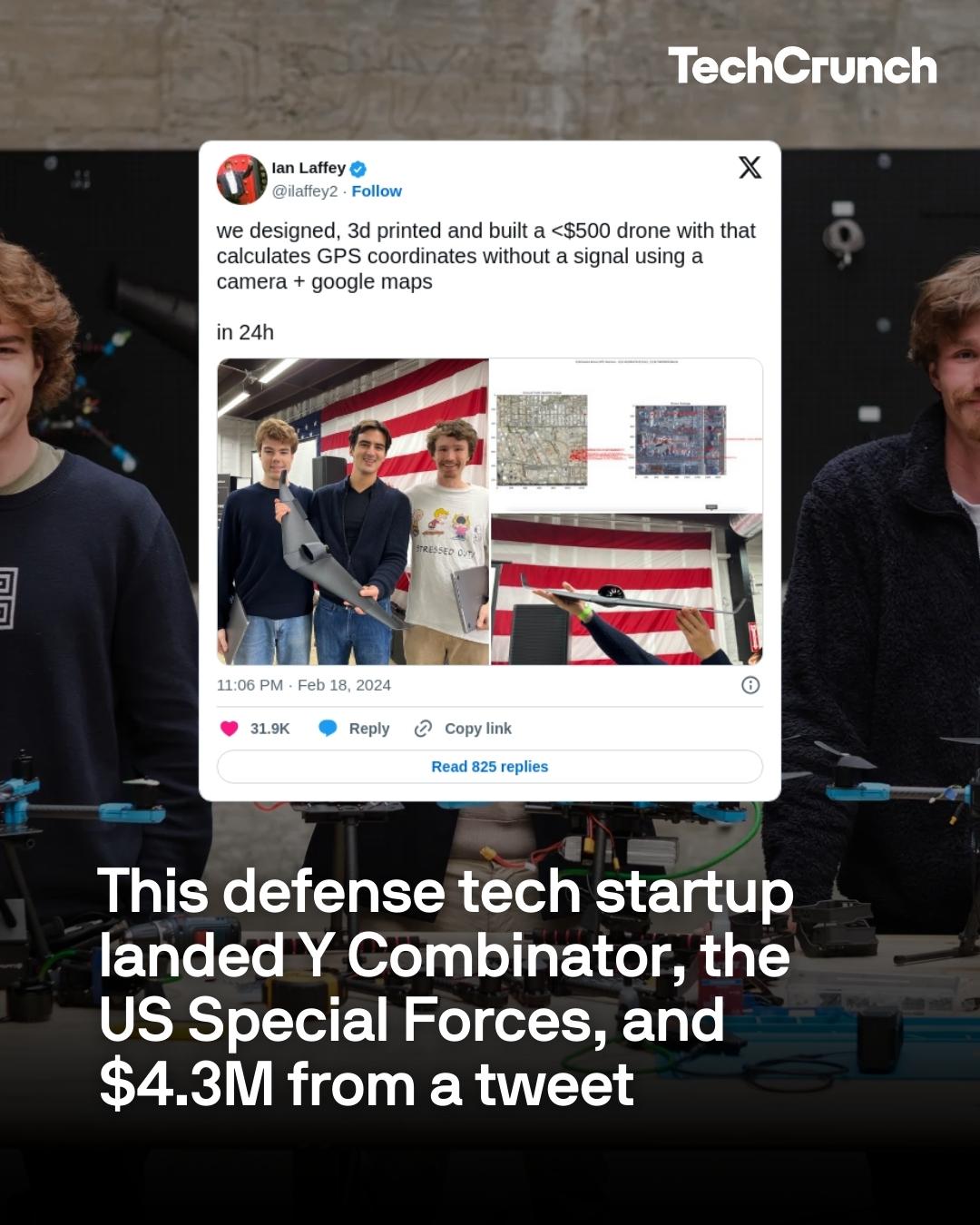
  • On February 18, 2024, Ian Laffey posted on X that he and two others he’d just met built a cheap drone at a hackathon that calculated its coordinates simply by using its camera and Google Maps.

    He and his colleagues, Sacha Lévy and Carl Schoeller, were all engineers under the age of 25.

    The tech had clear potential to combat rampant GPS jamming of drones in Ukraine. Instead of GPS, drone operators there have to use high-tech goggles to guide their drones by sight. But that leads to lots of problems, especially under poor conditions like thick fog or at night.

    At the end of the hackathon, Schoeller wished his two teammates well and parted, hoping their paths might cross again.

    But the tweet went viral and changed their lives. A day later, the three decided to apply to Y Combinator, successfully getting into its Spring 2024 cohort.

    Now, their San Francisco-based company, Theseus, has just raised $4.3 million in seed funding in a round led by First Round Capital, with additional backing from Y Combinator and Lux Capital, it exclusively told TechCrunch.

    Read more on Theseus at the link in the bio

    Article by Charles Rollet

    Image Credits: Theseus

    #TechCrunch #technews #artificialintelligence #startup #cofounders #YCombinator
    On February 18, 2024, Ian Laffey posted on X that he and two others he’d just met built a cheap drone at a hackathon that calculated its coordinates simply by using its camera and Google Maps. He and his colleagues, Sacha Lévy and Carl Schoeller, were all engineers under the age of 25. The tech had clear potential to combat rampant GPS jamming of drones in Ukraine. Instead of GPS, drone operators there have to use high-tech goggles to guide their drones by sight. But that leads to lots of problems, especially under poor conditions like thick fog or at night. At the end of the hackathon, Schoeller wished his two teammates well and parted, hoping their paths might cross again. But the tweet went viral and changed their lives. A day later, the three decided to apply to Y Combinator, successfully getting into its Spring 2024 cohort. Now, their San Francisco-based company, Theseus, has just raised $4.3 million in seed funding in a round led by First Round Capital, with additional backing from Y Combinator and Lux Capital, it exclusively told TechCrunch. Read more on Theseus at the link in the bio 👆 Article by Charles Rollet Image Credits: Theseus #TechCrunch #technews #artificialintelligence #startup #cofounders #YCombinator
    ·239 Views ·0 voorbeeld
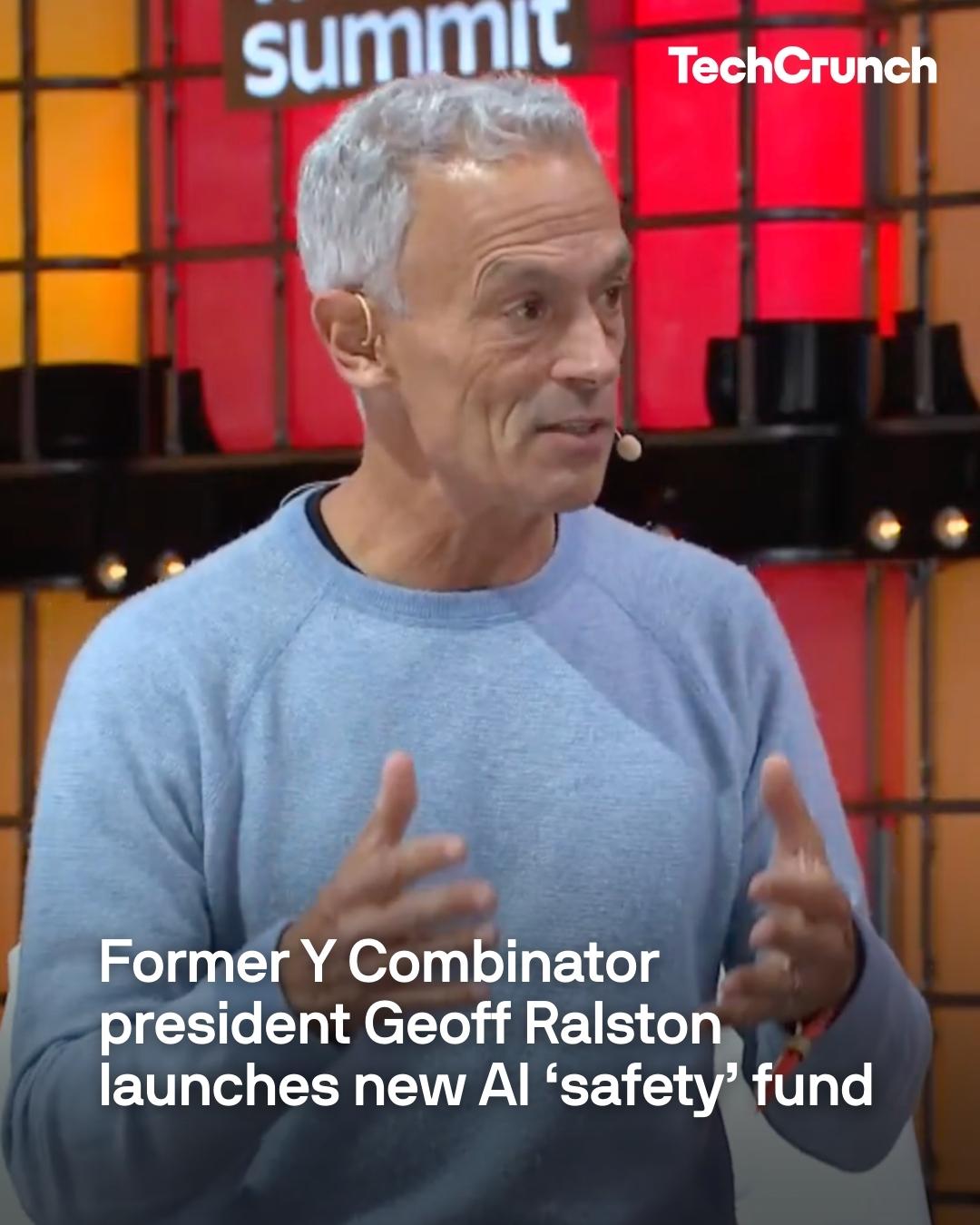
  • Geoff Ralston, well-known in the startup community for his years at Y Combinator, is back in the formal investing ring, he announced Thursday.

    His new fund is called Safe Artificial Intelligence Fund, or SAIF, which is both an explanation of its thesis and a play on words.

    Ralston is specifically looking for startups that “enhance AI safety, security, and responsible deployment,” as his fund’s website describes. He plans to write $100,000 checks as a SAFE, “pun intended,” he says, with a $10 million cap. A SAFE is, of course, the invest now/price later pre-seed investment tool pioneered by Y Combinator (it stands for simple agreement for future equity).

    While most VCs these days are looking to invest in AI startups, Ralston’s take is a bit more focused on the idea of safe AI, even though he admits the concept is a bit broad.

    Read more on SAIF at the link in the bio

    Article by Julie Bort

    Image Credits: Web Summit

    #TechCrunch #technews #artificialintelligence #venture #YCombinator
    Geoff Ralston, well-known in the startup community for his years at Y Combinator, is back in the formal investing ring, he announced Thursday. His new fund is called Safe Artificial Intelligence Fund, or SAIF, which is both an explanation of its thesis and a play on words. Ralston is specifically looking for startups that “enhance AI safety, security, and responsible deployment,” as his fund’s website describes. He plans to write $100,000 checks as a SAFE, “pun intended,” he says, with a $10 million cap. A SAFE is, of course, the invest now/price later pre-seed investment tool pioneered by Y Combinator (it stands for simple agreement for future equity). While most VCs these days are looking to invest in AI startups, Ralston’s take is a bit more focused on the idea of safe AI, even though he admits the concept is a bit broad. Read more on SAIF at the link in the bio 👆 Article by Julie Bort Image Credits: Web Summit #TechCrunch #technews #artificialintelligence #venture #YCombinator
    ·182 Views ·0 voorbeeld
Techawks - Powered By Pantrade Blockchain https://techawks.com