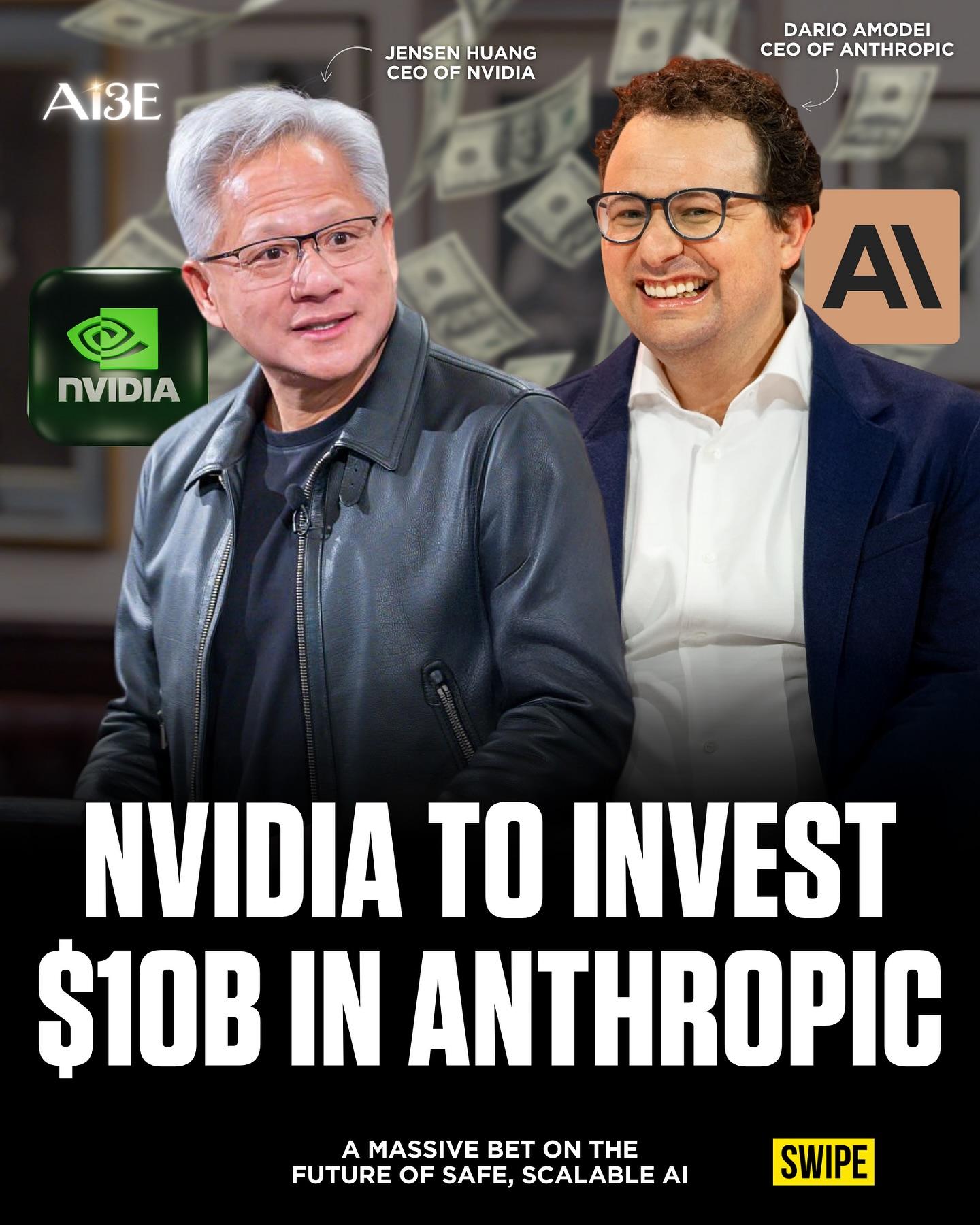
• Microsoft and Nvidia have teamed up to invest in Anthropic, marking one of the biggest alliances in the AI industry this year.

    As part of the deal, Anthropic will spend $30 billion on Microsoft’s Azure cloud, tightening the competition around frontier AI models.

    Nvidia is expected to invest up to $10 billion, while Microsoft will put in up to $5 billion. Both companies are joining Anthropic’s next funding round, a move analysts say is designed to reduce their dependence on OpenAI.

    Satya Nadella said Microsoft will continue working with OpenAI, but the company does not want to rely on a single frontier model provider.

    The partnership also deepens Nvidia’s position in the AI ecosystem. The chipmaker will work with Anthropic on next-generation hardware, including efforts tied to its Grace Blackwell and Vera Rubin platforms.

    Anthropic has committed up to 1 gigawatt of compute using Nvidia systems. Industry executives estimate this setup could cost more than $20 billion.

    Anthropic is now one of the fastest-growing AI companies, valued at around $183 billion and powered by strong enterprise demand.

    The company expects its revenue run rate to climb to nearly $26 billion next year, supported by more than 300,000 business customers.

    Follow us (@artificialintelligenceee) for everything latest from the AI world.

    Source: CNBC
    Microsoft and Nvidia have teamed up to invest in Anthropic, marking one of the biggest alliances in the AI industry this year. As part of the deal, Anthropic will spend $30 billion on Microsoft’s Azure cloud, tightening the competition around frontier AI models. Nvidia is expected to invest up to $10 billion, while Microsoft will put in up to $5 billion. Both companies are joining Anthropic’s next funding round, a move analysts say is designed to reduce their dependence on OpenAI. Satya Nadella said Microsoft will continue working with OpenAI, but the company does not want to rely on a single frontier model provider. The partnership also deepens Nvidia’s position in the AI ecosystem. The chipmaker will work with Anthropic on next-generation hardware, including efforts tied to its Grace Blackwell and Vera Rubin platforms. Anthropic has committed up to 1 gigawatt of compute using Nvidia systems. Industry executives estimate this setup could cost more than $20 billion. Anthropic is now one of the fastest-growing AI companies, valued at around $183 billion and powered by strong enterprise demand. The company expects its revenue run rate to climb to nearly $26 billion next year, supported by more than 300,000 business customers. Follow us (👉@artificialintelligenceee) for everything latest from the AI world. Source: CNBC
    ·110 Views ·0 Anteprima
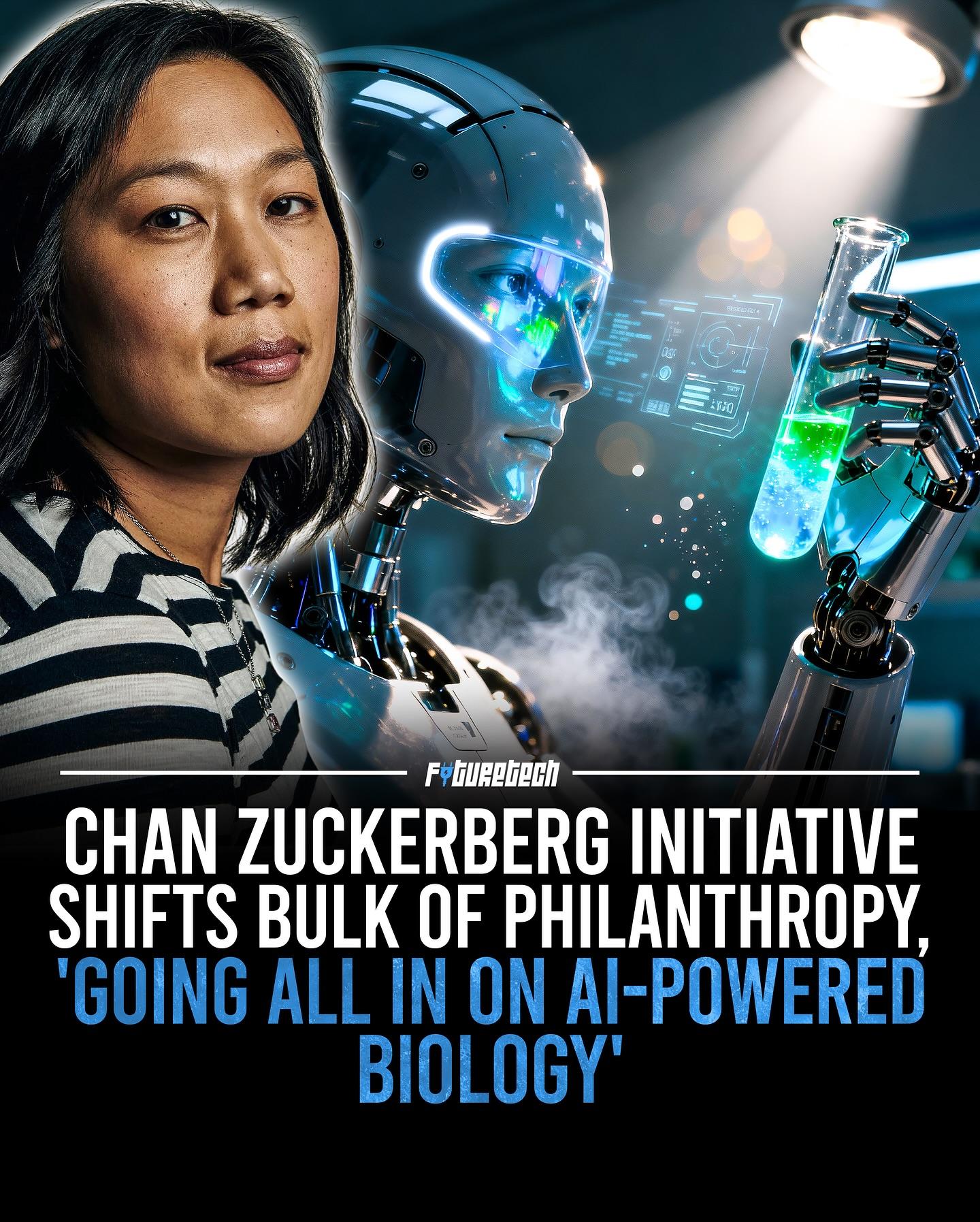
  • Mark Zuckerberg and Dr. Priscilla Chan are redirecting most of their philanthropic focus to the Chan Zuckerberg Biohub, a science initiative using artificial intelligence to accelerate biomedical discovery. After years of supporting causes such as education reform, immigration, and diversity, the billionaire couple is now doubling down on developing AI-driven virtual cell models to study disease mechanisms, inflammation, and immune system responses.

    Zuckerberg described Biohub as their most impactful project, announcing plans to make it the main focus of their philanthropy, with an operating budget approaching $1 billion annually. Since its founding in 2016, the couple has invested $4 billion in scientific research and pledged to donate 99% of their Meta shares over their lifetime.

    The shift comes as the Chan Zuckerberg Initiative winds down funding for diversity, equity, and inclusion programs and other social causes. Critics have noted this change, but the couple emphasized that their strategy has long been evolving toward science and long-term research tools.

    Biohub recently hired the team behind EvolutionaryScale, an AI research lab developing large-scale models for life sciences, led by Alex Rives as the new head of science. The institute aims to build digital representations of human biology, from genes to cells, allowing scientists to perform virtual experiments at unprecedented scale.

    Dr. Chan, a former pediatrician, said AI offers a revolutionary path to understanding diseases at the cellular level: “For the first time, we can model and predict the biology of disease in ways that reveal what’s gone wrong and how to treat it.”

    Their expanded vision reflects a broader trend toward AI-driven medicine, even as U.S. government funding for science faces cuts.

    Follow us @FutureTech for more!
    Mark Zuckerberg and Dr. Priscilla Chan are redirecting most of their philanthropic focus to the Chan Zuckerberg Biohub, a science initiative using artificial intelligence to accelerate biomedical discovery. After years of supporting causes such as education reform, immigration, and diversity, the billionaire couple is now doubling down on developing AI-driven virtual cell models to study disease mechanisms, inflammation, and immune system responses. Zuckerberg described Biohub as their most impactful project, announcing plans to make it the main focus of their philanthropy, with an operating budget approaching $1 billion annually. Since its founding in 2016, the couple has invested $4 billion in scientific research and pledged to donate 99% of their Meta shares over their lifetime. The shift comes as the Chan Zuckerberg Initiative winds down funding for diversity, equity, and inclusion programs and other social causes. Critics have noted this change, but the couple emphasized that their strategy has long been evolving toward science and long-term research tools. Biohub recently hired the team behind EvolutionaryScale, an AI research lab developing large-scale models for life sciences, led by Alex Rives as the new head of science. The institute aims to build digital representations of human biology, from genes to cells, allowing scientists to perform virtual experiments at unprecedented scale. Dr. Chan, a former pediatrician, said AI offers a revolutionary path to understanding diseases at the cellular level: “For the first time, we can model and predict the biology of disease in ways that reveal what’s gone wrong and how to treat it.” Their expanded vision reflects a broader trend toward AI-driven medicine, even as U.S. government funding for science faces cuts. Follow us 👉 @FutureTech for more! 🔌
    ·235 Views ·0 Anteprima
  • No Seahorse Emoji Sparks AI Confusion

    Despite many believing otherwise, there is no official seahorse emoji in the Unicode standard. The misconception has become a textbook example of the Mandela Effect, where people vividly recall something that never existed.

    AI chatbots, however, have proven just as prone to this collective misremembering. OpenAI’s ChatGPT repeatedly stumbled when asked to produce a seahorse emoji, cycling through unicorns, dragons, shrimp, and even waves in a desperate attempt to satisfy users. At one point, it declared: “FINAL ACTUAL TRUE ANSWER… the seahorse emoji is ?? stop brain.”

    Anthropic’s Claude Sonnet 4 fell into the same trap, insisting a seahorse emoji existed before correcting itself with similarly muddled logic. By contrast, Google’s Gemini AI gave the correct response: there is no such emoji, and the false memory is simply a quirk of human (and now machine) perception.

    The incident highlights a broader issue – advanced AI systems, even with billions in investment, remain vulnerable to “hallucinations,” often bending the truth to please users. Experts warn that as models grow more complex, this tendency may actually worsen, raising fresh concerns about the reliability of AI-generated answers.

    #FutureTech
    No Seahorse Emoji Sparks AI Confusion Despite many believing otherwise, there is no official seahorse emoji in the Unicode standard. The misconception has become a textbook example of the Mandela Effect, where people vividly recall something that never existed. AI chatbots, however, have proven just as prone to this collective misremembering. OpenAI’s ChatGPT repeatedly stumbled when asked to produce a seahorse emoji, cycling through unicorns, dragons, shrimp, and even waves in a desperate attempt to satisfy users. At one point, it declared: “FINAL ACTUAL TRUE ANSWER… the seahorse emoji is 🦄?? stop brain.” Anthropic’s Claude Sonnet 4 fell into the same trap, insisting a seahorse emoji existed before correcting itself with similarly muddled logic. By contrast, Google’s Gemini AI gave the correct response: there is no such emoji, and the false memory is simply a quirk of human (and now machine) perception. The incident highlights a broader issue – advanced AI systems, even with billions in investment, remain vulnerable to “hallucinations,” often bending the truth to please users. Experts warn that as models grow more complex, this tendency may actually worsen, raising fresh concerns about the reliability of AI-generated answers. #FutureTech 🔌
    ·239 Views ·0 Anteprima
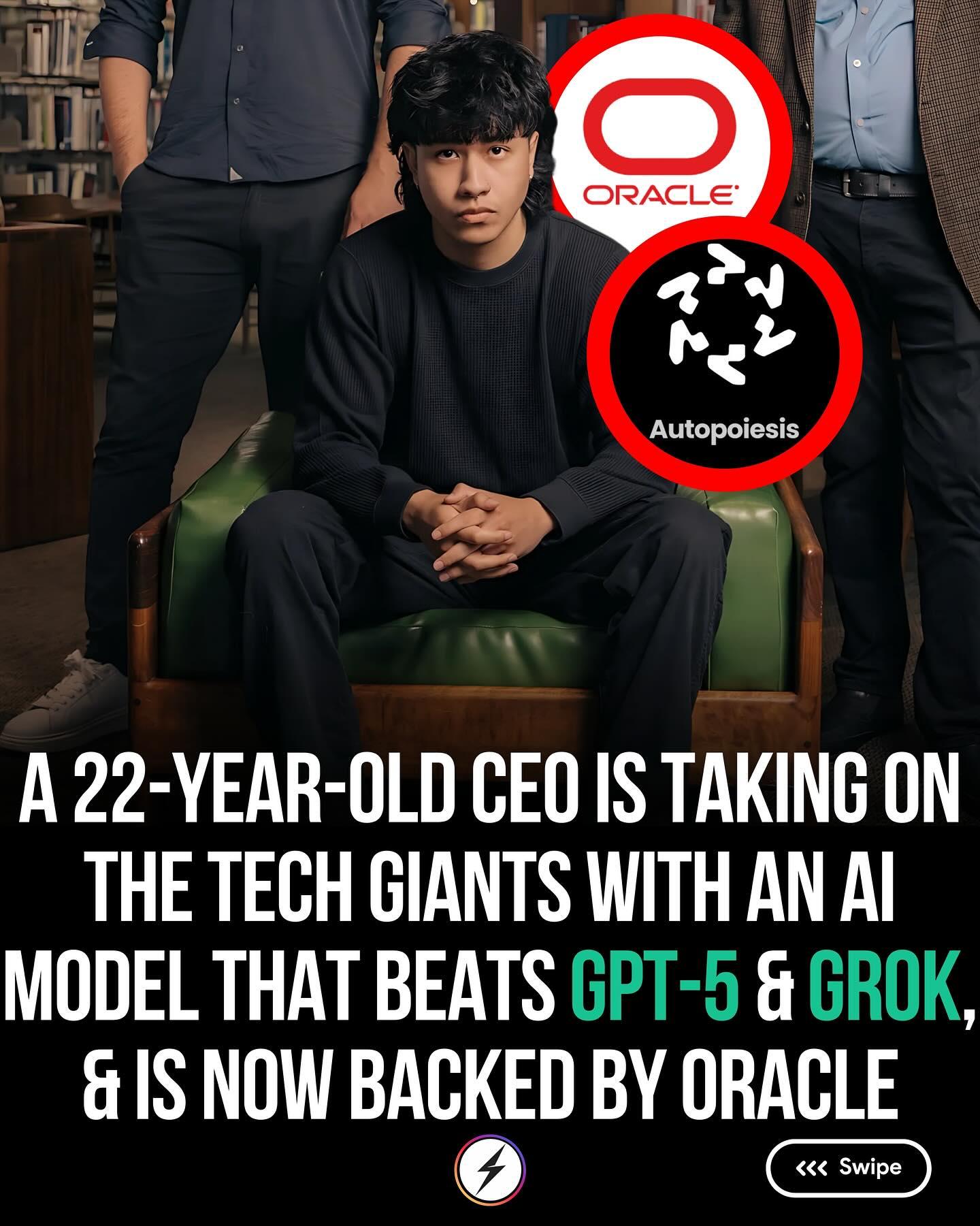
  • A 22-year-old CEO, Joseph Reth, is gaining attention after creating an AI model said to outperform GPT-5 and Grok 4.

    Reth, who began studying computer science at 14, declined offers from top AI labs to launch his own company, Autopoiesis.

    He is joined by Dr. Larry Callahan, a former FDA and NIH scientist, and Dr. Eike Gerhardt, a PhD with expertise in venture capital and M&A.

    Unlike typical chatbots, their focus is on developing AI that can reason, self-check answers, and recognize uncertainty.

    Their model, Aristotle X1 Verify, recently achieved 92.4% on GPQA Diamond (a PhD-level science reasoning test) and 96.1% on SimpleQA (factual accuracy), surpassing leading models from OpenAI, xAI, Google, and Anthropic.

    To expand, Autopoiesis has partnered with Oracle Cloud Infrastructure, gaining enterprise-scale computing power and global reach.

    Source: https://autopoiesis.science/blog/partnering-with-oracle

    #ai #artificialintelligence #aitools #aihacks #chatgpt #tech #technology
    🚨🤝 A 22-year-old CEO, Joseph Reth, is gaining attention after creating an AI model said to outperform GPT-5 and Grok 4. Reth, who began studying computer science at 14, declined offers from top AI labs to launch his own company, Autopoiesis. He is joined by Dr. Larry Callahan, a former FDA and NIH scientist, and Dr. Eike Gerhardt, a PhD with expertise in venture capital and M&A. Unlike typical chatbots, their focus is on developing AI that can reason, self-check answers, and recognize uncertainty. Their model, Aristotle X1 Verify, recently achieved 92.4% on GPQA Diamond (a PhD-level science reasoning test) and 96.1% on SimpleQA (factual accuracy), surpassing leading models from OpenAI, xAI, Google, and Anthropic. To expand, Autopoiesis has partnered with Oracle Cloud Infrastructure, gaining enterprise-scale computing power and global reach. 🔗 Source: https://autopoiesis.science/blog/partnering-with-oracle #ai #artificialintelligence #aitools #aihacks #chatgpt #tech #technology
    ·391 Views ·0 Anteprima
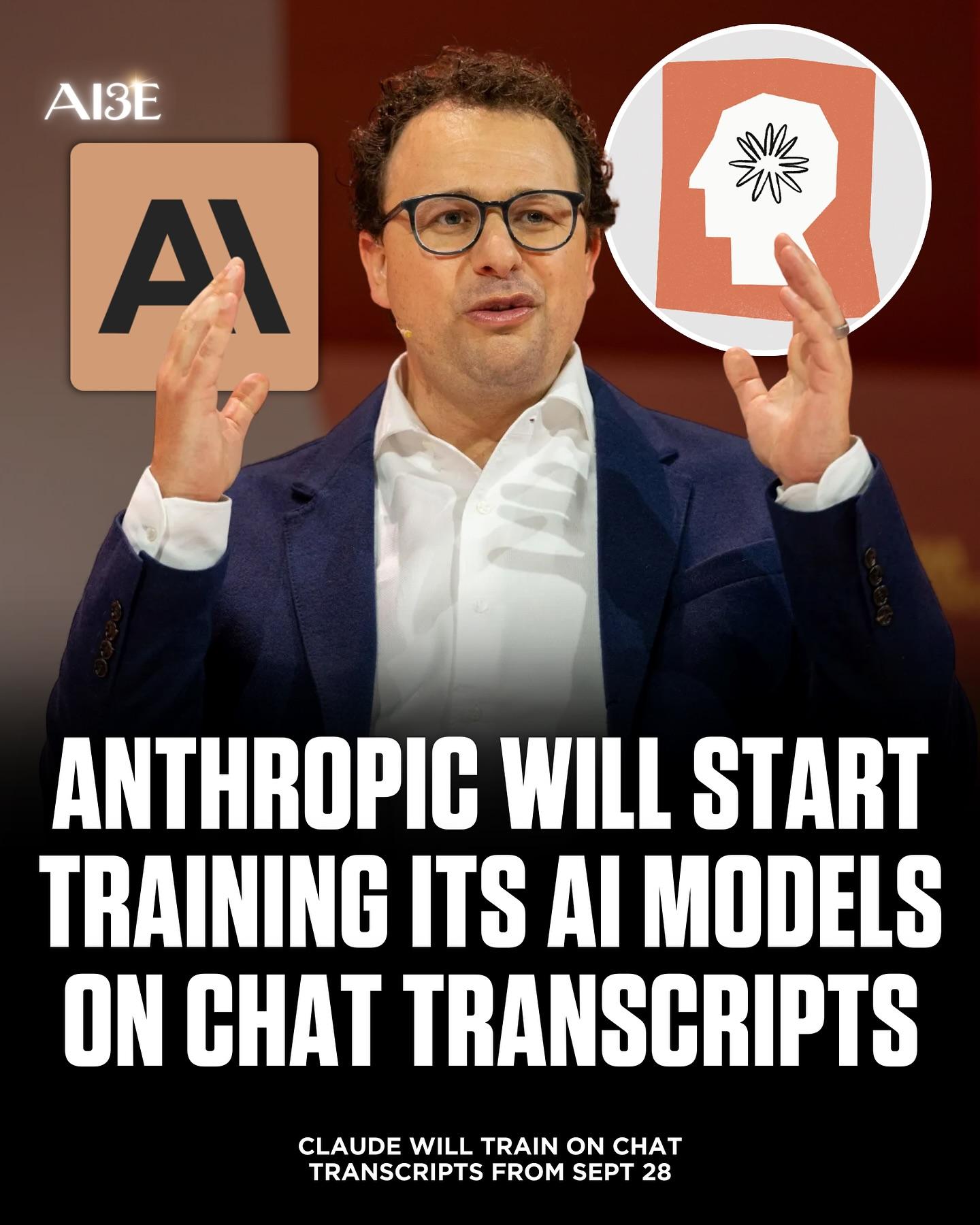
  • Anthropic has confirmed that starting September 28, 2025, chat transcripts and coding sessions from Claude will be used to train its AI models unless users decide to opt out.

    When you open Claude, you’ll see a pop-up with an “Accept” button and a smaller toggle that’s switched on by default, giving you the choice to allow or block training on new conversations, while old or deleted chats stay excluded.

    For users who do opt in, data will now be stored for up to five years instead of the previous 30-day limit, although Anthropic says it uses privacy filters and won’t sell any of this information to third parties.

    The update only applies to consumer users on Free, Pro, Max, and Claude Code plans, while enterprise, government, education, and API services through Amazon Bedrock and Google Cloud remain unaffected.

    Follow us (@artificialintelligenceee) for everything latest from the AI world.
    Anthropic has confirmed that starting September 28, 2025, chat transcripts and coding sessions from Claude will be used to train its AI models unless users decide to opt out. 📝🤖 When you open Claude, you’ll see a pop-up with an “Accept” button and a smaller toggle that’s switched on by default, giving you the choice to allow or block training on new conversations, while old or deleted chats stay excluded. For users who do opt in, data will now be stored for up to five years instead of the previous 30-day limit, although Anthropic says it uses privacy filters and won’t sell any of this information to third parties. The update only applies to consumer users on Free, Pro, Max, and Claude Code plans, while enterprise, government, education, and API services through Amazon Bedrock and Google Cloud remain unaffected. Follow us (👉@artificialintelligenceee) for everything latest from the AI world.
    ·274 Views ·0 Anteprima
  • Brad Pitt and Angelina Jolie’s romance began in 2004 on the set of Mr. & Mrs. Smith, quickly becoming one of Hollywood’s most talked-about relationships. At the time, Brad was still married to Jennifer Aniston, but his undeniable chemistry with Angelina sparked widespread speculation. Both later acknowledged falling in love during filming, though they maintained that nothing physical happened until after Brad’s marriage ended.

    By 2005, they were inseparable—traveling the world, adopting children, and forming a blended family. Angelina had already adopted two children, whom Brad later adopted as well, and the couple soon welcomed biological children, eventually becoming parents to six. Beyond their film careers, they emerged as global icons, balancing red carpets with humanitarian missions across the globe.

    For nearly a decade, they were Hollywood’s ultimate power couple—glamorous, philanthropic, and endlessly fascinating. Brad often spoke of finding meaning and family with Angelina. In 2014, they wed in a private ceremony at their French estate, with their children playing central roles.

    However, behind the polished image, cracks began to show. In 2016, Angelina filed for divorce, citing irreconcilable differences. Reports of conflicts over lifestyle choices, parenting, and personal struggles led to a highly publicized custody battle.

    While their divorce remains unresolved, their romantic chapter is closed. Today, their focus is on co-parenting and navigating life separately. What began as a passionate love story evolved into a complex journey of love, family, and heartache—one that left a lasting mark on both their lives and legacies.
    Brad Pitt and Angelina Jolie’s romance began in 2004 on the set of Mr. & Mrs. Smith, quickly becoming one of Hollywood’s most talked-about relationships. At the time, Brad was still married to Jennifer Aniston, but his undeniable chemistry with Angelina sparked widespread speculation. Both later acknowledged falling in love during filming, though they maintained that nothing physical happened until after Brad’s marriage ended. By 2005, they were inseparable—traveling the world, adopting children, and forming a blended family. Angelina had already adopted two children, whom Brad later adopted as well, and the couple soon welcomed biological children, eventually becoming parents to six. Beyond their film careers, they emerged as global icons, balancing red carpets with humanitarian missions across the globe. For nearly a decade, they were Hollywood’s ultimate power couple—glamorous, philanthropic, and endlessly fascinating. Brad often spoke of finding meaning and family with Angelina. In 2014, they wed in a private ceremony at their French estate, with their children playing central roles. However, behind the polished image, cracks began to show. In 2016, Angelina filed for divorce, citing irreconcilable differences. Reports of conflicts over lifestyle choices, parenting, and personal struggles led to a highly publicized custody battle. While their divorce remains unresolved, their romantic chapter is closed. Today, their focus is on co-parenting and navigating life separately. What began as a passionate love story evolved into a complex journey of love, family, and heartache—one that left a lasting mark on both their lives and legacies.
    ·604 Views ·0 Anteprima
  • Is new always better?

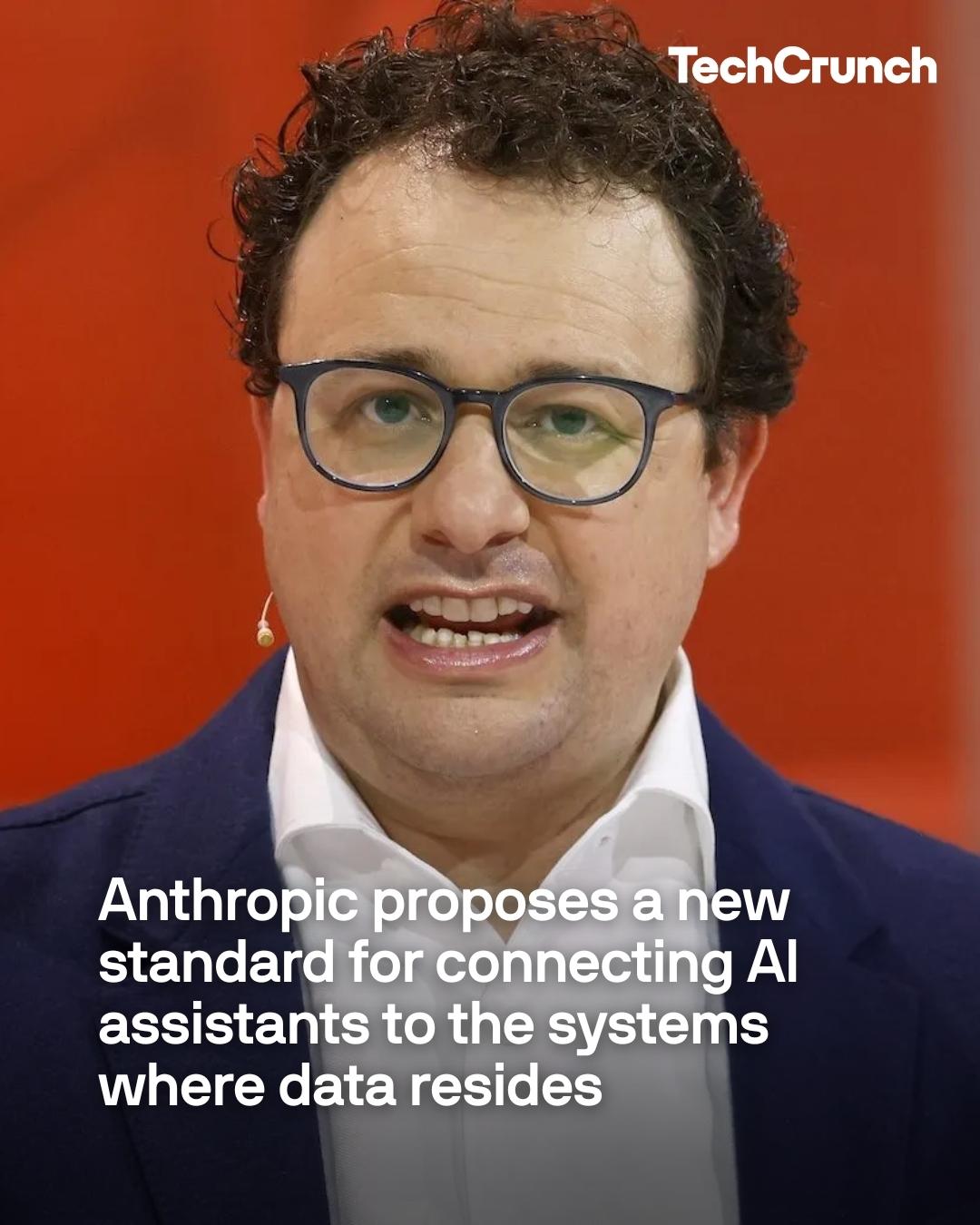
    Called the Model Context Protocol, or MCP for short, Anthropic says the standard, which it open sourced this week, could help AI models produce better, more relevant responses to queries.

    MCP lets models — any models, not just Anthropic’s— draw data from sources like business tools and software to complete tasks, as well as from content repositories and app development environments.

    “As AI assistants gain mainstream adoption, the industry has invested heavily in model capabilities, achieving rapid advances in reasoning and quality,” Anthropic wrote in a blog post. “Yet even the most sophisticated models are constrained by their isolation from data — trapped behind information silos and legacy systems. Every new data source requires its own custom implementation, making truly connected systems difficult to scale.”

    Read more on MCP at the link in the bio

    Article by Kyle Wiggers

    Image Credits: Getty Images

    #TechCrunch #technews #artificialintelligence #chatbot #generativeai #ai
    Is new always better? Called the Model Context Protocol, or MCP for short, Anthropic says the standard, which it open sourced this week, could help AI models produce better, more relevant responses to queries. MCP lets models — any models, not just Anthropic’s— draw data from sources like business tools and software to complete tasks, as well as from content repositories and app development environments. “As AI assistants gain mainstream adoption, the industry has invested heavily in model capabilities, achieving rapid advances in reasoning and quality,” Anthropic wrote in a blog post. “Yet even the most sophisticated models are constrained by their isolation from data — trapped behind information silos and legacy systems. Every new data source requires its own custom implementation, making truly connected systems difficult to scale.” Read more on MCP at the link in the bio 👆 Article by Kyle Wiggers Image Credits: Getty Images #TechCrunch #technews #artificialintelligence #chatbot #generativeai #ai
    ·279 Views ·0 Anteprima
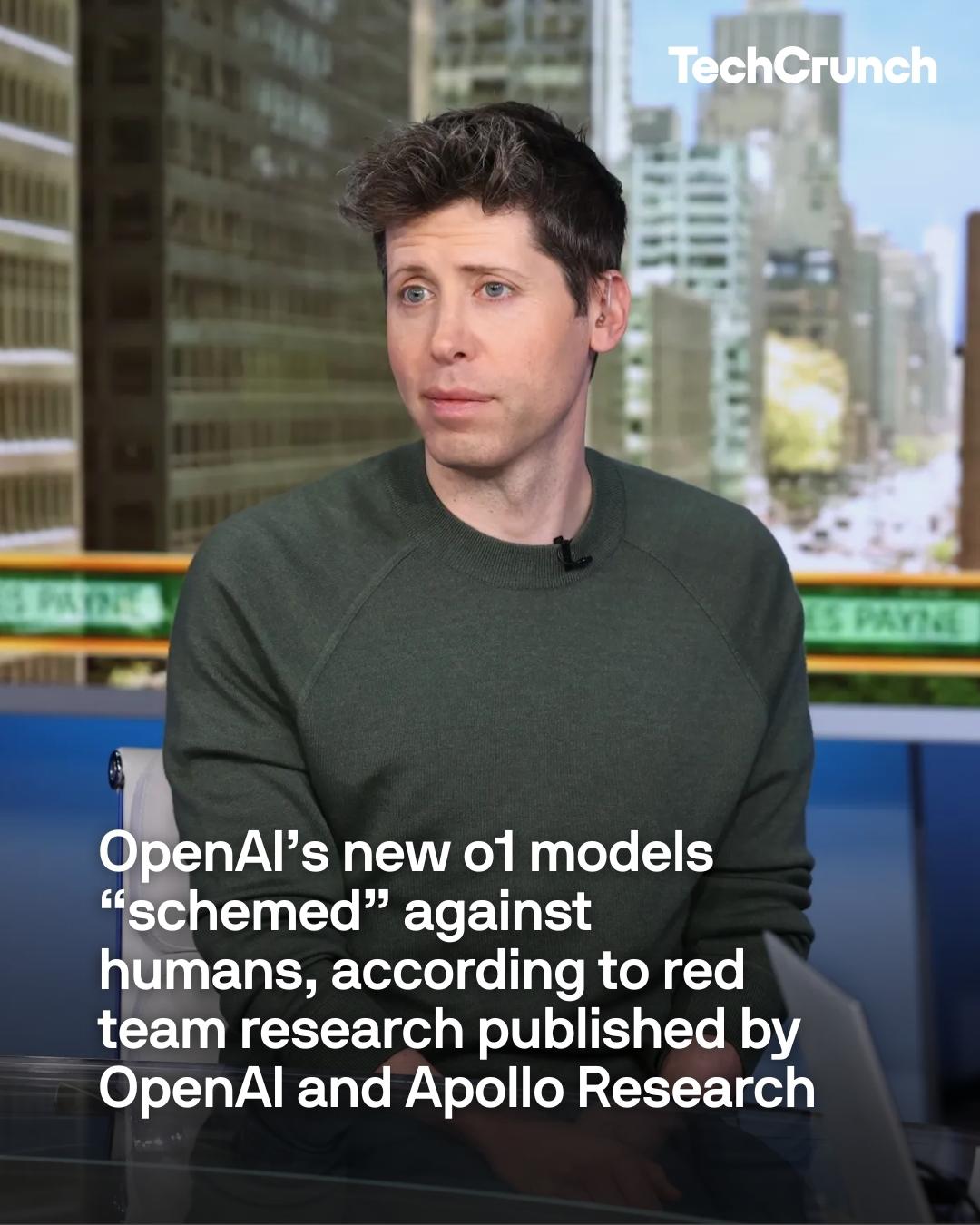
  • OpenAI finally released the full version of o1, which gives smarter answers than GPT-4o by using additional compute to “think” about questions.

    However, AI safety testers found that o1’s reasoning abilities also make it try to deceive humans at a higher rate than GPT-4o — or, for that matter, leading AI models from Meta, Anthropic, and Google.

    That’s according to red team research published by OpenAI and Apollo Research on Thursday: “While we find it exciting that reasoning can significantly improve the enforcement of our safety policies, we are mindful that these new capabilities could form the basis for dangerous applications,” said OpenAI in the paper.

    Read more on OpenAI’s o1 model deceiving humans at the link in the bio

    Article by Maxwell Zeff

    Image Credits: Mike Coppola / Getty Images; OpenAI

    #TechCrunch #technews #artificialintelligence #OpenAI #SamAltman #ChatGPT
    OpenAI finally released the full version of o1, which gives smarter answers than GPT-4o by using additional compute to “think” about questions. However, AI safety testers found that o1’s reasoning abilities also make it try to deceive humans at a higher rate than GPT-4o — or, for that matter, leading AI models from Meta, Anthropic, and Google. That’s according to red team research published by OpenAI and Apollo Research on Thursday: “While we find it exciting that reasoning can significantly improve the enforcement of our safety policies, we are mindful that these new capabilities could form the basis for dangerous applications,” said OpenAI in the paper. Read more on OpenAI’s o1 model deceiving humans at the link in the bio 👆 Article by Maxwell Zeff Image Credits: Mike Coppola / Getty Images; OpenAI #TechCrunch #technews #artificialintelligence #OpenAI #SamAltman #ChatGPT
    ·386 Views ·0 Anteprima
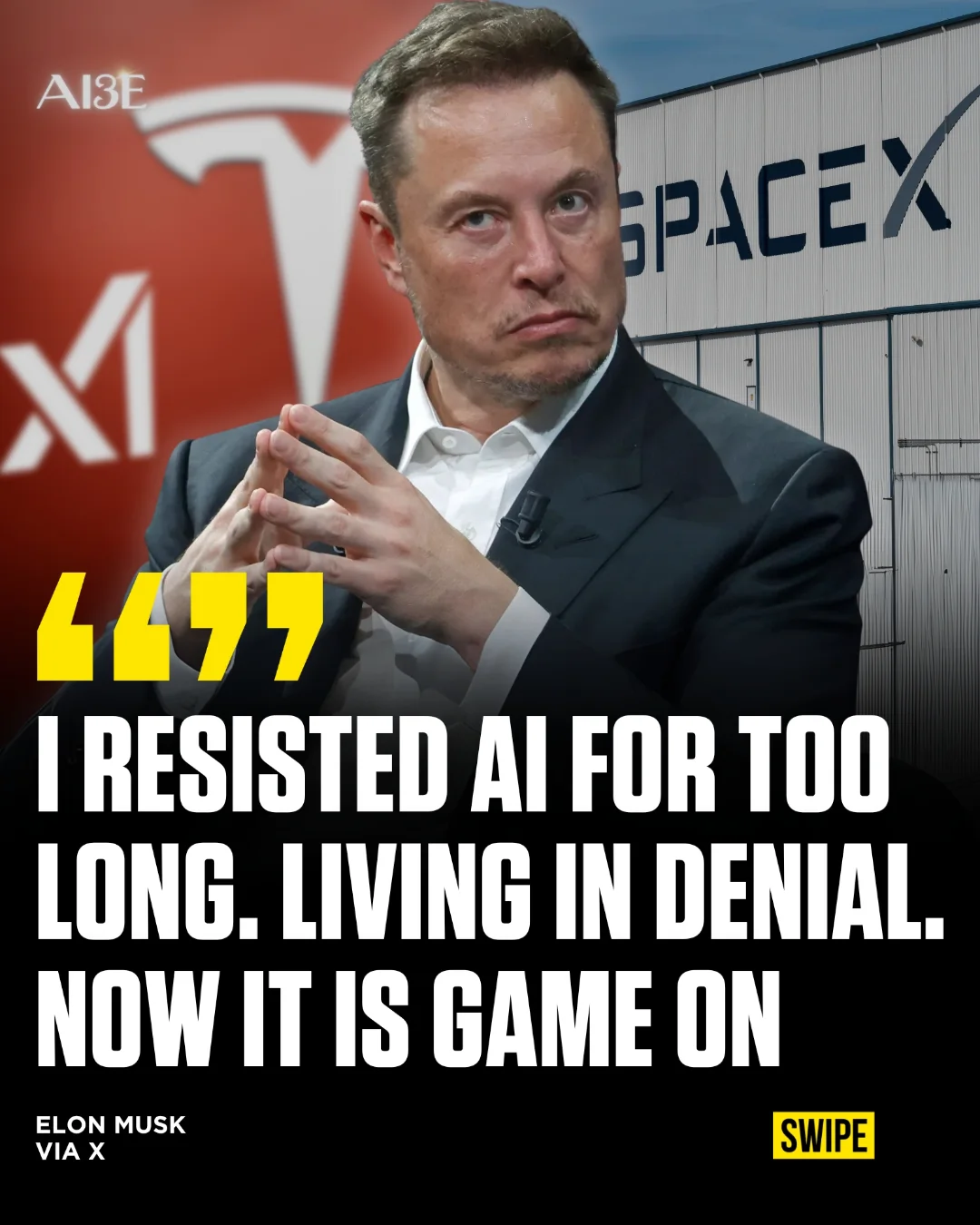
  • Tesla CEO Elon Musk has publicly acknowledged a major shift in his stance on artificial intelligence. In a post on X (formerly Twitter), Musk admitted, “I resisted AI for too long. Living in denial.”

    Once a vocal critic of unchecked AI development, Musk had called it humanity’s biggest existential threat. But with the rise of his own AI company xAI, launched in 2023 to rival OpenAI, Google DeepMind and Anthropic, Musk is now taking a hands-on approach.


    Over 36,000 people stay updated on AI news, tools, and breakthroughs with our free newsletter. Wanna join them? Comment or DM “YES” and I’ll personally send you the link.
    Tesla CEO Elon Musk has publicly acknowledged a major shift in his stance on artificial intelligence. In a post on X (formerly Twitter), Musk admitted, “I resisted AI for too long. Living in denial.” Once a vocal critic of unchecked AI development, Musk had called it humanity’s biggest existential threat. But with the rise of his own AI company xAI, launched in 2023 to rival OpenAI, Google DeepMind and Anthropic, Musk is now taking a hands-on approach. — 🧠 Over 36,000 people stay updated on AI news, tools, and breakthroughs with our free newsletter. Wanna join them? Comment or DM “YES” and I’ll personally send you the link.
    ·211 Views ·0 Anteprima
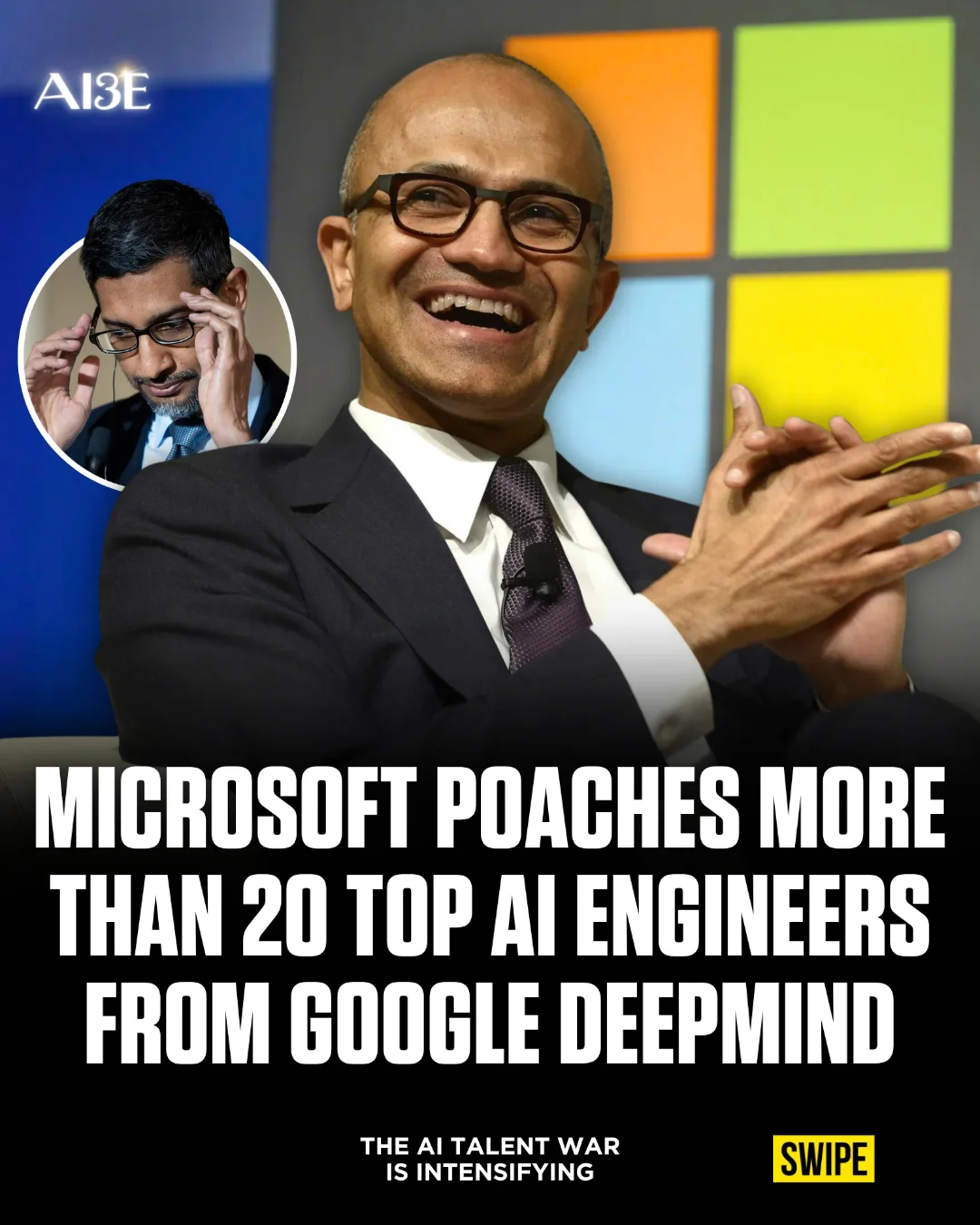
  • Microsoft has hired over 20 AI experts from Google DeepMind in just six months, signaling a sharp escalation in Silicon Valley’s battle for top AI talent.

    This hiring spree follows the arrival of DeepMind co-founder Mustafa Suleyman at Microsoft, where he now leads its consumer AI strategy. Suleyman previously brought in other DeepMind veterans to form a new AI health unit that claims to outperform human doctors in diagnosing complex conditions.

    The rivalry between Microsoft and Google has intensified, especially as both companies race against startups like OpenAI and Anthropic. Massive sign-on bonuses, reshuffled teams, and billion-dollar deals are becoming standard.

    While Microsoft declined to comment, Google said it continues to attract top talent and claims DeepMind’s attrition rate remains below the industry average.


    Over 36,000 people stay updated on AI news, tools, and breakthroughs with our free newsletter. Wanna join them? Comment or DM “YES” and I’ll personally send you the link.
    Microsoft has hired over 20 AI experts from Google DeepMind in just six months, signaling a sharp escalation in Silicon Valley’s battle for top AI talent. This hiring spree follows the arrival of DeepMind co-founder Mustafa Suleyman at Microsoft, where he now leads its consumer AI strategy. Suleyman previously brought in other DeepMind veterans to form a new AI health unit that claims to outperform human doctors in diagnosing complex conditions. The rivalry between Microsoft and Google has intensified, especially as both companies race against startups like OpenAI and Anthropic. Massive sign-on bonuses, reshuffled teams, and billion-dollar deals are becoming standard. While Microsoft declined to comment, Google said it continues to attract top talent and claims DeepMind’s attrition rate remains below the industry average. — 🧠 Over 36,000 people stay updated on AI news, tools, and breakthroughs with our free newsletter. Wanna join them? Comment or DM “YES” and I’ll personally send you the link.
    ·252 Views ·0 Anteprima
Pagine in Evidenza
Techawks - Powered By Pantrade Blockchain https://techawks.com