


Join Friends for Multiplayer Adventures in Diablo II: Resurrected by U4GM
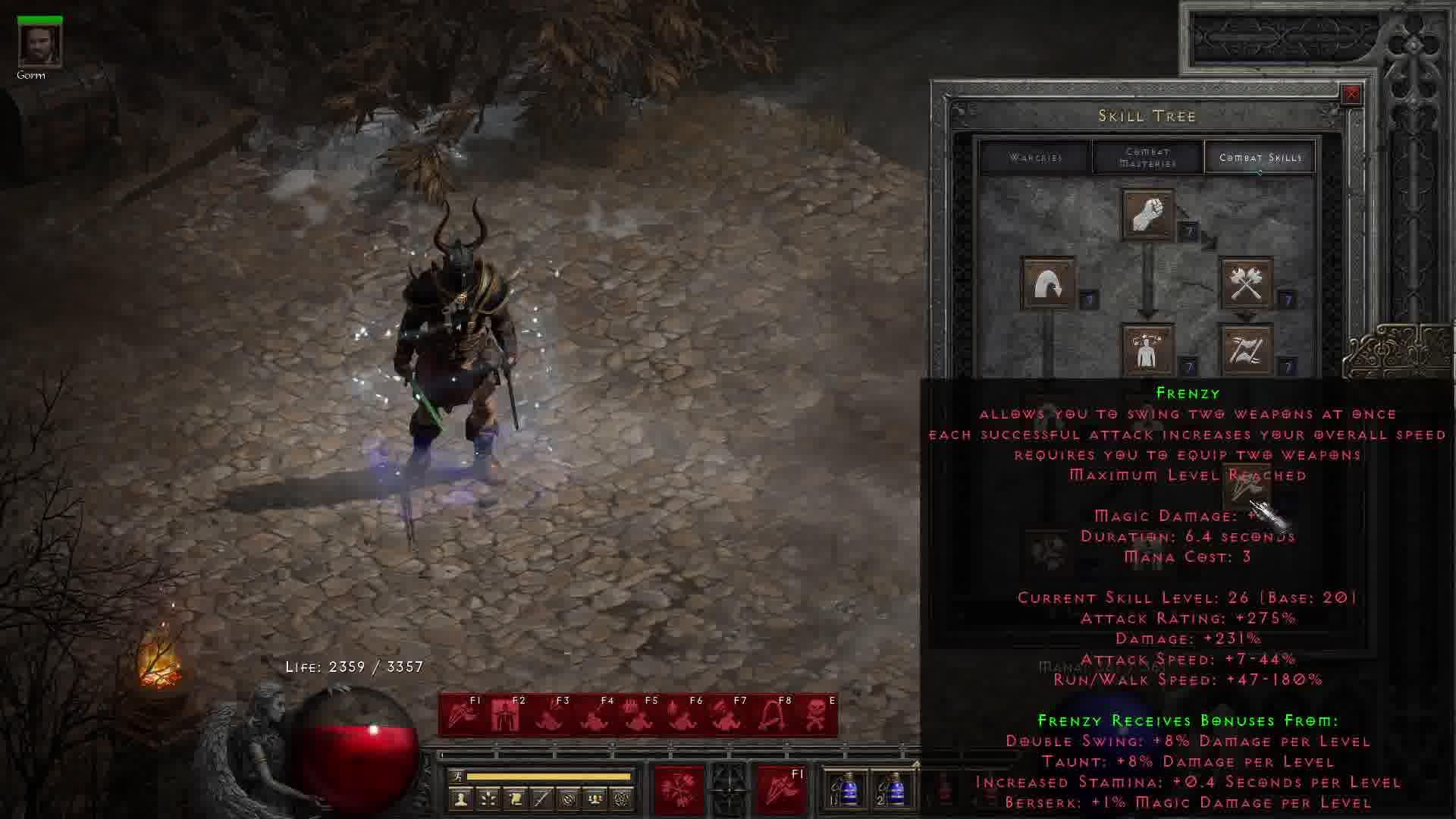
Character creation in many role-playing games is largely about selecting an appearance, choosing a class, and following a predetermined progression path. D2R Items takes a different approach. Its seven classes provide the starting point, but the real identity of a character emerges through skill selection, equipment, attributes, and experimentation.
This approach was already distinctive when Diablo II launched in 2000. Years later, Resurrected demonstrates how a well-designed character system can remain engaging without requiring an endless collection of modern mechanics.
Every Class Has a Different Personality
The seven classes in Diablo II: Resurrected are immediately recognizable.
The Sorceress represents elemental magic. Her fire, cold, and lightning abilities can destroy groups of enemies quickly, while teleportation provides exceptional mobility.
The Necromancer takes a more indirect approach. He can summon skeletons and other undead allies, weaken enemies with curses, and use corpses as part of his offensive strategy.
Paladins blend combat and divine abilities. Their auras can provide powerful benefits, while their combat skills allow them to fight directly.
Barbarians are built for physical confrontation. Weapon specialization, shouts, and aggressive attacks make them natural choices for players who enjoy close-range combat.
The Amazon has strong bow and javelin options, making her particularly effective at ranged combat. The Druid provides unusual flexibility through summoning, elemental abilities, and shapeshifting. The Assassin combines traps with martial arts, creating a fast and tactical playstyle.
Skill Trees Create the Framework
Each class has three major skill trees. These trees contain a broad selection of abilities that can be developed over time.
The important point is that players cannot simply maximize everything. Skill points create choices, and those choices define the eventual build.
A player might decide to create a Frozen Orb Sorceress and devote resources toward cold-based abilities. Another Sorceress could emphasize lightning. Both characters belong to the same class, but their combat experiences can be dramatically different.
Paladins offer another example. A Hammerdin uses Blessed Hammer as a central offensive ability, while other Paladins can specialize in melee combat or different combinations of auras and attacks.
This specialization gives the game a strong sense of ownership. Players are not merely leveling a generic hero. They are creating a particular version of that hero.
Equipment Completes the Build
Skills establish a character's foundation, but equipment determines how effectively that foundation performs.
Weapons, armor, rings, amulets, charms, and other items can provide bonuses that complement particular skills. As a result, finding equipment is not just about increasing a character's overall statistics.
A piece of gear may be valuable because it solves a specific weakness. Another item may enable a new approach entirely.
Runewords take this concept even further. By placing the correct runes into a suitable socketed item, players can create powerful equipment that supports particular builds.
This creates an interesting interaction between exploration and character planning. Players might search for a particular rune because they already know which Runeword they want, or they might find an unexpected item and decide to adapt their build around it.
The Long-Term Appeal of Starting Over
One of Diablo II's enduring strengths is that starting a new character can be exciting even after hundreds of hours.
A veteran player already understands the world and basic systems, but a new class changes the experience. The player has different skills to master, different equipment to seek, and different combat priorities.
This is especially noticeable when moving from a Sorceress to a Barbarian. A teleporting spellcaster and a heavily armed melee fighter demand completely different approaches to movement and positioning.
The variety extends to the economy of equipment. Players who have accumulated useful gear can potentially use it to support future characters, making the Shared Stash an important quality-of-life feature.
Modern Convenience Meets Classic Depth
Resurrected modernizes the experience without discarding its fundamental design.
The Shared Stash makes equipment management easier. Automatic gold pickup reduces unnecessary interaction, while controller support allows players to choose a different control method.
Cross-progression on supported platforms adds flexibility for players who use more than one device.
These improvements are deliberately practical. They do not transform the underlying character system. Instead, they make it easier to enjoy a system that was already deep.
Players researching D2R Items often encounter extensive build discussions, while some look for opportunities to buy D2R Items rather than relying entirely on the game's randomized drops. These discussions reflect just how closely equipment and character development are connected within the broader Resurrected community.
A System That Rewards Understanding
D2R Ladder Items for sale does not hand players a single correct way to build a character. It provides tools and lets them discover how those tools interact.
That philosophy is a major reason the game remains replayable. Learning a class is one experience; understanding how its skills interact with equipment is another.
Eventually, players begin to recognize that character progression is not simply about becoming stronger. It is about becoming stronger in a particular way.
That distinction is what turns seven classes into an enormous collection of possible adventures.

 English
 Arabic
 French
 Spanish
 Portuguese
 Deutsch
 Turkish
 Dutch
Dutch
 Russian
 Romaian
 Portuguese (Brazil)
 Greek
Greek