




Techawks India is the official Techawks community connecting students, developers, founders, professionals, creators, and technology enthusiasts from across India. Stay updated with the latest in artificial intelligence, software development, cybersecurity, cloud computing, data science, startups, and emerging technologies.
Discover practical tutorials, industry news, hackathons, open-source projects, networking opportunities, job updates, events, product launches, and expert discussions. Learn new skills, collaborate on innovative ideas, showcase your work, and grow with one of India's technology-focused communities.
Discover practical tutorials, industry news, hackathons, open-source projects, networking opportunities, job updates, events, product launches, and expert discussions. Learn new skills, collaborate on innovative ideas, showcase your work, and grow with one of India's technology-focused communities.
-
Public Group
-
61 Posts
-
61 Photos
-
0 Videos
-
Reviews
-
People and Nations
Search

 Arabic
 French
 Spanish
 Portuguese
 Deutsch
 Turkish
 Dutch
Dutch
 Italiano
 Russian
 Romaian
 Portuguese (Brazil)
 Greek
Greek
Recent Updates
-
Architecting for India-Scale: 4 Cache Invalidation Patterns for High-Concurrency Spikes
When building consumer apps in India, traffic rarely scales linearly. It hits in sudden, violent bursts. If your caching strategy relies solely on simple key-value TTLs, your backend will inevitably face cache stampedes, stale read cascades, or database pool exhaustion.
Here is a practical breakdown of how to harden your caching layer using Redis and Go/Node.js microservices.1. The Probabilistic Early Expiration Pattern (XFetch)Standard TTLs cause cache stampedes: when a high-traffic key expires, 5,000 concurrent threads miss the cache simultaneously and query Postgres/MongoDB at once.The Problem: Database CPU spikes to 100%, causing connection timeouts.
The Fix: Recompute the cached value in the background before it officially expires, based on read frequency and computation time.
Implementation Logic:Calculate delta: $\Delta = -\beta \times \delta \times \ln(\text{rand}())$If (Time.now - delta) > TTL, let the current worker thread refresh the cache asynchronously while continuing to serve the warm cache to everyone else.2. Mutex-Locked Cache AsideIf you cannot use probabilistic expiration, enforce a distributed mutex lock on a cache miss.
When a thread detects a cache miss, it acquires a lightweight Redis lock (SET resource_lock my_random_token NX PX 3000).Only the thread holding the lock queries the primary database and repopulates Redis.
All other concurrent requests wait 50ms and retry fetching from Redis, completely shielding the database from redundant queries.3. Read-Through with Local In-Memory Fallback (L1/L2 Cache)Network round-trips to an external Redis cluster can saturate network interfaces during multi-million RPM events.L1 (In-Memory): Store read-heavy, low-churn configuration and catalog data in-process (e.g., Go sync.
Map or Node.js lru-cache) with a tight 30–60 second expiration.L2 (Distributed):
Redis Cluster with proper shard distribution.
Execution: Always check L1 first. If missed, query L2. If missed in L2, hit the database via Mutex and backfill both layers.4. Event-Driven Cache Eviction via CDC (Change Data Capture)Never let write APIs directly trigger extensive cache invalidations across distributed fleets; network failures leave orphan stale keys.
Route database binlogs (PostgreSQL WAL / MySQL Binlog) through Debezium into an Apache Kafka or Redpanda topic.A dedicated consumer group handles Redis cache invalidations asynchronously. This completely decouples your write path latency from cache hygiene.
Key Takeaways
Kill Cache Stampedes: Implement probabilistic background refresh (XFetch) or distributed mutex locks instead of static TTLs on critical paths.Layer Your Defense: Combine an in-memory L1 cache (in-process) with a distributed L2 cache (Redis) to shave network overhead during flash spikes.
Decouple Invalidation: Move write-side cache invalidation out of your request-response cycle and into an event-driven CDC pipeline.
CTA
Building high-throughput, fault-tolerant systems across India’s engineering ecosystem?Join Techawks India to discuss backend design, distributed systems trade-offs, and production post-mortems with fellow senior engineers and architects. Link in the comments.Architecting for India-Scale: 4 Cache Invalidation Patterns for High-Concurrency Spikes When building consumer apps in India, traffic rarely scales linearly. It hits in sudden, violent bursts. If your caching strategy relies solely on simple key-value TTLs, your backend will inevitably face cache stampedes, stale read cascades, or database pool exhaustion. Here is a practical breakdown of how to harden your caching layer using Redis and Go/Node.js microservices.1. The Probabilistic Early Expiration Pattern (XFetch)Standard TTLs cause cache stampedes: when a high-traffic key expires, 5,000 concurrent threads miss the cache simultaneously and query Postgres/MongoDB at once.The Problem: Database CPU spikes to 100%, causing connection timeouts. The Fix: Recompute the cached value in the background before it officially expires, based on read frequency and computation time. Implementation Logic:Calculate delta: $\Delta = -\beta \times \delta \times \ln(\text{rand}())$If (Time.now - delta) > TTL, let the current worker thread refresh the cache asynchronously while continuing to serve the warm cache to everyone else.2. Mutex-Locked Cache AsideIf you cannot use probabilistic expiration, enforce a distributed mutex lock on a cache miss. When a thread detects a cache miss, it acquires a lightweight Redis lock (SET resource_lock my_random_token NX PX 3000).Only the thread holding the lock queries the primary database and repopulates Redis. All other concurrent requests wait 50ms and retry fetching from Redis, completely shielding the database from redundant queries.3. Read-Through with Local In-Memory Fallback (L1/L2 Cache)Network round-trips to an external Redis cluster can saturate network interfaces during multi-million RPM events.L1 (In-Memory): Store read-heavy, low-churn configuration and catalog data in-process (e.g., Go sync. Map or Node.js lru-cache) with a tight 30–60 second expiration.L2 (Distributed): Redis Cluster with proper shard distribution. Execution: Always check L1 first. If missed, query L2. If missed in L2, hit the database via Mutex and backfill both layers.4. Event-Driven Cache Eviction via CDC (Change Data Capture)Never let write APIs directly trigger extensive cache invalidations across distributed fleets; network failures leave orphan stale keys. Route database binlogs (PostgreSQL WAL / MySQL Binlog) through Debezium into an Apache Kafka or Redpanda topic.A dedicated consumer group handles Redis cache invalidations asynchronously. This completely decouples your write path latency from cache hygiene. Key Takeaways Kill Cache Stampedes: Implement probabilistic background refresh (XFetch) or distributed mutex locks instead of static TTLs on critical paths.Layer Your Defense: Combine an in-memory L1 cache (in-process) with a distributed L2 cache (Redis) to shave network overhead during flash spikes. Decouple Invalidation: Move write-side cache invalidation out of your request-response cycle and into an event-driven CDC pipeline. CTA Building high-throughput, fault-tolerant systems across India’s engineering ecosystem?Join Techawks India to discuss backend design, distributed systems trade-offs, and production post-mortems with fellow senior engineers and architects. Link in the comments.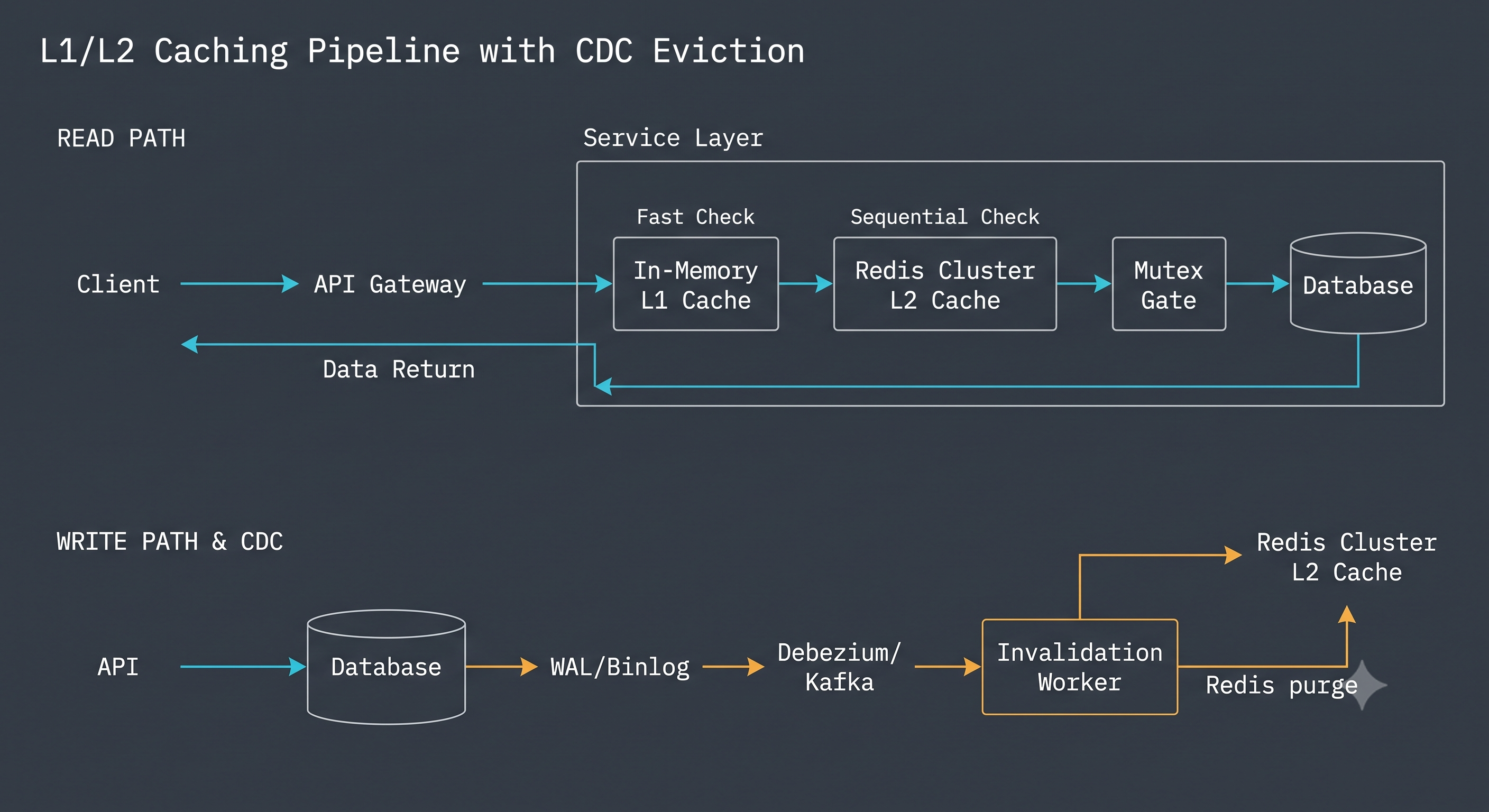 0 Comments 0 Shares 26 Views 0 Reviews
 -
NPCI’s Unified Agentic Protocol: The 5-Point Engineering Checklist for AI Payments
NPCI is actively establishing a verified registry for AI agents under the Unified Agentic Protocol (UAP) to govern autonomous UPI workflows. Autonomous checkout shifts your backend architecture from human-in-the-loop (interactive UI/OTP) to machine-to-machine delegation. If your microservices interact with financial rails, consumer commerce, or agentic automation, run through this production readiness checklist:
1. Scope and Cap Token Privileges (Strict Authorization)Never grant an autonomous runtime unbounded payment scope.
Implement deterministic, single-use delegated tokens that enforce strict per-transaction and cumulative session caps (e.g., maximum ₹2,000 per autonomous session).Anchor revocable permissions to the user's UPI mandate lifecycle rather than static API keys.
2. Enforce Mutual TLS & Agent Attestation AI agents should authenticate using cryptographic device/runtime attestation (hardware-backed enclave or signed cryptographic identity) registered against the upcoming registry.
Validate signed execution payloads end-to-end to prevent prompt-injection attacks from hijacking downstream settlement calls.
3. Idempotency at the Agent Orchestration Layer LLMs and autonomous loops frequently retry stalled tasks upon latency spikes.
Design robust idempotency keys tied directly to the high-level user intent rather than the agent’s generated prompt variations.
Ensure your payment gateway adapter deduplicates retries within a 15-minute sliding TTL window.
4. Asymmetric Circuit Breakers & Anomaly Monitoring Autonomous systems generate abnormal transaction velocities compared to humans.
Deploy localized circuit breakers that trip on velocity spikes (e.g., >3 automated transactions within 60 seconds) and automatically demote the workflow back to human step-up authentication.5. Audit Logging for Non-Deterministic Workflows Traditional logs only track request headers and SQL mutations.
Persist the agent's intent vector, tool-call payload, temperature, model version, and exact authorization chain in an append-only audit store for DPDP Act compliance and chargeback resolution.
Discussion Question
As autonomous agents begin handling micro-payments directly via UPI, where is the biggest security vulnerability in your current architecture: tool invocation validation, timeout handling, or token lifecycle?CTA (Join Techawks India)
Building for scale on India’s Digital Public Infrastructure? Join Techawks India to discuss production architectures, system design patterns, and engineering deep dives with peers building the future of Indian tech.NPCI’s Unified Agentic Protocol: The 5-Point Engineering Checklist for AI Payments NPCI is actively establishing a verified registry for AI agents under the Unified Agentic Protocol (UAP) to govern autonomous UPI workflows. Autonomous checkout shifts your backend architecture from human-in-the-loop (interactive UI/OTP) to machine-to-machine delegation. If your microservices interact with financial rails, consumer commerce, or agentic automation, run through this production readiness checklist: 1. Scope and Cap Token Privileges (Strict Authorization)Never grant an autonomous runtime unbounded payment scope. Implement deterministic, single-use delegated tokens that enforce strict per-transaction and cumulative session caps (e.g., maximum ₹2,000 per autonomous session).Anchor revocable permissions to the user's UPI mandate lifecycle rather than static API keys. 2. Enforce Mutual TLS & Agent Attestation AI agents should authenticate using cryptographic device/runtime attestation (hardware-backed enclave or signed cryptographic identity) registered against the upcoming registry. Validate signed execution payloads end-to-end to prevent prompt-injection attacks from hijacking downstream settlement calls. 3. Idempotency at the Agent Orchestration Layer LLMs and autonomous loops frequently retry stalled tasks upon latency spikes. Design robust idempotency keys tied directly to the high-level user intent rather than the agent’s generated prompt variations. Ensure your payment gateway adapter deduplicates retries within a 15-minute sliding TTL window. 4. Asymmetric Circuit Breakers & Anomaly Monitoring Autonomous systems generate abnormal transaction velocities compared to humans. Deploy localized circuit breakers that trip on velocity spikes (e.g., >3 automated transactions within 60 seconds) and automatically demote the workflow back to human step-up authentication.5. Audit Logging for Non-Deterministic Workflows Traditional logs only track request headers and SQL mutations. Persist the agent's intent vector, tool-call payload, temperature, model version, and exact authorization chain in an append-only audit store for DPDP Act compliance and chargeback resolution. Discussion Question As autonomous agents begin handling micro-payments directly via UPI, where is the biggest security vulnerability in your current architecture: tool invocation validation, timeout handling, or token lifecycle?CTA (Join Techawks India) Building for scale on India’s Digital Public Infrastructure? Join Techawks India to discuss production architectures, system design patterns, and engineering deep dives with peers building the future of Indian tech.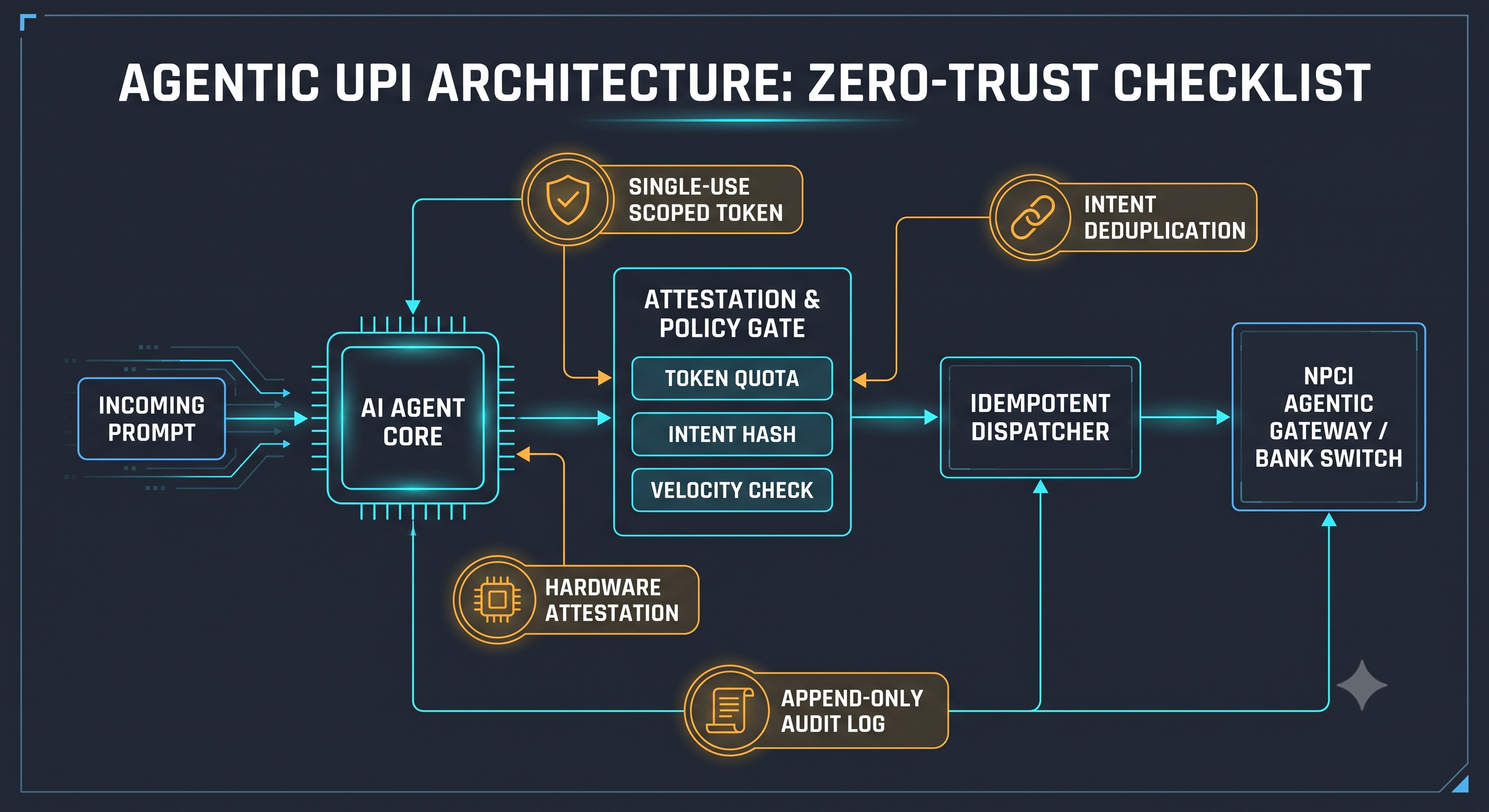 0 Comments 0 Shares 4 Views 0 Reviews
 -
The 100M-Row Indian Scale Challenge: Is Your Backend Designed for UPI-Level Concurrent Spikes?
Most backend applications built for startup demos work flawlessly up to 5,000 requests per minute. But when exposed to high-concurrency Indian payment and commerce rails, traditional relational models buckle under connection exhaustion and database row contention.1. The Hot-Row Lock Contention Trap When thousands of concurrent transactions try to deduct inventory or decrement a single seller's ledger balance simultaneously, running:
SQLUPDATE inventory SET stock = stock - 1 WHERE item_id = 42;
forces the database engine into aggressive row-level locking. Incoming queries queue up, worker connection pools saturate within seconds, and downstream cascading timeouts bring down the entire API gateway.2. Synchronous Web hook Dependency If your payment confirmation flow waits synchronously on third-party banking APIs or SMS gateways inside the user’s HTTP request cycle, network latency jitter (even 400ms per call) will exhaust your web server thread pool during peak traffic windows.
The 3-Step Indian Engineering Scale Challenge Decouple Ingestion from Processing (Event Sinks): Never execute complex business logic directly on the payment callback endpoint. Immediately acknowledge incoming gateway web hooks with an HTTP 200 after dumping the raw payload into a partitioned Kafka topic or distributed Redis stream. Let decoupled worker pools process transactions idempotently.
Shard Hot Ledger Rows (Reservation Buckets): Stop locking a single database row. Split high-velocity items or balances across $N$ virtual buckets (e.g., 10 parallel rows of 100 items each). Route concurrent write requests randomly across buckets to slash lock contention by an order of magnitude. Idempotency Keys with Redis TTL Locks: Distributed network retries are guaranteed during peak loads. Enforce strict distributed locking via atomic Redis SET NX EX on unique transaction reference IDs before acquiring database locks to eliminate double-spend and double-credit bugs.
Key Takeaways
Protect the database core: Never let unpredictable external web hooks or concurrent user checkouts run unbuffered writes directly against relational primary nodes.
Embrace asynchronous eventual consistency: Heavy operations (loyalty point calculations, notification dispatches, analytics logging) belong in async event workers, not the critical path.
Design for inevitable network retries: In distributed payments, idempotency is not an optimization—it is your primary defense against balance reconciliation nightmares.
CTA
Are you building for India-scale infrastructure? Join Techawks India to collaborate with top backend architects, DevOps practitioners, and engineers building resilient, distributed systems for hundreds of millions of users across the subcontinent. Let’s engineer the future together! 🦅🇮🇳The 100M-Row Indian Scale Challenge: Is Your Backend Designed for UPI-Level Concurrent Spikes? Most backend applications built for startup demos work flawlessly up to 5,000 requests per minute. But when exposed to high-concurrency Indian payment and commerce rails, traditional relational models buckle under connection exhaustion and database row contention.1. The Hot-Row Lock Contention Trap When thousands of concurrent transactions try to deduct inventory or decrement a single seller's ledger balance simultaneously, running: SQLUPDATE inventory SET stock = stock - 1 WHERE item_id = 42; forces the database engine into aggressive row-level locking. Incoming queries queue up, worker connection pools saturate within seconds, and downstream cascading timeouts bring down the entire API gateway.2. Synchronous Web hook Dependency If your payment confirmation flow waits synchronously on third-party banking APIs or SMS gateways inside the user’s HTTP request cycle, network latency jitter (even 400ms per call) will exhaust your web server thread pool during peak traffic windows. The 3-Step Indian Engineering Scale Challenge Decouple Ingestion from Processing (Event Sinks): Never execute complex business logic directly on the payment callback endpoint. Immediately acknowledge incoming gateway web hooks with an HTTP 200 after dumping the raw payload into a partitioned Kafka topic or distributed Redis stream. Let decoupled worker pools process transactions idempotently. Shard Hot Ledger Rows (Reservation Buckets): Stop locking a single database row. Split high-velocity items or balances across $N$ virtual buckets (e.g., 10 parallel rows of 100 items each). Route concurrent write requests randomly across buckets to slash lock contention by an order of magnitude. Idempotency Keys with Redis TTL Locks: Distributed network retries are guaranteed during peak loads. Enforce strict distributed locking via atomic Redis SET NX EX on unique transaction reference IDs before acquiring database locks to eliminate double-spend and double-credit bugs. Key Takeaways Protect the database core: Never let unpredictable external web hooks or concurrent user checkouts run unbuffered writes directly against relational primary nodes. Embrace asynchronous eventual consistency: Heavy operations (loyalty point calculations, notification dispatches, analytics logging) belong in async event workers, not the critical path. Design for inevitable network retries: In distributed payments, idempotency is not an optimization—it is your primary defense against balance reconciliation nightmares. CTA Are you building for India-scale infrastructure? Join Techawks India to collaborate with top backend architects, DevOps practitioners, and engineers building resilient, distributed systems for hundreds of millions of users across the subcontinent. Let’s engineer the future together! 🦅🇮🇳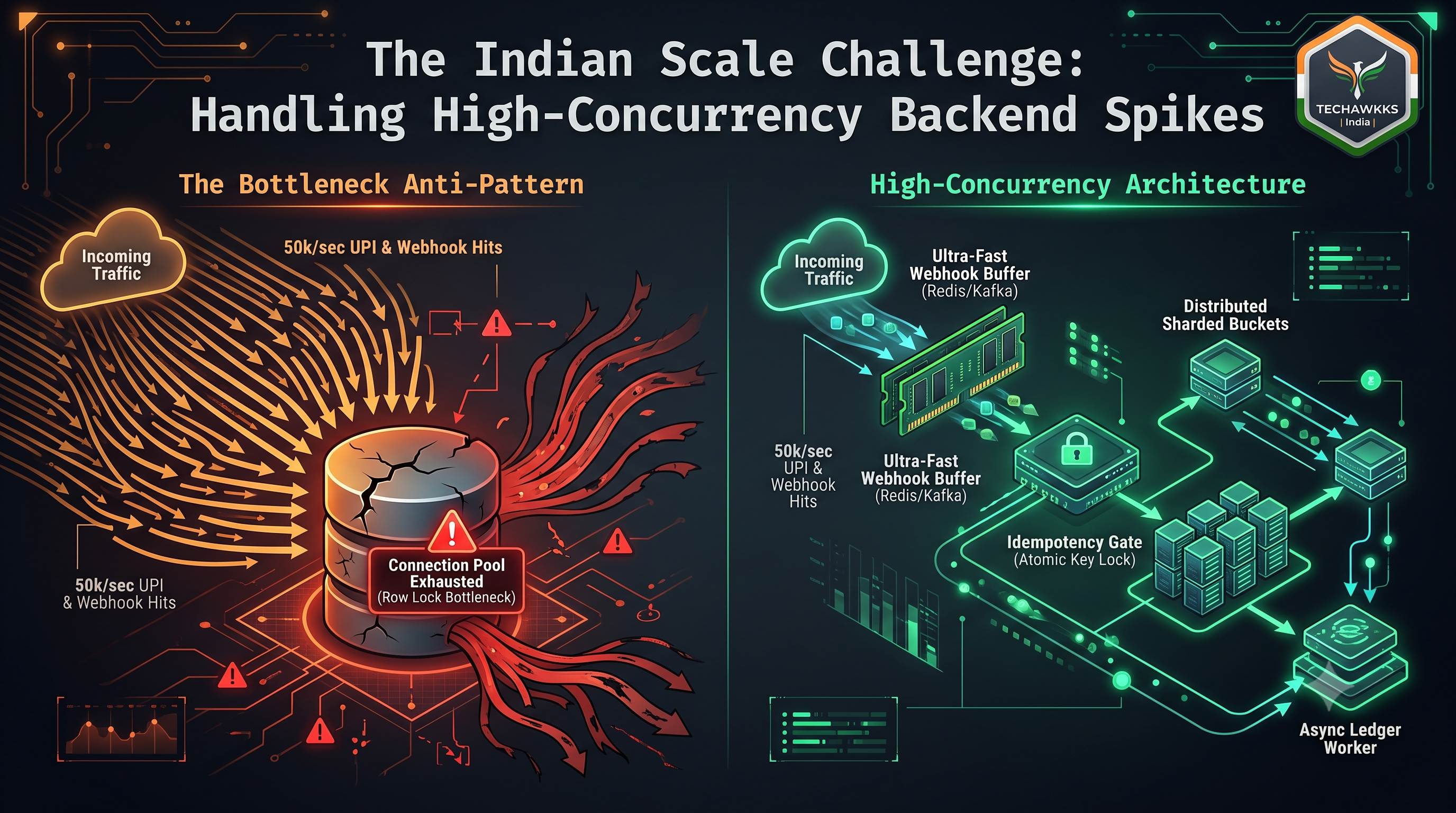 0 Comments 0 Shares 70 Views 0 Reviews
 -
Myth vs Fact: Is India Only Assembling Chips, or Building Real Silicon IP?
The global semiconductor value chain spans three distinct layers:
Design & EDA (IP & Architecture)Fabrication (Foundries/Fabs)ATMP/OSAT (Assembly, Testing, Marking, and Packaging)Here is how public perception compares to industry realities:
❌ Myth 1: "India doesn't design chips; it only builds packaging units.
"The Reality: India already houses nearly 20% of the world’s chip design and VLSI workforce. Every major global chipmaker—Intel, Qualcomm, NVIDIA, MediaTek, AMD, and Texas Instruments—runs critical processor architecture, verification, and physical design engines out of Bengaluru, Hyderabad, and Noida. Under the Chips to Startup (C2S) and DLI (Design Linked Incentive) initiatives, over 200 indigenous tape-outs have been completed across Indian institutes and fabless startups down to 12nm nodes. We design the logic; what India historically outsourced was the physical foundry layer.
❌ Myth 2: "Advanced Packaging (ATMP/OSAT) is just low-end screwdriver work.
"The Reality: In the AI accelerator era, monolithic dies have hit thermal and reticle boundaries. Modern computing relies on Heterogeneous Integration and 3D Chiplets (stacking memory like HBM directly on logic dies). High-end ATMP/OSAT is advanced precision engineering requiring cleanrooms, micro-bump bonding, and advanced thermals—not manual board stuffing. Establishing OSAT and compound semiconductor facilities (like those rolling out across Gujarat, Uttar Pradesh, and Odisha) is the prerequisite infrastructure for domestic silicon manufacturing.
❌ Myth 3: "Indian engineers only need to focus on web, app, and cloud layers.
"The Reality: The explosion of Agentic AI, Edge AI, and Robotics means software efficiency is now constrained by compute architecture. Compilers, embedded firmware, kernel drivers, and Electronic Design Automation (EDA) tooling are where the highest-value engineering talent is congregating. If you only write high-level code without grasping hardware acceleration (TPUs, NPUs, RISC-V), your software stack will soon hit a performance ceiling. Why It Matters for Developers & Tech Professionals Silicon sovereignty isn't an abstract geopolitical slogan—it dictates where deep-tech venture capital, R&D labs, and high-paying systems engineering jobs land over the next decade.
Discussion Question
For the engineers and builders in our community: Are you planning to upskill in hardware-adjacent stacks (RISC-V, CUDA, embedded AI, VLSI), or do you see your core focus staying strictly at the application layer? Let's discuss in the comments below! 👇
CTA
Join Techawks India — The premier community for Indian software developers, hardware architects, and tech innovators building the future from India, for the world. 🦅🇮🇳Myth vs Fact: Is India Only Assembling Chips, or Building Real Silicon IP? The global semiconductor value chain spans three distinct layers: Design & EDA (IP & Architecture)Fabrication (Foundries/Fabs)ATMP/OSAT (Assembly, Testing, Marking, and Packaging)Here is how public perception compares to industry realities: ❌ Myth 1: "India doesn't design chips; it only builds packaging units. "The Reality: India already houses nearly 20% of the world’s chip design and VLSI workforce. Every major global chipmaker—Intel, Qualcomm, NVIDIA, MediaTek, AMD, and Texas Instruments—runs critical processor architecture, verification, and physical design engines out of Bengaluru, Hyderabad, and Noida. Under the Chips to Startup (C2S) and DLI (Design Linked Incentive) initiatives, over 200 indigenous tape-outs have been completed across Indian institutes and fabless startups down to 12nm nodes. We design the logic; what India historically outsourced was the physical foundry layer. ❌ Myth 2: "Advanced Packaging (ATMP/OSAT) is just low-end screwdriver work. "The Reality: In the AI accelerator era, monolithic dies have hit thermal and reticle boundaries. Modern computing relies on Heterogeneous Integration and 3D Chiplets (stacking memory like HBM directly on logic dies). High-end ATMP/OSAT is advanced precision engineering requiring cleanrooms, micro-bump bonding, and advanced thermals—not manual board stuffing. Establishing OSAT and compound semiconductor facilities (like those rolling out across Gujarat, Uttar Pradesh, and Odisha) is the prerequisite infrastructure for domestic silicon manufacturing. ❌ Myth 3: "Indian engineers only need to focus on web, app, and cloud layers. "The Reality: The explosion of Agentic AI, Edge AI, and Robotics means software efficiency is now constrained by compute architecture. Compilers, embedded firmware, kernel drivers, and Electronic Design Automation (EDA) tooling are where the highest-value engineering talent is congregating. If you only write high-level code without grasping hardware acceleration (TPUs, NPUs, RISC-V), your software stack will soon hit a performance ceiling. Why It Matters for Developers & Tech Professionals Silicon sovereignty isn't an abstract geopolitical slogan—it dictates where deep-tech venture capital, R&D labs, and high-paying systems engineering jobs land over the next decade. Discussion Question For the engineers and builders in our community: Are you planning to upskill in hardware-adjacent stacks (RISC-V, CUDA, embedded AI, VLSI), or do you see your core focus staying strictly at the application layer? Let's discuss in the comments below! 👇 CTA Join Techawks India — The premier community for Indian software developers, hardware architects, and tech innovators building the future from India, for the world. 🦅🇮🇳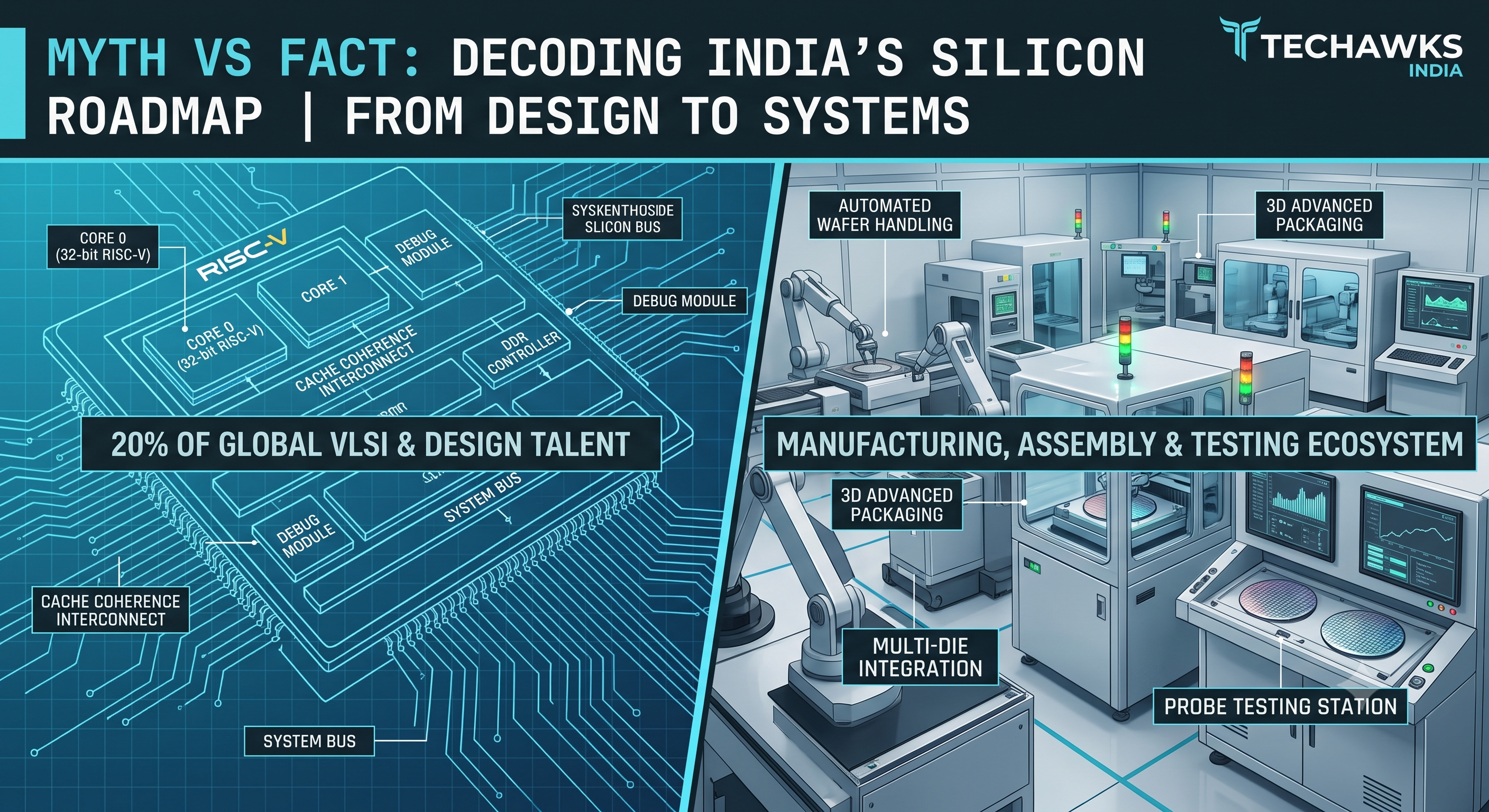 0 Comments 0 Shares 22 Views 0 Reviews
 -
Tired of Postman Cloud Lock-in? Why Indian Dev Teams Are Switching to Bruno
For years, Postman was the default choice across engineering teams in Bangalore, Pune, and Hyderabad. But recent shifts toward mandatory cloud sync, account requirements, and team-tier paywalls have made it a friction point for fast-moving developers.
Enter Bruno—an open-source, offline-first API client that stores your collections directly in your filesystem using a plain-text markup language (Bru).
Here is how Bruno solves the everyday pain points of building and testing APIs:
Git-Native Collaboration: Instead of syncing to a third-party proprietary cloud, your collections live inside your project repo alongside your code. Team members review API changes via standard Git Pull Requests—no sync errors or out-of-date shared workspaces.
Zero Data Leakage: Sensitive environment variables, internal staging URLs, and auth secrets stay entirely on your local machine. Nothing ever leaves your network unless you make the actual API call.
Lightweight & Blazing Fast: Built without unnecessary telemetry or background sync loops, Bruno launches in seconds and uses a fraction of the memory that legacy tools demand.
Scripting Without Paywalls: Write pre-request scripts and post-response assertions in standard JavaScript directly inside the app, with zero tier restrictions.
When to stick with Postman: If your non-technical stakeholders rely heavily on hosted mock servers or automated cloud monitors, Postman still holds an edge. But for daily development, debugging microservices, and clean Git workflows, Bruno is the better developer experience.
Key Takeaways
Local-first storage: API collections are saved as plain .bru files directly in your repository.
Standard Git reviews: Manage API contract changes and versioning through standard Git PR workflows.
Enterprise security compliant: Built-in offline architecture ensures API secrets and payload data never touch an external cloud.
Free and open source: Full scripting, environment variable switching, and automated test runners without user seat limits.
CTA (Join Techawks India)
Building better developer workflows across India? Join the Techawks India community to discuss system design, modern tooling, and open-source stacks with fellow engineers. Drop your thoughts below: Has your team already moved away from cloud-dependent API clients, or is the migration too painful?Tired of Postman Cloud Lock-in? Why Indian Dev Teams Are Switching to Bruno For years, Postman was the default choice across engineering teams in Bangalore, Pune, and Hyderabad. But recent shifts toward mandatory cloud sync, account requirements, and team-tier paywalls have made it a friction point for fast-moving developers. Enter Bruno—an open-source, offline-first API client that stores your collections directly in your filesystem using a plain-text markup language (Bru). Here is how Bruno solves the everyday pain points of building and testing APIs: Git-Native Collaboration: Instead of syncing to a third-party proprietary cloud, your collections live inside your project repo alongside your code. Team members review API changes via standard Git Pull Requests—no sync errors or out-of-date shared workspaces. Zero Data Leakage: Sensitive environment variables, internal staging URLs, and auth secrets stay entirely on your local machine. Nothing ever leaves your network unless you make the actual API call. Lightweight & Blazing Fast: Built without unnecessary telemetry or background sync loops, Bruno launches in seconds and uses a fraction of the memory that legacy tools demand. Scripting Without Paywalls: Write pre-request scripts and post-response assertions in standard JavaScript directly inside the app, with zero tier restrictions. When to stick with Postman: If your non-technical stakeholders rely heavily on hosted mock servers or automated cloud monitors, Postman still holds an edge. But for daily development, debugging microservices, and clean Git workflows, Bruno is the better developer experience. Key Takeaways Local-first storage: API collections are saved as plain .bru files directly in your repository. Standard Git reviews: Manage API contract changes and versioning through standard Git PR workflows. Enterprise security compliant: Built-in offline architecture ensures API secrets and payload data never touch an external cloud. Free and open source: Full scripting, environment variable switching, and automated test runners without user seat limits. CTA (Join Techawks India) Building better developer workflows across India? Join the Techawks India community to discuss system design, modern tooling, and open-source stacks with fellow engineers. Drop your thoughts below: Has your team already moved away from cloud-dependent API clients, or is the migration too painful?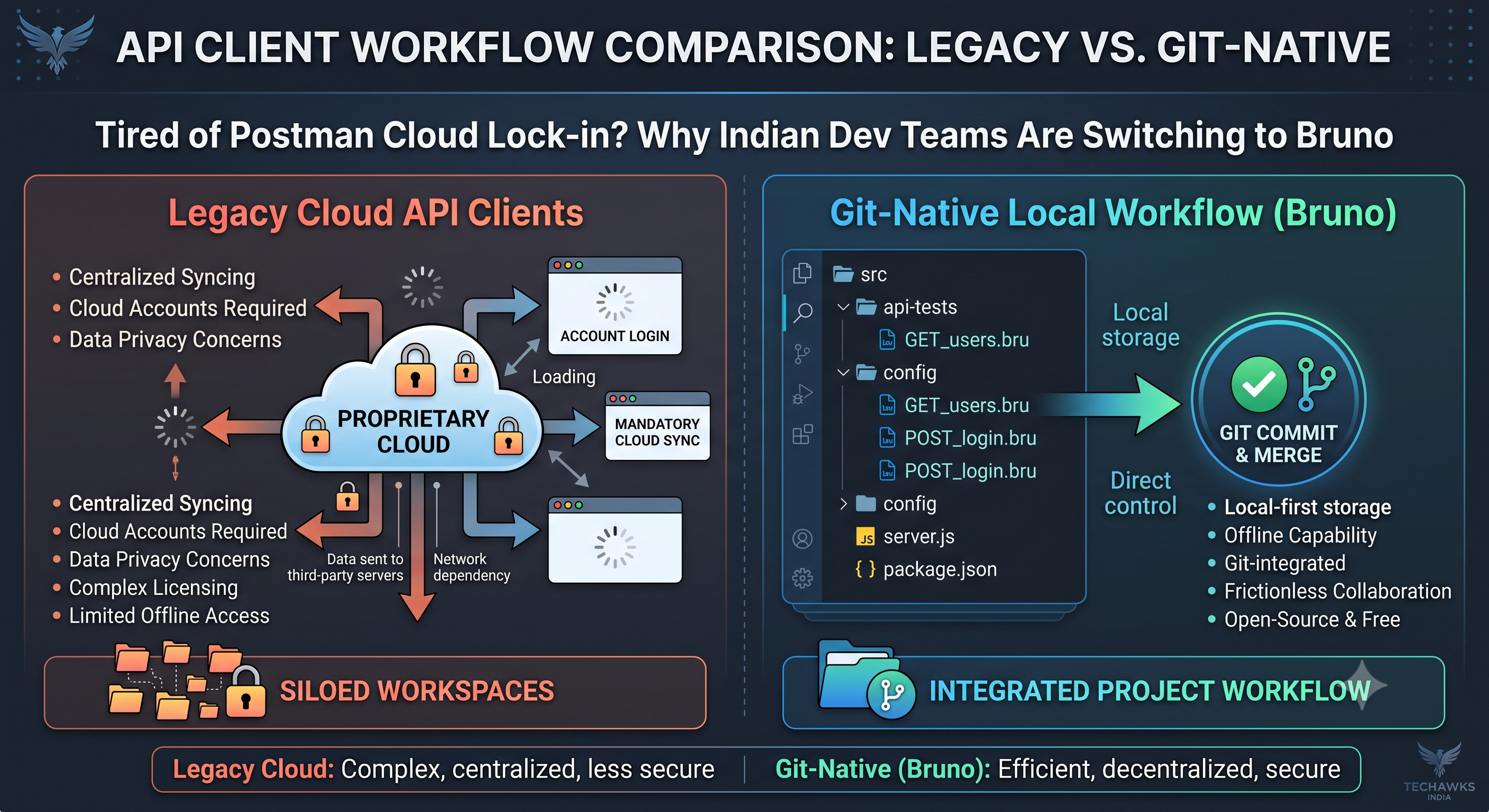 0 Comments 0 Shares 47 Views 0 Reviews
 -
The Death of the Back-Office: How GCCs in India Flipped the 2026 Tech Hiring Playbook
GCCs across Bengaluru, Hyderabad, and Pune have officially transformed from cost-arbitrage centers into primary product and AI delivery headquarters. With GCC hiring projecting past 510,000 tech roles this year, over 64% of incoming job requisitions now require direct AI, data systems, or intelligent automation competencies. Meanwhile, traditional IT services hiring remains flat or selective. The market is not shrinking; it is bifurcating. Here is what this means for your engineering career, and how to position yourself for it:
Move from "API Caller" to "AI Systems Architect"Knowing how to send a prompt to an LLM endpoint is table stakes. GCC engineering directors are hiring for production reliability: prompt caching, semantic routing, retrieval evaluation metrics (RAG triads), and token-cost optimization at scale. If you cannot explain how your AI feature handles latency spikes or context drift, you won't clear the technical round.
Master the Data Foundation Enterprise AI fails without clean pipelines. Data engineering, vector indexing, and pipeline orchestration (using tools like Kafka, dbt, and modern vector stores) carry a 15–20% compensation premium right now. Pure code generation is commoditized; managing the state and ingestion pipeline feeding the model is where senior equity lies.
Demonstrate Domain-Specific Engineering GCCs build proprietary internal tools for BFSI, healthcare, and logistics. A generic full-stack portfolio on GitHub has diminishing returns. Build end-to-end prototypes that solve specific operational friction—like an automated regulatory compliance checker for Indian banking APIs or an edge-optimized telemetry analyzer.
Stop collecting generic course certificates. Build verifiable systems, quantify their operational impact, and tailor your architecture knowledge for enterprise-scale deployments.
Discussion Question
For those interviewing with GCCs recently: What is the single biggest shift you've noticed in their coding assessments compared to two years ago?
CTA (Join Techawks India)
Want actionable engineering teardowns and insider hiring shifts delivered straight to your feed?
Follow Techawks India and join our community of over 50,000 Indian developers building the next frontier of deep tech.The Death of the Back-Office: How GCCs in India Flipped the 2026 Tech Hiring Playbook GCCs across Bengaluru, Hyderabad, and Pune have officially transformed from cost-arbitrage centers into primary product and AI delivery headquarters. With GCC hiring projecting past 510,000 tech roles this year, over 64% of incoming job requisitions now require direct AI, data systems, or intelligent automation competencies. Meanwhile, traditional IT services hiring remains flat or selective. The market is not shrinking; it is bifurcating. Here is what this means for your engineering career, and how to position yourself for it: Move from "API Caller" to "AI Systems Architect"Knowing how to send a prompt to an LLM endpoint is table stakes. GCC engineering directors are hiring for production reliability: prompt caching, semantic routing, retrieval evaluation metrics (RAG triads), and token-cost optimization at scale. If you cannot explain how your AI feature handles latency spikes or context drift, you won't clear the technical round. Master the Data Foundation Enterprise AI fails without clean pipelines. Data engineering, vector indexing, and pipeline orchestration (using tools like Kafka, dbt, and modern vector stores) carry a 15–20% compensation premium right now. Pure code generation is commoditized; managing the state and ingestion pipeline feeding the model is where senior equity lies. Demonstrate Domain-Specific Engineering GCCs build proprietary internal tools for BFSI, healthcare, and logistics. A generic full-stack portfolio on GitHub has diminishing returns. Build end-to-end prototypes that solve specific operational friction—like an automated regulatory compliance checker for Indian banking APIs or an edge-optimized telemetry analyzer. Stop collecting generic course certificates. Build verifiable systems, quantify their operational impact, and tailor your architecture knowledge for enterprise-scale deployments. Discussion Question For those interviewing with GCCs recently: What is the single biggest shift you've noticed in their coding assessments compared to two years ago? CTA (Join Techawks India) Want actionable engineering teardowns and insider hiring shifts delivered straight to your feed? Follow Techawks India and join our community of over 50,000 Indian developers building the next frontier of deep tech.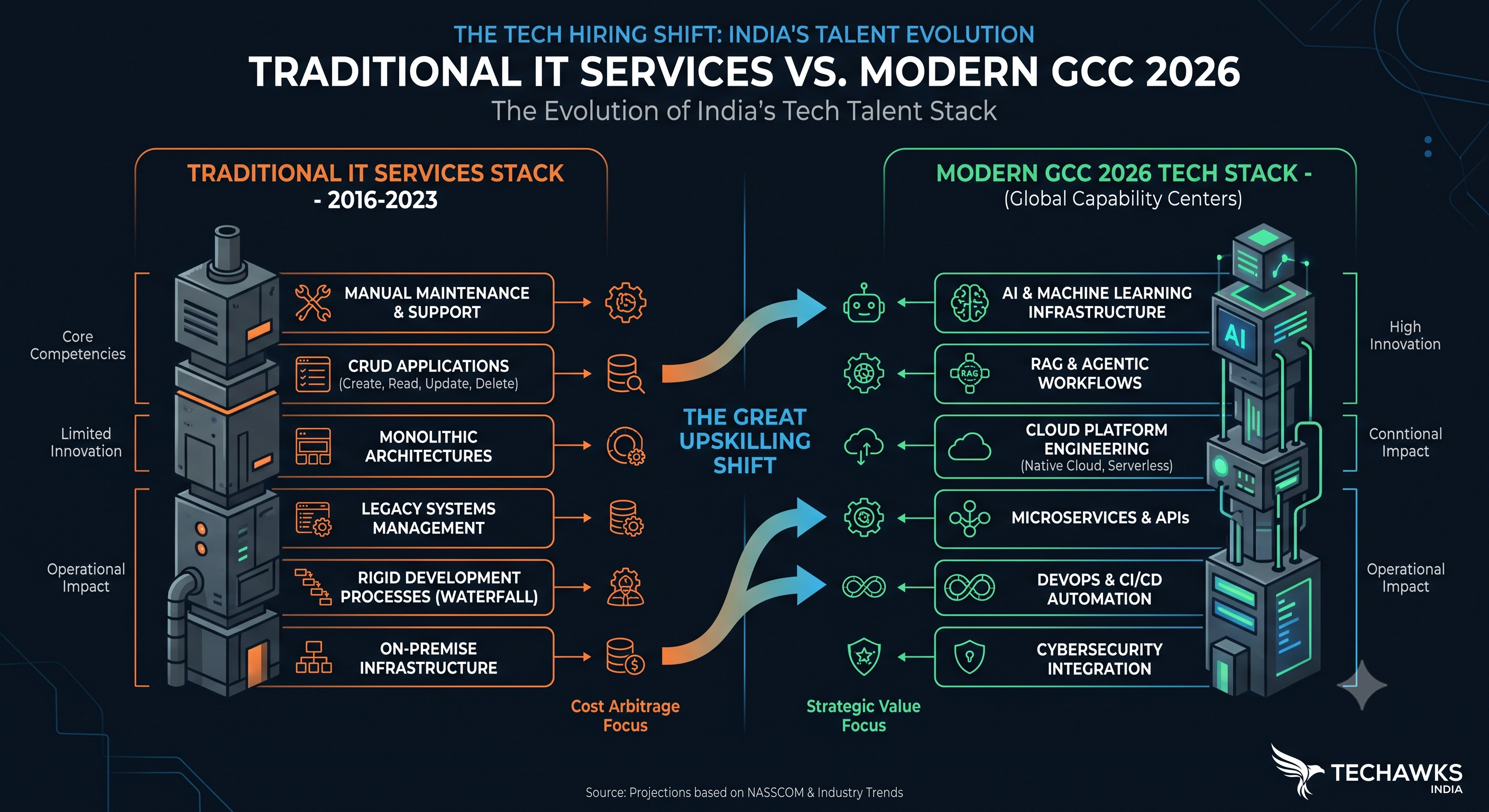 0 Comments 0 Shares 51 Views 0 Reviews
 -
The High-Growth Dilemma: What actually moves the needle for Indian tech engineers?
In hubs from Bengaluru to Hyderabad, the playbook for career growth has radically shifted. Simply mastering a new syntax or framework rarely triggers that next leap in seniority.
To bridge the gap from mid-level engineer to high-leverage builder, engineers typically choose one of four primary investment paths:
Poll Question:
What skill has driven the highest return on investment for your tech career in India?
[ ] System Design & Distributed Systems
[ ] Cloud Cost Optimization & FinOps
[ ] Technical Leadership & People Management
[ ] Domain Expertise (Fintech, Healthtech, E-commerce)
Key Takeaways
System Design unlocks staff-level roles: Moving from component-level building to designing fault-tolerant, scalable architectures remains the sharpest benchmark for product-firm interviews.
FinOps makes you invaluable to founders: With Indian startups focused on path-to-profitability, developers who actively reduce AWS/GCP bills build immediate leadership credibility.
Domain depth beats generalist code: Understanding UPI rails, lending cycles, or warehouse logistics makes you irreplaceable compared to someone who just closes generic tickets.
CTA (Join Techawks India)
Cast your vote above, drop your reasoning in the comments, and follow Techawks India for real-world engineering playbooks built for our tech ecosystem.The High-Growth Dilemma: What actually moves the needle for Indian tech engineers? In hubs from Bengaluru to Hyderabad, the playbook for career growth has radically shifted. Simply mastering a new syntax or framework rarely triggers that next leap in seniority. To bridge the gap from mid-level engineer to high-leverage builder, engineers typically choose one of four primary investment paths: Poll Question: What skill has driven the highest return on investment for your tech career in India? [ ] System Design & Distributed Systems [ ] Cloud Cost Optimization & FinOps [ ] Technical Leadership & People Management [ ] Domain Expertise (Fintech, Healthtech, E-commerce) Key Takeaways System Design unlocks staff-level roles: Moving from component-level building to designing fault-tolerant, scalable architectures remains the sharpest benchmark for product-firm interviews. FinOps makes you invaluable to founders: With Indian startups focused on path-to-profitability, developers who actively reduce AWS/GCP bills build immediate leadership credibility. Domain depth beats generalist code: Understanding UPI rails, lending cycles, or warehouse logistics makes you irreplaceable compared to someone who just closes generic tickets. CTA (Join Techawks India) Cast your vote above, drop your reasoning in the comments, and follow Techawks India for real-world engineering playbooks built for our tech ecosystem.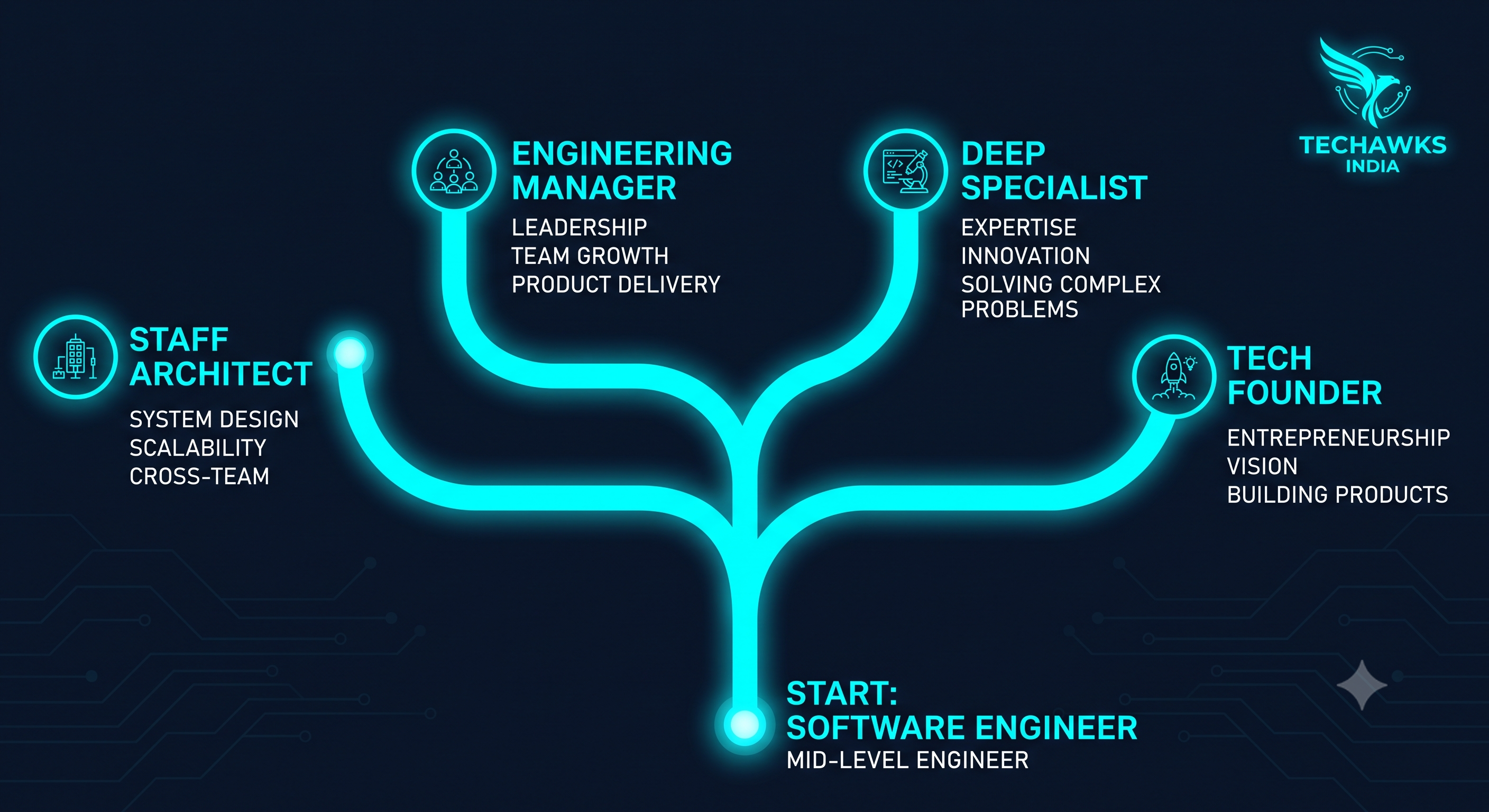 0 Comments 0 Shares 92 Views 0 Reviews
 -
Architecting for India’s DPDP Era: Why Your Database Schema Needs a "Purpose ID"
With transitional compliance timelines approaching operational enforcement, Indian startups and tech enterprises are moving past simple cookie banners and generic privacy policy updates. The core tenet of the DPDP framework centers on Purpose Limitation and verifiable Consent Revocation.
If a user revokes marketing consent while keeping transactional consent active, can your backend delete their engagement logs without breaking their order history?
For 90% of legacy schemas, the answer is no. Here is how engineering teams are re-architecting their data layer:
Tag Data at Ingestion, Not Audit
Never dump unstructured payload blobs into shared stores. Every write operation containing Personal Identifiable Information (PII) must carry metadata:
consent_id (pointing to an immutable consent event log)
purpose_scope (e.g., AUTH, BILLING, MARKETING_PROFILING)
retention_ttl (epoch timestamp for hard deletion)
Decouple Identity from Operational State
Adopt Pseudonymisation by Design. Store core identity attributes in an isolated, encrypted token vault. Let production services process anonymised surrogate IDs (UUIDs). Revoking or purging user data becomes an isolated operation on the vault key rather than a risky cascade across 40 microservices.
Event-Driven Revocation Pipelines
Consent changes cannot rely on scheduled batch jobs. When a consent withdrawal event fires:
Publish a ConsentRevokedEvent via your message broker (Kafka/RabbitMQ).
Subscribed services purge or mask associated non-essential data partitions in real time to prevent leakage into downstream analytics or ML training sets.
Privacy is no longer boilerplate legal text; it is an infrastructure constraint. Building these controls now prevents high refactoring costs and significant non-compliance penalties once audits begin.
Discussion Question
Has your team started auditing database schemas for consent-linked deletion, or is privacy handling still trapped inside legal spreadsheets?
CTA
Want actionable, no-fluff technical playbooks built for the Indian tech ecosystem? Follow and join Techawks India for deep dives into engineering architecture, cloud infrastructure, and emerging tech policy.Architecting for India’s DPDP Era: Why Your Database Schema Needs a "Purpose ID" With transitional compliance timelines approaching operational enforcement, Indian startups and tech enterprises are moving past simple cookie banners and generic privacy policy updates. The core tenet of the DPDP framework centers on Purpose Limitation and verifiable Consent Revocation. If a user revokes marketing consent while keeping transactional consent active, can your backend delete their engagement logs without breaking their order history? For 90% of legacy schemas, the answer is no. Here is how engineering teams are re-architecting their data layer: Tag Data at Ingestion, Not Audit Never dump unstructured payload blobs into shared stores. Every write operation containing Personal Identifiable Information (PII) must carry metadata: consent_id (pointing to an immutable consent event log) purpose_scope (e.g., AUTH, BILLING, MARKETING_PROFILING) retention_ttl (epoch timestamp for hard deletion) Decouple Identity from Operational State Adopt Pseudonymisation by Design. Store core identity attributes in an isolated, encrypted token vault. Let production services process anonymised surrogate IDs (UUIDs). Revoking or purging user data becomes an isolated operation on the vault key rather than a risky cascade across 40 microservices. Event-Driven Revocation Pipelines Consent changes cannot rely on scheduled batch jobs. When a consent withdrawal event fires: Publish a ConsentRevokedEvent via your message broker (Kafka/RabbitMQ). Subscribed services purge or mask associated non-essential data partitions in real time to prevent leakage into downstream analytics or ML training sets. Privacy is no longer boilerplate legal text; it is an infrastructure constraint. Building these controls now prevents high refactoring costs and significant non-compliance penalties once audits begin. Discussion Question Has your team started auditing database schemas for consent-linked deletion, or is privacy handling still trapped inside legal spreadsheets? CTA Want actionable, no-fluff technical playbooks built for the Indian tech ecosystem? Follow and join Techawks India for deep dives into engineering architecture, cloud infrastructure, and emerging tech policy.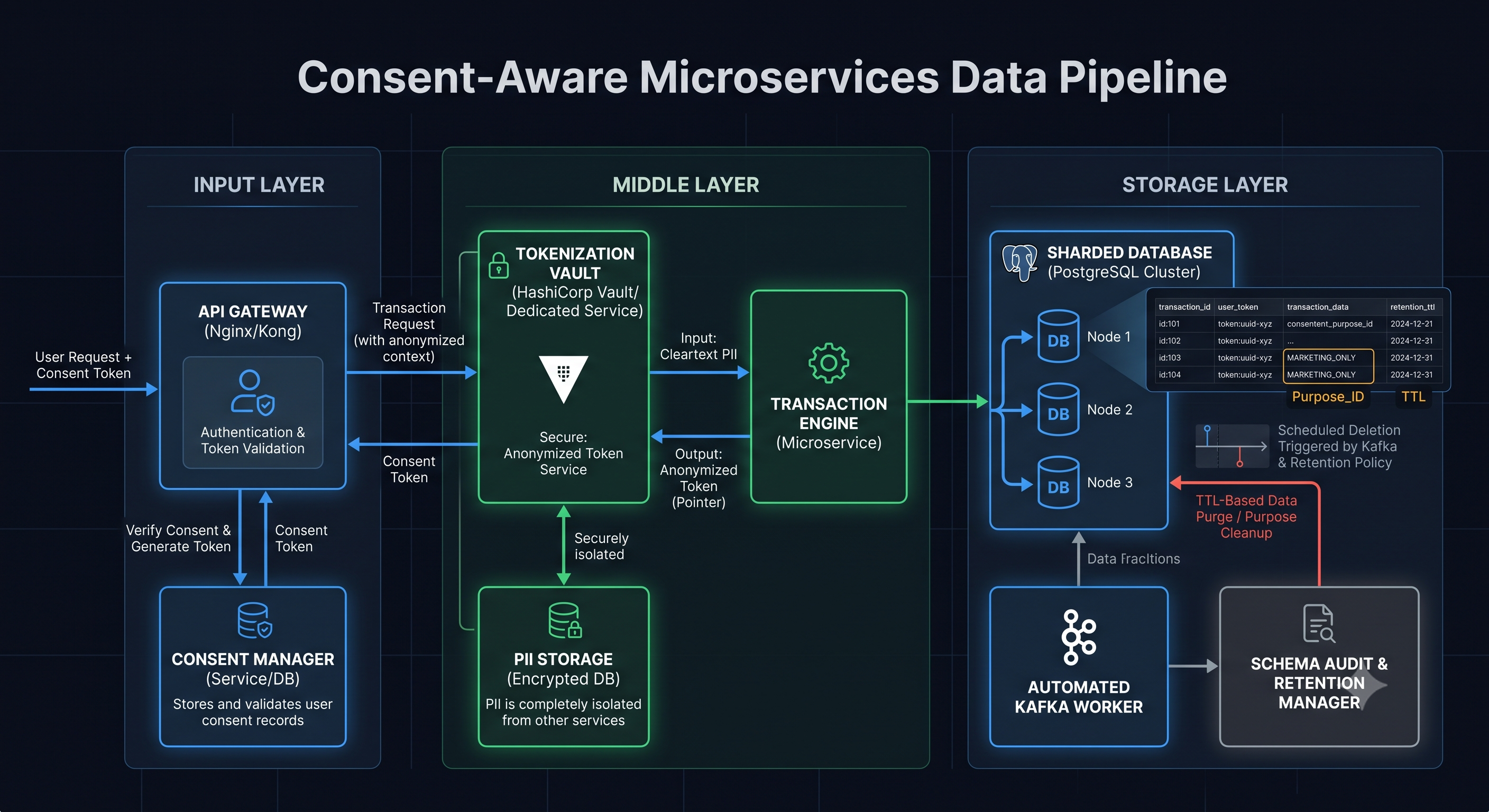 0 Comments 0 Shares 44 Views 0 Reviews
 -
The "Hidden Architecture" of Indian Tech: Why Designing for Bharat Breaks Standard Cloud Defaults
Scaling software across India isn't just about handling traffic spikes; it’s about engineering for extreme network asymmetry, varied device hardware, and hyper-dense concurrency windows.
If you want your backend and client apps to actually survive at scale across India, standard boilerplate patterns won't cut it. Here are three architectural shifts senior Indian engineers swear by:
Design for Intermittent Edge Connectivity: Never assume a continuous WebSocket or active HTTP connection. Treat every mobile client as offline-first. Use optimistic UI updates paired with SQLite/Room local persistence, background synchronization (WorkManager/BackgroundTasks), and idempotent message queues with strict exponential backoff.
Payload Economy Over Pure Serialization Speed: When your users rely on patchy 4G/5G edge cells or budget chipsets, deserializing huge JSON blobs kills client-side battery and memory. Shift to Protobuf/gRPC for internal microservices, enable Brotli compression, and ruthlessly trim redundant API payloads down to essential bytes.
The "Flash-Sale" Concurrency Model: From IPL timeouts to festive flash sales and UPI checkout deadlines, Indian traffic patterns cluster into intense 60-second bursts rather than gentle bell curves. Relying on auto-scaling alone causes lag during cold starts. Front high-velocity writes with distributed message brokers (Kafka/RabbitMQ) and implement Redis-based token-bucket rate limiting at the API gateway layer to shed non-critical load before your core database suffers connection pool exhaustion.
What is one architectural decision you had to completely rewrite after deploying to real-world Indian traffic?
Key Takeaways
Offline-First Resilience: Cache locally, execute actions optimistically, and sync asynchronously.
Aggressive Payload Trimming: Optimize for low-spec device memory and edge network limits using compact serialization.
Proactive Load Buffering: Queue spiky traffic at the edge; never depend entirely on cloud auto-scaling spin-up times.
CTA (Join Techawks India)
Tired of generic tech playbooks that collapse under real-world traffic? Join Techawks India to debate real engineering trade-offs, dissect production postmortems, and connect with engineers building systems that actually scale across Bharat. Drop your thoughts below and hit follow.The "Hidden Architecture" of Indian Tech: Why Designing for Bharat Breaks Standard Cloud Defaults Scaling software across India isn't just about handling traffic spikes; it’s about engineering for extreme network asymmetry, varied device hardware, and hyper-dense concurrency windows. If you want your backend and client apps to actually survive at scale across India, standard boilerplate patterns won't cut it. Here are three architectural shifts senior Indian engineers swear by: Design for Intermittent Edge Connectivity: Never assume a continuous WebSocket or active HTTP connection. Treat every mobile client as offline-first. Use optimistic UI updates paired with SQLite/Room local persistence, background synchronization (WorkManager/BackgroundTasks), and idempotent message queues with strict exponential backoff. Payload Economy Over Pure Serialization Speed: When your users rely on patchy 4G/5G edge cells or budget chipsets, deserializing huge JSON blobs kills client-side battery and memory. Shift to Protobuf/gRPC for internal microservices, enable Brotli compression, and ruthlessly trim redundant API payloads down to essential bytes. The "Flash-Sale" Concurrency Model: From IPL timeouts to festive flash sales and UPI checkout deadlines, Indian traffic patterns cluster into intense 60-second bursts rather than gentle bell curves. Relying on auto-scaling alone causes lag during cold starts. Front high-velocity writes with distributed message brokers (Kafka/RabbitMQ) and implement Redis-based token-bucket rate limiting at the API gateway layer to shed non-critical load before your core database suffers connection pool exhaustion. What is one architectural decision you had to completely rewrite after deploying to real-world Indian traffic? Key Takeaways Offline-First Resilience: Cache locally, execute actions optimistically, and sync asynchronously. Aggressive Payload Trimming: Optimize for low-spec device memory and edge network limits using compact serialization. Proactive Load Buffering: Queue spiky traffic at the edge; never depend entirely on cloud auto-scaling spin-up times. CTA (Join Techawks India) Tired of generic tech playbooks that collapse under real-world traffic? Join Techawks India to debate real engineering trade-offs, dissect production postmortems, and connect with engineers building systems that actually scale across Bharat. Drop your thoughts below and hit follow.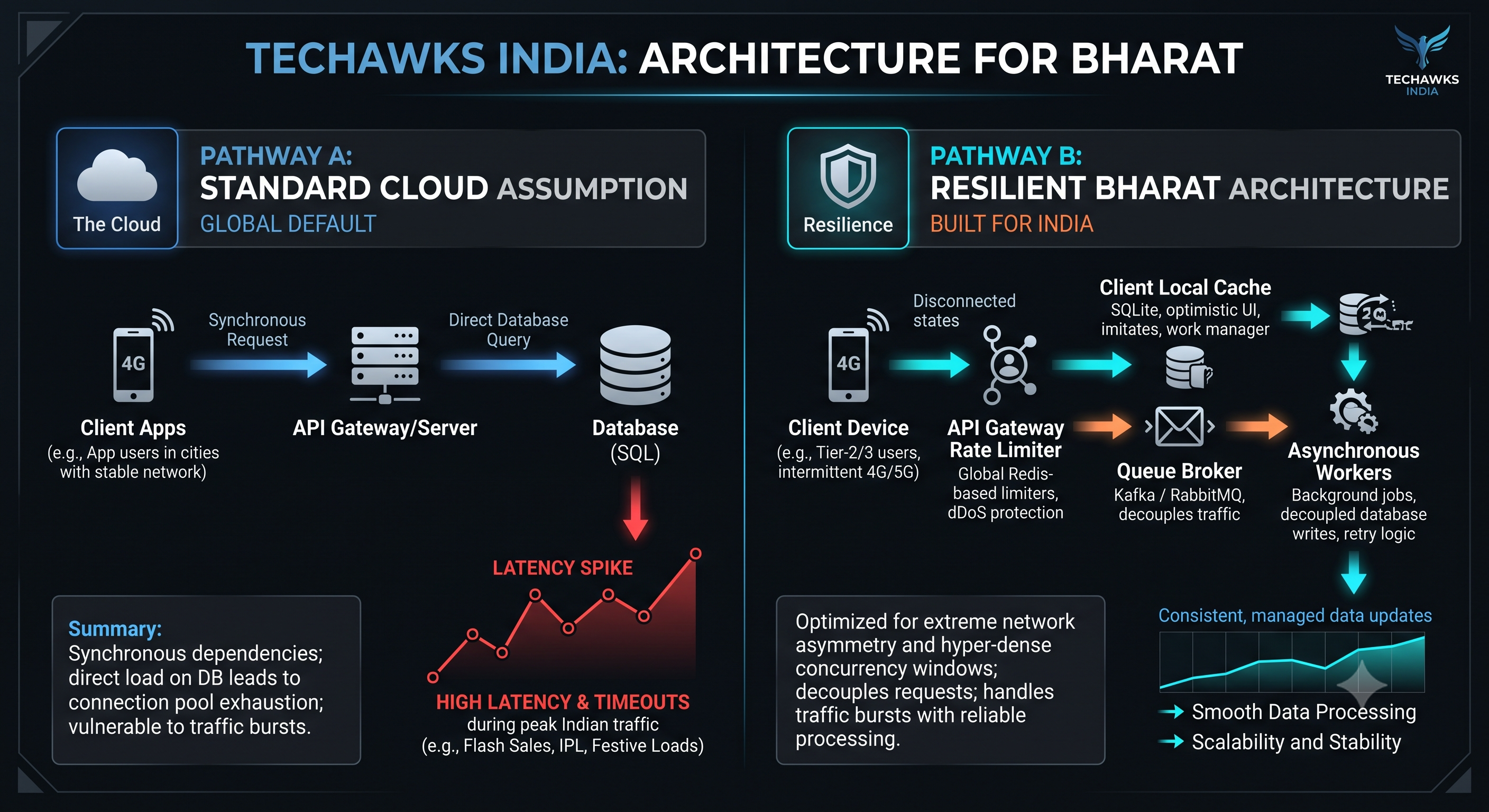 0 Comments 0 Shares 102 Views 0 Reviews
 -
The UPI Latency Playbook: How Indian Tech Stacks Handle Peak Load Without Dropping Transactions
Building high-concurrency systems in India means designing for unpredictable downstream dependencies: core banking platforms, payment gateways, and telecommunication switches that don't scale at your API’s speed.
When your app triggers a real-time payment flow, standard synchronous REST patterns break down fast. Here is how engineering teams build resilient transaction pipelines:
Decouple Initiation from Settlement (Async by Default): Never keep client connections open while waiting for an external bank response. Issue an idempotent Pending receipt back to the front-end within 200 ms, hand off the processing to an event queue (Kafka or RabbitMQ), and let worker pools handle bank polling or webhook processing.
Idempotency Keys with TTLs in Redis: Unstable mobile networks trigger repeated user taps and retry storms. Cache a unique Idempotency-Key (e.g., combination of user_id + cart_id + timestamp_bucket) in an in-memory store before querying your SQL database, returning the cached transaction state on duplicate submissions.
Exponential Jittered Backoffs for Third-Party Webhooks: When bank switches throttle traffic, hammering them every 2 seconds triggers hard rate-limits. Use randomized exponential backoff intervals to prevent synchronized thundering-herd issues on downstream payment gateways.
Split Transaction Logs from Read Models: Keep write operations strictly inside a lightweight Ledger DB, while pushing state projections to read-replicas for balance queries, order tracking, and history screens.
Key Takeaways
Treat third-party banking APIs as inherently unreliable systems with fluctuating SLAs.
Use distributed idempotency keys at the gateway layer to eliminate duplicate transaction debits.
Implement event-driven architecture with jittered retry policies instead of synchronous blocking calls.
CTA
Want to dive deeper into system design, backend architectures, and engineering challenges tailored to the Indian ecosystem?
Join Techawks India to collaborate, share architecture teardowns, and connect with fellow engineers across the country. Link in bio.The UPI Latency Playbook: How Indian Tech Stacks Handle Peak Load Without Dropping Transactions Building high-concurrency systems in India means designing for unpredictable downstream dependencies: core banking platforms, payment gateways, and telecommunication switches that don't scale at your API’s speed. When your app triggers a real-time payment flow, standard synchronous REST patterns break down fast. Here is how engineering teams build resilient transaction pipelines: Decouple Initiation from Settlement (Async by Default): Never keep client connections open while waiting for an external bank response. Issue an idempotent Pending receipt back to the front-end within 200 ms, hand off the processing to an event queue (Kafka or RabbitMQ), and let worker pools handle bank polling or webhook processing. Idempotency Keys with TTLs in Redis: Unstable mobile networks trigger repeated user taps and retry storms. Cache a unique Idempotency-Key (e.g., combination of user_id + cart_id + timestamp_bucket) in an in-memory store before querying your SQL database, returning the cached transaction state on duplicate submissions. Exponential Jittered Backoffs for Third-Party Webhooks: When bank switches throttle traffic, hammering them every 2 seconds triggers hard rate-limits. Use randomized exponential backoff intervals to prevent synchronized thundering-herd issues on downstream payment gateways. Split Transaction Logs from Read Models: Keep write operations strictly inside a lightweight Ledger DB, while pushing state projections to read-replicas for balance queries, order tracking, and history screens. Key Takeaways Treat third-party banking APIs as inherently unreliable systems with fluctuating SLAs. Use distributed idempotency keys at the gateway layer to eliminate duplicate transaction debits. Implement event-driven architecture with jittered retry policies instead of synchronous blocking calls. CTA Want to dive deeper into system design, backend architectures, and engineering challenges tailored to the Indian ecosystem? Join Techawks India to collaborate, share architecture teardowns, and connect with fellow engineers across the country. Link in bio.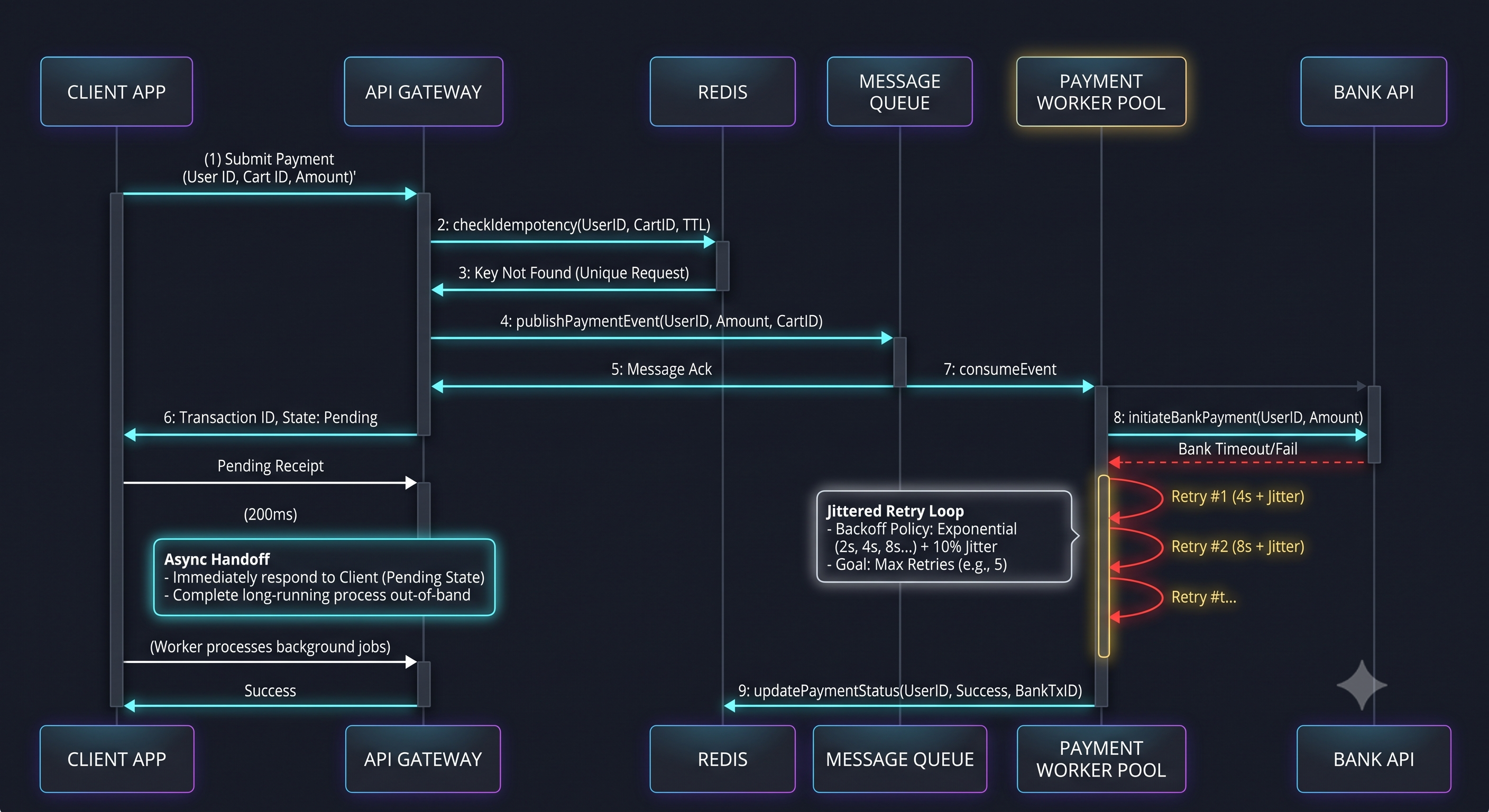 0 Comments 0 Shares 151 Views 0 Reviews
 -
Beyond the Wrapper: Why India’s Push into Compute and Silicon Redefines the Developer Stack
India’s tech conversation is undergoing a seismic pivot. For the past decade, the Indian developer ecosystem scaled rapidly on the application and services layer—building world-class consumer apps, SaaS interfaces, and digital public infrastructure like UPI.
However, with global hardware bottlenecks and the ongoing rollout of Semicon 2.0 and the India AI Mission compute clusters, the real leverage has moved down the stack: from the API layer directly into silicon, custom architectures, and hardware-software co-design. Why This Matters to You Global GPU shortages and localized compliance requirements mean software engineering can no longer remain hardware-agnostic. Whether you build enterprise microservices or sovereign generative models, software that isn't optimized for specific hardware constraints is becoming financially unviable to run at scale.
What You Need to Know (The Tech Breakdown):The Fall of Generic Compute: Running pure FP32 workloads on general-purpose cloud instances is burning capital. Modern high-throughput engineering demands deep familiarity with quantization techniques (INT4/FP8), mixed-precision execution, and kernel optimization (Triton, CUDA, ROCm).
Hardware-Software Co-Design: As domestic packaging, ATMP (Assembly, Testing, Marking, and Packaging), and edge-ASIC design ramp up, software engineers who understand cache hierarchies, high-bandwidth memory (HBM) bandwidth limits, and device-level orchestration will out-earn pure interface developers.
Sovereign Infrastructure Protocols: India's push towards subsidized public GPU pools and specialized domestic LLMs requires teams to build architectures resilient to hardware diversity, rather than relying exclusively on proprietary, single-vendor APIs.
The Bottom Line: Don't just consume abstractions. Learn what happens when your code hits the bare metal.
Discussion Question
As infrastructure costs overtake standard cloud hosting budgets, has your team started profiling down to the hardware level (quantization, memory footprints, custom kernels), or are you still relying primarily on standard managed API wrappers?
CTA (Join Techawks India)
Join Techawks India—the community where high-conviction Indian engineers, architects, and founders break down deep-tech systems, hardware-software co-design, and real-world infrastructure.
👉 [Join Techawks India on Discord/LinkedIn – Link in Bio]Beyond the Wrapper: Why India’s Push into Compute and Silicon Redefines the Developer Stack India’s tech conversation is undergoing a seismic pivot. For the past decade, the Indian developer ecosystem scaled rapidly on the application and services layer—building world-class consumer apps, SaaS interfaces, and digital public infrastructure like UPI. However, with global hardware bottlenecks and the ongoing rollout of Semicon 2.0 and the India AI Mission compute clusters, the real leverage has moved down the stack: from the API layer directly into silicon, custom architectures, and hardware-software co-design. Why This Matters to You Global GPU shortages and localized compliance requirements mean software engineering can no longer remain hardware-agnostic. Whether you build enterprise microservices or sovereign generative models, software that isn't optimized for specific hardware constraints is becoming financially unviable to run at scale. What You Need to Know (The Tech Breakdown):The Fall of Generic Compute: Running pure FP32 workloads on general-purpose cloud instances is burning capital. Modern high-throughput engineering demands deep familiarity with quantization techniques (INT4/FP8), mixed-precision execution, and kernel optimization (Triton, CUDA, ROCm). Hardware-Software Co-Design: As domestic packaging, ATMP (Assembly, Testing, Marking, and Packaging), and edge-ASIC design ramp up, software engineers who understand cache hierarchies, high-bandwidth memory (HBM) bandwidth limits, and device-level orchestration will out-earn pure interface developers. Sovereign Infrastructure Protocols: India's push towards subsidized public GPU pools and specialized domestic LLMs requires teams to build architectures resilient to hardware diversity, rather than relying exclusively on proprietary, single-vendor APIs. The Bottom Line: Don't just consume abstractions. Learn what happens when your code hits the bare metal. Discussion Question As infrastructure costs overtake standard cloud hosting budgets, has your team started profiling down to the hardware level (quantization, memory footprints, custom kernels), or are you still relying primarily on standard managed API wrappers? CTA (Join Techawks India) Join Techawks India—the community where high-conviction Indian engineers, architects, and founders break down deep-tech systems, hardware-software co-design, and real-world infrastructure. 👉 [Join Techawks India on Discord/LinkedIn – Link in Bio]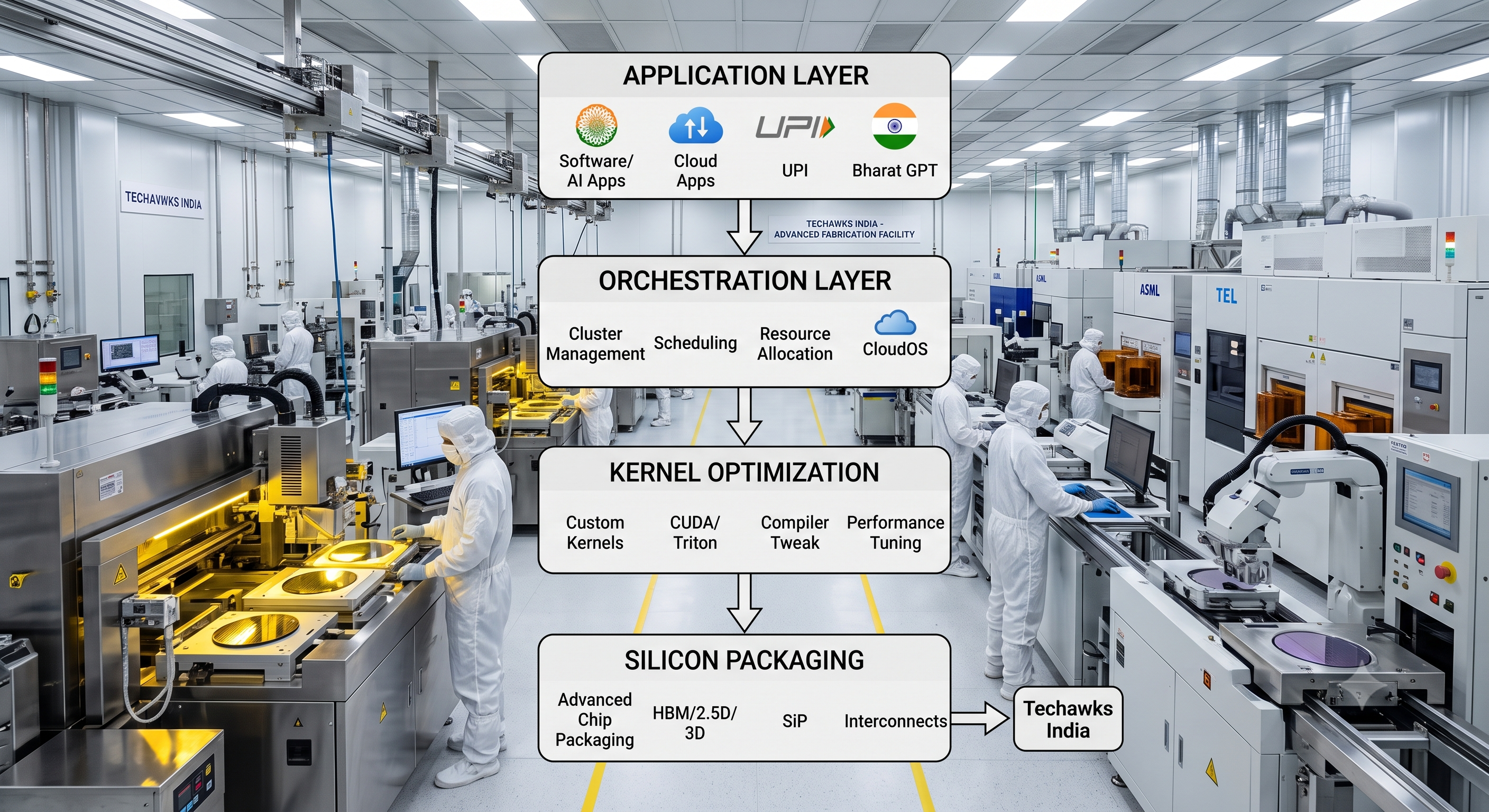 0 Comments 0 Shares 50 Views 0 Reviews
 -
The High-Cost Cloud Trap: What’s Bleeding Indian Tech Startups the Most?
When scaling from 10k to 1M users, infrastructure defaults will quietly crush your margins. Teams spin up managed services for speed, leave staging clusters active over weekends, and rarely audit their data egress routes.
Before diving into optimization frameworks, let’s take the pulse of the community:
Poll Question:
What is currently eating up the biggest chunk of your company’s monthly cloud bill?
🔘 Zombie/Overprovisioned Compute (Idle EC2/GCE, 24/7 staging environments)
🔘 Unmonitored Data Egress (Cross-AZ traffic, multi-region API transfers)
🔘 Managed Service Overheads (PaaS convenience markups vs. self-hosting)
🔘 Cold Storage Neglect (Unindexed S3/Cloud Storage buckets without lifecycle rules)
Practical Blueprint to Reclaim Your Budget This Week:
Audit Idle Non-Production Environments: Production needs high availability; staging does not. Set up automated scripts (via cron or Lambda/Cloud Functions) to shut down non-prod instances on weekday evenings and weekends. This alone cuts non-prod compute spend by roughly 60%.
Map Your Egress Paths: Transferring data between regions or out to the internet is where hidden fees compound. Route internal microservice communication within the same Availability Zone where latency permits, and place CDN endpoints in front of static media assets to minimize origin egress.
Automate Storage Lifecycle Policies: Log files, debug dumps, and old user uploads rarely need high-availability tiers after 30 days. Define bucket lifecycle rules to shift data from standard tiers to archive classes (such as Glacier or Coldline) automatically, slashing storage rates by up to 80%.
Key Takeaways
Convenience costs equity: default architecture settings prioritize quick setup over long-term cost efficiency.
Automated scheduling of staging compute yields immediate 50%+ savings on non-prod machines.
Moving archival logs to cold tiers and optimizing cross-zone traffic mitigates silent monthly bill spikes.
CTA (Join Techawks India)
Vote in the poll above and drop your favorite cost-cutting CLI tool or AWS/GCP optimization trick in the comments.
Want more real-world architecture breakdowns built for Indian engineering teams? Join Techawks India to connect with engineers, dev leads, and founders building scalable, cost-efficient tech.The High-Cost Cloud Trap: What’s Bleeding Indian Tech Startups the Most? When scaling from 10k to 1M users, infrastructure defaults will quietly crush your margins. Teams spin up managed services for speed, leave staging clusters active over weekends, and rarely audit their data egress routes. Before diving into optimization frameworks, let’s take the pulse of the community: Poll Question: What is currently eating up the biggest chunk of your company’s monthly cloud bill? 🔘 Zombie/Overprovisioned Compute (Idle EC2/GCE, 24/7 staging environments) 🔘 Unmonitored Data Egress (Cross-AZ traffic, multi-region API transfers) 🔘 Managed Service Overheads (PaaS convenience markups vs. self-hosting) 🔘 Cold Storage Neglect (Unindexed S3/Cloud Storage buckets without lifecycle rules) Practical Blueprint to Reclaim Your Budget This Week: Audit Idle Non-Production Environments: Production needs high availability; staging does not. Set up automated scripts (via cron or Lambda/Cloud Functions) to shut down non-prod instances on weekday evenings and weekends. This alone cuts non-prod compute spend by roughly 60%. Map Your Egress Paths: Transferring data between regions or out to the internet is where hidden fees compound. Route internal microservice communication within the same Availability Zone where latency permits, and place CDN endpoints in front of static media assets to minimize origin egress. Automate Storage Lifecycle Policies: Log files, debug dumps, and old user uploads rarely need high-availability tiers after 30 days. Define bucket lifecycle rules to shift data from standard tiers to archive classes (such as Glacier or Coldline) automatically, slashing storage rates by up to 80%. Key Takeaways Convenience costs equity: default architecture settings prioritize quick setup over long-term cost efficiency. Automated scheduling of staging compute yields immediate 50%+ savings on non-prod machines. Moving archival logs to cold tiers and optimizing cross-zone traffic mitigates silent monthly bill spikes. CTA (Join Techawks India) Vote in the poll above and drop your favorite cost-cutting CLI tool or AWS/GCP optimization trick in the comments. Want more real-world architecture breakdowns built for Indian engineering teams? Join Techawks India to connect with engineers, dev leads, and founders building scalable, cost-efficient tech.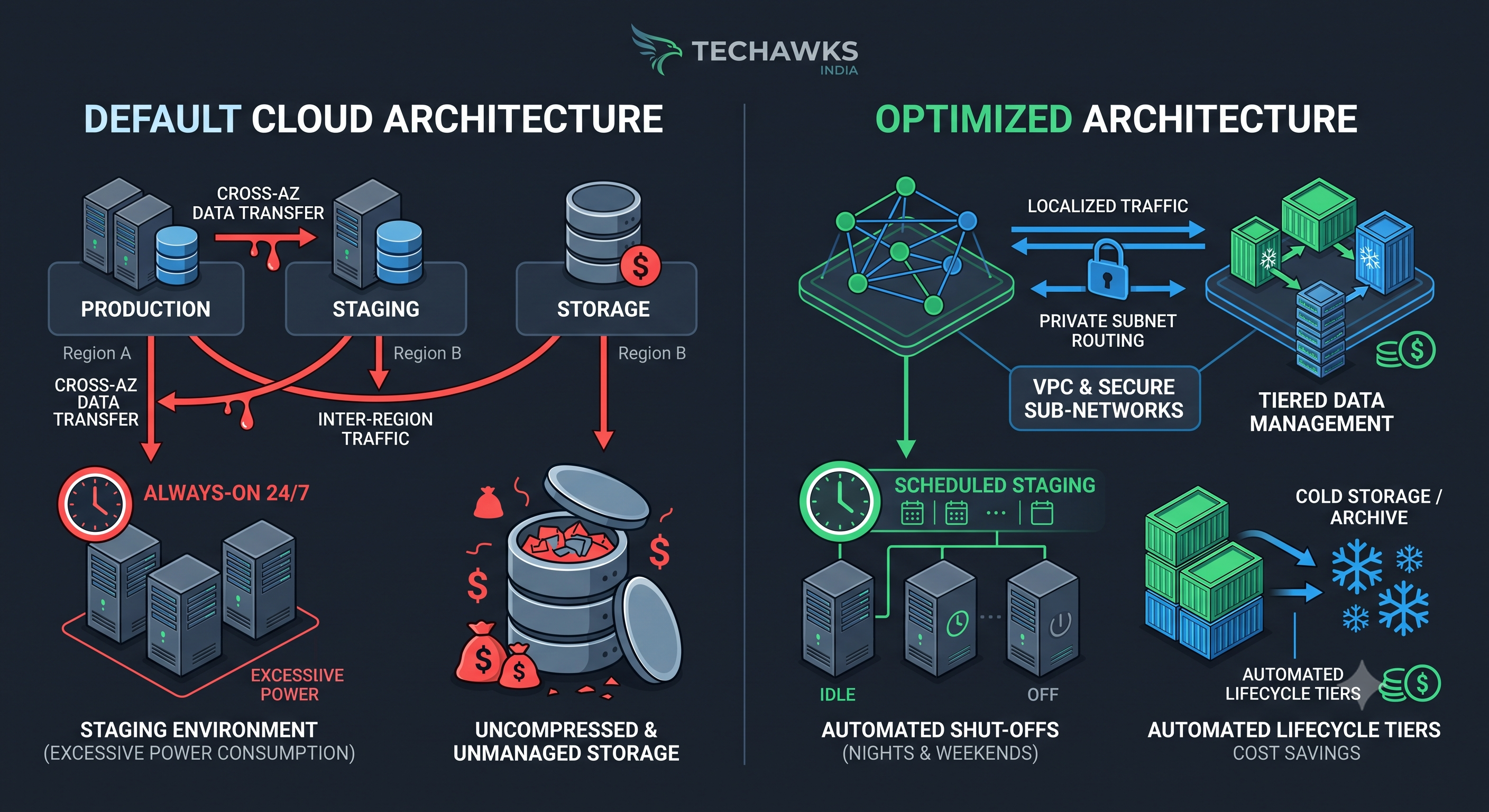 0 Comments 0 Shares 65 Views 0 Reviews
More Stories