• As college tuition increases and the student loan debt crisis continues, three former executives from language learning app Duolingo are building a new startup aimed at making college education more affordable and accessible.

    The company, tentatively named Outsmart Education (the name is not final yet), is headed by co-founders Daniel Falabella (CPO), former senior director of product for learning at Duolingo; Gina Gotthilf (CMO), former vice president of growth and marketing at Duolingo; and Jorge Mazal (CEO), ex-chief product officer at Duolingo.

    The idea for Outsmart came out of Mazal’s own frustration with the current system, he says. When Mazal moved to the U.S. to pursue his undergraduate degree, he didn’t have the resources to pay for it and had to find a way to finance his education through a combination of jobs, scholarships, and other means. When he went on to complete two master’s programs at Harvard and Wharton, he didn’t realize how much debt he would end up with.

    Read more on Outsmart Education at the link in the bio

    Article by Lauren Forristal

    Image Credits: rattanakun; Outsmart

    #TechCrunch #technews #startup #founders #edtech #venturecapital
    As college tuition increases and the student loan debt crisis continues, three former executives from language learning app Duolingo are building a new startup aimed at making college education more affordable and accessible. The company, tentatively named Outsmart Education (the name is not final yet), is headed by co-founders Daniel Falabella (CPO), former senior director of product for learning at Duolingo; Gina Gotthilf (CMO), former vice president of growth and marketing at Duolingo; and Jorge Mazal (CEO), ex-chief product officer at Duolingo. The idea for Outsmart came out of Mazal’s own frustration with the current system, he says. When Mazal moved to the U.S. to pursue his undergraduate degree, he didn’t have the resources to pay for it and had to find a way to finance his education through a combination of jobs, scholarships, and other means. When he went on to complete two master’s programs at Harvard and Wharton, he didn’t realize how much debt he would end up with. Read more on Outsmart Education at the link in the bio 👆 Article by Lauren Forristal Image Credits: rattanakun; Outsmart #TechCrunch #technews #startup #founders #edtech #venturecapital
    ·312 Views ·0 voorbeeld
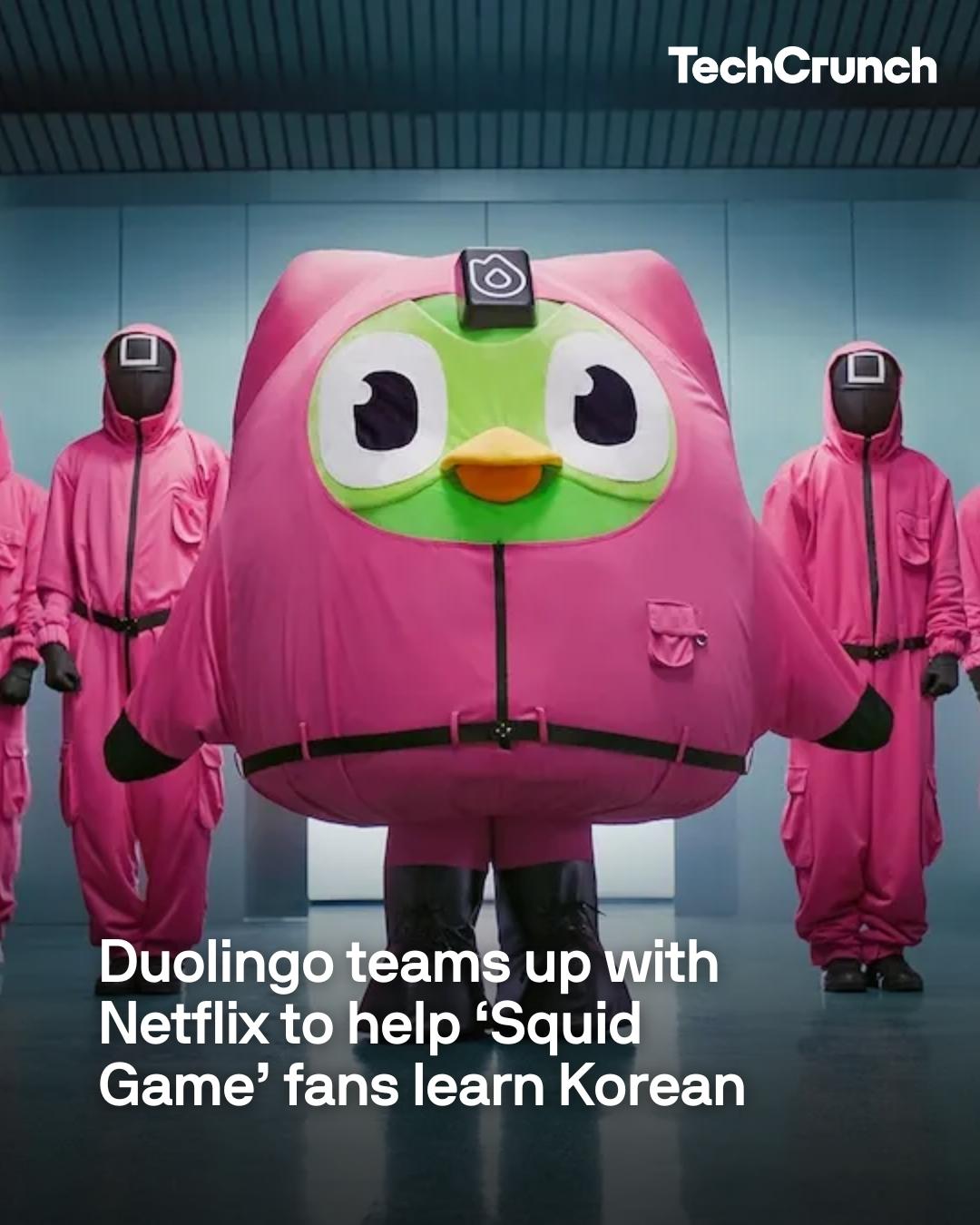
  • Attention, players. You are about to compete in a new challenge — but first, do you know how to speak Korean?

    In preparation for Season Two of “Squid Game,” one of Netflix’s most popular Korean thriller series, the streaming giant announced on Tuesday that it has teamed up with the language learning app Duolingo to help viewers learn Korean ahead of the premiere on December 26.

    Additionally, the companies released an exclusive TikTok filter inspired by the show’s Red Light, Green Light game.

    This collaboration brings over 40 keywords and phrases from the show to Duolingo’s app, including “dalgona,” the sugary treat featured in the third episode of the first season. There will also be lessons teaching viewers certain sentences, such as “Trust no one,” “Let’s play a game,” and “You’ve been eliminated.”

    Read more on Duolingo teaming up with Netflix at the link in the bio

    Article by Lauren Forristal

    Image Credits: Duolingo

    #TechCrunch #technews #Duolingo #Netflix #Korean #languagelearning #streaming
    Attention, players. You are about to compete in a new challenge — but first, do you know how to speak Korean? In preparation for Season Two of “Squid Game,” one of Netflix’s most popular Korean thriller series, the streaming giant announced on Tuesday that it has teamed up with the language learning app Duolingo to help viewers learn Korean ahead of the premiere on December 26. Additionally, the companies released an exclusive TikTok filter inspired by the show’s Red Light, Green Light game. This collaboration brings over 40 keywords and phrases from the show to Duolingo’s app, including “dalgona,” the sugary treat featured in the third episode of the first season. There will also be lessons teaching viewers certain sentences, such as “Trust no one,” “Let’s play a game,” and “You’ve been eliminated.” Read more on Duolingo teaming up with Netflix at the link in the bio 👆 Article by Lauren Forristal Image Credits: Duolingo #TechCrunch #technews #Duolingo #Netflix #Korean #languagelearning #streaming
    ·499 Views ·0 voorbeeld
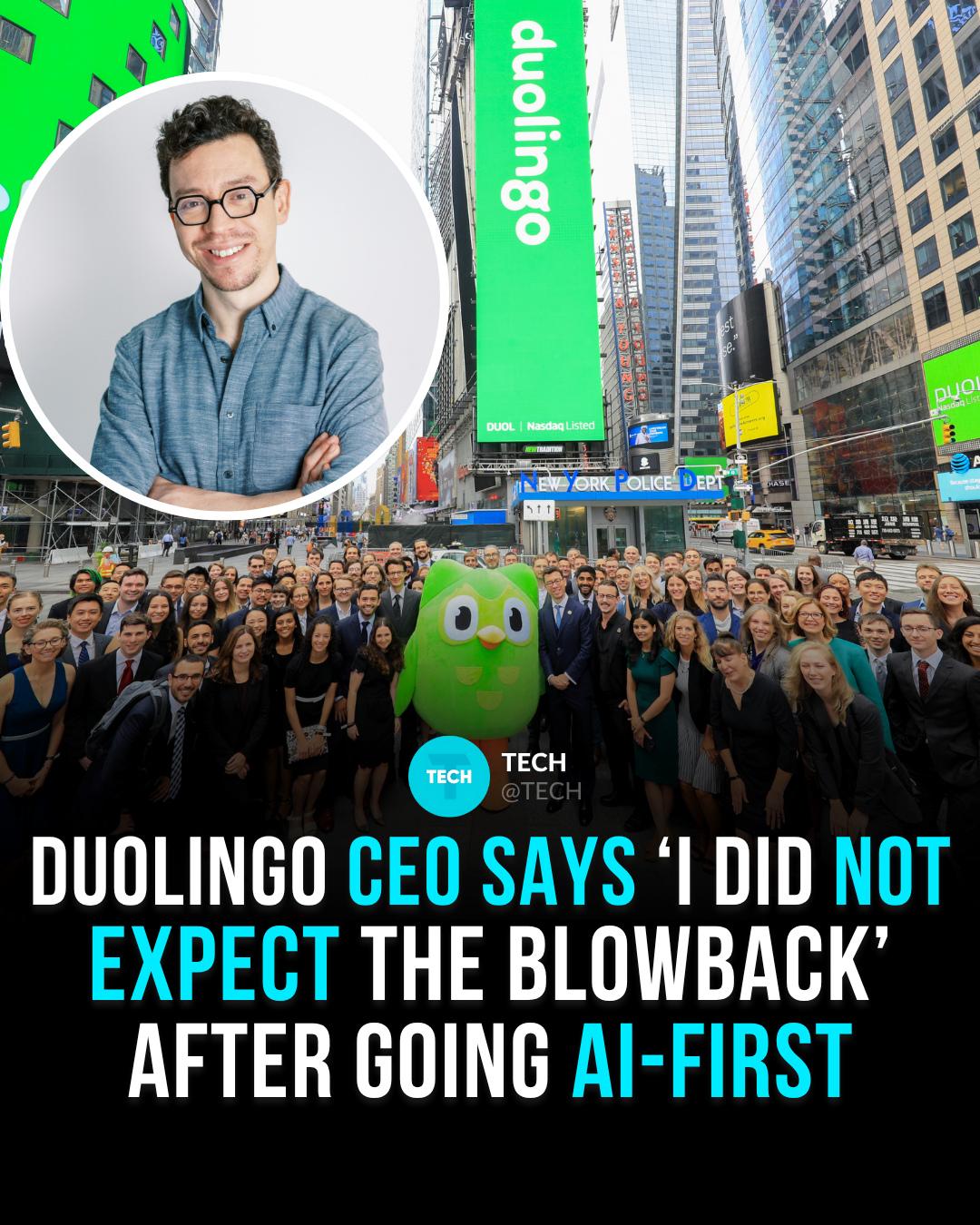
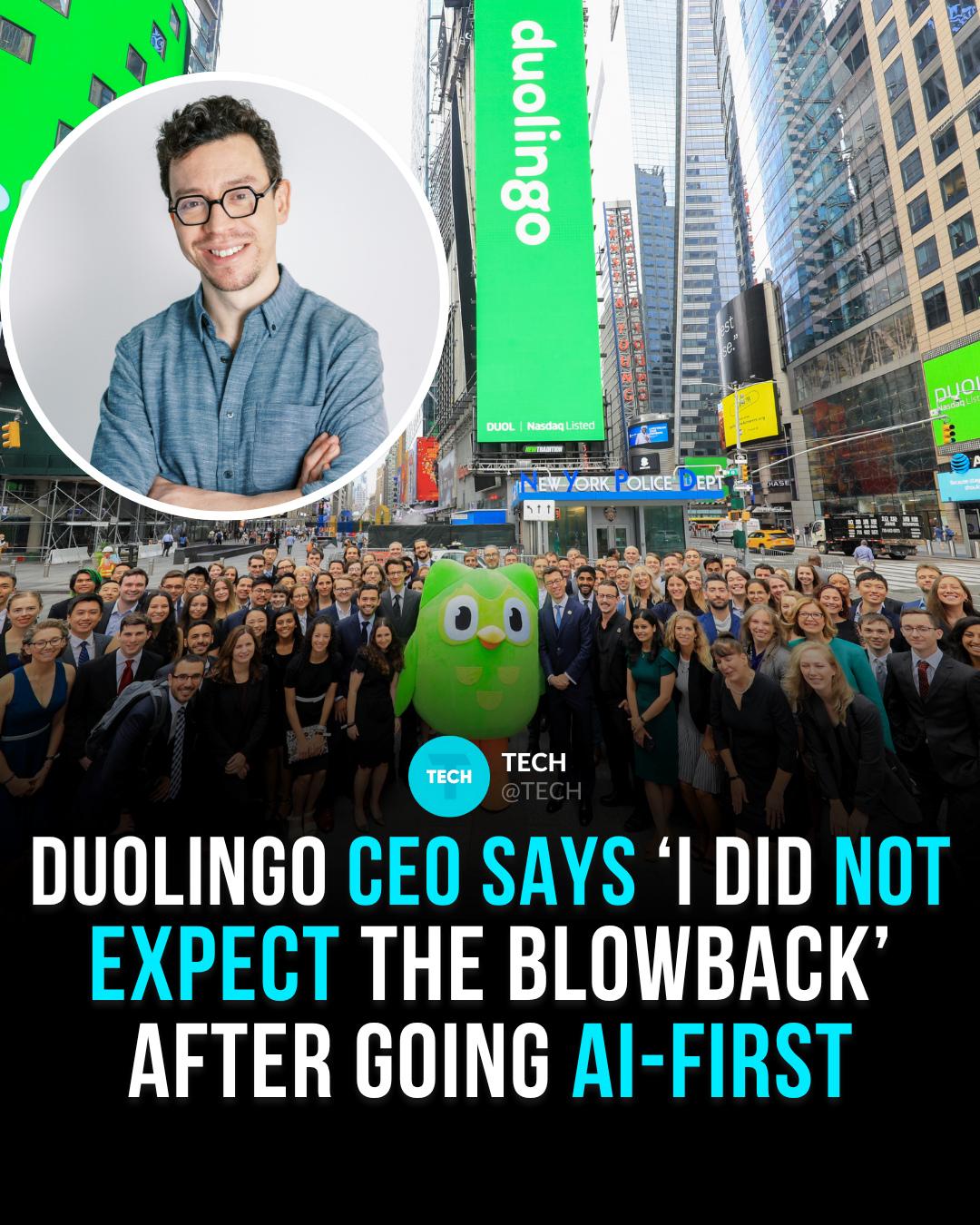
  • Duolingo CEO Luis von Ahn learned the hard way that corporate transparency can backfire spectacularly when he posted an internal email on LinkedIn outlining his plan to make the language-learning app "AI-first." The announcement triggered an immediate user revolt, with subscribers threatening mass cancellations and accusing the company of putting "AI first, people last."⁠

    Von Ahn's strategy was straightforward but poorly communicated: phase out contractors when AI can handle their work and require teams to prove they cannot automate tasks before hiring new employees. The backlash was swift and brutal, with users posting comments like "This is a disaster. I will cancel my subscription" and "Well, there goes my 1,098 day streak" as loyal customers abandoned the platform they had used for years.⁠

    The controversy revealed deeper concerns about AI replacing human creativity in education. Users worried that AI-generated language content would compromise learning quality, with one commenter noting they could "go ask ChatGPT for my own personalized tutorial" if they wanted artificial instruction. Von Ahn admitted the company might accept "small hits on quality" to move faster, further inflaming user concerns about educational standards.⁠

    A week after the initial announcement, von Ahn walked back his statements, clarifying that AI would serve as a "tool to accelerate what we do" rather than replace employees. In a recent Financial Times interview, he expressed shock at the intensity of the reaction, stating "Every tech company is doing similar things, but we were open about it." This transparency, intended to demonstrate corporate honesty, instead created a self-inflicted public relations crisis that forced the company into damage control mode.
    Duolingo CEO Luis von Ahn learned the hard way that corporate transparency can backfire spectacularly when he posted an internal email on LinkedIn outlining his plan to make the language-learning app "AI-first." The announcement triggered an immediate user revolt, with subscribers threatening mass cancellations and accusing the company of putting "AI first, people last."⁠ ⁠ Von Ahn's strategy was straightforward but poorly communicated: phase out contractors when AI can handle their work and require teams to prove they cannot automate tasks before hiring new employees. The backlash was swift and brutal, with users posting comments like "This is a disaster. I will cancel my subscription" and "Well, there goes my 1,098 day streak" as loyal customers abandoned the platform they had used for years.⁠ ⁠ The controversy revealed deeper concerns about AI replacing human creativity in education. Users worried that AI-generated language content would compromise learning quality, with one commenter noting they could "go ask ChatGPT for my own personalized tutorial" if they wanted artificial instruction. Von Ahn admitted the company might accept "small hits on quality" to move faster, further inflaming user concerns about educational standards.⁠ ⁠ A week after the initial announcement, von Ahn walked back his statements, clarifying that AI would serve as a "tool to accelerate what we do" rather than replace employees. In a recent Financial Times interview, he expressed shock at the intensity of the reaction, stating "Every tech company is doing similar things, but we were open about it." This transparency, intended to demonstrate corporate honesty, instead created a self-inflicted public relations crisis that forced the company into damage control mode.
    ·136 Views ·0 voorbeeld
  • Will ChatGPT kill @Duolingo?
    Will ChatGPT kill @Duolingo? 🦉🤔
    ·102 Views ·0 voorbeeld
  • "Learning Mandarin out of spite? You're not alone."

    TikTok U.S. users have been learning Chinese on Duolingo in increasing numbers amid their adoption of a Chinese social app called RedNote ahead of the TikTok ban.

    The U.S. law, scheduled to go into effect on January 19, unless halted by the Supreme Court, will see TikTok removed from U.S. app stores and will stop the app from functioning on users’ devices unless they install a VPN client. Instead of trying to work around the ban, however, over 700 million TikTok users have shifted over to the social video platform RedNote.

    According to Duolingo, the app has seen roughly 216% growth in new Mandarin learning in the U.S. compared to this time last year, with a sharp spike in mid-January as RedNote’s adoption took off.

    In addition, the company reports that in its “How did you hear about us” survey that new users are prompted to answer, it’s seeing a corresponding spike in people selecting “TikTok” as their response.

    Read more on the spike in Chinese Duolingo learners at the link in the bio

    Article by Sarah Perez

    Image Credits: Duolingo

    #TechCrunch #technews #Duolingo #socialmedia #TikTok #RedNote #xiaohongshu
    "Learning Mandarin out of spite? You're not alone." 💀 TikTok U.S. users have been learning Chinese on Duolingo in increasing numbers amid their adoption of a Chinese social app called RedNote ahead of the TikTok ban. The U.S. law, scheduled to go into effect on January 19, unless halted by the Supreme Court, will see TikTok removed from U.S. app stores and will stop the app from functioning on users’ devices unless they install a VPN client. Instead of trying to work around the ban, however, over 700 million TikTok users have shifted over to the social video platform RedNote. According to Duolingo, the app has seen roughly 216% growth in new Mandarin learning in the U.S. compared to this time last year, with a sharp spike in mid-January as RedNote’s adoption took off. In addition, the company reports that in its “How did you hear about us” survey that new users are prompted to answer, it’s seeing a corresponding spike in people selecting “TikTok” as their response. Read more on the spike in Chinese Duolingo learners at the link in the bio 👆 Article by Sarah Perez Image Credits: Duolingo #TechCrunch #technews #Duolingo #socialmedia #TikTok #RedNote #xiaohongshu
    ·491 Views ·0 voorbeeld
  • Duolingo CEO Luis von Ahn learned the hard way that corporate transparency can backfire spectacularly when he posted an internal email on LinkedIn outlining his plan to make the language-learning app "AI-first." The announcement triggered an immediate user revolt, with subscribers threatening mass cancellations and accusing the company of putting "AI first, people last."⁠

    Von Ahn's strategy was straightforward but poorly communicated: phase out contractors when AI can handle their work and require teams to prove they cannot automate tasks before hiring new employees. The backlash was swift and brutal, with users posting comments like "This is a disaster. I will cancel my subscription" and "Well, there goes my 1,098 day streak" as loyal customers abandoned the platform they had used for years.⁠

    The controversy revealed deeper concerns about AI replacing human creativity in education. Users worried that AI-generated language content would compromise learning quality, with one commenter noting they could "go ask ChatGPT for my own personalized tutorial" if they wanted artificial instruction. Von Ahn admitted the company might accept "small hits on quality" to move faster, further inflaming user concerns about educational standards.⁠

    A week after the initial announcement, von Ahn walked back his statements, clarifying that AI would serve as a "tool to accelerate what we do" rather than replace employees. In a recent Financial Times interview, he expressed shock at the intensity of the reaction, stating "Every tech company is doing similar things, but we were open about it." This transparency, intended to demonstrate corporate honesty, instead created a self-inflicted public relations crisis that forced the company into damage control mode.
    Duolingo CEO Luis von Ahn learned the hard way that corporate transparency can backfire spectacularly when he posted an internal email on LinkedIn outlining his plan to make the language-learning app "AI-first." The announcement triggered an immediate user revolt, with subscribers threatening mass cancellations and accusing the company of putting "AI first, people last."⁠ ⁠ Von Ahn's strategy was straightforward but poorly communicated: phase out contractors when AI can handle their work and require teams to prove they cannot automate tasks before hiring new employees. The backlash was swift and brutal, with users posting comments like "This is a disaster. I will cancel my subscription" and "Well, there goes my 1,098 day streak" as loyal customers abandoned the platform they had used for years.⁠ ⁠ The controversy revealed deeper concerns about AI replacing human creativity in education. Users worried that AI-generated language content would compromise learning quality, with one commenter noting they could "go ask ChatGPT for my own personalized tutorial" if they wanted artificial instruction. Von Ahn admitted the company might accept "small hits on quality" to move faster, further inflaming user concerns about educational standards.⁠ ⁠ A week after the initial announcement, von Ahn walked back his statements, clarifying that AI would serve as a "tool to accelerate what we do" rather than replace employees. In a recent Financial Times interview, he expressed shock at the intensity of the reaction, stating "Every tech company is doing similar things, but we were open about it." This transparency, intended to demonstrate corporate honesty, instead created a self-inflicted public relations crisis that forced the company into damage control mode.
    ·159 Views ·0 voorbeeld
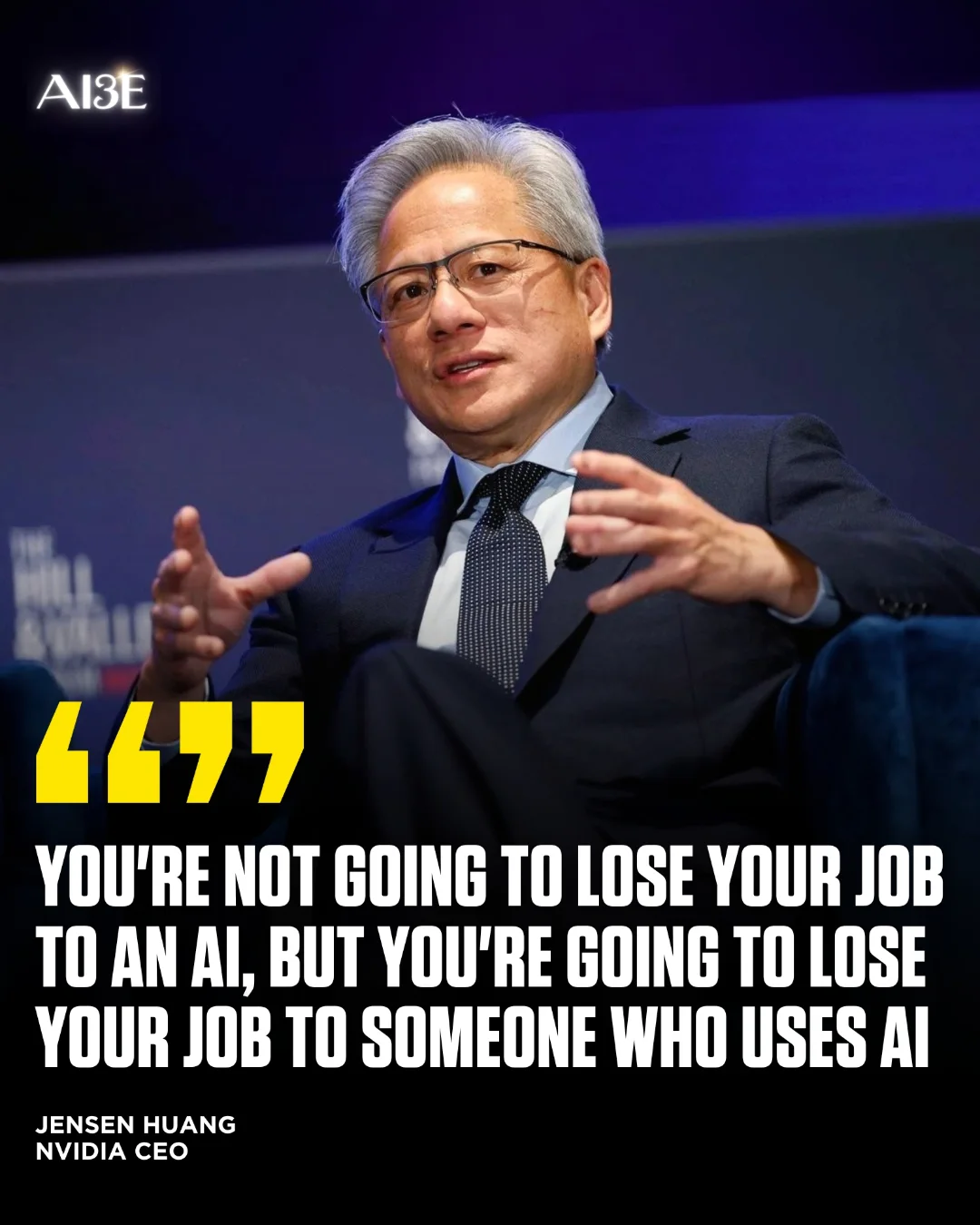
  • At the Milken Institute Global Conference, Nvidia CEO Jensen Huang delivered a powerful message about the future of work.

    He warned that people won’t lose their jobs to AI itself, but rather to those who know how to use AI effectively.

    Huang explained that AI isn’t simply replacing jobs—it’s transforming them. While AI can automate repetitive and routine tasks, it still depends on human creativity, critical thinking, and decision-making to truly succeed.

    Many companies are already changing their hiring practices to reflect this new reality. For example, organizations like Shopify and Duolingo now require employees to be comfortable using AI tools as part of their daily work.

    This shift shows that those who embrace AI and learn to use it will have a clear advantage in the job market, while those who resist may find themselves left behind.


    Over 30,000 people stay updated on AI news, tools, and breakthroughs with our free newsletter. Wanna join them? Comment “UNCOVER” and I’ll personally send you the link.
    At the Milken Institute Global Conference, Nvidia CEO Jensen Huang delivered a powerful message about the future of work. He warned that people won’t lose their jobs to AI itself, but rather to those who know how to use AI effectively. Huang explained that AI isn’t simply replacing jobs—it’s transforming them. While AI can automate repetitive and routine tasks, it still depends on human creativity, critical thinking, and decision-making to truly succeed. Many companies are already changing their hiring practices to reflect this new reality. For example, organizations like Shopify and Duolingo now require employees to be comfortable using AI tools as part of their daily work. This shift shows that those who embrace AI and learn to use it will have a clear advantage in the job market, while those who resist may find themselves left behind. — 🧠 Over 30,000 people stay updated on AI news, tools, and breakthroughs with our free newsletter. Wanna join them? Comment “UNCOVER” and I’ll personally send you the link.
    ·155 Views ·0 voorbeeld
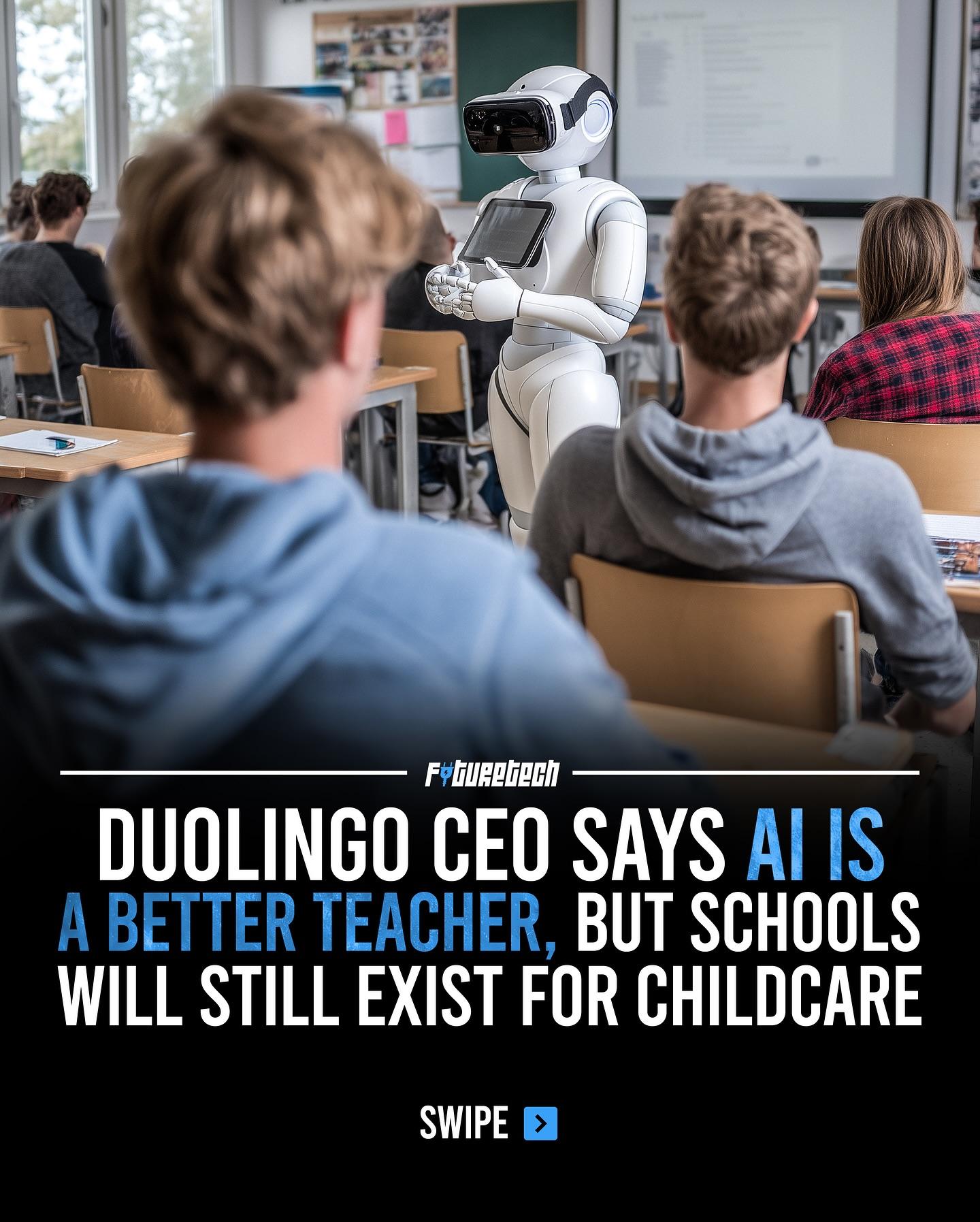
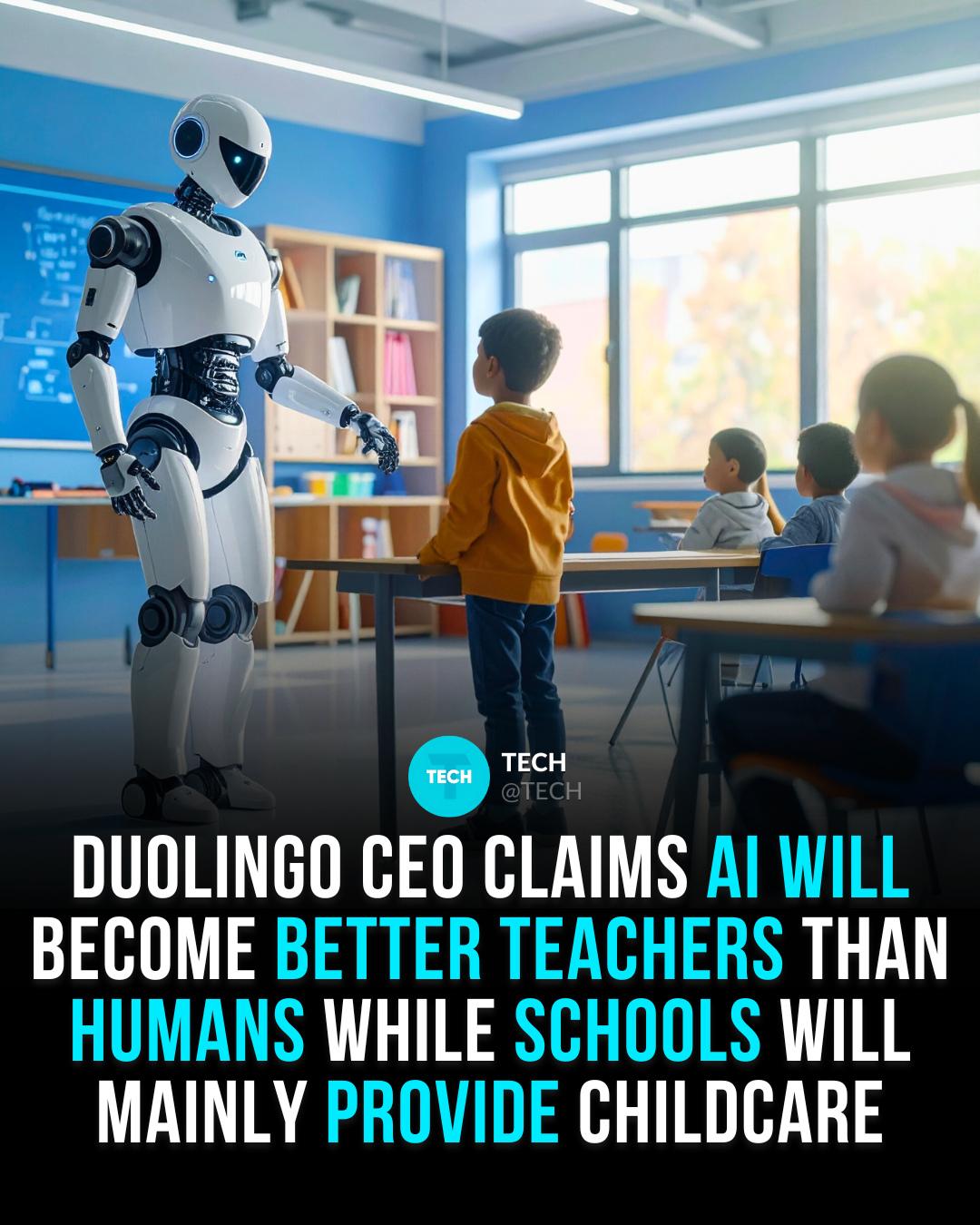
  • Duolingo’s CEO thinks AI could surpass human teachers - and that traditional schools might mainly serve as childcare centers in the future.

    Luis von Ahn predicts that AI will eventually handle most learning tasks, and his company is already leaning into that vision. Duolingo is cutting back on contract workers and increasing its use of AI to speed up content creation and deliver personalized lessons to over 100 million users.

    They’ve even had an AI chatbot co-host part of a recent earnings call.

    Education is evolving rapidly. Is this the future we’ve been waiting for - or a sign we’re heading down a risky path?

    -

    #ai #education #technology #future #futuretech #viral #news
    Duolingo’s CEO thinks AI could surpass human teachers - and that traditional schools might mainly serve as childcare centers in the future. Luis von Ahn predicts that AI will eventually handle most learning tasks, and his company is already leaning into that vision. Duolingo is cutting back on contract workers and increasing its use of AI to speed up content creation and deliver personalized lessons to over 100 million users. They’ve even had an AI chatbot co-host part of a recent earnings call. Education is evolving rapidly. Is this the future we’ve been waiting for - or a sign we’re heading down a risky path? - #ai #education #technology #future #futuretech #viral #news
    ·203 Views ·0 voorbeeld
  • Duolingo, the language-learning app known for its owl mascot, has been diving deep into AI integration. In a headline-making move last year, it temporarily swapped out its CEO for an AI avatar during an earnings call. More recently—and even more controversially—it announced plans to permanently replace its contract workers with AI systems.

    But Duolingo’s vision goes far beyond quirky stunts or staffing shifts. With over 116 million monthly users, the platform has built a massive data set on how people learn. That data fuels its ability to craft highly engaging experiences and even predict test scores before learners take their exams.

    Founder and CEO Luis von Ahn believes we’re heading toward a future where most education will be delivered by AI, with personalized instruction becoming the norm in the coming decades.

    #BusinessBulls #Duolingo #AI #ArtificialIntelligence
    Duolingo, the language-learning app known for its owl mascot, has been diving deep into AI integration. In a headline-making move last year, it temporarily swapped out its CEO for an AI avatar during an earnings call. More recently—and even more controversially—it announced plans to permanently replace its contract workers with AI systems. But Duolingo’s vision goes far beyond quirky stunts or staffing shifts. With over 116 million monthly users, the platform has built a massive data set on how people learn. That data fuels its ability to craft highly engaging experiences and even predict test scores before learners take their exams. Founder and CEO Luis von Ahn believes we’re heading toward a future where most education will be delivered by AI, with personalized instruction becoming the norm in the coming decades. #BusinessBulls #Duolingo #AI #ArtificialIntelligence
    ·181 Views ·0 voorbeeld
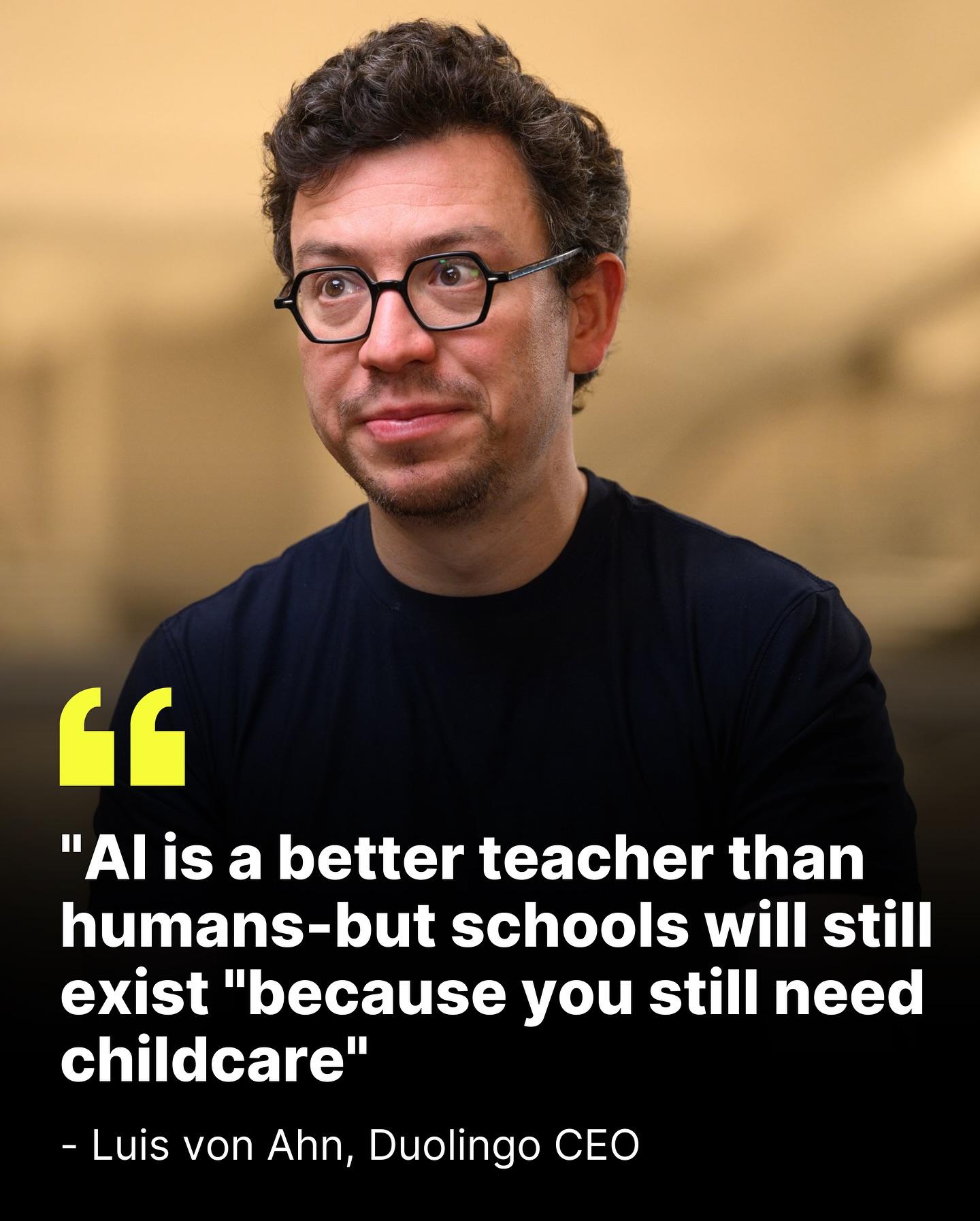
  • Luis von Ahn, the man behind Duolingo, claims computers will soon teach better than humans. Why? They can give personalized attention to every student at the same time – something no teacher with 30 kids in a classroom can do.⁠

    "Ultimately, I'm not sure there's anything computers can't really teach you," von Ahn said on the No Priors podcast. His comments come as Duolingo shifts to an "AI-first" approach, replacing contract workers with AI and making new hiring decisions based on whether the work can be automated or not.⁠

    Von Ahn compares this educational shake-up to how mobile changed everything for his company back in 2012. He believes we're seeing the start of another massive transformation. But don't worry – schools won't disappear completely. They'll just become supervised spaces where AI does most of the teaching while human teachers handle childcare and supervision.⁠

    "You still need people to take care of the students," von Ahn explained, adding that schools will continue to exist because "you still need childcare." This distinction between teaching and childcare hasn't gone over well online. Critics argue that real teaching involves so much more than just delivering information – including emotional support, inspiration, and human connection that AI simply can't provide.⁠

    The debate highlights a growing tension between tech's relentless push for efficiency and deeply human institutions like education. While personalized learning sounds great in theory, many wonder if turning teachers into glorified babysitters while algorithms do the "real work" misses the entire point of what education actually is.
    Luis von Ahn, the man behind Duolingo, claims computers will soon teach better than humans. Why? They can give personalized attention to every student at the same time – something no teacher with 30 kids in a classroom can do.⁠ ⁠ "Ultimately, I'm not sure there's anything computers can't really teach you," von Ahn said on the No Priors podcast. His comments come as Duolingo shifts to an "AI-first" approach, replacing contract workers with AI and making new hiring decisions based on whether the work can be automated or not.⁠ ⁠ Von Ahn compares this educational shake-up to how mobile changed everything for his company back in 2012. He believes we're seeing the start of another massive transformation. But don't worry – schools won't disappear completely. They'll just become supervised spaces where AI does most of the teaching while human teachers handle childcare and supervision.⁠ ⁠ "You still need people to take care of the students," von Ahn explained, adding that schools will continue to exist because "you still need childcare." This distinction between teaching and childcare hasn't gone over well online. Critics argue that real teaching involves so much more than just delivering information – including emotional support, inspiration, and human connection that AI simply can't provide.⁠ ⁠ The debate highlights a growing tension between tech's relentless push for efficiency and deeply human institutions like education. While personalized learning sounds great in theory, many wonder if turning teachers into glorified babysitters while algorithms do the "real work" misses the entire point of what education actually is.
    ·117 Views ·0 voorbeeld
Zoekresultaten
Techawks - Powered By Pantrade Blockchain https://techawks.com