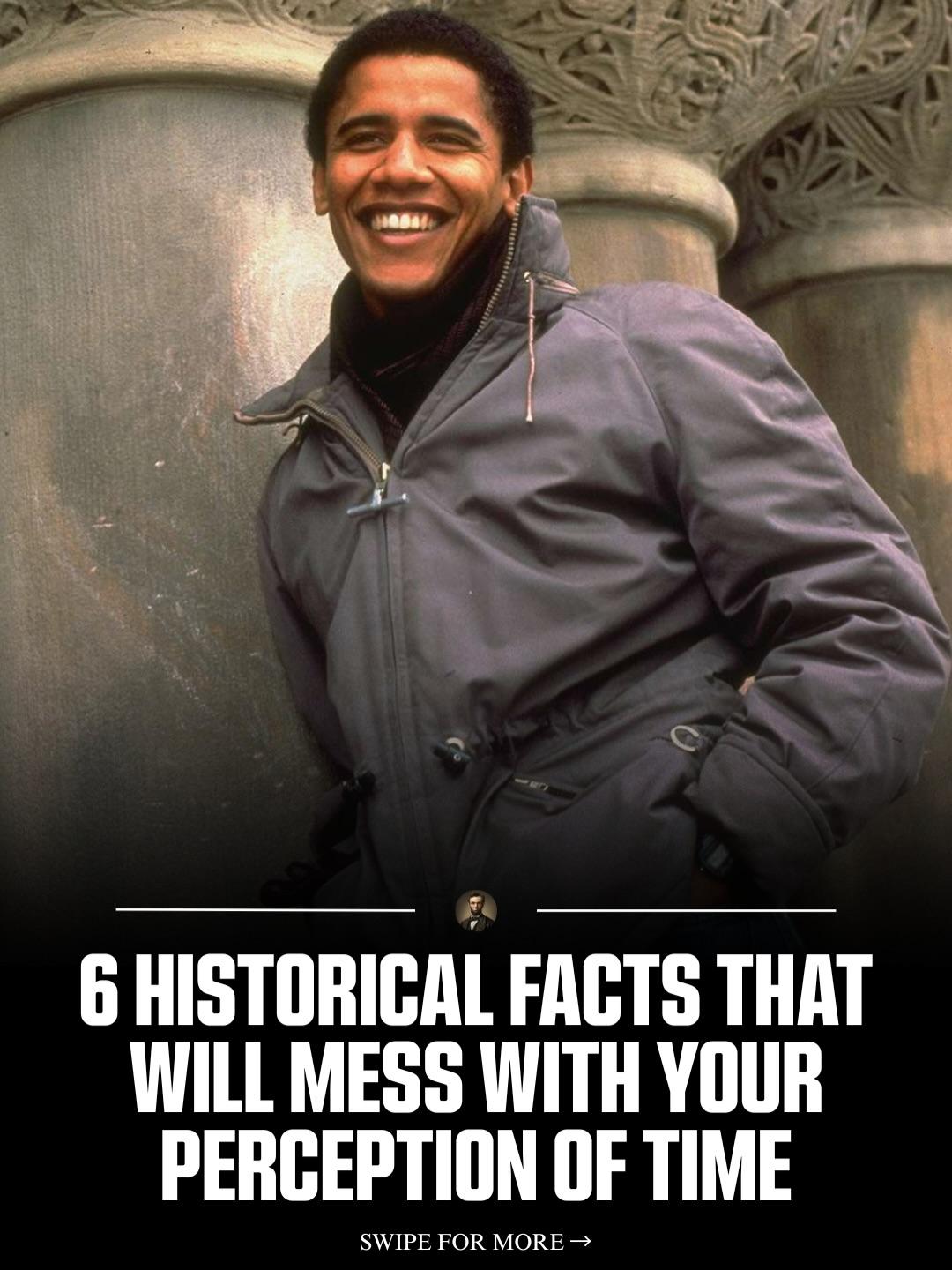
• Time does not move in a simple straight line. It bends, it folds over itself, and it surprises you the moment you look closely.

    Disney entered the world in the same year a vast empire came to an end.

    Harvard was already educating students long before anyone could explain the force of gravity.

    A person from the seventeen hundreds appears briefly in a filmed moment from the twentieth century.

    Families with Viking ancestry now live in an era filled with smartphones.

    The oldest tree on the planet began growing long before human civilization existed.

    And people created music for tens of thousands of years before they ever wrote a word.

    History is not distant.
    It is present.
    It is intertwined.
    And it will always challenge the way you think about time.

    Sources

    Smithsonian • Britannica • Harvard Archives • National Geographic
    Icelandic Sagas and Genealogical Studies • NASA • Royal Society Records
    Natural History Museum • University of Tuebingen Archaeology
    Time does not move in a simple straight line. It bends, it folds over itself, and it surprises you the moment you look closely. Disney entered the world in the same year a vast empire came to an end. Harvard was already educating students long before anyone could explain the force of gravity. A person from the seventeen hundreds appears briefly in a filmed moment from the twentieth century. Families with Viking ancestry now live in an era filled with smartphones. The oldest tree on the planet began growing long before human civilization existed. And people created music for tens of thousands of years before they ever wrote a word. History is not distant. It is present. It is intertwined. And it will always challenge the way you think about time. 📚 Sources Smithsonian • Britannica • Harvard Archives • National Geographic Icelandic Sagas and Genealogical Studies • NASA • Royal Society Records Natural History Museum • University of Tuebingen Archaeology
    ·197 Vue ·0 Aperçu

  • A moment for Jenna Ortega at the Marrakesh Film Festival closing ceremony.⁠

    (: Getty Images)
    A moment for Jenna Ortega at the Marrakesh Film Festival closing ceremony.⁠ ⁠ (📸: Getty Images)
    ·50 Vue ·0 Aperçu
  • 88-year old Army veteran Ed Bambas is thanking his internet supporters from the bottom of his heart for helping raise $1.7 million for his retirement.⁠

    In a video gone viral thanks to Australian influencer Sam Weidenhofer, Ed explained why he continued to work at a local Michigan grocery store after losing his pension from General Motors.
    88-year old Army veteran Ed Bambas is thanking his internet supporters from the bottom of his heart for helping raise $1.7 million for his retirement.⁠ ⁠ In a video gone viral thanks to Australian influencer Sam Weidenhofer, Ed explained why he continued to work at a local Michigan grocery store after losing his pension from General Motors.
    ·130 Vue ·0 Plays ·0 Aperçu
  • These are the sidekicks (or close associates) to the popular superheroes.

    Do you know any sidekick which we have missed?

    #spidermannowayhome #spidermannowayhomeedit #spidermannowayhomeedits #drstrange2onhotstar #doctorstrangeinthemultiverseofmadness #captainamerica #captainamericathewintersoldier #wintersoldier #antmanandthewasp #thor #valkyrie #batman #batmanedit #robin #ironman #warmachine #nedleeds #nedleedsedit
    These are the sidekicks (or close associates) to the popular superheroes. Do you know any sidekick which we have missed? #spidermannowayhome #spidermannowayhomeedit #spidermannowayhomeedits #drstrange2onhotstar #doctorstrangeinthemultiverseofmadness #captainamerica #captainamericathewintersoldier #wintersoldier #antmanandthewasp #thor #valkyrie #batman #batmanedit #robin #ironman #warmachine #nedleeds #nedleedsedit
    ·18 Vue ·0 Aperçu
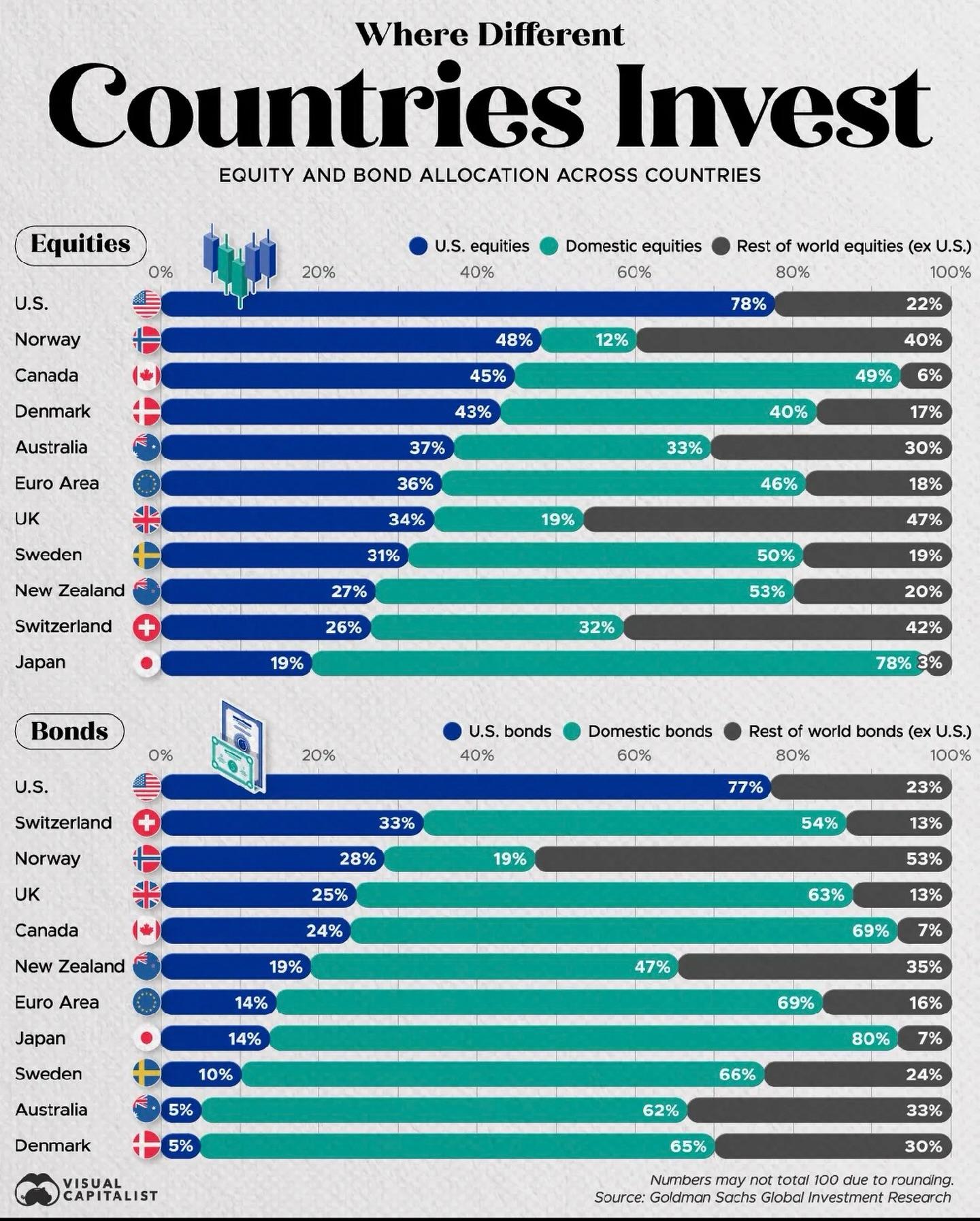
  • Americans invest almost exclusively in America.

    In equities, U.S. investors keep 78% of their exposure at home. Norway, Canada, Denmark, Switzerland, Japan all far more diversified across the world.

    But the real story is in bonds.

    Look at the bottom half of the chart:

    The U.S. owns 77% U.S. bonds and barely any foreign debt.
    Meanwhile:
    Switzerland holds 54% domestic bonds and spreads the rest internationally.
    Norway holds 53% foreign bonds.
    Japan allocates 80% abroad.

    America is the most concentrated bond investor on earth.

    Why?

    Because the U.S. doesn’t need foreign bonds.
    It is the bond market.

    The dollar is the world’s reserve currency.
    U.S. Treasuries are the safest collateral in the global system.
    Every crisis eventually forces capital to flee back to the American bond market.

    European pension funds, Asian institutions, oil sovereign funds, Latin America they all hedge their risk using U.S. debt.
    That creates a feedback loop: foreign demand keeps Treasuries liquid, deep, and stable.

    But here’s the paradox:

    This is the privilege that makes American investors lazy.

    Most countries are forced to diversify internationally.
    They don’t trust their own central banks, governments, or currencies to protect capital in a downturn.
    The U.S. investor never had to learn that lesson.

    So they build portfolios that only work if the last 40 years repeat.

    If interest rates change structurally…
    If debt burdens force fiscal tightening…
    If the dollar loses some share of global trade settlement…
    If other bond markets become viable alternatives…

    That concentration risk finally matters.

    Diversification isn’t about chasing foreign alpha.
    It’s about not betting your entire future on one country’s political system, monetary policy, and demographic trajectory.

    You never hedge when you’re comfortable.
    You hedge when you realize you might not always be.

    #Investing #GlobalMarkets #FixedIncome #Bonds #Equities #Diversification #Portfolio #Wealth #Finance #Macro #USMarkets
    Americans invest almost exclusively in America. In equities, U.S. investors keep 78% of their exposure at home. Norway, Canada, Denmark, Switzerland, Japan all far more diversified across the world. But the real story is in bonds. Look at the bottom half of the chart: The U.S. owns 77% U.S. bonds and barely any foreign debt. Meanwhile: 🇨🇭 Switzerland holds 54% domestic bonds and spreads the rest internationally. 🇳🇴 Norway holds 53% foreign bonds. 🇯🇵 Japan allocates 80% abroad. America is the most concentrated bond investor on earth. Why? Because the U.S. doesn’t need foreign bonds. It is the bond market. The dollar is the world’s reserve currency. U.S. Treasuries are the safest collateral in the global system. Every crisis eventually forces capital to flee back to the American bond market. European pension funds, Asian institutions, oil sovereign funds, Latin America they all hedge their risk using U.S. debt. That creates a feedback loop: foreign demand keeps Treasuries liquid, deep, and stable. But here’s the paradox: This is the privilege that makes American investors lazy. Most countries are forced to diversify internationally. They don’t trust their own central banks, governments, or currencies to protect capital in a downturn. The U.S. investor never had to learn that lesson. So they build portfolios that only work if the last 40 years repeat. If interest rates change structurally… If debt burdens force fiscal tightening… If the dollar loses some share of global trade settlement… If other bond markets become viable alternatives… That concentration risk finally matters. Diversification isn’t about chasing foreign alpha. It’s about not betting your entire future on one country’s political system, monetary policy, and demographic trajectory. You never hedge when you’re comfortable. You hedge when you realize you might not always be. #Investing #GlobalMarkets #FixedIncome #Bonds #Equities #Diversification #Portfolio #Wealth #Finance #Macro #USMarkets
    ·34 Vue ·0 Aperçu
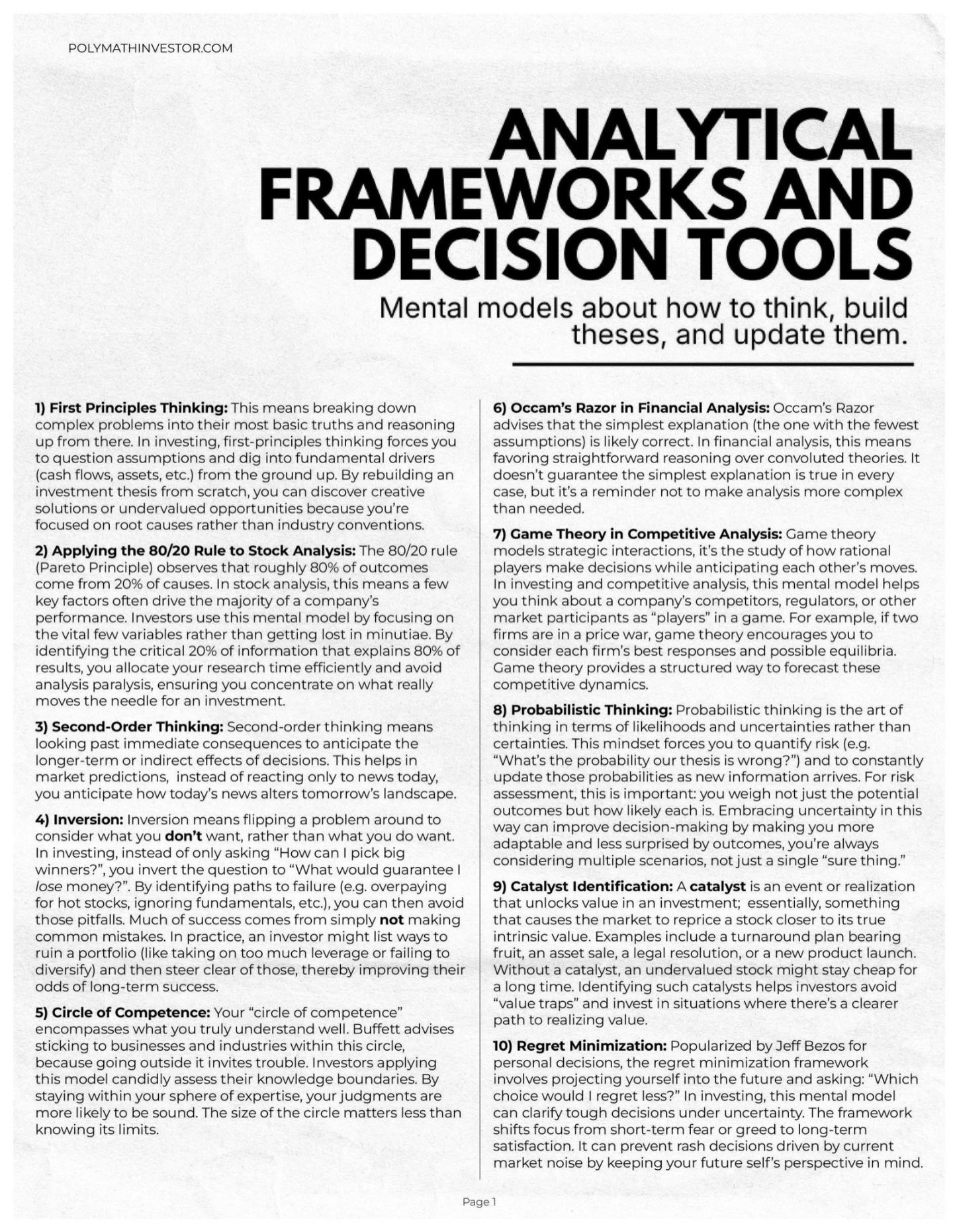
  • 44 mental models every serious investor should know.

    What makes these useful isn’t how many you can memorize it’s how many you can actually apply when making decisions under uncertainty.

    A few worth keeping close:

    The McNamara Fallacy
    What gets measured gets managed but sometimes the most important variables can’t be easily quantified. Markets aren’t just numbers. Sentiment, incentives, governance quality, and strategy don’t fit neatly into a spreadsheet… but they drive outcomes. The danger is letting easy to measure metrics blind you to meaningful but hard to measure risks.

    The Semmelweis Reflex
    Markets hate new information especially information that challenges existing beliefs. Every cycle, investors dismiss certain trends as “temporary”… until they aren’t. Think EVs, cloud software, crypto, AI. Reflexive rejection is comfortable until it becomes expensive.

    The Baader Meinhof Phenomenon
    Once an idea enters your awareness, suddenly you see it everywhere. In markets, this can create false confidence and FOMO. Just because a theme dominates headlines doesn’t mean it’s investable or priced attractively.

    These frameworks don’t tell you what to buy they help you avoid being misled by your own psychology while you do it.

    Great investing is less about predicting the future and more about avoiding the mental traps that keep most people from seeing it clearly.

    #investing #finance
    44 mental models every serious investor should know. What makes these useful isn’t how many you can memorize it’s how many you can actually apply when making decisions under uncertainty. A few worth keeping close: The McNamara Fallacy What gets measured gets managed but sometimes the most important variables can’t be easily quantified. Markets aren’t just numbers. Sentiment, incentives, governance quality, and strategy don’t fit neatly into a spreadsheet… but they drive outcomes. The danger is letting easy to measure metrics blind you to meaningful but hard to measure risks. The Semmelweis Reflex Markets hate new information especially information that challenges existing beliefs. Every cycle, investors dismiss certain trends as “temporary”… until they aren’t. Think EVs, cloud software, crypto, AI. Reflexive rejection is comfortable until it becomes expensive. The Baader Meinhof Phenomenon Once an idea enters your awareness, suddenly you see it everywhere. In markets, this can create false confidence and FOMO. Just because a theme dominates headlines doesn’t mean it’s investable or priced attractively. These frameworks don’t tell you what to buy they help you avoid being misled by your own psychology while you do it. Great investing is less about predicting the future and more about avoiding the mental traps that keep most people from seeing it clearly. #investing #finance
    ·226 Vue ·0 Aperçu
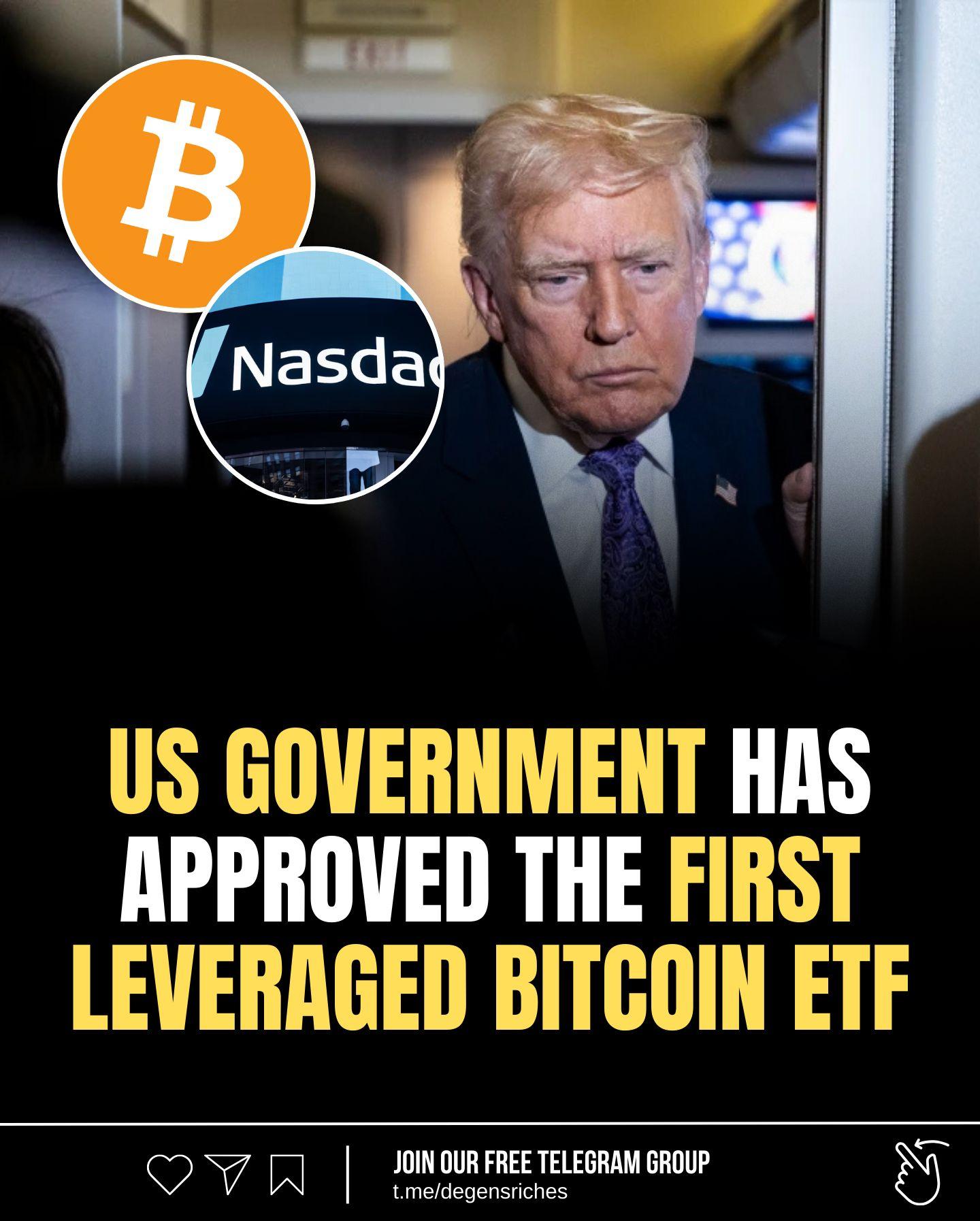
  • The SEC greenlit Volatility Shares’ 2x Bitcoin Strategy ETF (BITX) on December 5, marking the first leveraged spot Bitcoin product amid $52 billion in ETF inflows since January.

    BITX aims to deliver twice the daily performance of Bitcoin futures via CME contracts, targeting sophisticated traders while warning of amplified losses in volatile markets.

    This approval follows spot ETF success, positioning leveraged options as the next wave for hedging and speculation as BTC hovers near $92,000 post-dip.

    Join the free telegram in our bio for daily crypto news and insights
    The SEC greenlit Volatility Shares’ 2x Bitcoin Strategy ETF (BITX) on December 5, marking the first leveraged spot Bitcoin product amid $52 billion in ETF inflows since January. ⠀ BITX aims to deliver twice the daily performance of Bitcoin futures via CME contracts, targeting sophisticated traders while warning of amplified losses in volatile markets. ⠀ This approval follows spot ETF success, positioning leveraged options as the next wave for hedging and speculation as BTC hovers near $92,000 post-dip. ⠀ Join the free telegram in our bio for daily crypto news and insights 📲
    ·16 Vue ·0 Aperçu
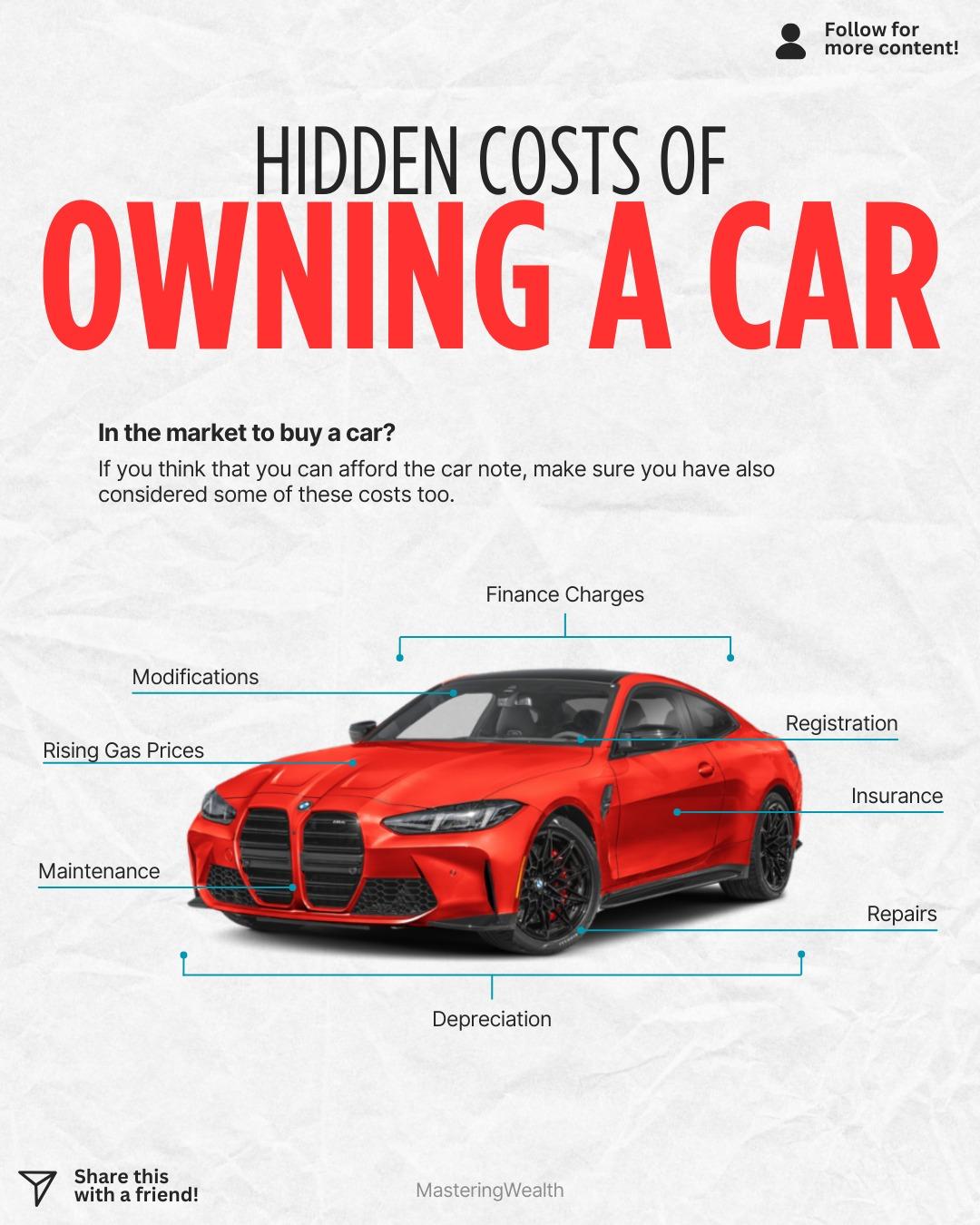
  • Many people think the only thing they need to afford when buying a car is the monthly payment, but the graphic shows that owning a car comes with many hidden expenses that can surprise you. These costs can add up quickly and take a bigger chunk of your budget than expected. Understanding the true cost of car ownership can help you make smarter financial decisions before signing that contract.

    The most overlooked expense is depreciation which starts the moment you drive the car off the lot and continues every year. Even cars that hold value well still lose thousands of dollars over time. This loss is a silent cost because you do not feel it until the moment you try to sell or trade in the car.

    Owning a car also comes with ongoing maintenance. Oil changes, tire replacements, brake pads, and fluids are normal parts of car ownership and these expenses can vary depending on the model you drive. Luxury cars or performance cars usually cost more to maintain because parts and service are more expensive.

    Insurance is another major cost that depends on age, location, driving record, and the value of your vehicle. Many buyers underestimate how much insurance increases when they switch from an older car to a newer one. Registration fees, inspections, and taxes also add yearly expenses that people forget to plan for.

    Gas prices can also shift your entire budget. When prices rise it affects daily driving, commuting, and family trips which can quickly add up depending on how much you drive. And if you enjoy modifications such as wheels, wrap, exhaust systems, or tuning, that becomes an extra financial layer that goes far beyond the original sticker price.

    If you want to see the dividend portfolio I use to offset lifestyle costs and build long term wealth, comment “Stocks” and I will send you the link.

    What hidden car expense surprised you the most when you bought your current vehicle?

    This content is for educational purposes only and is not financial advice. Always do your own research or consult with a licensed professional before making financial decisions.
    Many people think the only thing they need to afford when buying a car is the monthly payment, but the graphic shows that owning a car comes with many hidden expenses that can surprise you. These costs can add up quickly and take a bigger chunk of your budget than expected. Understanding the true cost of car ownership can help you make smarter financial decisions before signing that contract. The most overlooked expense is depreciation which starts the moment you drive the car off the lot and continues every year. Even cars that hold value well still lose thousands of dollars over time. This loss is a silent cost because you do not feel it until the moment you try to sell or trade in the car. Owning a car also comes with ongoing maintenance. Oil changes, tire replacements, brake pads, and fluids are normal parts of car ownership and these expenses can vary depending on the model you drive. Luxury cars or performance cars usually cost more to maintain because parts and service are more expensive. Insurance is another major cost that depends on age, location, driving record, and the value of your vehicle. Many buyers underestimate how much insurance increases when they switch from an older car to a newer one. Registration fees, inspections, and taxes also add yearly expenses that people forget to plan for. Gas prices can also shift your entire budget. When prices rise it affects daily driving, commuting, and family trips which can quickly add up depending on how much you drive. And if you enjoy modifications such as wheels, wrap, exhaust systems, or tuning, that becomes an extra financial layer that goes far beyond the original sticker price. If you want to see the dividend portfolio I use to offset lifestyle costs and build long term wealth, comment “Stocks” and I will send you the link. What hidden car expense surprised you the most when you bought your current vehicle? ⚠️ This content is for educational purposes only and is not financial advice. Always do your own research or consult with a licensed professional before making financial decisions.
    ·57 Vue ·0 Aperçu
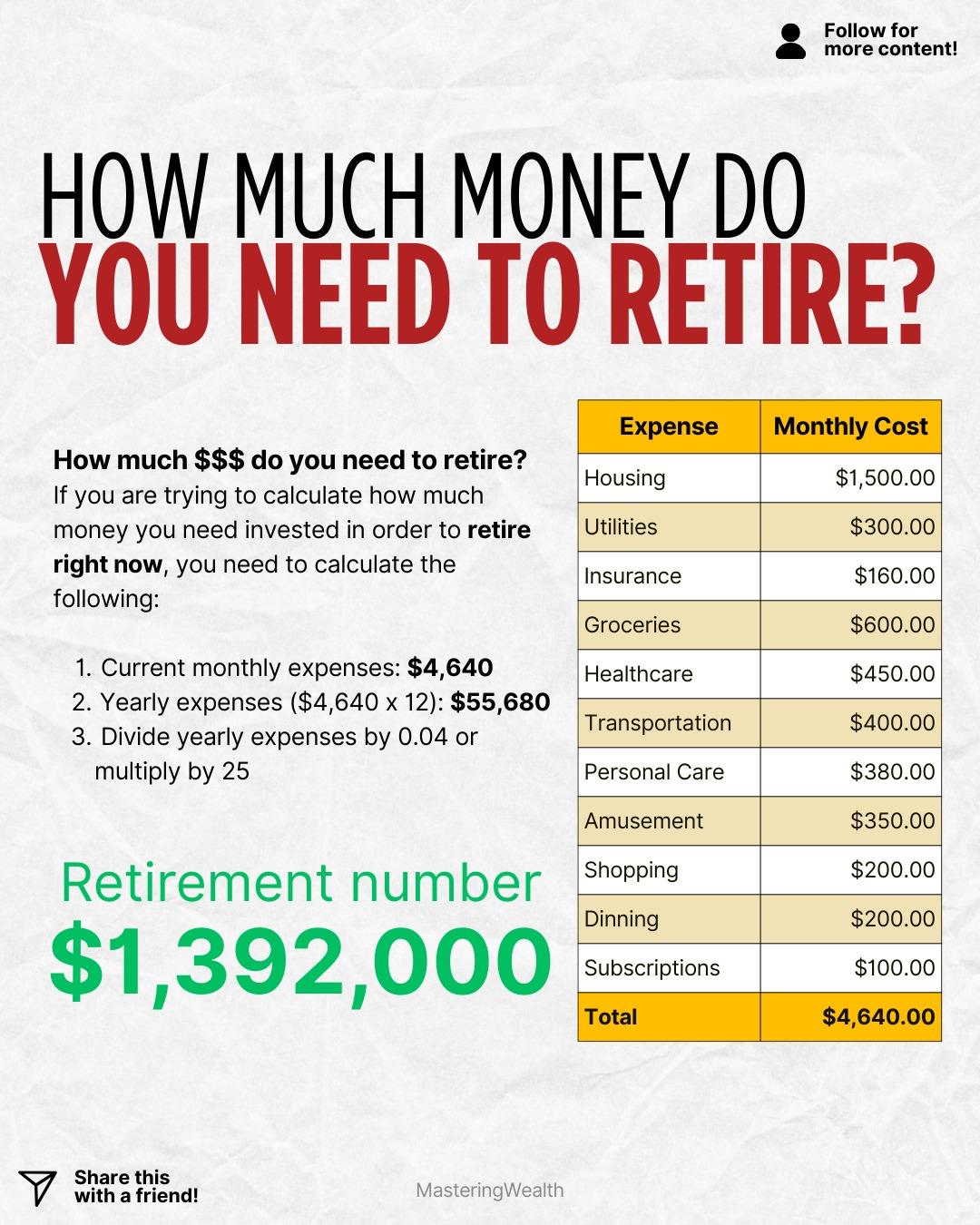
  • Figuring out how much money you need to retire can feel overwhelming, but this graphic breaks it down into a simple formula that anyone can understand. The key is knowing your monthly expenses and then calculating your yearly spending. From there you can use the four percent rule to estimate the total amount you need invested to retire comfortably.

    In this example the monthly expenses are four thousand six hundred forty dollars which adds up to fifty five thousand six hundred eighty dollars per year. When you multiply that number by twenty five you get a retirement number of one million three hundred ninety two thousand dollars. This number represents how much money you would need invested so that a four percent withdrawal rate could support your lifestyle.

    The four percent rule is based on historical market performance and is used as a guideline for safe withdrawals in retirement. It provides a way to estimate how much money your investments can generate each year without running out too quickly. While the exact amount will vary from person to person the formula gives you a starting point for retirement planning.

    Knowing your retirement number helps you map out your journey toward financial independence. It makes your goal feel more realistic because you have a target instead of guessing. Once you know how much you need you can reverse engineer a plan and adjust your savings rate and investment strategy.

    The expenses shown in the chart also remind you that your retirement plan must reflect your real lifestyle. Housing, groceries, transportation, healthcare, subscriptions, entertainment, and personal care all play a role in your overall number. The more accurately you track your expenses the more accurate your retirement calculation will be.

    If you want to see my dividend portfolio which helps me build long term wealth and move closer to financial independence, comment “Stocks” and I will send you the link.

    This content is for educational purposes only and is not financial advice. Always do your own research or consult a licensed professional before making financial decisions.
    Figuring out how much money you need to retire can feel overwhelming, but this graphic breaks it down into a simple formula that anyone can understand. The key is knowing your monthly expenses and then calculating your yearly spending. From there you can use the four percent rule to estimate the total amount you need invested to retire comfortably. In this example the monthly expenses are four thousand six hundred forty dollars which adds up to fifty five thousand six hundred eighty dollars per year. When you multiply that number by twenty five you get a retirement number of one million three hundred ninety two thousand dollars. This number represents how much money you would need invested so that a four percent withdrawal rate could support your lifestyle. The four percent rule is based on historical market performance and is used as a guideline for safe withdrawals in retirement. It provides a way to estimate how much money your investments can generate each year without running out too quickly. While the exact amount will vary from person to person the formula gives you a starting point for retirement planning. Knowing your retirement number helps you map out your journey toward financial independence. It makes your goal feel more realistic because you have a target instead of guessing. Once you know how much you need you can reverse engineer a plan and adjust your savings rate and investment strategy. The expenses shown in the chart also remind you that your retirement plan must reflect your real lifestyle. Housing, groceries, transportation, healthcare, subscriptions, entertainment, and personal care all play a role in your overall number. The more accurately you track your expenses the more accurate your retirement calculation will be. If you want to see my dividend portfolio which helps me build long term wealth and move closer to financial independence, comment “Stocks” and I will send you the link. ⚠️ This content is for educational purposes only and is not financial advice. Always do your own research or consult a licensed professional before making financial decisions.
    ·119 Vue ·0 Aperçu
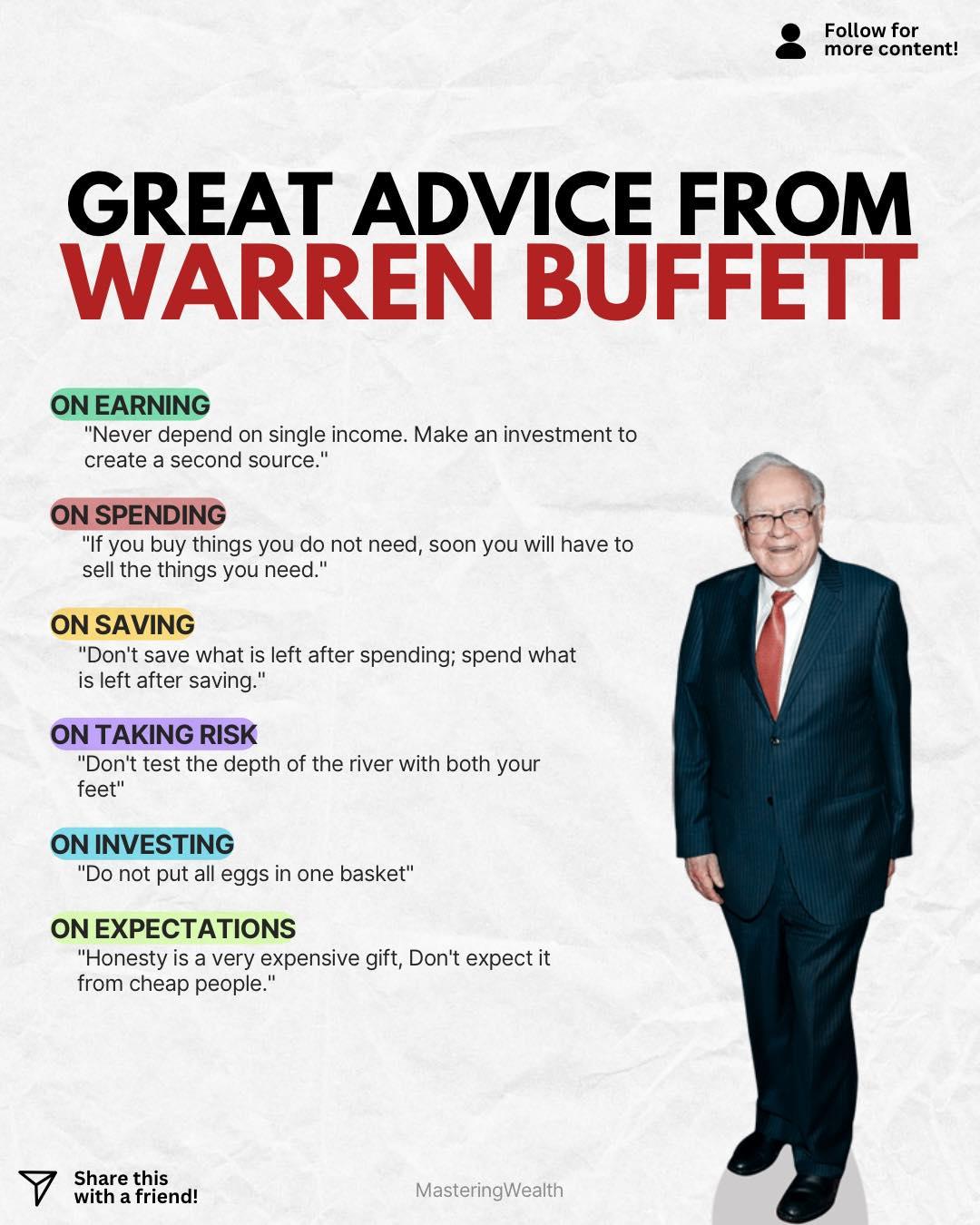
  • Warren Buffett is one of the most respected investors in the world, and his financial wisdom has helped millions of people build better money habits . The advice in this post highlights some of his most powerful lessons on earning, spending, saving, investing and managing expectations. These principles matter because they create a foundation for long term wealth and financial stability.

    One key lesson Buffett teaches is the importance of having more than one income stream. Depending on a single paycheck can leave you vulnerable, which is why building multiple sources of income can protect your financial future. This idea is at the core of wealth building because it gives you flexibility and security.

    Buffett also warns against unnecessary spending. When you buy things you do not need, you increase the risk of losing the things that truly matter later. Smart spending is not about deprivation but about protecting your long term goals and choosing intention over impulse .

    Another powerful point is his view on saving. He encourages people to save first and spend what is left instead of saving whatever remains after spending. This flips the normal habit and helps you grow wealth with discipline.

    Buffett also talks about risk. He reminds us that smart risk is necessary, but reckless risk is dangerous. Testing the depth of the river with both feet can lead to consequences that take years to fix.

    On investing, his message is clear. Avoid putting everything into one place and instead focus on diversification and long term thinking . This protects you from unnecessary losses and helps your money grow steadily.

    If you want the link to my dividend portfolio that I use to build long term passive income, comment the word Stocks and I will send it to you .

    Which piece of Warren Buffett advice speaks to you the most and why

    For more daily financial education, wealth building tips and investing content, follow me at MasteringWealth and level up your money mindset .

    This content is for education only and is not financial advice.
    Warren Buffett is one of the most respected investors in the world, and his financial wisdom has helped millions of people build better money habits 💰📚. The advice in this post highlights some of his most powerful lessons on earning, spending, saving, investing and managing expectations. These principles matter because they create a foundation for long term wealth and financial stability. One key lesson Buffett teaches is the importance of having more than one income stream. Depending on a single paycheck can leave you vulnerable, which is why building multiple sources of income can protect your financial future. This idea is at the core of wealth building because it gives you flexibility and security. Buffett also warns against unnecessary spending. When you buy things you do not need, you increase the risk of losing the things that truly matter later. Smart spending is not about deprivation but about protecting your long term goals and choosing intention over impulse 🧠💡. Another powerful point is his view on saving. He encourages people to save first and spend what is left instead of saving whatever remains after spending. This flips the normal habit and helps you grow wealth with discipline. Buffett also talks about risk. He reminds us that smart risk is necessary, but reckless risk is dangerous. Testing the depth of the river with both feet can lead to consequences that take years to fix. On investing, his message is clear. Avoid putting everything into one place and instead focus on diversification and long term thinking 📈. This protects you from unnecessary losses and helps your money grow steadily. If you want the link to my dividend portfolio that I use to build long term passive income, comment the word Stocks and I will send it to you 📬. Which piece of Warren Buffett advice speaks to you the most and why 🤔 For more daily financial education, wealth building tips and investing content, follow me at MasteringWealth and level up your money mindset 🌟. This content is for education only and is not financial advice.
    ·144 Vue ·0 Aperçu
Plus de résultats
Techawks - Powered By Pantrade Blockchain https://techawks.com