• Glasses that talk, display, track gestures and stream life. Meta’s vision for smart wearables is finally here.

    #TechInformer
    #MetaConnect2025 #MetaGlasses #SmartGlasses #RayBanMeta #OakleyVanguard #WearableTech
    Glasses that talk, display, track gestures and stream life. Meta’s vision for smart wearables is finally here. #TechInformer #MetaConnect2025 #MetaGlasses #SmartGlasses #RayBanMeta #OakleyVanguard #WearableTech
    ·195 Vue ·0 Aperçu
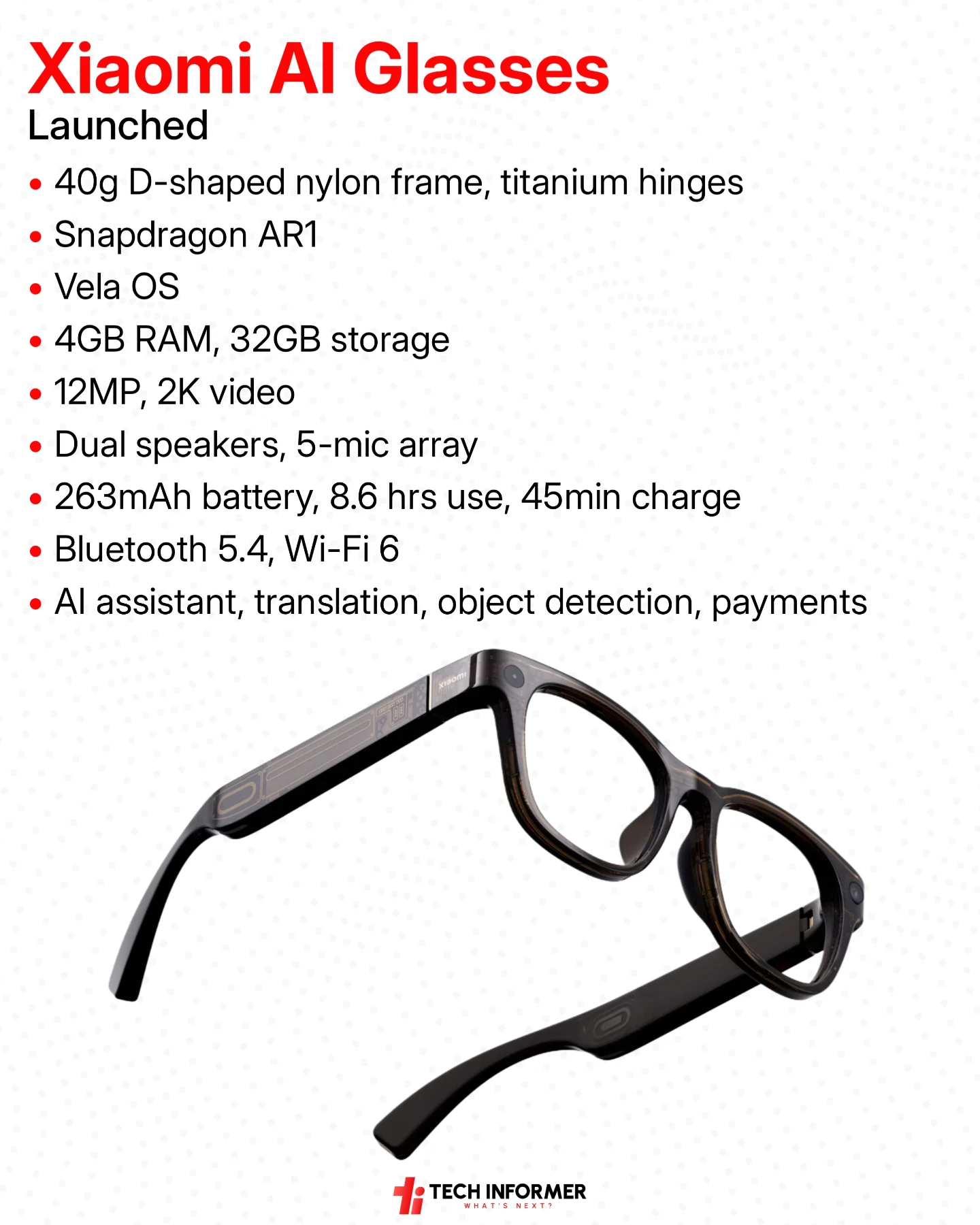
  • Xiaomi has officially unveiled the MIX Flip 2 in China, bringing significant improvements in design, hardware, display, camera, and AI capabilities compared to its predecessor.

    #Techinformer #Xiaomi #SmartGlasses
    Xiaomi has officially unveiled the MIX Flip 2 in China, bringing significant improvements in design, hardware, display, camera, and AI capabilities compared to its predecessor. #Techinformer #Xiaomi #SmartGlasses
    ·205 Vue ·0 Aperçu
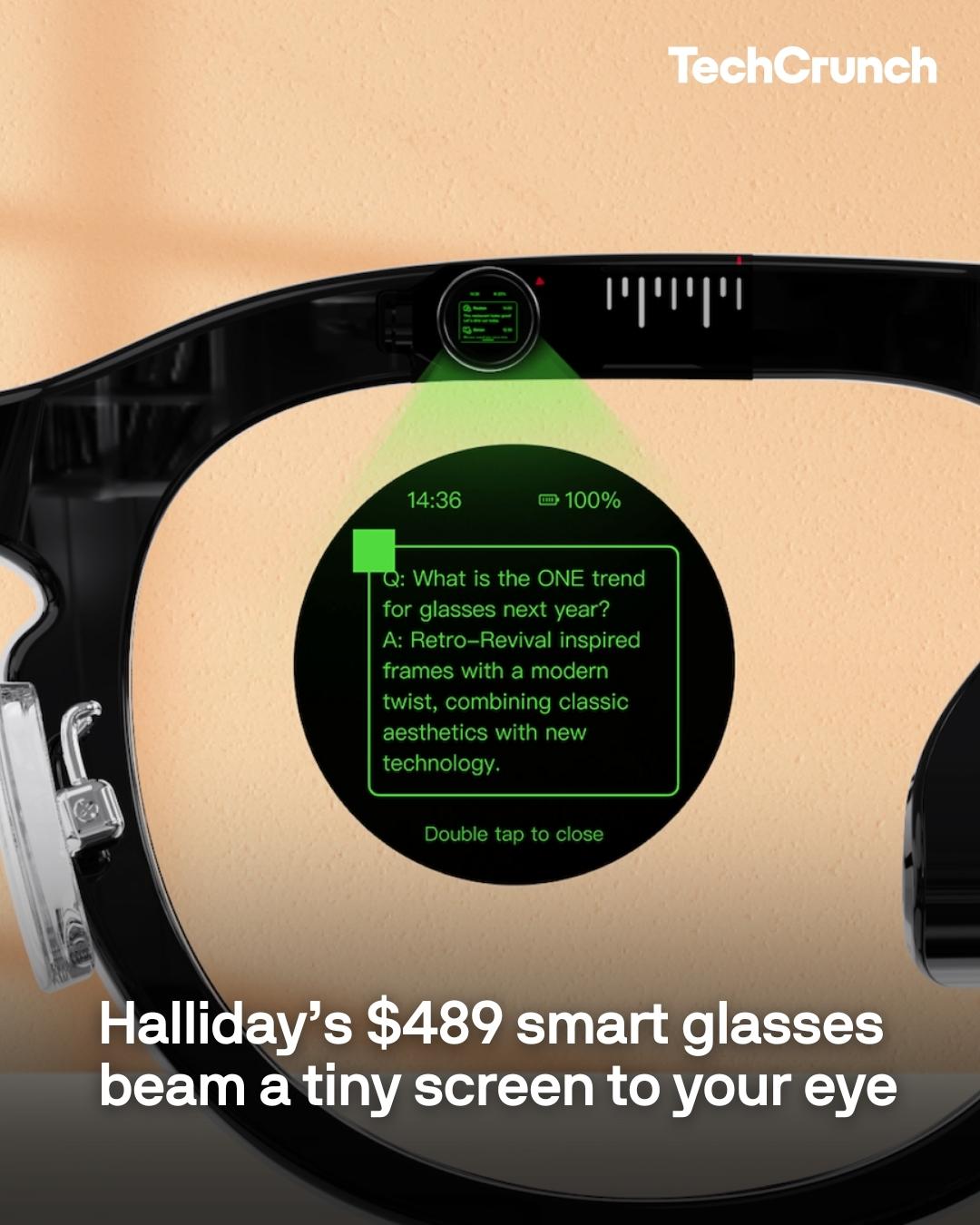
  • Walk up to someone wearing a pair of Halliday’s smart glasses, and you might not notice they’re looking at smartphone notifications, live language translations, or advice from an AI assistant.

    The only giveaway is the tiny green dot of light on their eyeball.

    Wearables startup Halliday launched a pair of smart glasses at CES 2025 that projects a 3.5-inch round display into your line of sight. The device creating the display is called the DigiWindow, and it’s a tiny round module — smaller than your pinky nail — that sits on the inside of the Halliday’s frames just above your right eye.

    By pointing the DigiWindow straight at your eye, Halliday avoids the need for those pricey AR lenses, which makes these smart glasses less expensive than other AR prototypes.

    Read more on Halliday's smart glasses at the link in the bio

    Article by Maxwell Zeff

    Image Credits: Halliday

    #TechCrunch #technews #artificialintelligence #startup #smartglasses
    Walk up to someone wearing a pair of Halliday’s smart glasses, and you might not notice they’re looking at smartphone notifications, live language translations, or advice from an AI assistant. The only giveaway is the tiny green dot of light on their eyeball. Wearables startup Halliday launched a pair of smart glasses at CES 2025 that projects a 3.5-inch round display into your line of sight. The device creating the display is called the DigiWindow, and it’s a tiny round module — smaller than your pinky nail — that sits on the inside of the Halliday’s frames just above your right eye. By pointing the DigiWindow straight at your eye, Halliday avoids the need for those pricey AR lenses, which makes these smart glasses less expensive than other AR prototypes. Read more on Halliday's smart glasses at the link in the bio 👆 Article by Maxwell Zeff Image Credits: Halliday #TechCrunch #technews #artificialintelligence #startup #smartglasses
    ·331 Vue ·0 Aperçu
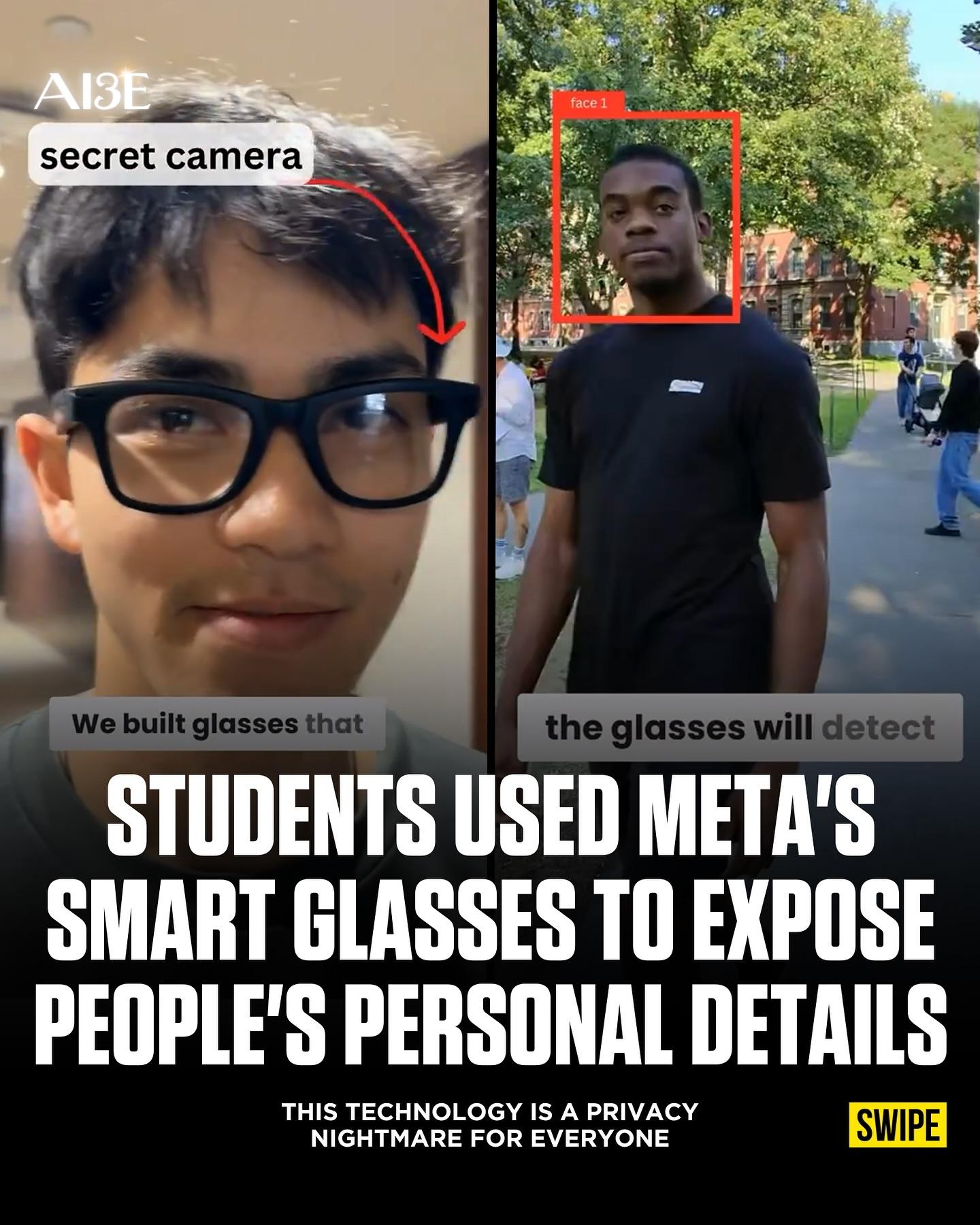
  • Two Harvard students, AnhPhu Nguyen and Caine Ardayfio, have developed a project called I-XRAY, which utilizes Meta’s Ray-Ban smart glasses to identify individuals and retrieve their personal information in real-time.

    The smart glasses capture video and use a facial recognition service called PimEyes to match faces with public databases. This allows the glasses to pull up personal information such as names and addresses.

    While the project showcases the technology’s capabilities, it raises significant privacy concerns.

    The creators want to highlight how easily this technology could be misused for stalking or invading people’s privacy.

    To prevent abuse, they have chosen not to share their code. Instead, they hope their work will encourage important discussions about the ethical issues surrounding facial recognition in our connected world.

    Follow us (@artificialintelligenceee) for everything latest from the AI world.

    Credits: AnhPhuNguyen1/X

    #ai #metasmartglasses #doxing #privacy
    Two Harvard students, AnhPhu Nguyen and Caine Ardayfio, have developed a project called I-XRAY, which utilizes Meta’s Ray-Ban smart glasses to identify individuals and retrieve their personal information in real-time. The smart glasses capture video and use a facial recognition service called PimEyes to match faces with public databases. This allows the glasses to pull up personal information such as names and addresses. While the project showcases the technology’s capabilities, it raises significant privacy concerns. The creators want to highlight how easily this technology could be misused for stalking or invading people’s privacy. To prevent abuse, they have chosen not to share their code. Instead, they hope their work will encourage important discussions about the ethical issues surrounding facial recognition in our connected world. Follow us (👉@artificialintelligenceee) for everything latest from the AI world. Credits: AnhPhuNguyen1/X #ai #metasmartglasses #doxing #privacy
    ·611 Vue ·0 Aperçu
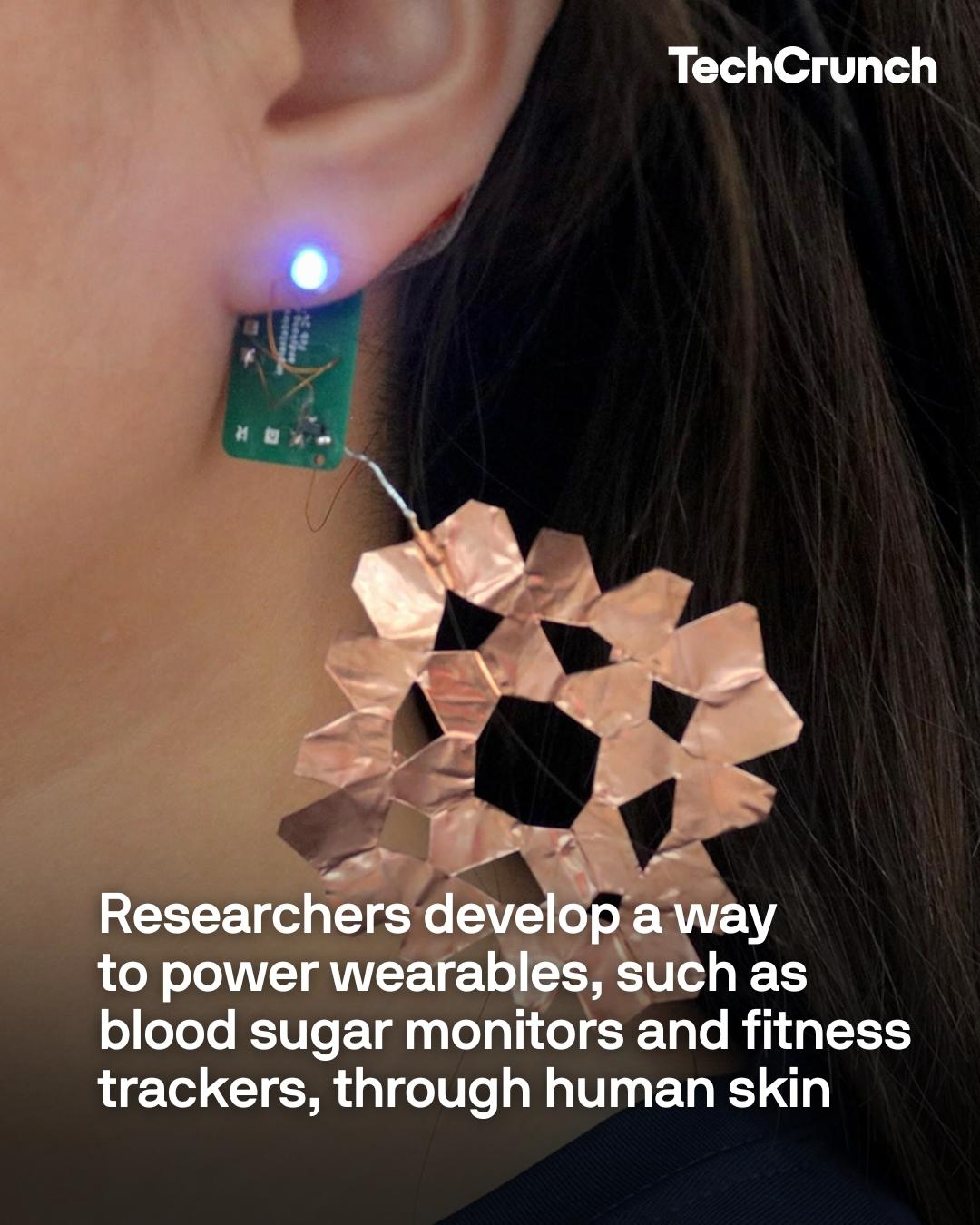
  • The dream of battery-free devices has taken an unlikely turn, as Carnegie Mellon researchers debuted Power-Over-Skin.

    The technology allows for electrical currents to travel through human skin in a bid to power things like blood sugar monitors, pacemakers, and even consumer wearables like smartglasses and fitness trackers.

    Researchers note the tech is still in “early stages.” At the moment, they’ve showcased the tech supporting low-power electronics like the LED earring pictured above.

    “It’s similar to how a radio uses the air as the medium between the transmitter station and your car stereo,” notes CMU researcher Andy Kong. “We’re just using body tissue as the transmitting medium in this case.”

    Image Credits: Carnegie-Mellon University

    #TechCrunch #technews #biotech #hardware #gadget #tech
    The dream of battery-free devices has taken an unlikely turn, as Carnegie Mellon researchers debuted Power-Over-Skin. The technology allows for electrical currents to travel through human skin in a bid to power things like blood sugar monitors, pacemakers, and even consumer wearables like smartglasses and fitness trackers. Researchers note the tech is still in “early stages.” At the moment, they’ve showcased the tech supporting low-power electronics like the LED earring pictured above. “It’s similar to how a radio uses the air as the medium between the transmitter station and your car stereo,” notes CMU researcher Andy Kong. “We’re just using body tissue as the transmitting medium in this case.” Image Credits: Carnegie-Mellon University #TechCrunch #technews #biotech #hardware #gadget #tech
    ·477 Vue ·0 Aperçu
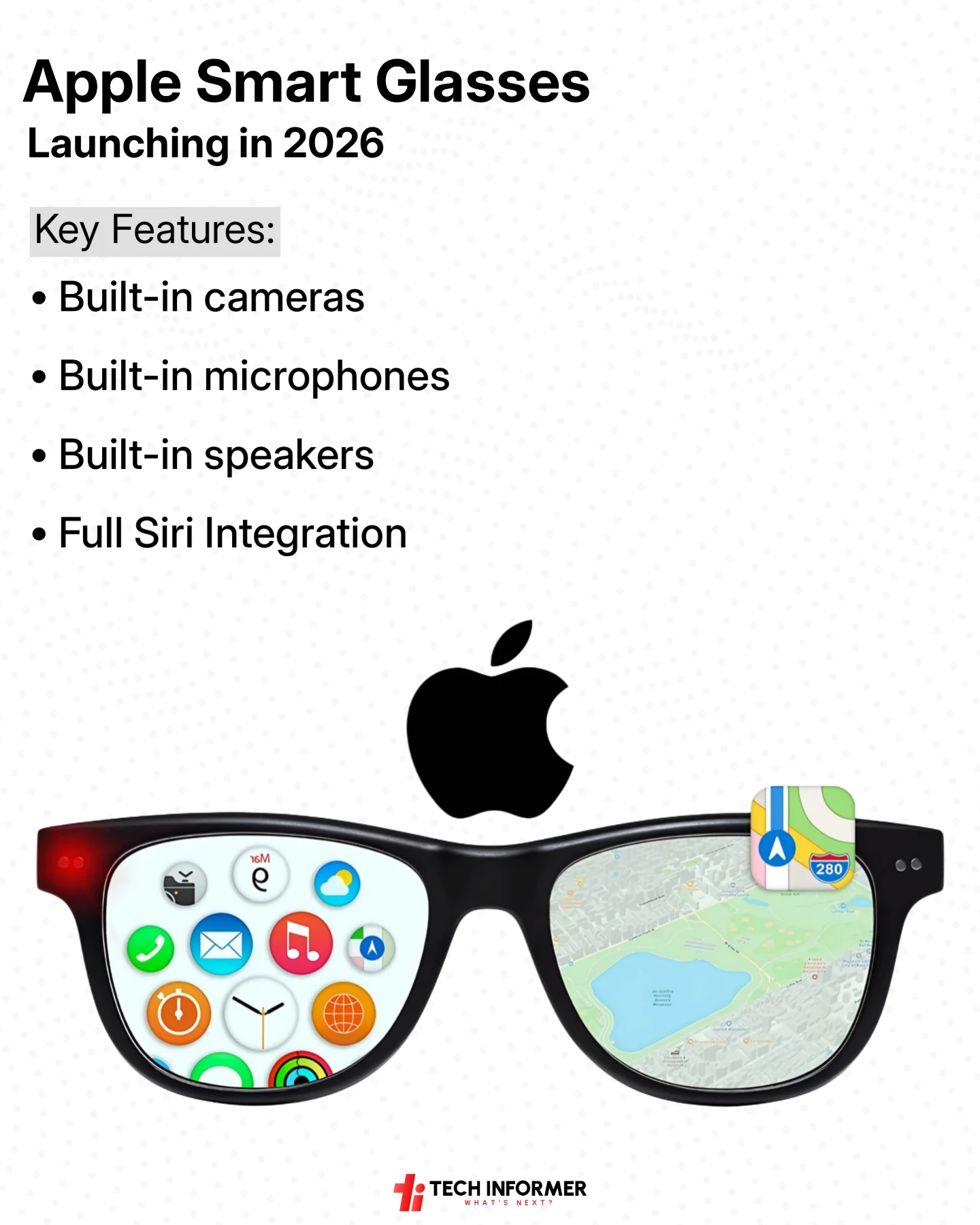
  • A Bloomberg report suggests that Apple may release smart glasses as early as next year, signaling a shift toward wearable AI technology. The new device is anticipated to rival Meta’s popular Ray-Ban smart glasses, known for their impressive features and affordability.

    #Techinformer #Apple #SmartGlasses
    A Bloomberg report suggests that Apple may release smart glasses as early as next year, signaling a shift toward wearable AI technology. The new device is anticipated to rival Meta’s popular Ray-Ban smart glasses, known for their impressive features and affordability. #Techinformer #Apple #SmartGlasses
    ·181 Vue ·0 Aperçu
Techawks - Powered By Pantrade Blockchain https://techawks.com