• Former CIA officer John Kiriakou claims the agency has the ability to remotely access certain smart TVs, activate their internal components, and use built-in speakers as improvised microphones to capture audio — even when the TV appears to be off. His comments echo long-standing concerns raised by earlier leaked documents describing intelligence tools capable of exploiting everyday consumer devices.

    While tech companies deny giving intelligence agencies direct access, security researchers note that any internet-connected device with speakers or microphones can be vulnerable if security flaws are present.

    Kiriakou’s claim has revived discussions about digital privacy, government surveillance, and how much autonomy consumers truly have over the technology in their homes. For many, the debate is no longer about whether such capabilities exist, but whether they’re already being used without public knowledge or oversight.

    -
    #PrivacyConcerns #DigitalSurveillance #DidYouKnow #DataProtection #Tech

    Former CIA officer John Kiriakou claims the agency has the ability to remotely access certain smart TVs, activate their internal components, and use built-in speakers as improvised microphones to capture audio — even when the TV appears to be off. His comments echo long-standing concerns raised by earlier leaked documents describing intelligence tools capable of exploiting everyday consumer devices. While tech companies deny giving intelligence agencies direct access, security researchers note that any internet-connected device with speakers or microphones can be vulnerable if security flaws are present. Kiriakou’s claim has revived discussions about digital privacy, government surveillance, and how much autonomy consumers truly have over the technology in their homes. For many, the debate is no longer about whether such capabilities exist, but whether they’re already being used without public knowledge or oversight. - #PrivacyConcerns #DigitalSurveillance #DidYouKnow #DataProtection #Tech
    ·444 Views ·0 Reviews

  • If you’ve heard that a VPN provider can help protect your privacy and security online, don’t believe the hype. The truth is that most people don’t actually need a VPN.

    If you’re in the majority who don’t need to use a VPN, there are still easy and effective ways to reduce the trail of data that you leave behind as you browse the web. Some of these ways include the use of simple tools in your browser that can automatically prevent online trackers from collecting information about you to begin with, and encrypting your web browsing traffic that makes it more difficult for anyone to snoop on the sites and services you access.

    There are no one-size-fits-all solutions or a panacea for absolute privacy. Instead, all of these simple steps can provide additional and meaningful privacy as you use the web, and we’ll explain how.

    Read all the steps to protecting your privacy online, without a VPN, at the link in the bio

    Article by Zack Whittaker

    Image Credits: Kaspars Grinvalds

    #TechCrunch #technews #privacy #cybersecurity #VPN
    If you’ve heard that a VPN provider can help protect your privacy and security online, don’t believe the hype. The truth is that most people don’t actually need a VPN. If you’re in the majority who don’t need to use a VPN, there are still easy and effective ways to reduce the trail of data that you leave behind as you browse the web. Some of these ways include the use of simple tools in your browser that can automatically prevent online trackers from collecting information about you to begin with, and encrypting your web browsing traffic that makes it more difficult for anyone to snoop on the sites and services you access. There are no one-size-fits-all solutions or a panacea for absolute privacy. Instead, all of these simple steps can provide additional and meaningful privacy as you use the web, and we’ll explain how. Read all the steps to protecting your privacy online, without a VPN, at the link in the bio 👆 Article by Zack Whittaker Image Credits: Kaspars Grinvalds #TechCrunch #technews #privacy #cybersecurity #VPN
    ·55 Views ·0 Reviews
  • Gmail and Gemini users should take note of this.

    Google’s new AI features can now access your emails, attachments, and documents, and it’s on by default.

    This raises serious privacy concerns.

    Learn how to turn it off and reclaim your privacy.

    Save and share this post, most people don’t even know it’s happening.

    #ai #artificialintelligence #aitools #aihacks #chatgpt
    🚨⚠️ Gmail and Gemini users should take note of this. Google’s new AI features can now access your emails, attachments, and documents, and it’s on by default. This raises serious privacy concerns. Learn how to turn it off and reclaim your privacy. Save and share this post, most people don’t even know it’s happening. ✅ #ai #artificialintelligence #aitools #aihacks #chatgpt
    ·86 Views ·0 Reviews
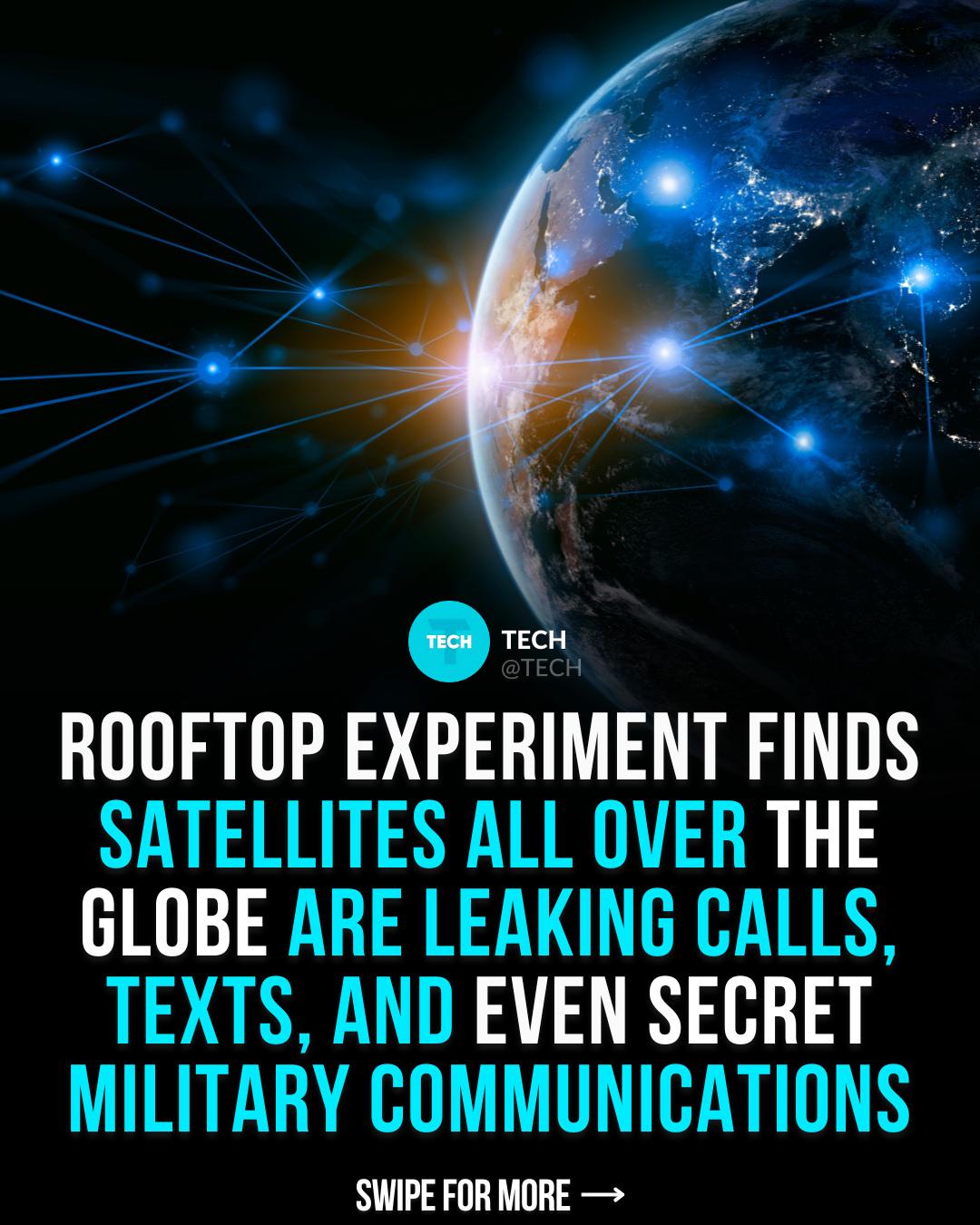
  • In San Diego, a small research team pointed a cheap residential satellite dish at the sky and watched the world's private traffic pour in. Using about $800 of off the shelf hardware and open source tools, they spent three years sweeping geostationary satellites that sit 22,000 miles above Earth and still quietly handle backhaul for airlines, remote cell towers, oil rigs, utilities, and governments. Instead of hardened, encrypted links, they kept finding raw, readable data flowing straight into their receiver.⁠

    From just 39 satellites, only a slice of the global geostationary fleet, the team captured private phone calls, text messages, in flight Wi Fi sessions, and internal corporate and government communications. A nine hour recording of T Mobile satellite backhaul revealed more than 2,700 phone numbers plus one side of users’ calls and SMS. Other links exposed browsing activity from passengers on commercial flights and traffic from rural internet customers whose data had been routed skyward without proper protection.⁠

    The leaks went far beyond consumer chatter. Mexican military and police units were broadcasting mission details, asset locations, and helicopter maintenance logs in the clear. U.S. vessels were transmitting unencrypted internal traffic that revealed ship identities and movements. Operators of critical infrastructure, including a major Latin American electric utility, were sending status reports, customer records, and failure alerts with no end to end encryption at all, creating an easy starting point for espionage or disruption.⁠

    After quiet disclosure, some firms, including T Mobile and AT&T, scrambled to add encryption, while others lagged behind. The researchers are now preparing an open source toolkit, named after their paper “Don’t Look Up,” so regulators, defenders, and operators can see for themselves what is leaking from orbit. The larger lesson is blunt, security by hoping nobody looks up is not security, it is an invitation.⁠

    #satellites #cybersecurity #encryption #infosec #space #communications #datasecurity #privacy #technology
    In San Diego, a small research team pointed a cheap residential satellite dish at the sky and watched the world's private traffic pour in. Using about $800 of off the shelf hardware and open source tools, they spent three years sweeping geostationary satellites that sit 22,000 miles above Earth and still quietly handle backhaul for airlines, remote cell towers, oil rigs, utilities, and governments. Instead of hardened, encrypted links, they kept finding raw, readable data flowing straight into their receiver.⁠ ⁠ From just 39 satellites, only a slice of the global geostationary fleet, the team captured private phone calls, text messages, in flight Wi Fi sessions, and internal corporate and government communications. A nine hour recording of T Mobile satellite backhaul revealed more than 2,700 phone numbers plus one side of users’ calls and SMS. Other links exposed browsing activity from passengers on commercial flights and traffic from rural internet customers whose data had been routed skyward without proper protection.⁠ ⁠ The leaks went far beyond consumer chatter. Mexican military and police units were broadcasting mission details, asset locations, and helicopter maintenance logs in the clear. U.S. vessels were transmitting unencrypted internal traffic that revealed ship identities and movements. Operators of critical infrastructure, including a major Latin American electric utility, were sending status reports, customer records, and failure alerts with no end to end encryption at all, creating an easy starting point for espionage or disruption.⁠ ⁠ After quiet disclosure, some firms, including T Mobile and AT&T, scrambled to add encryption, while others lagged behind. The researchers are now preparing an open source toolkit, named after their paper “Don’t Look Up,” so regulators, defenders, and operators can see for themselves what is leaking from orbit. The larger lesson is blunt, security by hoping nobody looks up is not security, it is an invitation.⁠ ⁠ #satellites #cybersecurity #encryption #infosec #space #communications #datasecurity #privacy #technology
    ·264 Views ·0 Reviews
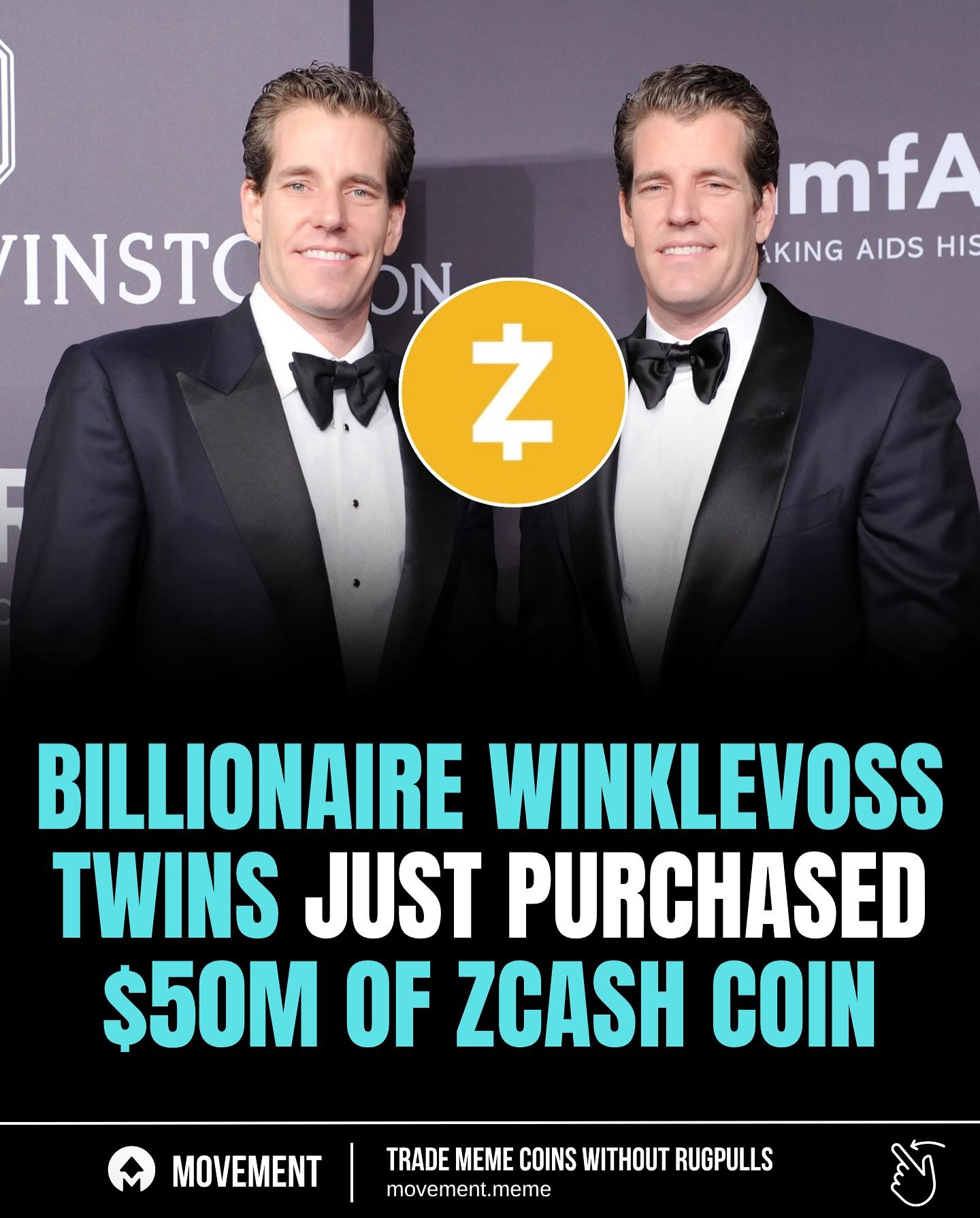
  • The Winklevoss twins just purchased $50 million worth of Zcash, signaling growing interest in privacy-focused crypto assets.

    Their move comes as ZEC trading volume has spiked in recent weeks, with analysts watching for a potential trend reversal.

    Download the Movement Market app in my bio and start trading memecoins
    The Winklevoss twins just purchased $50 million worth of Zcash, signaling growing interest in privacy-focused crypto assets. Their move comes as ZEC trading volume has spiked in recent weeks, with analysts watching for a potential trend reversal. Download the Movement Market app in my bio and start trading memecoins 🚀
    ·79 Views ·0 Reviews
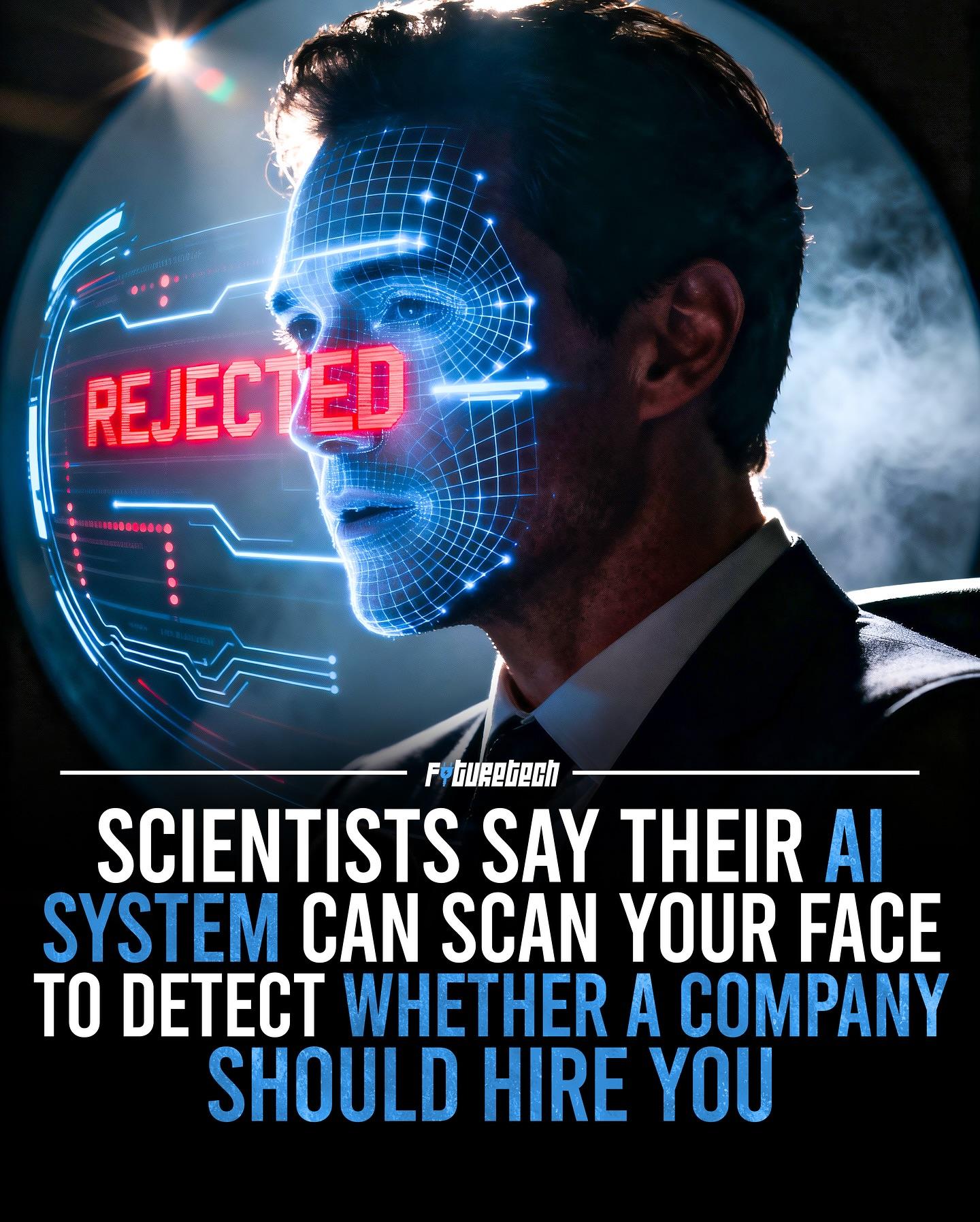
  • Researchers at the University of Pennsylvania have sparked controversy after revealing an AI system capable of predicting personality traits, and even potential financial success, simply by analyzing people’s faces.

    Flagged by The Economist, the study used headshots of 96,000 MBA graduates from LinkedIn to train an algorithm that extracted five key personality traits: openness, conscientiousness, extraversion, agreeableness, and neuroticism. The team claimed the AI could link these traits to career outcomes, with extraversion emerging as the strongest predictor of higher pay.

    Critics say the findings raise serious ethical and privacy concerns, warning that such technology could lead to discrimination if used in hiring, finance, or law enforcement. Yet similar systems are already in use – AI now verifies driver’s licenses in some U.S. states and assists U.K. police in facial recognition efforts, despite notable error rates.

    The researchers themselves caution that widespread adoption might push individuals to alter their appearance or digital images. Whether corporations will weaponize this data-driven judgment remains uncertain, but in a world obsessed with metrics, many fear it’s only a matter of time.

    Follow us @FutureTech for more!
    Researchers at the University of Pennsylvania have sparked controversy after revealing an AI system capable of predicting personality traits, and even potential financial success, simply by analyzing people’s faces. Flagged by The Economist, the study used headshots of 96,000 MBA graduates from LinkedIn to train an algorithm that extracted five key personality traits: openness, conscientiousness, extraversion, agreeableness, and neuroticism. The team claimed the AI could link these traits to career outcomes, with extraversion emerging as the strongest predictor of higher pay. Critics say the findings raise serious ethical and privacy concerns, warning that such technology could lead to discrimination if used in hiring, finance, or law enforcement. Yet similar systems are already in use – AI now verifies driver’s licenses in some U.S. states and assists U.K. police in facial recognition efforts, despite notable error rates. The researchers themselves caution that widespread adoption might push individuals to alter their appearance or digital images. Whether corporations will weaponize this data-driven judgment remains uncertain, but in a world obsessed with metrics, many fear it’s only a matter of time. Follow us 👉 @FutureTech for more! 🔌
    ·137 Views ·0 Reviews
  • Apple has removed an app called ICEBlock from the App Store after warnings from law enforcement. ICEBlock let people mark on a map where they saw immigration officers, and then shared those alerts with others nearby. Attorney General Pam Bondi said the app was dangerous because it put officers at risk, and asked Apple to take it down. Apple agreed, saying it wanted the App Store to remain safe and trusted.⁠

    The removal happened shortly after a shooting at an ICE building in Dallas, where a gunman fired from a rooftop and killed two detainees. Officials claimed the shooter used tracking apps like ICEBlock to target the facility. ICEBlock’s creator, Joshua Aaron, says this is false. He argues the app was designed to protect communities during immigration raids, not to endanger officers, and points out it was downloaded more than a million times. He says he will fight Apple’s decision.⁠

    Apple has made similar moves before. In 2019, it removed an app used by Hong Kong protesters to track police. In 2021, it removed a voting app tied to Russian opposition leader Alexey Navalny. Last year in China, Apple pulled WhatsApp, Telegram, and other messaging apps after pressure from local authorities. These cases show Apple often bends to government requests, even when the apps are popular.⁠

    Experts warn that governments can pressure private companies into silencing apps without passing any laws. That means Apple’s App Store has become a powerful gatekeeper, deciding which tools people can or cannot use when safety and politics collide.⁠

    #apple #appstore #privacy #freespeech #immigration #lawenforcement #technology #policy
    Apple has removed an app called ICEBlock from the App Store after warnings from law enforcement. ICEBlock let people mark on a map where they saw immigration officers, and then shared those alerts with others nearby. Attorney General Pam Bondi said the app was dangerous because it put officers at risk, and asked Apple to take it down. Apple agreed, saying it wanted the App Store to remain safe and trusted.⁠ ⁠ The removal happened shortly after a shooting at an ICE building in Dallas, where a gunman fired from a rooftop and killed two detainees. Officials claimed the shooter used tracking apps like ICEBlock to target the facility. ICEBlock’s creator, Joshua Aaron, says this is false. He argues the app was designed to protect communities during immigration raids, not to endanger officers, and points out it was downloaded more than a million times. He says he will fight Apple’s decision.⁠ ⁠ Apple has made similar moves before. In 2019, it removed an app used by Hong Kong protesters to track police. In 2021, it removed a voting app tied to Russian opposition leader Alexey Navalny. Last year in China, Apple pulled WhatsApp, Telegram, and other messaging apps after pressure from local authorities. These cases show Apple often bends to government requests, even when the apps are popular.⁠ ⁠ Experts warn that governments can pressure private companies into silencing apps without passing any laws. That means Apple’s App Store has become a powerful gatekeeper, deciding which tools people can or cannot use when safety and politics collide.⁠ ⁠ #apple #appstore #privacy #freespeech #immigration #lawenforcement #technology #policy
    ·217 Views ·0 Reviews
  • Most people think owning a house in their own name is the ultimate dream.
    But the wealthy don’t “own” houses… they control them through companies, LLPs, or trusts.
    Why?
    Privacy (no personal name in public records)
    Tax benefits (deductions + depreciation)
    Protection (can’t be seized easily in lawsuits)
    Easy inheritance (avoiding family fights)
    Business leverage (use as collateral for growth)

    Remember this:
    The middle-class works for money.
    The rich make money work for them.

    Follow @marketing.growmatics for money secrets schools never teach!

    #MoneySecrets #WealthBuilding #RichVsPoor #FinanceHacks #MoneyMindset #ControlNotOwnership #WealthWisdom #Viral #Explore #FinancialFreedom #SmartMoneyMoves #MarketingGrowmatics #House
    Most people think owning a house in their own name is the ultimate dream. But the wealthy don’t “own” houses… they control them through companies, LLPs, or trusts. Why? ✅ Privacy (no personal name in public records) ✅ Tax benefits (deductions + depreciation) ✅ Protection (can’t be seized easily in lawsuits) ✅ Easy inheritance (avoiding family fights) ✅ Business leverage (use as collateral for growth) 💡 Remember this: The middle-class works for money. The rich make money work for them. Follow @marketing.growmatics for money secrets schools never teach! #MoneySecrets #WealthBuilding #RichVsPoor #FinanceHacks #MoneyMindset #ControlNotOwnership #WealthWisdom #Viral #Explore #FinancialFreedom #SmartMoneyMoves #MarketingGrowmatics #House
    ·246 Views ·0 Reviews
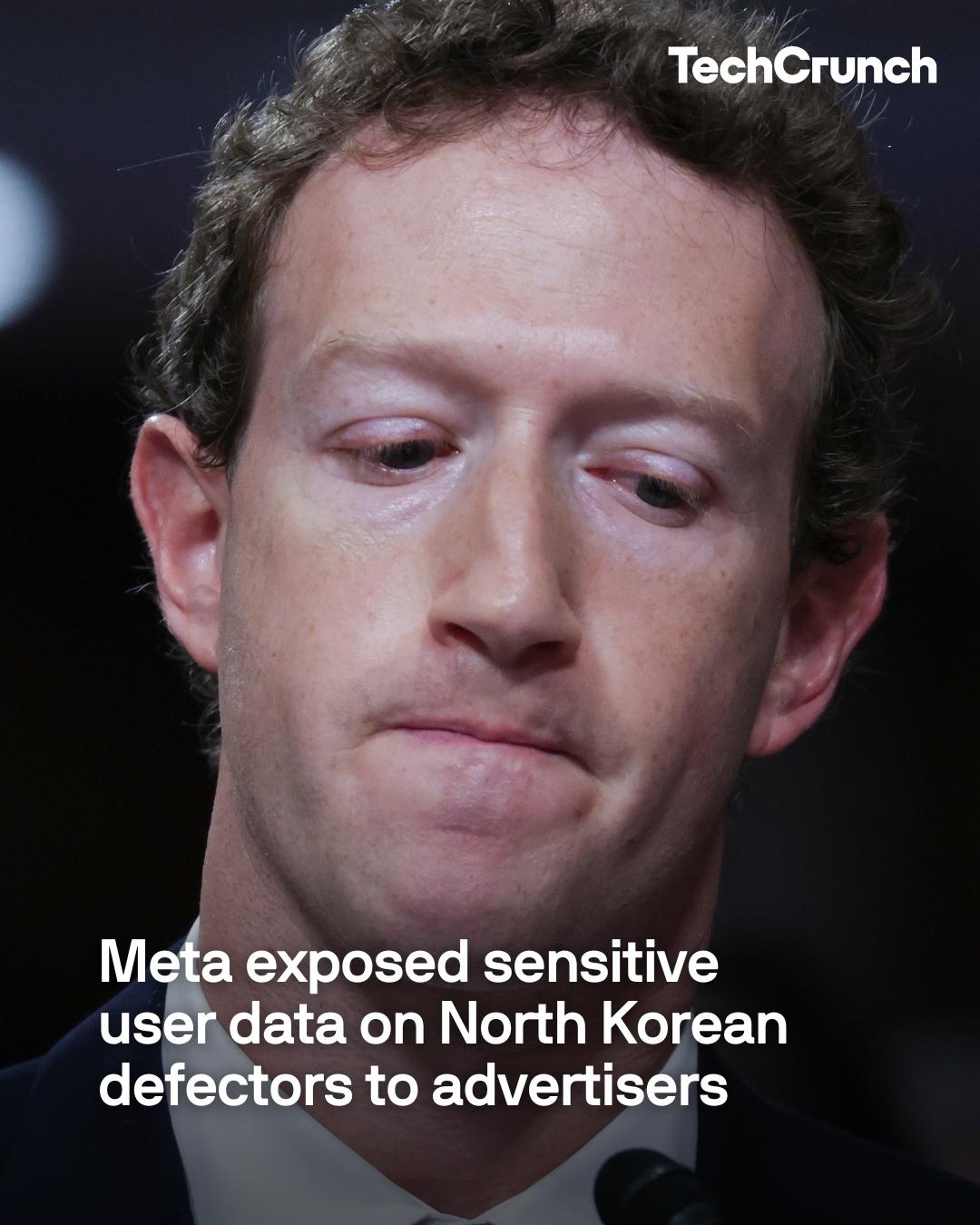
  • Meta has added another privacy sanction to its extensive collection: South Korea’s data protection agency fined the social media giant around $15.7 million for processing sensitive user data and passing it to advertisers without a proper legal basis, Reuters reports.

    Seoul’s Personal Information Protection Commission (PIPC) found Facebook’s parent collected information from about 980,000 users, on sensitive topics such as politics, sexuality, and religion, without obtaining their permission. It then shared it with some 4,000 advertisers in violation of local data protection rules.

    Meta obtained the sensitive behavioral data by analyzing pages users had liked and ads they’d clicked on, among other tracking and profiling methods.

    Read more on Meta exposing North Korean defectors' info to advertisers at the link in the bio

    Article by Natasha Lomas

    Image Credits: Alex Wong / Staff / Getty Images

    #TechCrunch #technews #Meta #advertising #socialmedia #MarkZuckerberg #Meta
    Meta has added another privacy sanction to its extensive collection: South Korea’s data protection agency fined the social media giant around $15.7 million for processing sensitive user data and passing it to advertisers without a proper legal basis, Reuters reports. Seoul’s Personal Information Protection Commission (PIPC) found Facebook’s parent collected information from about 980,000 users, on sensitive topics such as politics, sexuality, and religion, without obtaining their permission. It then shared it with some 4,000 advertisers in violation of local data protection rules. Meta obtained the sensitive behavioral data by analyzing pages users had liked and ads they’d clicked on, among other tracking and profiling methods. Read more on Meta exposing North Korean defectors' info to advertisers at the link in the bio 👆 Article by Natasha Lomas Image Credits: Alex Wong / Staff / Getty Images #TechCrunch #technews #Meta #advertising #socialmedia #MarkZuckerberg #Meta
    ·370 Views ·0 Reviews
  • in the clerb we all fam

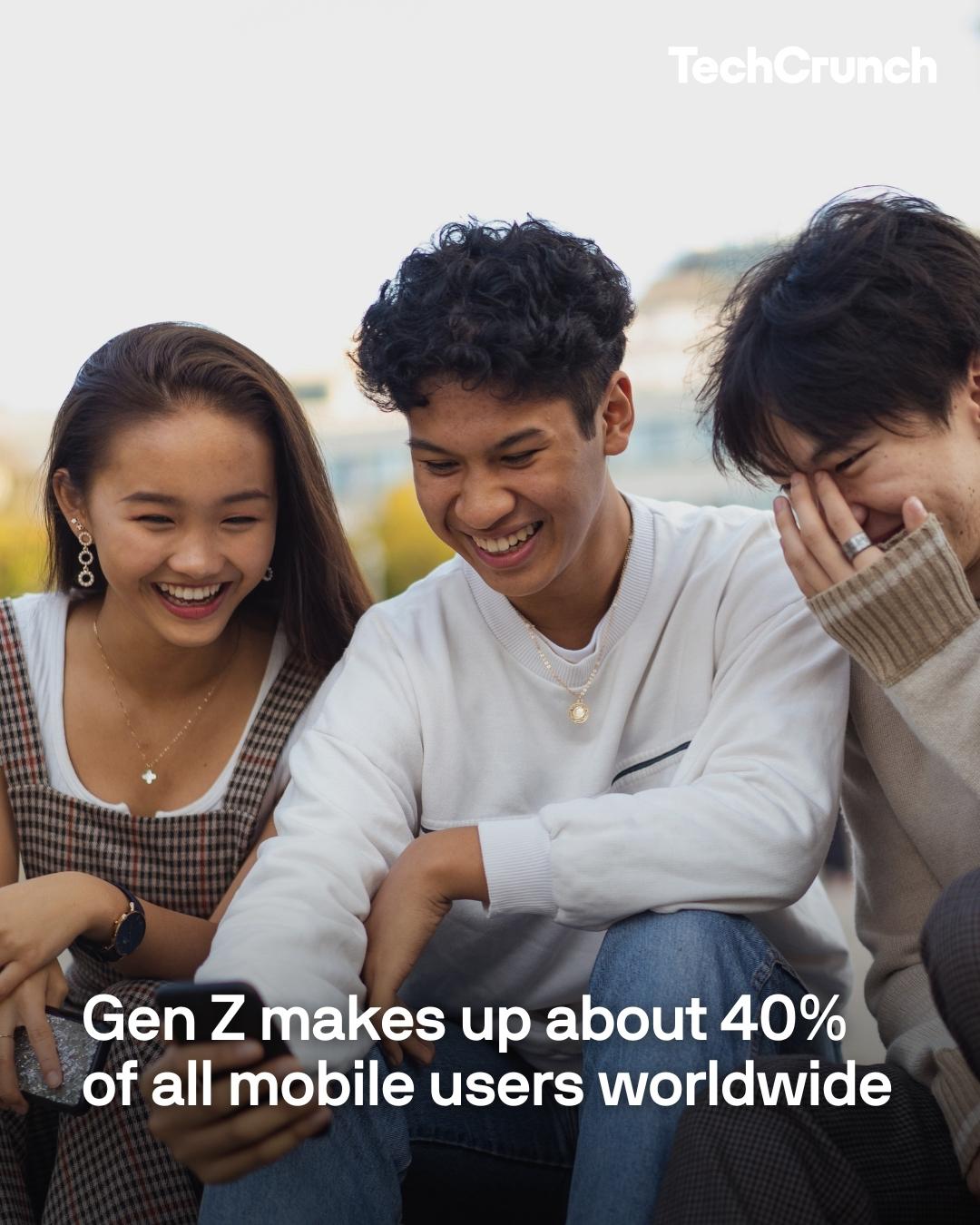
    It’s clear that Gen Z has an influence on app consumption.

    Known as the “mobile-first generation,” they make up about 40% of all mobile users worldwide. Curious about their preferences, we recently contacted the app intelligence firm Appfigures, which provided an overview of the 50 most downloaded apps by Gen Z this year.

    Due to privacy rules, we were unable to obtain data for users aged 13 to 17. The firm only shared total download numbers for users aged 18 to 24, and the data is limited to users in the U.S., so it doesn’t provide a complete picture. Even so, this gives us an idea of the preferences among the older segment of this generation.

    Find out the top apps Gen Z young adults downloaded this year at the link in the bio

    Article by Lauren Forristal

    Image Credits: Johnce / Getty Images Signature

    #TechCrunch #technews #GenZ #socialmedia #apps #iPhone #Android
    in the clerb we all fam 📱 It’s clear that Gen Z has an influence on app consumption. Known as the “mobile-first generation,” they make up about 40% of all mobile users worldwide. Curious about their preferences, we recently contacted the app intelligence firm Appfigures, which provided an overview of the 50 most downloaded apps by Gen Z this year. Due to privacy rules, we were unable to obtain data for users aged 13 to 17. The firm only shared total download numbers for users aged 18 to 24, and the data is limited to users in the U.S., so it doesn’t provide a complete picture. Even so, this gives us an idea of the preferences among the older segment of this generation. Find out the top apps Gen Z young adults downloaded this year at the link in the bio 👆 Article by Lauren Forristal Image Credits: Johnce / Getty Images Signature #TechCrunch #technews #GenZ #socialmedia #apps #iPhone #Android
    ·270 Views ·0 Reviews
More Results
Techawks - Powered By Pantrade Blockchain https://techawks.com