• BROTHERS!! This Raksha Bandhan, gift your sister something she’ll treasure forever…a trip to her favourite destination!
    With @holidayscrowd , you don’t just book a holiday, you gift her memories for a lifetime because we craft the best itineraries possible!

    #brother #brothersister #sibling #cousins #familybond #family #sister #rakshabandhan #thailand #vietnam #itinerary #bali #sikkim #india #indian #thai #arunachalpradesh #kashmir #dubai #japan
    BROTHERS!! This Raksha Bandhan, gift your sister something she’ll treasure forever…a trip to her favourite destination! 🏝️✈️ With @holidayscrowd , you don’t just book a holiday, you gift her memories for a lifetime because we craft the best itineraries possible! 💛 #brother #brothersister #sibling #cousins #familybond #family #sister #rakshabandhan #thailand #vietnam #itinerary #bali #sikkim #india #indian #thai #arunachalpradesh #kashmir #dubai🇦🇪 #japan
    ·352 Visualizações ·0 Anterior
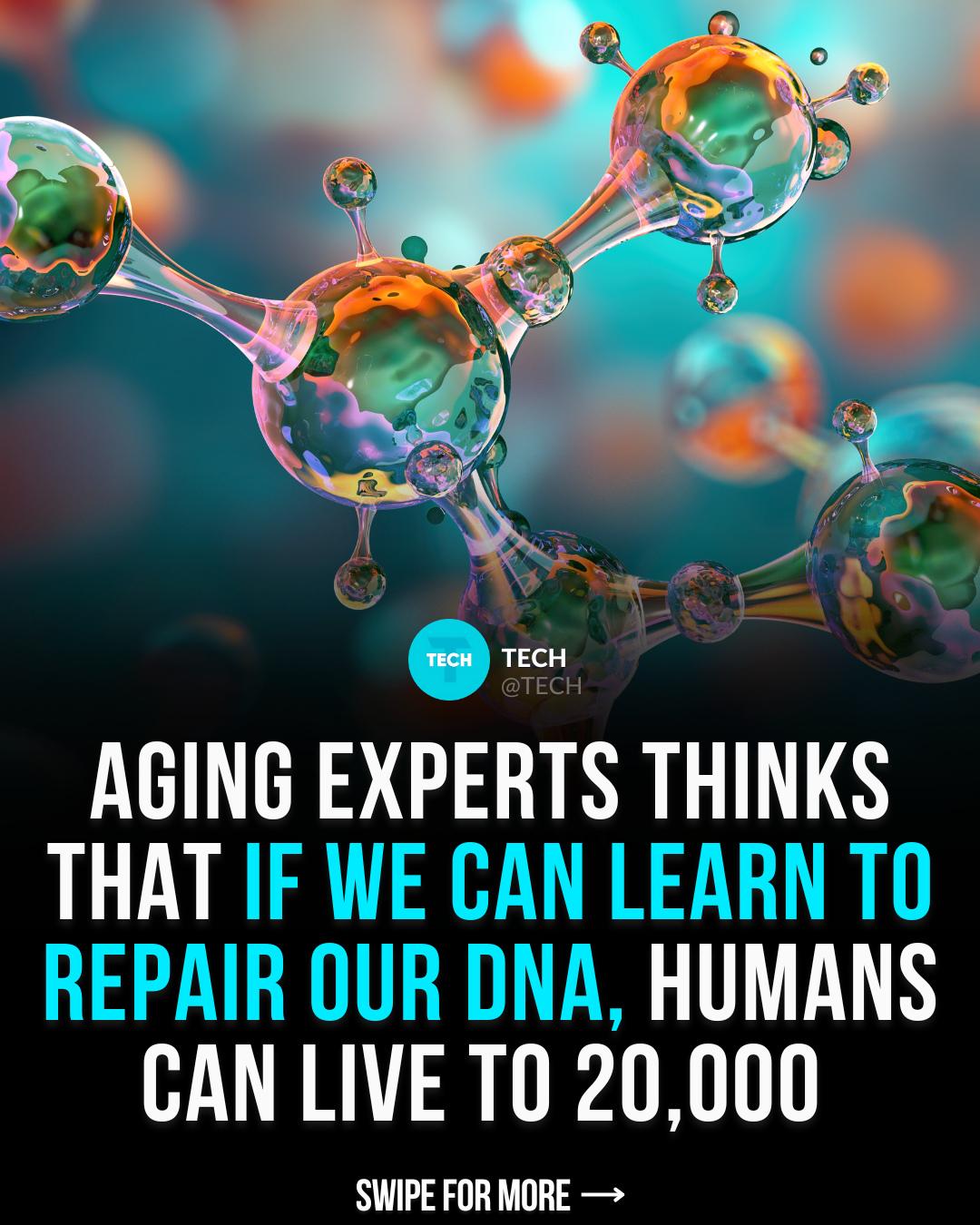
  • What if aging itself could be rewritten, not just slowed? João Pedro de Magalhães, a molecular biogerontology professor at the University of Birmingham, believes humans could eventually live not just 100 or even 1,000 years, but up to 20,000.⁠

    His theory treats aging less like wear and tear on a machine and more like flawed software. Our DNA contains programs that guide us to adulthood, but left running, they may become harmful later in life. By reprogramming cells and repairing DNA, he argues, scientists could turn off those detrimental codes and extend life far beyond its current limits.⁠

    Evidence comes from animals that already defy normal lifespans. Bowhead whales live over 200 years with unusually robust DNA repair. Naked mole rats, tiny rodents that outlive their cousins by decades, show extraordinary cancer resistance. Elephants carry multiple copies of cancer-fighting genes like P53. These molecular tricks hint at what human biology might achieve if reengineered.⁠

    Drugs such as rapamycin have extended animal lives by 10, 15 percent, but Magalhães insists true breakthroughs will require building cells that do not age at all. In theory, curing aging could push the average human lifespan past 1,000 years, with maximum lifespans stretching toward 20,000, barring accidents or violence.⁠

    For now, the science remains aspirational, requiring technologies we don’t yet possess. But the idea reframes aging as a solvable biological puzzle. If cracked, it could mark the greatest leap in human history, not just adding years to life, but thousands.
    What if aging itself could be rewritten, not just slowed? João Pedro de Magalhães, a molecular biogerontology professor at the University of Birmingham, believes humans could eventually live not just 100 or even 1,000 years, but up to 20,000.⁠ ⁠ His theory treats aging less like wear and tear on a machine and more like flawed software. Our DNA contains programs that guide us to adulthood, but left running, they may become harmful later in life. By reprogramming cells and repairing DNA, he argues, scientists could turn off those detrimental codes and extend life far beyond its current limits.⁠ ⁠ Evidence comes from animals that already defy normal lifespans. Bowhead whales live over 200 years with unusually robust DNA repair. Naked mole rats, tiny rodents that outlive their cousins by decades, show extraordinary cancer resistance. Elephants carry multiple copies of cancer-fighting genes like P53. These molecular tricks hint at what human biology might achieve if reengineered.⁠ ⁠ Drugs such as rapamycin have extended animal lives by 10, 15 percent, but Magalhães insists true breakthroughs will require building cells that do not age at all. In theory, curing aging could push the average human lifespan past 1,000 years, with maximum lifespans stretching toward 20,000, barring accidents or violence.⁠ ⁠ For now, the science remains aspirational, requiring technologies we don’t yet possess. But the idea reframes aging as a solvable biological puzzle. If cracked, it could mark the greatest leap in human history, not just adding years to life, but thousands.
    ·264 Visualizações ·0 Anterior
  • The Austrian government has completely banned marriage for anyone under 18, closing previous legal loopholes.

    What’s more, marriages between cousins are now outlawed, a topic that’s long been controversial.

    These changes reflect a growing focus on child protection, autonomy and modern family values. While some view it as long overdue, others are debating cultural and legal implications.

    What do you think — progressive or too restrictive?

    #Austria #Marriage #Child #HumanRights #Family #LegalReform #CousinMarriage
    The Austrian government has completely banned marriage for anyone under 18, closing previous legal loopholes. 🇦🇹💍 What’s more, marriages between cousins are now outlawed, a topic that’s long been controversial. These changes reflect a growing focus on child protection, autonomy and modern family values. While some view it as long overdue, others are debating cultural and legal implications. What do you think — progressive or too restrictive? #Austria #Marriage #Child #HumanRights #Family #LegalReform #CousinMarriage
    ·350 Visualizações ·0 Anterior
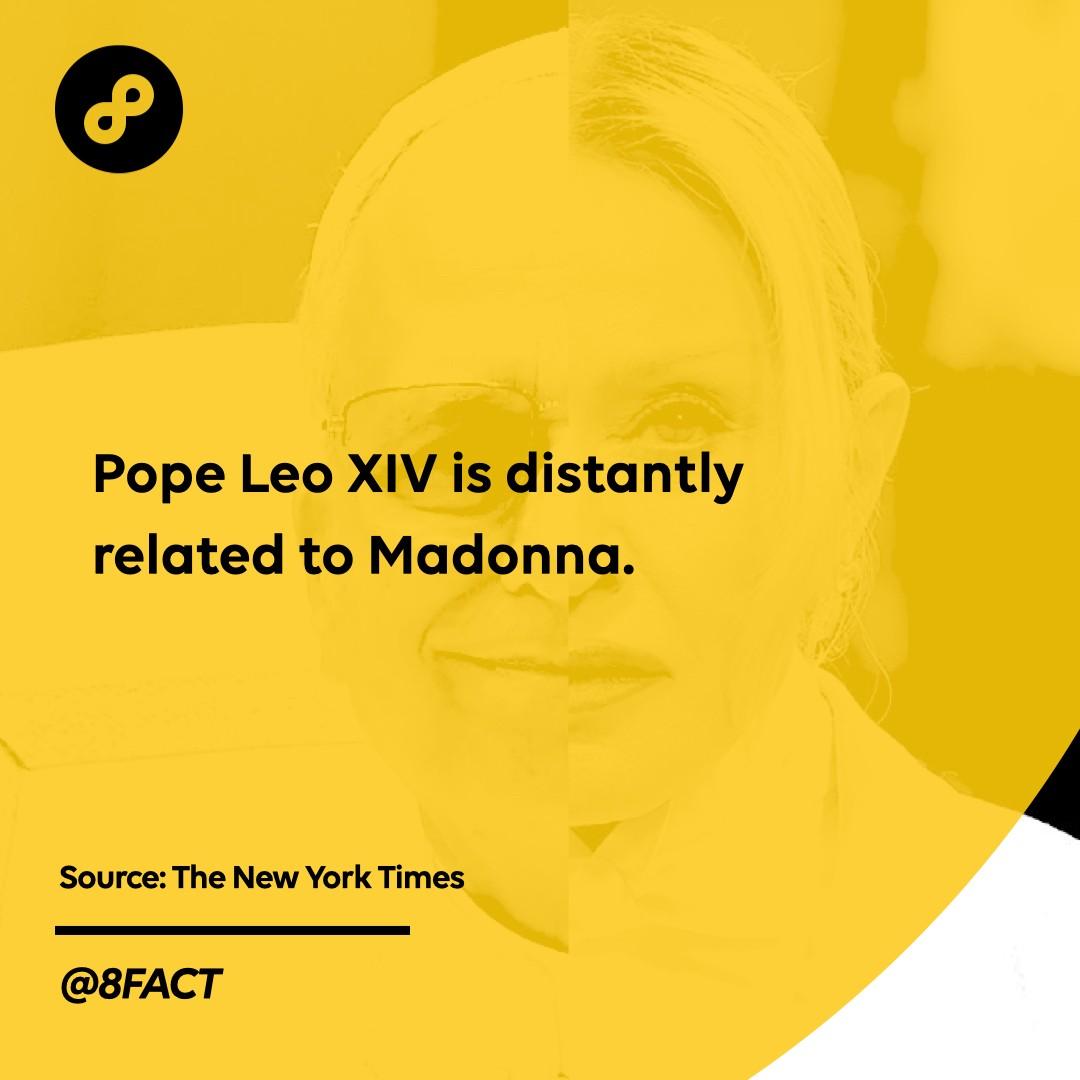
  • The two are "ninth cousins, various times removed."
    The two are "ninth cousins, various times removed."
    ·287 Visualizações ·0 Anterior
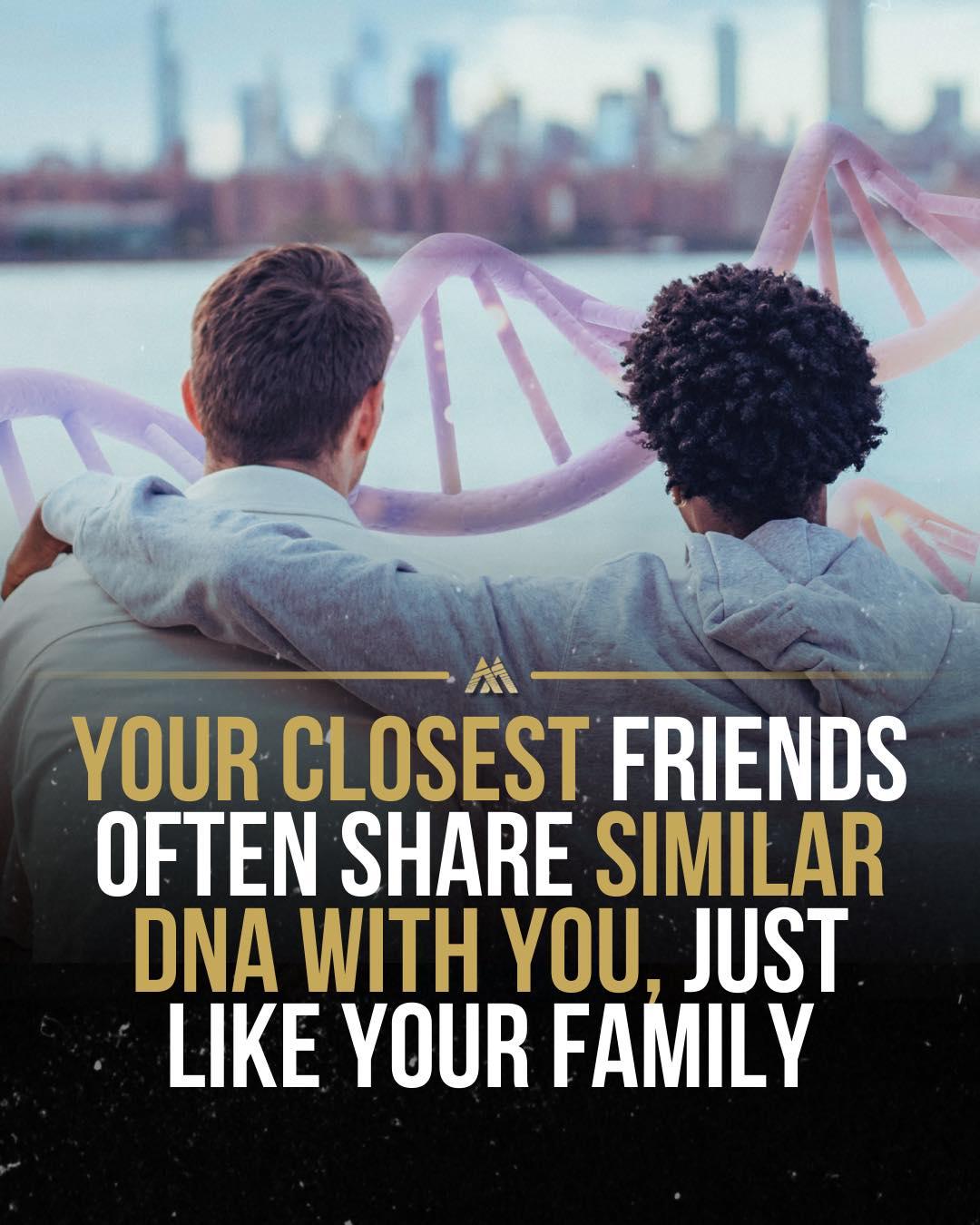
  • Your closest friends often share similar DNA with you, just like distant relatives, according to research from Yale University and UC San Diego.

    A study published in Proceedings of the National Academy of Sciences (PNAS) found that close friends are genetically more alike than strangers—on average, sharing about 1% of their DNA, which is comparable to the genetic similarity between fourth cousins. Researchers Nicholas Christakis and James Fowler suggest that people may subconsciously form friendships with those who are biologically similar, influencing everything from shared interests to health patterns.

    Follow for more @mindset.therapy
    Your closest friends often share similar DNA with you, just like distant relatives, according to research from Yale University and UC San Diego. A study published in Proceedings of the National Academy of Sciences (PNAS) found that close friends are genetically more alike than strangers—on average, sharing about 1% of their DNA, which is comparable to the genetic similarity between fourth cousins. Researchers Nicholas Christakis and James Fowler suggest that people may subconsciously form friendships with those who are biologically similar, influencing everything from shared interests to health patterns. Follow for more 👉 @mindset.therapy
    ·56 Visualizações ·0 Anterior
Techawks - Powered By Pantrade Blockchain https://techawks.com