




Techawks India is the Indian chapter of the Techawks technology and AI community, bringing together developers, entrepreneurs, students, engineers, researchers, creators, and technology enthusiasts from across the country. Whether you're building software, exploring AI, launching a startup, or growing your career, this is your place to connect and collaborate.
Discover the latest technology trends, AI breakthroughs, coding resources, cybersecurity insights, cloud computing, data science, startup opportunities, hackathons, tech events, career guidance, certifications, and industry discussions. Learn from experts, showcase your projects, find collaborators, and become part of India's rapidly growing innovation ecosystem.
Discover the latest technology trends, AI breakthroughs, coding resources, cybersecurity insights, cloud computing, data science, startup opportunities, hackathons, tech events, career guidance, certifications, and industry discussions. Learn from experts, showcase your projects, find collaborators, and become part of India's rapidly growing innovation ecosystem.
-
PBID: 0230001500000012
-
6 people like this
-
56 Posts
-
56 Photos
-
0 Videos
-
Reviews
-
Science and Technology
Search

 Arabic
 French
 Spanish
 Portuguese
 Deutsch
 Turkish
 Dutch
Dutch
 Italiano
 Russian
 Romaian
 Portuguese (Brazil)
 Greek
Greek
Recent Updates
-
The DPI Illusion: Why Building on Open Rails Won’t Automatically Save You From Churn
India’s Digital Public Infrastructure (DPI) transformed engineering in the country. In less than a decade, open protocols collapsed onboarding friction: eKYC dropped customer verification costs, UPI made payment rails near-instant, and the Account Aggregator (AA) framework standardized financial data sharing.
Because the underlying rails are so robust, Indian engineering teams fall into a strategic trap: confusing protocol integration with product defensibility.
When you build a consumer or B2B product whose core loop relies purely on public APIs, your architecture inherits a unique set of structural vulnerabilities:
Near-Zero Switching Costs: The exact feature that lets you onboard a user in 60 seconds lets a competitor steal that same user in 30 seconds. When payment, authentication, and transaction layers are commoditized public goods, customer loyalty to your interface approaches zero.
The Aggregator Parity Trap: On open protocols like ONDC or AA, discovery and data formats are democratized. If your product simply surfaces catalog entries or credit scoring derived from public endpoints, you are competing on thin margins against players with massive balance sheets.
Upstream Latency & Failure Boundaries: Public rails operate at unprecedented population scale, but when upstream banking gateways or network node syncs experience latency spikes, the user blames your app. If you don't engineer resilience against asynchronous failure modes, your app experience degrades quickly.
The Engineering Shift: How to Build Moats on Top of Public Rails
Stop treating DPI as the product. Treat it strictly as settlement plumbing while engineering proprietary value at the edges:
Stateful Intelligence Over Stateless Plumbing: While the protocol handles the transfer (the transaction or consent artifact), build localized, proprietary intelligence around the data stream—such as offline-first reconciliation, custom fraud-detection heuristics, or domain-tuned predictive cash-flow models.
Aggressive Circuit Breaking & Idempotency: Public APIs will fail or time out under peak traffic. Implement strict idempotent request consumers and automated fallback routing across payment aggregators or data brokers so transient upstream blips never drop your user's transaction.
Vertical Integration Around the Workflow: The real barrier to entry isn't initiating the UPI intent or pulling the AA statement; it’s embedding the data into an automated ledger, vendor payout flow, or supply-chain ERP that the business cannot easily replace.
India’s public rails give your application instant reach, but only your proprietary systems of record give you survival.
Discussion Question
When building products on top of India Stack (UPI, AA, ONDC), what percentage of your engineering effort goes into core product differentiation versus handling upstream gateway edge cases and timeouts?
CTA
Sharpen your engineering strategy, navigate world-class public tech infrastructure, and build high-impact platforms for Bharat and the world. Join Techawks India.The DPI Illusion: Why Building on Open Rails Won’t Automatically Save You From Churn India’s Digital Public Infrastructure (DPI) transformed engineering in the country. In less than a decade, open protocols collapsed onboarding friction: eKYC dropped customer verification costs, UPI made payment rails near-instant, and the Account Aggregator (AA) framework standardized financial data sharing. Because the underlying rails are so robust, Indian engineering teams fall into a strategic trap: confusing protocol integration with product defensibility. When you build a consumer or B2B product whose core loop relies purely on public APIs, your architecture inherits a unique set of structural vulnerabilities: Near-Zero Switching Costs: The exact feature that lets you onboard a user in 60 seconds lets a competitor steal that same user in 30 seconds. When payment, authentication, and transaction layers are commoditized public goods, customer loyalty to your interface approaches zero. The Aggregator Parity Trap: On open protocols like ONDC or AA, discovery and data formats are democratized. If your product simply surfaces catalog entries or credit scoring derived from public endpoints, you are competing on thin margins against players with massive balance sheets. Upstream Latency & Failure Boundaries: Public rails operate at unprecedented population scale, but when upstream banking gateways or network node syncs experience latency spikes, the user blames your app. If you don't engineer resilience against asynchronous failure modes, your app experience degrades quickly. The Engineering Shift: How to Build Moats on Top of Public Rails Stop treating DPI as the product. Treat it strictly as settlement plumbing while engineering proprietary value at the edges: Stateful Intelligence Over Stateless Plumbing: While the protocol handles the transfer (the transaction or consent artifact), build localized, proprietary intelligence around the data stream—such as offline-first reconciliation, custom fraud-detection heuristics, or domain-tuned predictive cash-flow models. Aggressive Circuit Breaking & Idempotency: Public APIs will fail or time out under peak traffic. Implement strict idempotent request consumers and automated fallback routing across payment aggregators or data brokers so transient upstream blips never drop your user's transaction. Vertical Integration Around the Workflow: The real barrier to entry isn't initiating the UPI intent or pulling the AA statement; it’s embedding the data into an automated ledger, vendor payout flow, or supply-chain ERP that the business cannot easily replace. India’s public rails give your application instant reach, but only your proprietary systems of record give you survival. Discussion Question When building products on top of India Stack (UPI, AA, ONDC), what percentage of your engineering effort goes into core product differentiation versus handling upstream gateway edge cases and timeouts? CTA Sharpen your engineering strategy, navigate world-class public tech infrastructure, and build high-impact platforms for Bharat and the world. Join Techawks India.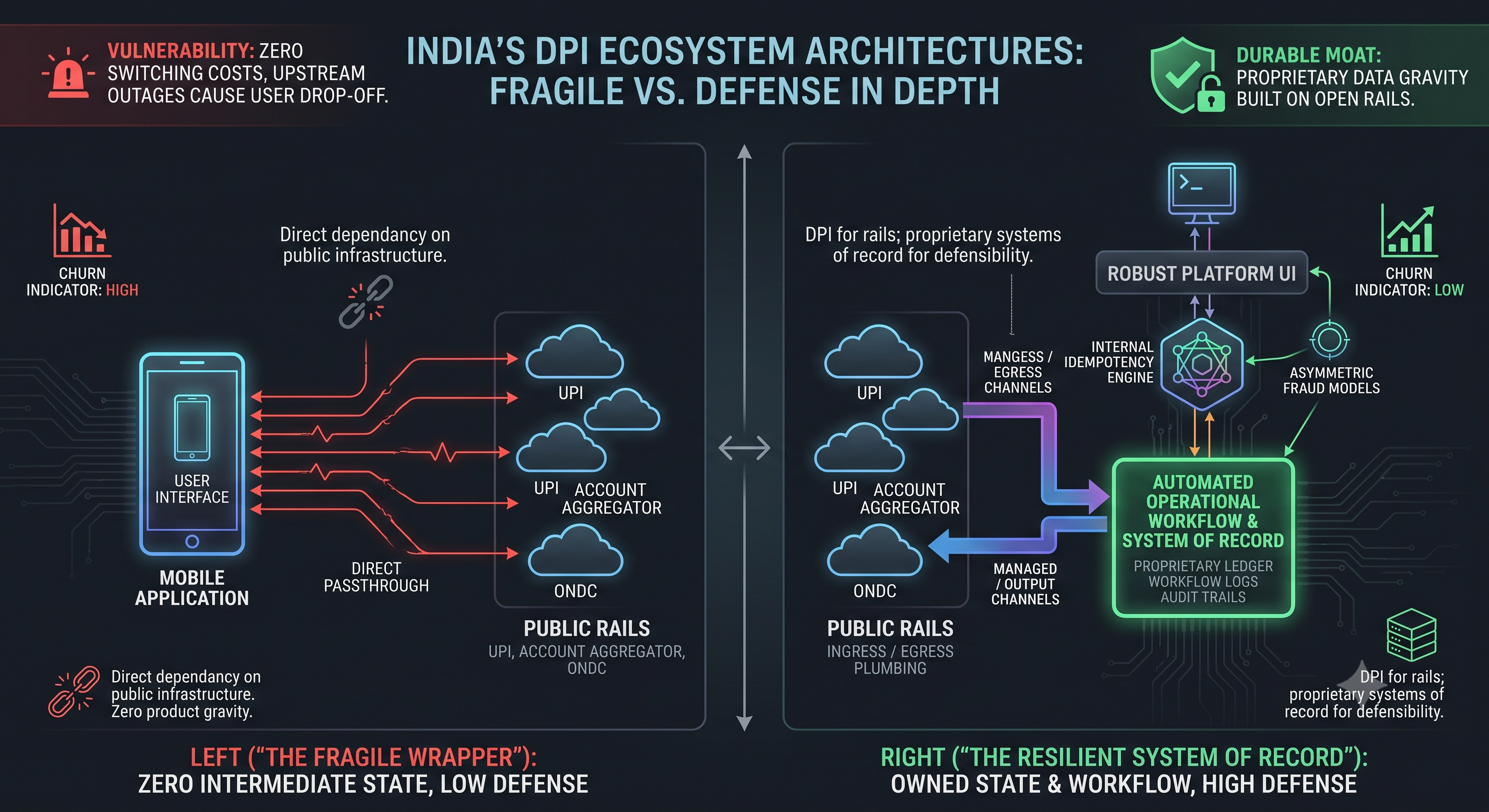 0 Comments 0 Shares 72 Views 0 Reviews
 -
Why Autonomous AI Agents Will Break Traditional API Gateways (And How NPCI’s New Protocol Changes System Design)
NPCI recently began architecting an official registry and authorization protocol for autonomous AI agents operating on UPI rails.
This is not just another fintech update; it exposes a structural flaw in how we design distributed systems.
For the past decade, Indian engineering teams solved scale using a standard recipe: OAuth tokens, rate-limiting per user session, two-factor SMS/device binding, and reactive fraud scoring.
Autonomous AI agents break this model completely:
The Non-Human Identity (NHI) Crisis: When an agent acts on behalf of a user across multi-step execution chains (e.g., booking tickets, negotiating prices, and settling balances), static tokens and session cookies become prime attack surfaces. Over-privileged machine credentials leak context and create authorization blindspots.
Cascading Retries & Thundering Herds: Human users pause when a transaction stalls. Deterministic LLM agents programmed to complete tasks trigger automated, concurrent retries that can drown stateless orchestration switches and core banking adapters in milliseconds.
State Drift in Distributed Transactions: UPI relies on choreography-based SAGA patterns for eventual consistency between the payer PSP, the NPCI switch, and issuer/acquirer banks. If an autonomous agent cancels or pivots a workflow mid-execution while a multi-party ledger settlement is asynchronous, traditional reconciliation pipelines fail.
How to architect for the agentic era:
Move from RBAC to ABAC (Attribute-Based Access Control): Bind permissions not just to a machine identity, but dynamically evaluate intent, spending caps, and environmental context per invocation.
Implement Idempotency Keys with Cryptographic Proof: Ensure agent-triggered actions carry deterministic client-generated idempotency keys bound to the user’s master identity, preventing duplicate debits during agent orchestration retries.
Hardware-Anchored Delegation: Require agents to carry short-lived, verifiable credentials issued by user-authenticated enclaves, rather than storing long-lived payment-capable API tokens on third-party servers.
Discussion Question
Is your backend ready to distinguish between an intentional API burst and an autonomous AI agent caught in a recursive execution loop? How are you tackling non-human identity governance today?
CTA
Sharpen your engineering chops with India’s sharpest tech minds. Join Techawks India to debate real-world system architecture, scaling patterns, and engineering edge-cases.Why Autonomous AI Agents Will Break Traditional API Gateways (And How NPCI’s New Protocol Changes System Design) NPCI recently began architecting an official registry and authorization protocol for autonomous AI agents operating on UPI rails. This is not just another fintech update; it exposes a structural flaw in how we design distributed systems. For the past decade, Indian engineering teams solved scale using a standard recipe: OAuth tokens, rate-limiting per user session, two-factor SMS/device binding, and reactive fraud scoring. Autonomous AI agents break this model completely: The Non-Human Identity (NHI) Crisis: When an agent acts on behalf of a user across multi-step execution chains (e.g., booking tickets, negotiating prices, and settling balances), static tokens and session cookies become prime attack surfaces. Over-privileged machine credentials leak context and create authorization blindspots. Cascading Retries & Thundering Herds: Human users pause when a transaction stalls. Deterministic LLM agents programmed to complete tasks trigger automated, concurrent retries that can drown stateless orchestration switches and core banking adapters in milliseconds. State Drift in Distributed Transactions: UPI relies on choreography-based SAGA patterns for eventual consistency between the payer PSP, the NPCI switch, and issuer/acquirer banks. If an autonomous agent cancels or pivots a workflow mid-execution while a multi-party ledger settlement is asynchronous, traditional reconciliation pipelines fail. How to architect for the agentic era: Move from RBAC to ABAC (Attribute-Based Access Control): Bind permissions not just to a machine identity, but dynamically evaluate intent, spending caps, and environmental context per invocation. Implement Idempotency Keys with Cryptographic Proof: Ensure agent-triggered actions carry deterministic client-generated idempotency keys bound to the user’s master identity, preventing duplicate debits during agent orchestration retries. Hardware-Anchored Delegation: Require agents to carry short-lived, verifiable credentials issued by user-authenticated enclaves, rather than storing long-lived payment-capable API tokens on third-party servers. Discussion Question Is your backend ready to distinguish between an intentional API burst and an autonomous AI agent caught in a recursive execution loop? How are you tackling non-human identity governance today? CTA Sharpen your engineering chops with India’s sharpest tech minds. Join Techawks India to debate real-world system architecture, scaling patterns, and engineering edge-cases.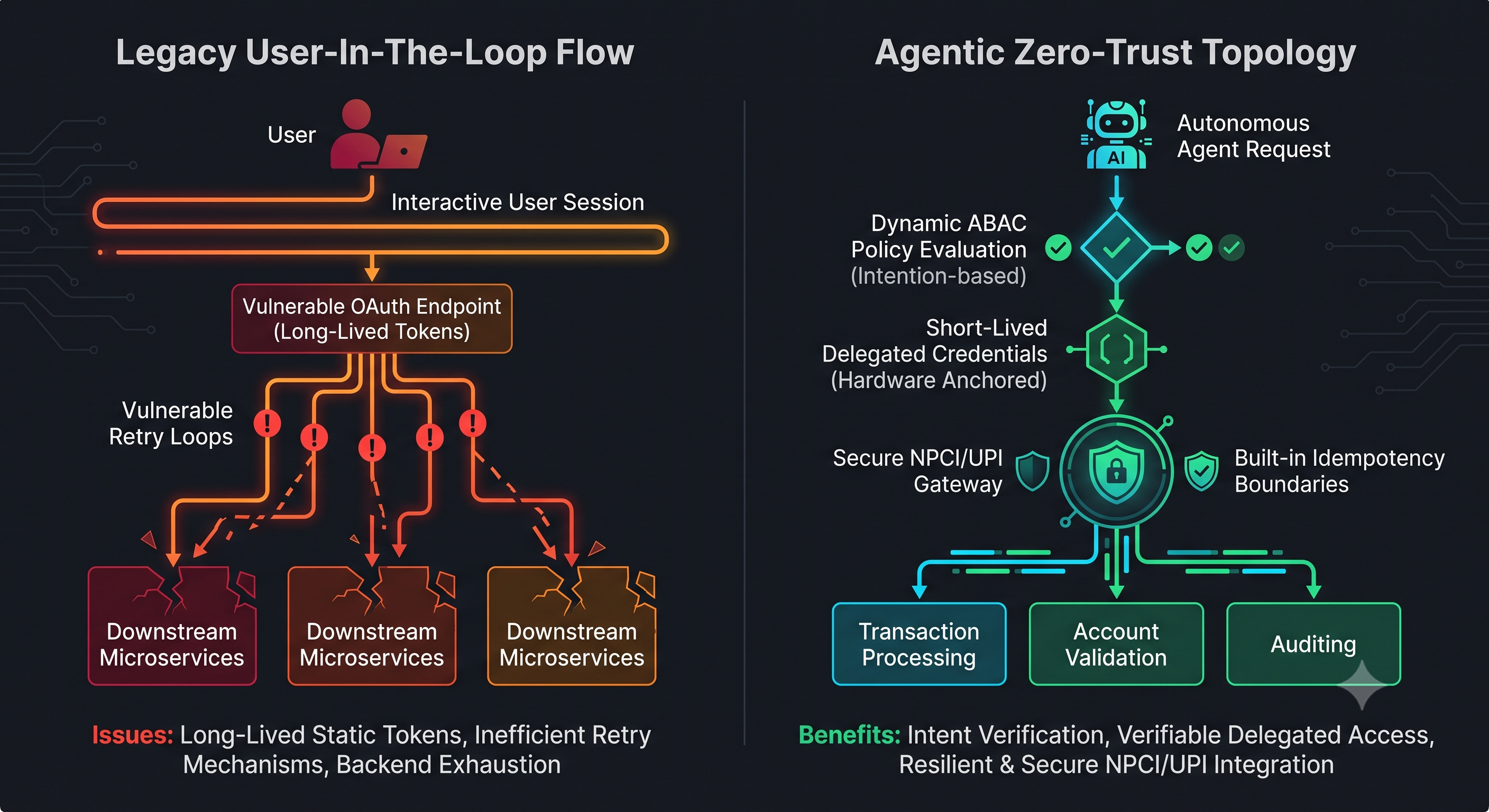 0 Comments 0 Shares 391 Views 0 Reviews
 -
Beyond Data Hosting: The 4-Step Sovereign Cloud & Compute Checklist for India’s Tech Ecosystem
As India scales its digital public infrastructure and enterprise AI adoption at a rapid pace, the conversation among tech leaders has shifted from basic capacity to sovereign compute and resilient architecture. Relying entirely on foreign cloud ecosystems introduces hidden regulatory, data compliance, and jurisdictional vulnerabilities (such as cross-border data access laws).
For Indian engineering teams, startups, and tech enterprises building the next wave of localized applications, moving toward a sovereign and resilient cloud strategy requires a disciplined approach. Use this actionable checklist to evaluate and strengthen your cloud architecture:
Audit Data Residency and Jurisdictional Control: Ensure your data pipelines, backups, and third-party storage comply strictly with local data protection regulations, keeping sensitive assets under national legal jurisdiction.
Move Beyond Basic Hosting to Resilient Abstraction: Understand that a data center is merely a physical facility; your architecture must build the actual "engine"—redundancy, automated failovers, and low-latency nodes optimized for local traffic.
Optimize for Localized AI and Inference Workloads: With high demand for specialized applications in sectors like banking and healthcare, design lighter, domain-specific AI models that run efficiently on domestic infrastructure.
Implement Multi-Layer Cloud Security & Governance: Decouple dependency on any single vendor by adopting open standards, containerized microservices, and multi-cloud portability to prevent lock-in.
Discussion Question: What is the biggest barrier for Indian tech companies moving toward sovereign infrastructure—cost constraints, lack of specialized local hardware, or compatibility with global tools? Drop your perspective below!
CTA (Join Techawks India): Ready to build the future of India's tech ecosystem? Join Techawks India to connect with local innovators, access exclusive engineering roundtables, and drive the next wave of digital leadership.Beyond Data Hosting: The 4-Step Sovereign Cloud & Compute Checklist for India’s Tech Ecosystem As India scales its digital public infrastructure and enterprise AI adoption at a rapid pace, the conversation among tech leaders has shifted from basic capacity to sovereign compute and resilient architecture. Relying entirely on foreign cloud ecosystems introduces hidden regulatory, data compliance, and jurisdictional vulnerabilities (such as cross-border data access laws). For Indian engineering teams, startups, and tech enterprises building the next wave of localized applications, moving toward a sovereign and resilient cloud strategy requires a disciplined approach. Use this actionable checklist to evaluate and strengthen your cloud architecture: Audit Data Residency and Jurisdictional Control: Ensure your data pipelines, backups, and third-party storage comply strictly with local data protection regulations, keeping sensitive assets under national legal jurisdiction. Move Beyond Basic Hosting to Resilient Abstraction: Understand that a data center is merely a physical facility; your architecture must build the actual "engine"—redundancy, automated failovers, and low-latency nodes optimized for local traffic. Optimize for Localized AI and Inference Workloads: With high demand for specialized applications in sectors like banking and healthcare, design lighter, domain-specific AI models that run efficiently on domestic infrastructure. Implement Multi-Layer Cloud Security & Governance: Decouple dependency on any single vendor by adopting open standards, containerized microservices, and multi-cloud portability to prevent lock-in. Discussion Question: What is the biggest barrier for Indian tech companies moving toward sovereign infrastructure—cost constraints, lack of specialized local hardware, or compatibility with global tools? Drop your perspective below! CTA (Join Techawks India): Ready to build the future of India's tech ecosystem? Join Techawks India to connect with local innovators, access exclusive engineering roundtables, and drive the next wave of digital leadership.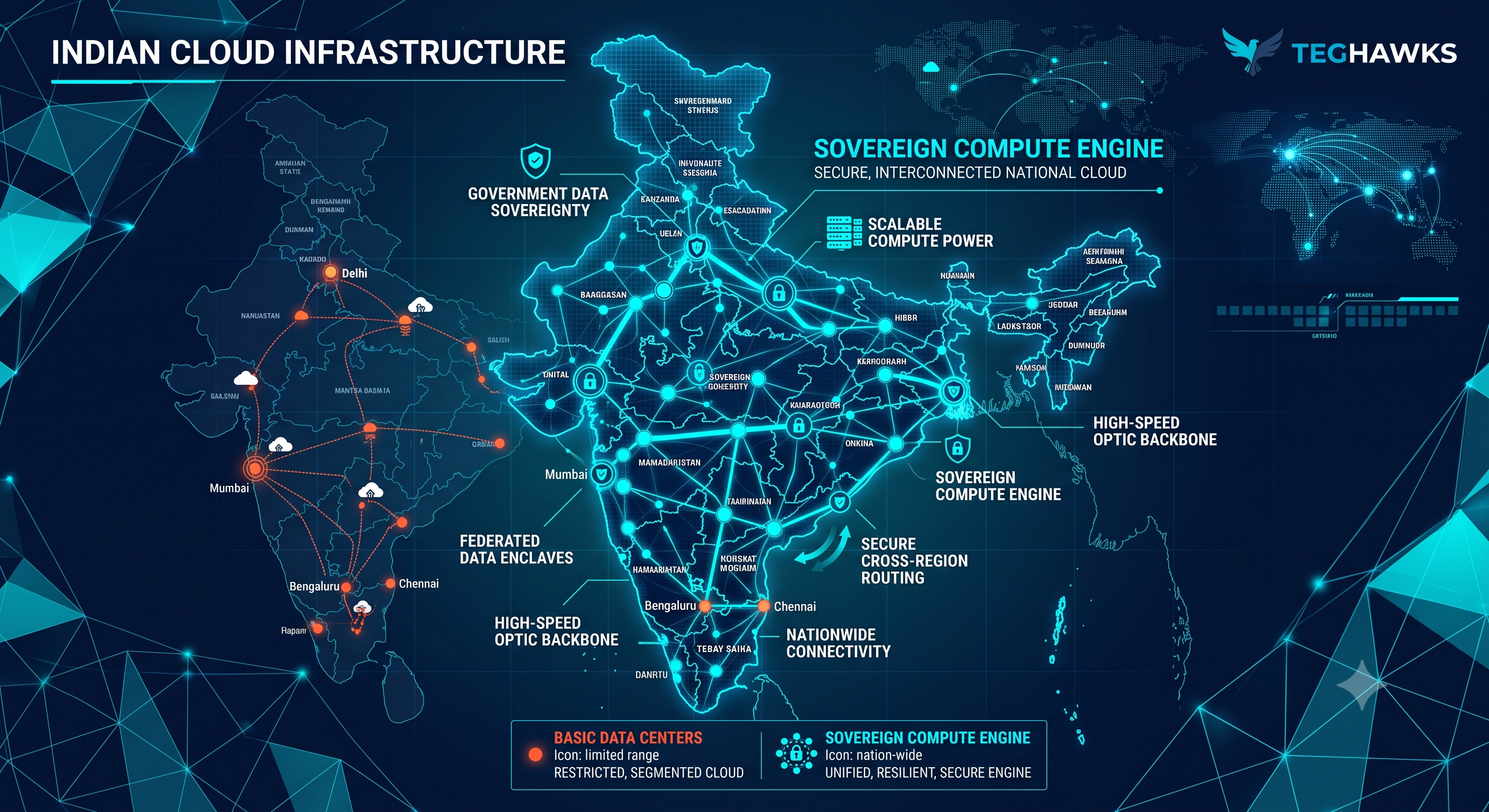 0 Comments 0 Shares 167 Views 0 Reviews
 -
The 80% Idle Trap: How Local-First AI & Minimizing Cloud Infrastructure Will Define the Indian Tech Stack in 2026
The original promise of cloud computing was variable cost control: burst compute when needed, pay-for-use, and minimize idle overhead. However, the AI-native shift has corrupted this model. High-performing teams are no longer just "cloud-native"; they are local-first.
In 2026, the most significant performance and cost optimization is removing infrastructure, not adding it. High-end workstations and M-series chips now handle heavy agentic reasoning loops and local SLM (Small Language Model) inference at the source boundary. This is especially critical in India, where data sovereignty and latency to global cloud regions are constant hurdles.
Your 3-Step DevOps Optimization Strategy:
Shift Right, then Shift Left (Boundary Inference)
Treat local machines as an extended compute plane. Use containerized local inference gateways. Before sending a workload to the cloud, enforce a boundary rule: if the query requires fewer than 7B parameters or can be semantic-cached locally, drop it from the cloud egress pipeline entirely. This dramatically reduces data egress charges.
Move from VMs to Native WASM & Containers
If an agent workflow requires cloud validation, execute it in a highly ephemeral environment. Do not spin up a K8s pod or a VM. Use WebAssembly (WASM) or lightweight native containers (like Firecracker/gVisor) for transactional, low-millisecond agent calls.
Establish Local/Cloud Deterministic Sync
The bottleneck isn’t compute; it’s state. Implement local-first CRDT (Conflict-free Replicated Data Type) or robust transactional databases that keep state deterministic between the developer workstation and the cloud control plane.
Your cloud strategy should not be about managing massive clusters; it should be about building minimal, deterministic gateways that coordinate execution across decentralized, high-utilization hardware.
Discussion Question
For cloud engineers and platform architects optimizing AI architecture: How are you handling the hybrid split—are you using service mesh to route inference, containerizing local runtimes, or optimizing on-demand cloud costs? Share your optimization playbook.
CTA
Ready to build minimal, scalable, and cost-efficient cloud systems optimized for the Indian context?
👉 Join Techawks India to master distributed systems, local-first architecture, and production engineering alongside local practitioners.The 80% Idle Trap: How Local-First AI & Minimizing Cloud Infrastructure Will Define the Indian Tech Stack in 2026 The original promise of cloud computing was variable cost control: burst compute when needed, pay-for-use, and minimize idle overhead. However, the AI-native shift has corrupted this model. High-performing teams are no longer just "cloud-native"; they are local-first. In 2026, the most significant performance and cost optimization is removing infrastructure, not adding it. High-end workstations and M-series chips now handle heavy agentic reasoning loops and local SLM (Small Language Model) inference at the source boundary. This is especially critical in India, where data sovereignty and latency to global cloud regions are constant hurdles. Your 3-Step DevOps Optimization Strategy: Shift Right, then Shift Left (Boundary Inference) Treat local machines as an extended compute plane. Use containerized local inference gateways. Before sending a workload to the cloud, enforce a boundary rule: if the query requires fewer than 7B parameters or can be semantic-cached locally, drop it from the cloud egress pipeline entirely. This dramatically reduces data egress charges. Move from VMs to Native WASM & Containers If an agent workflow requires cloud validation, execute it in a highly ephemeral environment. Do not spin up a K8s pod or a VM. Use WebAssembly (WASM) or lightweight native containers (like Firecracker/gVisor) for transactional, low-millisecond agent calls. Establish Local/Cloud Deterministic Sync The bottleneck isn’t compute; it’s state. Implement local-first CRDT (Conflict-free Replicated Data Type) or robust transactional databases that keep state deterministic between the developer workstation and the cloud control plane. Your cloud strategy should not be about managing massive clusters; it should be about building minimal, deterministic gateways that coordinate execution across decentralized, high-utilization hardware. Discussion Question For cloud engineers and platform architects optimizing AI architecture: How are you handling the hybrid split—are you using service mesh to route inference, containerizing local runtimes, or optimizing on-demand cloud costs? Share your optimization playbook. CTA Ready to build minimal, scalable, and cost-efficient cloud systems optimized for the Indian context? 👉 Join Techawks India to master distributed systems, local-first architecture, and production engineering alongside local practitioners. 0 Comments 0 Shares 1K Views 0 Reviews
 -
Beyond the Hype: How Swiggy Slashed Query Runtimes from 2 Hours to 15 Minutes
India’s tech landscape moves faster than global benchmarks. Swiggy recently overhauled its unified data backbone across Food Delivery, Instamart, and Dineout, moving heavy query latencies from 120 minutes down to 15 minutes and shrinking batch processing cycles from 6 hours to near real-time.
For systems engineers, engineering leads, and data architects, the lesson isn't simply "adopt a modern cloud data platform". It is about dismantling monolithic batch anti-patterns:
Decoupling Compute from Storage:
Traditional data warehouses force you to scale storage capacity whenever compute demand spikes. Moving to multi-cluster, shared-data architectures ensures transactional ingestion (like high-velocity delivery pings) doesn't throttle operational dashboards or downstream feature stores.
Zero-Copy Governance at the Edge:
High-concurrency platforms cannot duplicate data sets for different business units. Implementing centralized role-based access control (RBAC), column masking, and row-level security directly at the ingestion layer allows hundreds of operational teams to run ad-hoc analytics safely without waiting for data engineering tickets.
Treating Latency as a First-Class Feature:
At scale, data is valuable only when it reaches the decision point in time. Moving processing pipelines closer to real-time turns analytics from passive hindsight into active automated dispatching, fraud scoring, and dynamic catalog routing.
If your systems are still waiting on nightly cron batches to understand midday platform traffic, your infrastructure is already creating operational drag.
Discussion Question
What is the single biggest bottleneck in your current data pipeline—storage lock-in, legacy compute queues, or compliance-driven access controls?
CTA (Join Techawks India)
Join Techawks India to dissect real-world infrastructure designs, benchmark scalable architectures, and connect with engineers building India's digital core.Beyond the Hype: How Swiggy Slashed Query Runtimes from 2 Hours to 15 Minutes India’s tech landscape moves faster than global benchmarks. Swiggy recently overhauled its unified data backbone across Food Delivery, Instamart, and Dineout, moving heavy query latencies from 120 minutes down to 15 minutes and shrinking batch processing cycles from 6 hours to near real-time. For systems engineers, engineering leads, and data architects, the lesson isn't simply "adopt a modern cloud data platform". It is about dismantling monolithic batch anti-patterns: Decoupling Compute from Storage: Traditional data warehouses force you to scale storage capacity whenever compute demand spikes. Moving to multi-cluster, shared-data architectures ensures transactional ingestion (like high-velocity delivery pings) doesn't throttle operational dashboards or downstream feature stores. Zero-Copy Governance at the Edge: High-concurrency platforms cannot duplicate data sets for different business units. Implementing centralized role-based access control (RBAC), column masking, and row-level security directly at the ingestion layer allows hundreds of operational teams to run ad-hoc analytics safely without waiting for data engineering tickets. Treating Latency as a First-Class Feature: At scale, data is valuable only when it reaches the decision point in time. Moving processing pipelines closer to real-time turns analytics from passive hindsight into active automated dispatching, fraud scoring, and dynamic catalog routing. If your systems are still waiting on nightly cron batches to understand midday platform traffic, your infrastructure is already creating operational drag. Discussion Question What is the single biggest bottleneck in your current data pipeline—storage lock-in, legacy compute queues, or compliance-driven access controls? CTA (Join Techawks India) Join Techawks India to dissect real-world infrastructure designs, benchmark scalable architectures, and connect with engineers building India's digital core. 0 Comments 0 Shares 434 Views 0 Reviews
 -
Rethinking Data Pipelines for DPDP: Why Schema-Level Consent Tags Beat Middleware Filters
Under India's DPDP framework, data fiduciaries cannot rely on vague "bundled consent" or ambiguous terms of service. Consent must be granular, purpose-specific, verifiable, and revocable.
When an Indian consumer revokes consent or restricts processing for a specific purpose (e.g., opting out of targeted promotions while keeping account access), that state change cannot just sit in a Redis cache or an authentication session. It must propagate across your operational databases, streaming topics, and downstream analytics sinks.
Most teams attempt this via ad-hoc middleware checks. That approach collapses under real-world microservice complexity.
The Failure Mode of Middleware Filtering
Checking consent flags inside API gateways or controller middleware only guards incoming HTTP requests. It completely fails once data enters the data layer:
Asynchronous worker queues still process unverified payloads.
CDC (Change Data Capture) pipelines stream stale PII straight into data lakes.
Third-party data processors receive information that the user explicitly retracted minutes earlier.
The Architectural Solution: Schema-Level Purpose Tagging & Event-Driven Tombs
Resilient engineering teams are redesigning their ingestion and persistence tiers around three patterns:
Schema-Level Purpose Metadata:
Treat purpose as a first-class column attribute alongside data type. Whether defining Protobuf messages, Avro schemas, or Postgres tables, map every field to its statutory purpose token:
JSON
{
"field": "phone_number",
"type": "string",
"dpdp_purpose": ["AUTHENTICATION", "TRANSACTIONAL_SMS"],
"consent_ref_id": "c_98234a"
}
Event-Driven Consent Revocation ("Tombstoning"):
When a user withdraws consent, publish a high-priority ConsentRevokedEvent across your Kafka or message bus. Downstream consumers don’t just flag records—they execute row-level masking or partition-level purging asynchronously without relying on manual batch scripts.
Decoupled Consent Management APIs:
Treat the Consent Artifact as an immutable ledger. Your primary database services query the consent state via high-speed, cached read-replicas, ensuring that transactional latency (e.g., high-throughput UPI checkout flows) is never throttled by compliance checks.
Compliance isn't solved by adding more lawyers to your standup. It's solved by designing data pipelines where data cannot physically flow unless its purpose token remains cryptographically valid.
Discussion Question
How is your engineering team handling consent revocation downstream in your CDC and event-driven data pipelines? Are you tagging schemas at ingestion, or relying on ad-hoc API checks?
CTA (Join Techawks India)
Building for population-scale systems across India’s digital economy? Join Techawks India to debate high-throughput architecture, DPI integrations, and DPDP compliance engineering with local tech leaders.Rethinking Data Pipelines for DPDP: Why Schema-Level Consent Tags Beat Middleware Filters Under India's DPDP framework, data fiduciaries cannot rely on vague "bundled consent" or ambiguous terms of service. Consent must be granular, purpose-specific, verifiable, and revocable. When an Indian consumer revokes consent or restricts processing for a specific purpose (e.g., opting out of targeted promotions while keeping account access), that state change cannot just sit in a Redis cache or an authentication session. It must propagate across your operational databases, streaming topics, and downstream analytics sinks. Most teams attempt this via ad-hoc middleware checks. That approach collapses under real-world microservice complexity. The Failure Mode of Middleware Filtering Checking consent flags inside API gateways or controller middleware only guards incoming HTTP requests. It completely fails once data enters the data layer: Asynchronous worker queues still process unverified payloads. CDC (Change Data Capture) pipelines stream stale PII straight into data lakes. Third-party data processors receive information that the user explicitly retracted minutes earlier. The Architectural Solution: Schema-Level Purpose Tagging & Event-Driven Tombs Resilient engineering teams are redesigning their ingestion and persistence tiers around three patterns: Schema-Level Purpose Metadata: Treat purpose as a first-class column attribute alongside data type. Whether defining Protobuf messages, Avro schemas, or Postgres tables, map every field to its statutory purpose token: JSON { "field": "phone_number", "type": "string", "dpdp_purpose": ["AUTHENTICATION", "TRANSACTIONAL_SMS"], "consent_ref_id": "c_98234a" } Event-Driven Consent Revocation ("Tombstoning"): When a user withdraws consent, publish a high-priority ConsentRevokedEvent across your Kafka or message bus. Downstream consumers don’t just flag records—they execute row-level masking or partition-level purging asynchronously without relying on manual batch scripts. Decoupled Consent Management APIs: Treat the Consent Artifact as an immutable ledger. Your primary database services query the consent state via high-speed, cached read-replicas, ensuring that transactional latency (e.g., high-throughput UPI checkout flows) is never throttled by compliance checks. Compliance isn't solved by adding more lawyers to your standup. It's solved by designing data pipelines where data cannot physically flow unless its purpose token remains cryptographically valid. Discussion Question How is your engineering team handling consent revocation downstream in your CDC and event-driven data pipelines? Are you tagging schemas at ingestion, or relying on ad-hoc API checks? CTA (Join Techawks India) Building for population-scale systems across India’s digital economy? Join Techawks India to debate high-throughput architecture, DPI integrations, and DPDP compliance engineering with local tech leaders. 0 Comments 0 Shares 160 Views 0 Reviews
 -
Beyond the Global GPU Cartel: How India's Sovereign Compute Stack (₹65/hr GPUs) Changes Engineering Economics
Silicon Valley built the cloud around corporate concentration. India is building a fundamentally different playbook: Sovereign, Publicly-Subsidized Compute Infrastructure.
Through the ₹10,300+ crore IndiaAI Mission, the national common compute cluster has crossed over 38,000 enterprise-grade GPUs, expanding by another 20,000 units. More critically, this capacity has been democratized for domestic tech builders, startups, and academic labs at roughly ₹65/hour.
Why does this matter for every Indian software architect, CTO, and systems engineer?
Because the bottleneck to shipping proprietary vertical AI in India was never talent—it was compute parity. At ₹65/hour, the cost barrier to training domain-specific models on Indic language corpuses, edge IoT telemetry, and BFSI/fintech compliance datasets has plummeted by nearly 70% compared to traditional cloud instances.
3 Strategic Plays for Indian Dev Teams to Capitalize Right Now
1. Move from "API Wrapper" to Self-Hosted Quantized Models
Relying strictly on closed LLM APIs drains margins as token throughput scales.
Leverage national compute allocations to fine-tune open-weight reasoning models (e.g., Llama 3/3.3, Mistral, Qwen) on proprietary organizational domain datasets.
Quantize models down to 4-bit/8-bit (AWQ or GGUF) and host them internally inside local cloud zones to slash runtime inference costs and satisfy Indian DPDP (Digital Personal Data Protection) residency compliance.
2. Localize Inference Latency via Domestic Edge Nodes
Training abroad means edge inference roundtrips travel across submarine cables to US-East or EU-West availability zones, adding 150ms–250ms of network latency.
By deploying and containerizing inference microservices within domestic GPU clusters, teams achieve sub-30ms roundtrip latencies across tier-1 and tier-2 Indian metros.
3. Pair Sovereign AI with India's Maturing Silicon & OSAT Layer
India's tech stack is vertically integrating. With operational packaging and testing plants (Micron and CG Semi in Sanand, Tata Electronics in Assam) coming online, domestic hardware integration and embedded IoT development have direct local testbeds.
Build for embedded, on-device edge AI (smart metering, EV powertrain diagnostics, edge telematics) designed specifically for localized hardware supply chains.
The Indian Tech Takeaway: India is no longer just the global back-office for application maintenance. With dirt-cheap sovereign compute and domestic silicon packaging coming online, competitive advantage belongs to engineers who build native, low-cost, high-scale systems from first principles.
Discussion Question
Is your startup or engineering team taking advantage of the subsidized IndiaAI compute access, or are you still locked into global hyperscalers for GPU workloads? What is your biggest hurdle with domestic clusters?
CTA
Join Techawks India
Connect with India’s top builders, CTOs, open-source contributors, and deep-tech engineers. Get actionable infrastructure breakdowns, funding updates, and technical playbooks. Join Techawks India today:Beyond the Global GPU Cartel: How India's Sovereign Compute Stack (₹65/hr GPUs) Changes Engineering Economics Silicon Valley built the cloud around corporate concentration. India is building a fundamentally different playbook: Sovereign, Publicly-Subsidized Compute Infrastructure. Through the ₹10,300+ crore IndiaAI Mission, the national common compute cluster has crossed over 38,000 enterprise-grade GPUs, expanding by another 20,000 units. More critically, this capacity has been democratized for domestic tech builders, startups, and academic labs at roughly ₹65/hour. Why does this matter for every Indian software architect, CTO, and systems engineer? Because the bottleneck to shipping proprietary vertical AI in India was never talent—it was compute parity. At ₹65/hour, the cost barrier to training domain-specific models on Indic language corpuses, edge IoT telemetry, and BFSI/fintech compliance datasets has plummeted by nearly 70% compared to traditional cloud instances. 3 Strategic Plays for Indian Dev Teams to Capitalize Right Now 1. Move from "API Wrapper" to Self-Hosted Quantized Models Relying strictly on closed LLM APIs drains margins as token throughput scales. Leverage national compute allocations to fine-tune open-weight reasoning models (e.g., Llama 3/3.3, Mistral, Qwen) on proprietary organizational domain datasets. Quantize models down to 4-bit/8-bit (AWQ or GGUF) and host them internally inside local cloud zones to slash runtime inference costs and satisfy Indian DPDP (Digital Personal Data Protection) residency compliance. 2. Localize Inference Latency via Domestic Edge Nodes Training abroad means edge inference roundtrips travel across submarine cables to US-East or EU-West availability zones, adding 150ms–250ms of network latency. By deploying and containerizing inference microservices within domestic GPU clusters, teams achieve sub-30ms roundtrip latencies across tier-1 and tier-2 Indian metros. 3. Pair Sovereign AI with India's Maturing Silicon & OSAT Layer India's tech stack is vertically integrating. With operational packaging and testing plants (Micron and CG Semi in Sanand, Tata Electronics in Assam) coming online, domestic hardware integration and embedded IoT development have direct local testbeds. Build for embedded, on-device edge AI (smart metering, EV powertrain diagnostics, edge telematics) designed specifically for localized hardware supply chains. The Indian Tech Takeaway: India is no longer just the global back-office for application maintenance. With dirt-cheap sovereign compute and domestic silicon packaging coming online, competitive advantage belongs to engineers who build native, low-cost, high-scale systems from first principles. Discussion Question Is your startup or engineering team taking advantage of the subsidized IndiaAI compute access, or are you still locked into global hyperscalers for GPU workloads? What is your biggest hurdle with domestic clusters? CTA Join Techawks India Connect with India’s top builders, CTOs, open-source contributors, and deep-tech engineers. Get actionable infrastructure breakdowns, funding updates, and technical playbooks. Join Techawks India today: 0 Comments 0 Shares 205 Views 0 Reviews
 -
India Joins the Global 6G Alliance: What Architects and Developers Actually Need to Know
India has formally partnered with the US and 24 other nations to co-develop the technical architecture and global standards for 6G.
For years, India adopted telecommunications standards late. With 5G and now 6G, Indian engineering teams are co-authoring the standard-essential patents (SEPs) from day zero. But cutting through the policy buzzwords, what does 6G change at the engineering level?
Here are the 3 architectural pillars every software architect, cloud engineer, and systems developer should track:
1. Integrated Sensing and Communication (ISAC)
In 4G and 5G, base stations only transport packets. Under 6G, the network fabric utilizes sub-terahertz radio frequencies to act as a distributed high-resolution radar. The radio signals themselves map physical environments, track moving entities, and detect anomalies.
Engineering takeaway: Telemetry will blend RF sensing data directly into edge workloads without dedicated camera or LiDAR hardware.
2. Distributed AI-Native Core Networks
5G introduced Network Slicing via SDN/NFV, but dynamic scaling remains reactive. 6G architectures build transformer models directly into the physical (PHY) and medium access control (MAC) layers.
Engineering takeaway: Microservices deployed on edge clusters (e.g., in edge data centres) will interact with dynamic beamforming and deterministic latency channels programmatically via intent-based telecommunications APIs.
3. Non-Terrestrial Network (NTN) Convergence
Instead of treating LEO satellite constellations (OneWeb, Starlink) as external fallback links, 6G protocols specify unified handoffs between base stations, drones, and orbital transponders at Layer 2/3.
Engineering takeaway: Resilient distributed systems across remote or critical Indian logistics hubs won't require hybrid failover gateways; connection migration becomes protocol-native.
India's seat at the global standards table means Indian telemetry requirements, regional spectral needs, and Bharat 6G initiatives directly influence the protocols being standardized.
Discussion Question (Poll)
Which technical domain will face the sharpest learning curve during the shift from 5G to 6G?
A) Edge Compute & Distributed Systems
B) RF-to-Data Pipeline Integration (ISAC)
C) Sub-terahertz Protocol & Hardware Design
D) Zero-Trust Telco Security & NTN Routing
(Vote above or drop your technical thesis in the comments below.)
CTA
Join Techawks India — where Indian system architects, builders, and engineers break down emerging infrastructure before it hits enterprise backlogs. Follow us for zero-fluff, deep-dive engineering breakdowns.India Joins the Global 6G Alliance: What Architects and Developers Actually Need to Know India has formally partnered with the US and 24 other nations to co-develop the technical architecture and global standards for 6G. For years, India adopted telecommunications standards late. With 5G and now 6G, Indian engineering teams are co-authoring the standard-essential patents (SEPs) from day zero. But cutting through the policy buzzwords, what does 6G change at the engineering level? Here are the 3 architectural pillars every software architect, cloud engineer, and systems developer should track: 1. Integrated Sensing and Communication (ISAC) In 4G and 5G, base stations only transport packets. Under 6G, the network fabric utilizes sub-terahertz radio frequencies to act as a distributed high-resolution radar. The radio signals themselves map physical environments, track moving entities, and detect anomalies. Engineering takeaway: Telemetry will blend RF sensing data directly into edge workloads without dedicated camera or LiDAR hardware. 2. Distributed AI-Native Core Networks 5G introduced Network Slicing via SDN/NFV, but dynamic scaling remains reactive. 6G architectures build transformer models directly into the physical (PHY) and medium access control (MAC) layers. Engineering takeaway: Microservices deployed on edge clusters (e.g., in edge data centres) will interact with dynamic beamforming and deterministic latency channels programmatically via intent-based telecommunications APIs. 3. Non-Terrestrial Network (NTN) Convergence Instead of treating LEO satellite constellations (OneWeb, Starlink) as external fallback links, 6G protocols specify unified handoffs between base stations, drones, and orbital transponders at Layer 2/3. Engineering takeaway: Resilient distributed systems across remote or critical Indian logistics hubs won't require hybrid failover gateways; connection migration becomes protocol-native. India's seat at the global standards table means Indian telemetry requirements, regional spectral needs, and Bharat 6G initiatives directly influence the protocols being standardized. Discussion Question (Poll) Which technical domain will face the sharpest learning curve during the shift from 5G to 6G? A) Edge Compute & Distributed Systems B) RF-to-Data Pipeline Integration (ISAC) C) Sub-terahertz Protocol & Hardware Design D) Zero-Trust Telco Security & NTN Routing (Vote above or drop your technical thesis in the comments below.) CTA Join Techawks India — where Indian system architects, builders, and engineers break down emerging infrastructure before it hits enterprise backlogs. Follow us for zero-fluff, deep-dive engineering breakdowns.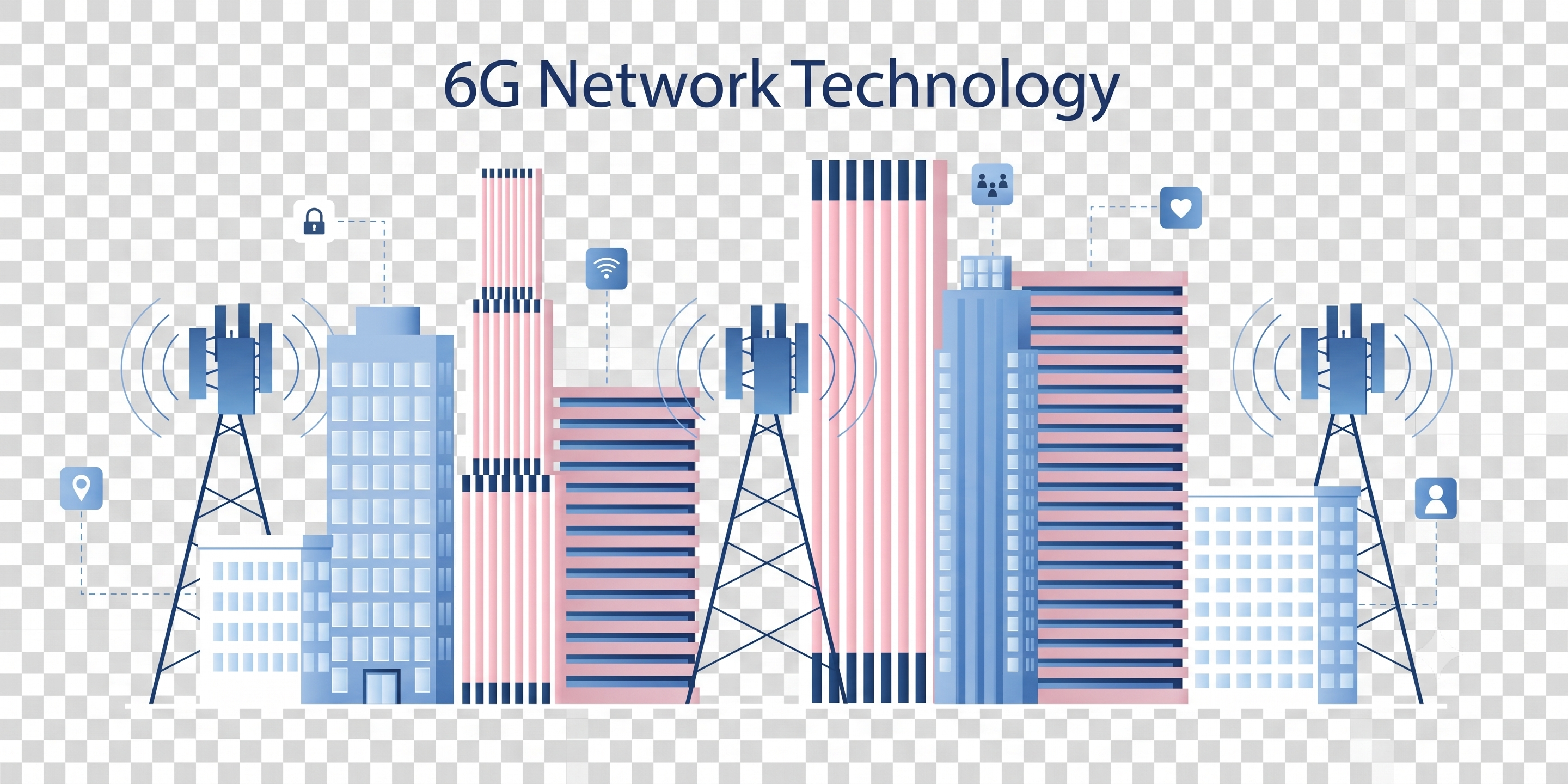 0 Comments 0 Shares 178 Views 0 Reviews
 -
The "GCC 4.0" Pivot: Why India’s Tech Career Ladder Just Changed Rules
India’s Global Capability Centers (GCCs) have officially crossed 2,100+ entities employing over 2.3 million professionals, with GCCs generating nearly $100B in economic value.
The defining structural shift across Bengaluru, Hyderabad, and Pune isn't just headcount—it is the extinction of the offshore cost-center model. Global headquarters are no longer sending repetitive maintenance slices to India; they are anchoring core product ownership, AI architecture, and global P&L accountability directly into Indian engineering hubs.
Yet, thousands of Indian engineers with 4–10 years of experience are hitting a ceiling in interviews. Why?
Because the skills that earned you a senior rating in the traditional IT-services era—client SLA adherence, manual bug fixes, and waiting for user stories—are liabilities in modern product GCCs.
Here is the 3-step transition playbook to command the top 15–25% compensation tier in India’s GCC landscape:
1. Shift from "Billable Ticket Taker" to "Product Problem Owner"
In legacy setups, your metric was billable hours or completing Jira tasks handed down from US/EU teams. In GCC 4.0, product teams want end-to-end provenance.
Stop answering interviewers with "I was allocated to module X."
Frame impact in systems terms: "We identified a 32% latency bottleneck in core transaction processing and redesigned the event pipeline without cross-border dependencies."
2. Master "Asynchronous Global Influence"
GCC leadership roles are increasingly run out of India. That requires high-fidelity technical writing and architectural governance:
Can you author a concise RFC (Request for Comments) that convinces an executive team in London, Zurich, or San Francisco?
Can you negotiate technical trade-offs across distributed time zones without needing a synchronous midnight meeting?
3. Anchor Your Stack in "AI-Native Integration"
Over 64% of new tech openings across India's top GCCs now mandate AI, data systems, or intelligent automation competencies.
It’s no longer enough to know pure Java or React.
You must understand how to integrate LLM orchestration, implement vector databases, enforce data compliance (DPDP Act & GDPR), and design resilient fallback systems.
Career Takeaway: India has transitioned from the world’s back office to its core engineering boardroom. The engineers capturing outsized career leverage aren't just shipping code—they are owning the architecture and the business outcomes behind it.
Discussion Question
For tech professionals in Bengaluru, Hyderabad, Pune, and Chennai: If you have made the jump from a service company or legacy unit to a GCC/product engineering hub, what was the hardest cultural mindset to unlearn?
CTA
Ready to build high-impact technical ownership and accelerate your engineering career in India?
👉 Join Techawks India for architecture breakdowns, salary insights, and practical frameworks from top local engineering leaders.The "GCC 4.0" Pivot: Why India’s Tech Career Ladder Just Changed Rules India’s Global Capability Centers (GCCs) have officially crossed 2,100+ entities employing over 2.3 million professionals, with GCCs generating nearly $100B in economic value. The defining structural shift across Bengaluru, Hyderabad, and Pune isn't just headcount—it is the extinction of the offshore cost-center model. Global headquarters are no longer sending repetitive maintenance slices to India; they are anchoring core product ownership, AI architecture, and global P&L accountability directly into Indian engineering hubs. Yet, thousands of Indian engineers with 4–10 years of experience are hitting a ceiling in interviews. Why? Because the skills that earned you a senior rating in the traditional IT-services era—client SLA adherence, manual bug fixes, and waiting for user stories—are liabilities in modern product GCCs. Here is the 3-step transition playbook to command the top 15–25% compensation tier in India’s GCC landscape: 1. Shift from "Billable Ticket Taker" to "Product Problem Owner" In legacy setups, your metric was billable hours or completing Jira tasks handed down from US/EU teams. In GCC 4.0, product teams want end-to-end provenance. Stop answering interviewers with "I was allocated to module X." Frame impact in systems terms: "We identified a 32% latency bottleneck in core transaction processing and redesigned the event pipeline without cross-border dependencies." 2. Master "Asynchronous Global Influence" GCC leadership roles are increasingly run out of India. That requires high-fidelity technical writing and architectural governance: Can you author a concise RFC (Request for Comments) that convinces an executive team in London, Zurich, or San Francisco? Can you negotiate technical trade-offs across distributed time zones without needing a synchronous midnight meeting? 3. Anchor Your Stack in "AI-Native Integration" Over 64% of new tech openings across India's top GCCs now mandate AI, data systems, or intelligent automation competencies. It’s no longer enough to know pure Java or React. You must understand how to integrate LLM orchestration, implement vector databases, enforce data compliance (DPDP Act & GDPR), and design resilient fallback systems. Career Takeaway: India has transitioned from the world’s back office to its core engineering boardroom. The engineers capturing outsized career leverage aren't just shipping code—they are owning the architecture and the business outcomes behind it. Discussion Question For tech professionals in Bengaluru, Hyderabad, Pune, and Chennai: If you have made the jump from a service company or legacy unit to a GCC/product engineering hub, what was the hardest cultural mindset to unlearn? CTA Ready to build high-impact technical ownership and accelerate your engineering career in India? 👉 Join Techawks India for architecture breakdowns, salary insights, and practical frameworks from top local engineering leaders.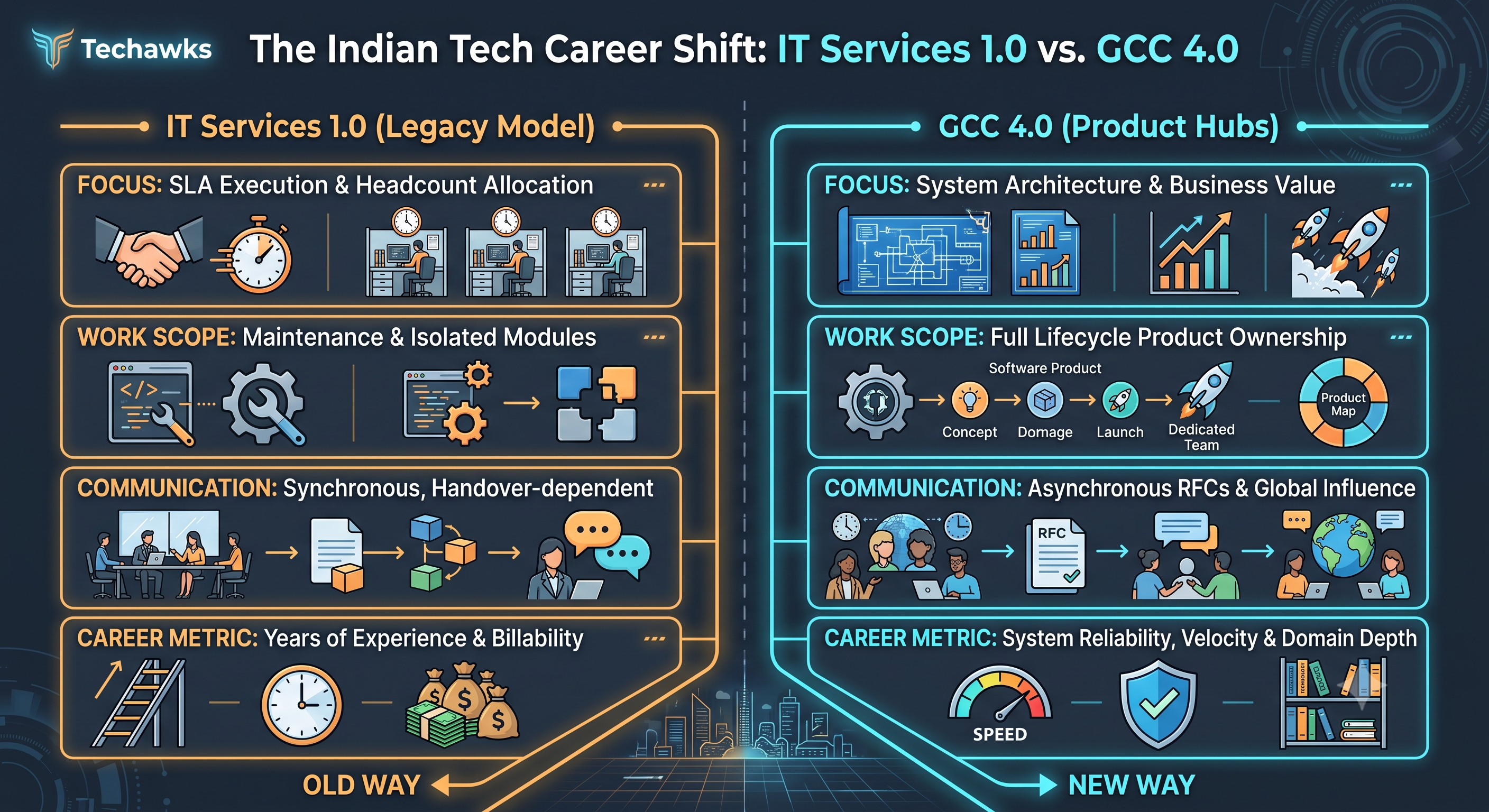 0 Comments 0 Shares 428 Views 0 Reviews
 -
The Self-Inflicted DDoS: Why Your Fintech App Crashes When UPI Undergoes Bank Latency
Processing real-time digital payments at Indian scale means handling billions of monthly transactions across hundreds of remitter and beneficiary banks. But when an upstream core banking system (CBS) slows down, naïve backend designs trigger a catastrophic architectural failure pattern: the retry storm.
Instead of degrading gracefully, client apps and backend worker queues bombard the already struggling downstream switch with immediate retries, turning a minor 500ms banking lag into a total system failure.
The Resilience Audit:
Examine your payment routing, merchant webhook handling, or check-transaction polling workflows and address these structural weak points:
Tight Polling on Ambiguous States: When an API call returns PENDING or drops a connection, firing aggressive polling queries every 2 seconds without intervals violates payment gateway rate limits and saturates your internal thread pools.
Synchronous Cascading Timeouts: Blocking worker threads while waiting on third-party HTTP timeouts locks up web servers, preventing fast-path traffic (like static content or balance caches) from serving active users.
Missing Circuit Breakers: If Remitter Bank A is failing 90% of requests, continuing to blindly forward new payment attempts wastes compute and drains gateway quotas instead of proactively rerouting or warning the user upfront.
The 2-Step Distributed Resilience Challenge:
Adding entropy (jitter) scatters retry traffic evenly across time, preventing synchronized request bursts from hitting the gateway simultaneously.
Step 1: Deploy Adaptive Circuit Breakers: Wrap external banking and NPCI switch endpoints with state-aware circuit breakers (e.g., resilience4j or Envoy filters). Configure the breaker to open when error rates cross 40% over a 30-second window, instantly returning cached degraded states or prompting alternative payment methods (e.g., wallet, cards, or alternate VPA handles) without hitting the broken partner.
Step 2: Move Status Verification to Asynchronous Queues: Decouple the frontend client from synchronous transaction checks. Relegate reconciliation checks to distributed delayed message brokers (like SQS or Kafka with delayed topics), adhering strictly to recommended polling intervals.
Discussion Question
When an upstream remitter bank experiences latency, does your payment system proactively trip a circuit breaker and suggest alternate rails, or do your retries compound the failure?
CTA
Ready to build resilient, hyper-scale payment and platform architectures designed for India's digital public infrastructure? Join Techawks India to discuss high-throughput systems, event-driven backends, and platform engineering.The Self-Inflicted DDoS: Why Your Fintech App Crashes When UPI Undergoes Bank Latency Processing real-time digital payments at Indian scale means handling billions of monthly transactions across hundreds of remitter and beneficiary banks. But when an upstream core banking system (CBS) slows down, naïve backend designs trigger a catastrophic architectural failure pattern: the retry storm. Instead of degrading gracefully, client apps and backend worker queues bombard the already struggling downstream switch with immediate retries, turning a minor 500ms banking lag into a total system failure. The Resilience Audit: Examine your payment routing, merchant webhook handling, or check-transaction polling workflows and address these structural weak points: Tight Polling on Ambiguous States: When an API call returns PENDING or drops a connection, firing aggressive polling queries every 2 seconds without intervals violates payment gateway rate limits and saturates your internal thread pools. Synchronous Cascading Timeouts: Blocking worker threads while waiting on third-party HTTP timeouts locks up web servers, preventing fast-path traffic (like static content or balance caches) from serving active users. Missing Circuit Breakers: If Remitter Bank A is failing 90% of requests, continuing to blindly forward new payment attempts wastes compute and drains gateway quotas instead of proactively rerouting or warning the user upfront. The 2-Step Distributed Resilience Challenge: Adding entropy (jitter) scatters retry traffic evenly across time, preventing synchronized request bursts from hitting the gateway simultaneously. Step 1: Deploy Adaptive Circuit Breakers: Wrap external banking and NPCI switch endpoints with state-aware circuit breakers (e.g., resilience4j or Envoy filters). Configure the breaker to open when error rates cross 40% over a 30-second window, instantly returning cached degraded states or prompting alternative payment methods (e.g., wallet, cards, or alternate VPA handles) without hitting the broken partner. Step 2: Move Status Verification to Asynchronous Queues: Decouple the frontend client from synchronous transaction checks. Relegate reconciliation checks to distributed delayed message brokers (like SQS or Kafka with delayed topics), adhering strictly to recommended polling intervals. Discussion Question When an upstream remitter bank experiences latency, does your payment system proactively trip a circuit breaker and suggest alternate rails, or do your retries compound the failure? CTA Ready to build resilient, hyper-scale payment and platform architectures designed for India's digital public infrastructure? Join Techawks India to discuss high-throughput systems, event-driven backends, and platform engineering. 0 Comments 0 Shares 530 Views 0 Reviews
 -
DPDP Compliance Is an Architecture Problem, Not a Legal Disclaimer
Across India’s tech ecosystem—from Bengaluru product teams to Mumbai fintechs—engineering organizations are treating privacy compliance as a legal task. But under DPDP operational rules, compliance is enforced at the database, API, and state-management levels, not in marketing copy.
Myth: "DPDP compliance belongs to the legal team. As engineers, our only job is surfacing consent checkboxes and linking to terms."
Fact: The DPDP framework mandates verifiable consent artifacts, purpose limitation, automated data minimization, and demonstrable right-to-erasure across all distributed storage, read-replicas, and third-party data processors.
Why traditional monolithic and microservice architectures break under DPDP rules:
The Consent-Purpose Mismatch: Consent under DPDP must be granular, unbundled, and purpose-specific. If a user grants consent for OTP delivery, storing their phone number into an internal marketing analytics pipeline without distinct lineage tracking is an architectural violation.
The "Soft Delete" Fallback Fails: Most engineering teams handle user deletion by setting is_deleted = true on row records. Under DPDP, fiduciaries must ensure actual deletion or cryptographic anonymization once the original processing purpose is complete—including downstream data warehouses, Kafka event logs, and partner APIs.
Third-Party Data Processor Liability: The primary Data Fiduciary remains accountable if an integrated analytics SDK, verification API, or cloud partner leaks data. Your architecture requires continuous observability over what external payloads leave your network boundaries.
How Indian Engineering Teams Must Re-Architect Today:
Implement Purpose-Based Access Control (PBAC): Move beyond static Role-Based Access Control (RBAC). Tag personal data attributes (PII) at ingest and enforce access tokens that validate whether the current API request matches the specific purpose the user consented to.
Build an Audit-Ready Consent Ledger: Store consent not as a boolean flag in a user table, but as an immutable event stream (Timestamp, Version ID, Granular Purpose IDs, Revocation Status).
Automate Data Lifecycle & Cascade Deletion: Design asynchronous event-driven worker jobs (via SQS/Kafka) that automatically scrub personal identifiers across secondary analytical data lakes and cached stores upon account termination or purpose expiry.
Discussion Question
How is your engineering team solving the "right to erasure" across distributed data lakes, message queues, and external analytics vendors without breaking production reporting?
CTA
Ready to build resilient, compliant architectures tailored for India’s fast-evolving regulatory and tech landscape? Join Techawks India to discuss production patterns, platform engineering, and high-scale local tech practices.DPDP Compliance Is an Architecture Problem, Not a Legal Disclaimer Across India’s tech ecosystem—from Bengaluru product teams to Mumbai fintechs—engineering organizations are treating privacy compliance as a legal task. But under DPDP operational rules, compliance is enforced at the database, API, and state-management levels, not in marketing copy. Myth: "DPDP compliance belongs to the legal team. As engineers, our only job is surfacing consent checkboxes and linking to terms." Fact: The DPDP framework mandates verifiable consent artifacts, purpose limitation, automated data minimization, and demonstrable right-to-erasure across all distributed storage, read-replicas, and third-party data processors. Why traditional monolithic and microservice architectures break under DPDP rules: The Consent-Purpose Mismatch: Consent under DPDP must be granular, unbundled, and purpose-specific. If a user grants consent for OTP delivery, storing their phone number into an internal marketing analytics pipeline without distinct lineage tracking is an architectural violation. The "Soft Delete" Fallback Fails: Most engineering teams handle user deletion by setting is_deleted = true on row records. Under DPDP, fiduciaries must ensure actual deletion or cryptographic anonymization once the original processing purpose is complete—including downstream data warehouses, Kafka event logs, and partner APIs. Third-Party Data Processor Liability: The primary Data Fiduciary remains accountable if an integrated analytics SDK, verification API, or cloud partner leaks data. Your architecture requires continuous observability over what external payloads leave your network boundaries. How Indian Engineering Teams Must Re-Architect Today: Implement Purpose-Based Access Control (PBAC): Move beyond static Role-Based Access Control (RBAC). Tag personal data attributes (PII) at ingest and enforce access tokens that validate whether the current API request matches the specific purpose the user consented to. Build an Audit-Ready Consent Ledger: Store consent not as a boolean flag in a user table, but as an immutable event stream (Timestamp, Version ID, Granular Purpose IDs, Revocation Status). Automate Data Lifecycle & Cascade Deletion: Design asynchronous event-driven worker jobs (via SQS/Kafka) that automatically scrub personal identifiers across secondary analytical data lakes and cached stores upon account termination or purpose expiry. Discussion Question How is your engineering team solving the "right to erasure" across distributed data lakes, message queues, and external analytics vendors without breaking production reporting? CTA Ready to build resilient, compliant architectures tailored for India’s fast-evolving regulatory and tech landscape? Join Techawks India to discuss production patterns, platform engineering, and high-scale local tech practices. 0 Comments 0 Shares 146 Views 0 Reviews
 -
The DPDP Consent Architecture Deadline: An Indian Tech Lead’s Production Readiness Checklist
Most technical teams assume compliance begins and ends with updated privacy policy checkboxes and cookie banners. Under the DPDP framework and its Consent Manager rules, compliance is not a legal document—it is a distributed systems problem.
Why It Matters to Indian Tech TeamsWith the operational rollout of the statutory Consent Manager Framework and the Data Protection Board's enforcement mechanisms, data handling requires auditable state machines. If a user revokes consent via an external interoperable Consent Manager, that revocation must propagate deterministically across your microservices, cache layers, and downstream analytics pipelines.
Failure to prove cryptographic verification and purposive data isolation risks penalties reaching up to ₹250 crore per violation.
The Production Readiness Checklist for Engineering Teams
[ ] 1. Decouple User Identity from Behavioral Schemas
└─ Store PII and transactional data in segregated, encrypted partitions.
└─ Enforce cryptographic pseudonymization before piping events to telemetry or training clusters.
[ ] 2. Implement a Real-Time Consent Invalidation Bus
└─ Treat consent state as an event stream (e.g., Kafka topic) rather than a static DB boolean.
└─ Propagate consent withdrawal webhooks downstream with bounded SLA (< 1 hour across active sessions).
[ ] 3. Audit Purpose-Bound API Payloads
└─ Strip all blanket "read-all" scopes across internal microservices.
└─ Gate endpoints using attribute-based access controls (ABAC) tied strictly to active, granular consent IDs.
[ ] 4. Enforce Retention Schedules at the Storage Engine Level
└─ Transition from manual DB cleanup scripts to TTL-based automatic purge policies in primary and secondary stores.
└─ Verify cold-storage archive purges and 7-year audit log retention for consent trails.
[ ] 5. Standardize Data Processor (Vendor) Webhook Protocols
└─ Map every external SDK (analytics, CRM, payment aggregators) handling Indian user telemetry.
└─ Establish signed purge receipts from third-party processors whenever an erasure request is executed.
Compliance isn't solved by adding terms to a signup page—it's solved by how reliably your architecture handles data isolation and deletion requests.
Discussion Question
How is your engineering team currently architecting downstream consent revocation across your caching and asynchronous worker layers?
CTA (Join Techawks India)
Follow Techawks India for real-world engineering blueprints, regulatory architecture breakdowns, and actionable tech insights built for the Indian developer ecosystem.The DPDP Consent Architecture Deadline: An Indian Tech Lead’s Production Readiness Checklist Most technical teams assume compliance begins and ends with updated privacy policy checkboxes and cookie banners. Under the DPDP framework and its Consent Manager rules, compliance is not a legal document—it is a distributed systems problem. Why It Matters to Indian Tech TeamsWith the operational rollout of the statutory Consent Manager Framework and the Data Protection Board's enforcement mechanisms, data handling requires auditable state machines. If a user revokes consent via an external interoperable Consent Manager, that revocation must propagate deterministically across your microservices, cache layers, and downstream analytics pipelines. Failure to prove cryptographic verification and purposive data isolation risks penalties reaching up to ₹250 crore per violation. The Production Readiness Checklist for Engineering Teams [ ] 1. Decouple User Identity from Behavioral Schemas └─ Store PII and transactional data in segregated, encrypted partitions. └─ Enforce cryptographic pseudonymization before piping events to telemetry or training clusters. [ ] 2. Implement a Real-Time Consent Invalidation Bus └─ Treat consent state as an event stream (e.g., Kafka topic) rather than a static DB boolean. └─ Propagate consent withdrawal webhooks downstream with bounded SLA (< 1 hour across active sessions). [ ] 3. Audit Purpose-Bound API Payloads └─ Strip all blanket "read-all" scopes across internal microservices. └─ Gate endpoints using attribute-based access controls (ABAC) tied strictly to active, granular consent IDs. [ ] 4. Enforce Retention Schedules at the Storage Engine Level └─ Transition from manual DB cleanup scripts to TTL-based automatic purge policies in primary and secondary stores. └─ Verify cold-storage archive purges and 7-year audit log retention for consent trails. [ ] 5. Standardize Data Processor (Vendor) Webhook Protocols └─ Map every external SDK (analytics, CRM, payment aggregators) handling Indian user telemetry. └─ Establish signed purge receipts from third-party processors whenever an erasure request is executed. Compliance isn't solved by adding terms to a signup page—it's solved by how reliably your architecture handles data isolation and deletion requests. Discussion Question How is your engineering team currently architecting downstream consent revocation across your caching and asynchronous worker layers? CTA (Join Techawks India) Follow Techawks India for real-world engineering blueprints, regulatory architecture breakdowns, and actionable tech insights built for the Indian developer ecosystem.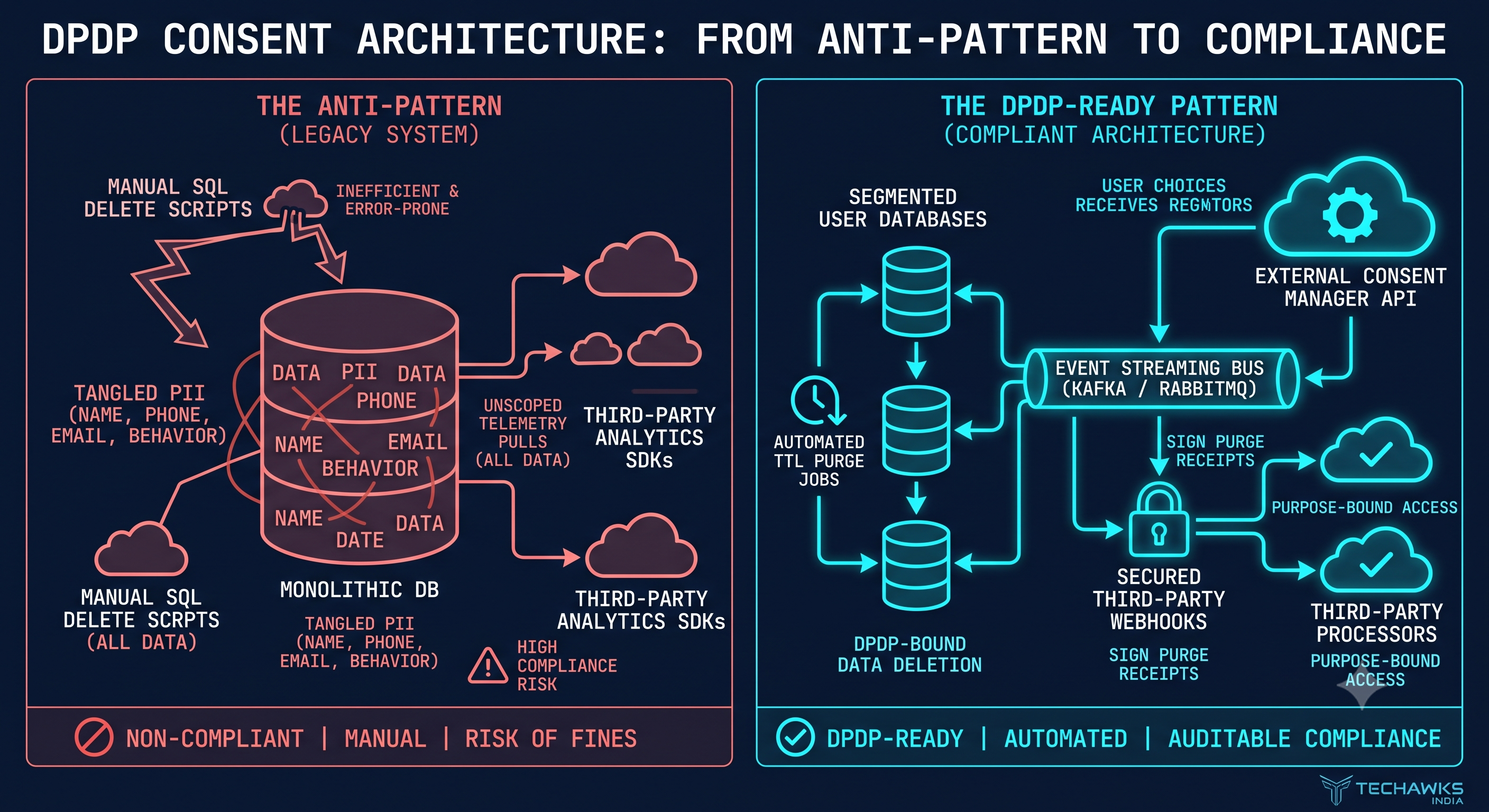 0 Comments 0 Shares 408 Views 0 Reviews
More Stories