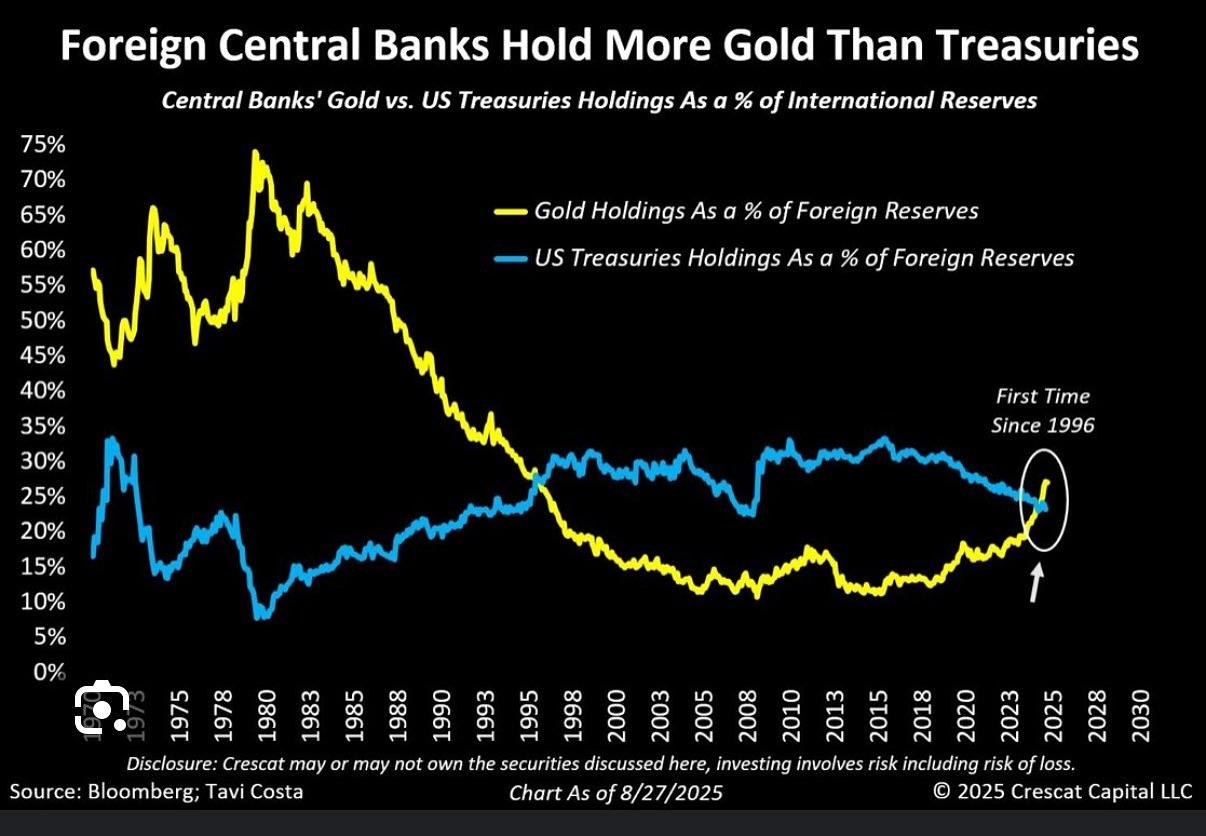
• For the first time since 1996, foreign central banks now hold more gold than U.S. Treasuries as a share of their international reserves. This shift marks a profound change in global reserve management, reflecting waning confidence in U.S. debt and a renewed preference for hard assets.

    Gold’s appeal as a neutral reserve asset has been rising, while elevated U.S. debt levels, persistent deficits, and geopolitical tensions have put pressure on Treasuries. Central banks are signaling diversification away from dollar-denominated debt and into assets perceived as safer stores of value.

    This is not just a technical move it’s a structural shift in how nations are positioning themselves for the long term.

    What does this mean for bonds? Probably nothing…

    #Gold #USTreasuries #CentralBanks #GlobalEconomy #MacroTrends #MonetaryPolicy #DeDollarization #Commodities #InvestingWisdom #FinancialMarkets
    For the first time since 1996, foreign central banks now hold more gold than U.S. Treasuries as a share of their international reserves. This shift marks a profound change in global reserve management, reflecting waning confidence in U.S. debt and a renewed preference for hard assets. Gold’s appeal as a neutral reserve asset has been rising, while elevated U.S. debt levels, persistent deficits, and geopolitical tensions have put pressure on Treasuries. Central banks are signaling diversification away from dollar-denominated debt and into assets perceived as safer stores of value. This is not just a technical move it’s a structural shift in how nations are positioning themselves for the long term. What does this mean for bonds? Probably nothing… #Gold #USTreasuries #CentralBanks #GlobalEconomy #MacroTrends #MonetaryPolicy #DeDollarization #Commodities #InvestingWisdom #FinancialMarkets
    ·560 Views ·0 Reviews
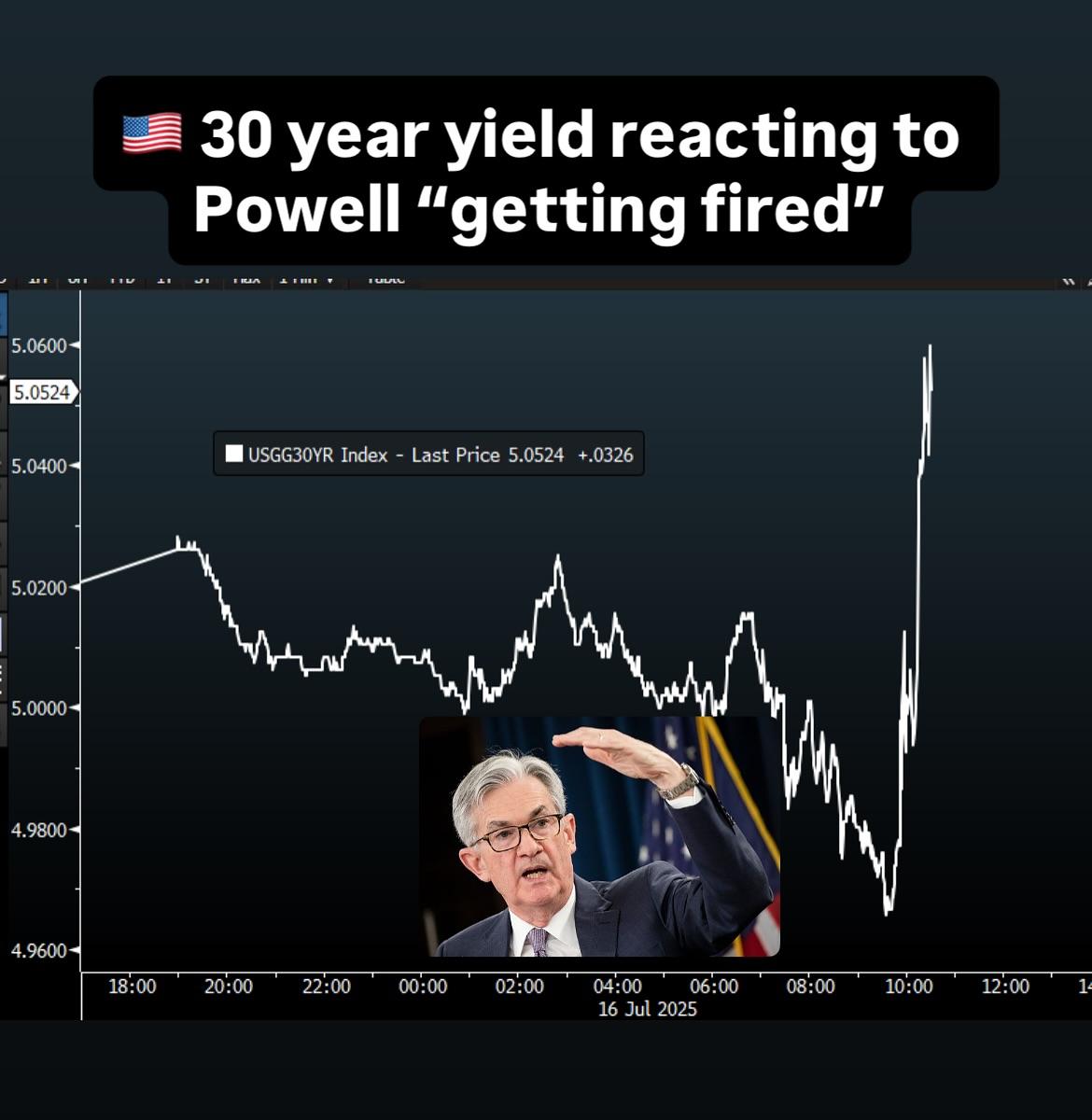
  • More nonsense… what drives emotion then action… everyone worried… The idea of a President firing the Federal Reserve Chair undermines the core principle of central bank independence. The Fed’s credibility hinges on its ability to make monetary decisions free from political interference. Any public pressure or threat from the executive branch not only damages market confidence but also incentivizes the Fed to double down on its restrictive stance tightening policy further to prove it’s not bending to political will. In moments like this, perception is policy. The Fed cannot afford to appear influenced, especially when inflation and financial stability are at stake. We have high inequality, stock markets at all time high and the bond yields spiking higher… cutting would not be fiscally responsible in my view. #FederalReserve #MonetaryPolicy #FedIndependence #Macroeconomics #InterestRates #FiscalPolicy #CentralBanking #Inflation #Markets
    More nonsense… what drives emotion then action… everyone worried… 🇺🇸🎡🎪The idea of a President firing the Federal Reserve Chair undermines the core principle of central bank independence. The Fed’s credibility hinges on its ability to make monetary decisions free from political interference. Any public pressure or threat from the executive branch not only damages market confidence but also incentivizes the Fed to double down on its restrictive stance tightening policy further to prove it’s not bending to political will. In moments like this, perception is policy. The Fed cannot afford to appear influenced, especially when inflation and financial stability are at stake. We have high inequality, stock markets at all time high and the bond yields spiking higher… cutting would not be fiscally responsible in my view. #FederalReserve #MonetaryPolicy #FedIndependence #Macroeconomics #InterestRates #FiscalPolicy #CentralBanking #Inflation #Markets
    ·486 Views ·0 Reviews
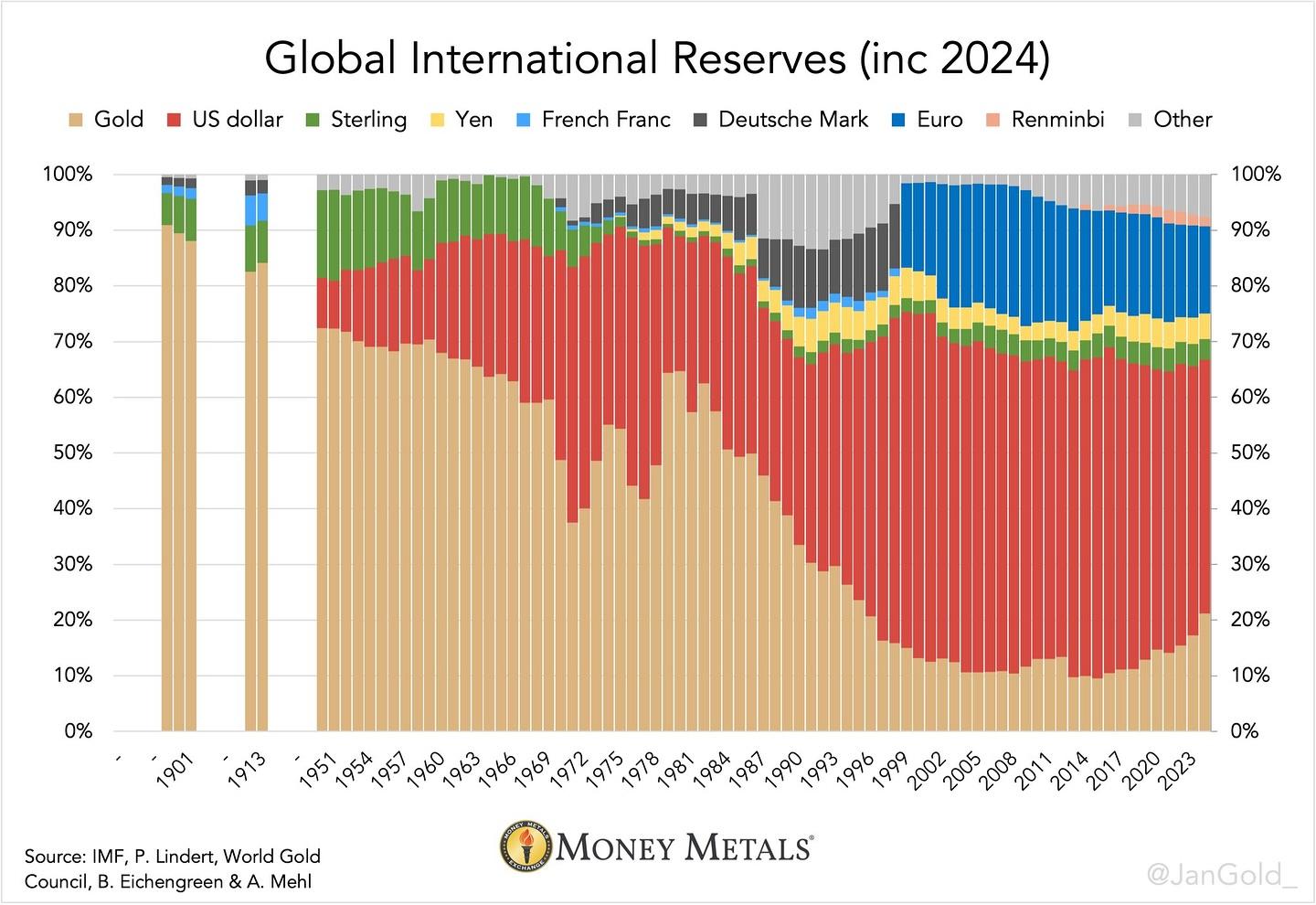
  • Global reserve composition has changed significantly over the past century. In the early 1900s, gold made up nearly all international reserves. Over time, fiat currencies like the US dollar and euro became dominant as global trade and financial systems evolved.

    Recently, however, there’s been a modest resurgence in gold’s share of total reserves. This may reflect ongoing diversification efforts by central banks in response to shifting global dynamics, currency exposure, and long-term strategic planning.

    The chart shows how the composition of reserves isn’t static—it reflects broader macroeconomic and geopolitical developments, including technological change, global policy shifts, and cross-border capital flows.

    Could gold go back to 50%?

    #GlobalEconomy #CentralBanks #GoldReserves #ReserveAssets #MacroTrends #FinancialHistory #Diversification #GlobalMarkets #Currencies #gold #MonetaryPolicy #FinanceInsights #SafeHavenAssets
    Global reserve composition has changed significantly over the past century. In the early 1900s, gold made up nearly all international reserves. Over time, fiat currencies like the US dollar and euro became dominant as global trade and financial systems evolved. Recently, however, there’s been a modest resurgence in gold’s share of total reserves. This may reflect ongoing diversification efforts by central banks in response to shifting global dynamics, currency exposure, and long-term strategic planning. The chart shows how the composition of reserves isn’t static—it reflects broader macroeconomic and geopolitical developments, including technological change, global policy shifts, and cross-border capital flows. Could gold go back to 50%? #GlobalEconomy #CentralBanks #GoldReserves #ReserveAssets #MacroTrends #FinancialHistory #Diversification #GlobalMarkets #Currencies #gold #MonetaryPolicy #FinanceInsights #SafeHavenAssets
    ·470 Views ·0 Reviews
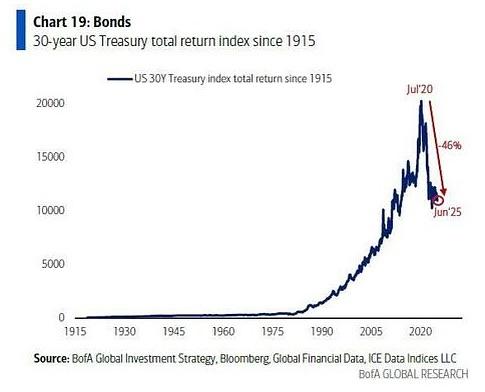
  • 30-year U.S. Treasuries have now suffered a staggering 46% drawdown from their peak in July 2020 a historic loss in an asset class long considered the benchmark for safety and stability. The long bond, often seen as the ultimate safe haven, has endured one of the most brutal bear markets in over a century.

    This collapse reflects the impact of sharply rising interest rates following a period of unprecedented monetary stimulus. It also highlights the risk embedded in duration when rates move higher, long-dated fixed income instruments get hit hardest.

    It’s a stark reminder that even “safe” assets are not immune to volatility in a world of policy shifts and inflation surprises. For investors, this period has rewritten the risk-reward playbook for bonds and emphasized the importance of adapting allocation strategies when the macro backdrop changes.

    #Bonds #Treasuries #InterestRates #FixedIncome #Inflation #MonetaryPolicy #MarketVolatility #MacroInvesting #AssetAllocation #BofA #InvestingInsights
    30-year U.S. Treasuries have now suffered a staggering 46% drawdown from their peak in July 2020 a historic loss in an asset class long considered the benchmark for safety and stability. The long bond, often seen as the ultimate safe haven, has endured one of the most brutal bear markets in over a century. This collapse reflects the impact of sharply rising interest rates following a period of unprecedented monetary stimulus. It also highlights the risk embedded in duration when rates move higher, long-dated fixed income instruments get hit hardest. It’s a stark reminder that even “safe” assets are not immune to volatility in a world of policy shifts and inflation surprises. For investors, this period has rewritten the risk-reward playbook for bonds and emphasized the importance of adapting allocation strategies when the macro backdrop changes. #Bonds #Treasuries #InterestRates #FixedIncome #Inflation #MonetaryPolicy #MarketVolatility #MacroInvesting #AssetAllocation #BofA #InvestingInsights
    ·716 Views ·0 Reviews
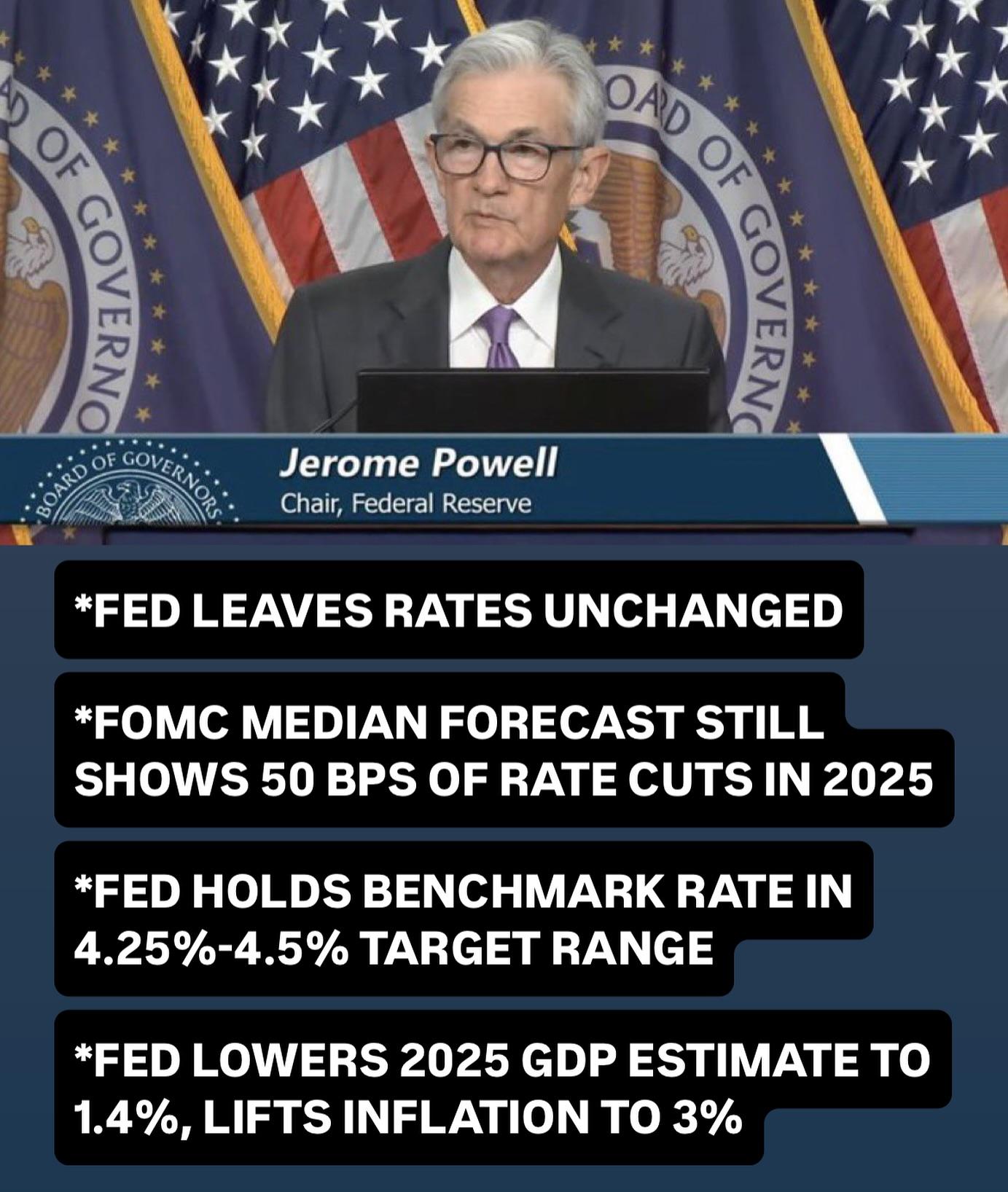
  • The Federal Reserve just wrapped up its latest policy meeting, holding interest rates steady within the 4.25%–4.50% range. The updated dot plot shows that the FOMC still projects 50 basis points of rate cuts in 2025, consistent with the previous outlook. However, the economic projections were revised: the Fed now expects GDP growth in 2025 to come in softer at 1.4%, while inflation is forecasted slightly higher, up to 3%.

    This signals a more cautious stance going forward. The Fed is clearly watching inflation pressures closely, and even though rate cuts are still penciled in, the upward revision in inflation expectations suggests they may remain patient. With the economy slowing and inflation staying sticky, policy flexibility remains key.

    Holding the line…

    #FederalReserve #FOMC #InterestRates #MacroUpdate #Inflation #MonetaryPolicy #JeromePowell #Markets #RateOutlook #FedMeeting
    The Federal Reserve just wrapped up its latest policy meeting, holding interest rates steady within the 4.25%–4.50% range. The updated dot plot shows that the FOMC still projects 50 basis points of rate cuts in 2025, consistent with the previous outlook. However, the economic projections were revised: the Fed now expects GDP growth in 2025 to come in softer at 1.4%, while inflation is forecasted slightly higher, up to 3%. This signals a more cautious stance going forward. The Fed is clearly watching inflation pressures closely, and even though rate cuts are still penciled in, the upward revision in inflation expectations suggests they may remain patient. With the economy slowing and inflation staying sticky, policy flexibility remains key. Holding the line… 🦍🇺🇸 #FederalReserve #FOMC #InterestRates #MacroUpdate #Inflation #MonetaryPolicy #JeromePowell #Markets #RateOutlook #FedMeeting
    ·342 Views ·0 Reviews
Techawks - Powered By Pantrade Blockchain https://techawks.com