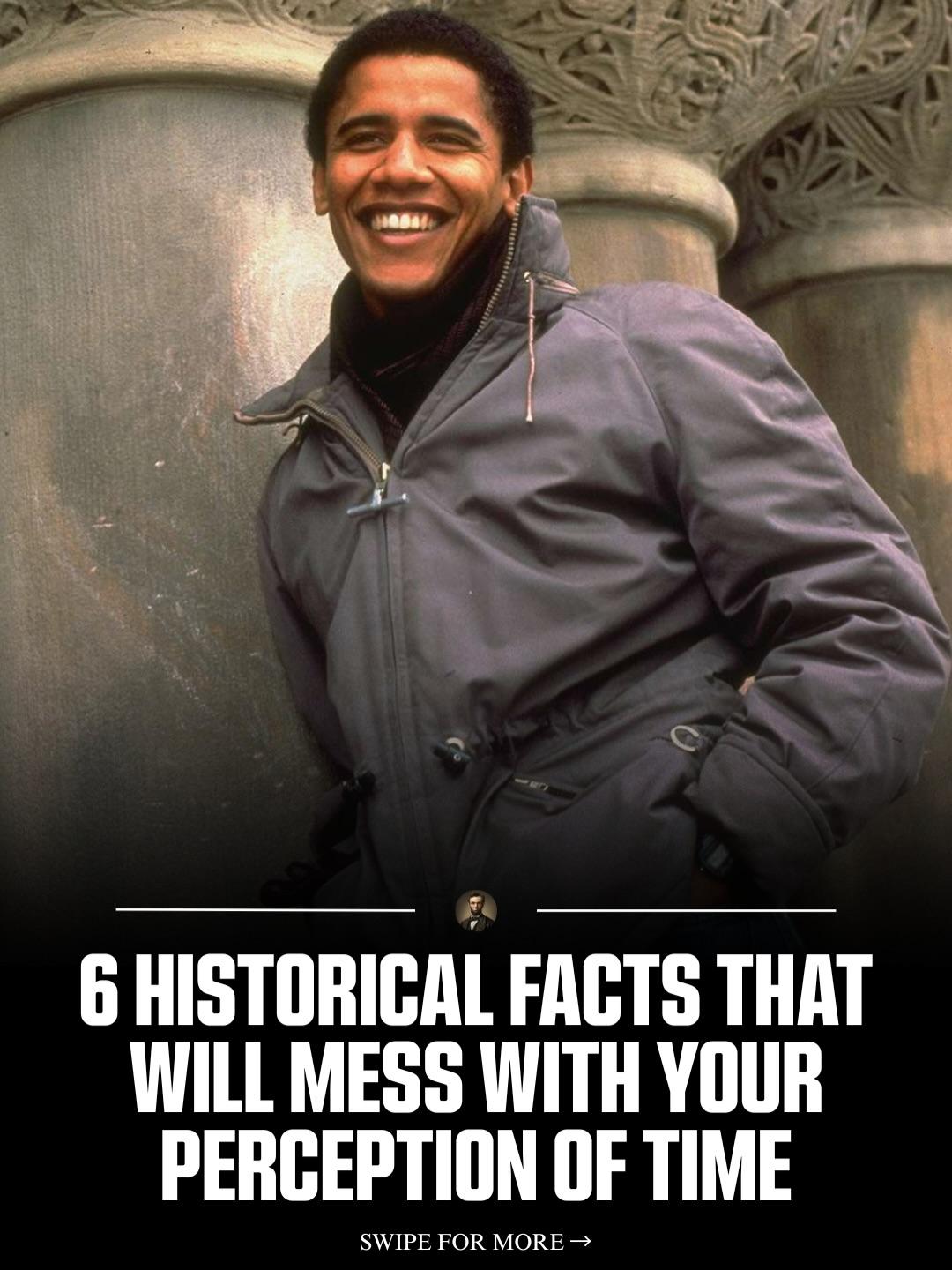
• Time does not move in a simple straight line. It bends, it folds over itself, and it surprises you the moment you look closely.

    Disney entered the world in the same year a vast empire came to an end.

    Harvard was already educating students long before anyone could explain the force of gravity.

    A person from the seventeen hundreds appears briefly in a filmed moment from the twentieth century.

    Families with Viking ancestry now live in an era filled with smartphones.

    The oldest tree on the planet began growing long before human civilization existed.

    And people created music for tens of thousands of years before they ever wrote a word.

    History is not distant.
    It is present.
    It is intertwined.
    And it will always challenge the way you think about time.

    Sources

    Smithsonian • Britannica • Harvard Archives • National Geographic
    Icelandic Sagas and Genealogical Studies • NASA • Royal Society Records
    Natural History Museum • University of Tuebingen Archaeology
    Time does not move in a simple straight line. It bends, it folds over itself, and it surprises you the moment you look closely. Disney entered the world in the same year a vast empire came to an end. Harvard was already educating students long before anyone could explain the force of gravity. A person from the seventeen hundreds appears briefly in a filmed moment from the twentieth century. Families with Viking ancestry now live in an era filled with smartphones. The oldest tree on the planet began growing long before human civilization existed. And people created music for tens of thousands of years before they ever wrote a word. History is not distant. It is present. It is intertwined. And it will always challenge the way you think about time. 📚 Sources Smithsonian • Britannica • Harvard Archives • National Geographic Icelandic Sagas and Genealogical Studies • NASA • Royal Society Records Natural History Museum • University of Tuebingen Archaeology
    ·150 Visualizações ·0 Anterior
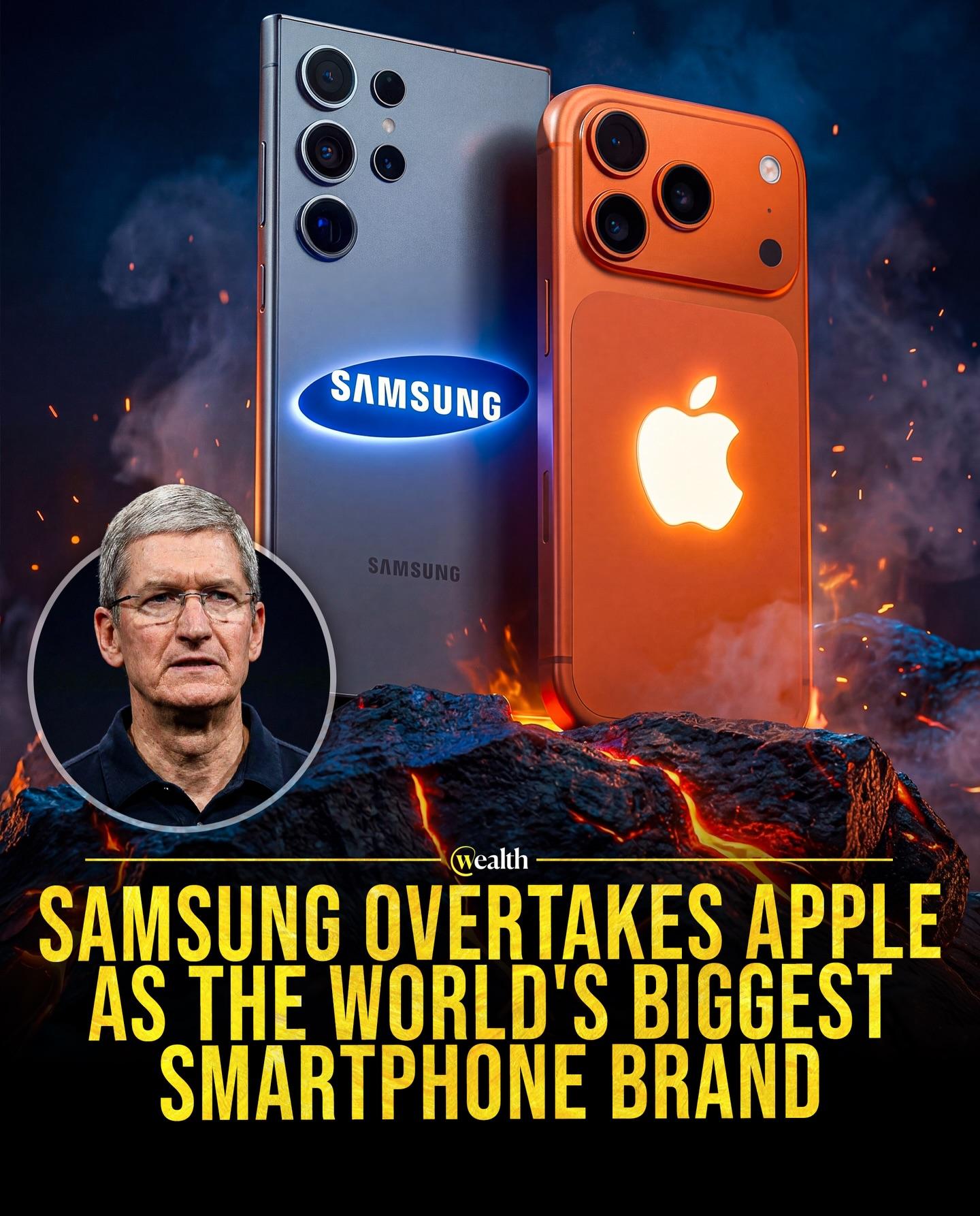
  • While everyone argues about design and cameras, Samsung shipped more devices than Apple and took the lead

    In the most recent quarter, Samsung shipped around 60 million smartphones while Apple shipped just over 50 million. That gap translates into roughly 21 percent of global shipments for Samsung versus about 17 percent for Apple, which matters because install base drives app revenue, services, and future upgrades.

    Smart money watches who controls volume, because that is where long-term ecosystem power really sits.

    #Samsung #Apple #Smartphones #TechInvesting #WealthMindset
    While everyone argues about design and cameras, Samsung shipped more devices than Apple and took the lead 🔥 In the most recent quarter, Samsung shipped around 60 million smartphones while Apple shipped just over 50 million. That gap translates into roughly 21 percent of global shipments for Samsung versus about 17 percent for Apple, which matters because install base drives app revenue, services, and future upgrades. Smart money watches who controls volume, because that is where long-term ecosystem power really sits. #Samsung #Apple #Smartphones #TechInvesting #WealthMindset
    ·143 Visualizações ·0 Anterior
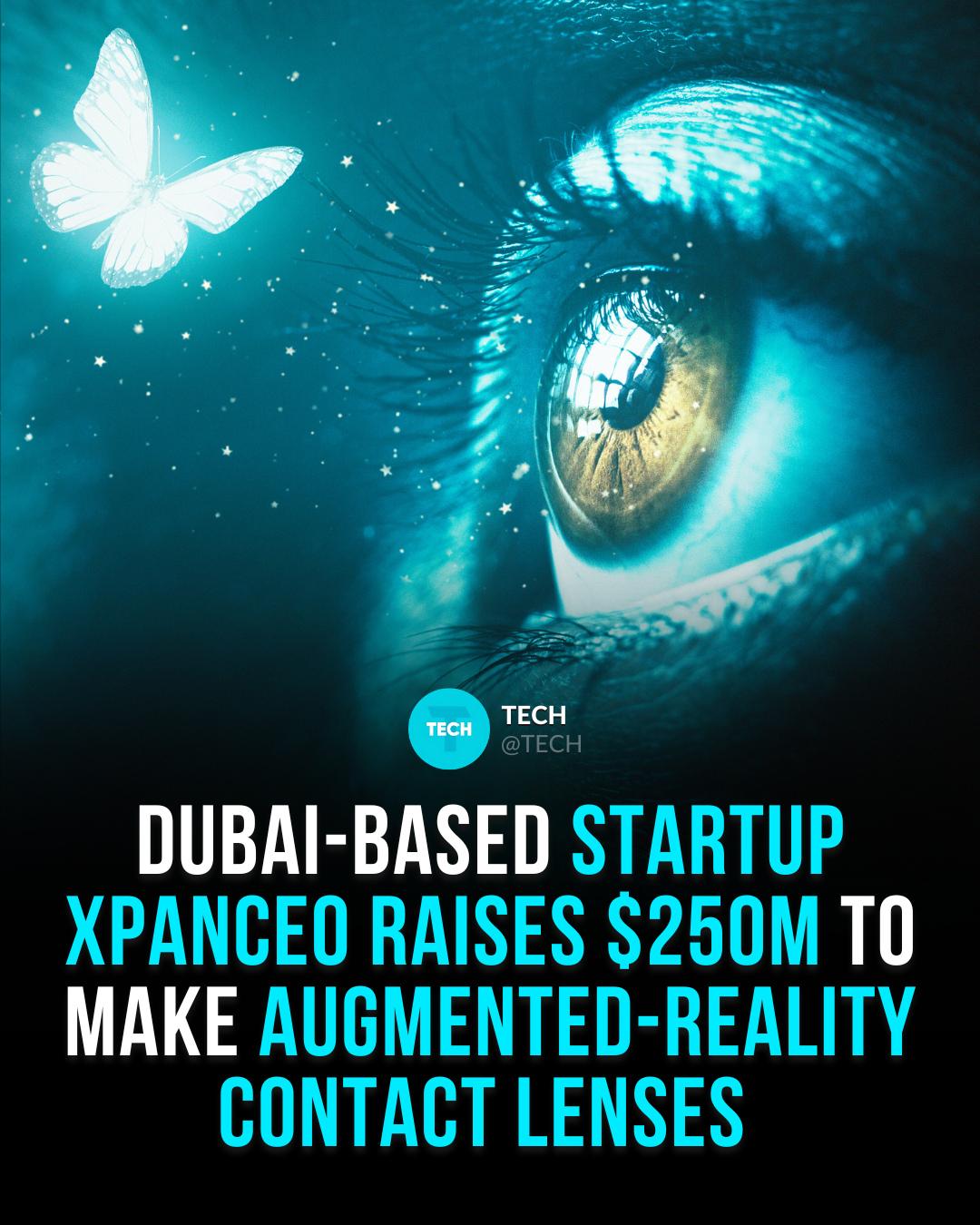
  • A new era in wearable tech is being etched directly onto the eye.⁠

    Dubai-based deeptech startup Xpanceo has raised $250 million in Series A funding to build what it claims is the world’s first multifunctional smart contact lens. The lens aims to merge augmented reality, health monitoring, and advanced optics—like night vision and zoom—into a featherlight device thinner than a human hair. With 15 functional prototypes already built, Xpanceo says it’s on track for clinical trials by 2026.⁠

    The lens is packed with innovations: intraocular pressure sensors for non-invasive glaucoma monitoring, biochemical sensors that scan tear fluid for glucose, hormones, and vitamins, and integrated nanophotonic microdisplays that project AR directly onto the retina. It uses just 1–3 microwatts of power—making it hundreds of times more efficient than current AR headsets.⁠

    Additional breakthroughs include wireless power transfer, real-time data transmission, color-blindness correction, and nanoparticle engineering for enhanced low-light vision. These modular capabilities could eventually adapt to specialized needs across healthcare, defense, industrial, and consumer sectors.⁠

    Xpanceo's long-term vision is bold: replace smartphones, glasses, and even smartwatches with a single, invisible computing interface. Founders Roman Axelrod and Dr. Valentyn Volkov have doubled their team to 100 researchers, filed over 110 scientific publications, and built partnerships with global institutions. The company has also debuted its lenses at trade shows like MWC and GITEX, where it showcased wireless-charging designs and real-time biosensing.⁠

    While challenges like FDA approval and miniaturization loom large, investors believe Xpanceo is leading the charge into the post-smartphone age. “They’re not just building a product,” said lead investor Opportunity Venture, “they’re rewriting the rules of personal tech.”
    A new era in wearable tech is being etched directly onto the eye.⁠ ⁠ Dubai-based deeptech startup Xpanceo has raised $250 million in Series A funding to build what it claims is the world’s first multifunctional smart contact lens. The lens aims to merge augmented reality, health monitoring, and advanced optics—like night vision and zoom—into a featherlight device thinner than a human hair. With 15 functional prototypes already built, Xpanceo says it’s on track for clinical trials by 2026.⁠ ⁠ The lens is packed with innovations: intraocular pressure sensors for non-invasive glaucoma monitoring, biochemical sensors that scan tear fluid for glucose, hormones, and vitamins, and integrated nanophotonic microdisplays that project AR directly onto the retina. It uses just 1–3 microwatts of power—making it hundreds of times more efficient than current AR headsets.⁠ ⁠ Additional breakthroughs include wireless power transfer, real-time data transmission, color-blindness correction, and nanoparticle engineering for enhanced low-light vision. These modular capabilities could eventually adapt to specialized needs across healthcare, defense, industrial, and consumer sectors.⁠ ⁠ Xpanceo's long-term vision is bold: replace smartphones, glasses, and even smartwatches with a single, invisible computing interface. Founders Roman Axelrod and Dr. Valentyn Volkov have doubled their team to 100 researchers, filed over 110 scientific publications, and built partnerships with global institutions. The company has also debuted its lenses at trade shows like MWC and GITEX, where it showcased wireless-charging designs and real-time biosensing.⁠ ⁠ While challenges like FDA approval and miniaturization loom large, investors believe Xpanceo is leading the charge into the post-smartphone age. “They’re not just building a product,” said lead investor Opportunity Venture, “they’re rewriting the rules of personal tech.”
    ·87 Visualizações ·0 Anterior
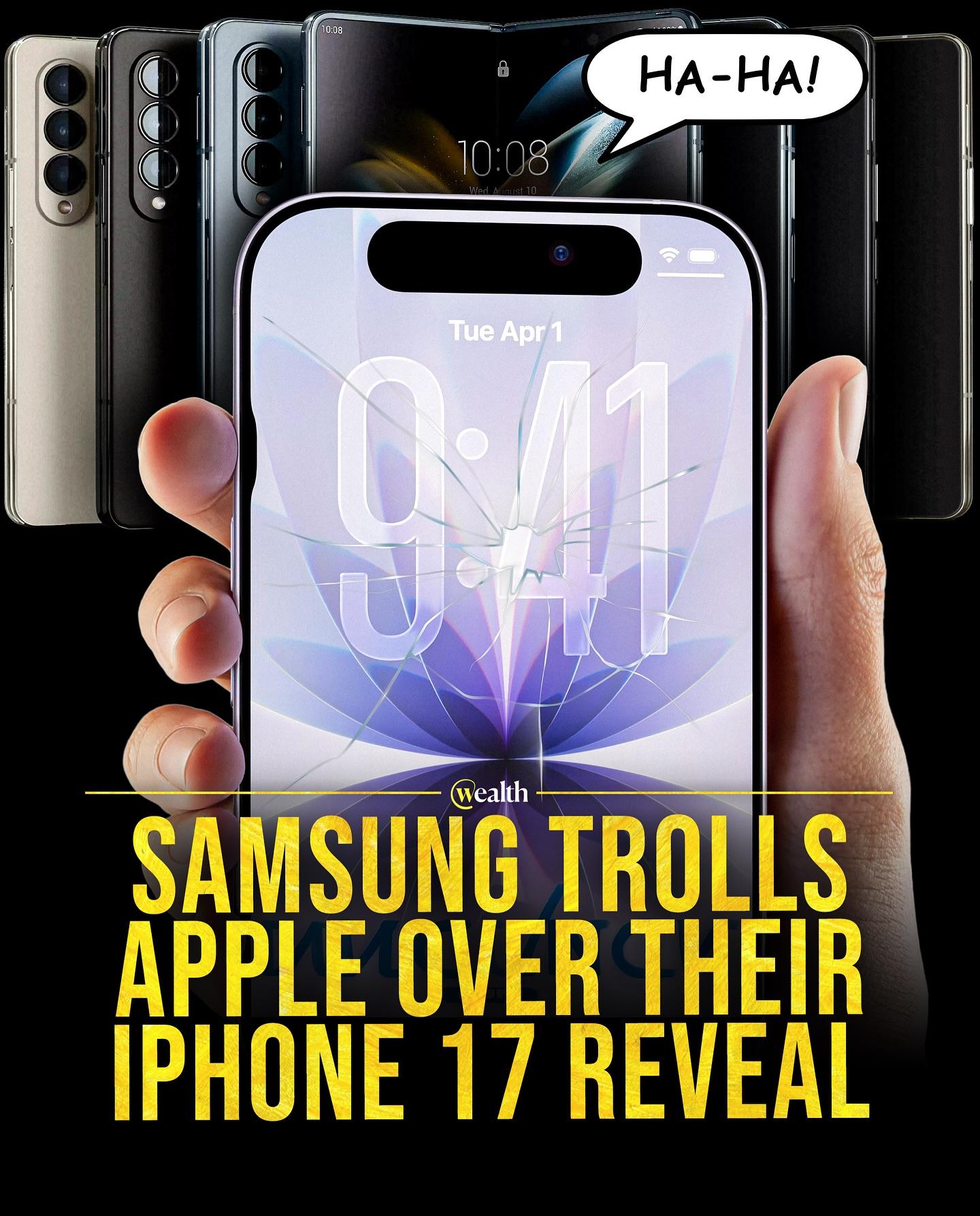
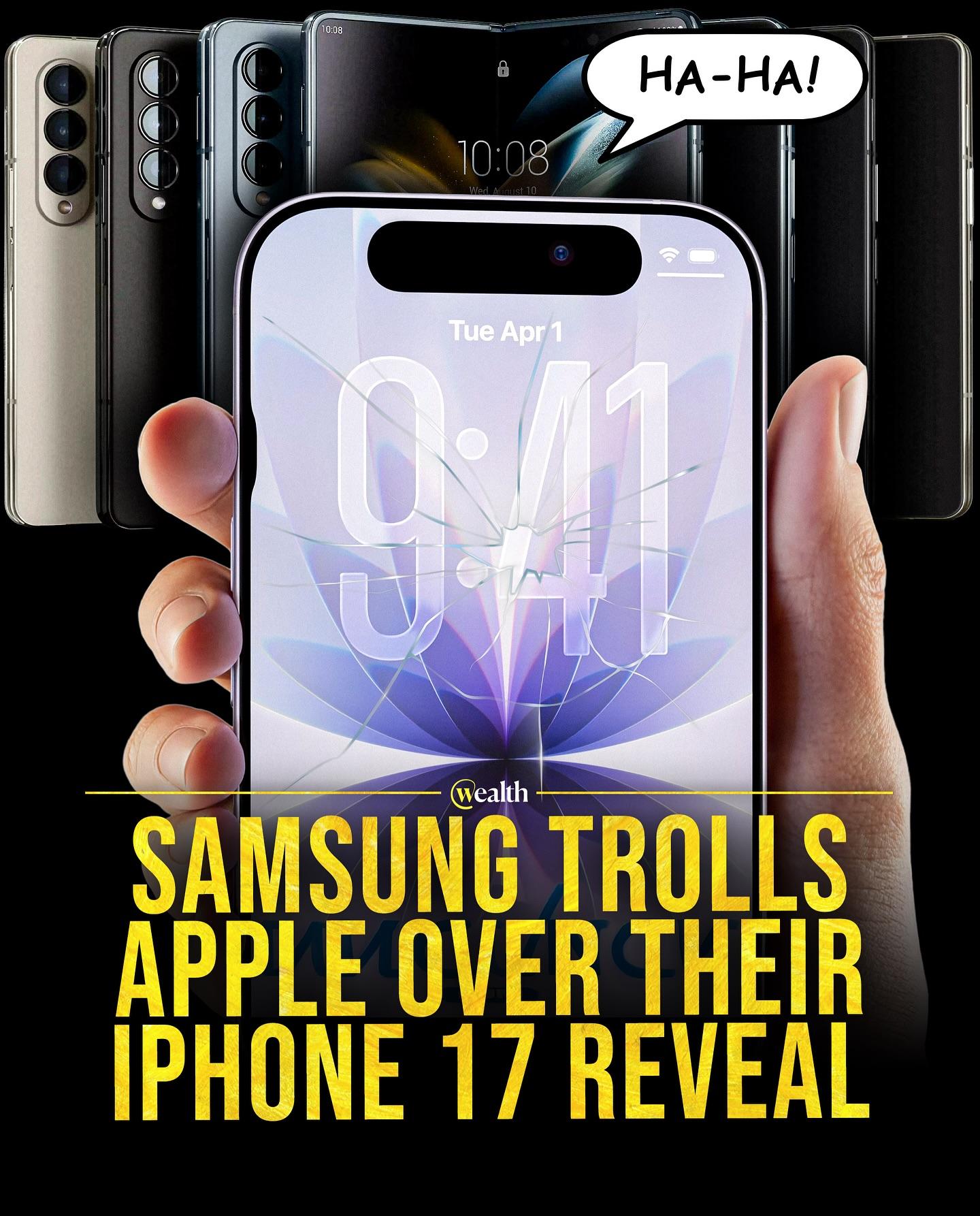
  • Samsung is openly trolling Apple’s iPhone 17 reveal.

    Right after Apple unveiled the iPhone 17 lineup and new watches, Samsung fired off #iCant tweets aimed at the event.

    One jab read “48MP x 3 still doesn’t equal 200MP,” while Apple’s Pro models now pack three 48MP rear sensors.
    Another mocked the “five-year” wait for Apple’s new Sleep Score on Watch, which Apple announced today for watchOS 26 devices.

    Love learning? Follow @Wealth

    #Samsung #Galaxy #Smartphones #Wearables #TechNews
    Samsung is openly trolling Apple’s iPhone 17 reveal. Right after Apple unveiled the iPhone 17 lineup and new watches, Samsung fired off #iCant tweets aimed at the event. One jab read “48MP x 3 still doesn’t equal 200MP,” while Apple’s Pro models now pack three 48MP rear sensors. Another mocked the “five-year” wait for Apple’s new Sleep Score on Watch, which Apple announced today for watchOS 26 devices. Love learning? Follow @Wealth ⭐ #Samsung #Galaxy #Smartphones #Wearables #TechNews
    ·168 Visualizações ·0 Anterior
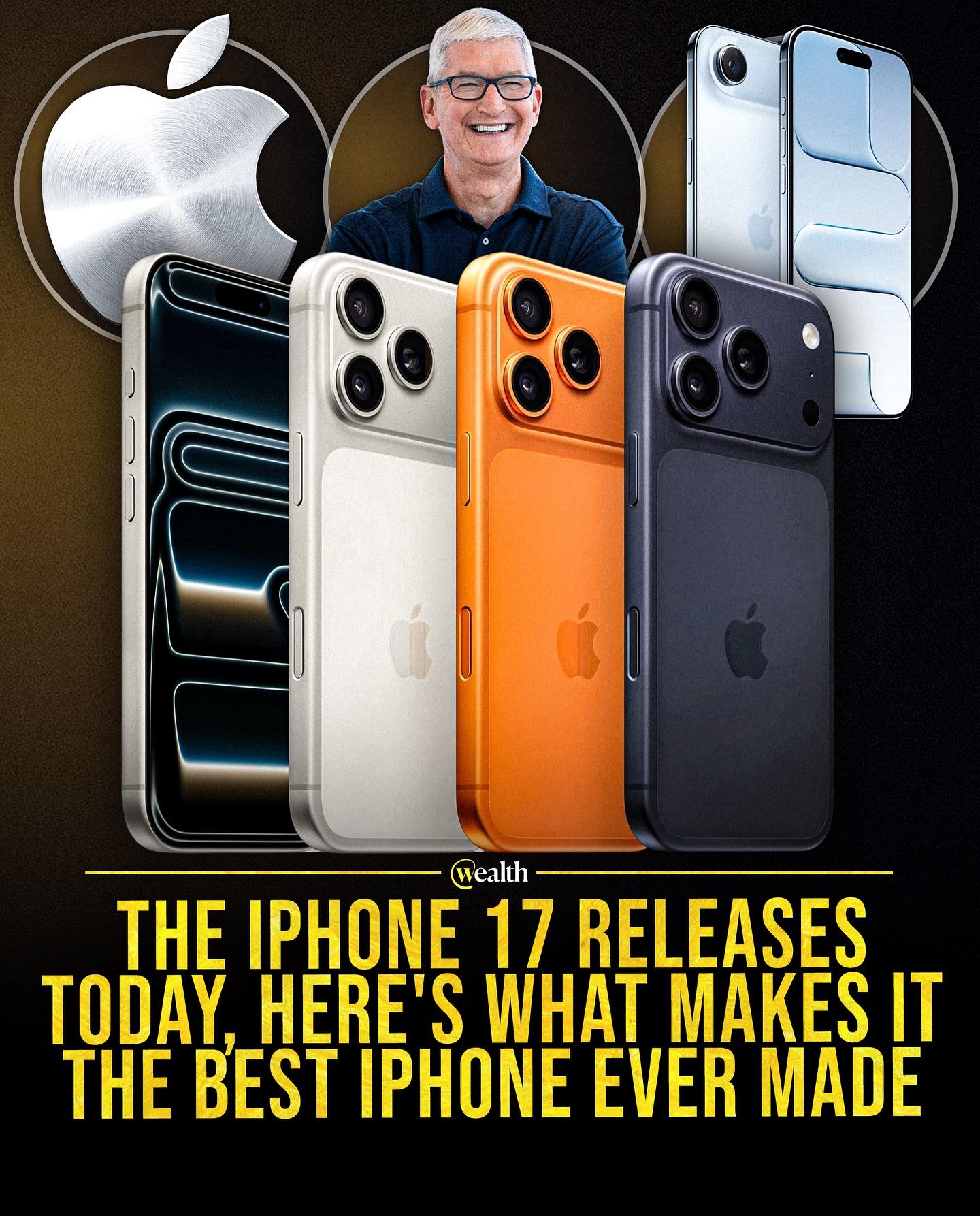
  • iPhone 17 brings some real upgrades you can feel

    Apple’s new lineup lands today with brighter screens and bigger batteries.

    On the Pro models, the display peaks at 3,000 nits outdoors, and the front gets Ceramic Shield 2 that’s rated for roughly 3x better scratch resistance.

    Battery life stretches farthest on Pro Max with up to 39 hours of video playback, and you can hit about 50% in roughly 20 minutes using a high-watt adapter.

    Storage finally starts at 256 GB across the lineup, which means more room for 4K video and apps without paying for an immediate upgrade.

    Love learning? Follow @Wealth

    #Apple #IPhone17 #Tech #Smartphones #Gadgets
    iPhone 17 brings some real upgrades you can feel 📱 Apple’s new lineup lands today with brighter screens and bigger batteries. On the Pro models, the display peaks at 3,000 nits outdoors, and the front gets Ceramic Shield 2 that’s rated for roughly 3x better scratch resistance. Battery life stretches farthest on Pro Max with up to 39 hours of video playback, and you can hit about 50% in roughly 20 minutes using a high-watt adapter. Storage finally starts at 256 GB across the lineup, which means more room for 4K video and apps without paying for an immediate upgrade. Love learning? Follow @Wealth ⭐ #Apple #IPhone17 #Tech #Smartphones #Gadgets
    ·150 Visualizações ·0 Anterior
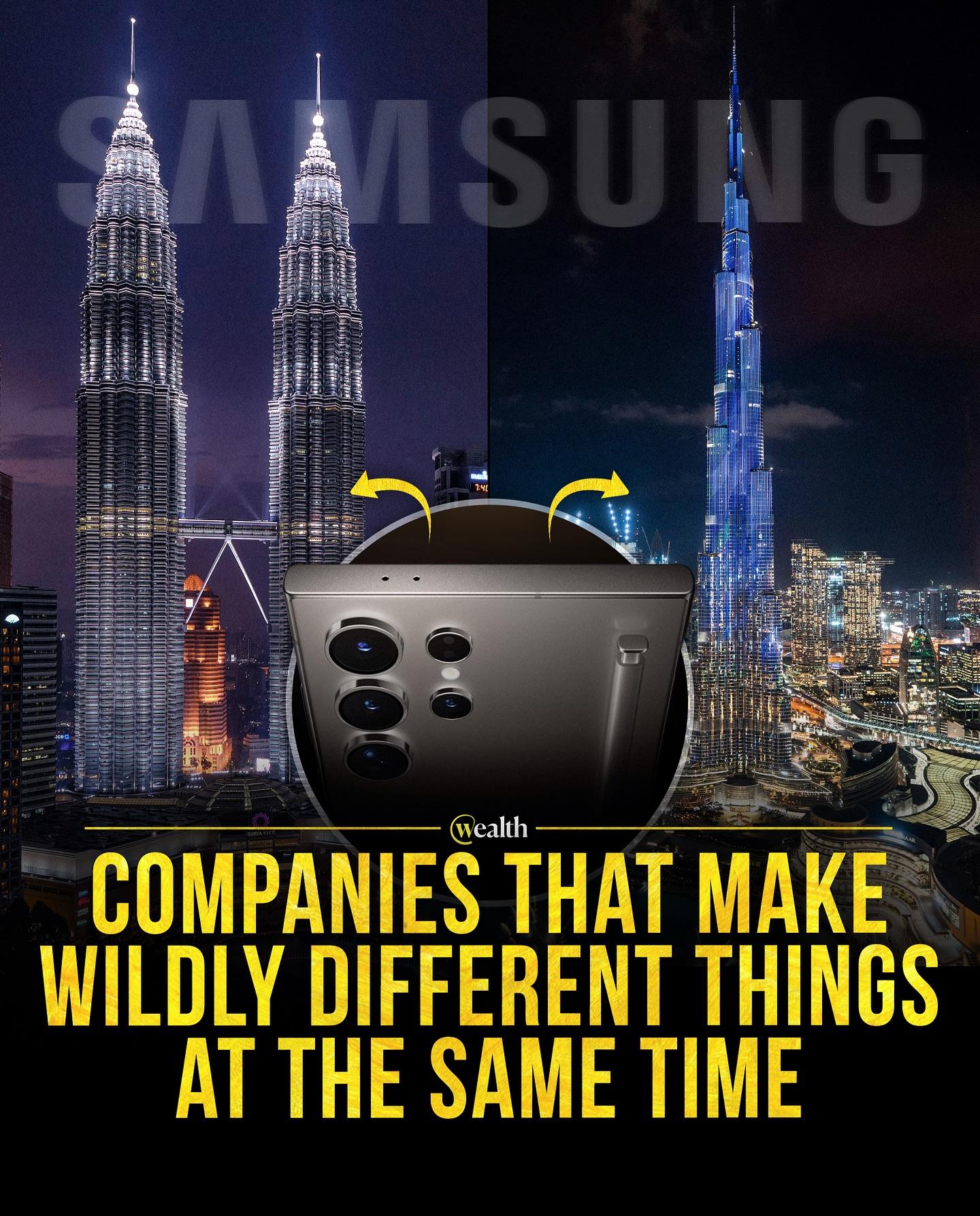
  • One logo, totally different worlds

    Some companies quietly run empires where shipyards, sausages, and restaurant stars live under the same logo.

    Samsung does it at scale: the chaebol’s shipyard builds giant LNG carriers while its phone unit ships over 200 million smartphones a year, a split that shows how one group can own heavy industry and consumer tech at once. 

    Michelin sells tires and also runs the century-old MICHELIN Guide, which now awards stars in more than 25 countries. 

    And when Volkswagen can sell a record 8.5 million currywursts in a year, it’s proof a strong brand can cash-flow wildly different products at the same time. 

    Love learning? Follow @Wealth

    #Business #Brands #Conglomerates #Samsung #Michelin #Volkswagen
    One logo, totally different worlds 🤯 Some companies quietly run empires where shipyards, sausages, and restaurant stars live under the same logo. Samsung does it at scale: the chaebol’s shipyard builds giant LNG carriers while its phone unit ships over 200 million smartphones a year, a split that shows how one group can own heavy industry and consumer tech at once.  Michelin sells tires and also runs the century-old MICHELIN Guide, which now awards stars in more than 25 countries.  And when Volkswagen can sell a record 8.5 million currywursts in a year, it’s proof a strong brand can cash-flow wildly different products at the same time.  Love learning? Follow @Wealth ⭐ #Business #Brands #Conglomerates #Samsung #Michelin #Volkswagen
    ·209 Visualizações ·0 Anterior
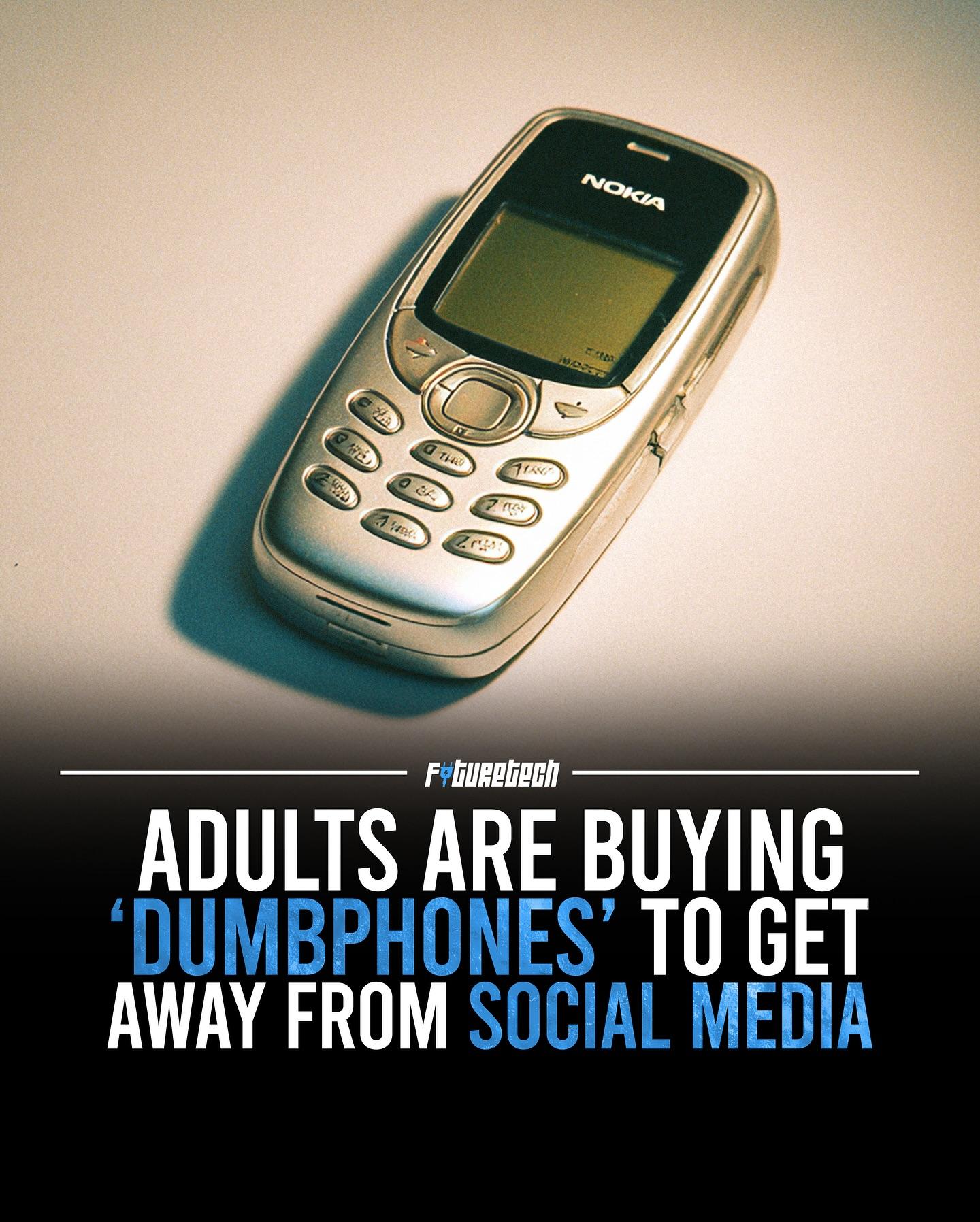
  • The rise of the “anti-phone”

    Tired of endless feeds and constant notifications, more people are ditching smartphones for minimalist “dumbphones.” What started as a niche idea is now hitting the mainstream, as reports highlight a growing movement toward digital simplicity.

    With the average person glued to screens for nearly 6 hours and 38 minutes a day, the appeal is obvious. Devices like the Light Phone III keep the essentials – calls, texts, alarms, and basic directions – while stripping away social media and web browsing.

    Reviewers say making the switch cut their daily phone use from about 5 hours to just 3. That’s roughly 14 extra hours a week reclaimed from scrolling, time that can be spent offline, present, and focused.

    #FutureTech
    The rise of the “anti-phone” 📵 Tired of endless feeds and constant notifications, more people are ditching smartphones for minimalist “dumbphones.” What started as a niche idea is now hitting the mainstream, as reports highlight a growing movement toward digital simplicity. With the average person glued to screens for nearly 6 hours and 38 minutes a day, the appeal is obvious. Devices like the Light Phone III keep the essentials – calls, texts, alarms, and basic directions – while stripping away social media and web browsing. Reviewers say making the switch cut their daily phone use from about 5 hours to just 3. That’s roughly 14 extra hours a week reclaimed from scrolling, time that can be spent offline, present, and focused. #FutureTech 🔌
    ·98 Visualizações ·0 Anterior
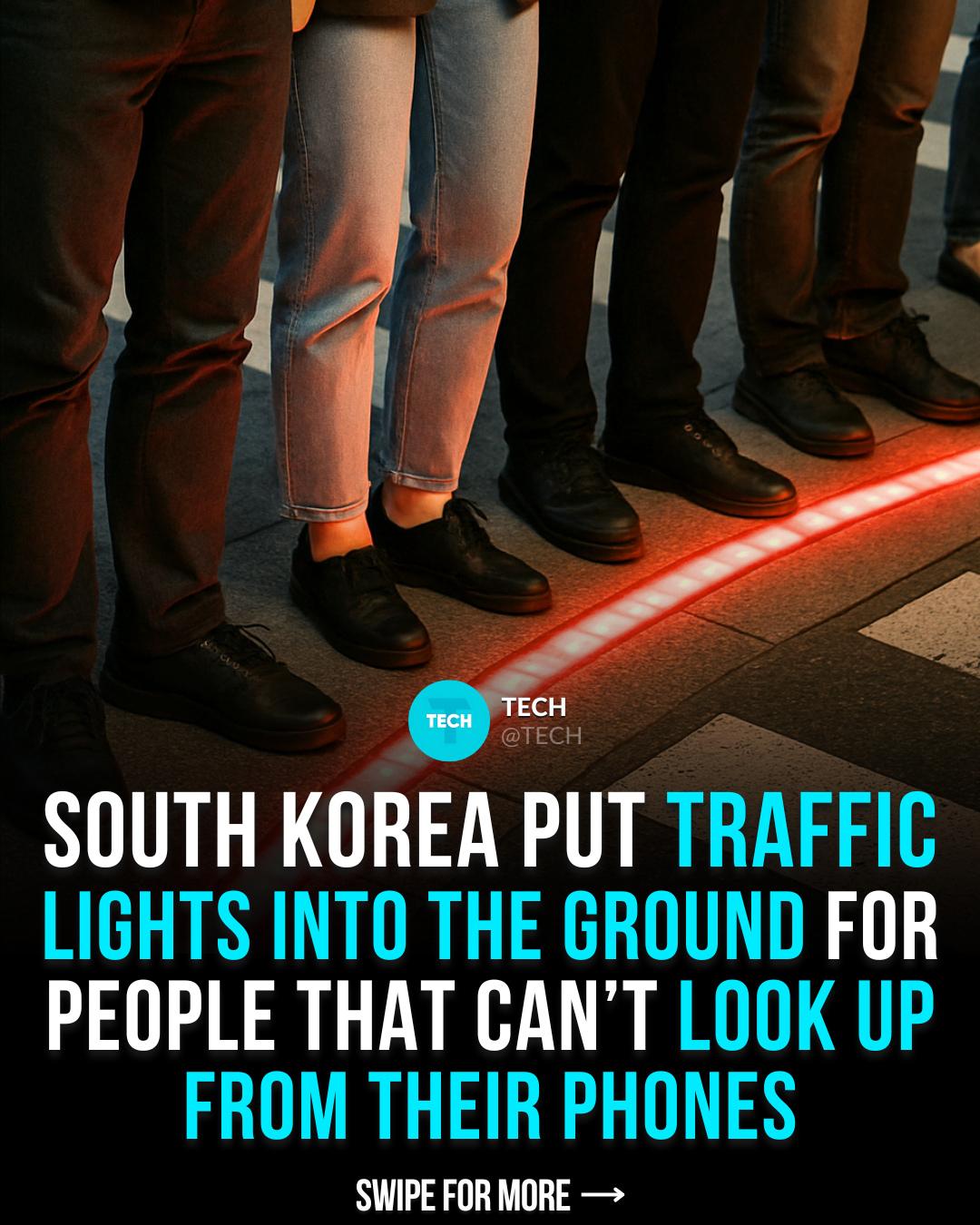
  • In the heart of Seoul, South Korea, is reshaping how cities think about pedestrian safety. Instead of scolding people for staring at their phones while crossing the street, city officials are building infrastructure that accommodates it. At nearly 1,200 intersections across Seoul, including 138 in Gangnam alone, glowing LED traffic lights have been embedded directly into the pavement—right at the edge of the sidewalk. Their purpose is to catch the attention of people looking down at their screens.⁠

    These in-ground lights glow red or green, synchronized with traditional signal poles. When the light is red, a band of illuminated warning pulses at their feet. When green, the path clears. The initiative began as a pilot program in 2019, prompted by a spike in accidents involving so-called “smombies”—a mashup of “smartphone” and “zombie,” describing pedestrians too distracted to look up. South Korea’s staggering smartphone penetration rate—over 94% as of 2017—has only compounded the issue.⁠

    But the glowing pavement is just one layer of Seoul’s multi-tiered “smart crossing” initiative. In more advanced intersections, sensors detect approaching pedestrians and trigger a range of safety measures: visual ground projections, alerts sent to nearby smartphones, and flashing signals aimed at oncoming drivers. Some crossings even use thermal and radar cameras to monitor foot traffic and adjust signals dynamically.⁠

    Unexpectedly, the benefits go beyond smartphone users. City officials have noted improvements in school zones, where the lights help young children stay farther from the curb. With over half of all traffic deaths in Seoul involving pedestrians as of 2020, these targeted interventions are already saving lives.⁠

    By embracing behavioral realities rather than resisting them, Seoul offers a compelling model for cities everywhere. When the future refuses to look up, the answer might just lie at our feet.
    In the heart of Seoul, South Korea, is reshaping how cities think about pedestrian safety. Instead of scolding people for staring at their phones while crossing the street, city officials are building infrastructure that accommodates it. At nearly 1,200 intersections across Seoul, including 138 in Gangnam alone, glowing LED traffic lights have been embedded directly into the pavement—right at the edge of the sidewalk. Their purpose is to catch the attention of people looking down at their screens.⁠ ⁠ These in-ground lights glow red or green, synchronized with traditional signal poles. When the light is red, a band of illuminated warning pulses at their feet. When green, the path clears. The initiative began as a pilot program in 2019, prompted by a spike in accidents involving so-called “smombies”—a mashup of “smartphone” and “zombie,” describing pedestrians too distracted to look up. South Korea’s staggering smartphone penetration rate—over 94% as of 2017—has only compounded the issue.⁠ ⁠ But the glowing pavement is just one layer of Seoul’s multi-tiered “smart crossing” initiative. In more advanced intersections, sensors detect approaching pedestrians and trigger a range of safety measures: visual ground projections, alerts sent to nearby smartphones, and flashing signals aimed at oncoming drivers. Some crossings even use thermal and radar cameras to monitor foot traffic and adjust signals dynamically.⁠ ⁠ Unexpectedly, the benefits go beyond smartphone users. City officials have noted improvements in school zones, where the lights help young children stay farther from the curb. With over half of all traffic deaths in Seoul involving pedestrians as of 2020, these targeted interventions are already saving lives.⁠ ⁠ By embracing behavioral realities rather than resisting them, Seoul offers a compelling model for cities everywhere. When the future refuses to look up, the answer might just lie at our feet.
    ·174 Visualizações ·0 Anterior
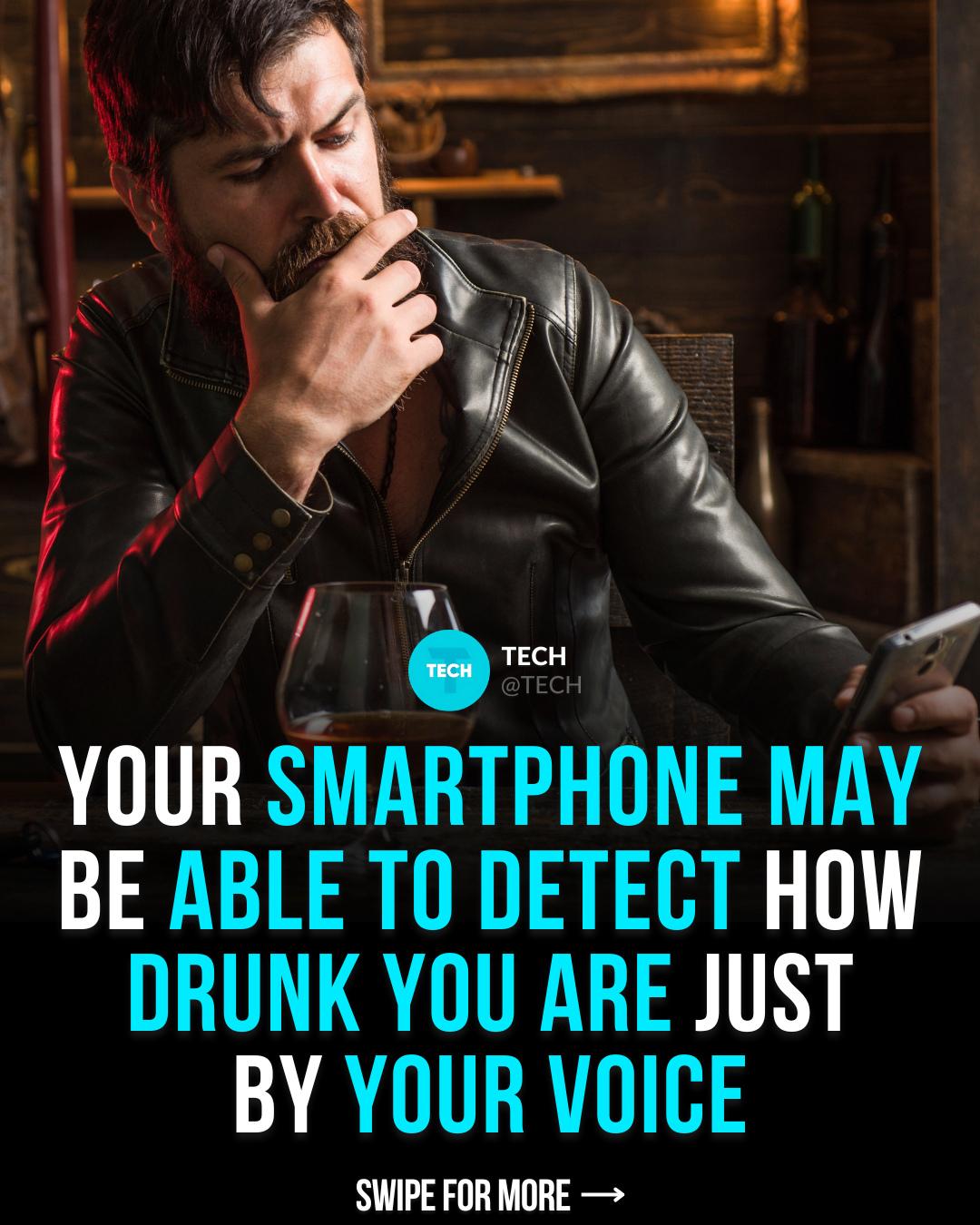
  • Smartphones may soon know when you’ve had too much, just by listening to your voice. In a groundbreaking study led by Stanford Medicine and the University of Toronto, researchers trained a machine learning model to detect alcohol intoxication with 98% accuracy, using only short voice recordings. Participants were asked to read tongue twisters before and after consuming alcohol, while a smartphone recorded their speech. Over seven hours, both breathalyzer data and voice changes were analyzed in one-second slices, revealing consistent shifts in pitch and frequency as intoxication increased.⁠

    The study, published in the Journal of Studies on Alcohol and Drugs, involved 18 adults aged 21 and up, all given weight-adjusted doses of alcohol. Their speech patterns, isolated and processed through advanced acoustic analysis and signal processing, became reliable biomarkers of inebriation. Lead researcher Dr. Brian Suffoletto called the results “genuinely surprising,” crediting the precision to modern AI techniques and the ubiquity of mobile sensors.⁠

    This isn’t just about novelty, it’s about intervention. The goal is to integrate this detection system into smartphones and smart speakers to deliver “just-in-time” nudges that could help prevent drunk driving and alcohol-related harm. Suffoletto envisions future tools combining voice, gait, and texting behavior to passively assess risk in real time. By combining inputs from different sensors, the system could improve detection accuracy and reduce reliance on any one behavior.⁠

    But there’s still work ahead. The current study’s limited demographic highlights the need for broader trials, and researchers are calling on health authorities to fund digital biomarker repositories.⁠

    The technology is real, the next challenge is making it useful, and trusted, in everyday life.⁠

    Source: 10.15288/jsad.22-00375
    Smartphones may soon know when you’ve had too much, just by listening to your voice. In a groundbreaking study led by Stanford Medicine and the University of Toronto, researchers trained a machine learning model to detect alcohol intoxication with 98% accuracy, using only short voice recordings. Participants were asked to read tongue twisters before and after consuming alcohol, while a smartphone recorded their speech. Over seven hours, both breathalyzer data and voice changes were analyzed in one-second slices, revealing consistent shifts in pitch and frequency as intoxication increased.⁠ ⁠ The study, published in the Journal of Studies on Alcohol and Drugs, involved 18 adults aged 21 and up, all given weight-adjusted doses of alcohol. Their speech patterns, isolated and processed through advanced acoustic analysis and signal processing, became reliable biomarkers of inebriation. Lead researcher Dr. Brian Suffoletto called the results “genuinely surprising,” crediting the precision to modern AI techniques and the ubiquity of mobile sensors.⁠ ⁠ This isn’t just about novelty, it’s about intervention. The goal is to integrate this detection system into smartphones and smart speakers to deliver “just-in-time” nudges that could help prevent drunk driving and alcohol-related harm. Suffoletto envisions future tools combining voice, gait, and texting behavior to passively assess risk in real time. By combining inputs from different sensors, the system could improve detection accuracy and reduce reliance on any one behavior.⁠ ⁠ But there’s still work ahead. The current study’s limited demographic highlights the need for broader trials, and researchers are calling on health authorities to fund digital biomarker repositories.⁠ ⁠ The technology is real, the next challenge is making it useful, and trusted, in everyday life.⁠ ⁠ Source: 10.15288/jsad.22-00375
    ·114 Visualizações ·0 Anterior
  • Samsung is openly trolling Apple’s iPhone 17 reveal.

    Right after Apple unveiled the iPhone 17 lineup and new watches, Samsung fired off #iCant tweets aimed at the event.

    One jab read “48MP x 3 still doesn’t equal 200MP,” while Apple’s Pro models now pack three 48MP rear sensors.
    Another mocked the “five-year” wait for Apple’s new Sleep Score on Watch, which Apple announced today for watchOS 26 devices.

    Love learning? Follow @Wealth

    #Samsung #Galaxy #Smartphones #Wearables #TechNews
    Samsung is openly trolling Apple’s iPhone 17 reveal. Right after Apple unveiled the iPhone 17 lineup and new watches, Samsung fired off #iCant tweets aimed at the event. One jab read “48MP x 3 still doesn’t equal 200MP,” while Apple’s Pro models now pack three 48MP rear sensors. Another mocked the “five-year” wait for Apple’s new Sleep Score on Watch, which Apple announced today for watchOS 26 devices. Love learning? Follow @Wealth ⭐ #Samsung #Galaxy #Smartphones #Wearables #TechNews
    ·1KB Visualizações ·0 Anterior
Páginas impulsionada
Techawks - Powered By Pantrade Blockchain https://techawks.com