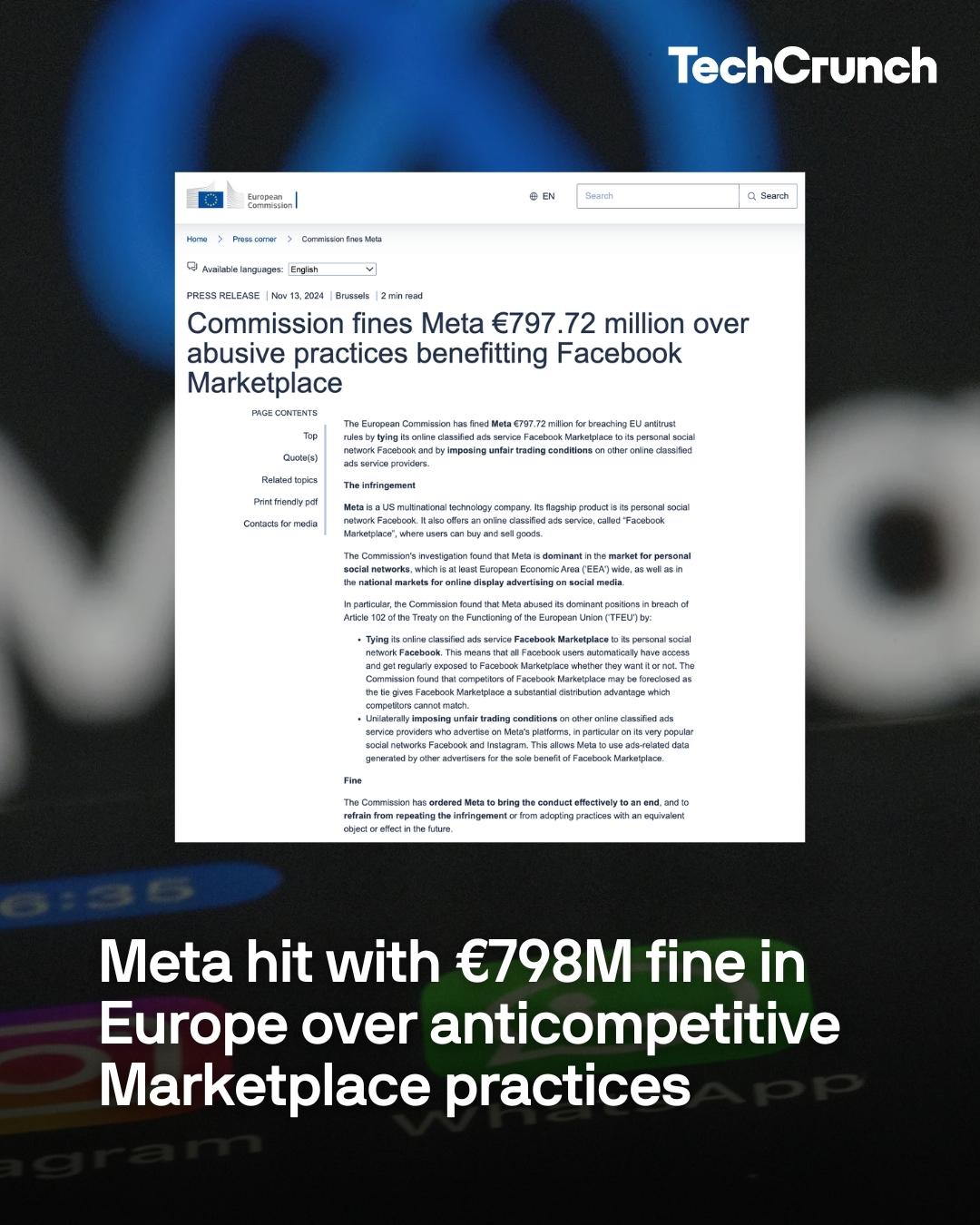
• Meta, the parent of Facebook, Instagram and WhatsApp, has been hit with yet another huge regulatory fine in Europe, this time over abusive practices related to Facebook Marketplace.

    The European Commission announced that it would fine Meta €797.72 million — nearly $840 million — for breaching EU antitrust rules connected to how it ties its online classified ads service, Facebook Marketplace, to Facebook itself, creating “unfair trading conditions” for other providers of classifieds online.

    The fine is the latest installment of a case that dates back to June 2021. In December 2022, the regulators had determined that Facebook Marketplace violated antitrust rules. Today, it’s issuing the penalty for that violation.

    Read more on Meta's €798M fine at the link in the bio

    Article by Ingrid Lunden

    Image Credits: Jens Büttner / picture alliance / Getty Images

    #TechCrunch #technews #Meta #MarkZuckerberg #socialmedia
    Meta, the parent of Facebook, Instagram and WhatsApp, has been hit with yet another huge regulatory fine in Europe, this time over abusive practices related to Facebook Marketplace. The European Commission announced that it would fine Meta €797.72 million — nearly $840 million — for breaching EU antitrust rules connected to how it ties its online classified ads service, Facebook Marketplace, to Facebook itself, creating “unfair trading conditions” for other providers of classifieds online. The fine is the latest installment of a case that dates back to June 2021. In December 2022, the regulators had determined that Facebook Marketplace violated antitrust rules. Today, it’s issuing the penalty for that violation. Read more on Meta's €798M fine at the link in the bio 👆 Article by Ingrid Lunden Image Credits: Jens Büttner / picture alliance / Getty Images #TechCrunch #technews #Meta #MarkZuckerberg #socialmedia
    ·557 Vue ·0 Aperçu
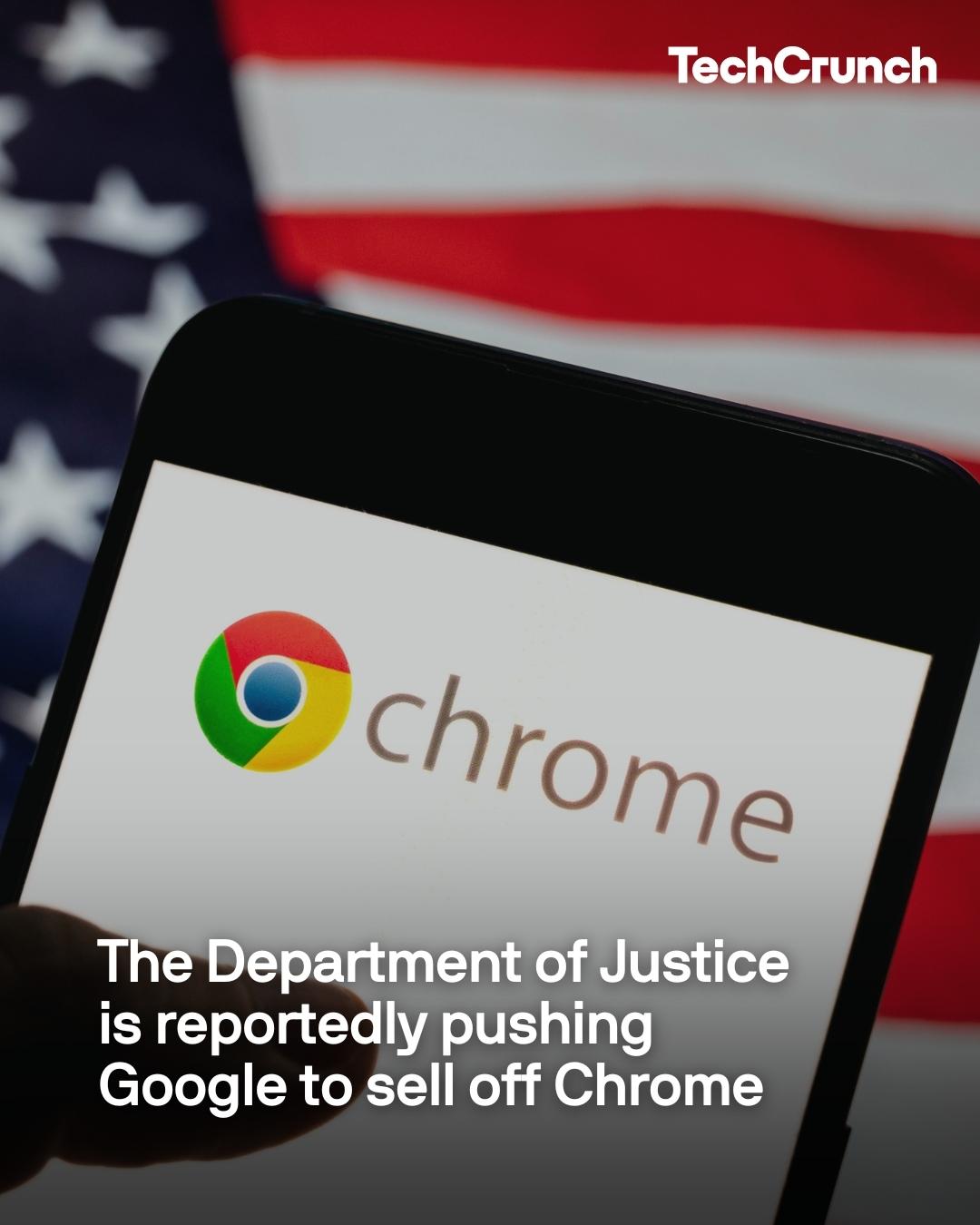
  • The Department of Justice is reportedly pushing to force Google to spin off its Chrome browser business.

    That’s according to Bloomberg, which reports that the Justice Department is also planning to recommend to a federal judge that Google face antitrust requirements related to AI and its Android mobile operating system.

    The enforcement actions are the product of the Justice Department’s historic multi-year case against Google, which sought to prove that the tech giant has a web search monopoly in the U.S. The Justice Department won its case in August; federal judge Amit Mehta ruled that Google broke antitrust laws in both online search and search text ads markets.

    Why target Chrome? The Justice Department argues that it represents a key access point through which many people use Google Search. Chrome controls about 61% of the browser market in the U.S., according to web traffic service StatCounter.

    Image Credits: SOPA Images / Contributor / Getty Images

    #TechCrunch #technews #artificialintelligence #Google #DOJ
    The Department of Justice is reportedly pushing to force Google to spin off its Chrome browser business. That’s according to Bloomberg, which reports that the Justice Department is also planning to recommend to a federal judge that Google face antitrust requirements related to AI and its Android mobile operating system. The enforcement actions are the product of the Justice Department’s historic multi-year case against Google, which sought to prove that the tech giant has a web search monopoly in the U.S. The Justice Department won its case in August; federal judge Amit Mehta ruled that Google broke antitrust laws in both online search and search text ads markets. Why target Chrome? The Justice Department argues that it represents a key access point through which many people use Google Search. Chrome controls about 61% of the browser market in the U.S., according to web traffic service StatCounter. Image Credits: SOPA Images / Contributor / Getty Images #TechCrunch #technews #artificialintelligence #Google #DOJ
    ·305 Vue ·0 Aperçu
  • AI startup Perplexity has made an unsolicited $34.5 billion all-cash bid to acquire Google’s Chrome browser, aiming to capitalize on a pending U.S. antitrust ruling that could force Google to divest the product. The offer, more than double Perplexity’s own $18 billion valuation, is backed by unnamed venture capital firms, according to the company.⁠

    Perplexity’s proposal, dubbed “Project Solomon,” pledges to keep Chrome’s underlying open-source Chromium project intact, invest $3 billion over two years in performance, security, and support, and make no changes to default search settings. The company also promises 100 months of continued user support and job offers to key Chrome staff, while maintaining interoperability with existing web standards and partner integrations.⁠

    The Justice Department is seeking Chrome’s sale after a federal court ruled Google maintained an illegal search monopoly through default-search deals with Apple, Samsung, and others. Judge Amit Mehta is expected to decide on remedies this month, though analysts say legal appeals could stretch for years. During the trial, several tech rivals, including OpenAI and DuckDuckGo, expressed interest in acquiring Chrome, signaling strong market appetite for the browser.⁠

    Skepticism runs high on Wall Street. Some analysts call the bid a publicity play, noting Chrome could be worth $50–$100 billion or more. Google has signaled it will fight any forced divestiture, arguing a sale could harm browser security and reliability.⁠

    Perplexity, founded in 2022, recently launched Comet, an AI-powered browser that integrates its “answer engine” directly into web navigation. Acquiring Chrome’s three-billion-plus users could supercharge its challenge to Google and rivals like OpenAI. Whether this bold gambit leads to a sale, or remains a headline grab, may hinge on the court’s next move.⁠

    #tech #google #chrome #ai #perplexity #antitrust #webbrowser #opensource #searchengine #technologynews #bigtech #innovation #startupnews #digitalprivacy
    AI startup Perplexity has made an unsolicited $34.5 billion all-cash bid to acquire Google’s Chrome browser, aiming to capitalize on a pending U.S. antitrust ruling that could force Google to divest the product. The offer, more than double Perplexity’s own $18 billion valuation, is backed by unnamed venture capital firms, according to the company.⁠ ⁠ Perplexity’s proposal, dubbed “Project Solomon,” pledges to keep Chrome’s underlying open-source Chromium project intact, invest $3 billion over two years in performance, security, and support, and make no changes to default search settings. The company also promises 100 months of continued user support and job offers to key Chrome staff, while maintaining interoperability with existing web standards and partner integrations.⁠ ⁠ The Justice Department is seeking Chrome’s sale after a federal court ruled Google maintained an illegal search monopoly through default-search deals with Apple, Samsung, and others. Judge Amit Mehta is expected to decide on remedies this month, though analysts say legal appeals could stretch for years. During the trial, several tech rivals, including OpenAI and DuckDuckGo, expressed interest in acquiring Chrome, signaling strong market appetite for the browser.⁠ ⁠ Skepticism runs high on Wall Street. Some analysts call the bid a publicity play, noting Chrome could be worth $50–$100 billion or more. Google has signaled it will fight any forced divestiture, arguing a sale could harm browser security and reliability.⁠ ⁠ Perplexity, founded in 2022, recently launched Comet, an AI-powered browser that integrates its “answer engine” directly into web navigation. Acquiring Chrome’s three-billion-plus users could supercharge its challenge to Google and rivals like OpenAI. Whether this bold gambit leads to a sale, or remains a headline grab, may hinge on the court’s next move.⁠ ⁠ #tech #google #chrome #ai #perplexity #antitrust #webbrowser #opensource #searchengine #technologynews #bigtech #innovation #startupnews #digitalprivacy
    ·502 Vue ·0 Aperçu
  • After reaching an all-time high in early July, Google (GOOGL) stock has faced significant challenges. Over the past month, the tech giant's shares have decreased by 5.05% as of September 6.

    One of the main reasons for this downturn is concerns about potential regulatory action from the U.S. government over antitrust issues.

    Additionally, there are rising worries about Google's position in the AI market, especially with increasing competition from companies like Microsoft, which has heavily invested in AI startups.

    Google's recent AI offerings, particularly the AI Overview feature, have also faced criticism due to issues like bizarre and misleading answers, leading to skepticism about the company's ability to innovate.

    Follow us (@artificialintelligenceee) for everything latest from the AI world.

    #ai #google #aioverview #stockmarket
    After reaching an all-time high in early July, Google (GOOGL) stock has faced significant challenges. Over the past month, the tech giant's shares have decreased by 5.05% as of September 6. One of the main reasons for this downturn is concerns about potential regulatory action from the U.S. government over antitrust issues. Additionally, there are rising worries about Google's position in the AI market, especially with increasing competition from companies like Microsoft, which has heavily invested in AI startups. Google's recent AI offerings, particularly the AI Overview feature, have also faced criticism due to issues like bizarre and misleading answers, leading to skepticism about the company's ability to innovate. Follow us (👉@artificialintelligenceee) for everything latest from the AI world. #ai #google #aioverview #stockmarket
    ·297 Vue ·0 Aperçu
  • The US Department of Justice has launched an antitrust probe into Nvidia following complaints from competitors alleging market abuse. With an 80% share of the AI chip market, Nvidia faces scrutiny over alleged practices such as:⁠

    - Pressuring cloud providers to buy multiple Nvidia products⁠
    - Charging higher prices for networking gear if customers buy AI chips from rivals⁠
    - Threatening to punish customers who buy from both Nvidia and competitors⁠

    Nvidia asserts it competes fairly based on "decades of investment and innovation." However, the probe's outcome could have far-reaching implications for the global AI and cloud computing markets.⁠

    As the world's most valuable company, driven by the surge in AI demand, Nvidia's strategic moves to maintain market leadership are under the microscope. The antitrust probe news caused a 3.5% dip in Nvidia's shares, but the company's brief $3.3 trillion valuation in June highlights its AI boom prominence.⁠
    The US Department of Justice has launched an antitrust probe into Nvidia following complaints from competitors alleging market abuse. With an 80% share of the AI chip market, Nvidia faces scrutiny over alleged practices such as:⁠ ⁠ - Pressuring cloud providers to buy multiple Nvidia products⁠ - Charging higher prices for networking gear if customers buy AI chips from rivals⁠ - Threatening to punish customers who buy from both Nvidia and competitors⁠ ⁠ Nvidia asserts it competes fairly based on "decades of investment and innovation." However, the probe's outcome could have far-reaching implications for the global AI and cloud computing markets.⁠ ⁠ As the world's most valuable company, driven by the surge in AI demand, Nvidia's strategic moves to maintain market leadership are under the microscope. The antitrust probe news caused a 3.5% dip in Nvidia's shares, but the company's brief $3.3 trillion valuation in June highlights its AI boom prominence.⁠
    ·216 Vue ·0 Aperçu
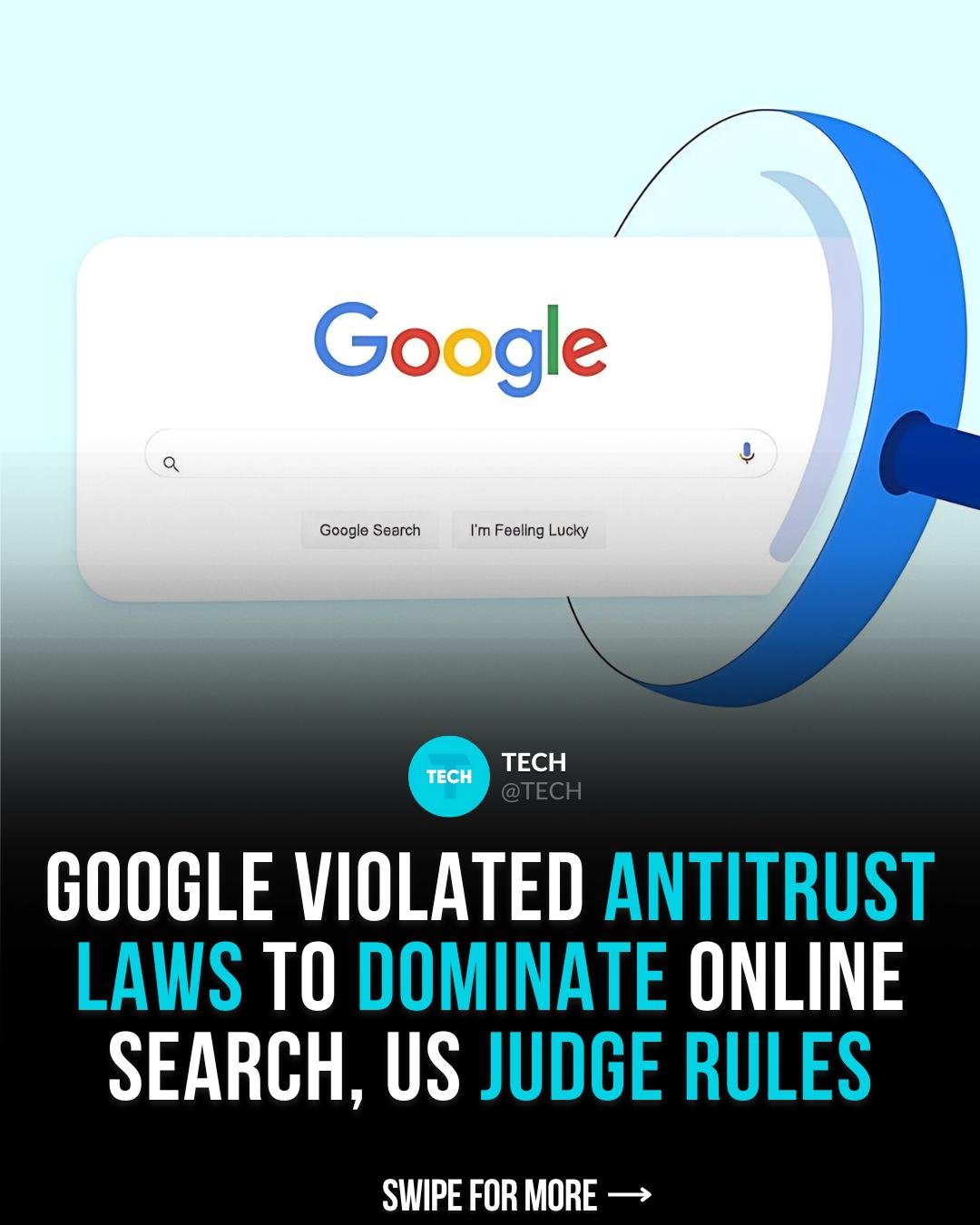
  • Google's 60-year search monopoly reign comes to an end with landmark antitrust ruling.⁠

    In a seismic shift for the tech industry, U.S. District Judge Amit Mehta has ruled that Google violated antitrust laws by illegally maintaining its dominance in online search and search advertising.⁠

    The decision, which follows a nearly year-long trial, is a major victory for the U.S. Department of Justice and could fundamentally reshape the search landscape. ⁠

    Central to the ruling were Google's exclusionary agreements with companies like Apple and Android device manufacturers, which effectively eliminated key distribution channels for competitors like Microsoft's Bing and DuckDuckGo.⁠

    The ruling paves the way for potential remedies that could force Google to divest parts of its business or restrict its ability to enter into anticompetitive agreements. Google is expected to appeal the decision, potentially taking the battle to the Supreme Court.
    Google's 60-year search monopoly reign comes to an end with landmark antitrust ruling.⁠ ⁠ In a seismic shift for the tech industry, U.S. District Judge Amit Mehta has ruled that Google violated antitrust laws by illegally maintaining its dominance in online search and search advertising.⁠ ⁠ The decision, which follows a nearly year-long trial, is a major victory for the U.S. Department of Justice and could fundamentally reshape the search landscape. ⁠ ⁠ Central to the ruling were Google's exclusionary agreements with companies like Apple and Android device manufacturers, which effectively eliminated key distribution channels for competitors like Microsoft's Bing and DuckDuckGo.⁠ ⁠ The ruling paves the way for potential remedies that could force Google to divest parts of its business or restrict its ability to enter into anticompetitive agreements. Google is expected to appeal the decision, potentially taking the battle to the Supreme Court. 🏛️
    ·217 Vue ·0 Aperçu
  • Court documents reveal the depths of Microsoft's relentless pursuit to replace Google as Apple's default search engine. Apple's senior VP Eddy Cue dropped a bombshell, stating that there's no price Microsoft could pay to make the switch happen, even if they offered Bing for free or "gave us the entire company."⁠

    The docs also show that Google pays a staggering $20 billion per year to maintain its spot as the default search on Apple devices, a deal the DOJ argues is an illegal monopoly.⁠

    Microsoft has repeatedly tried to woo Apple since 2009, even proposing a joint venture in 2018, but Apple consistently snubs their advances due to seeing Bing as inferior on mobile.⁠

    As the antitrust case threatens Apple's lucrative "Google Tax," the tech giant is already investing in AI and search tech to reduce reliance on Google. Meanwhile, Microsoft faces steep challenges in growing Bing's market share, despite its deep pockets.⁠

    What do you think of the Bing Search Engine? 👇🏻
    Court documents reveal the depths of Microsoft's relentless pursuit to replace Google as Apple's default search engine. Apple's senior VP Eddy Cue dropped a bombshell, stating that there's no price Microsoft could pay to make the switch happen, even if they offered Bing for free or "gave us the entire company."⁠ ⁠ The docs also show that Google pays a staggering $20 billion per year to maintain its spot as the default search on Apple devices, a deal the DOJ argues is an illegal monopoly.⁠ ⁠ Microsoft has repeatedly tried to woo Apple since 2009, even proposing a joint venture in 2018, but Apple consistently snubs their advances due to seeing Bing as inferior on mobile.⁠ ⁠ As the antitrust case threatens Apple's lucrative "Google Tax," the tech giant is already investing in AI and search tech to reduce reliance on Google. Meanwhile, Microsoft faces steep challenges in growing Bing's market share, despite its deep pockets.⁠ ⁠ What do you think of the Bing Search Engine? 💬👇🏻
    ·171 Vue ·0 Aperçu
  • OpenAI—the company behind ChatGPT—might be interested in acquiring Chrome if Google were ever forced to sell it.

    That’s according to OpenAI executive Nick Turley, who made the remark while testifying in Washington amid Google’s ongoing antitrust trial.

    A court previously ruled that Google holds a monopoly in online search, and more recently, it was found to have an illegal monopoly over online advertising technology.

    Google has stated it plans to appeal both rulings and emphasized that Chrome is not for sale.

    According to Reuters, Turley also revealed that OpenAI had approached Google about integrating its search results with ChatGPT, but the proposal was turned down.

    “We have no partnership with Google today,” he stated.

    Currently, OpenAI is partnered with Microsoft, which owns the Bing search engine.
    OpenAI—the company behind ChatGPT—might be interested in acquiring Chrome if Google were ever forced to sell it. That’s according to OpenAI executive Nick Turley, who made the remark while testifying in Washington amid Google’s ongoing antitrust trial. A court previously ruled that Google holds a monopoly in online search, and more recently, it was found to have an illegal monopoly over online advertising technology. Google has stated it plans to appeal both rulings and emphasized that Chrome is not for sale. According to Reuters, Turley also revealed that OpenAI had approached Google about integrating its search results with ChatGPT, but the proposal was turned down. “We have no partnership with Google today,” he stated. Currently, OpenAI is partnered with Microsoft, which owns the Bing search engine.
    ·439 Vue ·0 Aperçu
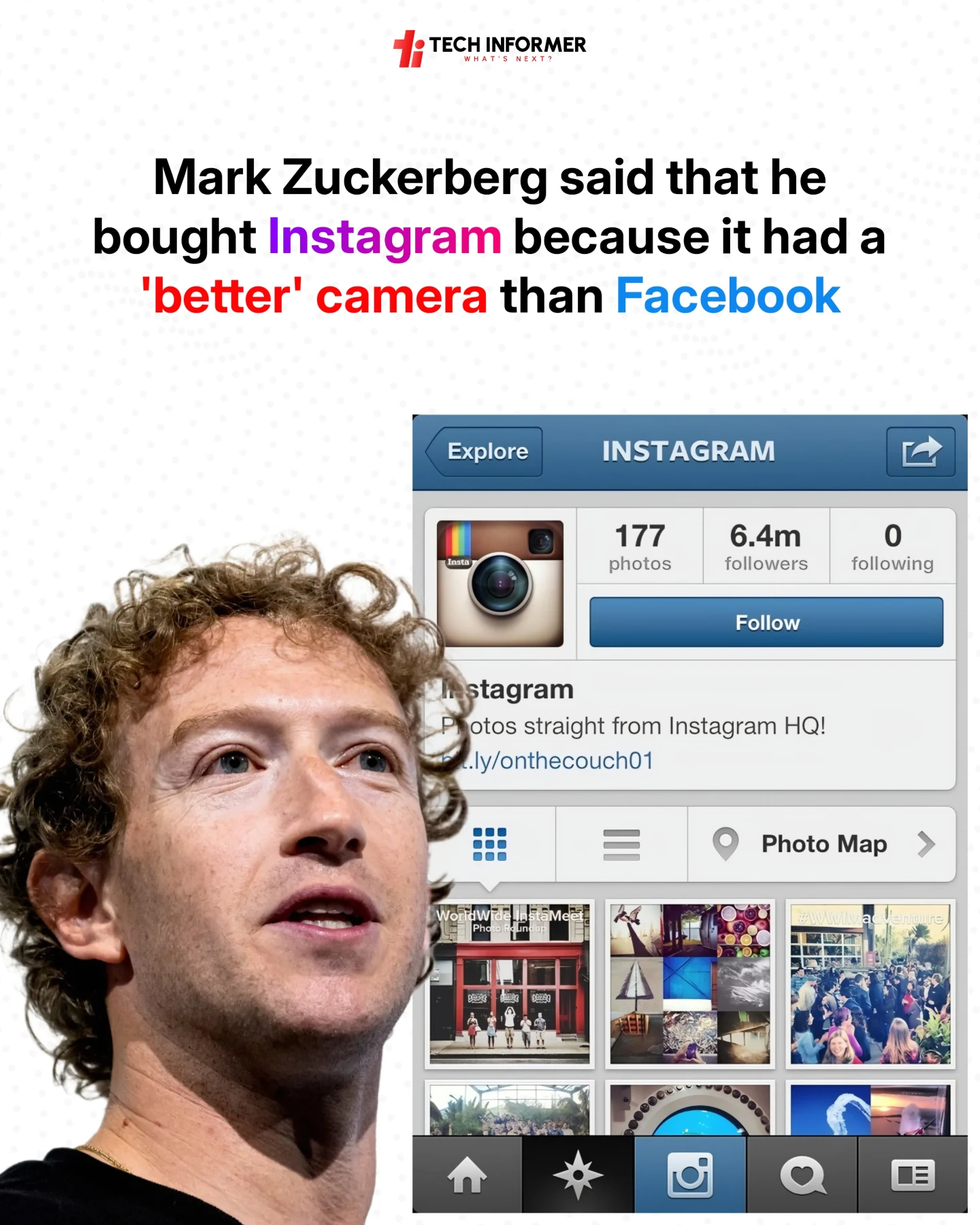
  • Meta CEO Mark Zuckerberg made a key concession during a U.S. antitrust trial on Tuesday, stating that he acquired Instagram because it had a 'better' camera than the one his company was developing under the Facebook brand at the time.

    #Techinformer #MarkZuckerberg #Instagram
    Meta CEO Mark Zuckerberg made a key concession during a U.S. antitrust trial on Tuesday, stating that he acquired Instagram because it had a 'better' camera than the one his company was developing under the Facebook brand at the time. #Techinformer #MarkZuckerberg #Instagram
    ·172 Vue ·0 Aperçu
  • IBM has finalized its multi-billion dollar HashiCorp acquisition, two days after the U.K.’s antitrust regulator gave the deal its blessing.

    An IBM spokesperson confirmed to TechCrunch that the U.S. Federal Trade Commission (FTC) had also quietly greenlighted the acquisition just prior to the U.K.’s Competition and Markets Authority (CMA) on Tuesday.

    Today’s announcement comes 10 months after IBM first revealed plans to pay $6.4 billion for HashiCorp, an enterprise software company best known for Terraform, an “infrastructure-as-code” tool for automating infrastructure provisioning and management across clouds.

    Read more on IBM's HashiCorp acquisition at the link in the bio

    Article by Paul Sawers

    Image Credits: Smith Collection/Gado / Contributor / Getty Images

    #TechCrunch #technews #IBM #acquisition #enterprise #software
    IBM has finalized its multi-billion dollar HashiCorp acquisition, two days after the U.K.’s antitrust regulator gave the deal its blessing. An IBM spokesperson confirmed to TechCrunch that the U.S. Federal Trade Commission (FTC) had also quietly greenlighted the acquisition just prior to the U.K.’s Competition and Markets Authority (CMA) on Tuesday. Today’s announcement comes 10 months after IBM first revealed plans to pay $6.4 billion for HashiCorp, an enterprise software company best known for Terraform, an “infrastructure-as-code” tool for automating infrastructure provisioning and management across clouds. Read more on IBM's HashiCorp acquisition at the link in the bio 👆 Article by Paul Sawers Image Credits: Smith Collection/Gado / Contributor / Getty Images #TechCrunch #technews #IBM #acquisition #enterprise #software
    ·212 Vue ·0 Aperçu
Plus de résultats
Techawks - Powered By Pantrade Blockchain https://techawks.com