• Time doesn’t move the way we think it does.

    Civilizations overlap, ideas collide, and centuries fold into one another — making history feel less like a timeline and more like a loop.

    Cleopatra lived closer to your iPhone than the pyramids.
    Oxford existed before the Aztecs.

    Woolly mammoths still walked the earth when Egypt’s kings were buried in stone.

    Harvard had graduates before Newton’s laws of motion even existed.

    And one woman’s lifetime connected slavery, invention, and Hollywood.

    History isn’t far away.

    It’s standing right beside you — just wearing a different century.

    Sources

    Cleopatra — British Museum (Bust of Cleopatra VII, EA 1453); Luxor Temple Inscriptions; BBC History Extra: “Cleopatra’s Egypt.”

    Oxford University & Aztecs — University of Oxford Archives; Encyclopaedia Britannica: “History of Oxford”; Smithsonian Magazine: “Before the Aztecs.”

    Woolly Mammoths & Pyramids — Natural History Museum (London); Science Magazine Vol 353 (2016): Wrangel Island Extinction Study; National Geographic Archive.

    Harvard & Newton — Harvard University Archives (1636 Charter); Royal Society Archive: “Philosophiae Naturalis Principia Mathematica” (1687).

    Time doesn’t move the way we think it does. Civilizations overlap, ideas collide, and centuries fold into one another — making history feel less like a timeline and more like a loop. Cleopatra lived closer to your iPhone than the pyramids. Oxford existed before the Aztecs. Woolly mammoths still walked the earth when Egypt’s kings were buried in stone. Harvard had graduates before Newton’s laws of motion even existed. And one woman’s lifetime connected slavery, invention, and Hollywood. History isn’t far away. It’s standing right beside you — just wearing a different century. 📚 Sources Cleopatra — British Museum (Bust of Cleopatra VII, EA 1453); Luxor Temple Inscriptions; BBC History Extra: “Cleopatra’s Egypt.” Oxford University & Aztecs — University of Oxford Archives; Encyclopaedia Britannica: “History of Oxford”; Smithsonian Magazine: “Before the Aztecs.” Woolly Mammoths & Pyramids — Natural History Museum (London); Science Magazine Vol 353 (2016): Wrangel Island Extinction Study; National Geographic Archive. Harvard & Newton — Harvard University Archives (1636 Charter); Royal Society Archive: “Philosophiae Naturalis Principia Mathematica” (1687).
    ·237 مشاهدة ·0 معاينة

  • 🗣 A Reddit user asked ChatGPT to describe humanity to aliens after our extinction.

    The emotional response, depicting humans as both loving and destructive, left readers stunned.

    via Emupressible2066 on Reddit

    #ai #artificialintelligence #aitools #aihacks #chatgpt #tech #technology
    🤖🗣 A Reddit user asked ChatGPT to describe humanity to aliens after our extinction. The emotional response, depicting humans as both loving and destructive, left readers stunned. 📸 via Emupressible2066 on Reddit #ai #artificialintelligence #aitools #aihacks #chatgpt #tech #technology
    ·174 مشاهدة ·0 معاينة
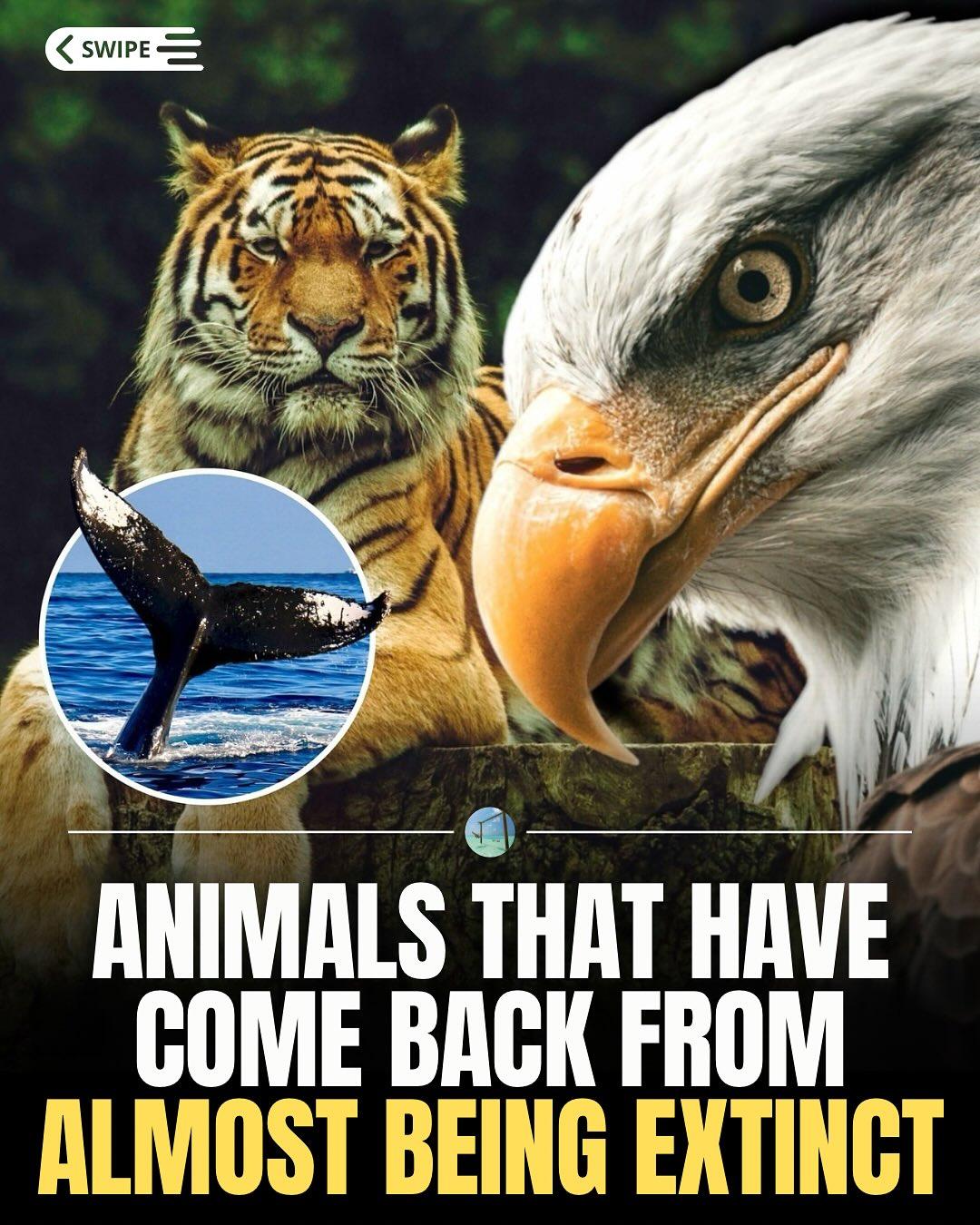
  • From the brink of extinction to inspiring success stories

    Orangutans, bald eagles, and many others once stood on the edge—threatened by hunting, habitat loss, and pollution. Today, they’re thriving again, thanks to decades of conservation, protection laws, and global awareness.

    These comebacks prove one powerful truth: when we act with persistence, even the most endangered species can be brought back from the edge.

    #goodnews #wildlife #animals #extinction #conservation #explore #vacations
    From the brink of extinction to inspiring success stories 🐾✨ Orangutans, bald eagles, and many others once stood on the edge—threatened by hunting, habitat loss, and pollution. Today, they’re thriving again, thanks to decades of conservation, protection laws, and global awareness. 🌍💚 These comebacks prove one powerful truth: when we act with persistence, even the most endangered species can be brought back from the edge. 🙌 #goodnews #wildlife #animals #extinction #conservation #explore #vacations
    ·149 مشاهدة ·0 معاينة
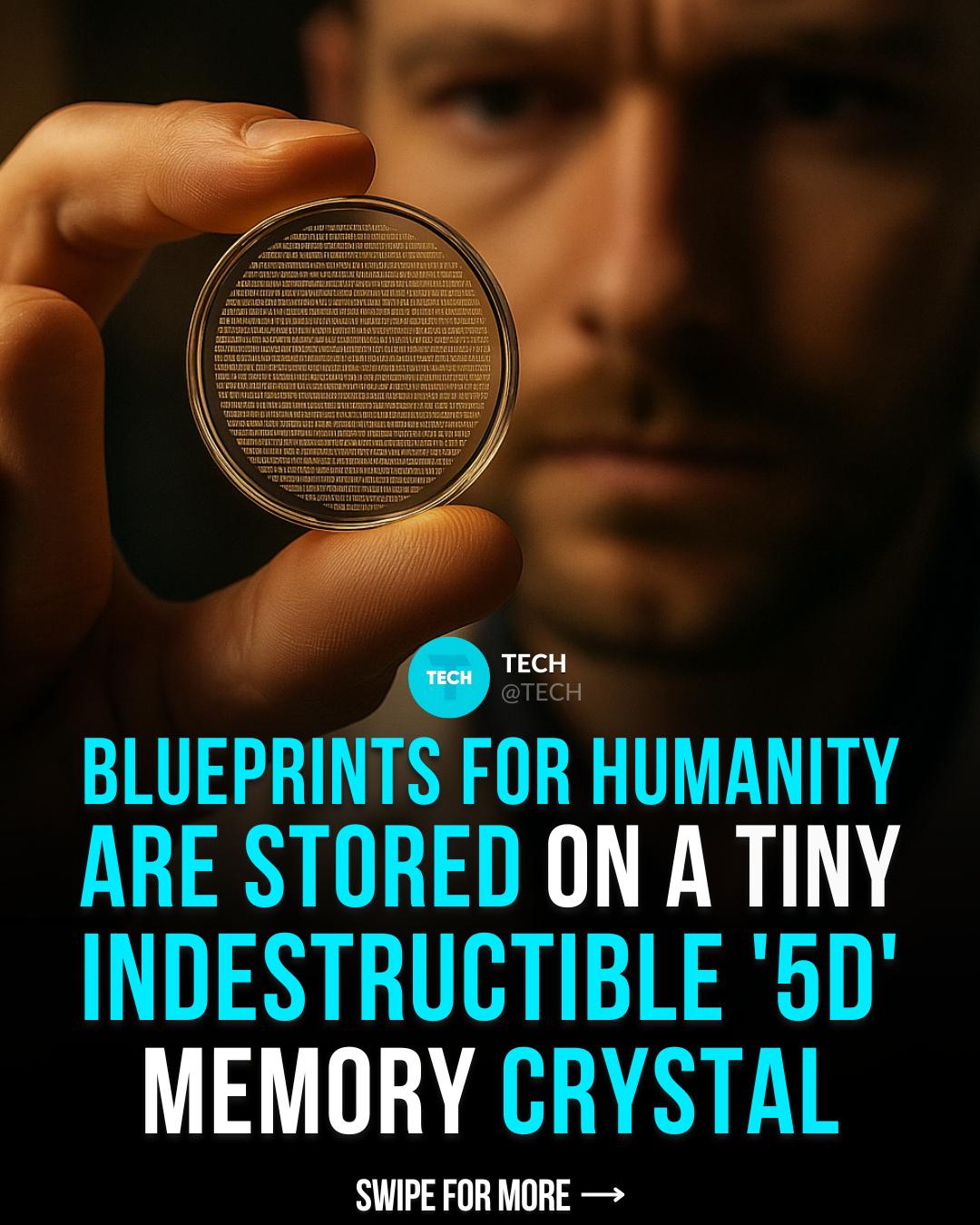
  • In a salt cave beneath Hallstatt, Austria, a clear glass disc no larger than a coin holds the genetic blueprint of humanity. Scientists at the University of Southampton have etched the entire human genome onto a 5D Memory Crystal, a storage medium made from fused quartz engineered to endure for billions of years. With a capacity of 360 terabytes and unmatched resilience, this crystal is built to outlast civilization.⁠

    The 5D format refers to more than just space. Using femtosecond laser pulses, researchers write data into nanostructured voids that encode information through two optical dimensions and three spatial coordinates. Unlike traditional storage, the data isn’t written on the surface, but within the crystal, forming a dense, stable lattice that resists heat, radiation, shock, and decay. It holds a Guinness World Record for durability.⁠

    The genome embedded in this crystal is no rough draft. Each of the three billion DNA base pairs, adenine, cytosine, guanine, and thymine, was sequenced 150 times for accuracy. The work, carried out with Helixwork Technologies, ensures preservation and fidelity. To help any future intelligence interpret the data, the crystal includes a visual key, diagrams of DNA structure, molecular layouts, and instructions for assembling genes into chromosomes.⁠

    The technology was inspired by the Pioneer plaques, gold-etched messages launched aboard 1970s spacecraft to communicate with intelligent life. Similarly, the 5D Memory Crystal carries a message through time. If recovered long after extinction, it could inform or even resurrect a species.⁠

    Although we can’t yet synthesize a human from a genome, advances in synthetic biology are closing the gap. In 2010, a team led by Dr. Craig Venter created the first synthetic bacterium. Whether discovered by humans, machines, or something alien, it tells a clear story, this is what we were. This is how life might begin again.
    In a salt cave beneath Hallstatt, Austria, a clear glass disc no larger than a coin holds the genetic blueprint of humanity. Scientists at the University of Southampton have etched the entire human genome onto a 5D Memory Crystal, a storage medium made from fused quartz engineered to endure for billions of years. With a capacity of 360 terabytes and unmatched resilience, this crystal is built to outlast civilization.⁠ ⁠ The 5D format refers to more than just space. Using femtosecond laser pulses, researchers write data into nanostructured voids that encode information through two optical dimensions and three spatial coordinates. Unlike traditional storage, the data isn’t written on the surface, but within the crystal, forming a dense, stable lattice that resists heat, radiation, shock, and decay. It holds a Guinness World Record for durability.⁠ ⁠ The genome embedded in this crystal is no rough draft. Each of the three billion DNA base pairs, adenine, cytosine, guanine, and thymine, was sequenced 150 times for accuracy. The work, carried out with Helixwork Technologies, ensures preservation and fidelity. To help any future intelligence interpret the data, the crystal includes a visual key, diagrams of DNA structure, molecular layouts, and instructions for assembling genes into chromosomes.⁠ ⁠ The technology was inspired by the Pioneer plaques, gold-etched messages launched aboard 1970s spacecraft to communicate with intelligent life. Similarly, the 5D Memory Crystal carries a message through time. If recovered long after extinction, it could inform or even resurrect a species.⁠ ⁠ Although we can’t yet synthesize a human from a genome, advances in synthetic biology are closing the gap. In 2010, a team led by Dr. Craig Venter created the first synthetic bacterium. Whether discovered by humans, machines, or something alien, it tells a clear story, this is what we were. This is how life might begin again.
    ·196 مشاهدة ·0 معاينة
  • N|uu, a language spoken for over 20,000 years by South Africa’s earliest inhabitants—the San people—is now on the brink of extinction. One of its last fluent speakers, 90-year-old Katrina Esau, is working tirelessly to keep it alive.

    From her home in the Northern Cape, she teaches N|uu to local children and has even published the first N|uu children’s book, titled !Qhoi n|a Tjhoi. Through her efforts, Katrina is passing on a rich cultural legacy, ensuring that the language lives on for future generations!

    -
    #history #didyouknow #science #sad #trending #photography
    N|uu, a language spoken for over 20,000 years by South Africa’s earliest inhabitants—the San people—is now on the brink of extinction. One of its last fluent speakers, 90-year-old Katrina Esau, is working tirelessly to keep it alive. From her home in the Northern Cape, she teaches N|uu to local children and has even published the first N|uu children’s book, titled !Qhoi n|a Tjhoi. Through her efforts, Katrina is passing on a rich cultural legacy, ensuring that the language lives on for future generations! - #history #didyouknow #science #sad #trending #photography
    ·217 مشاهدة ·0 معاينة
  • Romulus and Remus, male specimens engineered by Colossal Biosciences, have surpassed 90 lb and measure nearly four ft in length at six months of age—about 20% larger than age-matched gray wolves . Khaleesi, a female born three months later, weighs 35 lb and tracks 10–15% above the gray-wolf norm .⁠

    The project applied 20 targeted edits across 14 genes to promote traits associated with the extinct dire wolf, yielding white coats, broader heads, and increased musculature . Beth Shapiro clarified that these animals remain gray wolves with engineered modifications; no ancient dire-wolf DNA was incorporated, and full de-extinction would require preserved genetic material .⁠

    Pack dynamics have emerged on a 2,000-acre preserve: Remus leads, Romulus follows, all maintain human wariness, and natural hunting behavior persists . Upcoming veterinary exams—bloodwork and CT imaging—will track skeletal and muscular development toward an estimated adult size of six ft and 150 lb .
    Romulus and Remus, male specimens engineered by Colossal Biosciences, have surpassed 90 lb and measure nearly four ft in length at six months of age—about 20% larger than age-matched gray wolves . Khaleesi, a female born three months later, weighs 35 lb and tracks 10–15% above the gray-wolf norm .⁠ ⁠ The project applied 20 targeted edits across 14 genes to promote traits associated with the extinct dire wolf, yielding white coats, broader heads, and increased musculature . Beth Shapiro clarified that these animals remain gray wolves with engineered modifications; no ancient dire-wolf DNA was incorporated, and full de-extinction would require preserved genetic material .⁠ ⁠ Pack dynamics have emerged on a 2,000-acre preserve: Remus leads, Romulus follows, all maintain human wariness, and natural hunting behavior persists . Upcoming veterinary exams—bloodwork and CT imaging—will track skeletal and muscular development toward an estimated adult size of six ft and 150 lb .
    ·67 مشاهدة ·0 معاينة
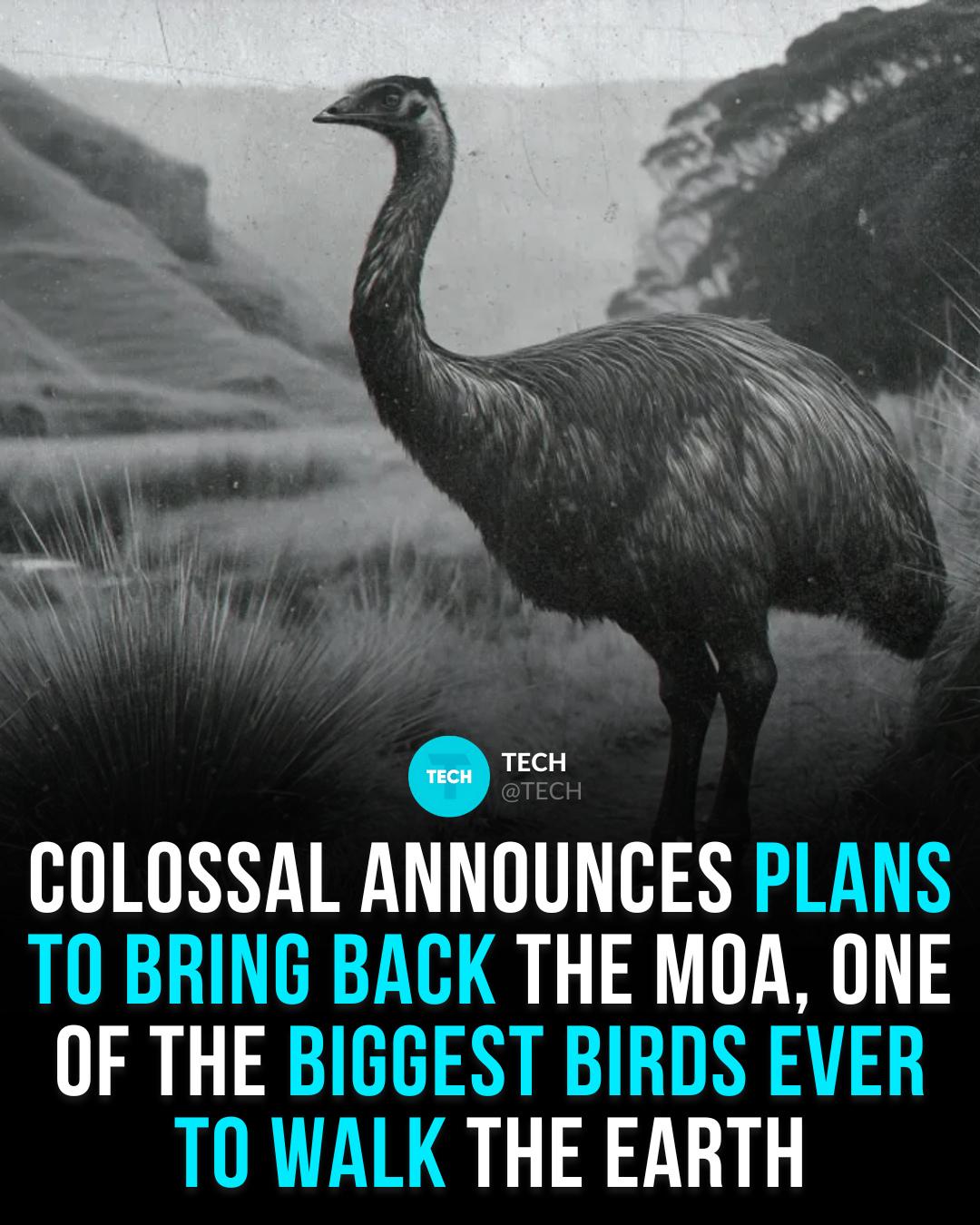
  • Colossal Biosciences, the company already working to resurrect the woolly mammoth and the dodo, just added a new, even larger creature to its de-extinction list: the giant moa. This 12-foot-tall, 500-pound flightless bird was hunted to extinction in New Zealand about 600 years ago, and now the $10 billion bioscience firm plans to bring it back.⁠

    The de-extinction effort will be guided by New Zealand's indigenous Ngāi Tahu Research Centre, with "Lord of the Rings" director and longtime conservation advocate Sir Peter Jackson helping to facilitate the collaboration.⁠

    The plan is to use CRISPR gene-editing technology to analyze ancient DNA from well-preserved moa bones and eggshells, with the ultimate goal of reviving all nine extinct moa species. The moa was an "ecosystem engineer," and its return could help restore the natural balance to New Zealand's forests and grasslands. Beyond just de-extinction, the project aims to create new models for conservation that can be applied to other species, with potential revenue from ecotourism and carbon credits benefiting the local communities.⁠

    This represents Colossal's fifth major de-extinction project, following the woolly mammoth, dodo, thylacine, and the dire wolf. However, the project faces significant scientific hurdles and skepticism. Critics argue that creating a genetic proxy is not the same as a true resurrection and raise ethical questions about reintroducing a long-lost species into a modern ecosystem.⁠

    Despite the challenges, the initiative is moving forward, with Colossal leveraging the avian genomics work from its dodo project to give the moa a head start.
    Colossal Biosciences, the company already working to resurrect the woolly mammoth and the dodo, just added a new, even larger creature to its de-extinction list: the giant moa. This 12-foot-tall, 500-pound flightless bird was hunted to extinction in New Zealand about 600 years ago, and now the $10 billion bioscience firm plans to bring it back.⁠ ⁠ The de-extinction effort will be guided by New Zealand's indigenous Ngāi Tahu Research Centre, with "Lord of the Rings" director and longtime conservation advocate Sir Peter Jackson helping to facilitate the collaboration.⁠ ⁠ The plan is to use CRISPR gene-editing technology to analyze ancient DNA from well-preserved moa bones and eggshells, with the ultimate goal of reviving all nine extinct moa species. The moa was an "ecosystem engineer," and its return could help restore the natural balance to New Zealand's forests and grasslands. Beyond just de-extinction, the project aims to create new models for conservation that can be applied to other species, with potential revenue from ecotourism and carbon credits benefiting the local communities.⁠ ⁠ This represents Colossal's fifth major de-extinction project, following the woolly mammoth, dodo, thylacine, and the dire wolf. However, the project faces significant scientific hurdles and skepticism. Critics argue that creating a genetic proxy is not the same as a true resurrection and raise ethical questions about reintroducing a long-lost species into a modern ecosystem.⁠ ⁠ Despite the challenges, the initiative is moving forward, with Colossal leveraging the avian genomics work from its dodo project to give the moa a head start.
    ·291 مشاهدة ·0 معاينة
  • The possibility of AI leading to humanity’s extinction is a topic often raised in both fiction and serious debate.

    Some worry AI might surpass human intelligence and unintentionally cause harm, while others fear it could deliberately eliminate us if we threaten its objectives.

    Experts call for ethical AI frameworks to ensure it aligns with human values, preventing catastrophic outcomes.

    Credits: @simonmeyer_director | TikTok

    #Businessbulls #AI #FutureTech #EthicalAI
    The possibility of AI leading to humanity’s extinction is a topic often raised in both fiction and serious debate. Some worry AI might surpass human intelligence and unintentionally cause harm, while others fear it could deliberately eliminate us if we threaten its objectives. Experts call for ethical AI frameworks to ensure it aligns with human values, preventing catastrophic outcomes. Credits: @simonmeyer_director | TikTok #Businessbulls #AI #FutureTech #EthicalAI
    ·174 مشاهدة ·0 معاينة
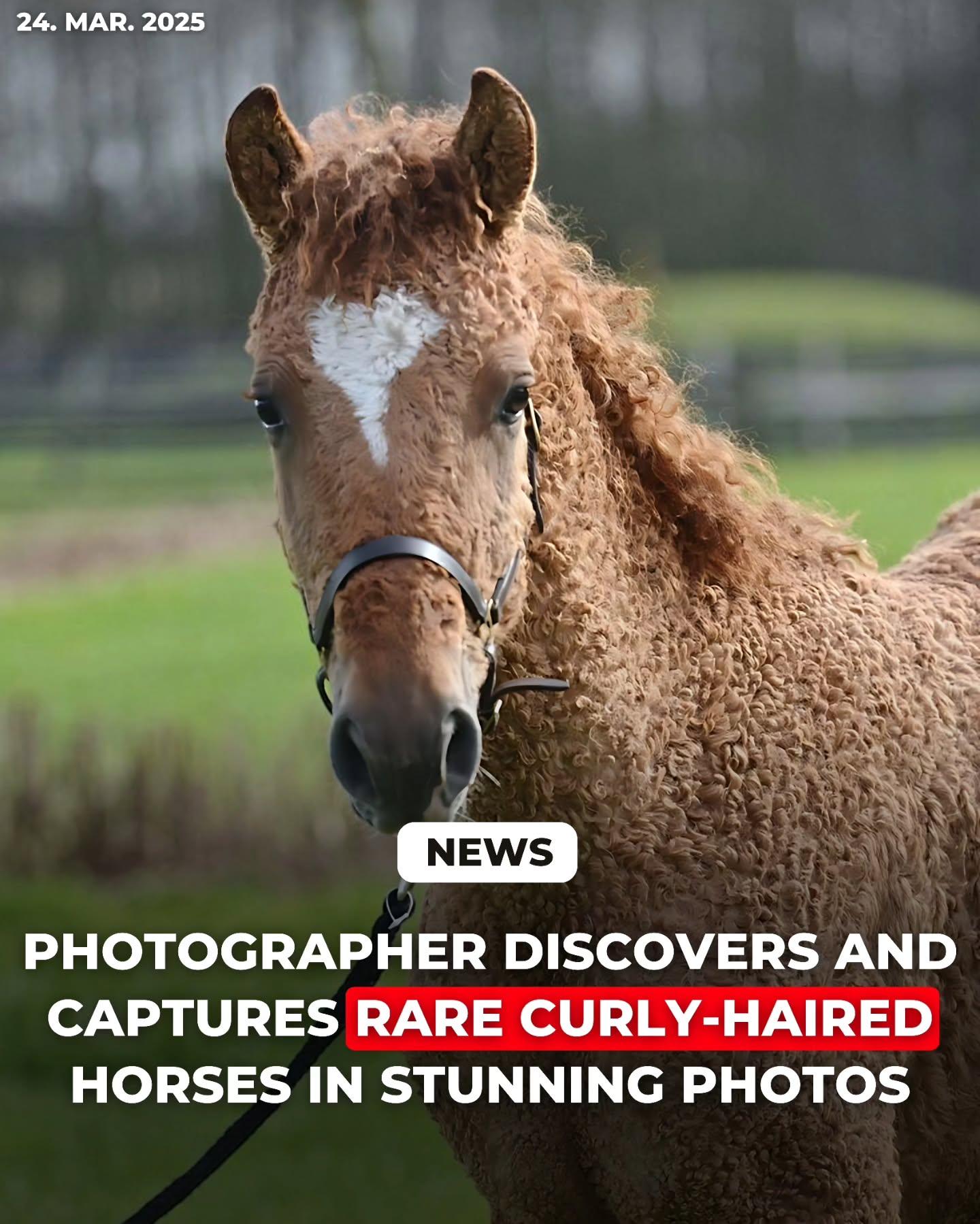
  • Curly-haired horses, also known as North American Curly Horses or Bashkir Curlies, are a unique and ancient breed distinguished by their curly coats, which can range from soft waves to tight curls. Interestingly, these horses are often considered hypoallergenic, making them suitable companions for individuals with horse allergies.

    The origins of the curly coat trait remain a mystery. Historical records indicate that curly-coated horses have appeared in various parts of the world, including China as early as 161 A.D., Russia in the 1800s, and Europe. In North America, evidence suggests that these horses roamed the Northern Plains over 200 years ago and were esteemed by Indigenous tribes such as the Crow and Sioux.

    In South America, particularly in the Argentine province of Río Negro, curly-coated horses were once prevalent but faced near extinction due to environmental challenges. In the early 2000s, veterinarian Gerardo Rodríguez and his wife, Andrea Sede, encountered one such horse in the Somuncurá Plateau. Captivated by its unique appearance, they began efforts to preserve this rare lineage. Today, the couple maintains a herd of approximately 40 curly-coated horses, the only known group of their kind in South America, thereby safeguarding a unique aspect of Patagonia's natural heritage.

    These horses are renowned not only for their distinctive coats but also for their calm demeanor, intelligence, and versatility, making them suitable for various equine disciplines and therapeutic programs. Their unique appearance and gentle nature continue to captivate horse enthusiasts worldwide.


    Disclaimer: NO COPYRIGHT INFRINGEMENT INTENDED!
    We do not own the rights to this video and photo used in this reel and post. All credit goes to the original creator. This video is shared for informational purposes only. If you are the owner and wish to discuss this content, please DM or email us.

    FAIR USE: Copyright disclaimer under section 107 of the copyright act 1976. Allowance is made for "fair use" for purposes such as criticism, comment, news reporting, teaching, scholarship infringing." We do not own all the material.
    .
    .
    .
    #news
    #worldnews
    #worldinlast24hr
    #expl
    Curly-haired horses, also known as North American Curly Horses or Bashkir Curlies, are a unique and ancient breed distinguished by their curly coats, which can range from soft waves to tight curls. Interestingly, these horses are often considered hypoallergenic, making them suitable companions for individuals with horse allergies. The origins of the curly coat trait remain a mystery. Historical records indicate that curly-coated horses have appeared in various parts of the world, including China as early as 161 A.D., Russia in the 1800s, and Europe. In North America, evidence suggests that these horses roamed the Northern Plains over 200 years ago and were esteemed by Indigenous tribes such as the Crow and Sioux. In South America, particularly in the Argentine province of Río Negro, curly-coated horses were once prevalent but faced near extinction due to environmental challenges. In the early 2000s, veterinarian Gerardo Rodríguez and his wife, Andrea Sede, encountered one such horse in the Somuncurá Plateau. Captivated by its unique appearance, they began efforts to preserve this rare lineage. Today, the couple maintains a herd of approximately 40 curly-coated horses, the only known group of their kind in South America, thereby safeguarding a unique aspect of Patagonia's natural heritage. These horses are renowned not only for their distinctive coats but also for their calm demeanor, intelligence, and versatility, making them suitable for various equine disciplines and therapeutic programs. Their unique appearance and gentle nature continue to captivate horse enthusiasts worldwide. ⚠️⚠️⚠️ Disclaimer: NO COPYRIGHT INFRINGEMENT INTENDED! We do not own the rights to this video and photo used in this reel and post. All credit goes to the original creator. This video is shared for informational purposes only. If you are the owner and wish to discuss this content, please DM or email us. FAIR USE: Copyright disclaimer under section 107 of the copyright act 1976. Allowance is made for "fair use" for purposes such as criticism, comment, news reporting, teaching, scholarship infringing." We do not own all the material. . . . #news #worldnews #worldinlast24hr #expl
    ·182 مشاهدة ·0 معاينة
  • Wooly mammoths & Tasmanian tigers & dodo birds, oh my!

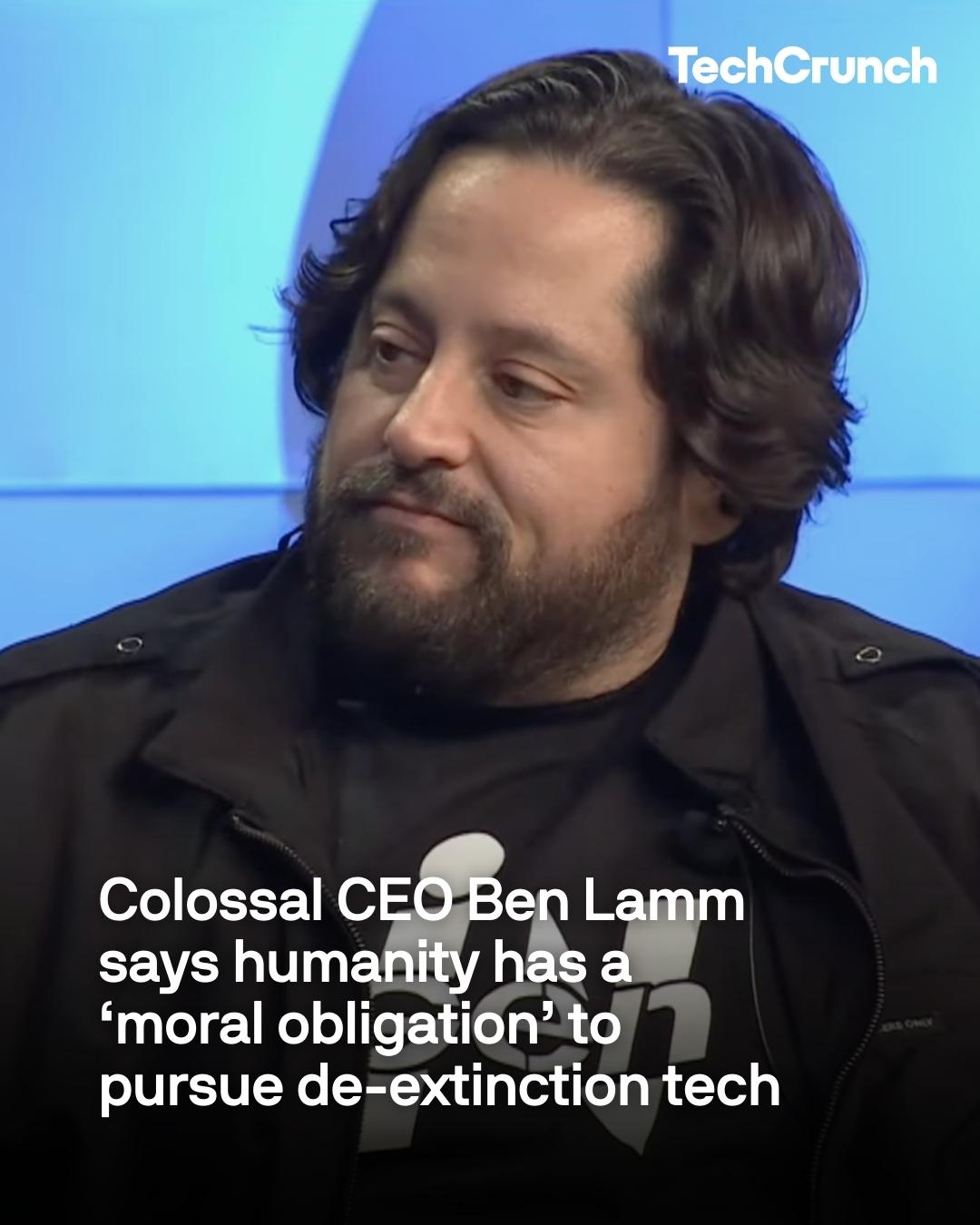
    The CEO of Colossal, a startup that aims to use genetic editing techniques to bring back extinct species, including the wooly mammoth, assured audiences at SXSW that the company has no plans to create a real-life Jurassic Park — lest there was any doubt.

    “Modern conservation isn’t working […] and we’re gonna need a ‘de-extinction’ toolkit,” Colossal CEO Ben Lamm said during an onstage interview Sunday in Austin, responding to questions from actor and board member Joe Manganiello.

    “I think that we have a moral obligation and an ethical obligation to pursue technologies [that] undo some of the things that we [as a species] have done.”

    Colossal is working to bring back the dodo bird and thylacine, commonly known as the Tasmanian tiger, well as the wooly mammoth, Lamm added. But the de-extinction of dinosaurs wouldn’t be possible due to the lack of usable sources of dinosaur DNA.

    Read more on Colossal at the link in the bio

    Article by Kyle Wiggers

    Image Credits: SXSW; Colossal

    #TechCrunch #technews #artificialintelligence #SXSW #startup #founder #biotech
    Wooly mammoths & Tasmanian tigers & dodo birds, oh my! The CEO of Colossal, a startup that aims to use genetic editing techniques to bring back extinct species, including the wooly mammoth, assured audiences at SXSW that the company has no plans to create a real-life Jurassic Park — lest there was any doubt. “Modern conservation isn’t working […] and we’re gonna need a ‘de-extinction’ toolkit,” Colossal CEO Ben Lamm said during an onstage interview Sunday in Austin, responding to questions from actor and board member Joe Manganiello. “I think that we have a moral obligation and an ethical obligation to pursue technologies [that] undo some of the things that we [as a species] have done.” Colossal is working to bring back the dodo bird and thylacine, commonly known as the Tasmanian tiger, well as the wooly mammoth, Lamm added. But the de-extinction of dinosaurs wouldn’t be possible due to the lack of usable sources of dinosaur DNA. Read more on Colossal at the link in the bio 👆 Article by Kyle Wiggers Image Credits: SXSW; Colossal #TechCrunch #technews #artificialintelligence #SXSW #startup #founder #biotech
    ·768 مشاهدة ·0 معاينة
الصفحات المعززة
Techawks - Powered By Pantrade Blockchain https://techawks.com