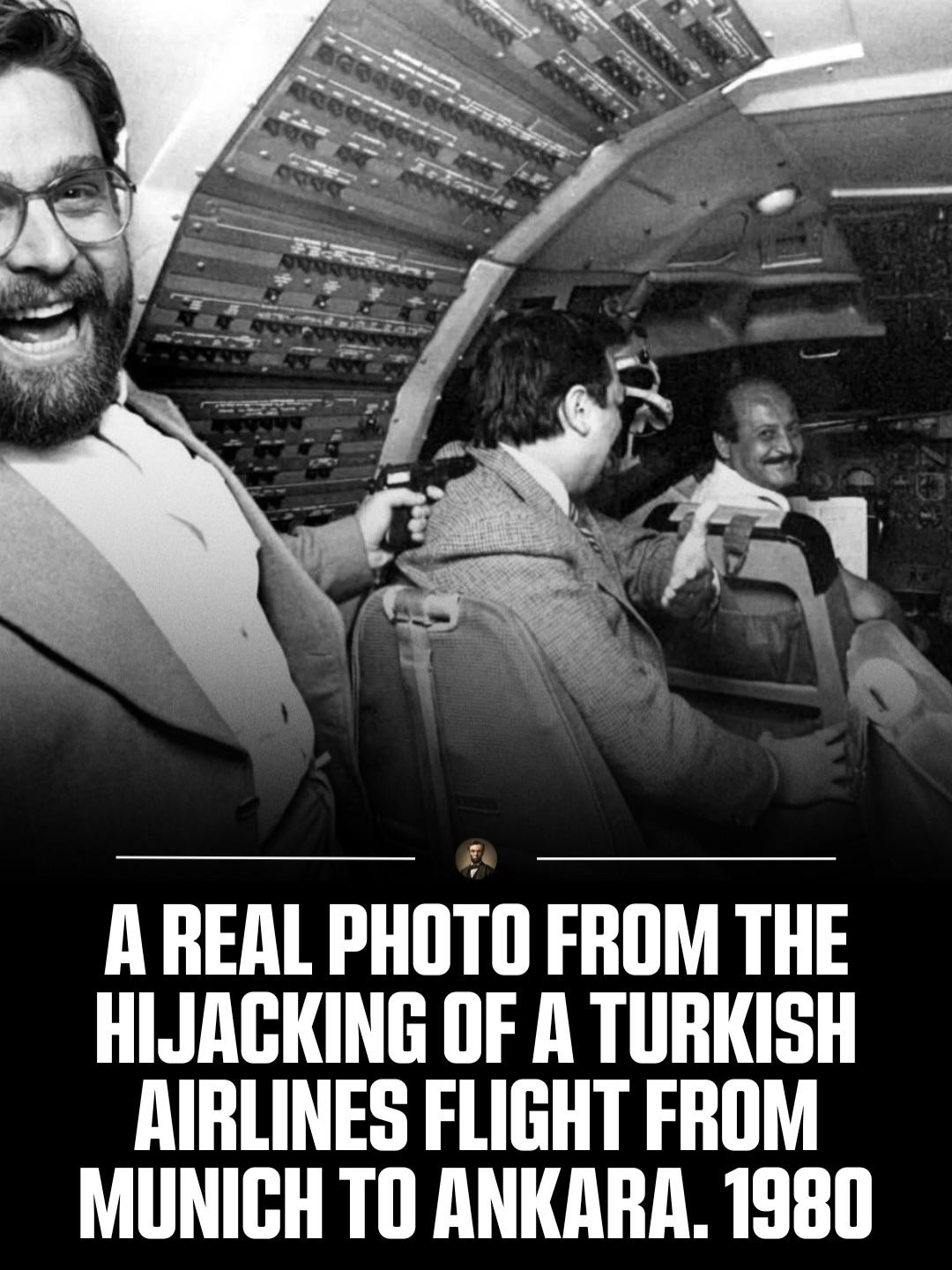
• A real photo from the hijacking of a Turkish Airlines flight traveling from Munich to Ankara in 1980. The incident occurred during a period when aircraft hijackings were becoming more common across the world, often carried out by individuals or groups trying to gain political leverage or international attention. In this case, the hijackers took control of the plane shortly after takeoff and issued demands connected to political tensions of the time.

    The crew attempted to keep passengers calm while maintaining communication with authorities on the ground. Negotiators worked for hours to deescalate the situation, and security forces prepared for possible intervention. The standoff highlighted the growing need for stronger aviation security measures, and events like this helped shape later policies that improved screening procedures and international cooperation.

    The hijacking ended after lengthy negotiations, and the photo remains a stark reminder of the fear and uncertainty that passengers and crew endured during airline crises of that era.
    A real photo from the hijacking of a Turkish Airlines flight traveling from Munich to Ankara in 1980. The incident occurred during a period when aircraft hijackings were becoming more common across the world, often carried out by individuals or groups trying to gain political leverage or international attention. In this case, the hijackers took control of the plane shortly after takeoff and issued demands connected to political tensions of the time. The crew attempted to keep passengers calm while maintaining communication with authorities on the ground. Negotiators worked for hours to deescalate the situation, and security forces prepared for possible intervention. The standoff highlighted the growing need for stronger aviation security measures, and events like this helped shape later policies that improved screening procedures and international cooperation. The hijacking ended after lengthy negotiations, and the photo remains a stark reminder of the fear and uncertainty that passengers and crew endured during airline crises of that era.
    ·77 Views ·0 Reviews
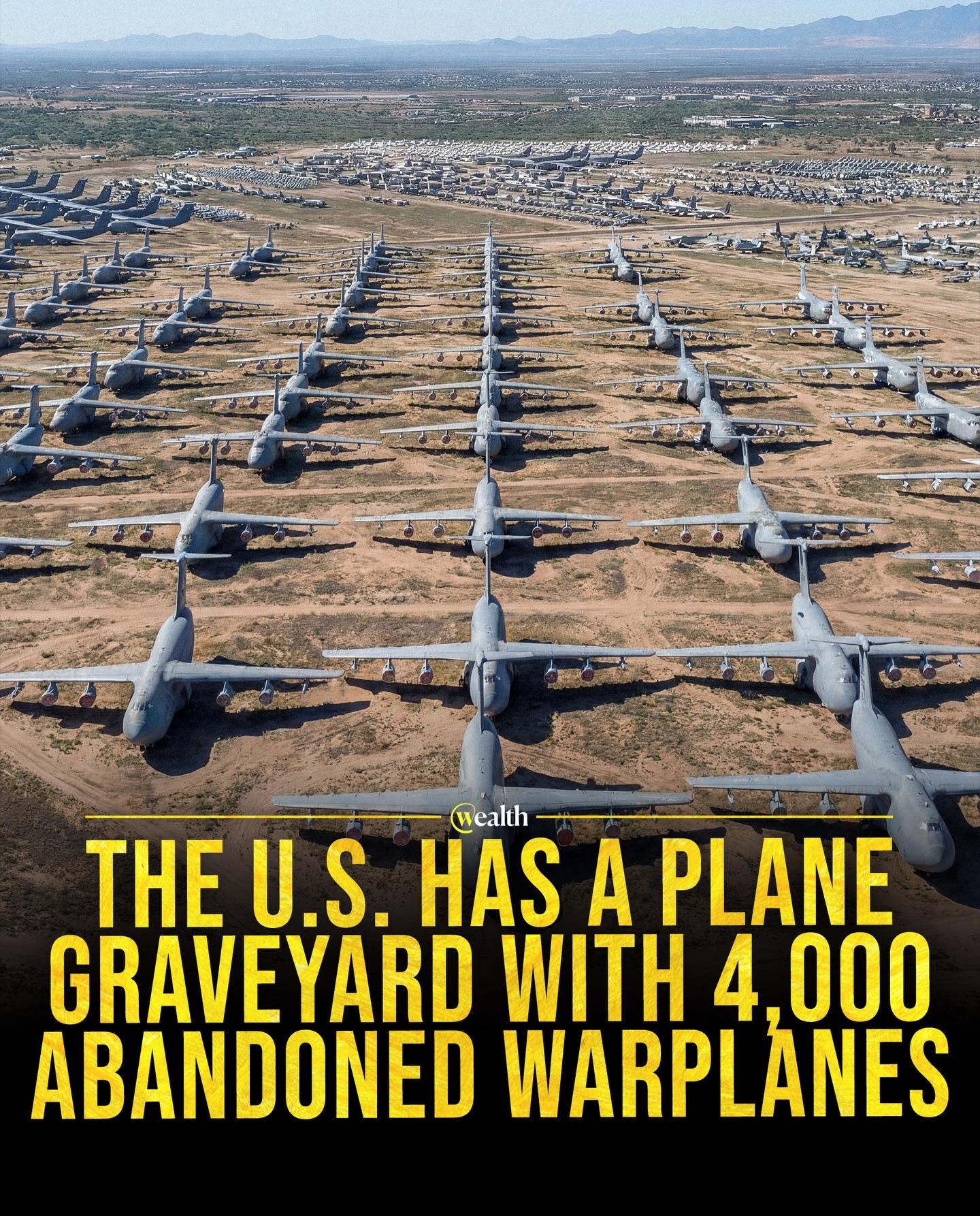
  • In the Tucson desert sits a parking lot of warplanes that could fund small countries

    At Davis-Monthan Air Force Base in Arizona, the Boneyard stores the largest collection of retired aircraft on the planet. Around 4,000 aircraft from the U.S. military, government agencies, and foreign allies rest across about 2,600 acres, preserved by the dry desert air so they can be stripped for parts, sold, or even returned to service.

    The Boneyard is billions of dollars of airpower parked in the sand, showing that serious power often looks like inventory, not flashy flyovers, and that planning decades ahead is its own form of wealth.

    #Aviation #MilitaryTech #Engineering #WealthMindset #AirPower
    In the Tucson desert sits a parking lot of warplanes that could fund small countries 🛩️🤯 At Davis-Monthan Air Force Base in Arizona, the Boneyard stores the largest collection of retired aircraft on the planet. Around 4,000 aircraft from the U.S. military, government agencies, and foreign allies rest across about 2,600 acres, preserved by the dry desert air so they can be stripped for parts, sold, or even returned to service. The Boneyard is billions of dollars of airpower parked in the sand, showing that serious power often looks like inventory, not flashy flyovers, and that planning decades ahead is its own form of wealth. #Aviation #MilitaryTech #Engineering #WealthMindset #AirPower
    ·134 Views ·0 Reviews
  • The Las Vegas Sphere looked a little bewildered as a plane lifted into the sky.
    In this perfectly timed capture by @life.on.the.ramp, it almost feels like the Sphere is watching the takeoff unfold and reacting to it.

    Photos by: @life.on.the.ramp
    .
    .
    #instaaviation #aviationgeek #lasvegas #vacations #aviationspotter #vegas #aviationphotos #sphere #aviationlove #lasvegasstrip
    The Las Vegas Sphere looked a little bewildered as a plane lifted into the sky. ✈️ In this perfectly timed capture by @life.on.the.ramp, it almost feels like the Sphere is watching the takeoff unfold and reacting to it. 🛫 Photos by: @life.on.the.ramp . . #instaaviation #aviationgeek #lasvegas #vacations #aviationspotter #vegas #aviationphotos #sphere #aviationlove #lasvegasstrip
    ·170 Views ·0 Reviews
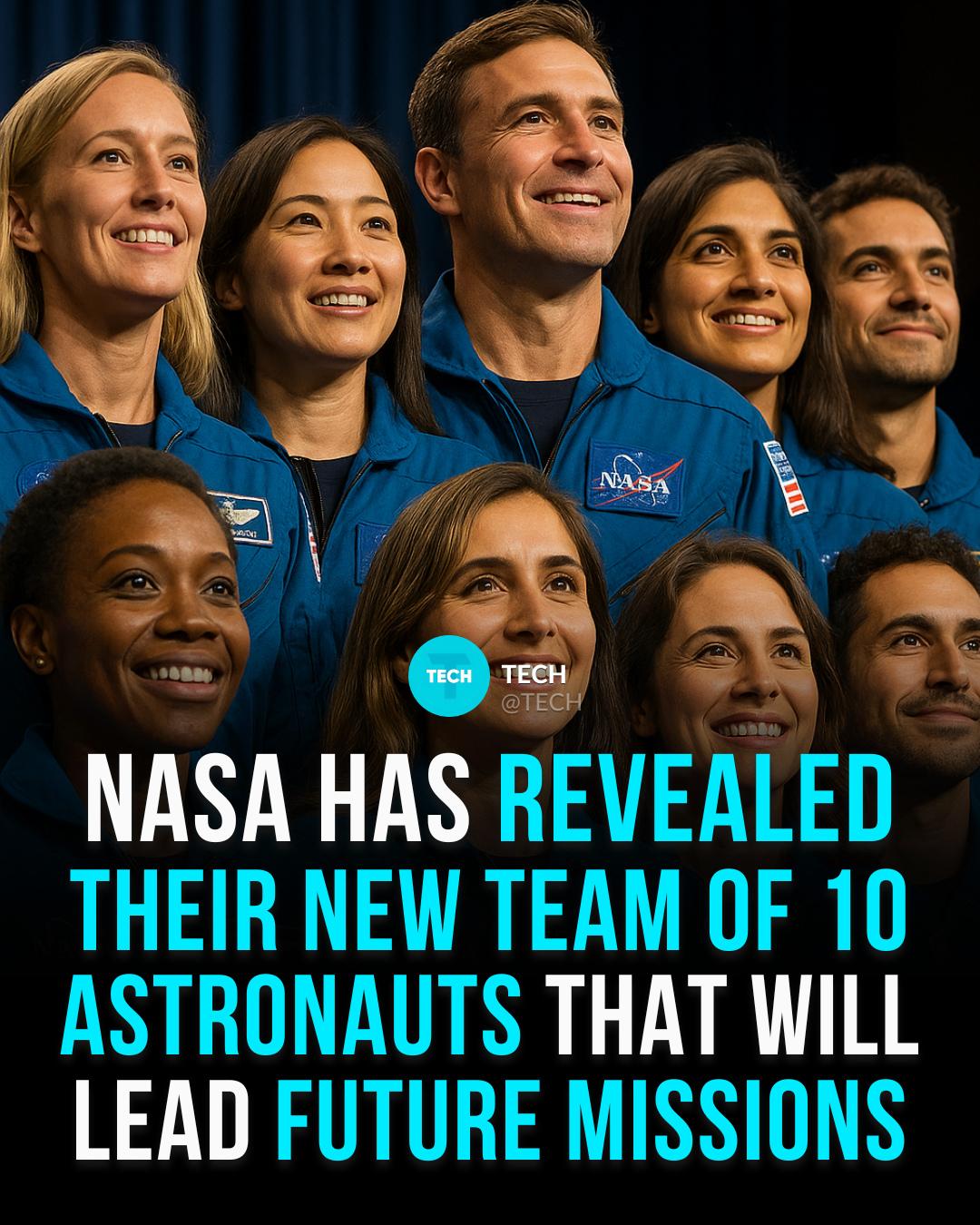
  • NASA has unveiled its newest class of astronaut candidates, chosen from a staggering pool of more than 8,000 applicants. The group of ten includes six women and four men, marking the first time in the agency’s history that women outnumber men in a selection. This milestone comes as NASA prepares for missions that could return humans to the Moon and set the stage for the first crewed journeys to Mars.⁠

    The candidates, known as ASCANs, will undergo two years of intensive training at Johnson Space Center. Their curriculum spans robotics, geology, survival training on land and water, foreign languages, space medicine, and high-performance jet flight. They will also conduct simulated spacewalks, preparing them for the extreme demands of missions beyond Earth. For many, this marks the culmination of years of dedication across fields as varied as engineering, military aviation, and advanced science, now converging in pursuit of exploration.⁠

    Among the recruits is Anna Menon, the first astronaut candidate to already have flown in space. In 2024, she joined SpaceX’s Polaris Dawn mission, which set a new altitude record for female astronauts and included the first private spacewalk. Her selection underscores NASA’s growing integration of commercial spaceflight experience into its astronaut corps, blending government and private expertise into a stronger team for the challenges ahead.⁠

    The class brings together a remarkable mix of expertise: military test pilots with thousands of flight hours, geologists who defined lunar science goals for Artemis, engineers who directed SpaceX launches, and medical specialists with backgrounds in anesthesia and undersea medicine. Together, they represent a breadth of skills essential for building a sustained human presence on the Moon, learning how to use its resources, and pushing onward to Mars.⁠

    Acting NASA Administrator Sean Duffy called the ten “America’s best and brightest,” emphasizing that their selection embodies the nation’s commitment to remain at the forefront of space exploration. When their training is complete, they will join 41 active astronauts, stepping into what NASA calls a “Golden Age of exploration.”
    NASA has unveiled its newest class of astronaut candidates, chosen from a staggering pool of more than 8,000 applicants. The group of ten includes six women and four men, marking the first time in the agency’s history that women outnumber men in a selection. This milestone comes as NASA prepares for missions that could return humans to the Moon and set the stage for the first crewed journeys to Mars.⁠ ⁠ The candidates, known as ASCANs, will undergo two years of intensive training at Johnson Space Center. Their curriculum spans robotics, geology, survival training on land and water, foreign languages, space medicine, and high-performance jet flight. They will also conduct simulated spacewalks, preparing them for the extreme demands of missions beyond Earth. For many, this marks the culmination of years of dedication across fields as varied as engineering, military aviation, and advanced science, now converging in pursuit of exploration.⁠ ⁠ Among the recruits is Anna Menon, the first astronaut candidate to already have flown in space. In 2024, she joined SpaceX’s Polaris Dawn mission, which set a new altitude record for female astronauts and included the first private spacewalk. Her selection underscores NASA’s growing integration of commercial spaceflight experience into its astronaut corps, blending government and private expertise into a stronger team for the challenges ahead.⁠ ⁠ The class brings together a remarkable mix of expertise: military test pilots with thousands of flight hours, geologists who defined lunar science goals for Artemis, engineers who directed SpaceX launches, and medical specialists with backgrounds in anesthesia and undersea medicine. Together, they represent a breadth of skills essential for building a sustained human presence on the Moon, learning how to use its resources, and pushing onward to Mars.⁠ ⁠ Acting NASA Administrator Sean Duffy called the ten “America’s best and brightest,” emphasizing that their selection embodies the nation’s commitment to remain at the forefront of space exploration. When their training is complete, they will join 41 active astronauts, stepping into what NASA calls a “Golden Age of exploration.”
    ·201 Views ·0 Reviews
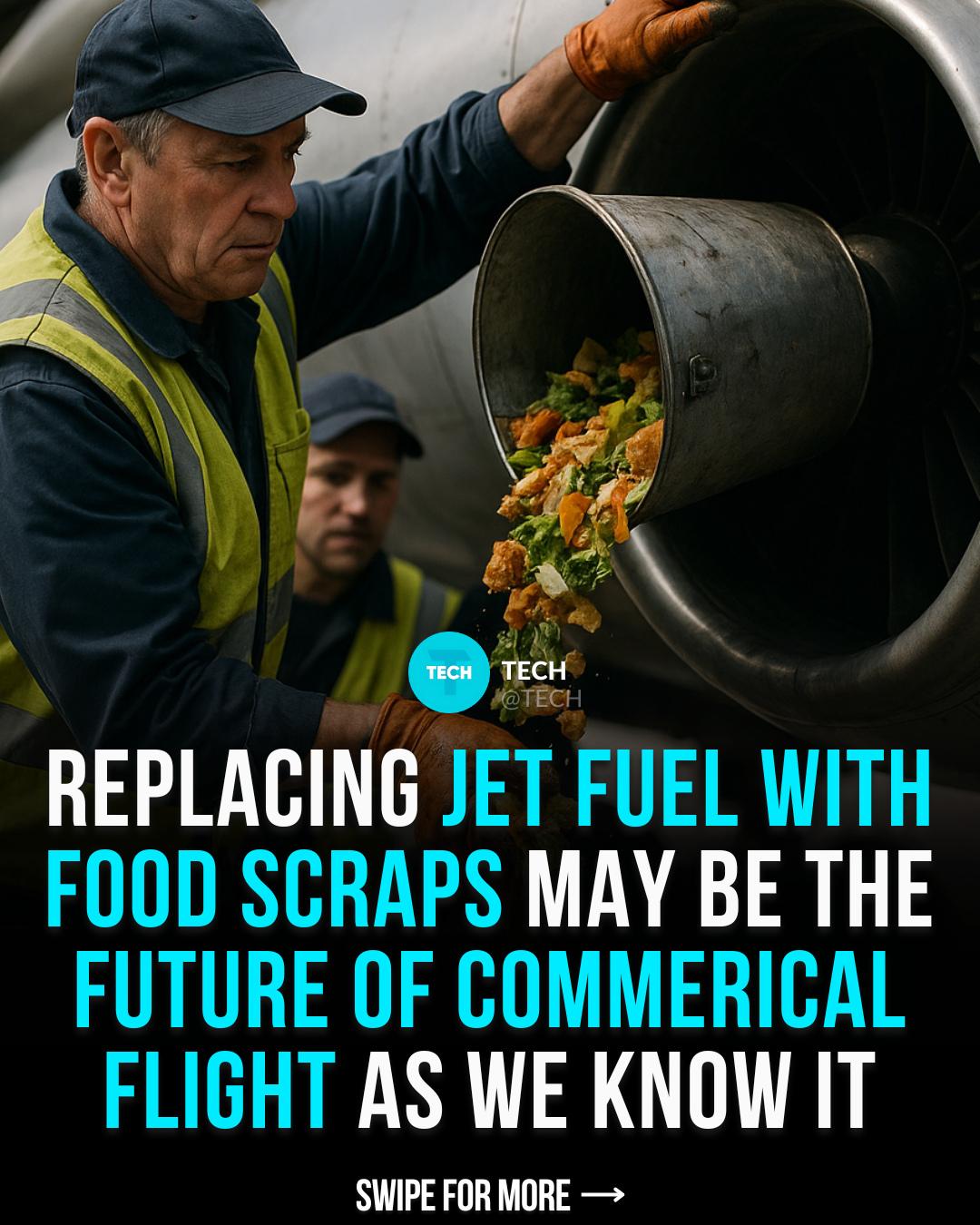
  • It began as an effort to clean up landfills, and now it could transform the skies. Scientists at the University of Illinois Urbana-Champaign have developed a process that converts food waste into sustainable aviation fuel, jet fuel that meets every U.S. aviation standard without needing to be blended with fossil fuels.⁠

    The method, published in Nature Communications, relies on a reaction called hydrothermal liquefaction, which mimics the geological forces that create crude oil. Under extreme heat and pressure, leftover food scraps from processing plants are transformed into a biocrude. That crude is then purified and refined through catalytic hydrotreating, a step that removes oxygen, nitrogen, and sulfur, leaving behind hydrocarbons that are chemically identical to those in conventional jet fuel.⁠

    The researchers discovered that cobalt–molybdenum catalysts performed best for this conversion, producing a fuel that passed all ASTM and FAA prescreening tests with no additives. In trials, the food based fuel met every criterion for use in commercial aircraft engines, a rare feat for any renewable energy source.⁠

    Scaling up will not be easy. Moving from lab batches to airport production will require reliable waste collection streams, new HTL facilities near population centers, and buy in from airlines already experimenting with SAF. The good news is that the science is largely solved, leaving industry to focus on financing, logistics, and certification.⁠

    Globally, over 30 percent of food is wasted each year, and when it decomposes in landfills, it emits greenhouse gases. This process closes that loop, turning waste into a resource while supporting aviation’s push toward net zero carbon emissions by 2050. Lead researcher Yuanhui Zhang calls it a missing link in the circular economy, a system that reclaims value from waste.
    It began as an effort to clean up landfills, and now it could transform the skies. Scientists at the University of Illinois Urbana-Champaign have developed a process that converts food waste into sustainable aviation fuel, jet fuel that meets every U.S. aviation standard without needing to be blended with fossil fuels.⁠ ⁠ The method, published in Nature Communications, relies on a reaction called hydrothermal liquefaction, which mimics the geological forces that create crude oil. Under extreme heat and pressure, leftover food scraps from processing plants are transformed into a biocrude. That crude is then purified and refined through catalytic hydrotreating, a step that removes oxygen, nitrogen, and sulfur, leaving behind hydrocarbons that are chemically identical to those in conventional jet fuel.⁠ ⁠ The researchers discovered that cobalt–molybdenum catalysts performed best for this conversion, producing a fuel that passed all ASTM and FAA prescreening tests with no additives. In trials, the food based fuel met every criterion for use in commercial aircraft engines, a rare feat for any renewable energy source.⁠ ⁠ Scaling up will not be easy. Moving from lab batches to airport production will require reliable waste collection streams, new HTL facilities near population centers, and buy in from airlines already experimenting with SAF. The good news is that the science is largely solved, leaving industry to focus on financing, logistics, and certification.⁠ ⁠ Globally, over 30 percent of food is wasted each year, and when it decomposes in landfills, it emits greenhouse gases. This process closes that loop, turning waste into a resource while supporting aviation’s push toward net zero carbon emissions by 2050. Lead researcher Yuanhui Zhang calls it a missing link in the circular economy, a system that reclaims value from waste.
    ·218 Views ·0 Reviews
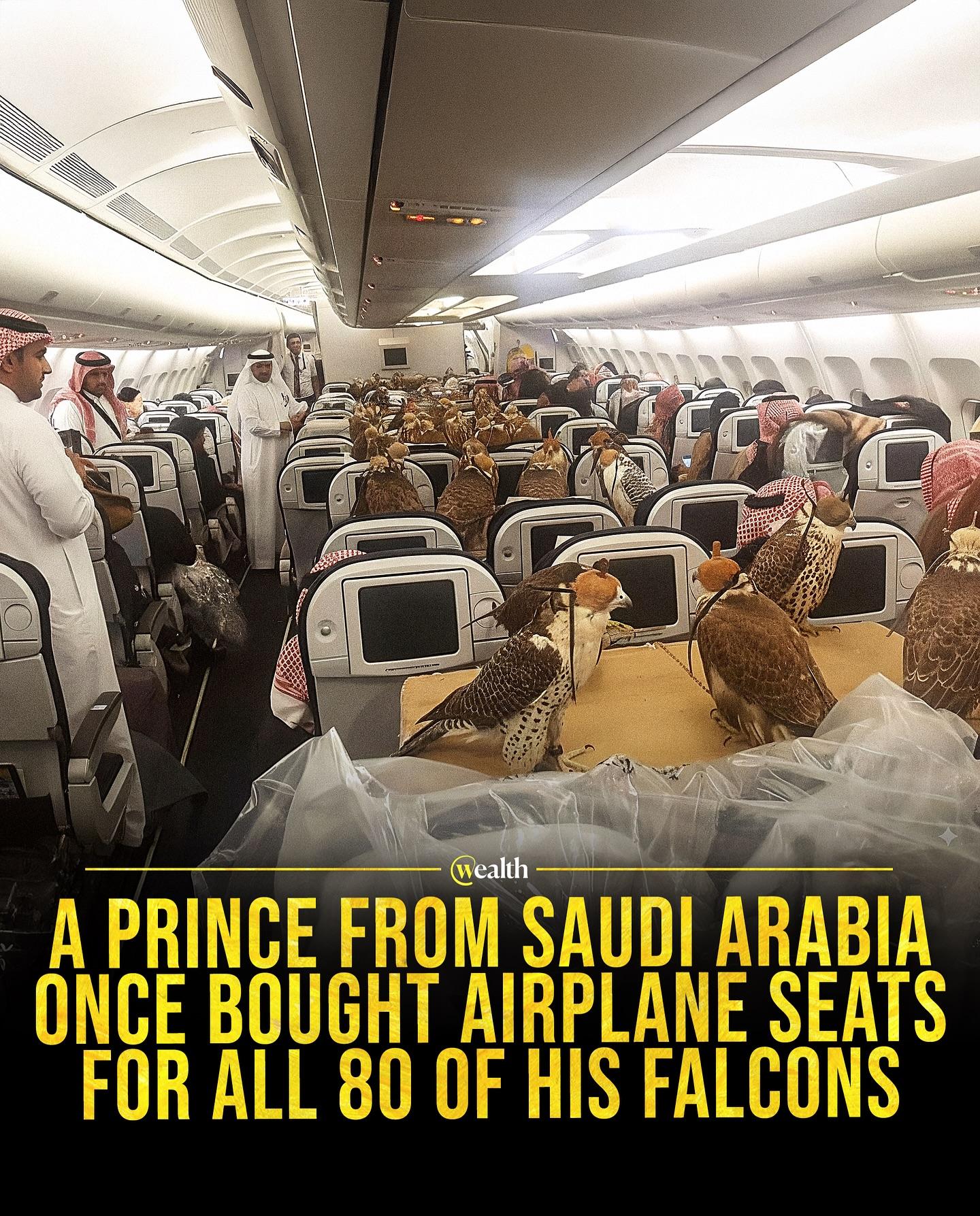
  • When a Saudi prince flies, his falcons come along for the ride

    A Saudi prince booked 80 airplane seats just for his birds, a sight that shocked the internet when the photo surfaced.

    Airlines like Qatar Airways even publish rules for this, charging around $500 per falcon and capping how many can sit in the cabin.

    The UAE also issues falcon passports valid for three years, making them some of the most well-documented travelers in the world.

    Love learning? Follow @Wealth

    #Falconry #MiddleEast #Aviation #LuxuryCulture
    When a Saudi prince flies, his falcons come along for the ride 🦅 A Saudi prince booked 80 airplane seats just for his birds, a sight that shocked the internet when the photo surfaced. Airlines like Qatar Airways even publish rules for this, charging around $500 per falcon and capping how many can sit in the cabin. The UAE also issues falcon passports valid for three years, making them some of the most well-documented travelers in the world. Love learning? Follow @Wealth ⭐ #Falconry #MiddleEast #Aviation #LuxuryCulture
    ·321 Views ·0 Reviews
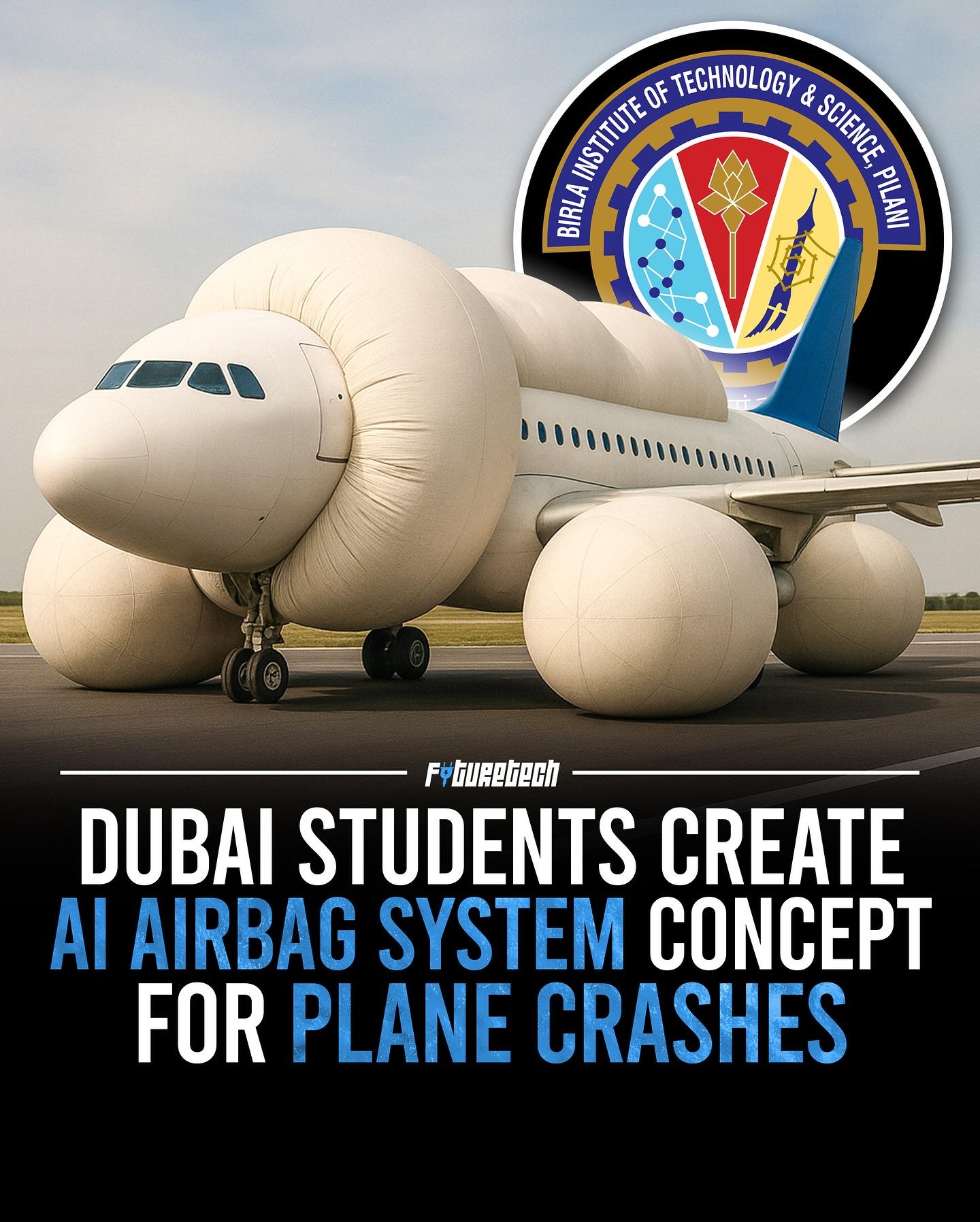
  • A team of students from BITS Pilani Dubai Campus has introduced Project Rebirth, an experimental idea that reimagines aviation safety through AI and engineering innovation.

    The concept proposes equipping airplanes with inflatable external airbags that automatically deploy during emergencies such as crash landings. Much like car airbags, these giant cushions would surround the aircraft’s body, absorbing impact forces, minimizing structural damage, and increasing passenger survival chances.

    What sets the project apart is its integration of artificial intelligence. The system could be designed to monitor flight conditions – including speed, altitude, and sudden drops – and trigger the airbags at the precise moment they’re needed.

    While still in the conceptual stage, Project Rebirth highlights the potential of combining AI with safety engineering to tackle one of aviation’s rare but deadliest risks. Even a partial reduction in impact forces, researchers note, could mean the difference between catastrophe and survival for hundreds of passengers.

    Love Tech? Follow @FutureTech
    A team of students from BITS Pilani Dubai Campus has introduced Project Rebirth, an experimental idea that reimagines aviation safety through AI and engineering innovation. The concept proposes equipping airplanes with inflatable external airbags that automatically deploy during emergencies such as crash landings. Much like car airbags, these giant cushions would surround the aircraft’s body, absorbing impact forces, minimizing structural damage, and increasing passenger survival chances. What sets the project apart is its integration of artificial intelligence. The system could be designed to monitor flight conditions – including speed, altitude, and sudden drops – and trigger the airbags at the precise moment they’re needed. While still in the conceptual stage, Project Rebirth highlights the potential of combining AI with safety engineering to tackle one of aviation’s rare but deadliest risks. Even a partial reduction in impact forces, researchers note, could mean the difference between catastrophe and survival for hundreds of passengers. Love Tech? 👉 Follow @FutureTech 🔌
    ·208 Views ·0 Reviews
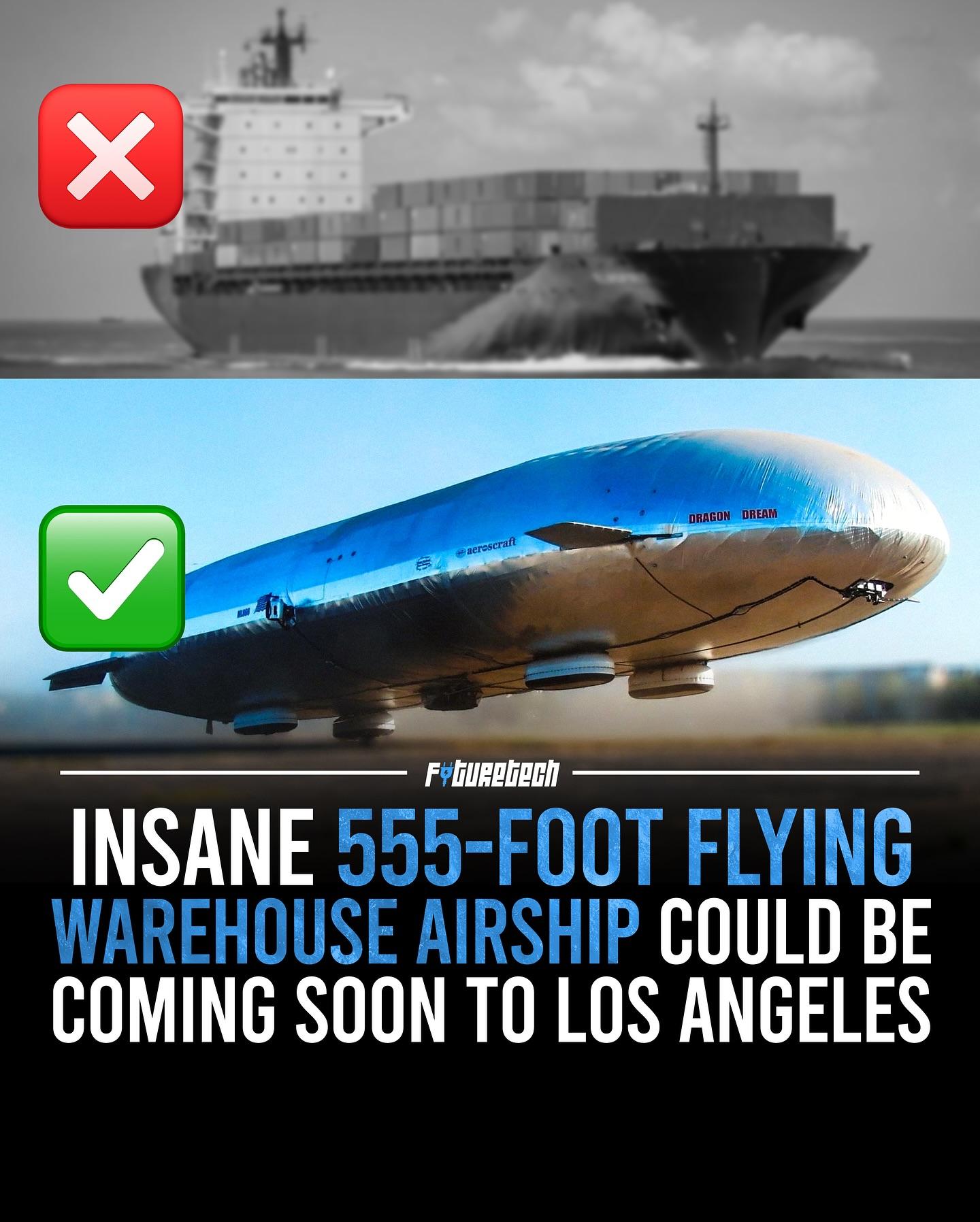
  • Ukrainian-American designer Igor Pasternak is pushing forward with his Aeroscraft concept, a massive 555-foot cargo airship designed to carry up to 66 tons—about twice the capacity of a Boeing 747-800’s hold.

    Unlike traditional blimps, the Aeroscraft uses a submarine-style ballast system with compressed helium for buoyancy control, allowing it to pick up and drop cargo midair without landing.

    The trial run, planned for later this year, will use a smaller Sky Dragon surveillance platform to prove the model. Pasternak has partnered with drone logistics firm Shipbots, with ambitions to build a production line in California or Nevada. He hopes to have three larger models in production by 2027, followed by an IPO to fund an even bigger intercontinental version, the ML888.

    While airships have long carried the stigma of the Hindenburg disaster, they’ve remained in niche use for advertising and surveillance. Pasternak sees them instead as giant flying warehouses—capable of delivering massive cargo like wind turbines or humanitarian aid anywhere in the world. If successful, the concept could mark a futuristic comeback for one of aviation’s oldest technologies.

    Image: @aeroscraft

    #FutureTech
    Ukrainian-American designer Igor Pasternak is pushing forward with his Aeroscraft concept, a massive 555-foot cargo airship designed to carry up to 66 tons—about twice the capacity of a Boeing 747-800’s hold. Unlike traditional blimps, the Aeroscraft uses a submarine-style ballast system with compressed helium for buoyancy control, allowing it to pick up and drop cargo midair without landing. The trial run, planned for later this year, will use a smaller Sky Dragon surveillance platform to prove the model. Pasternak has partnered with drone logistics firm Shipbots, with ambitions to build a production line in California or Nevada. He hopes to have three larger models in production by 2027, followed by an IPO to fund an even bigger intercontinental version, the ML888. While airships have long carried the stigma of the Hindenburg disaster, they’ve remained in niche use for advertising and surveillance. Pasternak sees them instead as giant flying warehouses—capable of delivering massive cargo like wind turbines or humanitarian aid anywhere in the world. If successful, the concept could mark a futuristic comeback for one of aviation’s oldest technologies. Image: @aeroscraft #FutureTech 🔌
    ·278 Views ·0 Reviews
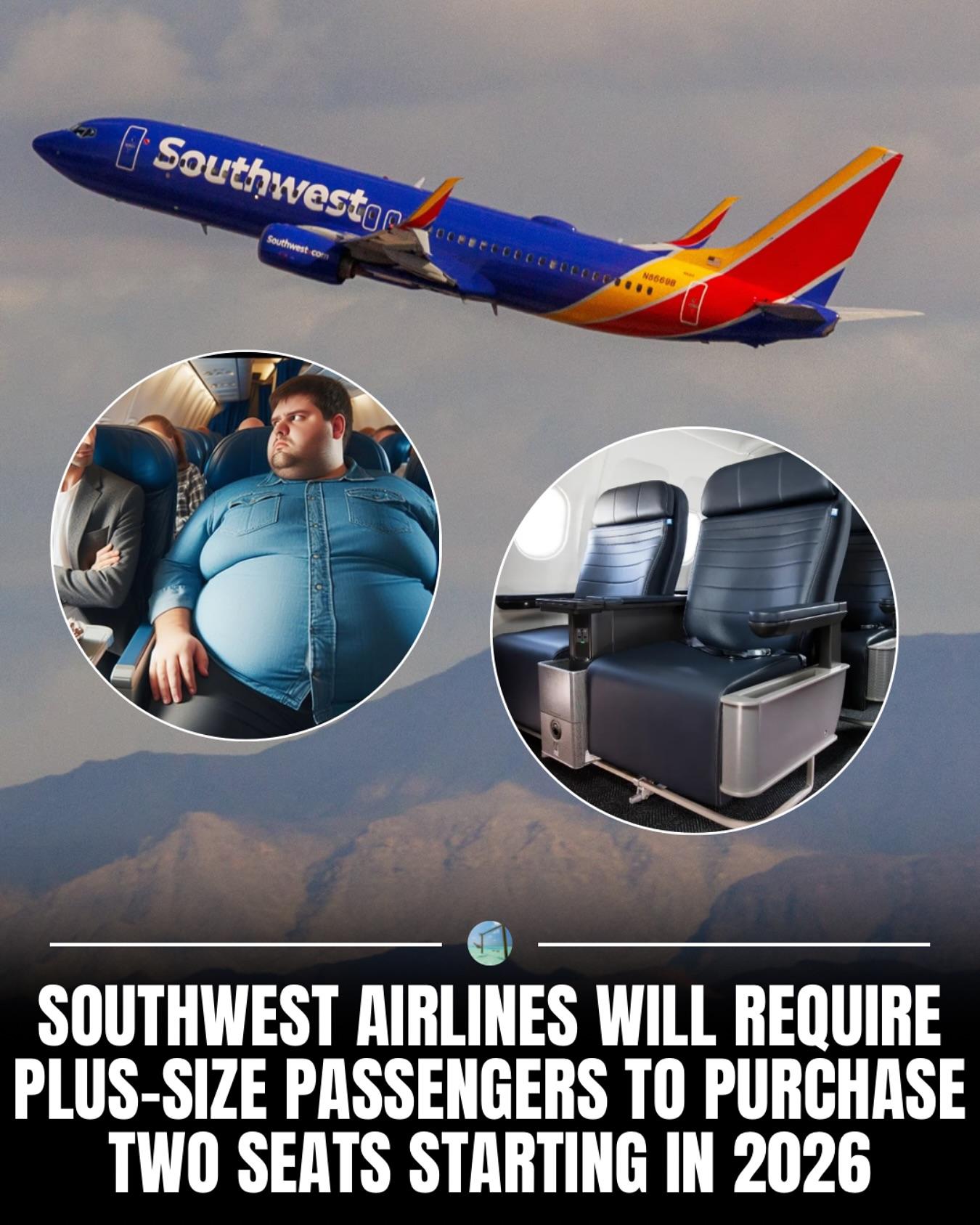
  • Starting January 27, 2026, Southwest Airlines will update its “customer of size” policy.

    Passengers who cannot remain within a single seat and spill into a neighboring seat will now be required to purchase an additional seat in advance.

    Previously, these extra seats were issued at no upfront cost. Refunds will still be available, but only if:
    • The second seat is purchased in the same fare class
    • The flight isn’t sold out
    • The refund request is submitted within 90 days of travel

    #AirTravel #SouthwestAirlines #TravelNews #Aviation #Vacations #News
    Starting January 27, 2026, Southwest Airlines will update its “customer of size” policy. ✈️ Passengers who cannot remain within a single seat and spill into a neighboring seat will now be required to purchase an additional seat in advance. Previously, these extra seats were issued at no upfront cost. Refunds will still be available, but only if: • The second seat is purchased in the same fare class • The flight isn’t sold out • The refund request is submitted within 90 days of travel #AirTravel #SouthwestAirlines #TravelNews #Aviation #Vacations #News
    ·374 Views ·0 Reviews
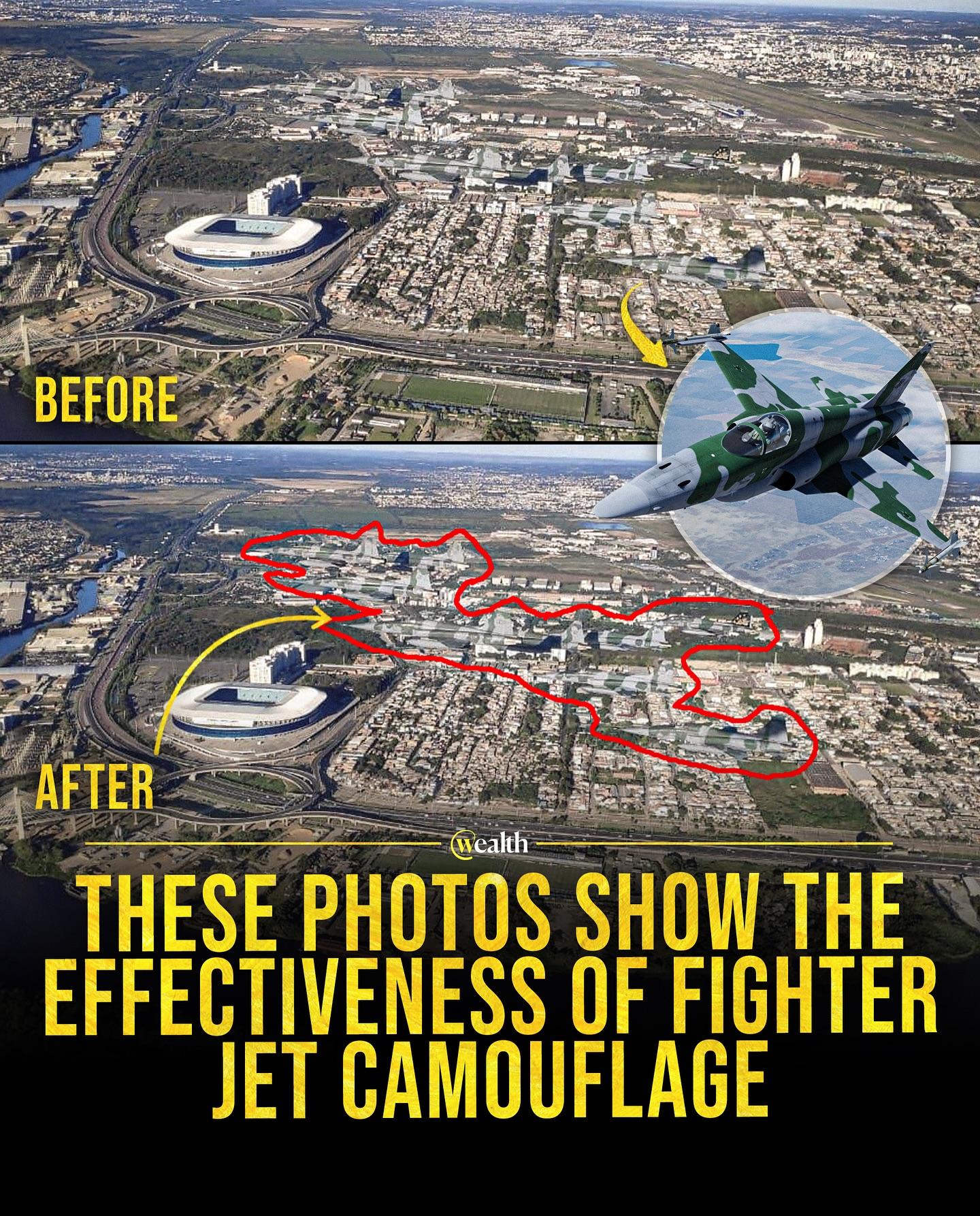
  • Can’t spot the jets? That’s the camo doing its job

    From far away and at high speed, this camouflage melts into the background and makes the jets disappear.

    It isn’t invisibility, just smart patterns and contrasts that buy a little time.

    Love learning? Follow @Wealth

    Media: @exercito_oficial

    #Aviation #Camouflage #OpticalIllusion #Planes
    Can’t spot the jets? That’s the camo doing its job ✈️ From far away and at high speed, this camouflage melts into the background and makes the jets disappear. It isn’t invisibility, just smart patterns and contrasts that buy a little time. Love learning? Follow @Wealth ⭐ Media: @exercito_oficial #Aviation #Camouflage #OpticalIllusion #Planes
    ·279 Views ·0 Reviews
More Results
Techawks - Powered By Pantrade Blockchain https://techawks.com