• This is how much an F1 car costs: From the driver halo, priced at around $17,000, to the heart of the machine—the turbocharged engine, which can reach an astounding $10,500,000—every part of a Formula 1 car comes with a premium price. The halo protects the driver in high-impact situations, while the engine delivers unmatched performance at speeds exceeding 200 mph.

    But the costs don’t stop there. The chassis, crafted from ultra-light carbon fiber, can run into hundreds of thousands of dollars. Each front wing can cost more than some road cars, and teams often bring multiple spares to every race weekend. Even the steering wheel—packed with sensors, displays, and over 20 controls—can cost tens of thousands on its own.

    Altogether, an F1 car can exceed tens of millions of dollars, reflecting the incredible engineering, safety systems, and technology that push the limits of modern motorsport.

    -
    #F1Tech #Formula1 #MotorsportEngineering #RaceCarFacts #F1Costs

    This is how much an F1 car costs: From the driver halo, priced at around $17,000, to the heart of the machine—the turbocharged engine, which can reach an astounding $10,500,000—every part of a Formula 1 car comes with a premium price. The halo protects the driver in high-impact situations, while the engine delivers unmatched performance at speeds exceeding 200 mph. But the costs don’t stop there. The chassis, crafted from ultra-light carbon fiber, can run into hundreds of thousands of dollars. Each front wing can cost more than some road cars, and teams often bring multiple spares to every race weekend. Even the steering wheel—packed with sensors, displays, and over 20 controls—can cost tens of thousands on its own. Altogether, an F1 car can exceed tens of millions of dollars, reflecting the incredible engineering, safety systems, and technology that push the limits of modern motorsport. - #F1Tech #Formula1 #MotorsportEngineering #RaceCarFacts #F1Costs
    ·52 مشاهدة ·0 معاينة
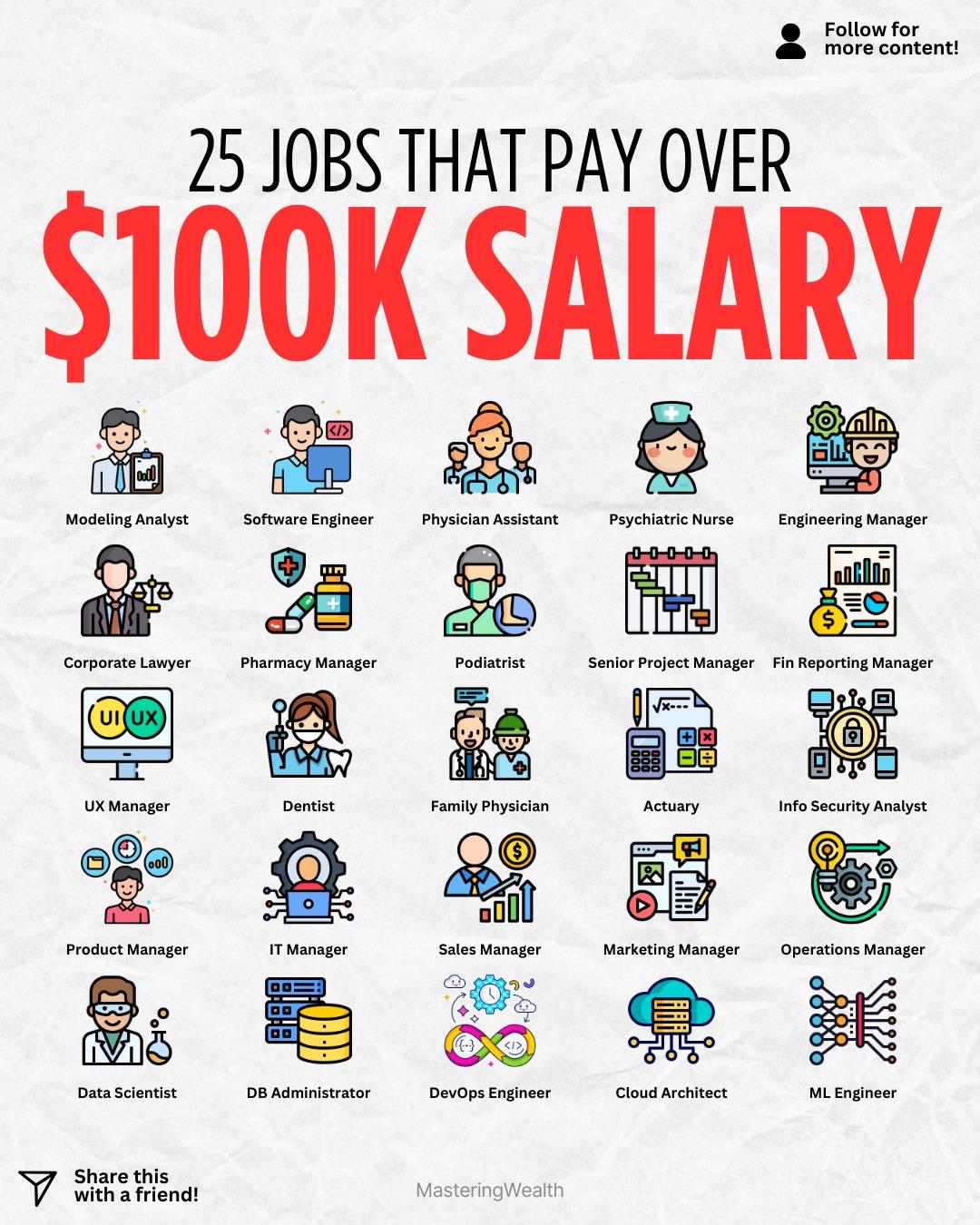
  • Many people assume that earning a six figure salary is out of reach, but the truth is that there are many high income careers across tech, healthcare, engineering and business that regularly pay above one hundred thousand dollars a year . Jobs like software engineer, physician assistant, data scientist, product manager, cloud architect and corporate lawyer continue to be in demand and offer strong income growth over time . The list in this post highlights twenty five careers that consistently offer six figure earning potential for people who pursue the right skills and experience.

    High income jobs like modeling analyst, IT manager, UX manager, engineering manager and DevOps engineer continue to grow in popularity because companies need specialized talent to solve complex problems. Healthcare roles such as dentist, podiatrist, family physician and psychiatric nurse also provide strong earning power due to long term demand for medical professionals . Tech roles including machine learning engineer, information security analyst and cloud architect are some of the fastest growing career paths because businesses rely on digital systems more than ever.

    If you are exploring different career options, it helps to understand why these roles pay so well. Many of these careers require advanced knowledge or technical expertise, while others require leadership experience or responsibility for managing large teams. The reward for developing rare skills is often a higher salary and long term job stability .

    If you want to see the dividend portfolio that helps me build wealth outside of my career, comment the word Stocks and I will send you the link .

    Which high income career on this list do you find the most interesting and why

    If you enjoy learning about money, career growth and financial education, follow me at MasteringWealth for more daily content that helps you build a stronger financial future .

    This content is for education only and is not financial advice.
    Many people assume that earning a six figure salary is out of reach, but the truth is that there are many high income careers across tech, healthcare, engineering and business that regularly pay above one hundred thousand dollars a year 💼💰. Jobs like software engineer, physician assistant, data scientist, product manager, cloud architect and corporate lawyer continue to be in demand and offer strong income growth over time 📈. The list in this post highlights twenty five careers that consistently offer six figure earning potential for people who pursue the right skills and experience. High income jobs like modeling analyst, IT manager, UX manager, engineering manager and DevOps engineer continue to grow in popularity because companies need specialized talent to solve complex problems. Healthcare roles such as dentist, podiatrist, family physician and psychiatric nurse also provide strong earning power due to long term demand for medical professionals 👨‍⚕️👩‍⚕️. Tech roles including machine learning engineer, information security analyst and cloud architect are some of the fastest growing career paths because businesses rely on digital systems more than ever. If you are exploring different career options, it helps to understand why these roles pay so well. Many of these careers require advanced knowledge or technical expertise, while others require leadership experience or responsibility for managing large teams. The reward for developing rare skills is often a higher salary and long term job stability 🔑. If you want to see the dividend portfolio that helps me build wealth outside of my career, comment the word Stocks and I will send you the link 📬. Which high income career on this list do you find the most interesting and why 🤔 If you enjoy learning about money, career growth and financial education, follow me at MasteringWealth for more daily content that helps you build a stronger financial future 🌟. This content is for education only and is not financial advice.
    ·331 مشاهدة ·0 معاينة
  • In the Tucson desert sits a parking lot of warplanes that could fund small countries

    At Davis-Monthan Air Force Base in Arizona, the Boneyard stores the largest collection of retired aircraft on the planet. Around 4,000 aircraft from the U.S. military, government agencies, and foreign allies rest across about 2,600 acres, preserved by the dry desert air so they can be stripped for parts, sold, or even returned to service.

    The Boneyard is billions of dollars of airpower parked in the sand, showing that serious power often looks like inventory, not flashy flyovers, and that planning decades ahead is its own form of wealth.

    #Aviation #MilitaryTech #Engineering #WealthMindset #AirPower
    In the Tucson desert sits a parking lot of warplanes that could fund small countries 🛩️🤯 At Davis-Monthan Air Force Base in Arizona, the Boneyard stores the largest collection of retired aircraft on the planet. Around 4,000 aircraft from the U.S. military, government agencies, and foreign allies rest across about 2,600 acres, preserved by the dry desert air so they can be stripped for parts, sold, or even returned to service. The Boneyard is billions of dollars of airpower parked in the sand, showing that serious power often looks like inventory, not flashy flyovers, and that planning decades ahead is its own form of wealth. #Aviation #MilitaryTech #Engineering #WealthMindset #AirPower
    ·132 مشاهدة ·0 معاينة
  • Before mass production reshaped the appliance industry, early-1940s stoves were built with a level of personality and craftsmanship that is almost impossible to find today.

    Every component was hand-fitted, every curve was intentional, and every detail was engineered to last for decades. These machines were heavy, overbuilt, and designed with pride at a time when durability mattered more than cutting costs.

    Many of these stoves used enamel-coated steel, cast-iron burners, and mechanical systems that could be repaired indefinitely, which is why so many still function nearly a century later. Homes expected to keep their appliances for life, not replace them every few years.

    This era of engineering produced appliances with character, longevity, and a visual identity that modern manufacturing rarely captures.

    Love technology? Follow @Wealth

    #design #engineering #history #innovation #technology
    Before mass production reshaped the appliance industry, early-1940s stoves were built with a level of personality and craftsmanship that is almost impossible to find today. ✨🔥 Every component was hand-fitted, every curve was intentional, and every detail was engineered to last for decades. These machines were heavy, overbuilt, and designed with pride at a time when durability mattered more than cutting costs. Many of these stoves used enamel-coated steel, cast-iron burners, and mechanical systems that could be repaired indefinitely, which is why so many still function nearly a century later. Homes expected to keep their appliances for life, not replace them every few years. This era of engineering produced appliances with character, longevity, and a visual identity that modern manufacturing rarely captures. Love technology? Follow @Wealth 🌟 #design #engineering #history #innovation #technology
    ·206 مشاهدة ·0 معاينة
  • 10 world-record-breaking places you won’t believe are in India!

    From natural wonders to engineering marvels, India is full of surprises you never saw coming.

    #IncredibleIndia #WorldRecords #HiddenGemsIndia #IndiaTravel #ExploreIndia #TravelReels #DidYouKnow #BucketListIndia #RecordBreakingPlaces #TravelFacts #IndiaTourism
    10 world-record-breaking places you won’t believe are in India! 🌏🔥 From natural wonders to engineering marvels, India is full of surprises you never saw coming. 🇮🇳✨ #IncredibleIndia #WorldRecords #HiddenGemsIndia #IndiaTravel #ExploreIndia #TravelReels #DidYouKnow #BucketListIndia #RecordBreakingPlaces #TravelFacts #IndiaTourism
    ·88 مشاهدة ·0 معاينة
  • Elon Musk took a jab at Jeff Bezos, calling him a “copycat” after the Amazon founder jumped into the AI race by funding a new $6.2-billion venture known as Project Prometheus.

    Bezos is stepping back into an executive role as the startup’s co-CEO, focusing on “AI for the physical economy,” with plans to develop advanced AI systems for engineering and manufacturing in sectors like computing, aerospace, and automotive technology.

    Project Prometheus has already assembled a team of over 100 people, including top AI researchers from Meta, OpenAI, and Google DeepMind. This marks Bezos’s first hands-on leadership role since he stepped down as Amazon’s CEO in 2021.

    He will share the chief executive role with Vik Bajaj, co-founder of Verily and Foresite Labs.

    Reacting to the announcement, Musk posted “Haha no way,” followed by the word “copy” and a cat emoji on X.

    Follow us @FutureTech for more!
    Elon Musk took a jab at Jeff Bezos, calling him a “copycat” after the Amazon founder jumped into the AI race by funding a new $6.2-billion venture known as Project Prometheus. Bezos is stepping back into an executive role as the startup’s co-CEO, focusing on “AI for the physical economy,” with plans to develop advanced AI systems for engineering and manufacturing in sectors like computing, aerospace, and automotive technology. Project Prometheus has already assembled a team of over 100 people, including top AI researchers from Meta, OpenAI, and Google DeepMind. This marks Bezos’s first hands-on leadership role since he stepped down as Amazon’s CEO in 2021. He will share the chief executive role with Vik Bajaj, co-founder of Verily and Foresite Labs. Reacting to the announcement, Musk posted “Haha no way,” followed by the word “copy” and a cat emoji on X. 👉 Follow us @FutureTech for more! 🔌
    ·198 مشاهدة ·0 معاينة
  • The FT reports that Apple is accelerating plans for Tim Cook’s eventual exit as CEO. While Senior VP of Hardware Engineering John Ternus is seen as the frontrunner, the company hasn’t made a final decision yet.

    #TechInformer
    #TimCook
    The FT reports that Apple is accelerating plans for Tim Cook’s eventual exit as CEO. While Senior VP of Hardware Engineering John Ternus is seen as the frontrunner, the company hasn’t made a final decision yet. #TechInformer #TimCook
    ·64 مشاهدة ·0 معاينة
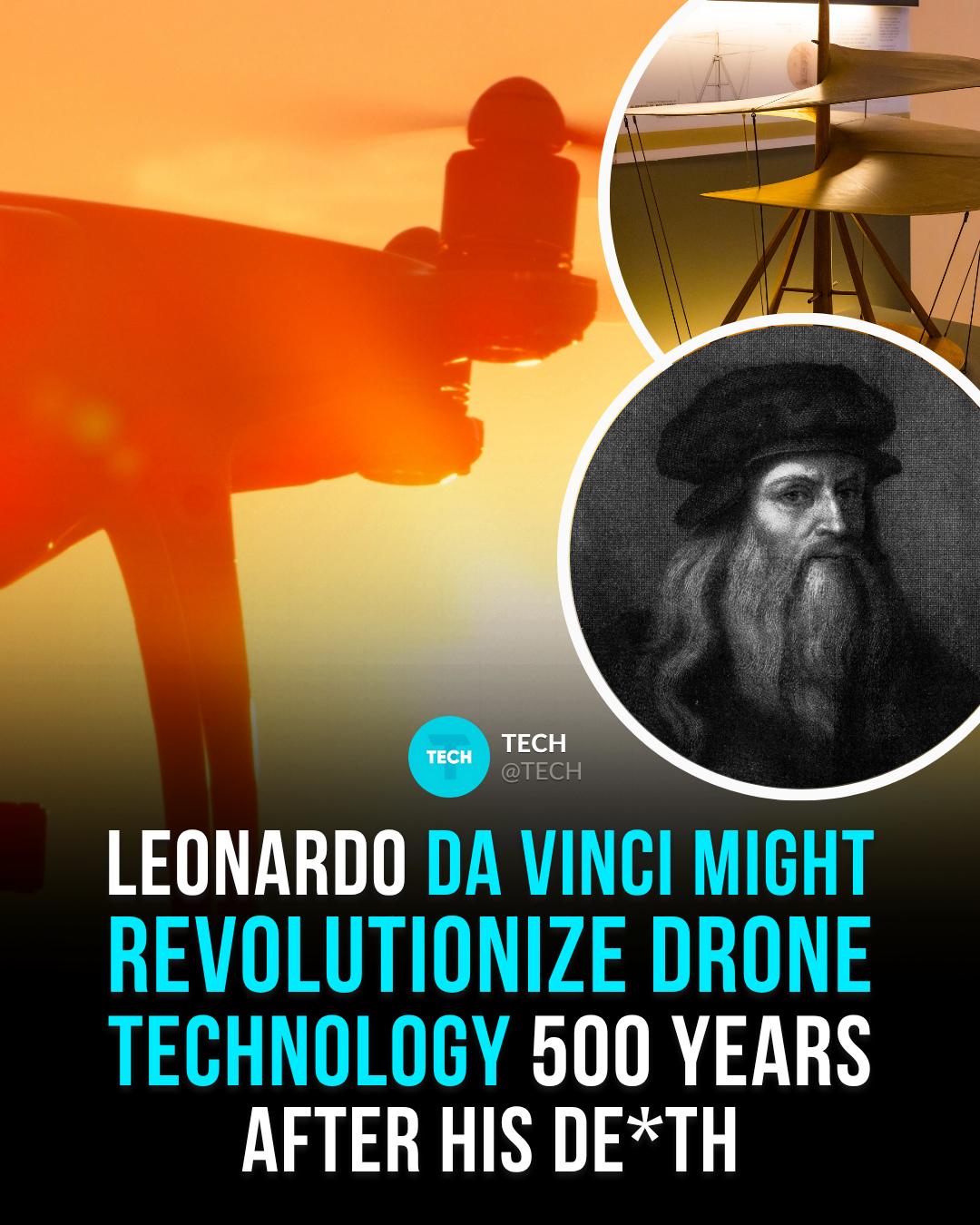
  • A Renaissance-era sketch may hold the key to building quieter drones. Scientists at Johns Hopkins University have revived Leonardo da Vinci’s “aerial screw,” a spiral rotor concept from the 1480s, and found it has a modern application: reducing the noise and energy demands of drone propellers. Through detailed computer simulations, they discovered that the helical rotor design offers surprising acoustic and aerodynamic benefits.⁠

    Unlike the sharp, narrow blades found on most commercial drones, da Vinci’s aerial screw has a broad, corkscrew-like surface that spins more slowly. That slower spin—and the smoother distribution of lift—means less turbulent airflow and fewer of the shrill, high-frequency tones typically produced by fast-spinning blades. Though the aerial screw generates slightly less lift than standard rotors, it compensates with greater surface area, resulting in more stable flight with far less noise and reduced mechanical power.⁠

    The implications for urban drone use are significant. Drones are increasingly being deployed for deliveries, inspections, and emergency response, but their noise—often compared to a swarm of angry bees—remains a major public complaint. A quieter rotor system could help drones integrate more seamlessly into everyday life without disturbing communities, especially in crowded cities where even subtle sounds can escalate into constant background noise.⁠

    While the researchers aren’t suggesting we swap all modern drone blades for da Vinci’s screw, they argue it’s time to revisit unconventional rotor shapes. Innovations sometimes mean looking forward—but other times, they mean rediscovering what we left behind. In this case, an idea sketched in the margins of history could reshape the future of flight, combining ancient vision with modern engineering.⁠

    Source: 2506.10223⁠

    #drones #technews #innovation #sciencefacts #engineering #futuretech #quiettech #davinci #designideas #droneflight #aerodynamics #techhistory #noisecanceling #urbanmobility
    A Renaissance-era sketch may hold the key to building quieter drones. Scientists at Johns Hopkins University have revived Leonardo da Vinci’s “aerial screw,” a spiral rotor concept from the 1480s, and found it has a modern application: reducing the noise and energy demands of drone propellers. Through detailed computer simulations, they discovered that the helical rotor design offers surprising acoustic and aerodynamic benefits.⁠ ⁠ Unlike the sharp, narrow blades found on most commercial drones, da Vinci’s aerial screw has a broad, corkscrew-like surface that spins more slowly. That slower spin—and the smoother distribution of lift—means less turbulent airflow and fewer of the shrill, high-frequency tones typically produced by fast-spinning blades. Though the aerial screw generates slightly less lift than standard rotors, it compensates with greater surface area, resulting in more stable flight with far less noise and reduced mechanical power.⁠ ⁠ The implications for urban drone use are significant. Drones are increasingly being deployed for deliveries, inspections, and emergency response, but their noise—often compared to a swarm of angry bees—remains a major public complaint. A quieter rotor system could help drones integrate more seamlessly into everyday life without disturbing communities, especially in crowded cities where even subtle sounds can escalate into constant background noise.⁠ ⁠ While the researchers aren’t suggesting we swap all modern drone blades for da Vinci’s screw, they argue it’s time to revisit unconventional rotor shapes. Innovations sometimes mean looking forward—but other times, they mean rediscovering what we left behind. In this case, an idea sketched in the margins of history could reshape the future of flight, combining ancient vision with modern engineering.⁠ ⁠ Source: 2506.10223⁠ ⁠ #drones #technews #innovation #sciencefacts #engineering #futuretech #quiettech #davinci #designideas #droneflight #aerodynamics #techhistory #noisecanceling #urbanmobility
    ·122 مشاهدة ·0 معاينة
  • A new era in wearable tech is being etched directly onto the eye.⁠

    Dubai-based deeptech startup Xpanceo has raised $250 million in Series A funding to build what it claims is the world’s first multifunctional smart contact lens. The lens aims to merge augmented reality, health monitoring, and advanced optics—like night vision and zoom—into a featherlight device thinner than a human hair. With 15 functional prototypes already built, Xpanceo says it’s on track for clinical trials by 2026.⁠

    The lens is packed with innovations: intraocular pressure sensors for non-invasive glaucoma monitoring, biochemical sensors that scan tear fluid for glucose, hormones, and vitamins, and integrated nanophotonic microdisplays that project AR directly onto the retina. It uses just 1–3 microwatts of power—making it hundreds of times more efficient than current AR headsets.⁠

    Additional breakthroughs include wireless power transfer, real-time data transmission, color-blindness correction, and nanoparticle engineering for enhanced low-light vision. These modular capabilities could eventually adapt to specialized needs across healthcare, defense, industrial, and consumer sectors.⁠

    Xpanceo's long-term vision is bold: replace smartphones, glasses, and even smartwatches with a single, invisible computing interface. Founders Roman Axelrod and Dr. Valentyn Volkov have doubled their team to 100 researchers, filed over 110 scientific publications, and built partnerships with global institutions. The company has also debuted its lenses at trade shows like MWC and GITEX, where it showcased wireless-charging designs and real-time biosensing.⁠

    While challenges like FDA approval and miniaturization loom large, investors believe Xpanceo is leading the charge into the post-smartphone age. “They’re not just building a product,” said lead investor Opportunity Venture, “they’re rewriting the rules of personal tech.”
    A new era in wearable tech is being etched directly onto the eye.⁠ ⁠ Dubai-based deeptech startup Xpanceo has raised $250 million in Series A funding to build what it claims is the world’s first multifunctional smart contact lens. The lens aims to merge augmented reality, health monitoring, and advanced optics—like night vision and zoom—into a featherlight device thinner than a human hair. With 15 functional prototypes already built, Xpanceo says it’s on track for clinical trials by 2026.⁠ ⁠ The lens is packed with innovations: intraocular pressure sensors for non-invasive glaucoma monitoring, biochemical sensors that scan tear fluid for glucose, hormones, and vitamins, and integrated nanophotonic microdisplays that project AR directly onto the retina. It uses just 1–3 microwatts of power—making it hundreds of times more efficient than current AR headsets.⁠ ⁠ Additional breakthroughs include wireless power transfer, real-time data transmission, color-blindness correction, and nanoparticle engineering for enhanced low-light vision. These modular capabilities could eventually adapt to specialized needs across healthcare, defense, industrial, and consumer sectors.⁠ ⁠ Xpanceo's long-term vision is bold: replace smartphones, glasses, and even smartwatches with a single, invisible computing interface. Founders Roman Axelrod and Dr. Valentyn Volkov have doubled their team to 100 researchers, filed over 110 scientific publications, and built partnerships with global institutions. The company has also debuted its lenses at trade shows like MWC and GITEX, where it showcased wireless-charging designs and real-time biosensing.⁠ ⁠ While challenges like FDA approval and miniaturization loom large, investors believe Xpanceo is leading the charge into the post-smartphone age. “They’re not just building a product,” said lead investor Opportunity Venture, “they’re rewriting the rules of personal tech.”
    ·85 مشاهدة ·0 معاينة
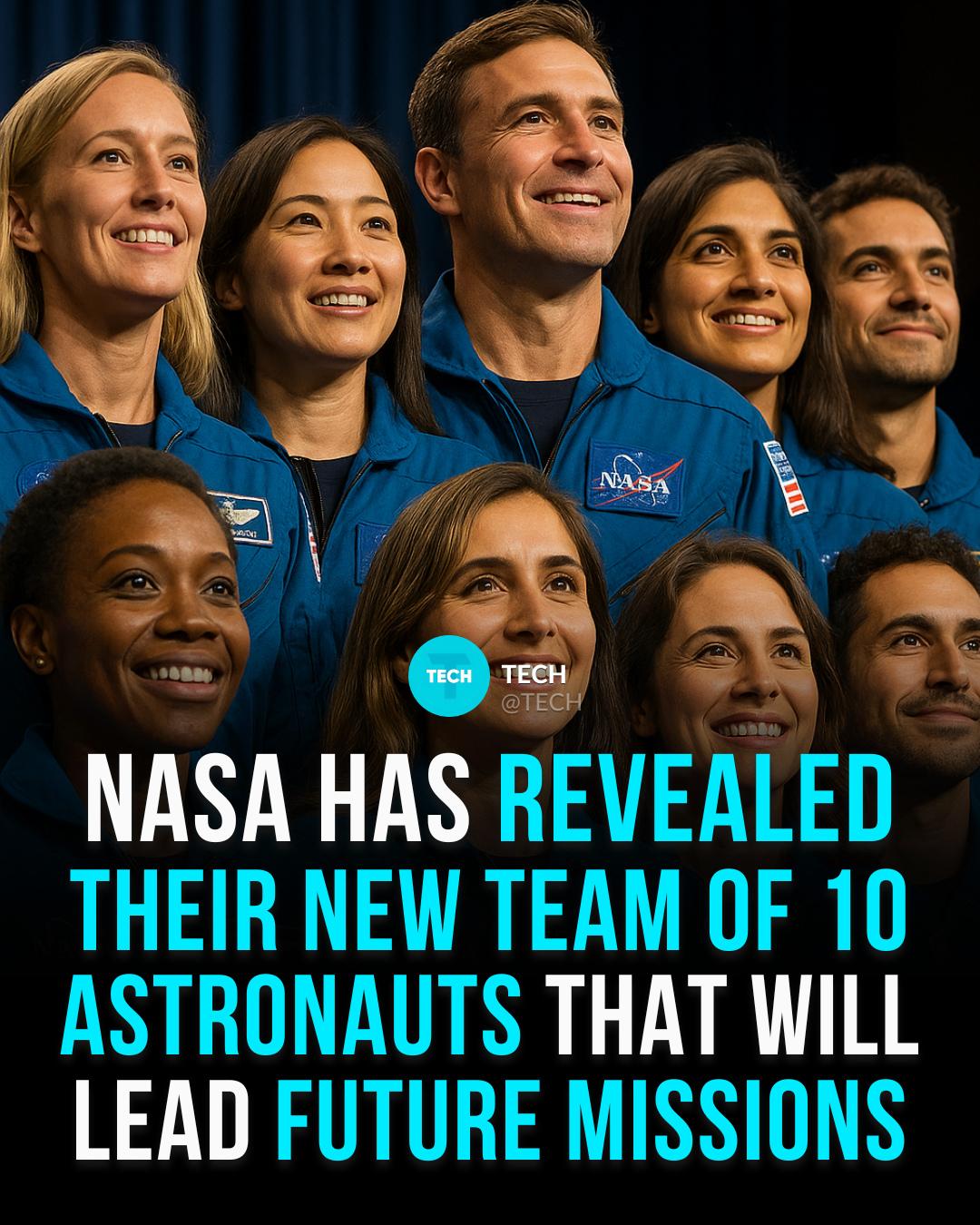
  • NASA has unveiled its newest class of astronaut candidates, chosen from a staggering pool of more than 8,000 applicants. The group of ten includes six women and four men, marking the first time in the agency’s history that women outnumber men in a selection. This milestone comes as NASA prepares for missions that could return humans to the Moon and set the stage for the first crewed journeys to Mars.⁠

    The candidates, known as ASCANs, will undergo two years of intensive training at Johnson Space Center. Their curriculum spans robotics, geology, survival training on land and water, foreign languages, space medicine, and high-performance jet flight. They will also conduct simulated spacewalks, preparing them for the extreme demands of missions beyond Earth. For many, this marks the culmination of years of dedication across fields as varied as engineering, military aviation, and advanced science, now converging in pursuit of exploration.⁠

    Among the recruits is Anna Menon, the first astronaut candidate to already have flown in space. In 2024, she joined SpaceX’s Polaris Dawn mission, which set a new altitude record for female astronauts and included the first private spacewalk. Her selection underscores NASA’s growing integration of commercial spaceflight experience into its astronaut corps, blending government and private expertise into a stronger team for the challenges ahead.⁠

    The class brings together a remarkable mix of expertise: military test pilots with thousands of flight hours, geologists who defined lunar science goals for Artemis, engineers who directed SpaceX launches, and medical specialists with backgrounds in anesthesia and undersea medicine. Together, they represent a breadth of skills essential for building a sustained human presence on the Moon, learning how to use its resources, and pushing onward to Mars.⁠

    Acting NASA Administrator Sean Duffy called the ten “America’s best and brightest,” emphasizing that their selection embodies the nation’s commitment to remain at the forefront of space exploration. When their training is complete, they will join 41 active astronauts, stepping into what NASA calls a “Golden Age of exploration.”
    NASA has unveiled its newest class of astronaut candidates, chosen from a staggering pool of more than 8,000 applicants. The group of ten includes six women and four men, marking the first time in the agency’s history that women outnumber men in a selection. This milestone comes as NASA prepares for missions that could return humans to the Moon and set the stage for the first crewed journeys to Mars.⁠ ⁠ The candidates, known as ASCANs, will undergo two years of intensive training at Johnson Space Center. Their curriculum spans robotics, geology, survival training on land and water, foreign languages, space medicine, and high-performance jet flight. They will also conduct simulated spacewalks, preparing them for the extreme demands of missions beyond Earth. For many, this marks the culmination of years of dedication across fields as varied as engineering, military aviation, and advanced science, now converging in pursuit of exploration.⁠ ⁠ Among the recruits is Anna Menon, the first astronaut candidate to already have flown in space. In 2024, she joined SpaceX’s Polaris Dawn mission, which set a new altitude record for female astronauts and included the first private spacewalk. Her selection underscores NASA’s growing integration of commercial spaceflight experience into its astronaut corps, blending government and private expertise into a stronger team for the challenges ahead.⁠ ⁠ The class brings together a remarkable mix of expertise: military test pilots with thousands of flight hours, geologists who defined lunar science goals for Artemis, engineers who directed SpaceX launches, and medical specialists with backgrounds in anesthesia and undersea medicine. Together, they represent a breadth of skills essential for building a sustained human presence on the Moon, learning how to use its resources, and pushing onward to Mars.⁠ ⁠ Acting NASA Administrator Sean Duffy called the ten “America’s best and brightest,” emphasizing that their selection embodies the nation’s commitment to remain at the forefront of space exploration. When their training is complete, they will join 41 active astronauts, stepping into what NASA calls a “Golden Age of exploration.”
    ·200 مشاهدة ·0 معاينة
الصفحات المعززة
Techawks - Powered By Pantrade Blockchain https://techawks.com