• Christmas in New York during the nineteen nineties carried a warm and electric charm that blended big city energy with a sense of genuine holiday wonder. The streets felt alive with bright lights, bustling crowds and the sound of street performers playing familiar carols as shoppers hurried along decorated avenues.

    Storefront displays were elaborate scenes that drew families to places like Fifth Avenue and Rockefeller Center, where the giant tree and the ice rink created a feeling of classic holiday magic. Subtle touches like steam rising from food carts, the aroma of roasted chestnuts and the glow of city lights reflected on wet pavement added to the season’s atmosphere. It was a time when the city felt both grand and intimate, and Christmas spirit seemed to wrap itself around everyone who wandered through it.
    Christmas in New York during the nineteen nineties carried a warm and electric charm that blended big city energy with a sense of genuine holiday wonder. The streets felt alive with bright lights, bustling crowds and the sound of street performers playing familiar carols as shoppers hurried along decorated avenues. Storefront displays were elaborate scenes that drew families to places like Fifth Avenue and Rockefeller Center, where the giant tree and the ice rink created a feeling of classic holiday magic. Subtle touches like steam rising from food carts, the aroma of roasted chestnuts and the glow of city lights reflected on wet pavement added to the season’s atmosphere. It was a time when the city felt both grand and intimate, and Christmas spirit seemed to wrap itself around everyone who wandered through it.
    ·91 Views ·0 Vista previa
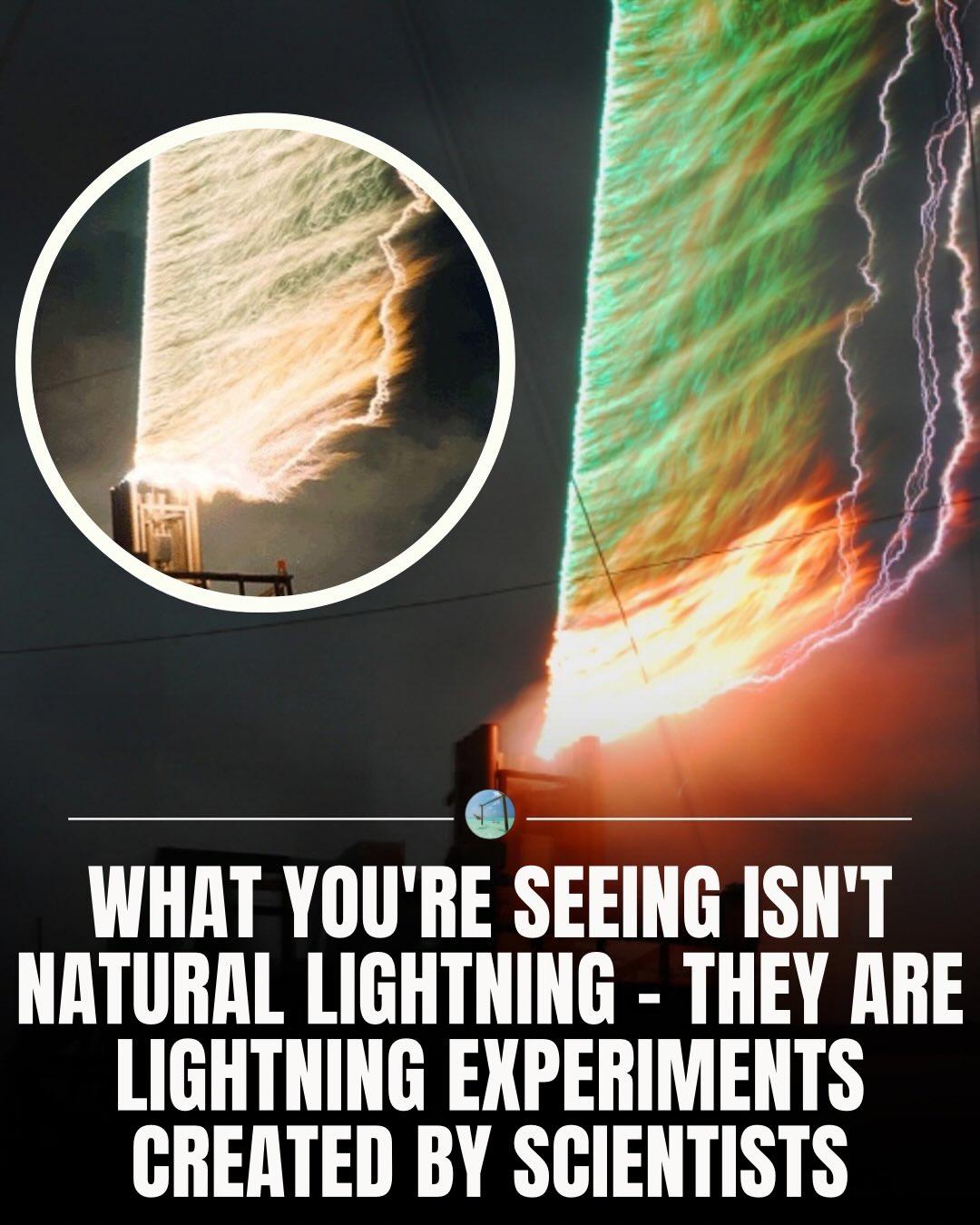
  • Scientists in Florida are taking lightning research to the next level — literally launching rockets into storm clouds to watch how bolts form. Each rocket trails a thin copper wire, creating a pathway for lightning to follow. When a strike hits, the wire superheats and bursts into brilliant blue-green light, while powerful winds twist the bright white bolts into surreal shapes.

    The result? Rare, almost cinematic footage that reveals just how wild and unpredictable our atmosphere can be.

    Via: @uflorida

    #weather #lightning #photography #florida #explore #viral
    Scientists in Florida are taking lightning research to the next level — literally launching rockets into storm clouds to watch how bolts form. Each rocket trails a thin copper wire, creating a pathway for lightning to follow. When a strike hits, the wire superheats and bursts into brilliant blue-green light, while powerful winds twist the bright white bolts into surreal shapes. The result? Rare, almost cinematic footage that reveals just how wild and unpredictable our atmosphere can be. Via: @uflorida #weather #lightning #photography #florida #explore #viral
    ·69 Views ·0 Vista previa
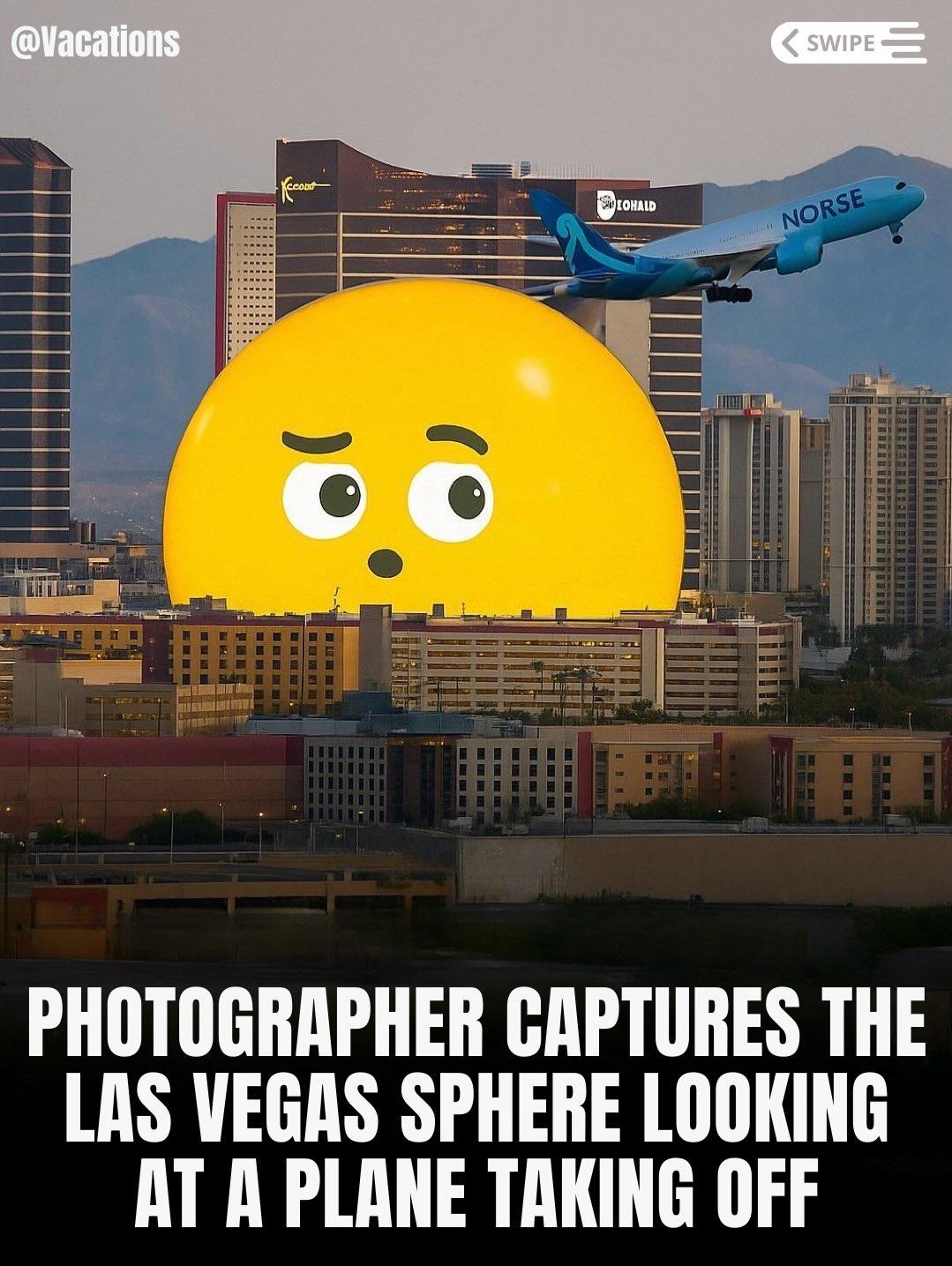
  • The Las Vegas Sphere looked a little bewildered as a plane lifted into the sky.
    In this perfectly timed capture by @life.on.the.ramp, it almost feels like the Sphere is watching the takeoff unfold and reacting to it.

    Photos by: @life.on.the.ramp
    .
    .
    #instaaviation #aviationgeek #lasvegas #vacations #aviationspotter #vegas #aviationphotos #sphere #aviationlove #lasvegasstrip
    The Las Vegas Sphere looked a little bewildered as a plane lifted into the sky. ✈️ In this perfectly timed capture by @life.on.the.ramp, it almost feels like the Sphere is watching the takeoff unfold and reacting to it. 🛫 Photos by: @life.on.the.ramp . . #instaaviation #aviationgeek #lasvegas #vacations #aviationspotter #vegas #aviationphotos #sphere #aviationlove #lasvegasstrip
    ·173 Views ·0 Vista previa
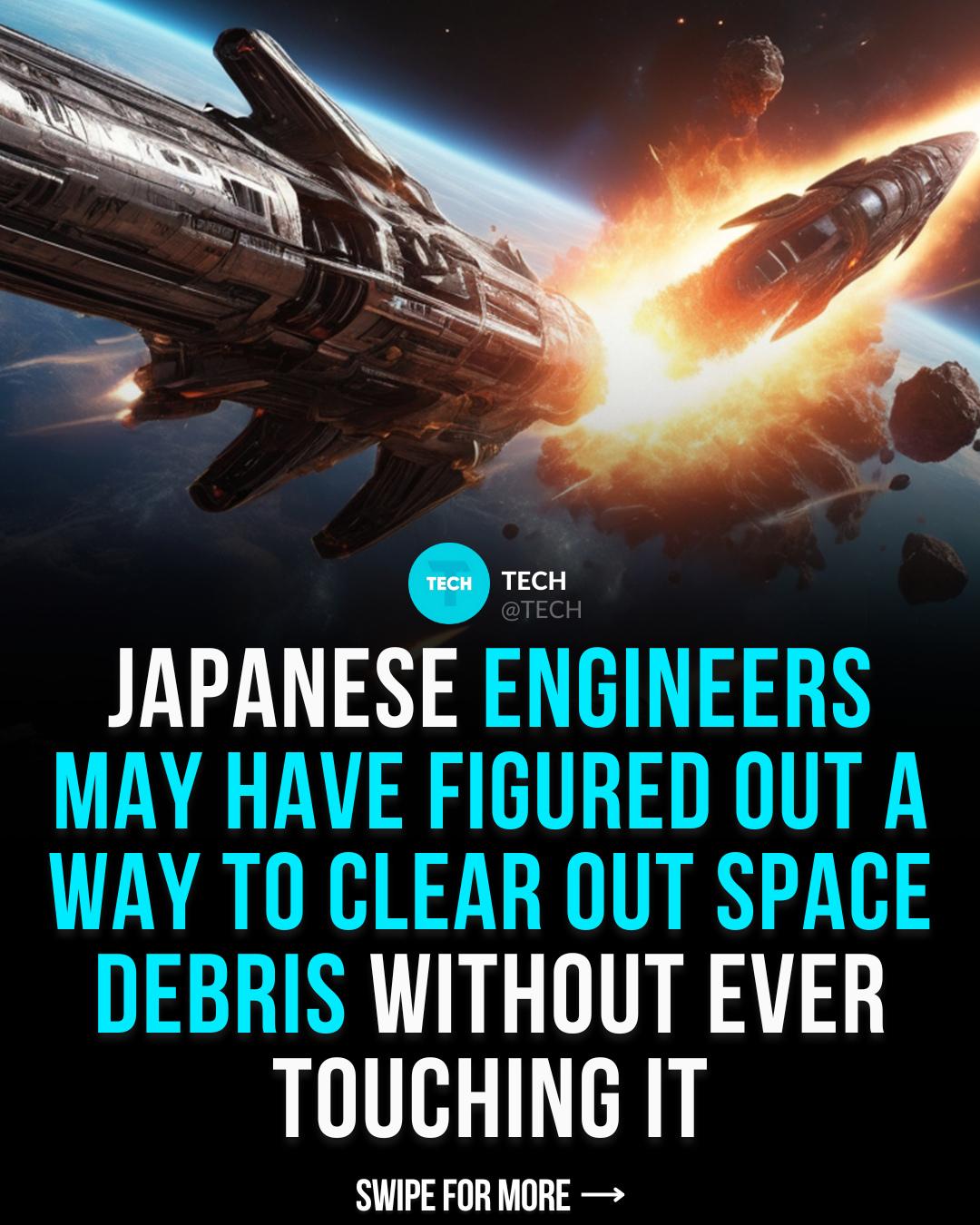
  • A Japanese team just took a sharp step toward cleaning Earth’s crowded orbit without ever touching the trash. At Tohoku University, researchers demonstrated a bi-directional plasma thruster that fires two opposed jets of ionized gas, one to slow a target hulk and the other to cancel the recoil that would shove the cleanup craft away.⁠

    Plasma is a charged gas, so directing it at debris can bleed off speed until the object dips into the atmosphere and burns up. The catch has always been Newton’s third law, the same push that slows the junk kicks the remover backward. This engine solves that by balancing thrust in real time, keeping the chaser parked on target instead of drifting off.⁠

    The team also added a “cusp” magnetic field, a configuration borrowed from fusion research, to corral and focus the plasma. In vacuum-chamber tests, that tweak boosted performance, tripling the deceleration reported in earlier experiments and delivering measured pushes in the tens of millinewtons at kilowatt-class power. Researchers note that this could make future debris-cleaning missions far more efficient, extending operational lifetimes and allowing smaller spacecraft to take on bigger jobs.⁠

    Practical perks matter in orbit, and this design runs on argon, which is cheaper and easier to source than xenon common in ion engines. At projected levels, about 30 millinewtons of sustained braking could deorbit a one-ton object in roughly 100 days, a scale that targets the largest collision risks that could trigger a Kessler-style chain reaction.⁠

    There’s work ahead, from standoff distance control to propellant budgets for long burns. But the core result, peer-reviewed in Scientific Reports on August 20, 2025, shows a path to contact-free debris removal that is stable, scalable, and built from known physics rather than wishful thinking.
    A Japanese team just took a sharp step toward cleaning Earth’s crowded orbit without ever touching the trash. At Tohoku University, researchers demonstrated a bi-directional plasma thruster that fires two opposed jets of ionized gas, one to slow a target hulk and the other to cancel the recoil that would shove the cleanup craft away.⁠ ⁠ Plasma is a charged gas, so directing it at debris can bleed off speed until the object dips into the atmosphere and burns up. The catch has always been Newton’s third law, the same push that slows the junk kicks the remover backward. This engine solves that by balancing thrust in real time, keeping the chaser parked on target instead of drifting off.⁠ ⁠ The team also added a “cusp” magnetic field, a configuration borrowed from fusion research, to corral and focus the plasma. In vacuum-chamber tests, that tweak boosted performance, tripling the deceleration reported in earlier experiments and delivering measured pushes in the tens of millinewtons at kilowatt-class power. Researchers note that this could make future debris-cleaning missions far more efficient, extending operational lifetimes and allowing smaller spacecraft to take on bigger jobs.⁠ ⁠ Practical perks matter in orbit, and this design runs on argon, which is cheaper and easier to source than xenon common in ion engines. At projected levels, about 30 millinewtons of sustained braking could deorbit a one-ton object in roughly 100 days, a scale that targets the largest collision risks that could trigger a Kessler-style chain reaction.⁠ ⁠ There’s work ahead, from standoff distance control to propellant budgets for long burns. But the core result, peer-reviewed in Scientific Reports on August 20, 2025, shows a path to contact-free debris removal that is stable, scalable, and built from known physics rather than wishful thinking.
    ·120 Views ·0 Vista previa
  • Europe’s most enchanting Christmas market comes alive beneath the towering spires of Cologne’s iconic Kölner Dom

    Every winter, more than 4 million visitors gather at the Cologne Cathedral Christmas Market to wander through glowing lights, red-roofed stalls, and the scent of mulled wine drifting through the square. Over 100 booths offer handmade ornaments, festive crafts, and classic holiday treats — all set against one of the city’s most breathtaking backdrops

    At the heart of it all stands a massive Christmas tree, among the tallest in Germany, shimmering beneath the cathedral’s Gothic silhouette. It’s pure storybook magic.

    Expect:
    Handcrafted gifts & ornaments
    Traditional German winter drinks
    Fresh pastries & holiday sweets
    Live music and festive performances
    A fairytale atmosphere

    Photos 2-5 by: @ieuyar

    #Cologne #KölnerDom #ChristmasMarket #Weihnachtsmarkt #GermanyTravel #Vacations #Christmas #Xmas
    Europe’s most enchanting Christmas market comes alive beneath the towering spires of Cologne’s iconic Kölner Dom 🏰✨ Every winter, more than 4 million visitors gather at the Cologne Cathedral Christmas Market to wander through glowing lights, red-roofed stalls, and the scent of mulled wine drifting through the square. Over 100 booths offer handmade ornaments, festive crafts, and classic holiday treats — all set against one of the city’s most breathtaking backdrops 🍷🎄 At the heart of it all stands a massive Christmas tree, among the tallest in Germany, shimmering beneath the cathedral’s Gothic silhouette. It’s pure storybook magic. Expect: 🎄 Handcrafted gifts & ornaments 🍷 Traditional German winter drinks 🍪 Fresh pastries & holiday sweets 🎶 Live music and festive performances 🌟 A fairytale atmosphere Photos 2-5 by: @ieuyar #Cologne #KölnerDom #ChristmasMarket #Weihnachtsmarkt #GermanyTravel #Vacations #Christmas #Xmas
    ·317 Views ·0 Vista previa
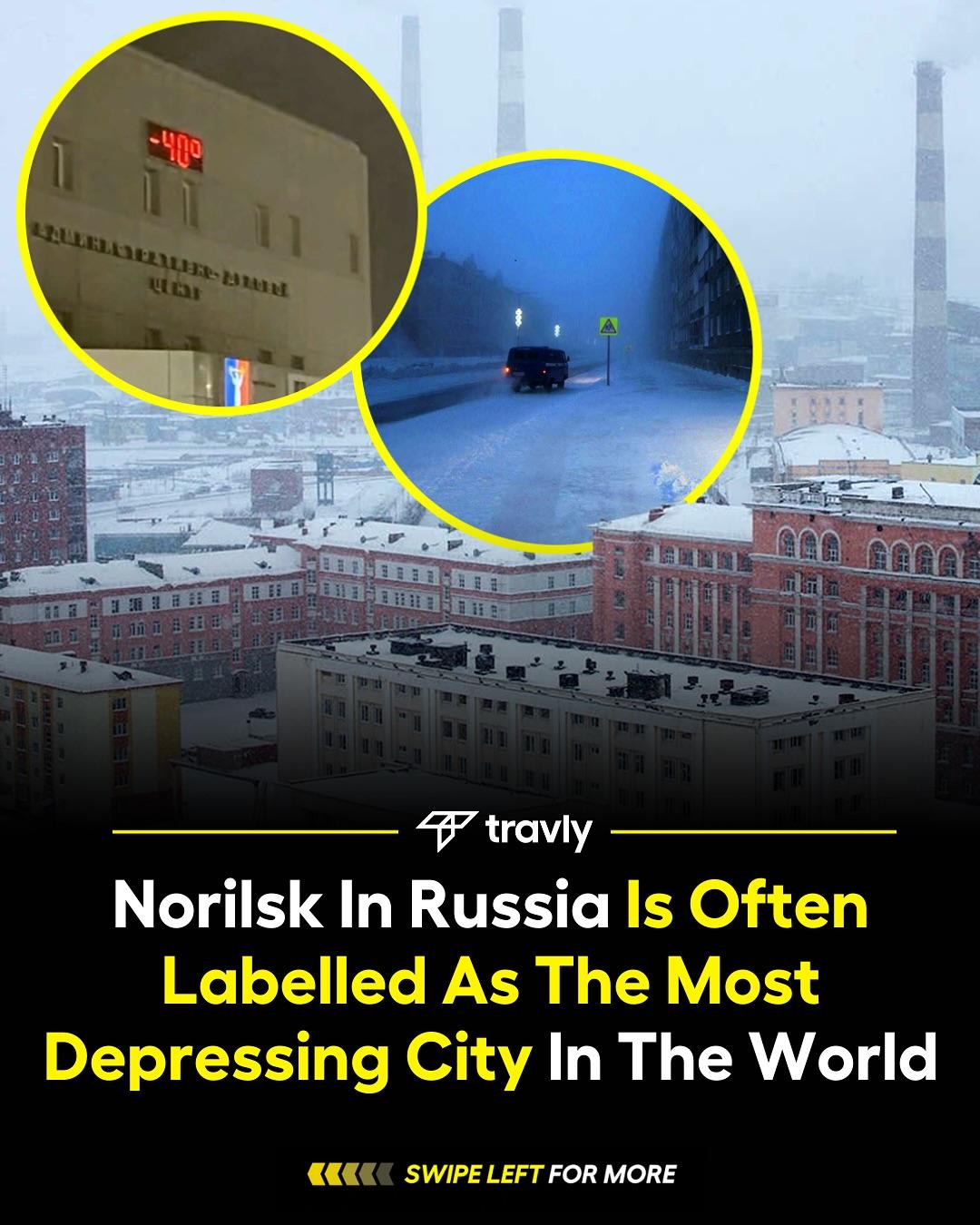
  • Norilsk, Russia is often called one of the most depressing cities on Earth, and here’s why this Arctic mining town is unlike anywhere else:

    Extreme isolation: It’s one of the world’s northernmost cities, completely closed to foreigners and reachable only by plane. No roads connect it to the rest of Russia.

    40+ days of darkness: Every winter, Norilsk enters a polar night where the sun doesn’t rise for over a month.

    Brutal cold: Temperatures can drop below –40°C, with blizzards so strong residents can’t see a few meters ahead.

    Heavy pollution: Built around massive nickel and metal smelting operations, Norilsk is considered one of the most polluted cities on the planet. The air quality and environmental damage are major concerns.

    Soviet-style architecture: Rows of concrete apartment blocks, harsh weather, and industrial landscapes create an atmosphere many describe as bleak and surreal.

    Yet despite all of this, around 180,000 people still call Norilsk home, building community and resilience in one of the world’s toughest environments.

    Would you visit?

    Download the FREE @Travly App to book your next trip Link in bio!

    #DidYouKnow #TravelFact #russia
    Norilsk, Russia is often called one of the most depressing cities on Earth, and here’s why this Arctic mining town is unlike anywhere else: 🧊 Extreme isolation: It’s one of the world’s northernmost cities, completely closed to foreigners and reachable only by plane. No roads connect it to the rest of Russia. 🌑 40+ days of darkness: Every winter, Norilsk enters a polar night where the sun doesn’t rise for over a month. ❄️ Brutal cold: Temperatures can drop below –40°C, with blizzards so strong residents can’t see a few meters ahead. 🏭 Heavy pollution: Built around massive nickel and metal smelting operations, Norilsk is considered one of the most polluted cities on the planet. The air quality and environmental damage are major concerns. 🏘️ Soviet-style architecture: Rows of concrete apartment blocks, harsh weather, and industrial landscapes create an atmosphere many describe as bleak and surreal. Yet despite all of this, around 180,000 people still call Norilsk home, building community and resilience in one of the world’s toughest environments. Would you visit? 🤔 📲 Download the FREE @Travly App to book your next trip 🤍 Link in bio! #DidYouKnow #TravelFact #russia
    ·346 Views ·0 Vista previa
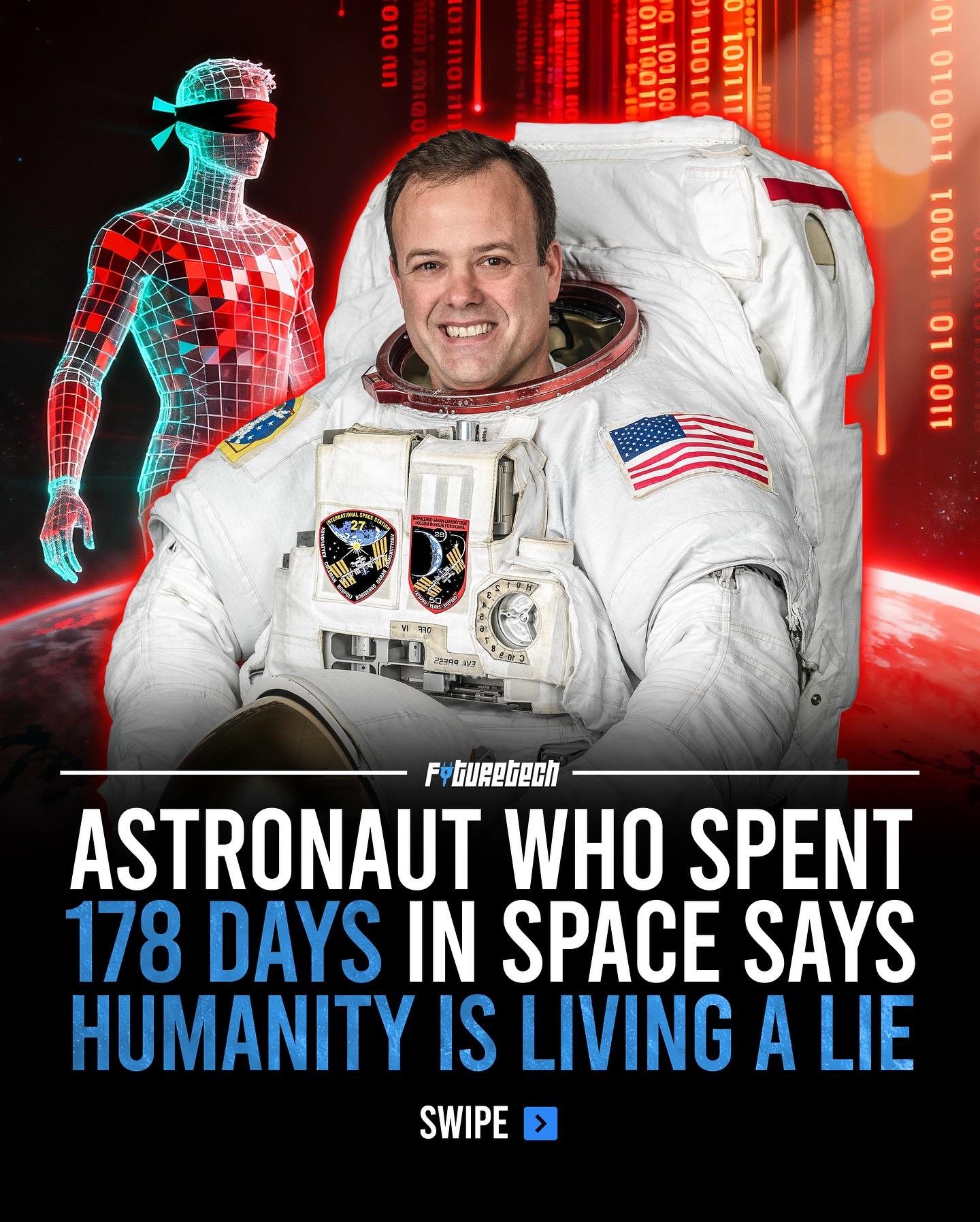
  • NASA astronaut Ron Garan, who spent 178 days in space, says humanity is “living a lie” after seeing Earth’s fragility firsthand and experiencing the profound Overview Effect.

    From orbit, Garan realized how backwards our priorities are: we put the economy first and the planet last, even though our thin atmosphere is the only barrier protecting life. He emphasized that the true order of importance should be Planet → Society → Economy, since without a thriving Earth, neither people nor systems can survive.

    He described the “lie” as the illusion of separation, the false belief that we are divided by nations, politics, or identities. In reality, he says, we are one human family sharing one fragile home. His message is a plea for unity, awareness, and sustainability before it’s too late.

    Like this content? Follow us @FutureTech for more!
    NASA astronaut Ron Garan, who spent 178 days in space, says humanity is “living a lie” after seeing Earth’s fragility firsthand and experiencing the profound Overview Effect. From orbit, Garan realized how backwards our priorities are: we put the economy first and the planet last, even though our thin atmosphere is the only barrier protecting life. He emphasized that the true order of importance should be Planet → Society → Economy, since without a thriving Earth, neither people nor systems can survive. He described the “lie” as the illusion of separation, the false belief that we are divided by nations, politics, or identities. In reality, he says, we are one human family sharing one fragile home. His message is a plea for unity, awareness, and sustainability before it’s too late. Like this content? 👉 Follow us @FutureTech for more! 🔌
    ·171 Views ·0 Vista previa
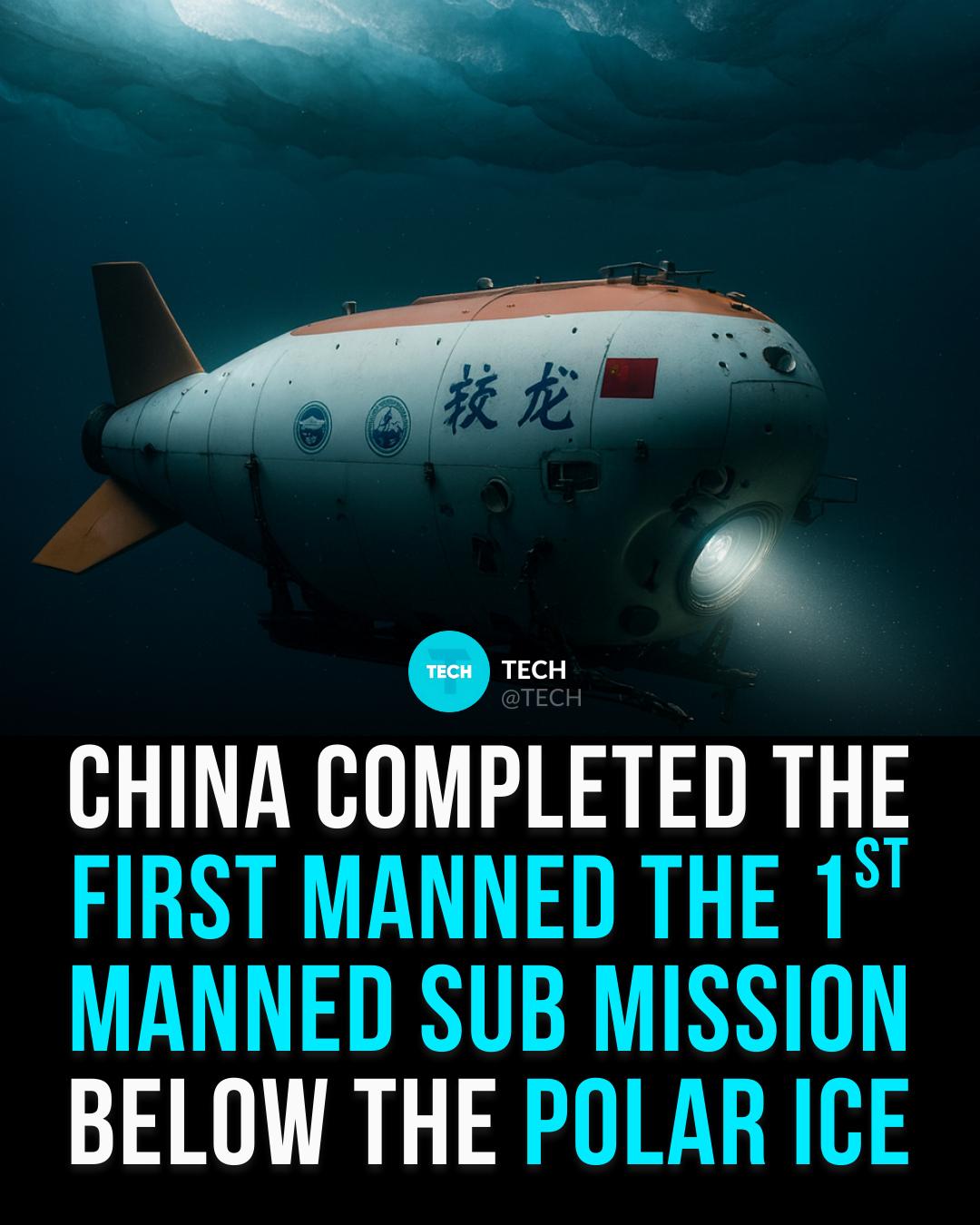
  • China has sent a crewed submersible beneath Arctic pack ice for the first time, marking a new phase in polar exploration and great-power competition. The dive, carried out by the Jiaolong on August 6 in the Chukchi Sea roughly 300 nautical miles northwest of Alaska, capped China’s largest Arctic mission to date and underscored its ambition to be a scientific and strategic player in the High North.⁠

    Four research vessels, led by the icebreaker Xuelong-2, spent the summer completing marine surveys across the Chukchi Plateau, Canada Basin, and central Arctic. The fleet returned to Shanghai on September 26, having executed coordinated “atmosphere-ice-ocean” observations and supported deep-sea operations designed to fill critical data gaps as sea ice thins and retreats.⁠

    Operating under ice is notoriously hard. Satellite links fade, radio is unreliable, and navigation becomes a puzzle without open-sky fixes. Ice floes can shift suddenly and temperatures punish machinery. Only a handful of nations have managed it, a lineage that includes the USS Nautilus crossing the North Pole in 1958 and subsequent Cold War dives by Soviet and British boats.⁠

    The scientific takeaways are starting to surface. Teams reported stark regional differences in seafloor life, from organism density to biodiversity and body size. Those measurements will refine maps of deep-sea habitats and help track how warming, acidification, and changing ice cover are reshaping Arctic ecosystems. The mission also advanced China’s polar toolset, pairing submersibles with ice-edge surveys to sharpen forecasting for hazards and shipping.⁠

    All of this unfolds amid mounting geopolitical interest. China calls the Arctic a “new strategic frontier,” the United States is upping patrols, and melting ice is opening routes and resources long out of reach. Science is the visible face, but strategy is never far below the surface.⁠

    #arctic #deepsea #china #oceanography #geopolitics #submersible #climate #polarresearch #technology
    China has sent a crewed submersible beneath Arctic pack ice for the first time, marking a new phase in polar exploration and great-power competition. The dive, carried out by the Jiaolong on August 6 in the Chukchi Sea roughly 300 nautical miles northwest of Alaska, capped China’s largest Arctic mission to date and underscored its ambition to be a scientific and strategic player in the High North.⁠ ⁠ Four research vessels, led by the icebreaker Xuelong-2, spent the summer completing marine surveys across the Chukchi Plateau, Canada Basin, and central Arctic. The fleet returned to Shanghai on September 26, having executed coordinated “atmosphere-ice-ocean” observations and supported deep-sea operations designed to fill critical data gaps as sea ice thins and retreats.⁠ ⁠ Operating under ice is notoriously hard. Satellite links fade, radio is unreliable, and navigation becomes a puzzle without open-sky fixes. Ice floes can shift suddenly and temperatures punish machinery. Only a handful of nations have managed it, a lineage that includes the USS Nautilus crossing the North Pole in 1958 and subsequent Cold War dives by Soviet and British boats.⁠ ⁠ The scientific takeaways are starting to surface. Teams reported stark regional differences in seafloor life, from organism density to biodiversity and body size. Those measurements will refine maps of deep-sea habitats and help track how warming, acidification, and changing ice cover are reshaping Arctic ecosystems. The mission also advanced China’s polar toolset, pairing submersibles with ice-edge surveys to sharpen forecasting for hazards and shipping.⁠ ⁠ All of this unfolds amid mounting geopolitical interest. China calls the Arctic a “new strategic frontier,” the United States is upping patrols, and melting ice is opening routes and resources long out of reach. Science is the visible face, but strategy is never far below the surface.⁠ ⁠ #arctic #deepsea #china #oceanography #geopolitics #submersible #climate #polarresearch #technology
    ·196 Views ·0 Vista previa
  • skating, both skateboarding and roller skating, was very popular in Venice Beach during the 1970s, becoming a cultural phenomenon that saw the area dubbed the “Rollerskating Capital of the World”.

    The 1970s marked a pivotal time with the invention of polyurethane wheels, the opening of the world’s first skate park in 1977, and the emergence of influential skate crews like Dogtown and Z-Boys.

    The beach’s free-spirited atmosphere fostered a revolutionary skate scene, attracting skaters and becoming a major tourist destination.
    skating, both skateboarding and roller skating, was very popular in Venice Beach during the 1970s, becoming a cultural phenomenon that saw the area dubbed the “Rollerskating Capital of the World”. The 1970s marked a pivotal time with the invention of polyurethane wheels, the opening of the world’s first skate park in 1977, and the emergence of influential skate crews like Dogtown and Z-Boys. The beach’s free-spirited atmosphere fostered a revolutionary skate scene, attracting skaters and becoming a major tourist destination.
    ·177 Views ·0 Vista previa
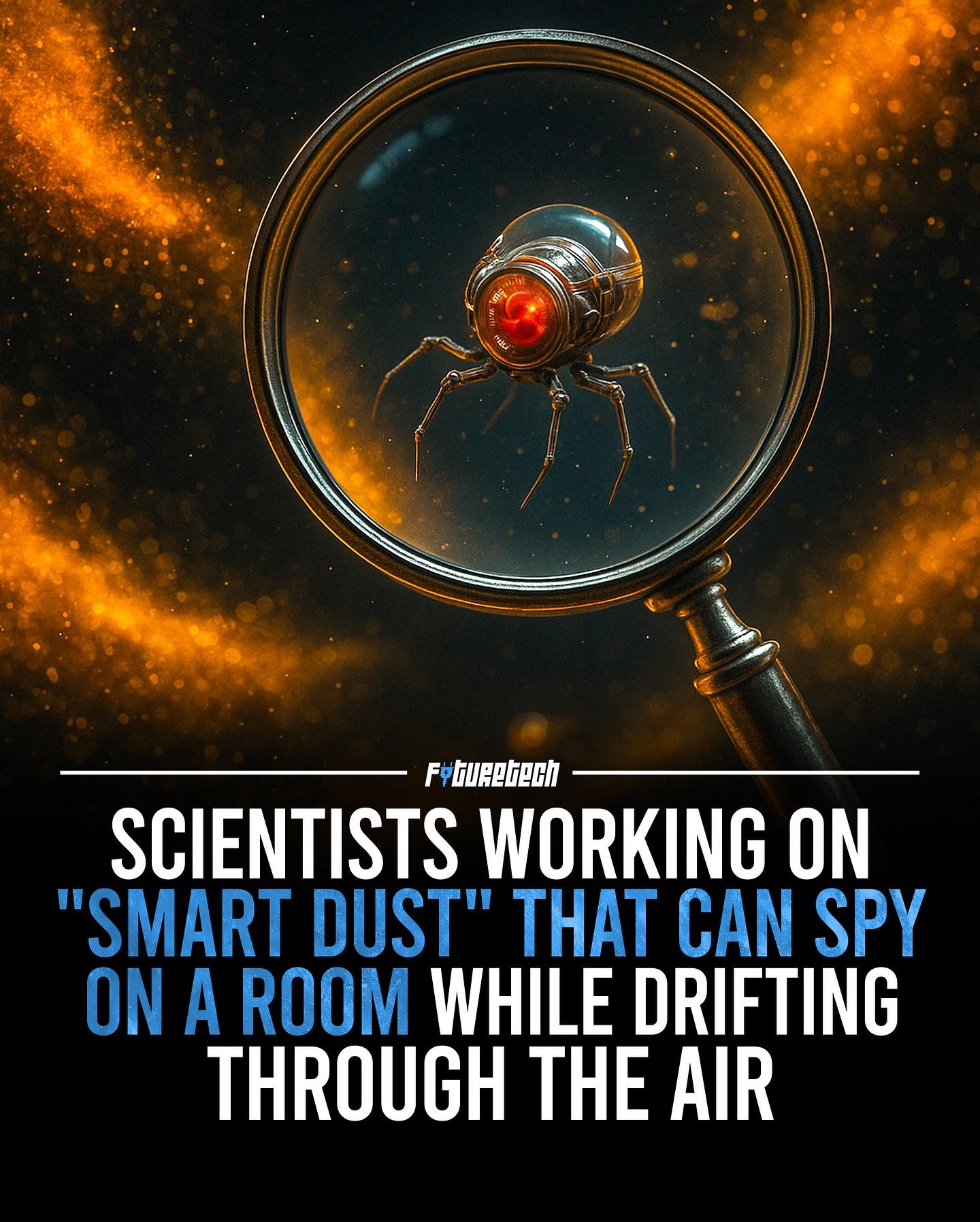
  • In 1963, Polish science fiction writer Stanisław Lem envisioned a deadly swarm of microscopic robots in his novel The Invincible. Sixty years later, his concept of “living dust” is edging toward reality in the form of smart dust — networks of tiny sensors capable of monitoring their environment.

    Originally proposed as a DARPA research project, smart dust has evolved from millimeter-sized wireless receivers to near-invisible motes measuring as small as 0.02 cubic millimeters. These micro-sensors can now track humidity, light, sound, and even chemical compositions in the air. Industries from environmental science to mining are exploring their use, with the global market valued at $115 million in 2022 and projected to hit $400 million by 2032.

    While militaries eye the technology for intelligence operations, corporate and university labs are leading development. Some proposals, like an Israeli firm’s plan to release particles into the atmosphere for geoengineering, have sparked international controversy.

    Despite limitations, such as short lifespans and dependence on centralized processors, advances in energy harvesting are pushing the technology closer to widespread deployment. As smart dust grows from speculative fiction into commercial reality, questions of ethics, security, and control are becoming more urgent.

    #FutureTech
    In 1963, Polish science fiction writer Stanisław Lem envisioned a deadly swarm of microscopic robots in his novel The Invincible. Sixty years later, his concept of “living dust” is edging toward reality in the form of smart dust — networks of tiny sensors capable of monitoring their environment. Originally proposed as a DARPA research project, smart dust has evolved from millimeter-sized wireless receivers to near-invisible motes measuring as small as 0.02 cubic millimeters. These micro-sensors can now track humidity, light, sound, and even chemical compositions in the air. Industries from environmental science to mining are exploring their use, with the global market valued at $115 million in 2022 and projected to hit $400 million by 2032. While militaries eye the technology for intelligence operations, corporate and university labs are leading development. Some proposals, like an Israeli firm’s plan to release particles into the atmosphere for geoengineering, have sparked international controversy. Despite limitations, such as short lifespans and dependence on centralized processors, advances in energy harvesting are pushing the technology closer to widespread deployment. As smart dust grows from speculative fiction into commercial reality, questions of ethics, security, and control are becoming more urgent. #FutureTech 🔌
    ·248 Views ·0 Vista previa
Resultados de la búsqueda
Techawks - Powered By Pantrade Blockchain https://techawks.com