• UnitedHealth Group has scrubbed much of its website mentioning its diversity, equity, and inclusion (DEI) policies, including pulling down blog posts and removing large sections from its website, TechCrunch has learned.

    According to archived copies of UnitedHealth’s website, several of the company’s web pages dedicated to DEI no longer load and now redirect to a “page not found” error.

    A section of the company’s career page that used to have a dedicated section for diversity, equity, and inclusion, along with its diversity initiatives, no longer appears on the same live page. UnitedHealth also removed a 2022 blog post featuring a conversation with its vice president of DEI.

    It’s not clear why UnitedHealth pulled down the pages, and if it represents a shift of verbiage or an actual change in its policies.

    Read more at the link in the bio

    Article by Zack Whittaker

    Image Credits: Patrick Sison / AP

    #TechCrunch #technews #policy #DEI #healthtech #Trump
    UnitedHealth Group has scrubbed much of its website mentioning its diversity, equity, and inclusion (DEI) policies, including pulling down blog posts and removing large sections from its website, TechCrunch has learned. According to archived copies of UnitedHealth’s website, several of the company’s web pages dedicated to DEI no longer load and now redirect to a “page not found” error. A section of the company’s career page that used to have a dedicated section for diversity, equity, and inclusion, along with its diversity initiatives, no longer appears on the same live page. UnitedHealth also removed a 2022 blog post featuring a conversation with its vice president of DEI. It’s not clear why UnitedHealth pulled down the pages, and if it represents a shift of verbiage or an actual change in its policies. Read more at the link in the bio 👆 Article by Zack Whittaker Image Credits: Patrick Sison / AP #TechCrunch #technews #policy #DEI #healthtech #Trump
    ·141 Vue ·0 Aperçu
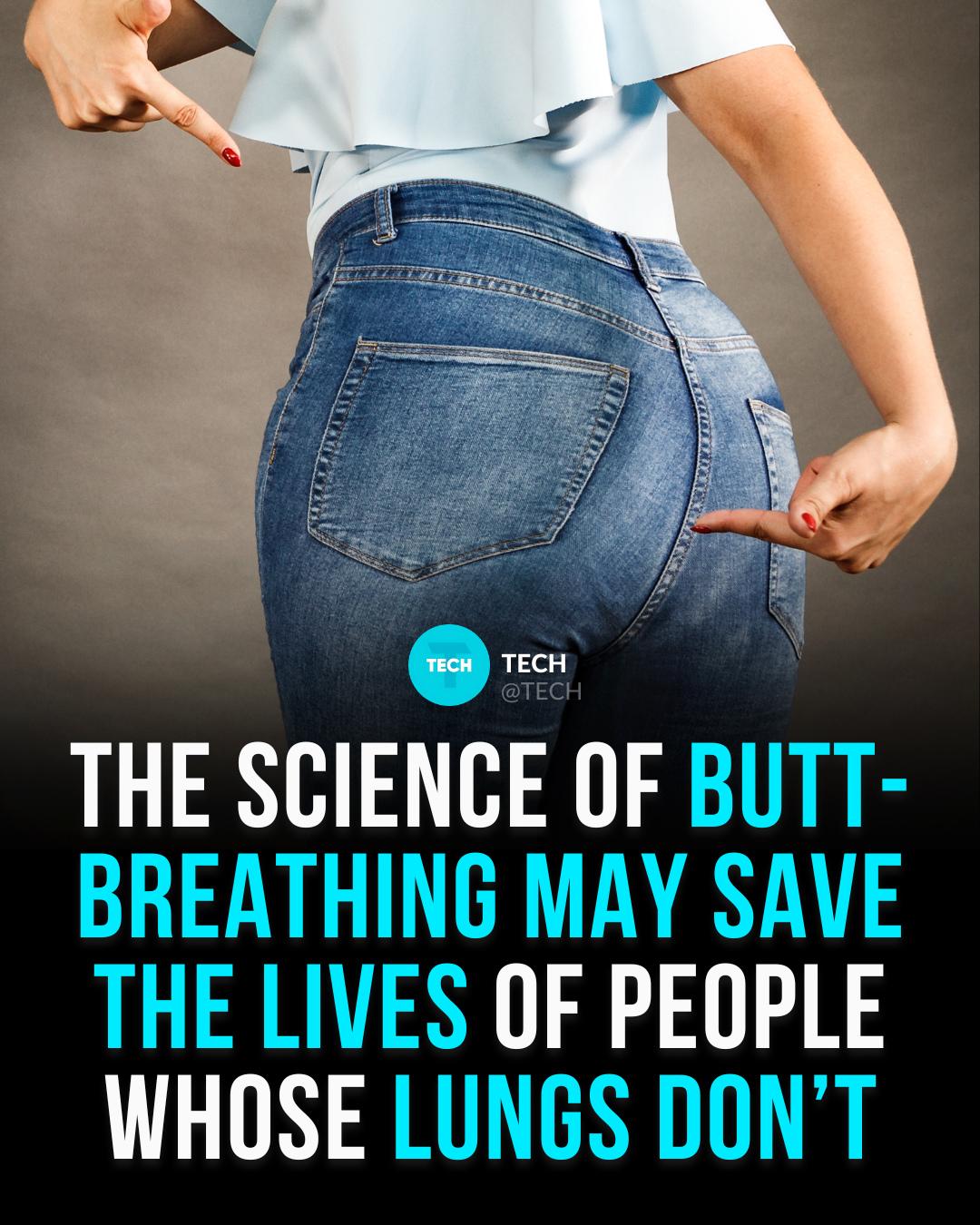
  • The future of emergency medicine just got a little cheeky. Scientists in Japan have completed the first human safety trial of “enteral ventilation,” a technique that delivers oxygen through the rectum when lungs are failing. It sounds absurd, but the data are solid, and the implications could be lifesaving.⁠

    The study used perfluorodecalin, a liquid that can hold extraordinary amounts of dissolved oxygen. For this initial trial, it wasn’t oxygenated, since the aim was to test safety, not performance. Twenty-seven healthy men were asked to retain between 25 and 1,500 milliliters of the liquid for an hour.⁠

    The outcome: no serious side effects. Some participants at the highest doses reported bloating or mild discomfort, but vital signs and lab results stayed normal throughout. Twenty volunteers made it through the full 60 minutes without complications, a quietly impressive feat for such an unusual experiment.⁠

    Enteral ventilation works much like an oxygen enema. The idea is that oxygen-rich fluid, once tested in its full form, could pass through the intestinal wall into the bloodstream, bypassing damaged lungs. The concept comes from loach fish and certain turtles that naturally absorb oxygen this way, and it revives decades of research into perfluorocarbon liquids used in artificial blood and liquid breathing.⁠

    Next, researchers will test oxygenated perfluorodecalin to see how effectively it raises blood-oxygen levels. If successful, the approach could help patients with blocked airways or inflamed lungs, and maybe one day, even fragile newborns fighting for breath.⁠

    #tech #medicine #innovation #clinicaltrials #oxygen #healthtech #biomedical #respiratorycare #enteralventilation

    Source: 10.1016/j.medj.2025.100887
    The future of emergency medicine just got a little cheeky. Scientists in Japan have completed the first human safety trial of “enteral ventilation,” a technique that delivers oxygen through the rectum when lungs are failing. It sounds absurd, but the data are solid, and the implications could be lifesaving.⁠ ⁠ The study used perfluorodecalin, a liquid that can hold extraordinary amounts of dissolved oxygen. For this initial trial, it wasn’t oxygenated, since the aim was to test safety, not performance. Twenty-seven healthy men were asked to retain between 25 and 1,500 milliliters of the liquid for an hour.⁠ ⁠ The outcome: no serious side effects. Some participants at the highest doses reported bloating or mild discomfort, but vital signs and lab results stayed normal throughout. Twenty volunteers made it through the full 60 minutes without complications, a quietly impressive feat for such an unusual experiment.⁠ ⁠ Enteral ventilation works much like an oxygen enema. The idea is that oxygen-rich fluid, once tested in its full form, could pass through the intestinal wall into the bloodstream, bypassing damaged lungs. The concept comes from loach fish and certain turtles that naturally absorb oxygen this way, and it revives decades of research into perfluorocarbon liquids used in artificial blood and liquid breathing.⁠ ⁠ Next, researchers will test oxygenated perfluorodecalin to see how effectively it raises blood-oxygen levels. If successful, the approach could help patients with blocked airways or inflamed lungs, and maybe one day, even fragile newborns fighting for breath.⁠ ⁠ #tech #medicine #innovation #clinicaltrials #oxygen #healthtech #biomedical #respiratorycare #enteralventilation⁠ ⁠ Source: 10.1016/j.medj.2025.100887
    ·137 Vue ·0 Aperçu
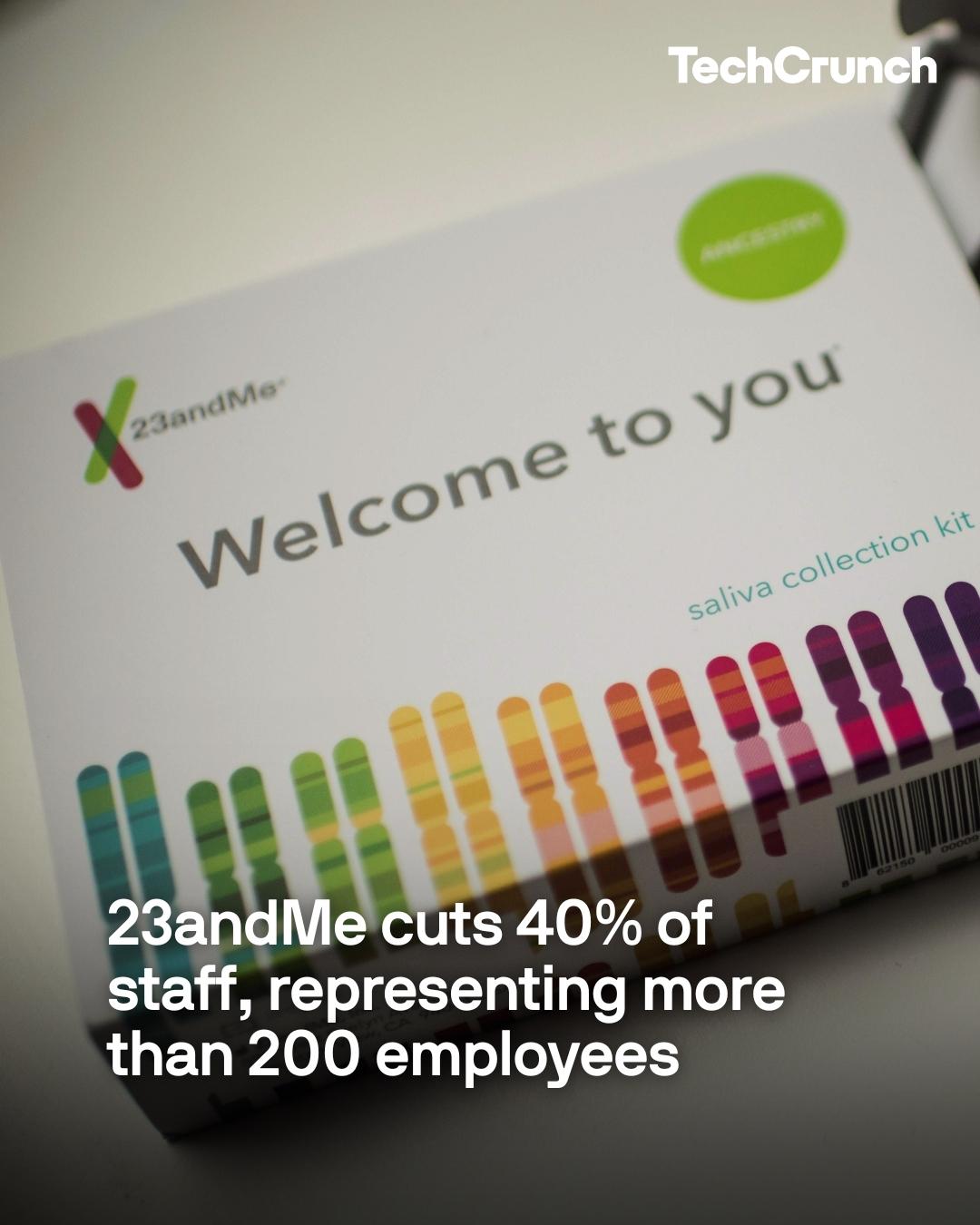
  • 23andMe announced on Monday it would cut 40% of its workforce, representing more than 200 employees, as part of a restructuring at the company.

    The genetic testing company is also discontinuing its therapeutics business and winding down its clinical trials; it expects these changes to save $35 million annually.

    On Tuesday, 23andMe reported $44 million in revenue during the second quarter, a decline from $50 million during the same period last year.

    The mass workforce reductions mark the latest disruption in a tumultuous year for 23andMe. In September, 23andMe’s entire board of directors — including Silicon Valley icons such as YouTube CEO Neal Mohan — resigned following Wojcicki’s attempt to take the company private in August.

    Read more on 23andMe's layoffs at the link in the bio

    Article by Maxwell Zeff

    Image Credits: ERIC BARADAT / Contributor / Getty Images

    #TechCrunch #technews #layoffs #biotech #healthtech #startup #founder
    23andMe announced on Monday it would cut 40% of its workforce, representing more than 200 employees, as part of a restructuring at the company. The genetic testing company is also discontinuing its therapeutics business and winding down its clinical trials; it expects these changes to save $35 million annually. On Tuesday, 23andMe reported $44 million in revenue during the second quarter, a decline from $50 million during the same period last year. The mass workforce reductions mark the latest disruption in a tumultuous year for 23andMe. In September, 23andMe’s entire board of directors — including Silicon Valley icons such as YouTube CEO Neal Mohan — resigned following Wojcicki’s attempt to take the company private in August. Read more on 23andMe's layoffs at the link in the bio 👆 Article by Maxwell Zeff Image Credits: ERIC BARADAT / Contributor / Getty Images #TechCrunch #technews #layoffs #biotech #healthtech #startup #founder
    ·262 Vue ·0 Aperçu
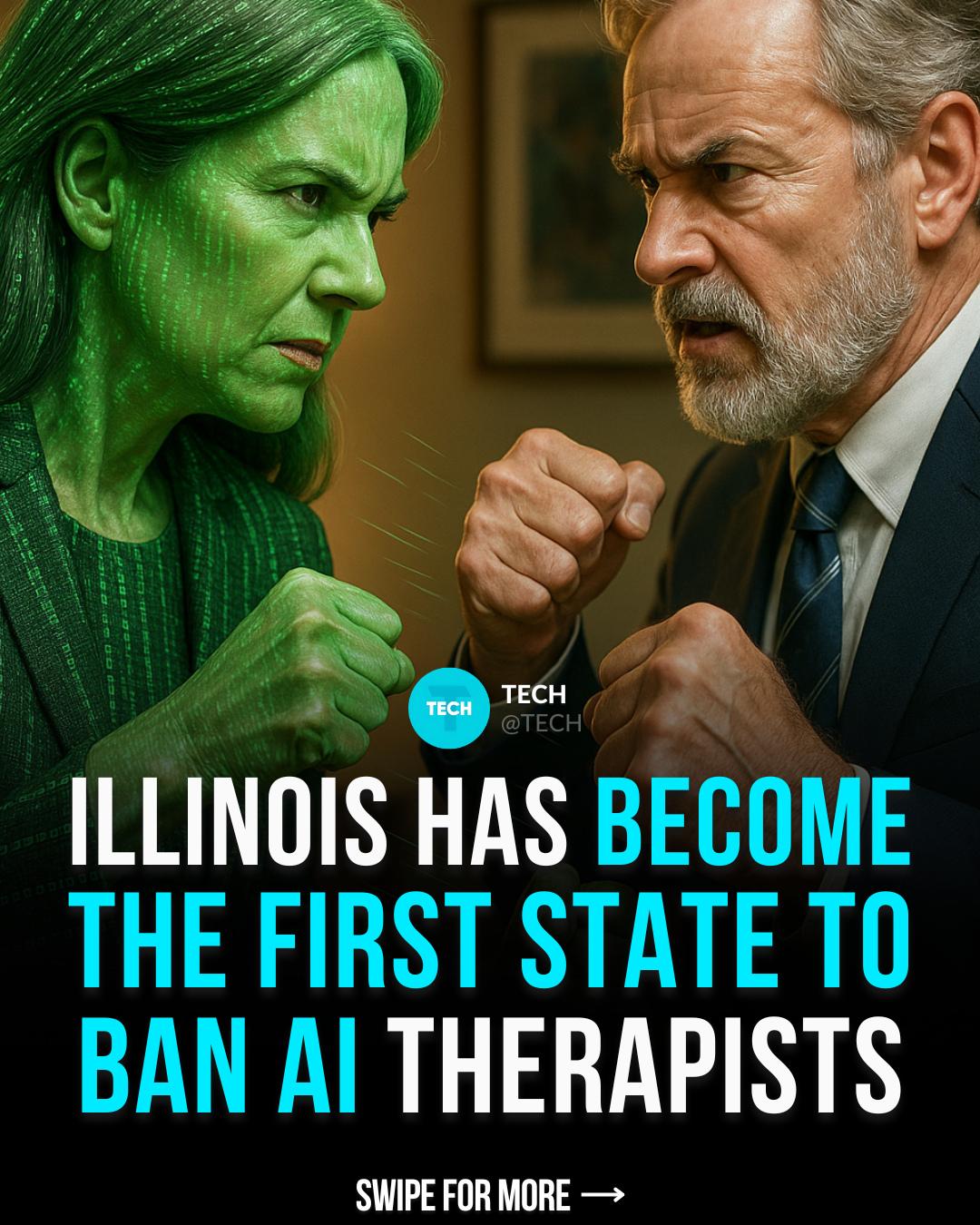
  • Illinois has become the first U.S. state to outlaw AI from acting as a therapist, with Governor JB Pritzker signing the Wellness and Oversight for Psychological Resources Act (HB 1806) into law. The measure bans AI tools from making therapeutic decisions, conducting counseling sessions, or creating treatment plans without human review. Only licensed professionals can provide mental health services, and violations can result in fines up to $10,000 per offense.⁠

    The legislation, passed unanimously in both chambers, still permits AI for administrative support such as scheduling, billing, or note-taking. Lawmakers say the goal is to prevent harm from unregulated chatbots posing as therapists, citing cases where AI tools encouraged suicidal thoughts or dangerous behaviors. In one example, an AI “therapist” suggested a fictional recovering addict take meth to cope with stress.⁠

    Supporters, including the Illinois Department of Financial and Professional Regulation and the National Association of Social Workers, argue the law safeguards patients and maintains ethical standards that AI cannot meet. Mental health professionals emphasize that human connection, empathy, and situational judgment are essential in therapy—qualities machines can’t replicate.⁠

    The move follows similar, though narrower, actions in Nevada, Utah, and New York, and comes amid a broader debate over AI’s role in healthcare. Federal policy under the Trump administration seeks to limit state-level AI regulation, potentially setting up legal clashes.⁠

    While some see AI as a way to address the shortage of therapists, experts warn that overreliance on unregulated systems can worsen mental health crises. For now, Illinois draws a clear line: AI can help schedule your session, but it cannot replace the human sitting across from you.⁠

    #ai #mentalhealth #therapy #illinois #technology #ethics #regulation #healthtech #psychology
    Illinois has become the first U.S. state to outlaw AI from acting as a therapist, with Governor JB Pritzker signing the Wellness and Oversight for Psychological Resources Act (HB 1806) into law. The measure bans AI tools from making therapeutic decisions, conducting counseling sessions, or creating treatment plans without human review. Only licensed professionals can provide mental health services, and violations can result in fines up to $10,000 per offense.⁠ ⁠ The legislation, passed unanimously in both chambers, still permits AI for administrative support such as scheduling, billing, or note-taking. Lawmakers say the goal is to prevent harm from unregulated chatbots posing as therapists, citing cases where AI tools encouraged suicidal thoughts or dangerous behaviors. In one example, an AI “therapist” suggested a fictional recovering addict take meth to cope with stress.⁠ ⁠ Supporters, including the Illinois Department of Financial and Professional Regulation and the National Association of Social Workers, argue the law safeguards patients and maintains ethical standards that AI cannot meet. Mental health professionals emphasize that human connection, empathy, and situational judgment are essential in therapy—qualities machines can’t replicate.⁠ ⁠ The move follows similar, though narrower, actions in Nevada, Utah, and New York, and comes amid a broader debate over AI’s role in healthcare. Federal policy under the Trump administration seeks to limit state-level AI regulation, potentially setting up legal clashes.⁠ ⁠ While some see AI as a way to address the shortage of therapists, experts warn that overreliance on unregulated systems can worsen mental health crises. For now, Illinois draws a clear line: AI can help schedule your session, but it cannot replace the human sitting across from you.⁠ ⁠ #ai #mentalhealth #therapy #illinois #technology #ethics #regulation #healthtech #psychology
    ·267 Vue ·0 Aperçu
  • MIT-spinout NeuroBionics thinks it could one day improve the lives of millions of people who live with neurological conditions like depression, epilepsy and Parkinson’s disease.

    Famed investor Steve Jurvetson of Future Ventures said that if everything goes right for the 18-month-old outfit, its approach could further address “the peripheral nervous system for pain, incontinence, and a bunch of other applications.”

    How? With what?

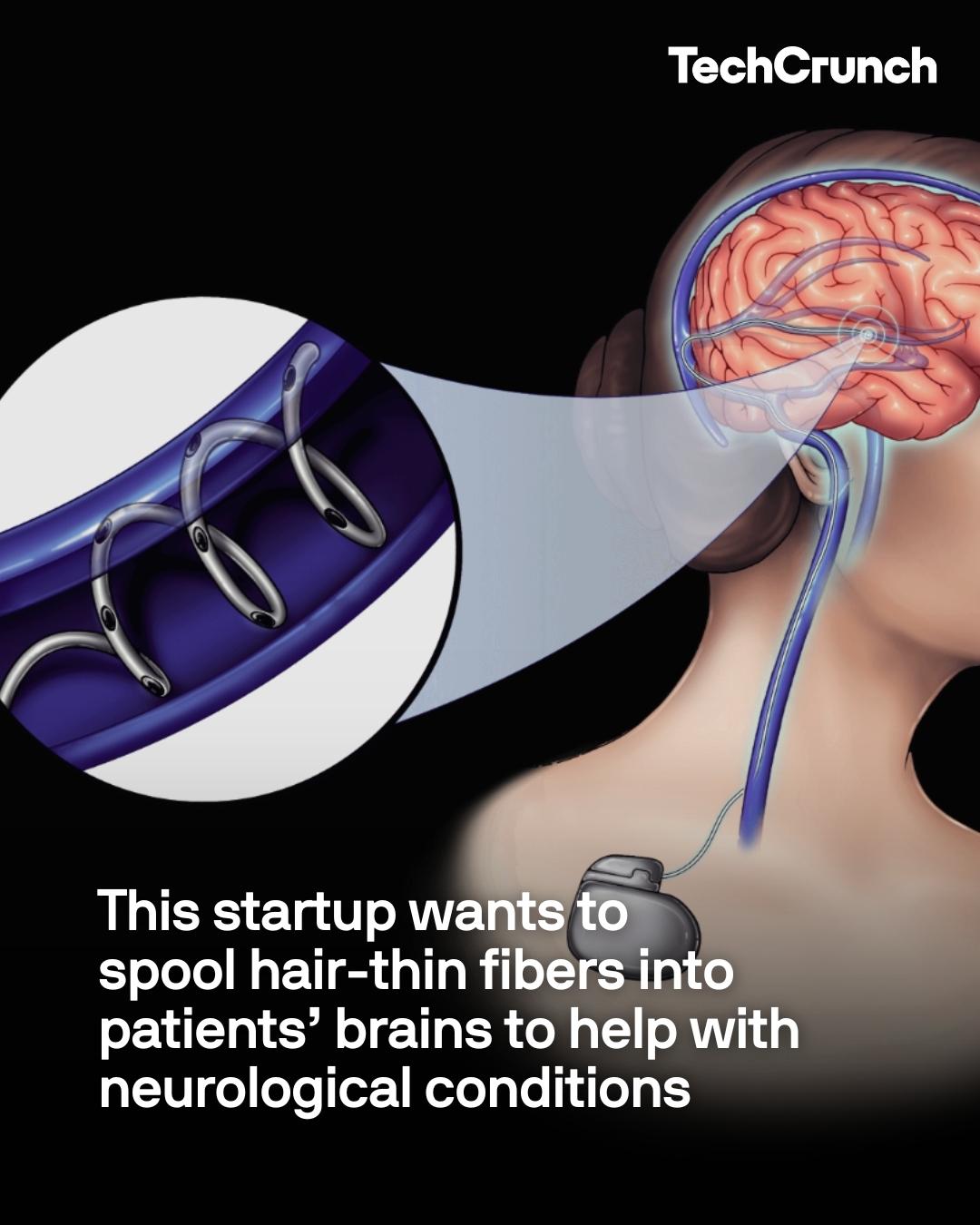
    In contrast to these outsized ambitions, NeuroBionics’ tech is tiny. Specifically, NeuroBionics aims to pipe what it has developed — bioelectric fibers the width of a human hair — through blood vessels in the brain using a procedure similar to a stent placement to deliver neuromodulation therapy.

    The fibers are powered by a fairly standard implantable battery that’s shaped like an Airpod case, designed to last five to 10 years, and is used by other medical device makers for spinal cord stimulation, among other things.

    Read more on NeuroBionics at the link in the bio

    Article by Connie Loizos

    Image Credits: NeuroBionics

    #TechCrunch #technews #startup #founder #MIT #healthtech #biotech
    MIT-spinout NeuroBionics thinks it could one day improve the lives of millions of people who live with neurological conditions like depression, epilepsy and Parkinson’s disease. Famed investor Steve Jurvetson of Future Ventures said that if everything goes right for the 18-month-old outfit, its approach could further address “the peripheral nervous system for pain, incontinence, and a bunch of other applications.” How? With what? In contrast to these outsized ambitions, NeuroBionics’ tech is tiny. Specifically, NeuroBionics aims to pipe what it has developed — bioelectric fibers the width of a human hair — through blood vessels in the brain using a procedure similar to a stent placement to deliver neuromodulation therapy. The fibers are powered by a fairly standard implantable battery that’s shaped like an Airpod case, designed to last five to 10 years, and is used by other medical device makers for spinal cord stimulation, among other things. Read more on NeuroBionics at the link in the bio 👆 Article by Connie Loizos Image Credits: NeuroBionics #TechCrunch #technews #startup #founder #MIT #healthtech #biotech
    ·132 Vue ·0 Aperçu
  • UnitedHealth Group has scrubbed much of its website mentioning its diversity, equity, and inclusion (DEI) policies, including pulling down blog posts and removing large sections from its website, TechCrunch has learned.

    According to archived copies of UnitedHealth’s website, several of the company’s web pages dedicated to DEI no longer load and now redirect to a “page not found” error.

    A section of the company’s career page that used to have a dedicated section for diversity, equity, and inclusion, along with its diversity initiatives, no longer appears on the same live page. UnitedHealth also removed a 2022 blog post featuring a conversation with its vice president of DEI.

    It’s not clear why UnitedHealth pulled down the pages, and if it represents a shift of verbiage or an actual change in its policies.

    Read more at the link in the bio

    Article by Zack Whittaker

    Image Credits: Patrick Sison / AP

    #TechCrunch #technews #policy #DEI #healthtech #Trump
    UnitedHealth Group has scrubbed much of its website mentioning its diversity, equity, and inclusion (DEI) policies, including pulling down blog posts and removing large sections from its website, TechCrunch has learned. According to archived copies of UnitedHealth’s website, several of the company’s web pages dedicated to DEI no longer load and now redirect to a “page not found” error. A section of the company’s career page that used to have a dedicated section for diversity, equity, and inclusion, along with its diversity initiatives, no longer appears on the same live page. UnitedHealth also removed a 2022 blog post featuring a conversation with its vice president of DEI. It’s not clear why UnitedHealth pulled down the pages, and if it represents a shift of verbiage or an actual change in its policies. Read more at the link in the bio 👆 Article by Zack Whittaker Image Credits: Patrick Sison / AP #TechCrunch #technews #policy #DEI #healthtech #Trump
    ·175 Vue ·0 Aperçu
  • Elon Musk’s Department of Government Efficiency (DOGE) plans to host a hackathon next week focused on the creation of a “mega API” that will provide access to taxpayer data, according to Wired.

    Wired says the hackathon is being organized by two DOGE staffers at the Internal Revenue Service — Gavin Kliger and Sam Corcos, who’s also CEO at healthtech startup Levels. Corcos has reportedly been telling others at DOGE that his goal is to build “one new API to rule them all.”

    This would make it easy for cloud providers to access IRS data including taxpayer names, addresses, social security numbers, tax returns, and employment information, which could all be exported to external systems. According to Wired, a third-party party vendor would manage parts of the project, with Palantir “consistently” brought up as a candidate.

    “It’s basically an open door controlled by Musk for all Americans’ most sensitive information with none of the rules that normally secure that data,” an anonymous IRS worker reportedly told Wired.

    Image Credits: Scott Olson / Staff / Getty Images

    #TechCrunch #technews #artificialintelligence #ElonMusk #DOGE #government #hackathon
    Elon Musk’s Department of Government Efficiency (DOGE) plans to host a hackathon next week focused on the creation of a “mega API” that will provide access to taxpayer data, according to Wired. Wired says the hackathon is being organized by two DOGE staffers at the Internal Revenue Service — Gavin Kliger and Sam Corcos, who’s also CEO at healthtech startup Levels. Corcos has reportedly been telling others at DOGE that his goal is to build “one new API to rule them all.” This would make it easy for cloud providers to access IRS data including taxpayer names, addresses, social security numbers, tax returns, and employment information, which could all be exported to external systems. According to Wired, a third-party party vendor would manage parts of the project, with Palantir “consistently” brought up as a candidate. “It’s basically an open door controlled by Musk for all Americans’ most sensitive information with none of the rules that normally secure that data,” an anonymous IRS worker reportedly told Wired. Image Credits: Scott Olson / Staff / Getty Images #TechCrunch #technews #artificialintelligence #ElonMusk #DOGE #government #hackathon
    ·223 Vue ·0 Aperçu
  • A startup called Superpower is publicly launching what it calls the world’s first super-app that is designed to help people better understand and take care of their health.

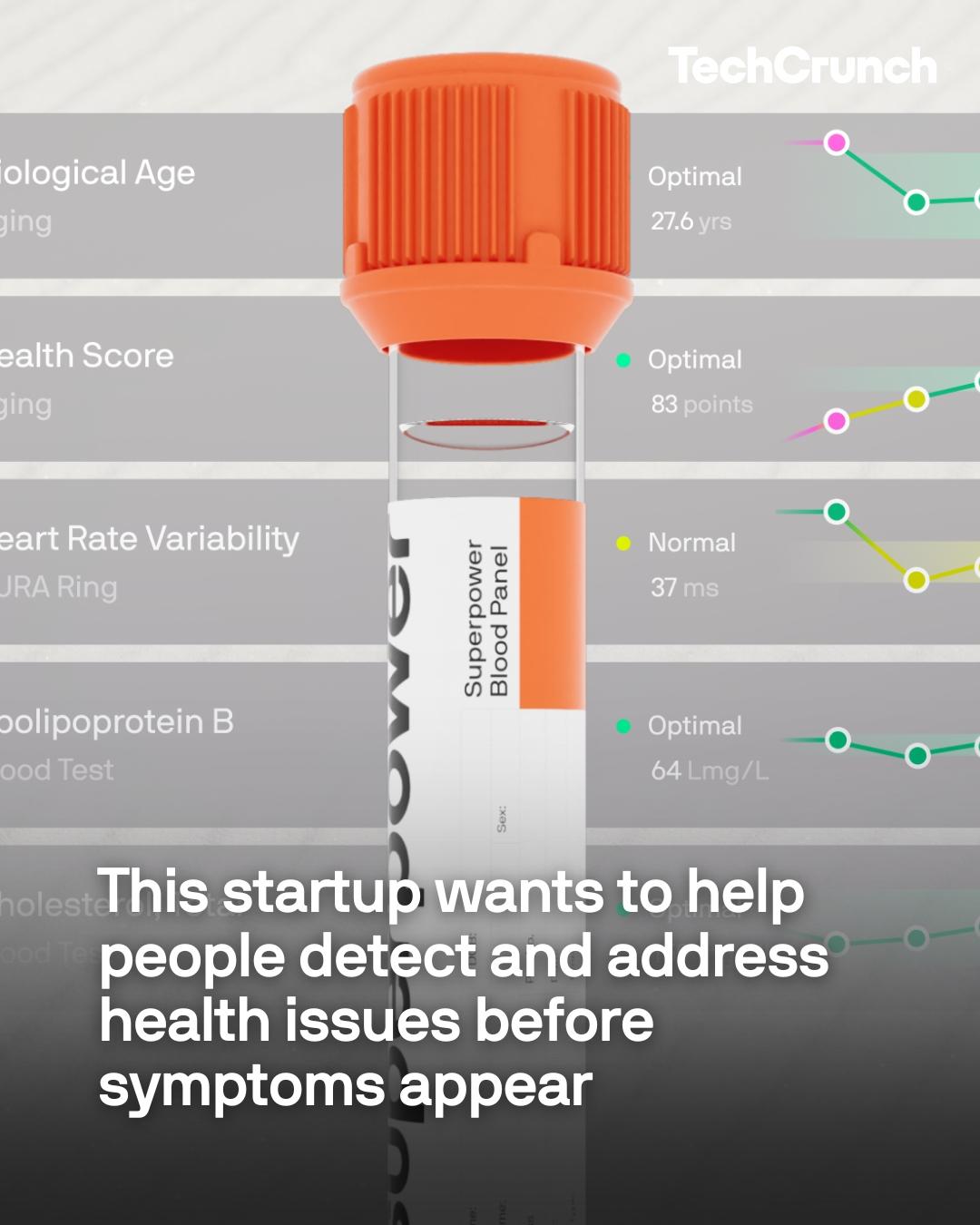
    For $499, the startup offers biannual lab testing that analyzes over 100 blood biomarkers across 21 categories, giving people a more comprehensive look at their health than a standard physical does. Members conduct these tests twice a year, either at home or one of Superpower’s 2,000 partner labs nationwide.

    Superpower’s web app considers the results of these tests with past medical records, fitness trackers, and genetics and uses AI to create a personalized overview of your health to outline any possible concerns. The app then gives you an action plan to take control of your health.

    The startup was founded in 2023 by Jacob Peters, Max Marchione, and Kevin Unkrich. The trio founded Superpower following their personal struggles with the healthcare system.

    Read more on Superpower at the link in the bio

    Article by Aisha Malik

    Image Credits: Superpower

    #TechCrunch #technews #medtech #healthtech #startup #cofounders #venturecapital
    A startup called Superpower is publicly launching what it calls the world’s first super-app that is designed to help people better understand and take care of their health. For $499, the startup offers biannual lab testing that analyzes over 100 blood biomarkers across 21 categories, giving people a more comprehensive look at their health than a standard physical does. Members conduct these tests twice a year, either at home or one of Superpower’s 2,000 partner labs nationwide. Superpower’s web app considers the results of these tests with past medical records, fitness trackers, and genetics and uses AI to create a personalized overview of your health to outline any possible concerns. The app then gives you an action plan to take control of your health. The startup was founded in 2023 by Jacob Peters, Max Marchione, and Kevin Unkrich. The trio founded Superpower following their personal struggles with the healthcare system. Read more on Superpower at the link in the bio 👆 Article by Aisha Malik Image Credits: Superpower #TechCrunch #technews #medtech #healthtech #startup #cofounders #venturecapital
    ·682 Vue ·0 Aperçu
  • 23andMe, the genetic testing giant once valued in the billions, is now navigating Chapter 11 bankruptcy and notifying millions of current and former customers that they may be eligible to file claims as part of the restructuring process.

    The company and 11 of its subsidiaries, including Lemonaid Health and LPRXOne, filed for bankruptcy protection on March 23 of this year in the Eastern District of Missouri.

    Customers were alerted Sunday that they have until July 14 to file claims for losses incurred.

    The bankruptcy follows a tumultuous 18 months for 23andMe, marked by declining sales, executive departures, and a devastating data breach that compromised sensitive personal information of nearly 7 million users.

    The breach, publicly disclosed in October 2023, exposed customers’ names, birth years, relationship labels, percentages of DNA shared with relatives, ancestry reports, and self-reported locations, according to TechCrunch.

    The fallout triggered multiple class action lawsuits and a wave of customer mistrust that severely undercut the company’s consumer-facing business.

    Read more at the link in the bio

    Article by Connie Loizos

    Image Credits: Eric Baradat / AFP / Getty Images

    #TechCrunch #technews #23andMe #bankruptcy #biotech #healthtech
    23andMe, the genetic testing giant once valued in the billions, is now navigating Chapter 11 bankruptcy and notifying millions of current and former customers that they may be eligible to file claims as part of the restructuring process. The company and 11 of its subsidiaries, including Lemonaid Health and LPRXOne, filed for bankruptcy protection on March 23 of this year in the Eastern District of Missouri. Customers were alerted Sunday that they have until July 14 to file claims for losses incurred. The bankruptcy follows a tumultuous 18 months for 23andMe, marked by declining sales, executive departures, and a devastating data breach that compromised sensitive personal information of nearly 7 million users. The breach, publicly disclosed in October 2023, exposed customers’ names, birth years, relationship labels, percentages of DNA shared with relatives, ancestry reports, and self-reported locations, according to TechCrunch. The fallout triggered multiple class action lawsuits and a wave of customer mistrust that severely undercut the company’s consumer-facing business. Read more at the link in the bio 👆 Article by Connie Loizos Image Credits: Eric Baradat / AFP / Getty Images #TechCrunch #technews #23andMe #bankruptcy #biotech #healthtech
    ·506 Vue ·0 Aperçu
  • Cancer ranks as one of the top causes of death worldwide.

    The National Cancer Institute reported nearly 20 million new cancer cases and 9.7 million cancer-related deaths globally in 2022, with projections showing a rise to 29.9 million new cases by 2040.

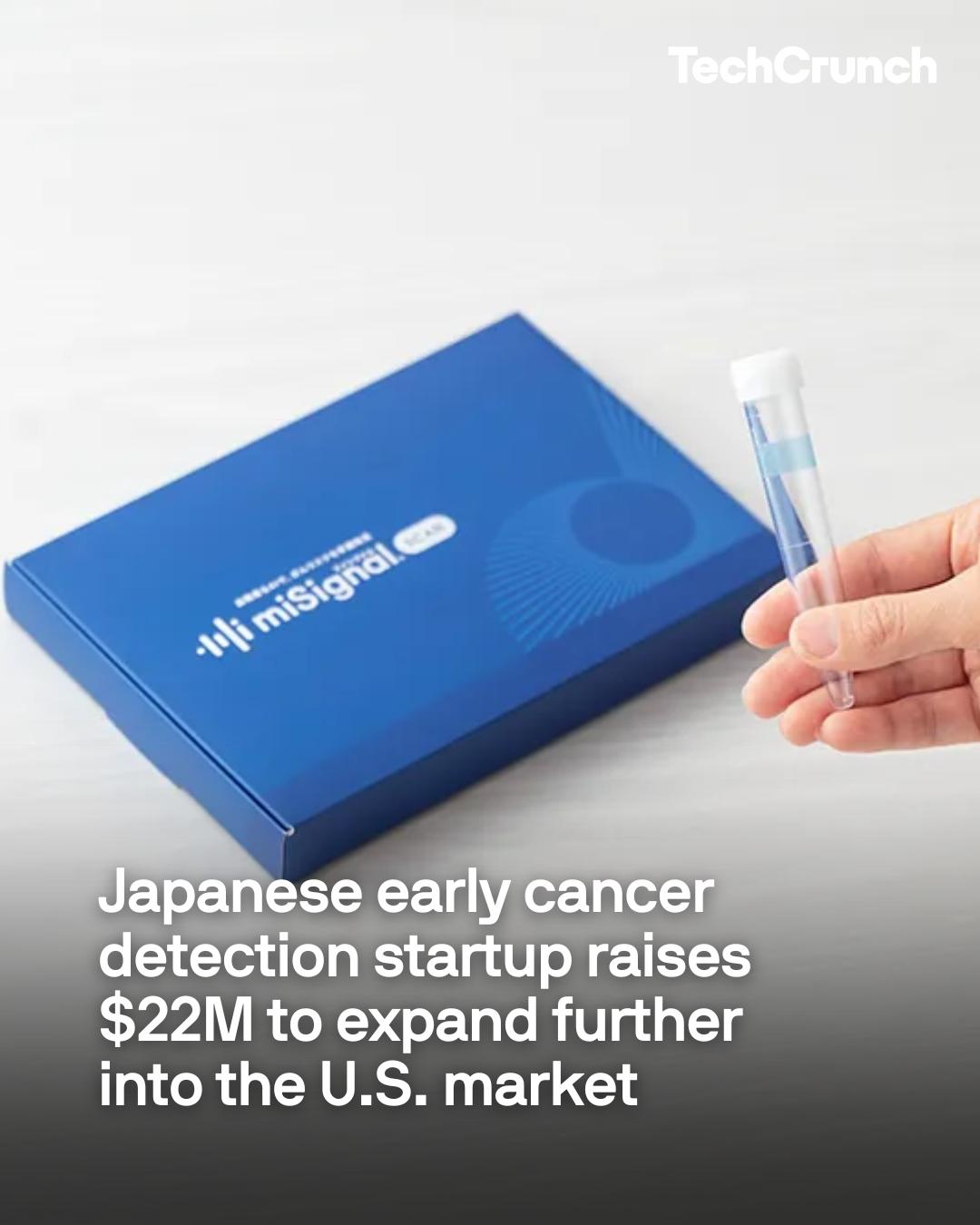
    Craif, spun off from Nagoya University in Japan in 2018, is using microRNA(miRNA) to develop an AI-powered early cancer detection software, and it has raised $22 million in Series C funding to expand further into the U.S. market and bolster its R&D.

    Ryuichi Onose, co-founder and CEO of Craif, told TechCrunch in an interview that the company completed its Series C funding round with a valuation of just under $100 million.

    Craif aims to address gaps in the cancer testing industry by providing a non-invasive urine-based test that enables early cancer detection, even at a very early stage, like at Stage 1.

    Read more on Craif at the link in the bio

    Article by Kate Park

    Image Credits: Craif

    #TechCrunch #technews #artificialintelligence #Japan #startup #AIstartup #biotech #healthtech
    Cancer ranks as one of the top causes of death worldwide. The National Cancer Institute reported nearly 20 million new cancer cases and 9.7 million cancer-related deaths globally in 2022, with projections showing a rise to 29.9 million new cases by 2040. Craif, spun off from Nagoya University in Japan in 2018, is using microRNA(miRNA) to develop an AI-powered early cancer detection software, and it has raised $22 million in Series C funding to expand further into the U.S. market and bolster its R&D. Ryuichi Onose, co-founder and CEO of Craif, told TechCrunch in an interview that the company completed its Series C funding round with a valuation of just under $100 million. Craif aims to address gaps in the cancer testing industry by providing a non-invasive urine-based test that enables early cancer detection, even at a very early stage, like at Stage 1. Read more on Craif at the link in the bio 👆 Article by Kate Park Image Credits: Craif #TechCrunch #technews #artificialintelligence #Japan #startup #AIstartup #biotech #healthtech
    ·351 Vue ·0 Aperçu
Plus de résultats
Techawks - Powered By Pantrade Blockchain https://techawks.com