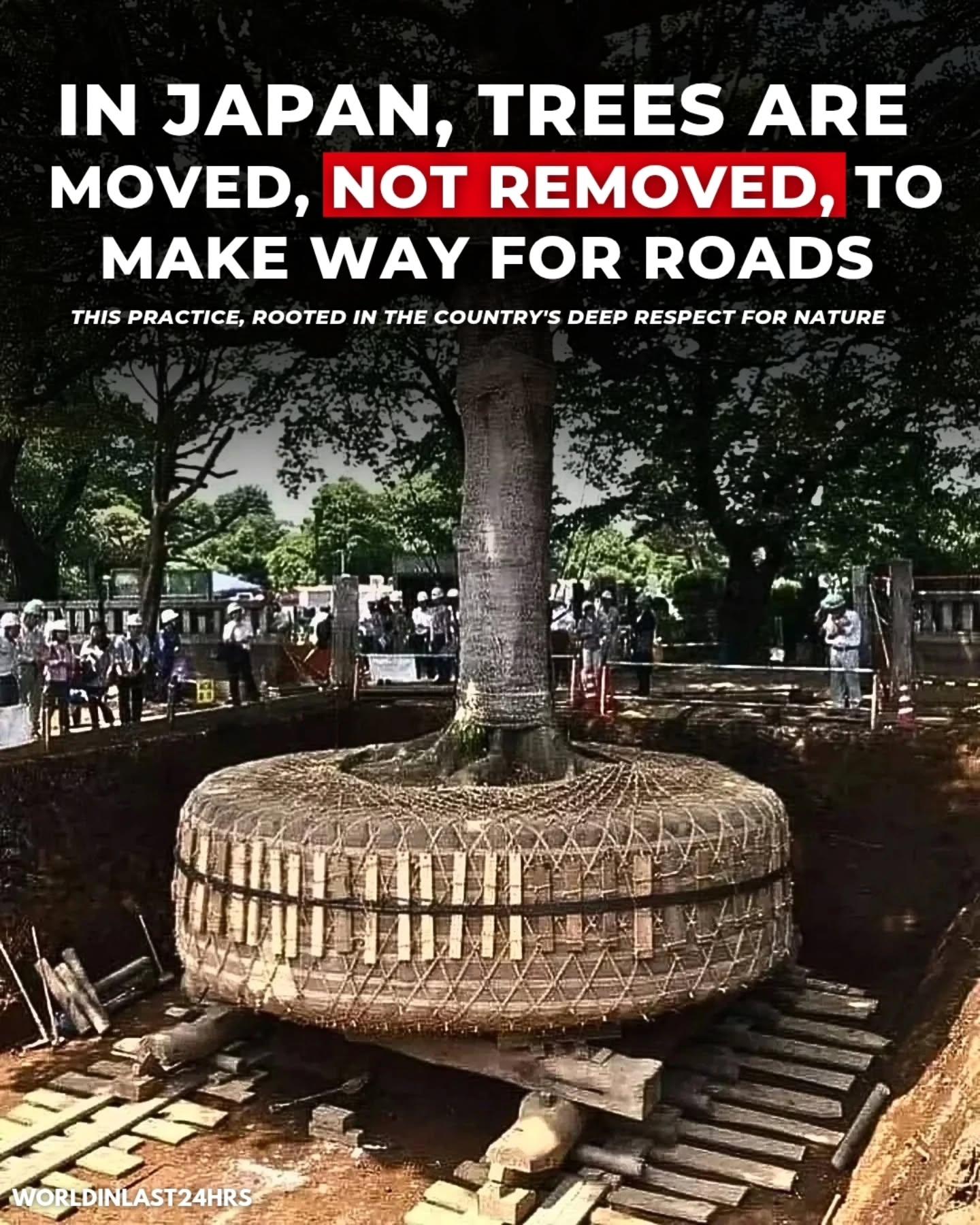
In 2025, Japan continues its unique approach to urban development by relocating trees instead of cutting them down to make way for roads and infrastructure projects. This practice, rooted in the country’s deep respect for nature, helps maintain green spaces and preserves biodiversity in densely populated areas. Advanced tree-moving technology allows even large, centuries-old trees to be transplanted successfully, reducing the environmental impact of construction while keeping Japan’s cities green.
However, this practice is not consistently applied to all projects. In Tokyo’s Jingu Gaien park district, for example, redevelopment plans led by real estate company Mitsui Fudosan have resulted in the removal of many trees to make space for skyscrapers and a new baseball stadium. Environmental activists and local communities have protested the decision, arguing that urban expansion should prioritize sustainability and tree conservation whenever possible.
This contrast between tree relocation and removal highlights the ongoing debate in Japan about balancing modernization with environmental responsibility. While Japan’s efforts to move trees set an example for other countries, concerns remain about whether economic development is sometimes prioritized over ecological preservation. Striking a balance between progress and sustainability is a challenge many nations face as urban areas continue to expand.
Ultimately, Japan’s innovative tree-moving strategy showcases a forward-thinking approach to urban planning, demonstrating that development and environmental conservation can coexist. As global cities seek more sustainable solutions, Japan’s model of protecting nature amid urban growth serves as an inspiring example.
#EnvironmentalConservation #UrbanDevelopment #SustainableLiving #JapanIn 2025, Japan continues its unique approach to urban development by relocating trees instead of cutting them down to make way for roads and infrastructure projects. This practice, rooted in the country’s deep respect for nature, helps maintain green spaces and preserves biodiversity in densely populated areas. Advanced tree-moving technology allows even large, centuries-old trees to be transplanted successfully, reducing the environmental impact of construction while keeping Japan’s cities green.
However, this practice is not consistently applied to all projects. In Tokyo’s Jingu Gaien park district, for example, redevelopment plans led by real estate company Mitsui Fudosan have resulted in the removal of many trees to make space for skyscrapers and a new baseball stadium. Environmental activists and local communities have protested the decision, arguing that urban expansion should prioritize sustainability and tree conservation whenever possible.
This contrast between tree relocation and removal highlights the ongoing debate in Japan about balancing modernization with environmental responsibility. While Japan’s efforts to move trees set an example for other countries, concerns remain about whether economic development is sometimes prioritized over ecological preservation. Striking a balance between progress and sustainability is a challenge many nations face as urban areas continue to expand.
Ultimately, Japan’s innovative tree-moving strategy showcases a forward-thinking approach to urban planning, demonstrating that development and environmental conservation can coexist. As global cities seek more sustainable solutions, Japan’s model of protecting nature amid urban growth serves as an inspiring example.
#EnvironmentalConservation #UrbanDevelopment #SustainableLiving #Japan
 English
 Arabic
 French
 Spanish
 Portuguese
 Deutsch
 Turkish
 Dutch
Dutch
 Italiano
 Russian
 Romaian
 Portuguese (Brazil)
 Greek
Greek