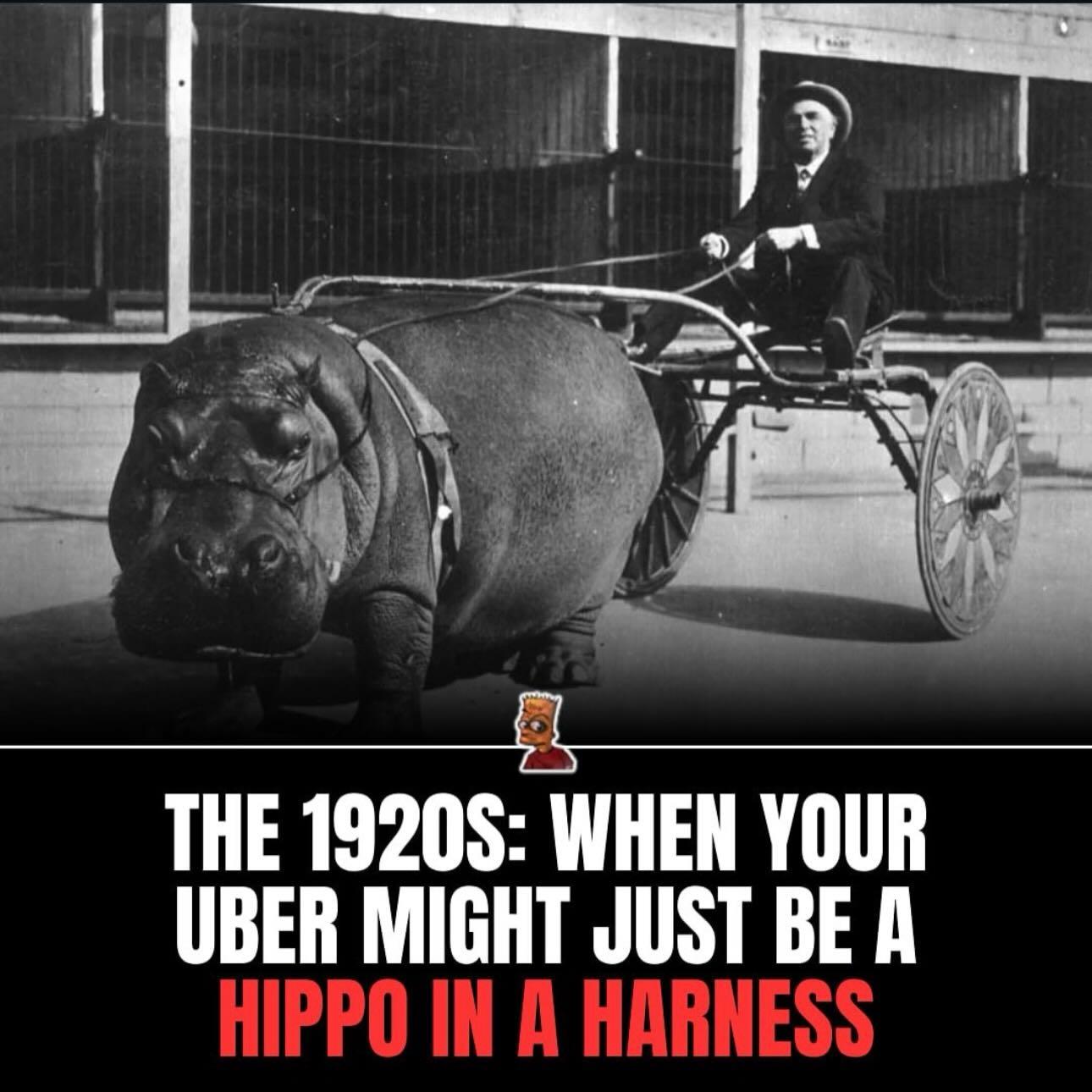
• In the 1920s, a strange but fascinating idea floated through American imagination: using hippos as a form of transportation—an “Uber” of the era, in a sense. The concept stemmed from a real proposal a decade earlier to import hippopotamuses into the U.S. to solve both a meat shortage and a water hyacinth problem in the South. By the 1920s, this notion had taken on a more whimsical life in pulp fiction and satire, imagining well-dressed flappers and gangsters riding semi-domesticated hippos through flooded streets or across bayous like living water taxis. These “hippo Ubers” became the stuff of surreal humor and alternative-history speculation, blending American ingenuity with exotic absurdity—though, of course, in reality, the plan never left the shores of fantasy.
    In the 1920s, a strange but fascinating idea floated through American imagination: using hippos as a form of transportation—an “Uber” of the era, in a sense. The concept stemmed from a real proposal a decade earlier to import hippopotamuses into the U.S. to solve both a meat shortage and a water hyacinth problem in the South. By the 1920s, this notion had taken on a more whimsical life in pulp fiction and satire, imagining well-dressed flappers and gangsters riding semi-domesticated hippos through flooded streets or across bayous like living water taxis. These “hippo Ubers” became the stuff of surreal humor and alternative-history speculation, blending American ingenuity with exotic absurdity—though, of course, in reality, the plan never left the shores of fantasy.
    ·122 Visualizações ·0 Anterior
  • A lot of what feels like sci fi today will be boringly normal in your lifetime

    AI friends, real time translation, cashless money, robotaxis, Mars missions, trillionaires, and shrinking populations are all moving from edge case to everyday reality within a single lifetime. AI companions already reach hundreds of millions of users and nearly a million people are 100 or older; digital payments are used by billions; and serious roadmaps for Mars missions, robotaxis, home robots, space tourism, and orbital data centers are funded and public, so this list is closer to your portfolio forecast than science fiction.

    If you treat these shifts as near certain and build skills, assets, and ownership around them, you give your future self an almost unfair head start.

    #Future #AI #Wealth #Innovation #BigShifts
    A lot of what feels like sci fi today will be boringly normal in your lifetime 🚀 AI friends, real time translation, cashless money, robotaxis, Mars missions, trillionaires, and shrinking populations are all moving from edge case to everyday reality within a single lifetime. AI companions already reach hundreds of millions of users and nearly a million people are 100 or older; digital payments are used by billions; and serious roadmaps for Mars missions, robotaxis, home robots, space tourism, and orbital data centers are funded and public, so this list is closer to your portfolio forecast than science fiction. If you treat these shifts as near certain and build skills, assets, and ownership around them, you give your future self an almost unfair head start. #Future #AI #Wealth #Innovation #BigShifts
    ·149 Visualizações ·0 Anterior
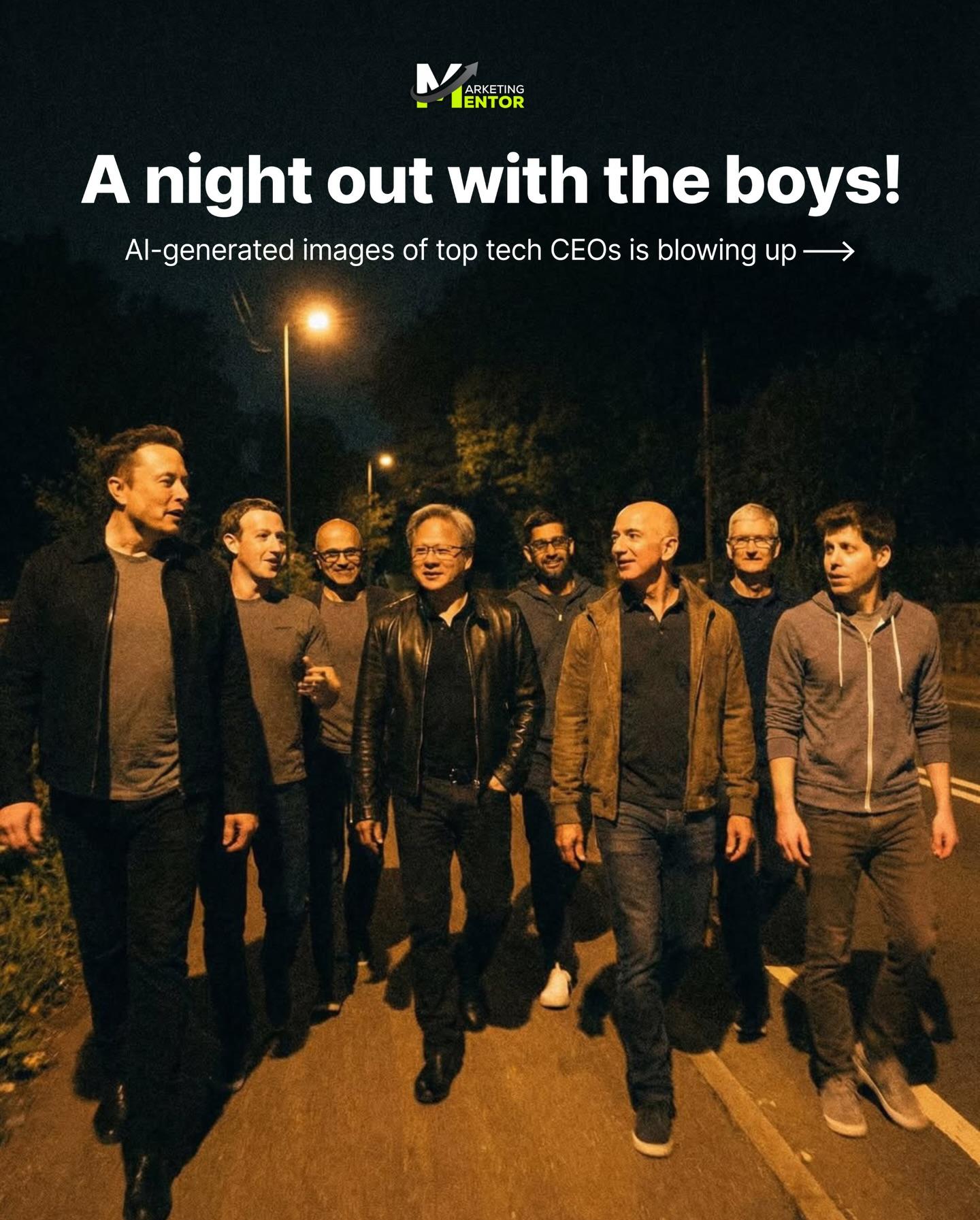
  • Google’s new Nano Banana 2 image model has been out for barely a day, and the internet is already flooded with hyper-realistic fake photos of tech billionaires hanging out like they’re at a weekend house party.

    The shots aren’t real, but the lighting, angles, and facial details are convincing enough to fool anyone scrolling quickly.

    It’s entertaining for now, but also a reminder of how easy it’s become to manufacture moments and blur the line between reality and illusion.

    #MarketingMentor #Google #NanoBanana
    Google’s new Nano Banana 2 image model has been out for barely a day, and the internet is already flooded with hyper-realistic fake photos of tech billionaires hanging out like they’re at a weekend house party. The shots aren’t real, but the lighting, angles, and facial details are convincing enough to fool anyone scrolling quickly. It’s entertaining for now, but also a reminder of how easy it’s become to manufacture moments and blur the line between reality and illusion. #MarketingMentor #Google #NanoBanana
    ·60 Visualizações ·0 Anterior
  • The office reality check!
    We’re all guilty of having a “work-related” reason for everything we do
    Which one are you?
    .
    Swipe to see what everyone in the office is really doing!

    #officelife #corporatelife #workhumor #officememes
    #relatable #dailygrind #workplace #iykyk #holidayscrowd
    The office reality check! 🤣 We’re all guilty of having a “work-related” reason for everything we do 😅💼 Which one are you? 👀 . Swipe to see what everyone in the office is really doing! 👉📲 #officelife #corporatelife #workhumor #officememes #relatable #dailygrind #workplace #iykyk #holidayscrowd
    ·82 Visualizações ·0 Anterior
  • Newly leaked internal documents reviewed by TechCrunch reveal that Microsoft has already received $865.9 million from OpenAI through a 20% revenue-share deal covering the first three quarters of 2025.

    This payout is far lower than the multibillion-dollar revenue figures the company has often implied publicly.

    The documents also show that OpenAI’s inference costs reached an estimated $12.4 billion from early 2024 through Q3 2025, underscoring how expensive it is to run large AI models at scale.

    These costs are significantly higher than what many analysts previously assumed.

    The leak raises questions about the sustainability of OpenAI’s business model and whether its rapid growth is being fueled more by massive compute spending than actual profitability.

    It also highlights how dependent OpenAI remains on Microsoft’s infrastructure.

    If accurate, the numbers suggest that OpenAI’s financial reality is much more fragile than its public image.

    Investors and partners may now push for transparency around true revenue, margins, and long-term viability.

    Follow us (@artificialintelligenceee) for everything latest from the AI world.

    Source: TechCrunch
    Newly leaked internal documents reviewed by TechCrunch reveal that Microsoft has already received $865.9 million from OpenAI through a 20% revenue-share deal covering the first three quarters of 2025. This payout is far lower than the multibillion-dollar revenue figures the company has often implied publicly. The documents also show that OpenAI’s inference costs reached an estimated $12.4 billion from early 2024 through Q3 2025, underscoring how expensive it is to run large AI models at scale. These costs are significantly higher than what many analysts previously assumed. The leak raises questions about the sustainability of OpenAI’s business model and whether its rapid growth is being fueled more by massive compute spending than actual profitability. It also highlights how dependent OpenAI remains on Microsoft’s infrastructure. If accurate, the numbers suggest that OpenAI’s financial reality is much more fragile than its public image. Investors and partners may now push for transparency around true revenue, margins, and long-term viability. Follow us (👉@artificialintelligenceee) for everything latest from the AI world. Source: TechCrunch
    ·55 Visualizações ·0 Anterior
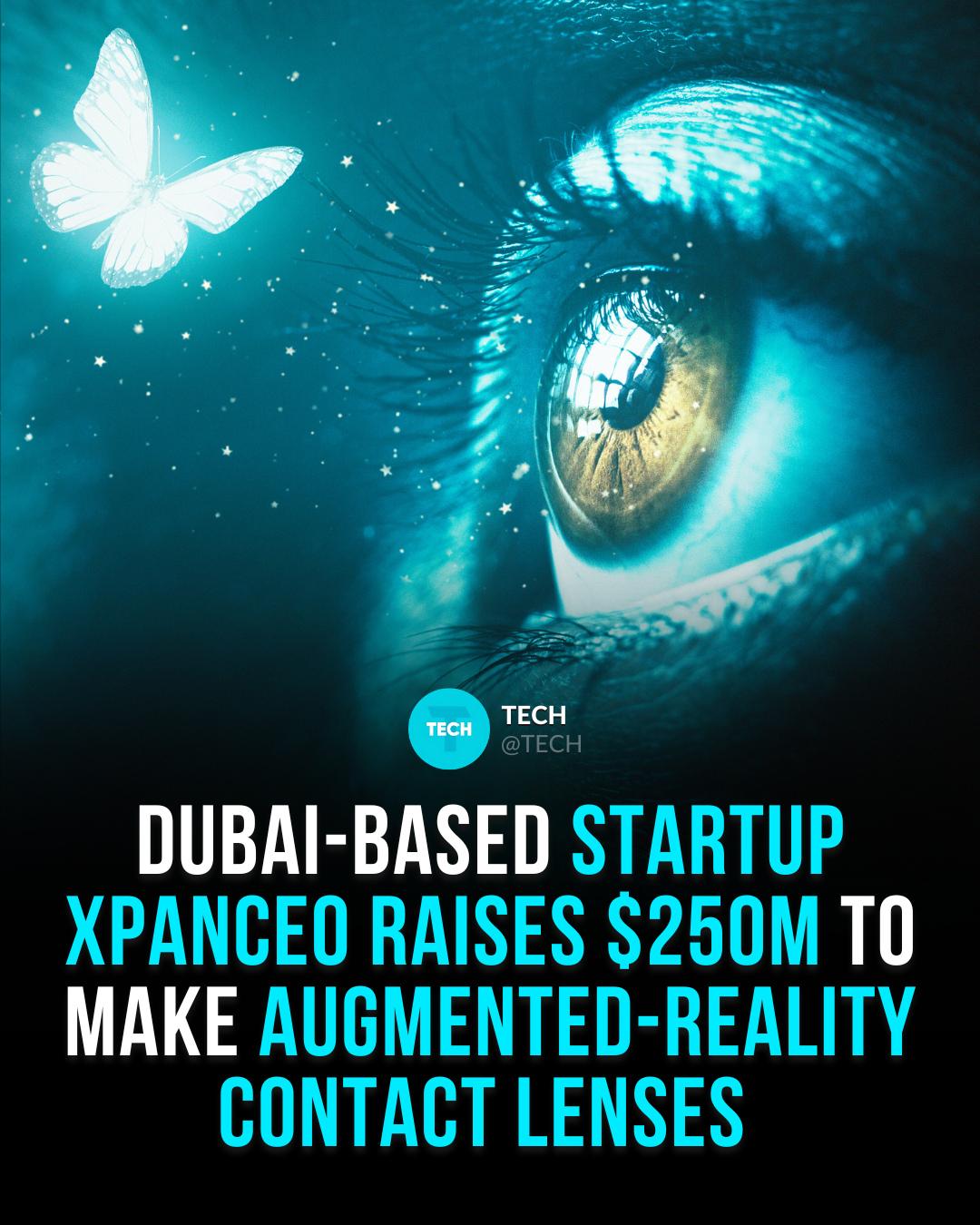
  • A new era in wearable tech is being etched directly onto the eye.⁠

    Dubai-based deeptech startup Xpanceo has raised $250 million in Series A funding to build what it claims is the world’s first multifunctional smart contact lens. The lens aims to merge augmented reality, health monitoring, and advanced optics—like night vision and zoom—into a featherlight device thinner than a human hair. With 15 functional prototypes already built, Xpanceo says it’s on track for clinical trials by 2026.⁠

    The lens is packed with innovations: intraocular pressure sensors for non-invasive glaucoma monitoring, biochemical sensors that scan tear fluid for glucose, hormones, and vitamins, and integrated nanophotonic microdisplays that project AR directly onto the retina. It uses just 1–3 microwatts of power—making it hundreds of times more efficient than current AR headsets.⁠

    Additional breakthroughs include wireless power transfer, real-time data transmission, color-blindness correction, and nanoparticle engineering for enhanced low-light vision. These modular capabilities could eventually adapt to specialized needs across healthcare, defense, industrial, and consumer sectors.⁠

    Xpanceo's long-term vision is bold: replace smartphones, glasses, and even smartwatches with a single, invisible computing interface. Founders Roman Axelrod and Dr. Valentyn Volkov have doubled their team to 100 researchers, filed over 110 scientific publications, and built partnerships with global institutions. The company has also debuted its lenses at trade shows like MWC and GITEX, where it showcased wireless-charging designs and real-time biosensing.⁠

    While challenges like FDA approval and miniaturization loom large, investors believe Xpanceo is leading the charge into the post-smartphone age. “They’re not just building a product,” said lead investor Opportunity Venture, “they’re rewriting the rules of personal tech.”
    A new era in wearable tech is being etched directly onto the eye.⁠ ⁠ Dubai-based deeptech startup Xpanceo has raised $250 million in Series A funding to build what it claims is the world’s first multifunctional smart contact lens. The lens aims to merge augmented reality, health monitoring, and advanced optics—like night vision and zoom—into a featherlight device thinner than a human hair. With 15 functional prototypes already built, Xpanceo says it’s on track for clinical trials by 2026.⁠ ⁠ The lens is packed with innovations: intraocular pressure sensors for non-invasive glaucoma monitoring, biochemical sensors that scan tear fluid for glucose, hormones, and vitamins, and integrated nanophotonic microdisplays that project AR directly onto the retina. It uses just 1–3 microwatts of power—making it hundreds of times more efficient than current AR headsets.⁠ ⁠ Additional breakthroughs include wireless power transfer, real-time data transmission, color-blindness correction, and nanoparticle engineering for enhanced low-light vision. These modular capabilities could eventually adapt to specialized needs across healthcare, defense, industrial, and consumer sectors.⁠ ⁠ Xpanceo's long-term vision is bold: replace smartphones, glasses, and even smartwatches with a single, invisible computing interface. Founders Roman Axelrod and Dr. Valentyn Volkov have doubled their team to 100 researchers, filed over 110 scientific publications, and built partnerships with global institutions. The company has also debuted its lenses at trade shows like MWC and GITEX, where it showcased wireless-charging designs and real-time biosensing.⁠ ⁠ While challenges like FDA approval and miniaturization loom large, investors believe Xpanceo is leading the charge into the post-smartphone age. “They’re not just building a product,” said lead investor Opportunity Venture, “they’re rewriting the rules of personal tech.”
    ·89 Visualizações ·0 Anterior
  • The past few months have seen three elections across Africa, in Tanzania, Cameroon, and Côte d’Ivoire. Each exposed a deepening democratic crisis on the continent. While the ballot boxes were filled and the slogans of “stability” and “unity” were loudly proclaimed, the underlying reality was very different; repression, exclusion, and a profound disconnect between the political class and the masses, especially youth.

    In all three cases, aging leaders clung to power through electoral processes that were anything but democratic. The continuity of these regimes is part of Africa’s enduring entrapment within neoliberal and neo-colonial frameworks, where the ritual of elections serves to legitimize old orders and satisfy liberal democracy’s important symbolic tenet of holding elections without any fundamental change.

    Read the full article on our website.
    The past few months have seen three elections across Africa, in Tanzania, Cameroon, and Côte d’Ivoire. Each exposed a deepening democratic crisis on the continent. While the ballot boxes were filled and the slogans of “stability” and “unity” were loudly proclaimed, the underlying reality was very different; repression, exclusion, and a profound disconnect between the political class and the masses, especially youth. In all three cases, aging leaders clung to power through electoral processes that were anything but democratic. The continuity of these regimes is part of Africa’s enduring entrapment within neoliberal and neo-colonial frameworks, where the ritual of elections serves to legitimize old orders and satisfy liberal democracy’s important symbolic tenet of holding elections without any fundamental change. 📲 Read the full article on our website.
    ·95 Visualizações ·0 Anterior
  • The moment captured in the famous Pulitzer Prize–winning photograph Burst of Joy adds a darker layer of contrast to its seemingly euphoric scene. Taken in 1973, the image shows Air Force Lt. Col. Robert L. Stirm stepping off a plane after years as a Vietnam POW, greeted by his wife and children in what appeared to be a perfect homecoming. Yet behind the photo’s jubilant energy was a painful reality: while Stirm was imprisoned, his wife, Loretta, had begun multiple extramarital affairs and had already decided to end the marriage before he even returned.

    Not long after the photograph was taken, Loretta delivered a “Dear John” letter, confirming the infidelity and her intention to leave him. Their divorce became widely discussed because of the lopsided outcome: reports at the time noted that she had spent a substantial amount of his military pay during his captivity, continued to receive a significant portion of his benefits afterward, and was granted full custody of their children in court.
    The moment captured in the famous Pulitzer Prize–winning photograph Burst of Joy adds a darker layer of contrast to its seemingly euphoric scene. Taken in 1973, the image shows Air Force Lt. Col. Robert L. Stirm stepping off a plane after years as a Vietnam POW, greeted by his wife and children in what appeared to be a perfect homecoming. Yet behind the photo’s jubilant energy was a painful reality: while Stirm was imprisoned, his wife, Loretta, had begun multiple extramarital affairs and had already decided to end the marriage before he even returned. Not long after the photograph was taken, Loretta delivered a “Dear John” letter, confirming the infidelity and her intention to leave him. Their divorce became widely discussed because of the lopsided outcome: reports at the time noted that she had spent a substantial amount of his military pay during his captivity, continued to receive a significant portion of his benefits afterward, and was granted full custody of their children in court.
    ·204 Visualizações ·0 Anterior
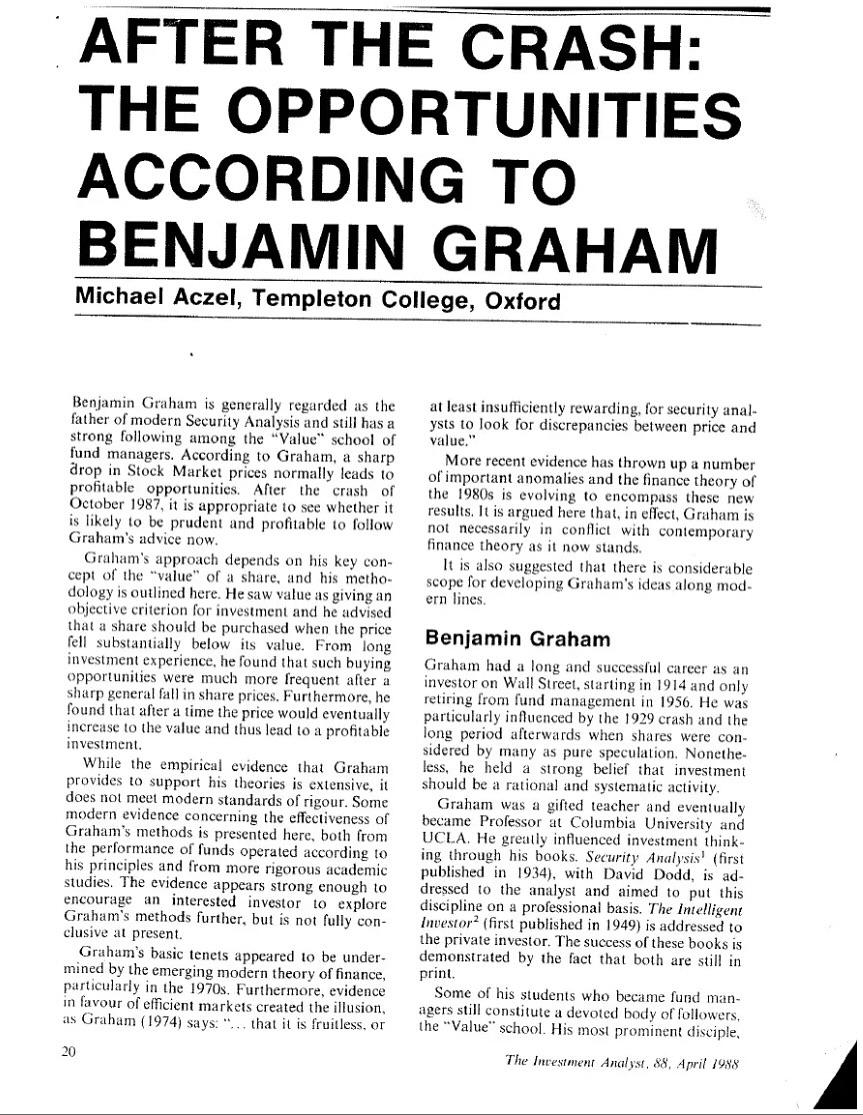
  • Benjamin Graham believed that market crashes create some of the best opportunities for disciplined investors. His work reminds us that value isn’t found in predictions or hype, but in the gap between price and underlying worth. When markets fall, emotions rise and prices disconnect from reality. That disconnect is where intelligent investors find their edge.

    Graham’s approach is simple but powerful: focus on intrinsic value, demand a margin of safety, and buy when high-quality companies are temporarily mispriced. His ideas shaped generations of investors and still guide some of the most successful strategies today.

    In a world driven by speculation and noise, Graham’s message is clear: long-term returns belong to those who stay rational when others don’t.

    #investing #valueinvesting #stockmarket #financialeducation #wealthbuilding #longterminvesting #smartmoney #marketanalysis #benjamingraham #financecommunity #investmentstrategies #marketcrash #intrinsicvalue #fundamentalanalysis
    Benjamin Graham believed that market crashes create some of the best opportunities for disciplined investors. His work reminds us that value isn’t found in predictions or hype, but in the gap between price and underlying worth. When markets fall, emotions rise and prices disconnect from reality. That disconnect is where intelligent investors find their edge. Graham’s approach is simple but powerful: focus on intrinsic value, demand a margin of safety, and buy when high-quality companies are temporarily mispriced. His ideas shaped generations of investors and still guide some of the most successful strategies today. In a world driven by speculation and noise, Graham’s message is clear: long-term returns belong to those who stay rational when others don’t. #investing #valueinvesting #stockmarket #financialeducation #wealthbuilding #longterminvesting #smartmoney #marketanalysis #benjamingraham #financecommunity #investmentstrategies #marketcrash #intrinsicvalue #fundamentalanalysis
    ·296 Visualizações ·0 Anterior
  • A recent study uncovered a striking reality: 91% of people are no longer friends with someone they once considered their best friend.

    As life evolves and priorities shift, even the strongest bonds can fade quietly. What was once shared laughter becomes a distant memory—not from conflict, but from growth.

    It’s a bittersweet reminder that friendships, much like the seasons, change — and every connection, no matter how long it lasts, leaves an imprint on who we become.

    -
    #study #sad #friends #history #photooftheday #trending #explore
    A recent study uncovered a striking reality: 91% of people are no longer friends with someone they once considered their best friend. As life evolves and priorities shift, even the strongest bonds can fade quietly. What was once shared laughter becomes a distant memory—not from conflict, but from growth. It’s a bittersweet reminder that friendships, much like the seasons, change — and every connection, no matter how long it lasts, leaves an imprint on who we become. - #study #sad #friends #history #photooftheday #trending #explore
    ·131 Visualizações ·0 Anterior
Páginas Impulsionadas
Techawks - Powered By Pantrade Blockchain https://techawks.com