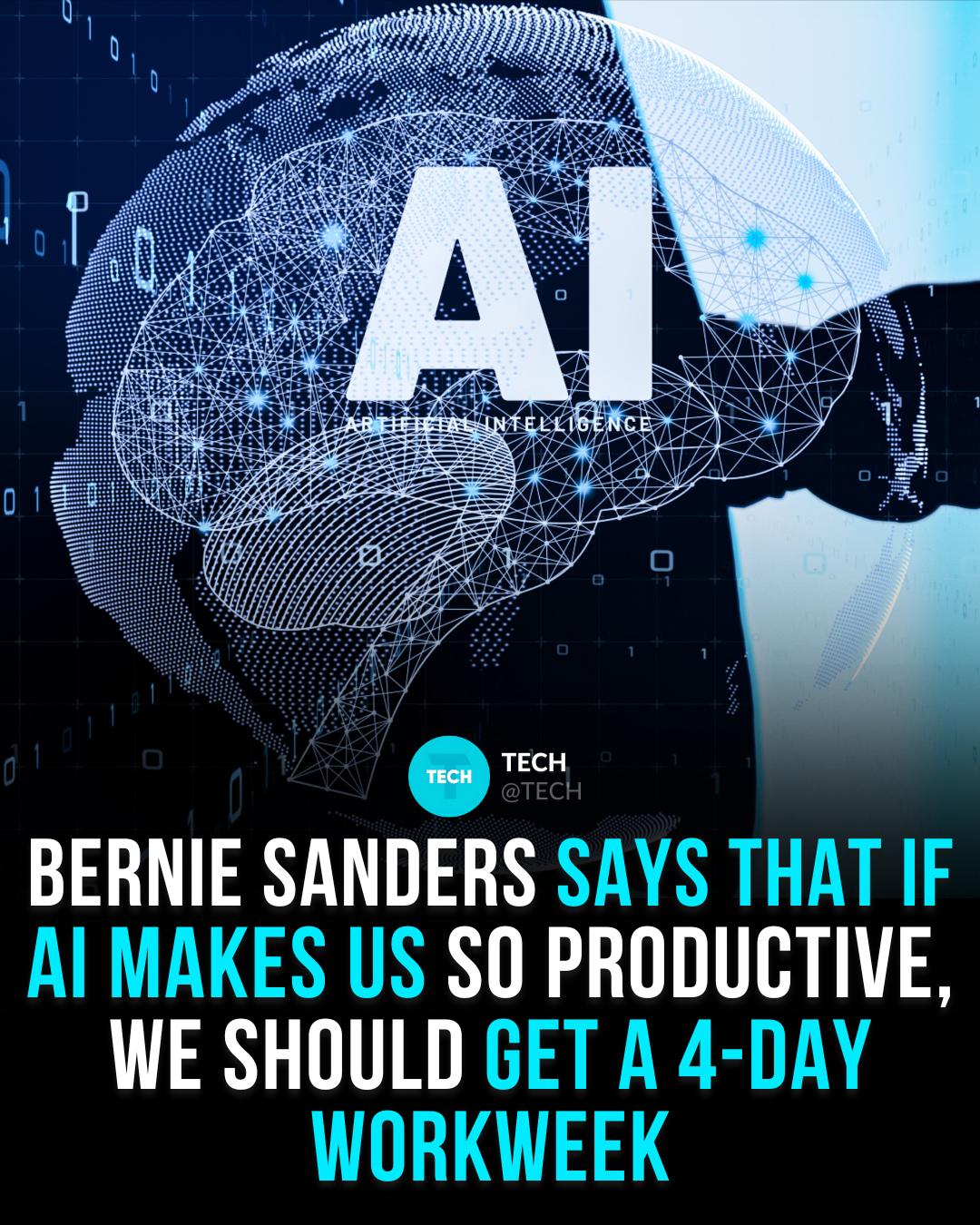
• Bernie Sanders just delivered the most logical argument for a four-day work week that tech CEOs don't want to hear—if AI is truly making workers so much more productive, why aren't they getting more time off instead of just doing more work for the same pay? Speaking on Joe Rogan's podcast, the Vermont senator challenged Silicon Valley's productivity promises by asking the obvious question everyone else seems afraid to voice.⁠

    The 83-year-old senator's proposal is refreshingly straightforward: "You are a worker, your productivity is increasing because we give you AI, right? Instead of throwing you out on the street, I'm gonna reduce your work week to 32 hours." Sanders introduced the "Thirty-Two Hour Workweek Act" last year, which would phase in overtime pay for anything beyond 32 hours over four years, essentially creating a national four-day work week without cutting salaries.⁠

    The data already supports his argument. When 61 UK companies with 2,900 workers piloted a four-day work week in late 2022, revenue actually increased by 1.4% on average while employee satisfaction soared. Microsoft Japan saw a staggering 40% productivity boost during their 2019 four-day trial, and companies like Kickstarter have operated successfully on shortened weeks since 2021.⁠

    Sanders cuts through corporate doublespeak with brutal honesty: "Technology is gonna work to improve us, not just the people who own the technology and the CEOs of large corporations." While tech executives promise AI will revolutionize productivity, they typically mean workers should accomplish more tasks in the same 40 hours rather than completing existing work faster and going home.
    Bernie Sanders just delivered the most logical argument for a four-day work week that tech CEOs don't want to hear—if AI is truly making workers so much more productive, why aren't they getting more time off instead of just doing more work for the same pay? Speaking on Joe Rogan's podcast, the Vermont senator challenged Silicon Valley's productivity promises by asking the obvious question everyone else seems afraid to voice.⁠ ⁠ The 83-year-old senator's proposal is refreshingly straightforward: "You are a worker, your productivity is increasing because we give you AI, right? Instead of throwing you out on the street, I'm gonna reduce your work week to 32 hours." Sanders introduced the "Thirty-Two Hour Workweek Act" last year, which would phase in overtime pay for anything beyond 32 hours over four years, essentially creating a national four-day work week without cutting salaries.⁠ ⁠ The data already supports his argument. When 61 UK companies with 2,900 workers piloted a four-day work week in late 2022, revenue actually increased by 1.4% on average while employee satisfaction soared. Microsoft Japan saw a staggering 40% productivity boost during their 2019 four-day trial, and companies like Kickstarter have operated successfully on shortened weeks since 2021.⁠ ⁠ Sanders cuts through corporate doublespeak with brutal honesty: "Technology is gonna work to improve us, not just the people who own the technology and the CEOs of large corporations." While tech executives promise AI will revolutionize productivity, they typically mean workers should accomplish more tasks in the same 40 hours rather than completing existing work faster and going home.
    ·206 مشاهدة ·0 معاينة
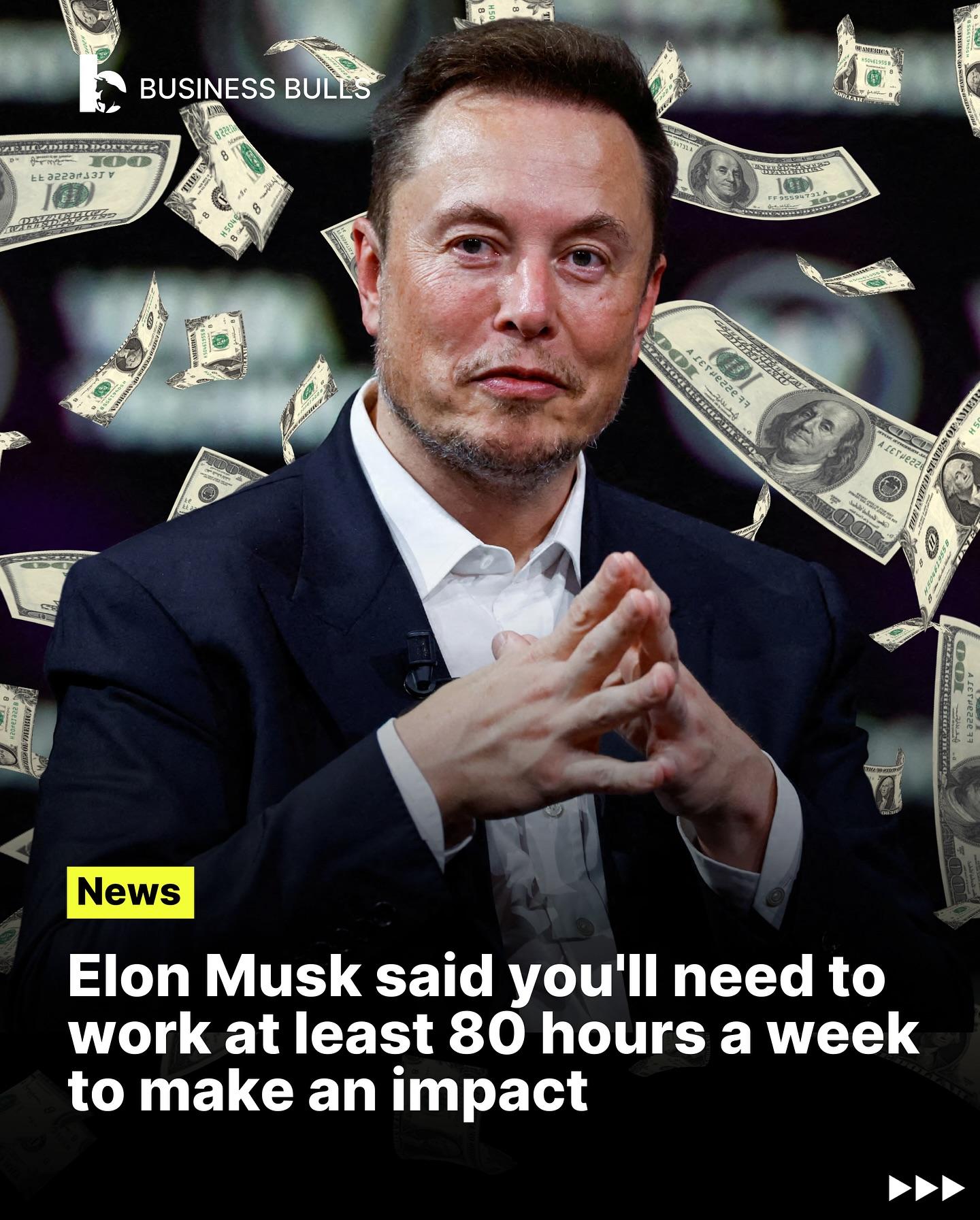
  • Elon Musk insists that transforming the world demands far more than the usual 40-hour workweek. According to him, true impact comes from dedicating at least 80 hours weekly—double the norm.

    “No one ever changed the world on 40 hours a week,” he stated, emphasizing that relentless effort fuels groundbreaking achievements.

    His remark has ignited debate—some applaud the grind, others call it unhealthy. Regardless of the divide, Musk remains relentless in redefining the boundaries of innovation.

    #Businessbulls #Business #ElonMusk
    Elon Musk insists that transforming the world demands far more than the usual 40-hour workweek. According to him, true impact comes from dedicating at least 80 hours weekly—double the norm. “No one ever changed the world on 40 hours a week,” he stated, emphasizing that relentless effort fuels groundbreaking achievements. His remark has ignited debate—some applaud the grind, others call it unhealthy. Regardless of the divide, Musk remains relentless in redefining the boundaries of innovation. #Businessbulls #Business #ElonMusk
    ·159 مشاهدة ·0 معاينة
  • In a bold move to fight falling birth rates, the government is testing a four-day workweek for public employees.

    Parents with young kids can even leave work early—trading time for a slight pay cut.

    The goal? Make family life and careers actually work together.

    #Businessbulls #Japan #PolicyShift #WorkLifeBalance
    In a bold move to fight falling birth rates, the government is testing a four-day workweek for public employees. Parents with young kids can even leave work early—trading time for a slight pay cut. The goal? Make family life and careers actually work together. #Businessbulls #Japan #PolicyShift #WorkLifeBalance
    ·291 مشاهدة ·0 معاينة
  • A Chinese company, Pang Dong Lai, has introduced an innovative "Unhappy Leave" policy, allowing employees to take up to 10 days off annually if they are feeling emotionally unwell. The policy, championed by the company's founder Yu Donglai, ensures that managers cannot deny leave requests, emphasizing work-life balance and mental well-being. In addition to this, the company also offers seven-hour workdays, five-day workweeks, and extended annual leave, contrasting sharply with China's demanding "996" work culture (9 AM to 9 PM, six days a week). This initiative has sparked widespread discussion on social media, with many praising Yu as a progressive leader. As the conversation around workplace mental health grows, could this be a step toward a healthier corporate culture?


    Disclaimer: NO COPYRIGHT INFRINGEMENT INTENDED!
    We do not own the rights to this video and photo used in this reel and post. All credit goes to the original creator. This video is shared for informational purposes only. If you are the owner and wish to discuss this content, please DM or email us.

    FAIR USE: Copyright disclaimer under section 107 of the copyright act 1976. Allowance is made for "fair use" for purposes such as criticism, comment, news reporting, teaching, scholarship infringing." We do not own all the material.
    .
    .
    .
    #news
    #worldnews
    #worldinlast24hr
    #explore
    #explorepage
    #trending
    #UnhappyLeave #WorkLifeBalance #MentalHealthMatters #EmployeeWellbeing #China #ProgressiveWorkplace
    A Chinese company, Pang Dong Lai, has introduced an innovative "Unhappy Leave" policy, allowing employees to take up to 10 days off annually if they are feeling emotionally unwell. The policy, championed by the company's founder Yu Donglai, ensures that managers cannot deny leave requests, emphasizing work-life balance and mental well-being. In addition to this, the company also offers seven-hour workdays, five-day workweeks, and extended annual leave, contrasting sharply with China's demanding "996" work culture (9 AM to 9 PM, six days a week). This initiative has sparked widespread discussion on social media, with many praising Yu as a progressive leader. As the conversation around workplace mental health grows, could this be a step toward a healthier corporate culture? ⚠️⚠️⚠️ Disclaimer: NO COPYRIGHT INFRINGEMENT INTENDED! We do not own the rights to this video and photo used in this reel and post. All credit goes to the original creator. This video is shared for informational purposes only. If you are the owner and wish to discuss this content, please DM or email us. FAIR USE: Copyright disclaimer under section 107 of the copyright act 1976. Allowance is made for "fair use" for purposes such as criticism, comment, news reporting, teaching, scholarship infringing." We do not own all the material. . . . #news #worldnews #worldinlast24hr #explore #explorepage #trending #UnhappyLeave #WorkLifeBalance #MentalHealthMatters #EmployeeWellbeing #China #ProgressiveWorkplace
    ·620 مشاهدة ·0 معاينة
  • Japan is introducing a four-day workweek for Tokyo Metropolitan Government employees starting April 2025, aiming to tackle the country’s declining birth rate and improve work-life balance. Under this new system, employees will work 155 hours per month while enjoying three-day weekends, all without a cut in pay. This move is particularly designed to give people more time for family, rest, and personal activities — especially targeting working parents who struggle to balance childcare with long working hours.

    The initiative is a response to Japan’s rapidly falling birth rate, which currently stands at 1.2 children per woman, with Tokyo’s rate even lower at 0.99. The government sees the intense work culture and lack of support for working families as major contributors to the demographic crisis. By offering more flexible work arrangements, the plan hopes to encourage younger people to start families without having to sacrifice their careers. Governor Yuriko Koike emphasized that individuals should not have to choose between work and family, and this shift could also boost women's participation in the workforce.

    Disclaimer: NO COPYRIGHT INFRINGEMENT INTENDED!
    We do not own the rights to this video and photo used in this reel and post. All credit goes to the original creator. This video is shared for informational purposes only. If you are the owner and wish to discuss this content, please DM or email us.

    FAIR USE: Copyright disclaimer under section 107 of the copyright act 1976. Allowance is made for "fair use" for purposes such as criticism, comment, news reporting, teaching, scholarship infringing." We do not own all the material.
    .
    .
    .
    #news
    #worldnews
    #worldinlast24hr
    #explore
    #explorepage
    #trending
    #JapanNews #FourDayWorkWeek #WorkLifeBalance #DecliningBirthRate #TokyoInitiative #FamilyTime #WorkCultureReform #FutureOfWork
    Japan is introducing a four-day workweek for Tokyo Metropolitan Government employees starting April 2025, aiming to tackle the country’s declining birth rate and improve work-life balance. Under this new system, employees will work 155 hours per month while enjoying three-day weekends, all without a cut in pay. This move is particularly designed to give people more time for family, rest, and personal activities — especially targeting working parents who struggle to balance childcare with long working hours. The initiative is a response to Japan’s rapidly falling birth rate, which currently stands at 1.2 children per woman, with Tokyo’s rate even lower at 0.99. The government sees the intense work culture and lack of support for working families as major contributors to the demographic crisis. By offering more flexible work arrangements, the plan hopes to encourage younger people to start families without having to sacrifice their careers. Governor Yuriko Koike emphasized that individuals should not have to choose between work and family, and this shift could also boost women's participation in the workforce. ⚠️⚠️⚠️ Disclaimer: NO COPYRIGHT INFRINGEMENT INTENDED! We do not own the rights to this video and photo used in this reel and post. All credit goes to the original creator. This video is shared for informational purposes only. If you are the owner and wish to discuss this content, please DM or email us. FAIR USE: Copyright disclaimer under section 107 of the copyright act 1976. Allowance is made for "fair use" for purposes such as criticism, comment, news reporting, teaching, scholarship infringing." We do not own all the material. . . . #news #worldnews #worldinlast24hr #explore #explorepage #trending #JapanNews #FourDayWorkWeek #WorkLifeBalance #DecliningBirthRate #TokyoInitiative #FamilyTime #WorkCultureReform #FutureOfWork
    ·437 مشاهدة ·0 معاينة
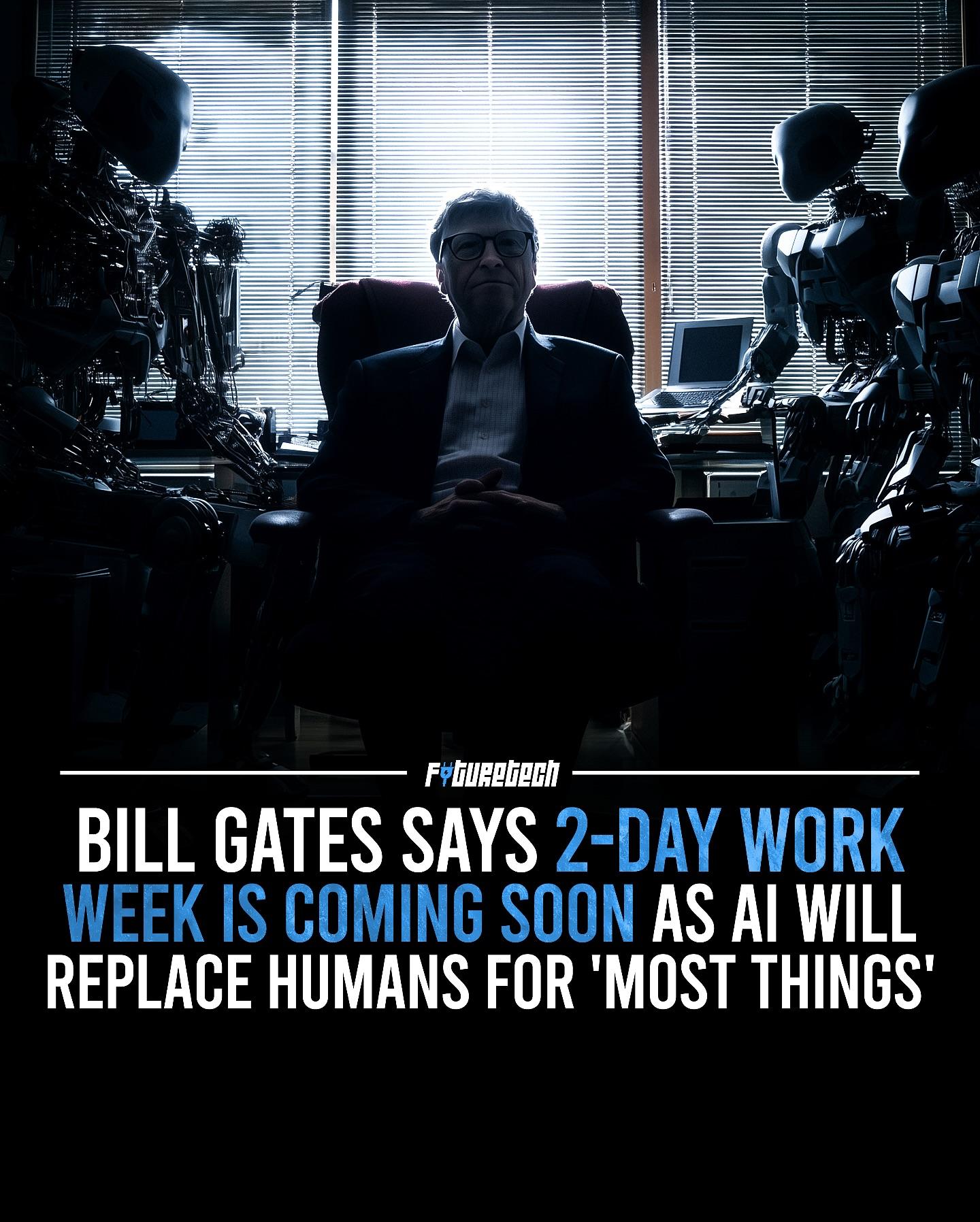
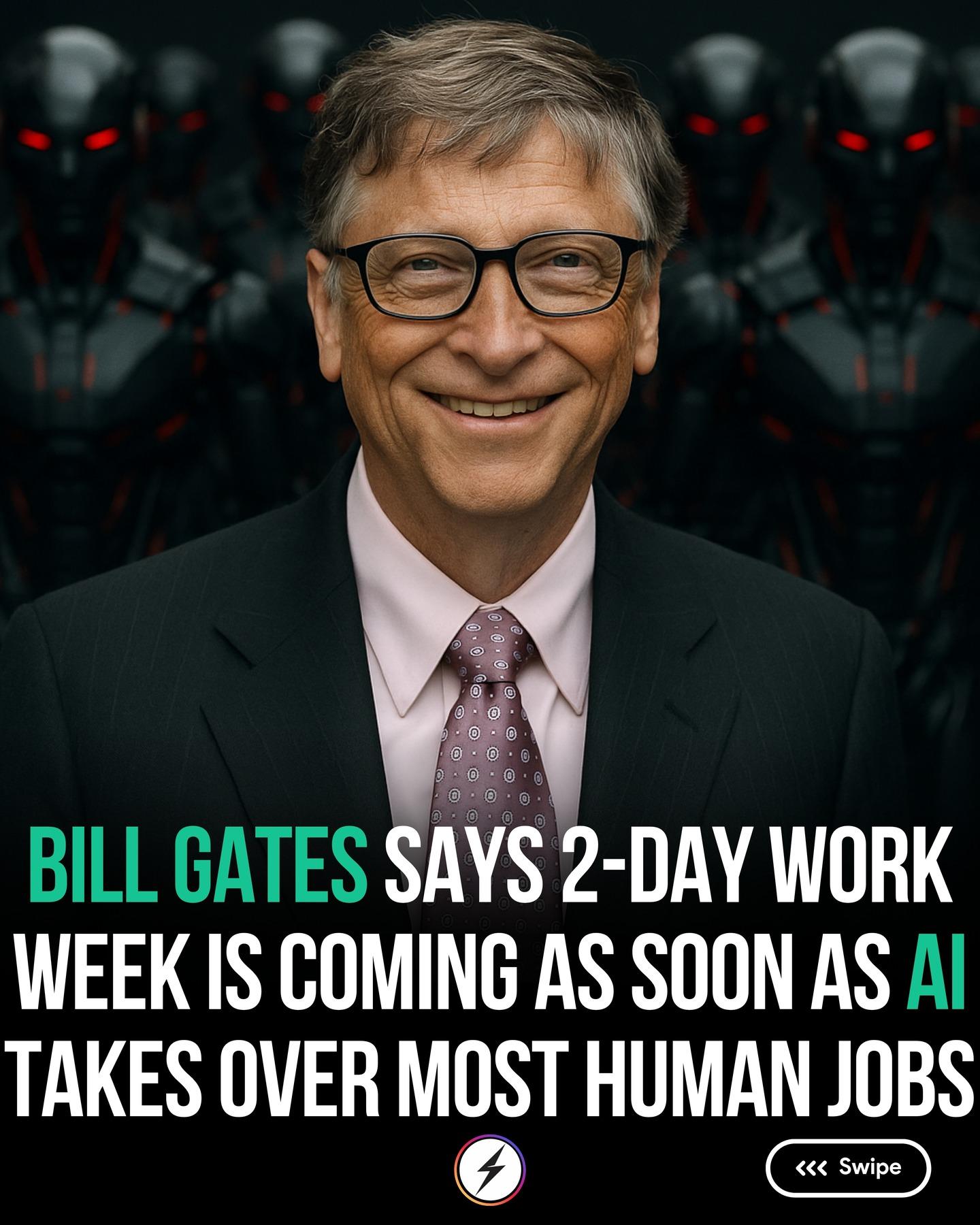
  • The traditional 9-to-5, five-day workweek could soon become a thing of the past, according to Bill Gates.

    In a recent appearance on The Tonight Show, Gates predicted that advancements in artificial intelligence might eventually shorten our workweek to just two days. He explained that AI could outperform humans in many jobs, making high-level intelligence widely accessible. Professions like teaching and medicine, he said, could benefit significantly as AI helps fill existing gaps—potentially reshaping society and how we spend our time.

    Gates went further, suggesting that once AI achieves artificial general intelligence (AGI), only a handful of roles will remain in human hands—mostly those we want to keep, such as creative arts or sports. Routine tasks like farming, manufacturing, and delivery could soon be entirely automated.

    While some view this as a path to improved work-life balance, others see potential dangers. Experts like Geoffrey Hinton warn that without proper safeguards, AI could worsen inequality by displacing jobs faster than society can adapt. With growing concerns about AI ethics and control, many argue that careful oversight will be essential as this technology continues to evolve.
    The traditional 9-to-5, five-day workweek could soon become a thing of the past, according to Bill Gates. In a recent appearance on The Tonight Show, Gates predicted that advancements in artificial intelligence might eventually shorten our workweek to just two days. He explained that AI could outperform humans in many jobs, making high-level intelligence widely accessible. Professions like teaching and medicine, he said, could benefit significantly as AI helps fill existing gaps—potentially reshaping society and how we spend our time. Gates went further, suggesting that once AI achieves artificial general intelligence (AGI), only a handful of roles will remain in human hands—mostly those we want to keep, such as creative arts or sports. Routine tasks like farming, manufacturing, and delivery could soon be entirely automated. While some view this as a path to improved work-life balance, others see potential dangers. Experts like Geoffrey Hinton warn that without proper safeguards, AI could worsen inequality by displacing jobs faster than society can adapt. With growing concerns about AI ethics and control, many argue that careful oversight will be essential as this technology continues to evolve.
    ·265 مشاهدة ·0 معاينة
  • Bill Gates believes that a 2-day workweek could become a reality within the next decade as AI takes over many jobs, particularly in healthcare, education, and manufacturing.

    With machines handling both routine and complex tasks, the demand for full-time human labor may decline, potentially leading to shorter work weeks.

    However, Gates also warns of the social challenges this shift could bring, such as loss of purpose and widespread job displacement.

    He emphasizes the need to plan for how society will support people and redefine the concept of work in an AI-driven future.

    #ai #artificialintelligence #aitools #aihacks #chatgpt #tech #technology
    👉 Bill Gates believes that a 2-day workweek could become a reality within the next decade as AI takes over many jobs, particularly in healthcare, education, and manufacturing. 🤖 With machines handling both routine and complex tasks, the demand for full-time human labor may decline, potentially leading to shorter work weeks. 🔥 However, Gates also warns of the social challenges this shift could bring, such as loss of purpose and widespread job displacement. 🗣️ He emphasizes the need to plan for how society will support people and redefine the concept of work in an AI-driven future. #ai #artificialintelligence #aitools #aihacks #chatgpt #tech #technology
    ·180 مشاهدة ·0 معاينة
  • Bill Gates says artificial intelligence will drastically reduce the need for human labor—so much so that most people could be working just two days a week within the next 10 years.

    Speaking on The Tonight Show with Jimmy Fallon, the Microsoft co-founder said that as AI continues to improve at a rapid pace, many jobs may no longer need human involvement.

    Gates isn’t new to this idea. Back in 2023, he hinted at a three-day work week becoming the norm. But now, he sees that timeline accelerating as AI systems get smarter and more capable.

    Some early signs of this shift are already visible. Trials of a four-day work week have shown a 24% increase in productivity and a major drop in burnout. JPMorgan CEO Jamie Dimon has even floated the idea of a 3.5-day work week, though his company hasn’t implemented it yet.

    Follow us (@artificialintelligenceee) for everything latest from the AI world.

    #ai #billgates #workweek #jobs
    Bill Gates says artificial intelligence will drastically reduce the need for human labor—so much so that most people could be working just two days a week within the next 10 years. Speaking on The Tonight Show with Jimmy Fallon, the Microsoft co-founder said that as AI continues to improve at a rapid pace, many jobs may no longer need human involvement. Gates isn’t new to this idea. Back in 2023, he hinted at a three-day work week becoming the norm. But now, he sees that timeline accelerating as AI systems get smarter and more capable. Some early signs of this shift are already visible. Trials of a four-day work week have shown a 24% increase in productivity and a major drop in burnout. JPMorgan CEO Jamie Dimon has even floated the idea of a 3.5-day work week, though his company hasn’t implemented it yet. Follow us (👉@artificialintelligenceee) for everything latest from the AI world. #ai #billgates #workweek #jobs
    ·383 مشاهدة ·0 معاينة
Techawks - Powered By Pantrade Blockchain https://techawks.com