• Tool Review: Why Indian Engineering Teams Are Moving from Postman to Bruno
    The Tool: Bruno (Created by Anoop M. D.)
    Category: API Development & Testing Client
    Best For: Backend Developers, QA Engineers, and DevOps Teams


    🔍 The Problem with Traditional API Clients
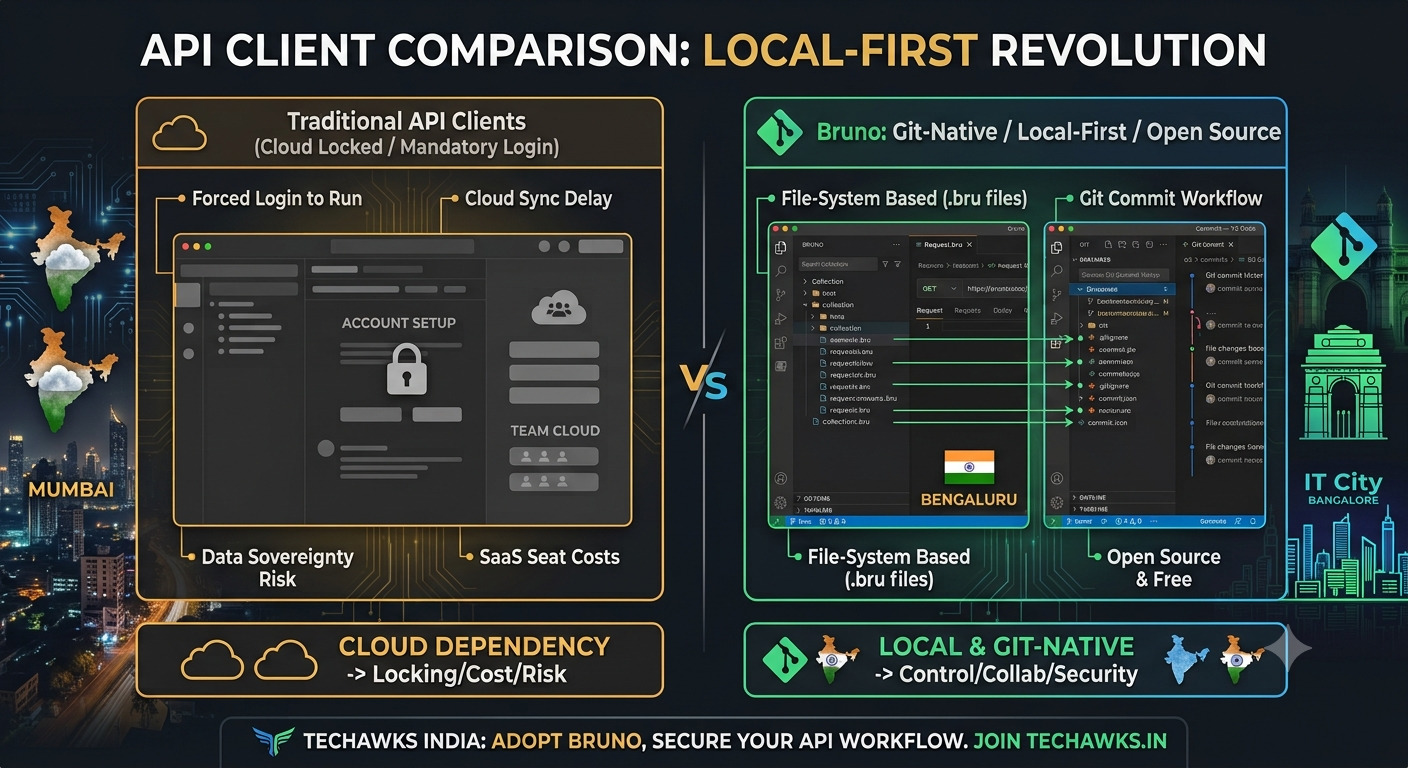
    For years, Postman and Insomnia were default choices. But recent changes introduced cloud lock-in, forced account creation, and strict limits on local collection runs—slowing down fast-moving Indian engineering teams working in high-security or offline environments.


    ⚙️ Key Features That Make Bruno Stand Out
    1. Git-Native & File-System First
    How it works: Bruno saves your API requests as plain text .bru files directly inside your project code folder.
    Why it matters: No more exporting JSON blobs. You can version-control, review, and merge API collections using standard git commit and git pull workflows right alongside your codebase.


    2. 100% Offline & Security-Compliant
    How it works: Requests are executed locally from your device without proxying through third-party servers.
    Why it matters: Meets strict data sovereignty standards for fintech, healthcare, and enterprise apps in India. Your sensitive tokens and payload data never leave your local machine.


    3. Zero Paywalls for Local Workflows
    How it works: Unlimited local collection runs, environment variables, and scripting capabilities.
    Why it matters: Indian startups and developers can collaborate seamlessly using existing Git infrastructure without incurring extra SaaS seat costs.


    🛠️ Quick Setup Guide (Actionable Steps)
    1 Install Bruno:
    # MacOS / Linux (via Homebrew)
    brew install bruno
    # Windows (via Winget)
    winget install Bruno.Bruno


    2. Initialize a Collection: Open Bruno $\to$ Click Create Collection $\to$ Pick your existing project root directory (e.g., ./my-backend-repo/api-specs).
    3. Commit to Git: Add .bru files to your Git repository so your entire team instantly inherits updated API endpoints when pull requests are merged.


    Key Takeaways
    Data Privacy: Local storage ensures API credentials and payloads stay private.
    Git Collaboration: Track API changes using standard pull requests—no vendor lock-in.
    Cost Efficient: Open-source core eliminates per-seat SaaS costs for growing dev teams.


    CTA
    🇮🇳 Building tech for scale in India?
    Stay ahead of the curve with real-world developer tools, localized case studies, and engineering insights.
    👉 Join Techawks India to connect with thousands of local developers and architects building the next generation of software!
    Tool Review: Why Indian Engineering Teams Are Moving from Postman to Bruno The Tool: Bruno (Created by Anoop M. D.) Category: API Development & Testing Client Best For: Backend Developers, QA Engineers, and DevOps Teams 🔍 The Problem with Traditional API Clients For years, Postman and Insomnia were default choices. But recent changes introduced cloud lock-in, forced account creation, and strict limits on local collection runs—slowing down fast-moving Indian engineering teams working in high-security or offline environments. ⚙️ Key Features That Make Bruno Stand Out 1. Git-Native & File-System First How it works: Bruno saves your API requests as plain text .bru files directly inside your project code folder. Why it matters: No more exporting JSON blobs. You can version-control, review, and merge API collections using standard git commit and git pull workflows right alongside your codebase. 2. 100% Offline & Security-Compliant How it works: Requests are executed locally from your device without proxying through third-party servers. Why it matters: Meets strict data sovereignty standards for fintech, healthcare, and enterprise apps in India. Your sensitive tokens and payload data never leave your local machine. 3. Zero Paywalls for Local Workflows How it works: Unlimited local collection runs, environment variables, and scripting capabilities. Why it matters: Indian startups and developers can collaborate seamlessly using existing Git infrastructure without incurring extra SaaS seat costs. 🛠️ Quick Setup Guide (Actionable Steps) 1 Install Bruno: # MacOS / Linux (via Homebrew) brew install bruno # Windows (via Winget) winget install Bruno.Bruno 2. Initialize a Collection: Open Bruno $\to$ Click Create Collection $\to$ Pick your existing project root directory (e.g., ./my-backend-repo/api-specs). 3. Commit to Git: Add .bru files to your Git repository so your entire team instantly inherits updated API endpoints when pull requests are merged. Key Takeaways Data Privacy: Local storage ensures API credentials and payloads stay private. Git Collaboration: Track API changes using standard pull requests—no vendor lock-in. Cost Efficient: Open-source core eliminates per-seat SaaS costs for growing dev teams. CTA 🇮🇳 Building tech for scale in India? Stay ahead of the curve with real-world developer tools, localized case studies, and engineering insights. 👉 Join Techawks India to connect with thousands of local developers and architects building the next generation of software!
    0 Commentaires 0 Parts 835 Vue 0 Aperçu
  • From Code Monkey to Tech Lead: How to Build High-Visibility Engineering Impact in India


    The Industry Dilemma:


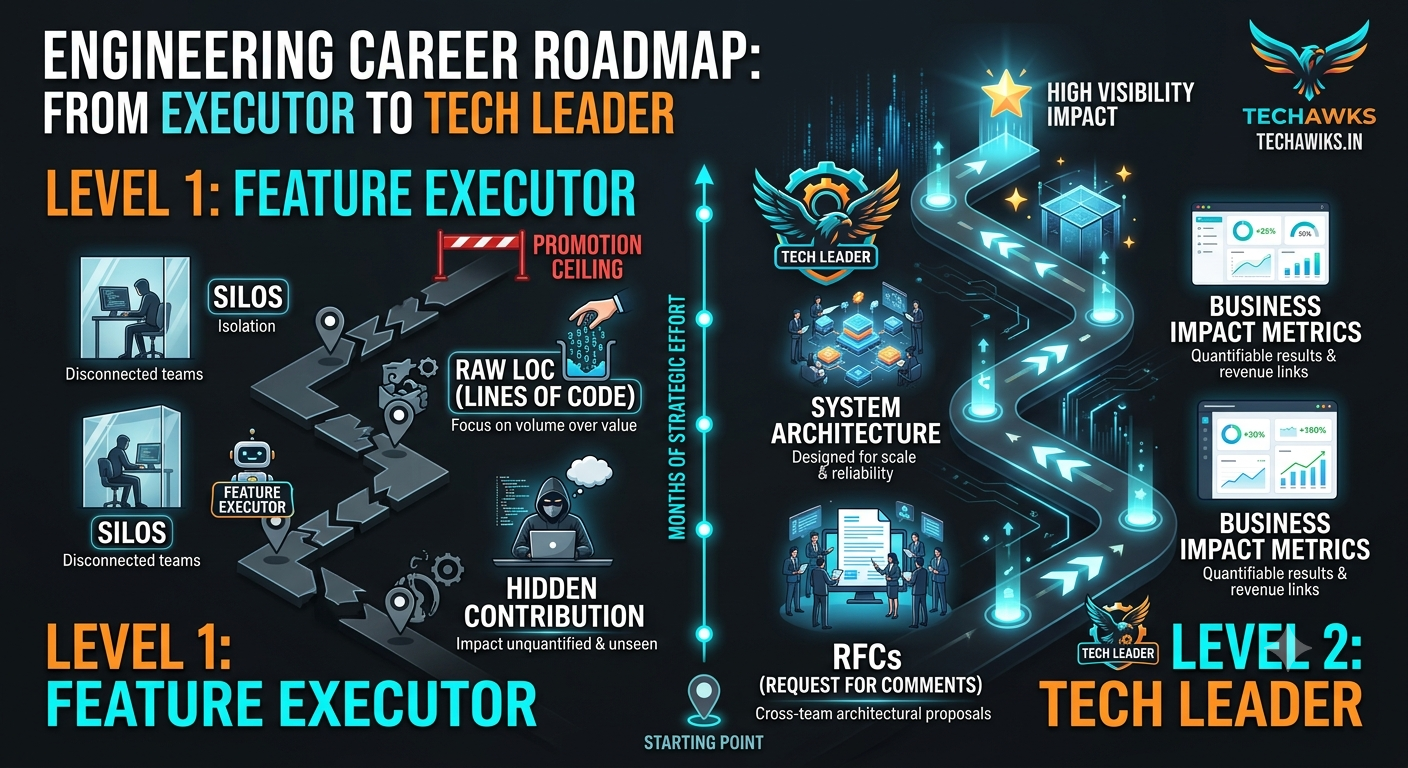
    In India's fast-paced tech ecosystem, standard performance metrics often reward silent execution until promotion cycles hit—where management asks, "What high-impact systems did this engineer own?"
    To transition from a Senior Software Engineer to a Lead or Staff Architect, you must shift your focus from volume of code to business ownership.


    🚀 3 Practical Strategies to Drive High-Visibility Impact
    1. Write RFCs (Request for Comments) Before You Write Code
    The Action: Before kicking off major features, author a clear design document outlining architecture, edge cases, trade-offs, and security impacts.
    Why it Works: RFCs force alignment early, prevent costly refactors, and establish you as a technical authority across cross-functional teams (Product, QA, DevOps).


    2. Become a "Force Multiplier" for Your Team
    The Action: Automate tedious developer workflows (e.g., local mock data generators, CI/CD pipeline checks), write onboarding docs, and actively mentor junior devs.
    Why it Works: Engineering leaders look for people who elevate the entire pod, not just individual contributors who hoard domain knowledge.


    3. Quantify Your Wins in Business Metrics
    The Action: Don't just list "Migrated database endpoints" on your performance review. Frame it as:
    ❌ Bad: "Refactored payment gateway integration."
    ✅ Good: "Reduced API p99 latency from 450ms to 120ms, dropping checkout drop-offs by 4%."
    Why it Works: Engineering managers and directors think in costs, reliability, and revenue—speak their language.


    🛠️ Your 30-Day Action Plan
    Identify a Pain Point: Find one repetitive bottleneck in your squad's weekly sprint (e.g., flaky integration tests).
    Propose a Solution: Write a 1-page proposal detailing the fix and estimated time saved.
    Execute & Share: Build it, roll it out, and present the results in your team's bi-weekly demo.


    Key Takeaways
    Design First: Architectural clarity (RFCs) creates more leadership visibility than raw pull requests.
    Multiply Impact: Elevate team productivity through tooling, documentation, and mentorship.
    Speak Business: Frame technical achievements around latency, cost savings, and reliability.


    CTA
    🇮🇳 Looking to navigate your tech career in top Indian startups and GCCs?
    Get real-world career roadmaps, architecture guides, and peer mentorship from industry leaders.
    👉 Join Techawks India and build a high-impact engineering career today!
    From Code Monkey to Tech Lead: How to Build High-Visibility Engineering Impact in India The Industry Dilemma: In India's fast-paced tech ecosystem, standard performance metrics often reward silent execution until promotion cycles hit—where management asks, "What high-impact systems did this engineer own?" To transition from a Senior Software Engineer to a Lead or Staff Architect, you must shift your focus from volume of code to business ownership. 🚀 3 Practical Strategies to Drive High-Visibility Impact 1. Write RFCs (Request for Comments) Before You Write Code The Action: Before kicking off major features, author a clear design document outlining architecture, edge cases, trade-offs, and security impacts. Why it Works: RFCs force alignment early, prevent costly refactors, and establish you as a technical authority across cross-functional teams (Product, QA, DevOps). 2. Become a "Force Multiplier" for Your Team The Action: Automate tedious developer workflows (e.g., local mock data generators, CI/CD pipeline checks), write onboarding docs, and actively mentor junior devs. Why it Works: Engineering leaders look for people who elevate the entire pod, not just individual contributors who hoard domain knowledge. 3. Quantify Your Wins in Business Metrics The Action: Don't just list "Migrated database endpoints" on your performance review. Frame it as: ❌ Bad: "Refactored payment gateway integration." ✅ Good: "Reduced API p99 latency from 450ms to 120ms, dropping checkout drop-offs by 4%." Why it Works: Engineering managers and directors think in costs, reliability, and revenue—speak their language. 🛠️ Your 30-Day Action Plan Identify a Pain Point: Find one repetitive bottleneck in your squad's weekly sprint (e.g., flaky integration tests). Propose a Solution: Write a 1-page proposal detailing the fix and estimated time saved. Execute & Share: Build it, roll it out, and present the results in your team's bi-weekly demo. Key Takeaways Design First: Architectural clarity (RFCs) creates more leadership visibility than raw pull requests. Multiply Impact: Elevate team productivity through tooling, documentation, and mentorship. Speak Business: Frame technical achievements around latency, cost savings, and reliability. CTA 🇮🇳 Looking to navigate your tech career in top Indian startups and GCCs? Get real-world career roadmaps, architecture guides, and peer mentorship from industry leaders. 👉 Join Techawks India and build a high-impact engineering career today!
    0 Commentaires 0 Parts 774 Vue 0 Aperçu
  • System Design: How Do You Handle Database Writes During Flash Sales in India?


    The Big Question:
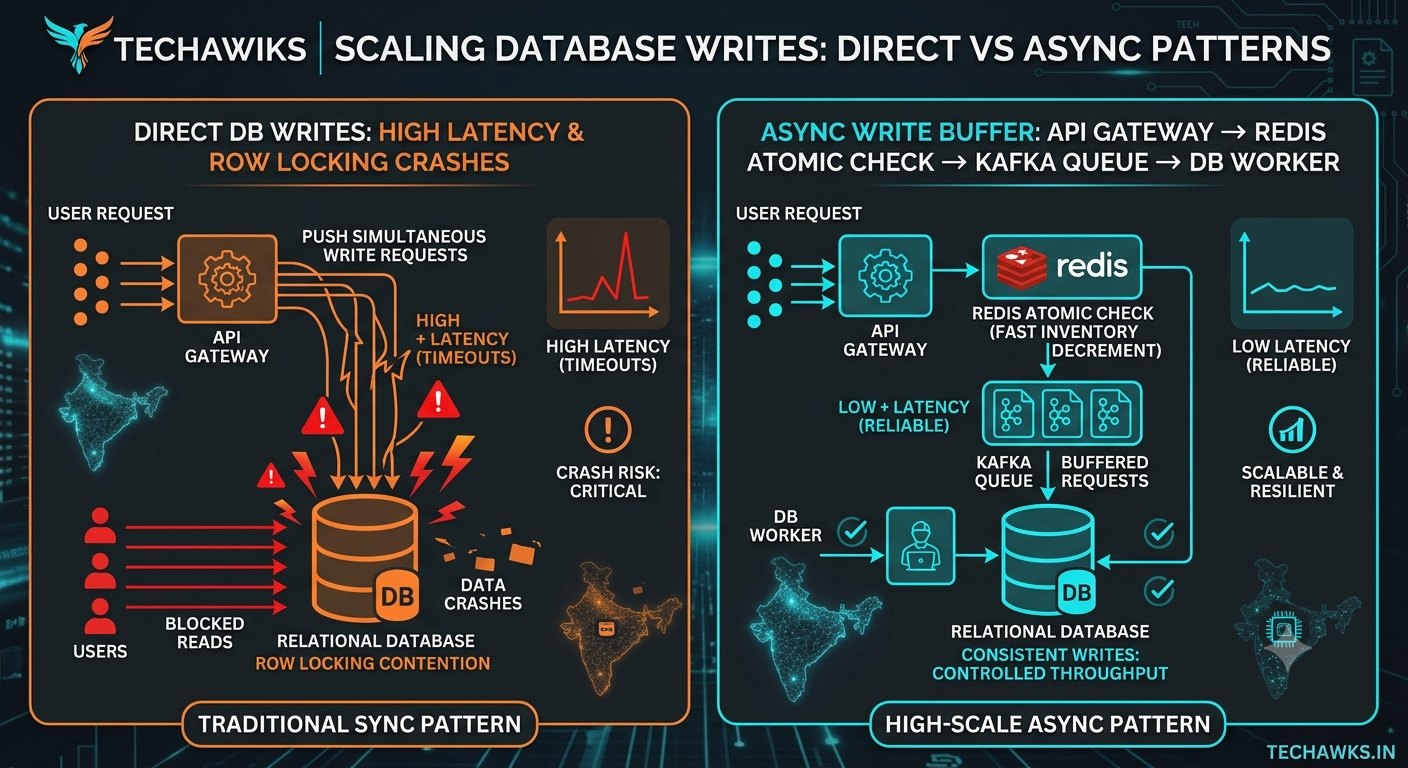
    When designing high-throughput systems for Indian scale—like festival sales or flash ticket drops—direct database writes will instantly bottleneck your connection pool and lock rows.


    🗳️ POLL:
    Which pattern do you use to absorb massive write spikes?
    🔴 A) Message Queue Buffering (Kafka/RabbitMQ $\to$ Async Worker $\to$ DB)
    🔵 B) Redis Atomic In-Memory Locks (INCRBY / Lua Scripts $\to$ Sync later)
    🟡 C) Database Sharding & Row Locking (Pessimistic/Optimistic Locks)
    🟢 D) Rate Limiting at API Gateway (Throttle traffic before it hits backend)


    💡 The Engineering Breakdown
    Why Option A & B are Preferred for Scale:Redis Atomic Operations (Option B):
    How it works: Instead of querying PostgreSQL/MySQL to check stock > 0, maintain the counter in Redis. Use atomic Lua scripts to decrement inventory instantly in RAM (<1\text{ ms})


    Why it wins: Prevents database lock contention while guaranteeing zero double-selling.Message Queue Buffering (Option A):How it works: Accept the order, push the payload into Kafka or RabbitMQ, and return an immediate 202 Accepted response to the user.Why it wins: Decouples API availability from database write throughput. Background workers process database writes at a controlled, steady pace.


    Why Option C Fails Under Heavy Concurrency:
    Row Lock Bottlenecks: Holding a pessimistic lock (SELECT FOR UPDATE) across hundreds of concurrent database connections will quickly exhaust DB pool limits and cause widespread timeout errors (HTTP 504).


    Key Takeaways
    Decouple Writes: Never write directly to relational databases during extreme traffic surges.
    Leverage In-Memory Speed: Use Redis for fast, atomic inventory checks before persisting state.
    Async User Experience: Return fast "order processing" receipts to users and process actual stock allocation asynchronously via queues.


    CTA
    🇮🇳 Designing distributed systems for Indian enterprise scale?
    Get deep-dive architecture breakdowns, practical trade-off analyses, and real-world system design guides.


    👉 Join Techawks India to connect with senior architects and tech leads building resilient software!
    System Design: How Do You Handle Database Writes During Flash Sales in India? The Big Question: When designing high-throughput systems for Indian scale—like festival sales or flash ticket drops—direct database writes will instantly bottleneck your connection pool and lock rows. 🗳️ POLL: Which pattern do you use to absorb massive write spikes? 🔴 A) Message Queue Buffering (Kafka/RabbitMQ $\to$ Async Worker $\to$ DB) 🔵 B) Redis Atomic In-Memory Locks (INCRBY / Lua Scripts $\to$ Sync later) 🟡 C) Database Sharding & Row Locking (Pessimistic/Optimistic Locks) 🟢 D) Rate Limiting at API Gateway (Throttle traffic before it hits backend) 💡 The Engineering Breakdown Why Option A & B are Preferred for Scale:Redis Atomic Operations (Option B): How it works: Instead of querying PostgreSQL/MySQL to check stock > 0, maintain the counter in Redis. Use atomic Lua scripts to decrement inventory instantly in RAM (<1\text{ ms}) Why it wins: Prevents database lock contention while guaranteeing zero double-selling.Message Queue Buffering (Option A):How it works: Accept the order, push the payload into Kafka or RabbitMQ, and return an immediate 202 Accepted response to the user.Why it wins: Decouples API availability from database write throughput. Background workers process database writes at a controlled, steady pace. Why Option C Fails Under Heavy Concurrency: Row Lock Bottlenecks: Holding a pessimistic lock (SELECT FOR UPDATE) across hundreds of concurrent database connections will quickly exhaust DB pool limits and cause widespread timeout errors (HTTP 504). Key Takeaways Decouple Writes: Never write directly to relational databases during extreme traffic surges. Leverage In-Memory Speed: Use Redis for fast, atomic inventory checks before persisting state. Async User Experience: Return fast "order processing" receipts to users and process actual stock allocation asynchronously via queues. CTA 🇮🇳 Designing distributed systems for Indian enterprise scale? Get deep-dive architecture breakdowns, practical trade-off analyses, and real-world system design guides. 👉 Join Techawks India to connect with senior architects and tech leads building resilient software!
    0 Commentaires 0 Parts 706 Vue 0 Aperçu
  • Tool Review: Why US Engineering Teams Are Replacing Webpack with Turbopack in Next.js
    The Tool: Turbopack (Developed by Vercel)
    Category: Rust-Based Web Application Bundler
    Best For: Frontend Engineers, Full-Stack Developers, and Platform Teams


    🔍 The Problem with Legacy Bundlers
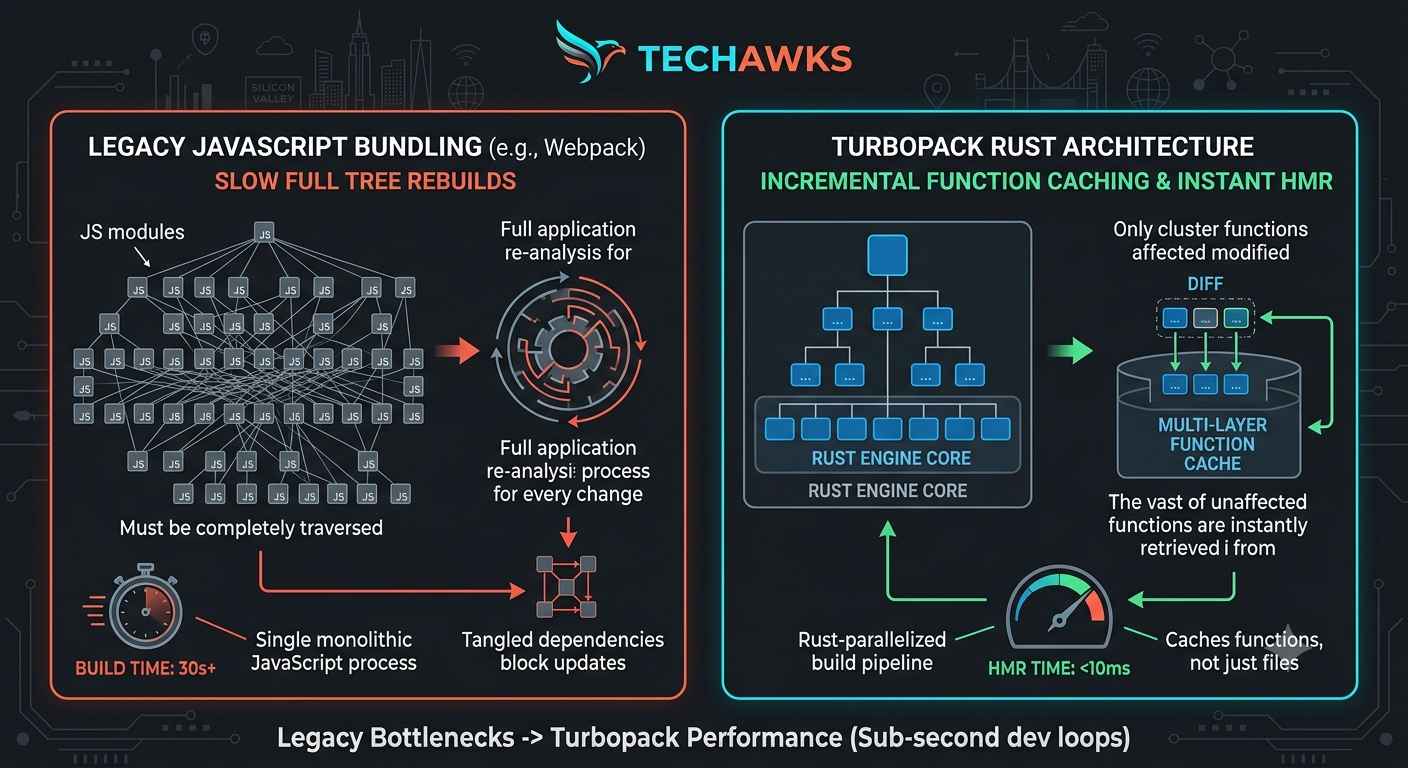
    For over a decade, Webpack has been the workhorse of web development. However, as modern React applications grow into thousands of modules, JavaScript-based compilation hits strict performance limits. Slow local feedback loops waste cumulative engineering hours across enterprise squads.


    ⚙️ Key Features That Make Turbopack a Game Changer


    1. Rust-Engineered Core & Function-Level Caching
    How it works: Turbopack never re-evaluates code it has already compiled. It uses a graph of function calls; when a file changes, it only re-executes the exact functions affected by the diff.
    Why it matters: Instantaneous Hot Module Replacement ($<10\text{ ms}$) regardless of how large your application codebase grows.


    2. Native Next.js Integration
    How it works: Zero-config support for Server Components, CSS Modules, Tailwind CSS, TypeScript, and SWC transpilation out of the box.
    Why it matters: No complex webpack.config.js setups to maintain or debug when upgrading frameworks.


    3. Massive CI/CD & Dev Server Speedups
    How it works: Lazy compilation delays building non-active routes until a browser actually requests them.
    Why it matters: Developers land on local dev servers in milliseconds instead of waiting for the full app tree to bundle.


    🛠️ Quick Setup Guide (Actionable Steps)
    Enable in Next.js Development:
    Update your package.json dev script to pass the --turbo flag:
    {
    "scripts": {
    "dev": "next dev --turbo"
    }
    }
    Verify Support: Run npm run dev and confirm that route compilation occurs on demand as you navigate your application.
    Audit Custom Webpack Plugins: Check your next.config.js to ensure custom Webpack plugins are either replaced by native SWC/Turbopack features or moved to supported loaders.


    Key Takeaways
    Sub-Second HMR: Drastically reduces context switching and wait times for developers.
    Smart Caching: Recomputes only modified dependencies instead of whole subtrees.
    Zero Boilerplate: Built directly into modern Next.js toolchains with simple flag activation.


    CTA
    🇺🇸 Building high-performance web applications at scale in the US?
    Get hands-on tool reviews, modern architecture frameworks, and engineering performance guides.
    👉 Join Techawks USA to stay ahead with real-world developer tooling and enterprise best practices!
    Tool Review: Why US Engineering Teams Are Replacing Webpack with Turbopack in Next.js The Tool: Turbopack (Developed by Vercel) Category: Rust-Based Web Application Bundler Best For: Frontend Engineers, Full-Stack Developers, and Platform Teams 🔍 The Problem with Legacy Bundlers For over a decade, Webpack has been the workhorse of web development. However, as modern React applications grow into thousands of modules, JavaScript-based compilation hits strict performance limits. Slow local feedback loops waste cumulative engineering hours across enterprise squads. ⚙️ Key Features That Make Turbopack a Game Changer 1. Rust-Engineered Core & Function-Level Caching How it works: Turbopack never re-evaluates code it has already compiled. It uses a graph of function calls; when a file changes, it only re-executes the exact functions affected by the diff. Why it matters: Instantaneous Hot Module Replacement ($<10\text{ ms}$) regardless of how large your application codebase grows. 2. Native Next.js Integration How it works: Zero-config support for Server Components, CSS Modules, Tailwind CSS, TypeScript, and SWC transpilation out of the box. Why it matters: No complex webpack.config.js setups to maintain or debug when upgrading frameworks. 3. Massive CI/CD & Dev Server Speedups How it works: Lazy compilation delays building non-active routes until a browser actually requests them. Why it matters: Developers land on local dev servers in milliseconds instead of waiting for the full app tree to bundle. 🛠️ Quick Setup Guide (Actionable Steps) Enable in Next.js Development: Update your package.json dev script to pass the --turbo flag: { "scripts": { "dev": "next dev --turbo" } } Verify Support: Run npm run dev and confirm that route compilation occurs on demand as you navigate your application. Audit Custom Webpack Plugins: Check your next.config.js to ensure custom Webpack plugins are either replaced by native SWC/Turbopack features or moved to supported loaders. Key Takeaways Sub-Second HMR: Drastically reduces context switching and wait times for developers. Smart Caching: Recomputes only modified dependencies instead of whole subtrees. Zero Boilerplate: Built directly into modern Next.js toolchains with simple flag activation. CTA 🇺🇸 Building high-performance web applications at scale in the US? Get hands-on tool reviews, modern architecture frameworks, and engineering performance guides. 👉 Join Techawks USA to stay ahead with real-world developer tooling and enterprise best practices!
    0 Commentaires 0 Parts 1KB Vue 0 Aperçu
  • Staff Engineer Mindset: How to Move from Local Problem-Solver to Organizational Force Multiplier
    The Industry Realignment:
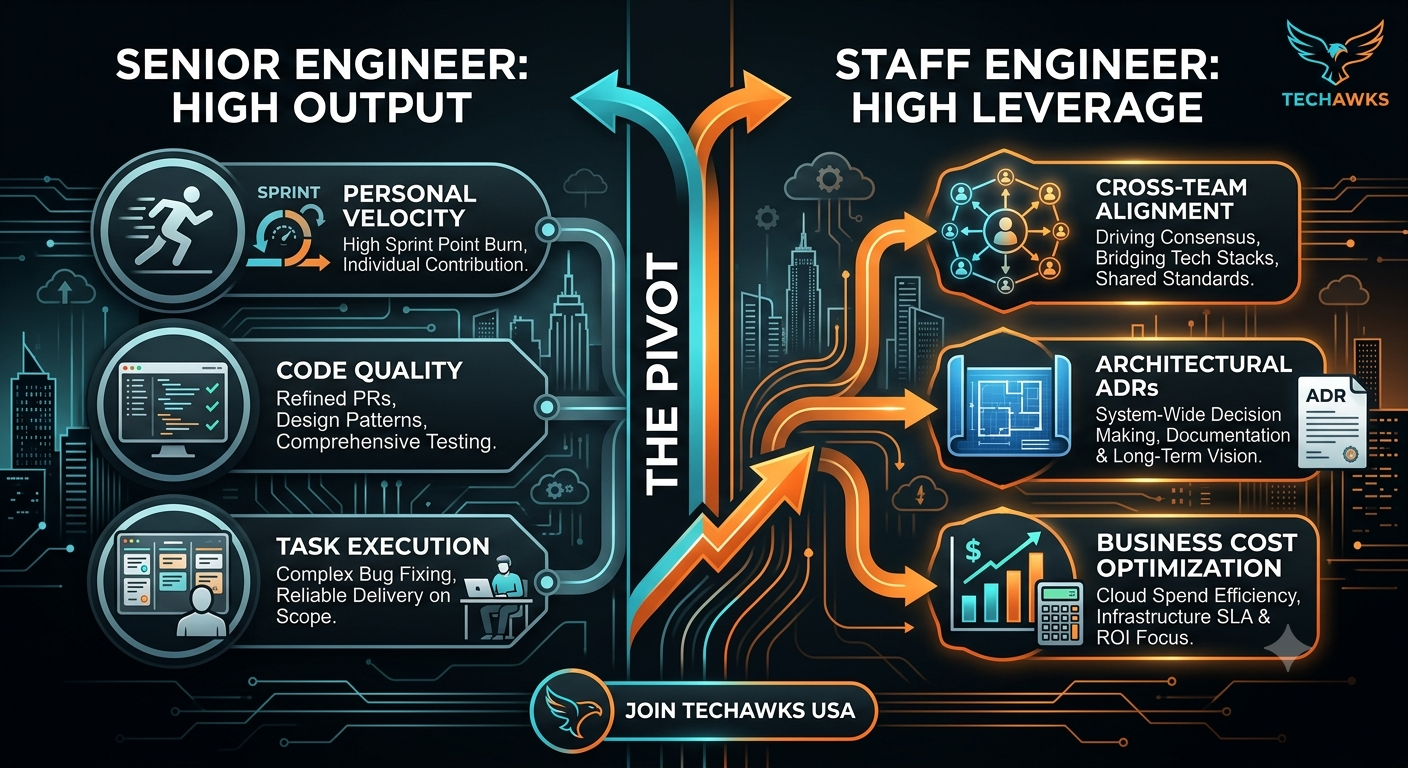
    At top-tier US tech companies and fast-scaling startups, the transition to Staff Engineer isn't awarded for submitting more pull requests or solving complex bugs faster. It is awarded when an engineer systematically reduces complexity across multiple pods and aligns technical choices with company revenues.


    🚀 3 Strategic Mindset Shifts for Aspiring Staff Engineers
    1. Focus on "Technical Leverage" over Personal Velocity
    The Shift: Stop measuring your worth by personal throughput (Jira story points burned). Start measuring it by how much faster you make the entire 20-person engineering organization move.
    Action Item: Identify common friction points across engineering teams—such as fragile local dev setups, high CI build times, or unstandardized microservice templates—and build reusable internal platform tooling to eliminate them.


    2. Master the Art of Architectural Alignment (RFCs & ADRs)
    The Shift: Writing great code is easy; getting 5 conflicting engineering teams to agree on a single system architecture is hard.
    Action Item: Author Architectural Decision Records (ADRs) and Requests for Comments (RFCs) that do not just detail tech stacks, but explicitly address trade-offs, operational overhead, cost implications, and migration paths.


    3. Quantify Systems in Cost, Reliability, and SLA Terms
    The Shift: Directors and VPs don't evaluate projects in terms of "clean code" or "pure functional paradigms." They evaluate them in risk reduction and financial efficiency.
    Action Item: Frame technical initiatives using business metrics:
    ❌ Senior Engineer: "We refactored our caching layer to use Redis Cluster."
    ✅ Staff Engineer: "We reduced p99 latency by 35% during peak US trading hours, saving $120k/year in cloud compute costs while maintaining 99.99% uptime."


    🛠️ Your 30-Day Executive Action Plan
    Audit Cross-Team Friction: Interview leads from adjacent pods to pinpoint their top 3 technical bottlenecks.
    Draft a High-Leverage RFC: Write a 2-page proposal solving one shared systemic issue.
    Sponsor an Initiative: Lead cross-functional architecture reviews and mentor mid-level engineers through execution.


    Key Takeaways
    Leverage > Volume: Shift focus from individual code output to organizational developer productivity.
    Alignment through ADRs: Drive consensus on architectural trade-offs across distributed US engineering teams.
    Business Fluency: Translate complex technical refactors into cloud cost savings, SLA uptime, and risk mitigation.


    CTA
    🇺🇸 Navigating your tech career toward Staff & Principal Engineering in the US market?
    Get enterprise architecture roadmaps, executive career strategies, and peer discussions with tech leads.


    👉 Join Techawks USA to elevate your engineering impact and build scalable systems!
    Staff Engineer Mindset: How to Move from Local Problem-Solver to Organizational Force Multiplier The Industry Realignment: At top-tier US tech companies and fast-scaling startups, the transition to Staff Engineer isn't awarded for submitting more pull requests or solving complex bugs faster. It is awarded when an engineer systematically reduces complexity across multiple pods and aligns technical choices with company revenues. 🚀 3 Strategic Mindset Shifts for Aspiring Staff Engineers 1. Focus on "Technical Leverage" over Personal Velocity The Shift: Stop measuring your worth by personal throughput (Jira story points burned). Start measuring it by how much faster you make the entire 20-person engineering organization move. Action Item: Identify common friction points across engineering teams—such as fragile local dev setups, high CI build times, or unstandardized microservice templates—and build reusable internal platform tooling to eliminate them. 2. Master the Art of Architectural Alignment (RFCs & ADRs) The Shift: Writing great code is easy; getting 5 conflicting engineering teams to agree on a single system architecture is hard. Action Item: Author Architectural Decision Records (ADRs) and Requests for Comments (RFCs) that do not just detail tech stacks, but explicitly address trade-offs, operational overhead, cost implications, and migration paths. 3. Quantify Systems in Cost, Reliability, and SLA Terms The Shift: Directors and VPs don't evaluate projects in terms of "clean code" or "pure functional paradigms." They evaluate them in risk reduction and financial efficiency. Action Item: Frame technical initiatives using business metrics: ❌ Senior Engineer: "We refactored our caching layer to use Redis Cluster." ✅ Staff Engineer: "We reduced p99 latency by 35% during peak US trading hours, saving $120k/year in cloud compute costs while maintaining 99.99% uptime." 🛠️ Your 30-Day Executive Action Plan Audit Cross-Team Friction: Interview leads from adjacent pods to pinpoint their top 3 technical bottlenecks. Draft a High-Leverage RFC: Write a 2-page proposal solving one shared systemic issue. Sponsor an Initiative: Lead cross-functional architecture reviews and mentor mid-level engineers through execution. Key Takeaways Leverage > Volume: Shift focus from individual code output to organizational developer productivity. Alignment through ADRs: Drive consensus on architectural trade-offs across distributed US engineering teams. Business Fluency: Translate complex technical refactors into cloud cost savings, SLA uptime, and risk mitigation. CTA 🇺🇸 Navigating your tech career toward Staff & Principal Engineering in the US market? Get enterprise architecture roadmaps, executive career strategies, and peer discussions with tech leads. 👉 Join Techawks USA to elevate your engineering impact and build scalable systems!
    0 Commentaires 0 Parts 928 Vue 0 Aperçu
  • 0 Commentaires 0 Parts 390 Vue 0 Aperçu
  • System Architecture Poll: How Do You Enforce API Microservice Resilience at Scale?
    The Big Challenge:
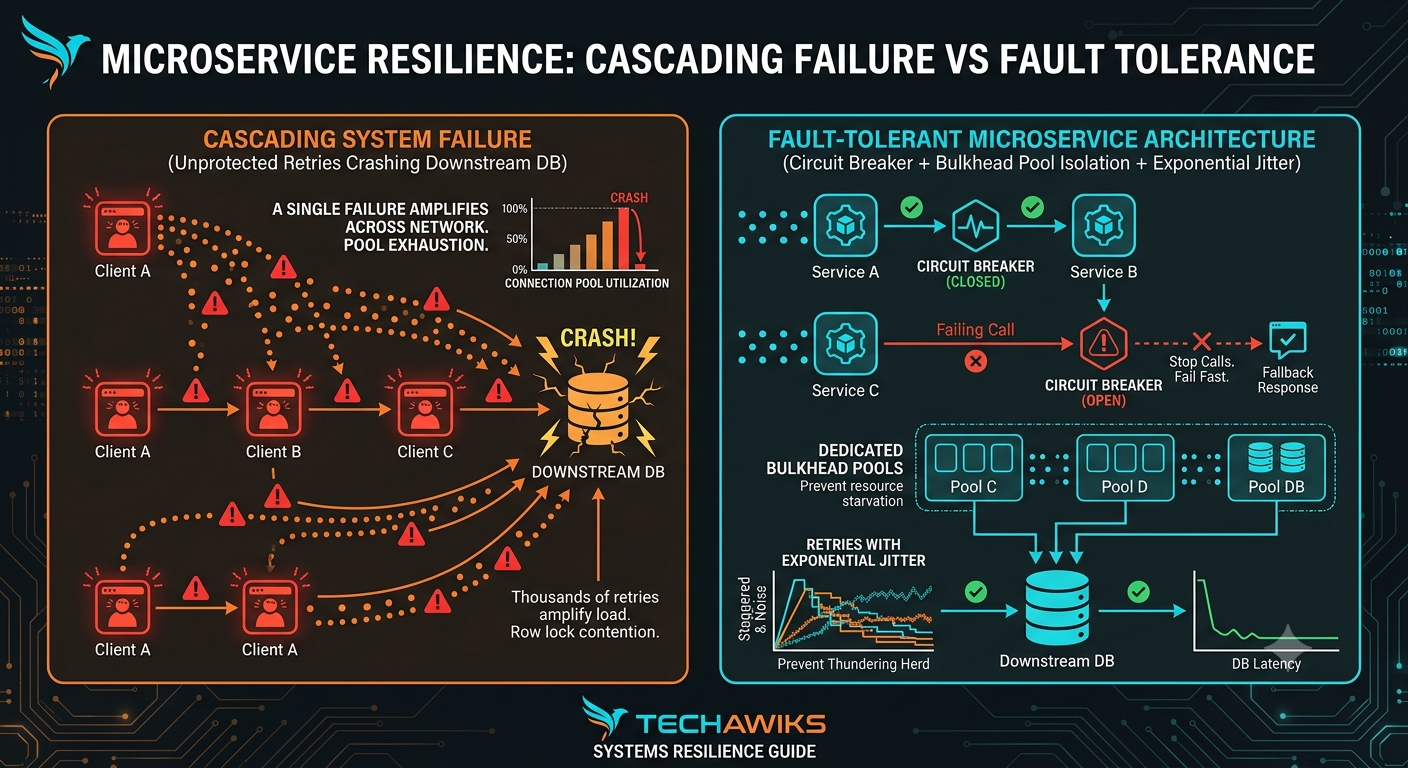
    In distributed cloud architecture, partial network failures are inevitable. When service A calls service B, a delayed response or timeout can quickly back up thread pools, consume CPU/memory resources, and trigger catastrophic failure across your entire system.


    🗳️ POLL:Which design pattern is your primary defense against cascading microservice failures?
    🔴 A) Circuit Breakers (e.g., Resilience4j, Envoy — Stop calls when error thresholds are crossed)
    🔵 B) Exponential Backoff & Jitter (Retry requests with randomized, increasing delays)
    🟡 C) Bulkheads & Isolation (Isolate thread/connection pools per downstream dependency)
    🟢 D) Rate Limiting & Shedding (Throttle or drop excess incoming requests at the edge API gateway)


    💡 The Architectural Breakdown
    1. Circuit Breakers (Option A): Preventing Resource Exhaustion
    How it works: Tracks response failure rates over a sliding window. When failures exceed a threshold, the breaker transitions to an Open State, failing fast immediately without making network calls.
    Why it wins: Prevents failing services from being overwhelmed while freeing up threads and memory on caller pods.


    2. Exponential Backoff with Jitter (Option B): Mitigating Thundering Herds
    How it works: Retries failed requests with exponentially increasing delays (e.g., $100\text{ ms}$, $200\text{ ms}$, $400\text{ ms}$) added with randomized noise (jitter).
    Why it wins: Prevents thousands of retry attempts from hitting a recovering downstream database or service all at the exact same millisecond.


    3. Bulkheads (Option C): Containing Explosive Blast Radii
    How it works: Allocates dedicated thread pools and connection limits for each distinct dependency.
    Why it wins: If payment gateway integration slows down, it only exhausts its allocated pool without starving product catalog or user profile services.


    Key Takeaways
    Fail Fast: Use Circuit Breakers to stop sending requests to degraded downstream dependencies.
    Randomize Retries: Always add jitter to exponential backoff algorithms to prevent retry stampedes.
    Isolate Resources: Implement Bulkhead patterns to limit the blast radius of slow or failing internal APIs.


    CTA
    🇺🇸 Architecting resilient, distributed systems for US enterprise environments?Get hands-on fault-tolerance patterns, cloud infrastructure strategies, and expert engineering insights.👉 Join Techawks USA to connect with principal architects and build reliable cloud systems!
    System Architecture Poll: How Do You Enforce API Microservice Resilience at Scale? The Big Challenge: In distributed cloud architecture, partial network failures are inevitable. When service A calls service B, a delayed response or timeout can quickly back up thread pools, consume CPU/memory resources, and trigger catastrophic failure across your entire system. 🗳️ POLL:Which design pattern is your primary defense against cascading microservice failures? 🔴 A) Circuit Breakers (e.g., Resilience4j, Envoy — Stop calls when error thresholds are crossed) 🔵 B) Exponential Backoff & Jitter (Retry requests with randomized, increasing delays) 🟡 C) Bulkheads & Isolation (Isolate thread/connection pools per downstream dependency) 🟢 D) Rate Limiting & Shedding (Throttle or drop excess incoming requests at the edge API gateway) 💡 The Architectural Breakdown 1. Circuit Breakers (Option A): Preventing Resource Exhaustion How it works: Tracks response failure rates over a sliding window. When failures exceed a threshold, the breaker transitions to an Open State, failing fast immediately without making network calls. Why it wins: Prevents failing services from being overwhelmed while freeing up threads and memory on caller pods. 2. Exponential Backoff with Jitter (Option B): Mitigating Thundering Herds How it works: Retries failed requests with exponentially increasing delays (e.g., $100\text{ ms}$, $200\text{ ms}$, $400\text{ ms}$) added with randomized noise (jitter). Why it wins: Prevents thousands of retry attempts from hitting a recovering downstream database or service all at the exact same millisecond. 3. Bulkheads (Option C): Containing Explosive Blast Radii How it works: Allocates dedicated thread pools and connection limits for each distinct dependency. Why it wins: If payment gateway integration slows down, it only exhausts its allocated pool without starving product catalog or user profile services. Key Takeaways Fail Fast: Use Circuit Breakers to stop sending requests to degraded downstream dependencies. Randomize Retries: Always add jitter to exponential backoff algorithms to prevent retry stampedes. Isolate Resources: Implement Bulkhead patterns to limit the blast radius of slow or failing internal APIs. CTA 🇺🇸 Architecting resilient, distributed systems for US enterprise environments?Get hands-on fault-tolerance patterns, cloud infrastructure strategies, and expert engineering insights.👉 Join Techawks USA to connect with principal architects and build reliable cloud systems!
    0 Commentaires 0 Parts 1KB Vue 0 Aperçu
  • Power Distribution Transformers: The Grid's Workhorses
    The efficient and reliable delivery of electricity across the grid depends on a hierarchy of transformers. At the industrial level, power distribution transformers are the workhorses that ensure voltage is stepped down to safe and usable levels for factories, refineries, and heavy machinery. Analysis presented by Market Research Future shows that these transformers are the most...
    0 Commentaires 0 Parts 544 Vue 0 Aperçu
  • Cable Joints and Terminations: The Critical Connection Points
    In any high voltage cable system, the most vulnerable points are the connections. Cable joints and terminations are the critical accessories that connect cable sections to each other or to equipment like transformers and switchgear. These components must match the electrical and mechanical performance of the cable itself to ensure a reliable, long-lasting, and safe power transmission...
    0 Commentaires 0 Parts 496 Vue 0 Aperçu
  • 5 Essential Tools Every UK Tech Team Needs for Async Work
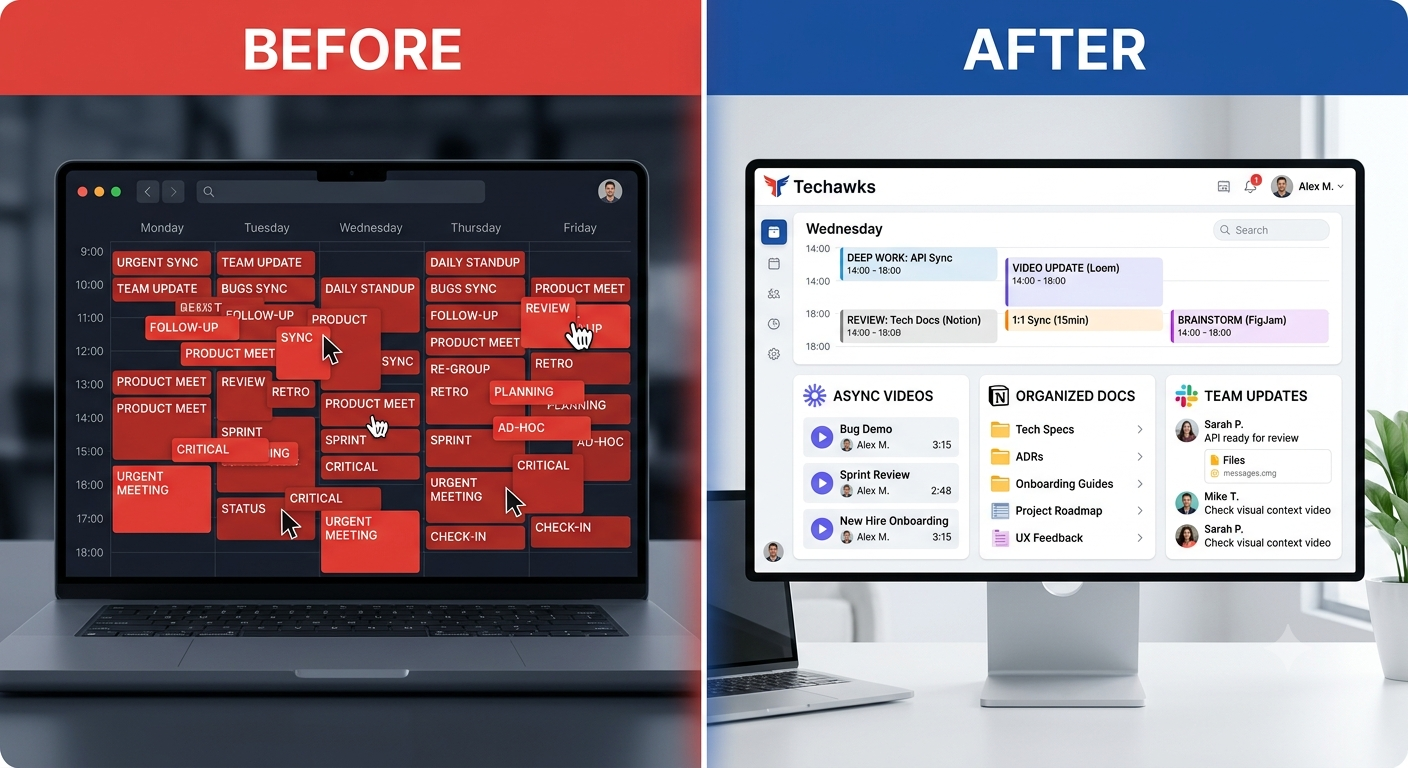
    As engineering and product teams expand across different regions—from London and Manchester to remote hubs across the UK—relying on real-time meetings to make everyday decisions creates unnecessary bottlenecks. Moving toward an asynchronous-first culture keeps projects moving forward without burning out your developers and managers.
    To build a seamless async workflow, your stack needs tools designed to reduce back-and-forth friction while keeping documentation crystal clear. Here are three core tool categories and top-tier recommendations to streamline your local workflow:


    1. Loom: For Visual Context Without the Meeting
    Instead of scheduling a 30-minute call to walk through a bug report or a code review, record a short 2-minute video. Loom lets you share your screen, explain technical nuances clearly, and allow teammates to review and respond in their own time.
    Actionable Advice: Keep your screen recordings under 3 minutes. Outline the problem in the first 30 seconds, show the visual error or update, and end with a clear question for the recipient.


    2. Notion: For Centralized Technical Documentation
    Scattered Slack threads and lost Google Docs ruin productivity. Notion acts as a single source of truth for your team's system architecture, technical specs, and team onboarding guides.
    Actionable Advice: Create standardized templates for project specs and Architecture Decision Records (ADRs). When a decision is made asynchronously, document the "why" in Notion so new engineers aren't left guessing.


    3. FigJam: For Low-Friction Brainstorming & Retrospectives
    Real-time whiteboarding sessions often favor the loudest voice in the room. FigJam allows team members to drop sticky notes, diagrams, and feedback asynchronously prior to sprint planning or retrospectives.
    Actionable Advice: Open your retrospective board 24 hours before your wrap-up. Let team members contribute their feedback silently on their own schedule before holding a brief, targeted discussion.
    Making the shift to async doesn't happen overnight, but auditing your tool stack is the fastest way to give your team back their deep-work hours.


    Key Takeaways
    Protect Focus Time: Replace routine status updates with short Loom videos and documented specs.
    Centralize Knowledge: Standardize documentation in Notion so information is accessible on demand.
    Async-First Collaboration: Give teams a 24-hour window to contribute to visual planning boards before finalizing decisions.


    CTA (Join Techawks UK)
    Looking to level up your tech stack and connect with fellow developers, product leaders, and tech founders across the UK?


    👉 [Join Techawks UK Today] to access exclusive local networking, technical deep-dives, and community-driven insights.
    5 Essential Tools Every UK Tech Team Needs for Async Work As engineering and product teams expand across different regions—from London and Manchester to remote hubs across the UK—relying on real-time meetings to make everyday decisions creates unnecessary bottlenecks. Moving toward an asynchronous-first culture keeps projects moving forward without burning out your developers and managers. To build a seamless async workflow, your stack needs tools designed to reduce back-and-forth friction while keeping documentation crystal clear. Here are three core tool categories and top-tier recommendations to streamline your local workflow: 1. Loom: For Visual Context Without the Meeting Instead of scheduling a 30-minute call to walk through a bug report or a code review, record a short 2-minute video. Loom lets you share your screen, explain technical nuances clearly, and allow teammates to review and respond in their own time. Actionable Advice: Keep your screen recordings under 3 minutes. Outline the problem in the first 30 seconds, show the visual error or update, and end with a clear question for the recipient. 2. Notion: For Centralized Technical Documentation Scattered Slack threads and lost Google Docs ruin productivity. Notion acts as a single source of truth for your team's system architecture, technical specs, and team onboarding guides. Actionable Advice: Create standardized templates for project specs and Architecture Decision Records (ADRs). When a decision is made asynchronously, document the "why" in Notion so new engineers aren't left guessing. 3. FigJam: For Low-Friction Brainstorming & Retrospectives Real-time whiteboarding sessions often favor the loudest voice in the room. FigJam allows team members to drop sticky notes, diagrams, and feedback asynchronously prior to sprint planning or retrospectives. Actionable Advice: Open your retrospective board 24 hours before your wrap-up. Let team members contribute their feedback silently on their own schedule before holding a brief, targeted discussion. Making the shift to async doesn't happen overnight, but auditing your tool stack is the fastest way to give your team back their deep-work hours. Key Takeaways Protect Focus Time: Replace routine status updates with short Loom videos and documented specs. Centralize Knowledge: Standardize documentation in Notion so information is accessible on demand. Async-First Collaboration: Give teams a 24-hour window to contribute to visual planning boards before finalizing decisions. CTA (Join Techawks UK) Looking to level up your tech stack and connect with fellow developers, product leaders, and tech founders across the UK? 👉 [Join Techawks UK Today] to access exclusive local networking, technical deep-dives, and community-driven insights.
    0 Commentaires 0 Parts 774 Vue 0 Aperçu