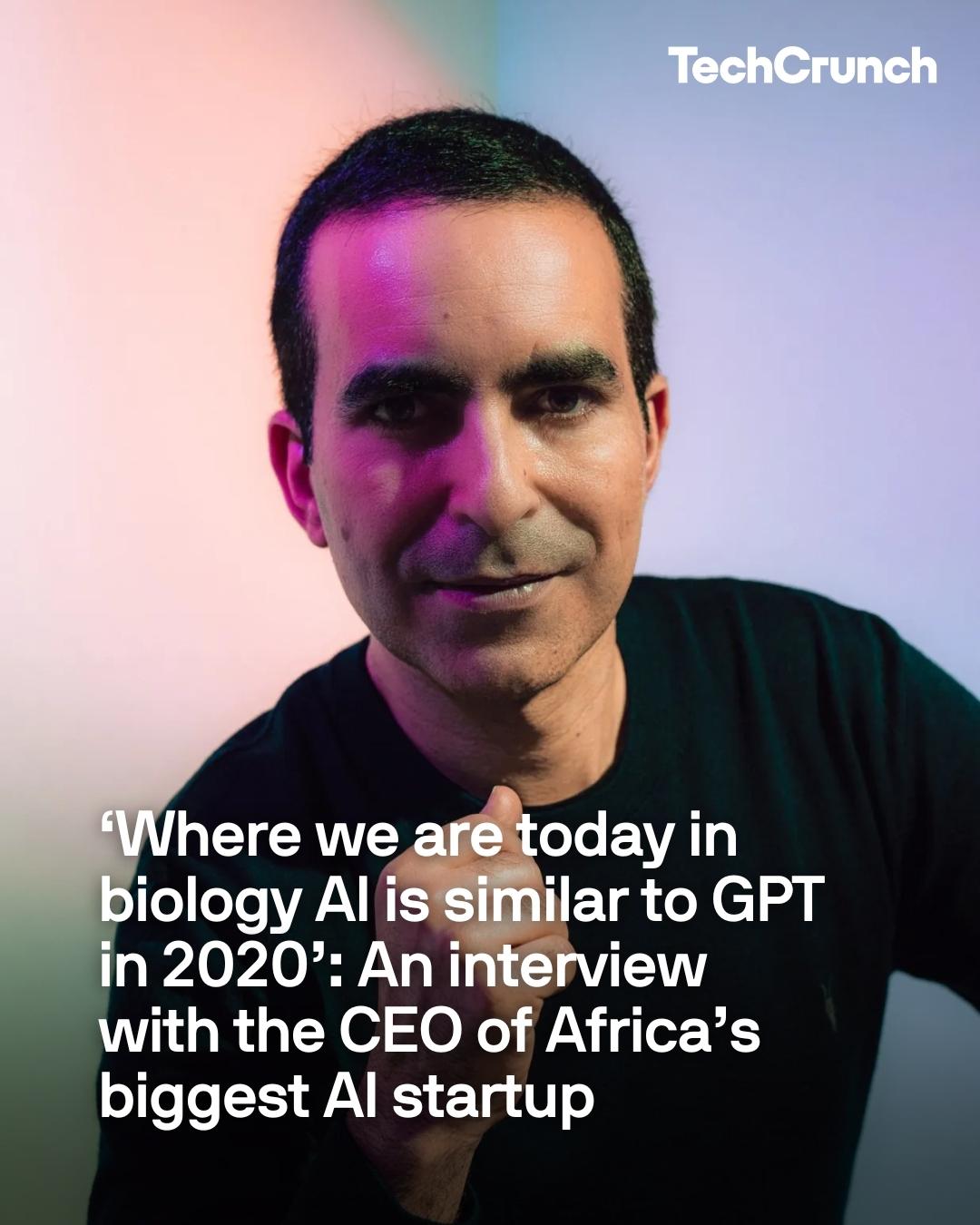
• BioNTech’s $550M acquisition of African AI startup InstaDeep is paying off.

    InstaDeep, known for its cutting-edge AI applications, continues to operate independently while boosting BioNTech’s biotech capabilities. In just over a year, the AI company has accelerated BioNTech’s drug and vaccine development, improving processes like tissue analysis by 5x.

    Their collaboration now includes breakthrough projects like AI-driven protein design and cancer-fighting innovations. Despite the biotech focus, InstaDeep is still making waves outside pharma, solving industrial challenges like railway scheduling and locust outbreak detection in Africa.

    With over 400 employees globally, InstaDeep is thriving under BioNTech’s wing and pushing the frontier of AI innovation across industries.

    Read our interview with InstaDeep's CEO Karim Beguir at the link in the bio

    Article by Tage Kene-Okafor

    Image Credits: InstaDeep; BioNTech

    #TechCrunch #technews #artificialintelligence #startup #founder #venturecapital
    BioNTech’s $550M acquisition of African AI startup InstaDeep is paying off. InstaDeep, known for its cutting-edge AI applications, continues to operate independently while boosting BioNTech’s biotech capabilities. In just over a year, the AI company has accelerated BioNTech’s drug and vaccine development, improving processes like tissue analysis by 5x. Their collaboration now includes breakthrough projects like AI-driven protein design and cancer-fighting innovations. Despite the biotech focus, InstaDeep is still making waves outside pharma, solving industrial challenges like railway scheduling and locust outbreak detection in Africa. With over 400 employees globally, InstaDeep is thriving under BioNTech’s wing and pushing the frontier of AI innovation across industries. Read our interview with InstaDeep's CEO Karim Beguir at the link in the bio 👆 Article by Tage Kene-Okafor Image Credits: InstaDeep; BioNTech #TechCrunch #technews #artificialintelligence #startup #founder #venturecapital
    ·106 Views ·0 Vista previa

  • A blend shaped by heritage. A design inspired by India’s finest artistry.

    Legacy Whisky’s Limited-Edition collection elevates every celebration with refinement and luxury, crafted for those who value meaning as much as savouring moments!

    A gift to honour tradition, or a keepsake for your own moments of indulgence.

    @legacy.whisky

    #Collaboration | #CelebrateWithLegacy |#MadeInIndia | #RaiseAToast | #FestiveWithLegacy |#TheSpiritOfCraftsmanship
    A blend shaped by heritage. A design inspired by India’s finest artistry. Legacy Whisky’s Limited-Edition collection elevates every celebration with refinement and luxury, crafted for those who value meaning as much as savouring moments! A gift to honour tradition, or a keepsake for your own moments of indulgence. @legacy.whisky #Collaboration | #CelebrateWithLegacy |#MadeInIndia | #RaiseAToast | #FestiveWithLegacy |#TheSpiritOfCraftsmanship
    ·89 Views ·0 Vista previa
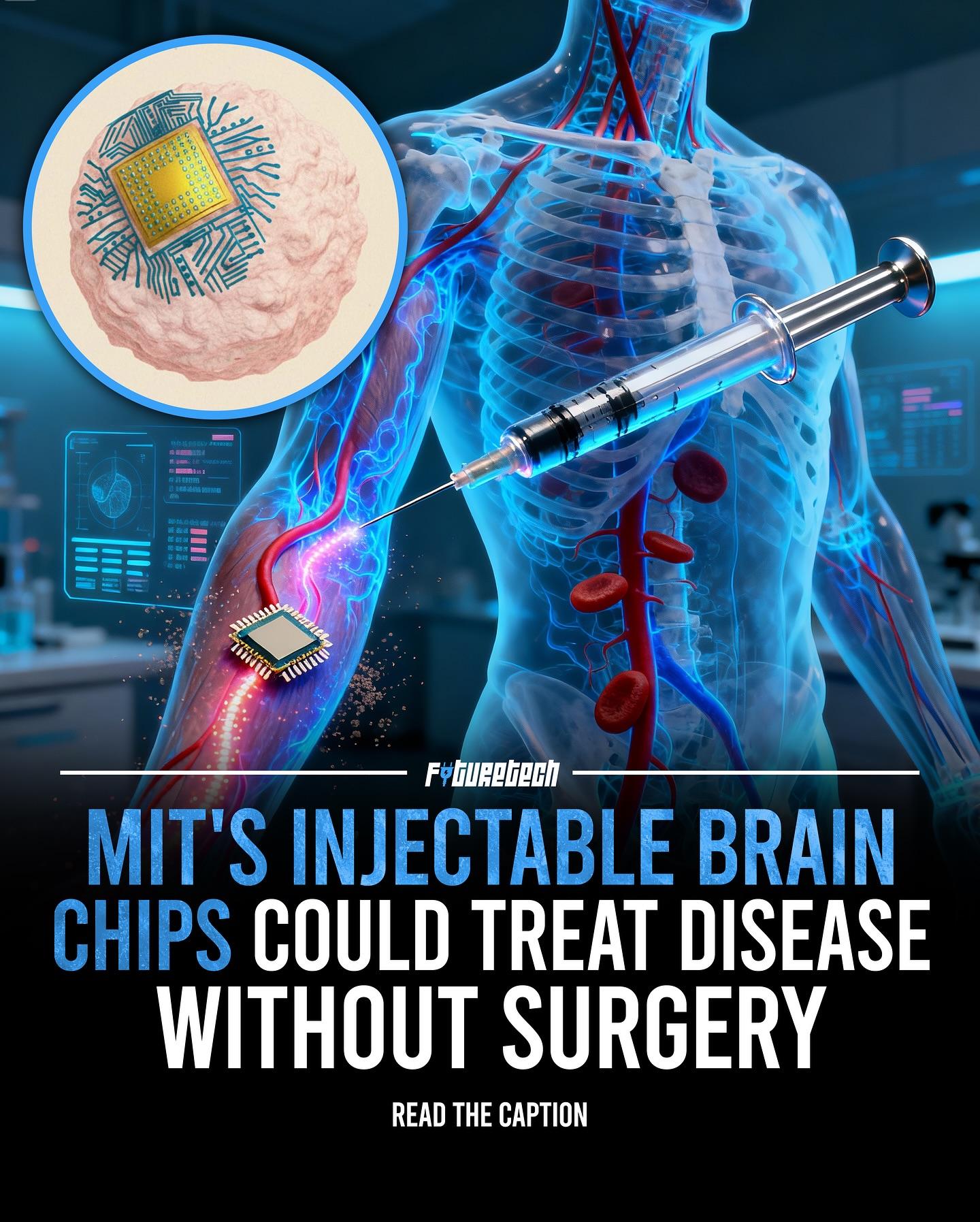
  • MIT researchers have unveiled a groundbreaking technology called Circulatronics, a platform that could treat neurological diseases and mental illnesses without the need for brain surgery.

    The innovation, published in Nature Biotechnology, uses tiny wireless chips called SWEDs that can be injected through a simple jab in the arm, travel through the bloodstream, and self-implant inside the brain.

    The chips, each roughly one-billionth the length of a grain of rice, attach to immune cells that naturally cross the blood–brain barrier and move toward inflamed brain regions. Once in position, they can be activated wirelessly with near-infrared light, delivering precise electrical stimulation to treat conditions like depression, Alzheimer’s, multiple sclerosis, and even brain tumors.

    In mouse tests, the injected hybrids successfully navigated to targeted diseased areas and activated nearby neurons when stimulated from outside the body. The approach could offer a safer, cheaper alternative to invasive electrode-based brain surgeries, which carry risks and remain inaccessible to billions worldwide.

    Led by MIT’s Deblina Sarkar in collaboration with Wellesley College and Harvard University, the team is already exploring next-generation upgrades, such as adding sensing abilities and synthetic electronic neurons. The tech could also be adapted for other organs, potentially enabling wireless pacemakers or injectable implants for chronic pain.

    Through a new MIT spinoff, Cahira Technologies, Circulatronics is aiming for clinical trials within three years, marking a major step toward a future where advanced neurological treatments might be delivered through a simple injection, no surgery required.

    Follow us @FutureTech for more!
    MIT researchers have unveiled a groundbreaking technology called Circulatronics, a platform that could treat neurological diseases and mental illnesses without the need for brain surgery. The innovation, published in Nature Biotechnology, uses tiny wireless chips called SWEDs that can be injected through a simple jab in the arm, travel through the bloodstream, and self-implant inside the brain. The chips, each roughly one-billionth the length of a grain of rice, attach to immune cells that naturally cross the blood–brain barrier and move toward inflamed brain regions. Once in position, they can be activated wirelessly with near-infrared light, delivering precise electrical stimulation to treat conditions like depression, Alzheimer’s, multiple sclerosis, and even brain tumors. In mouse tests, the injected hybrids successfully navigated to targeted diseased areas and activated nearby neurons when stimulated from outside the body. The approach could offer a safer, cheaper alternative to invasive electrode-based brain surgeries, which carry risks and remain inaccessible to billions worldwide. Led by MIT’s Deblina Sarkar in collaboration with Wellesley College and Harvard University, the team is already exploring next-generation upgrades, such as adding sensing abilities and synthetic electronic neurons. The tech could also be adapted for other organs, potentially enabling wireless pacemakers or injectable implants for chronic pain. Through a new MIT spinoff, Cahira Technologies, Circulatronics is aiming for clinical trials within three years, marking a major step toward a future where advanced neurological treatments might be delivered through a simple injection, no surgery required. 👉 Follow us @FutureTech for more! 🔌
    ·65 Views ·0 Vista previa
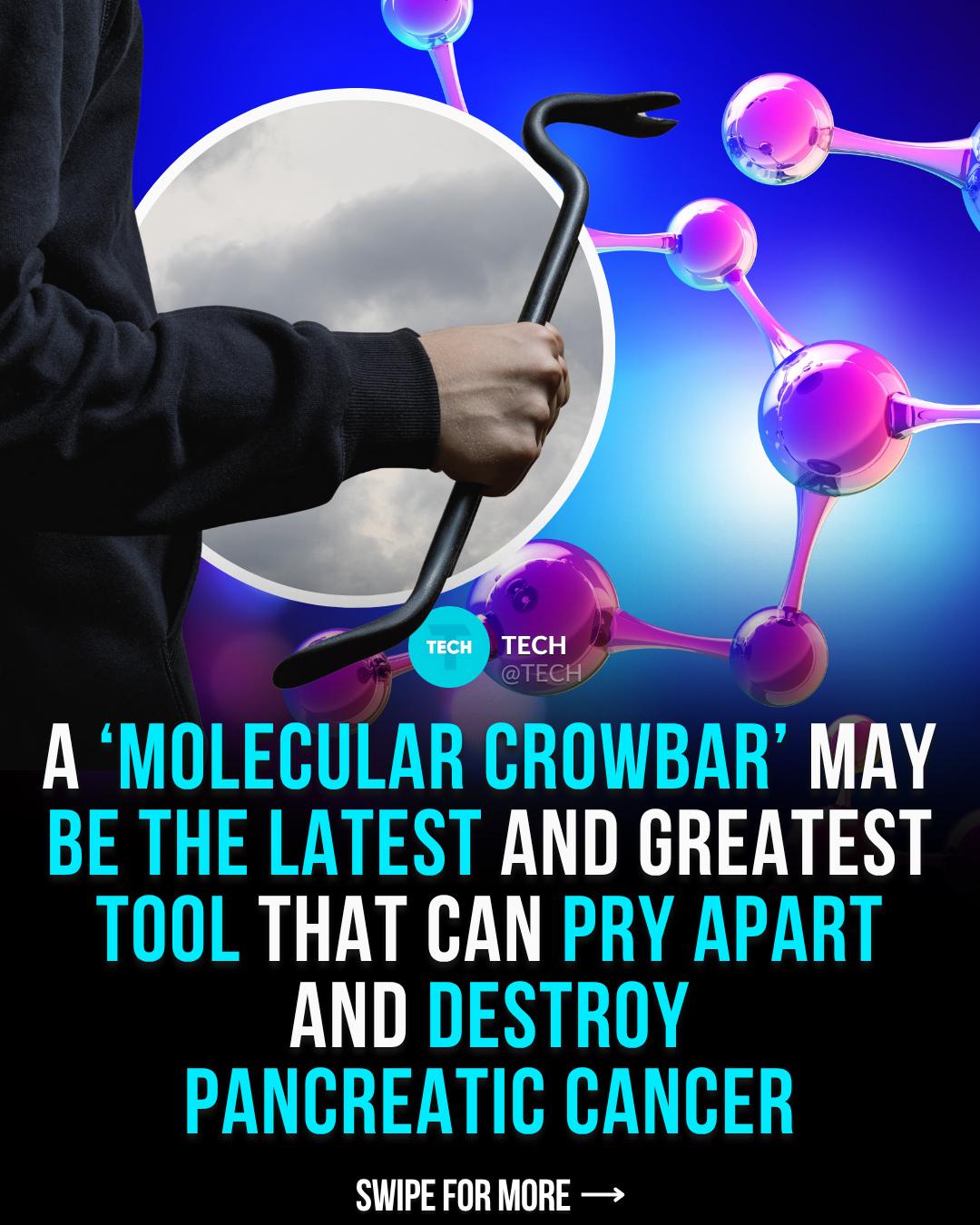
  • Researchers are closing in on one of the most stubborn molecular drivers of pancreatic cancer. Deep inside tumor cells and the fibrous tissues surrounding them, a fast-acting enzyme called Pin1 rewires signaling pathways that help cancers grow, spread, and evade therapy. A new effort by UC Riverside and City of Hope is using a precision-engineered “molecular crowbar” to pry this enzyme apart and trigger its destruction.⁠

    The strategy hinges on custom-designed compounds that bind tightly to Pin1, push it into an unstable shape, and mark it for removal by the cell’s own disposal machinery. Instead of simply blocking the enzyme’s activity, these degraders erase the protein entirely, offering a fundamentally different way to dismantle cancer’s internal wiring.⁠

    To move the approach forward, the teams strengthened the compounds’ stability in blood plasma, then mapped how they affect cancer cells and the surrounding fibroblasts drawn from patient biopsies. That dual targeting is critical, because the tumor microenvironment in pancreatic cancer forms a dense, treatment-resistant barrier that protects malignant cells from chemotherapy and immunotherapy.⁠

    In mouse models of peritoneal metastases—one of the deadliest complications of pancreatic, gastrointestinal, and abdominal cancers—the degraders sharply reduced tumor burden. The results offer rare proof-of-concept progress against a disease where survival is often measured in months.⁠

    Backed by a National Cancer Institute cooperative grant, the collaboration is now advancing these degraders toward clinical readiness. Because Pin1 is active across many tumor types, this approach could open a broader therapeutic class built around selective protein dismantling.⁠

    #tech #biotech #cancerresearch #pancreaticcancer #drugdiscovery #proteindegradation #molecularbiology #innovation #futuremedicine
    Researchers are closing in on one of the most stubborn molecular drivers of pancreatic cancer. Deep inside tumor cells and the fibrous tissues surrounding them, a fast-acting enzyme called Pin1 rewires signaling pathways that help cancers grow, spread, and evade therapy. A new effort by UC Riverside and City of Hope is using a precision-engineered “molecular crowbar” to pry this enzyme apart and trigger its destruction.⁠ ⁠ The strategy hinges on custom-designed compounds that bind tightly to Pin1, push it into an unstable shape, and mark it for removal by the cell’s own disposal machinery. Instead of simply blocking the enzyme’s activity, these degraders erase the protein entirely, offering a fundamentally different way to dismantle cancer’s internal wiring.⁠ ⁠ To move the approach forward, the teams strengthened the compounds’ stability in blood plasma, then mapped how they affect cancer cells and the surrounding fibroblasts drawn from patient biopsies. That dual targeting is critical, because the tumor microenvironment in pancreatic cancer forms a dense, treatment-resistant barrier that protects malignant cells from chemotherapy and immunotherapy.⁠ ⁠ In mouse models of peritoneal metastases—one of the deadliest complications of pancreatic, gastrointestinal, and abdominal cancers—the degraders sharply reduced tumor burden. The results offer rare proof-of-concept progress against a disease where survival is often measured in months.⁠ ⁠ Backed by a National Cancer Institute cooperative grant, the collaboration is now advancing these degraders toward clinical readiness. Because Pin1 is active across many tumor types, this approach could open a broader therapeutic class built around selective protein dismantling.⁠ ⁠ #tech #biotech #cancerresearch #pancreaticcancer #drugdiscovery #proteindegradation #molecularbiology #innovation #futuremedicine
    ·282 Views ·0 Vista previa
  • Binance has been named the Best Digital Asset Exchange of 2025 at the Regulation Asia Awards for Excellence.

    This recognition celebrates Binance’s strong commitment to transparency, security, and responsible innovation.

    It highlights the company’s leadership in building a trusted and compliant crypto ecosystem while driving global adoption through collaboration with regulators and partners worldwide.

    This achievement proves that Binance continues to set the benchmark for trust, innovation, and growth in the digital finance world.
    Binance has been named the Best Digital Asset Exchange of 2025 at the Regulation Asia Awards for Excellence. This recognition celebrates Binance’s strong commitment to transparency, security, and responsible innovation. It highlights the company’s leadership in building a trusted and compliant crypto ecosystem while driving global adoption through collaboration with regulators and partners worldwide. This achievement proves that Binance continues to set the benchmark for trust, innovation, and growth in the digital finance world.
    ·213 Views ·0 Vista previa
  • This festive season, American Tourister gave a tour of their home in India!

    A festive campaign that swapped airports for artisans and turned a factory story into pure festive emotion.

    Would you call this the most wholesome brand flex ever?

    #Collaboration #AmericanTourister #MadeInNashik
    This festive season, American Tourister gave a tour of their home in India! A festive campaign that swapped airports for artisans and turned a factory story into pure festive emotion. Would you call this the most wholesome brand flex ever? 🎒✨ #Collaboration #AmericanTourister #MadeInNashik
    ·114 Views ·0 Vista previa
  • McDonald’s just removed its iconic red color from Happy Meal boxes for children’s well-being.

    In partnership with @bbcnewsuk Children in Need, @McDonaldsUM launched 4 million “Draw How You Feel” Happy Meal boxes to help children open up about their emotions through art.

    The idea was rooted in research supported by BBC Children in Need, which revealed that kids feel more comfortable expressing feelings when drawing, and parents find it easier to start those tough emotional conversations through creative play.

    A powerful example of how a brand collaboration can go beyond awareness, and create real impact for families.

    Brand: @mcdonaldsuk
    Agency: @ready10agency @tms_worldwide
    McDonald’s just removed its iconic red color from Happy Meal boxes for children’s well-being. In partnership with @bbcnewsuk Children in Need, @McDonaldsUM launched 4 million “Draw How You Feel” Happy Meal boxes to help children open up about their emotions through art. The idea was rooted in research supported by BBC Children in Need, which revealed that kids feel more comfortable expressing feelings when drawing, and parents find it easier to start those tough emotional conversations through creative play. A powerful example of how a brand collaboration can go beyond awareness, and create real impact for families. Brand: @mcdonaldsuk Agency: @ready10agency @tms_worldwide
    ·127 Views ·0 Vista previa
  • A #collaboration born from artistry and emotion.

    Snitch and Bismil come together to craft a collection that bridges sound and style, transforming the poetry of Indian music into tactile, wearable design.

    Each piece draws inspiration from Bismil’s soulful melodies and Snitch’s contemporary craftsmanship, creating silhouettes that carry rhythm, texture, and timelessness.

    This limited-edition drop is more than fashion; it’s a tribute to the roots of Indian art, reimagined for the modern hustler.

    @snitch.co.in
    A #collaboration born from artistry and emotion. Snitch and Bismil come together to craft a collection that bridges sound and style, transforming the poetry of Indian music into tactile, wearable design. Each piece draws inspiration from Bismil’s soulful melodies and Snitch’s contemporary craftsmanship, creating silhouettes that carry rhythm, texture, and timelessness. This limited-edition drop is more than fashion; it’s a tribute to the roots of Indian art, reimagined for the modern hustler. @snitch.co.in
    ·119 Views ·0 Vista previa
  • Apple has unveiled a sleek new accessory called the iPhone Pocket, a designer strap crafted in collaboration with Issey Miyake—the studio behind Steve Jobs’ iconic turtleneck.

    Made from a single 3D-knitted fabric, it functions as a wearable pocket for your iPhone and essentials.

    Available in short and long strap versions priced at $149.95 and $229.95, the limited-edition accessory launches this Friday in select regions including the US, UK, Japan, and China.

    #MarketingMentor #Apple
    Apple has unveiled a sleek new accessory called the iPhone Pocket, a designer strap crafted in collaboration with Issey Miyake—the studio behind Steve Jobs’ iconic turtleneck. Made from a single 3D-knitted fabric, it functions as a wearable pocket for your iPhone and essentials. Available in short and long strap versions priced at $149.95 and $229.95, the limited-edition accessory launches this Friday in select regions including the US, UK, Japan, and China. #MarketingMentor #Apple
    ·152 Views ·0 Vista previa
  • At the WSJ Tech Live conference, OpenAI CFO Sarah Friar said the company has no plans for an IPO, choosing to focus instead on building long-term AI infrastructure and research capacity.

    She explained that scaling advanced AI systems requires entirely new financial models, involving collaboration between private equity firms, major banks, and government-linked institutions to fund the enormous cost of chips and data centers.

    Friar clarified that OpenAI is not seeking any direct government guarantees, but believes public-private partnerships will be essential for maintaining America’s competitiveness in AI development.

    She added that while OpenAI is not yet profitable, it expects strong future growth driven by its expanding enterprise partnerships and large-scale infrastructure investments.

    Source: WSJ
    At the WSJ Tech Live conference, OpenAI CFO Sarah Friar said the company has no plans for an IPO, choosing to focus instead on building long-term AI infrastructure and research capacity. She explained that scaling advanced AI systems requires entirely new financial models, involving collaboration between private equity firms, major banks, and government-linked institutions to fund the enormous cost of chips and data centers. Friar clarified that OpenAI is not seeking any direct government guarantees, but believes public-private partnerships will be essential for maintaining America’s competitiveness in AI development. She added that while OpenAI is not yet profitable, it expects strong future growth driven by its expanding enterprise partnerships and large-scale infrastructure investments. Source: WSJ
    ·56 Views ·0 Vista previa
Resultados de la búsqueda
Techawks - Powered By Pantrade Blockchain https://techawks.com