• The Illusion of the Offshore Sandbox: Why Canadian Tech Scaling Demands Domestic Compute and Data Sovereignty
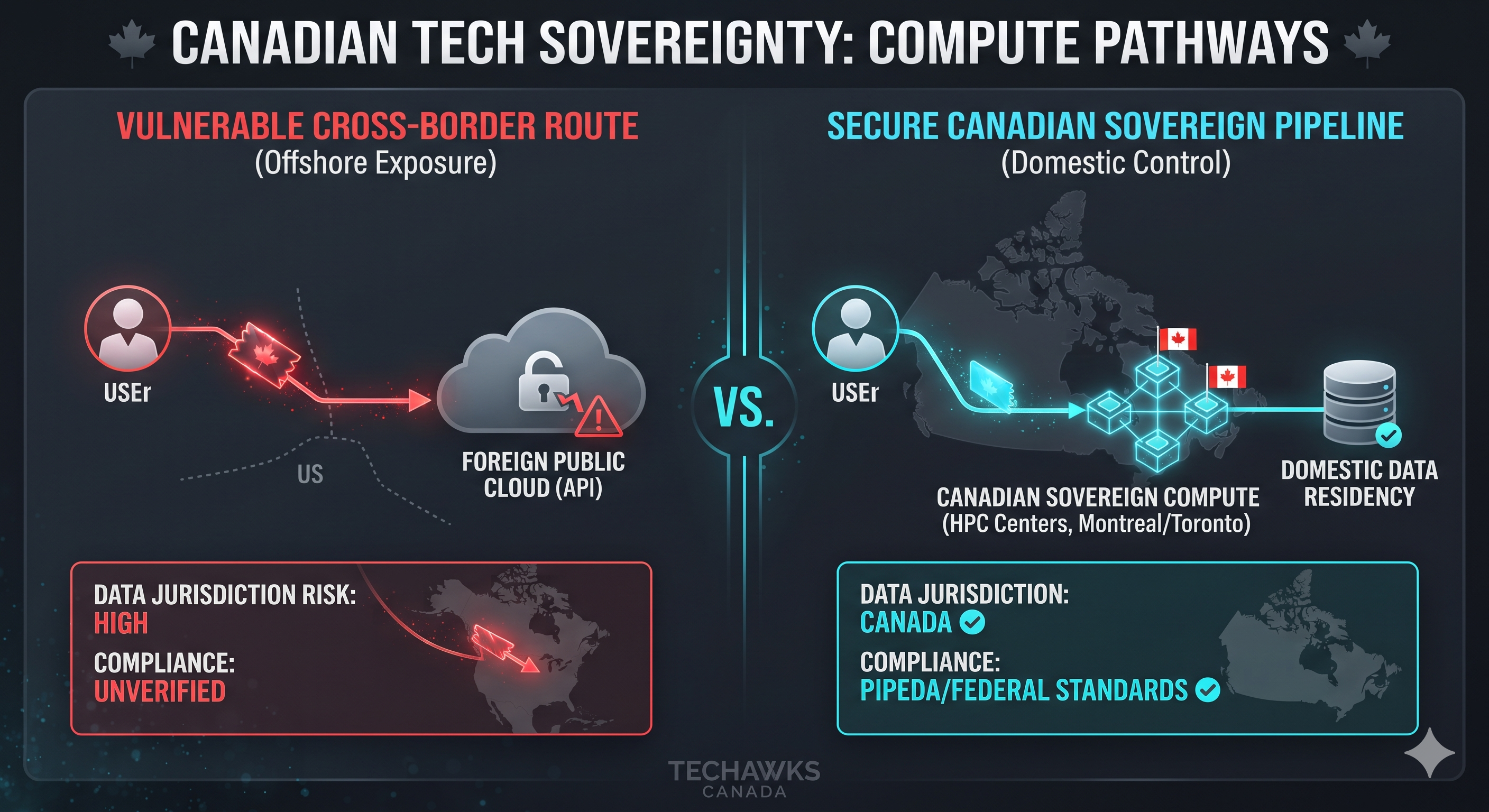
    Canada has long punched above its weight class as a global powerhouse for foundational AI research and elite technical talent. Yet, for years, Canadian companies faced a frustrating structural bottleneck: scaling local innovations meant relying heavily on foreign cloud infrastructure and cross-border data pipelines.


    With the rollout of domestic initiatives like the AI Sovereign Compute Infrastructure Program (SCIP) and modernized federal data frameworks, the paradigm is shifting. Sovereign control over where your AI models train, where your data rests, and how your systems process personal information is no longer just a legal preference—it's a core competitive moat.


    What you need to implement in your architecture right now:


    Enforce Strict Data Residency by Design: Audit your cloud stack today. Ensure that data ingestion, model fine-tuning, and token inference execute entirely within verified Canadian data center regions to comply with federal and provincial privacy laws.


    Leverage Sovereign Compute Pipelines: Align your long-term infrastructure scaling plans with domestic high-performance computing (HPC) centers and national research networks rather than depending exclusively on foreign hyperscalers.


    Maintain Unified AI Inventories: Build a living register of every model, third-party API, and dataset in your pipeline to easily satisfy emerging Canadian compliance guidelines and audit standards.


    Discussion Question
    Is your Canadian engineering team actively transitioning workloads to domestic sovereign cloud infrastructure, or are your core AI pipelines still dependent on foreign-hosted endpoints?


    CTA (Join Techawks Canada)
    Ready to build resilient architectures, navigate the future of Canadian tech sovereignty, and connect with top-tier builders across the country? Join Techawks Canada today and scale your impact.
    The Illusion of the Offshore Sandbox: Why Canadian Tech Scaling Demands Domestic Compute and Data Sovereignty Canada has long punched above its weight class as a global powerhouse for foundational AI research and elite technical talent. Yet, for years, Canadian companies faced a frustrating structural bottleneck: scaling local innovations meant relying heavily on foreign cloud infrastructure and cross-border data pipelines. With the rollout of domestic initiatives like the AI Sovereign Compute Infrastructure Program (SCIP) and modernized federal data frameworks, the paradigm is shifting. Sovereign control over where your AI models train, where your data rests, and how your systems process personal information is no longer just a legal preference—it's a core competitive moat. What you need to implement in your architecture right now: Enforce Strict Data Residency by Design: Audit your cloud stack today. Ensure that data ingestion, model fine-tuning, and token inference execute entirely within verified Canadian data center regions to comply with federal and provincial privacy laws. Leverage Sovereign Compute Pipelines: Align your long-term infrastructure scaling plans with domestic high-performance computing (HPC) centers and national research networks rather than depending exclusively on foreign hyperscalers. Maintain Unified AI Inventories: Build a living register of every model, third-party API, and dataset in your pipeline to easily satisfy emerging Canadian compliance guidelines and audit standards. Discussion Question Is your Canadian engineering team actively transitioning workloads to domestic sovereign cloud infrastructure, or are your core AI pipelines still dependent on foreign-hosted endpoints? CTA (Join Techawks Canada) Ready to build resilient architectures, navigate the future of Canadian tech sovereignty, and connect with top-tier builders across the country? Join Techawks Canada today and scale your impact.
    0 Комментарии 0 Поделились 51 Просмотры 0 предпросмотр
  • The Illusion of Borderless Inference: Why UAE Enterprises Must Master Sovereign Data Routing and AI Governance
    The UAE tech ecosystem is scaling at an unprecedented pace, backed by world-class sovereign cloud infrastructure, massive investments in AI-optimized data centers, and unified institutional leadership under the Federal Authority for Artificial Intelligence and Data.


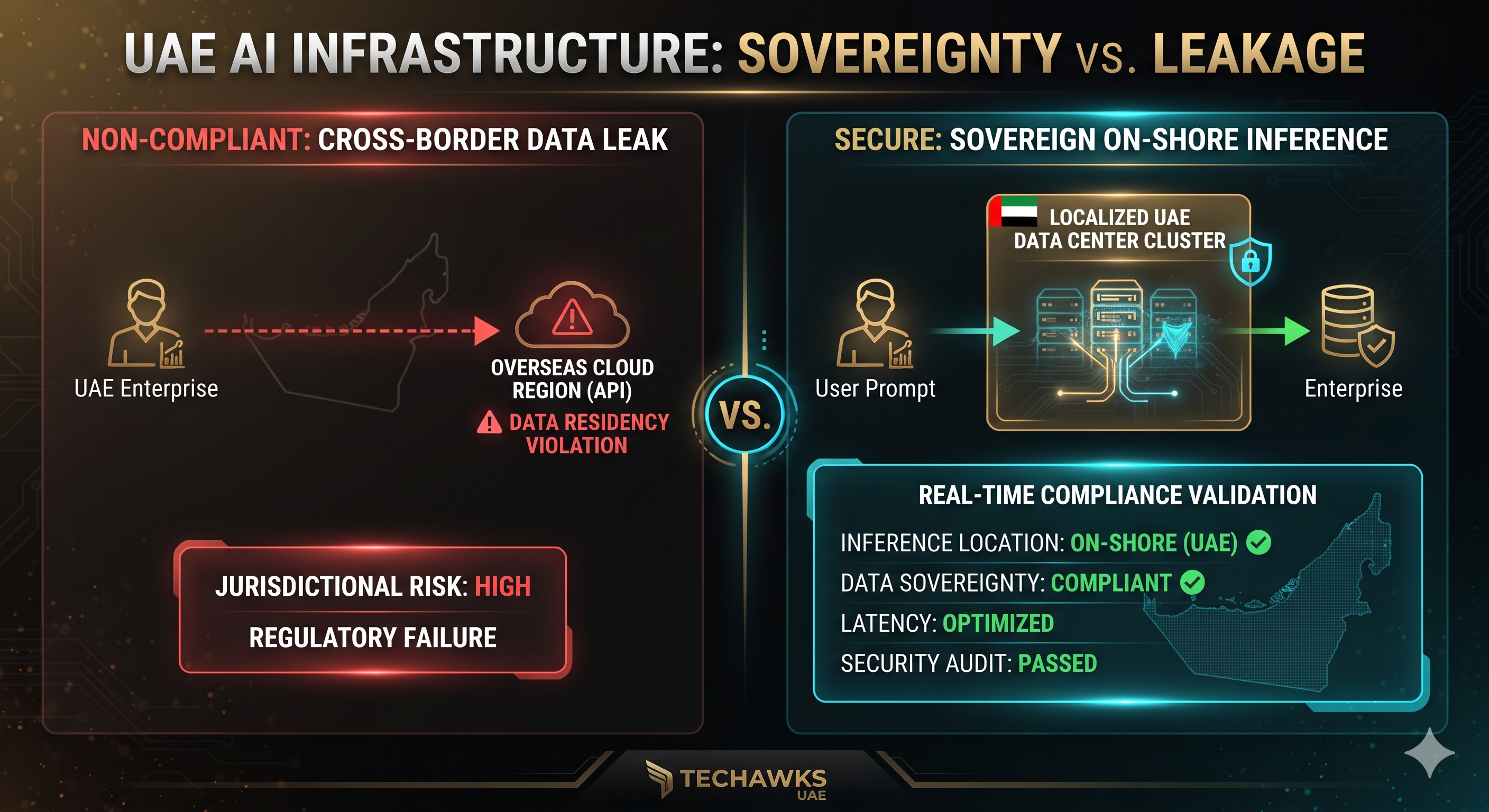
    Yet, many organizations still route sensitive local prompts, customer information, and financial analytics through foreign-hosted foundation model APIs without verifying where inference actually executes. Under strict national data protection frameworks (such as the UAE PDPL and sector-specific health and financial ICT mandates), sending localized UAE data across borders without a documented lawful basis or compliant local residency pipeline exposes organizations to severe compliance failures.


    What you need to implement in your architecture right now:


    Verify Inference Location: Never assume data residency is guaranteed just because a vendor has a regional sales office. Confirm whether token inference runs on-shore within local sovereign cloud clusters or crosses international borders.


    Build Transparent AI Inventories: Maintain a rigorous, living register of every model, data source, and third-party API in use to satisfy institutional oversight and emerging validation standards.


    Integrate Data Protection by Design: Embed automated compliance checks, role-based access controls, and strict data-localization guardrails directly into your deployment pipelines from day one.


    Discussion Question
    Is your UAE-based team actively tracking where your AI inference executes, or are you still relying on default foreign API endpoints for sensitive workloads? How are you handling data residency requirements?


    CTA (Join Techawks UAE)
    Ready to build secure, sovereign-ready systems, navigate regional tech regulations, and connect with top-tier innovators across the Emirates? Join Techawks UAE today and build the future of the digital economy.
    The Illusion of Borderless Inference: Why UAE Enterprises Must Master Sovereign Data Routing and AI Governance The UAE tech ecosystem is scaling at an unprecedented pace, backed by world-class sovereign cloud infrastructure, massive investments in AI-optimized data centers, and unified institutional leadership under the Federal Authority for Artificial Intelligence and Data. Yet, many organizations still route sensitive local prompts, customer information, and financial analytics through foreign-hosted foundation model APIs without verifying where inference actually executes. Under strict national data protection frameworks (such as the UAE PDPL and sector-specific health and financial ICT mandates), sending localized UAE data across borders without a documented lawful basis or compliant local residency pipeline exposes organizations to severe compliance failures. What you need to implement in your architecture right now: Verify Inference Location: Never assume data residency is guaranteed just because a vendor has a regional sales office. Confirm whether token inference runs on-shore within local sovereign cloud clusters or crosses international borders. Build Transparent AI Inventories: Maintain a rigorous, living register of every model, data source, and third-party API in use to satisfy institutional oversight and emerging validation standards. Integrate Data Protection by Design: Embed automated compliance checks, role-based access controls, and strict data-localization guardrails directly into your deployment pipelines from day one. Discussion Question Is your UAE-based team actively tracking where your AI inference executes, or are you still relying on default foreign API endpoints for sensitive workloads? How are you handling data residency requirements? CTA (Join Techawks UAE) Ready to build secure, sovereign-ready systems, navigate regional tech regulations, and connect with top-tier innovators across the Emirates? Join Techawks UAE today and build the future of the digital economy.
    0 Комментарии 0 Поделились 60 Просмотры 0 предпросмотр
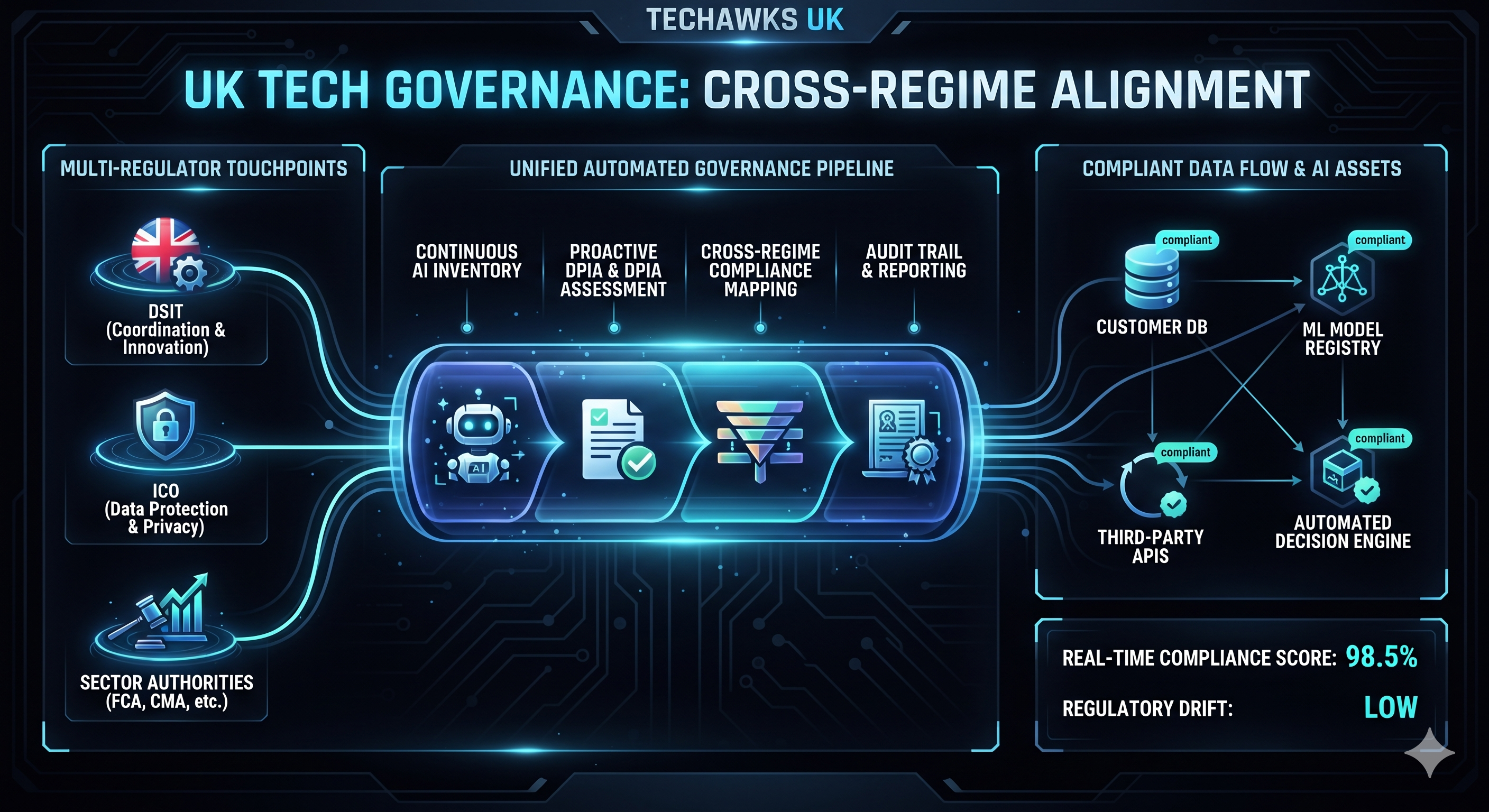
  • The Illusion of the Free-Form Sandbox: Why UK Tech Scaling Demands Proactive Data Governance and Cross-Regime Alignment
    The UK technology landscape operates under a unique, decentralized model. Rather than waiting for a single monolithic rulebook like the EU AI Act, British innovation relies on sector-led guidance coordinated through the Department for Science, Innovation and Technology (DSIT) and enforced by bodies like the Information Commissioner's Office (ICO) and the FCA.


    With the introduction of the Data (Use and Access) Act and heightened statutory duties around automated decision-making and AI governance, building products without built-in audit trails is a massive liability. When your software processes customer data or deploys automated algorithms across financial, health, or digital services, decentralized oversight means you may have to map compliance across multiple parallel regulatory frameworks simultaneously.


    What you need to implement in your engineering stack right now:


    Continuous AI Discovery & Inventories: You cannot govern what you cannot see. Maintain a living, automated AI and data processing register that tracks every model, dataset, and third-party API utilized across your workflows.


    Embed Data Protection by Design: Move away from retroactive privacy policies. Integrate Data Protection Impact Assessments (DPIAs) and transparent human oversight mechanisms directly into your CI/CD deployment gates.


    Prepare for Multi-Regulator Accountability: Ensure your technical documentation and decision-making trails are robust enough to satisfy cross-cutting principles—spanning safety, transparency, robustness, and fairness.


    Discussion Question
    How is your UK-based team navigating the shift toward decentralized multi-regulator compliance? Are you building active AI inventories, or are you still relying on reactive legal reviews?


    CTA (Join Techawks UK)
    Ready to master compliant engineering, navigate evolving UK tech regulations, and connect with elite British innovators and builders? Join Techawks UK today and scale with confidence.
    The Illusion of the Free-Form Sandbox: Why UK Tech Scaling Demands Proactive Data Governance and Cross-Regime Alignment The UK technology landscape operates under a unique, decentralized model. Rather than waiting for a single monolithic rulebook like the EU AI Act, British innovation relies on sector-led guidance coordinated through the Department for Science, Innovation and Technology (DSIT) and enforced by bodies like the Information Commissioner's Office (ICO) and the FCA. With the introduction of the Data (Use and Access) Act and heightened statutory duties around automated decision-making and AI governance, building products without built-in audit trails is a massive liability. When your software processes customer data or deploys automated algorithms across financial, health, or digital services, decentralized oversight means you may have to map compliance across multiple parallel regulatory frameworks simultaneously. What you need to implement in your engineering stack right now: Continuous AI Discovery & Inventories: You cannot govern what you cannot see. Maintain a living, automated AI and data processing register that tracks every model, dataset, and third-party API utilized across your workflows. Embed Data Protection by Design: Move away from retroactive privacy policies. Integrate Data Protection Impact Assessments (DPIAs) and transparent human oversight mechanisms directly into your CI/CD deployment gates. Prepare for Multi-Regulator Accountability: Ensure your technical documentation and decision-making trails are robust enough to satisfy cross-cutting principles—spanning safety, transparency, robustness, and fairness. Discussion Question How is your UK-based team navigating the shift toward decentralized multi-regulator compliance? Are you building active AI inventories, or are you still relying on reactive legal reviews? CTA (Join Techawks UK) Ready to master compliant engineering, navigate evolving UK tech regulations, and connect with elite British innovators and builders? Join Techawks UK today and scale with confidence.
    0 Комментарии 0 Поделились 48 Просмотры 0 предпросмотр
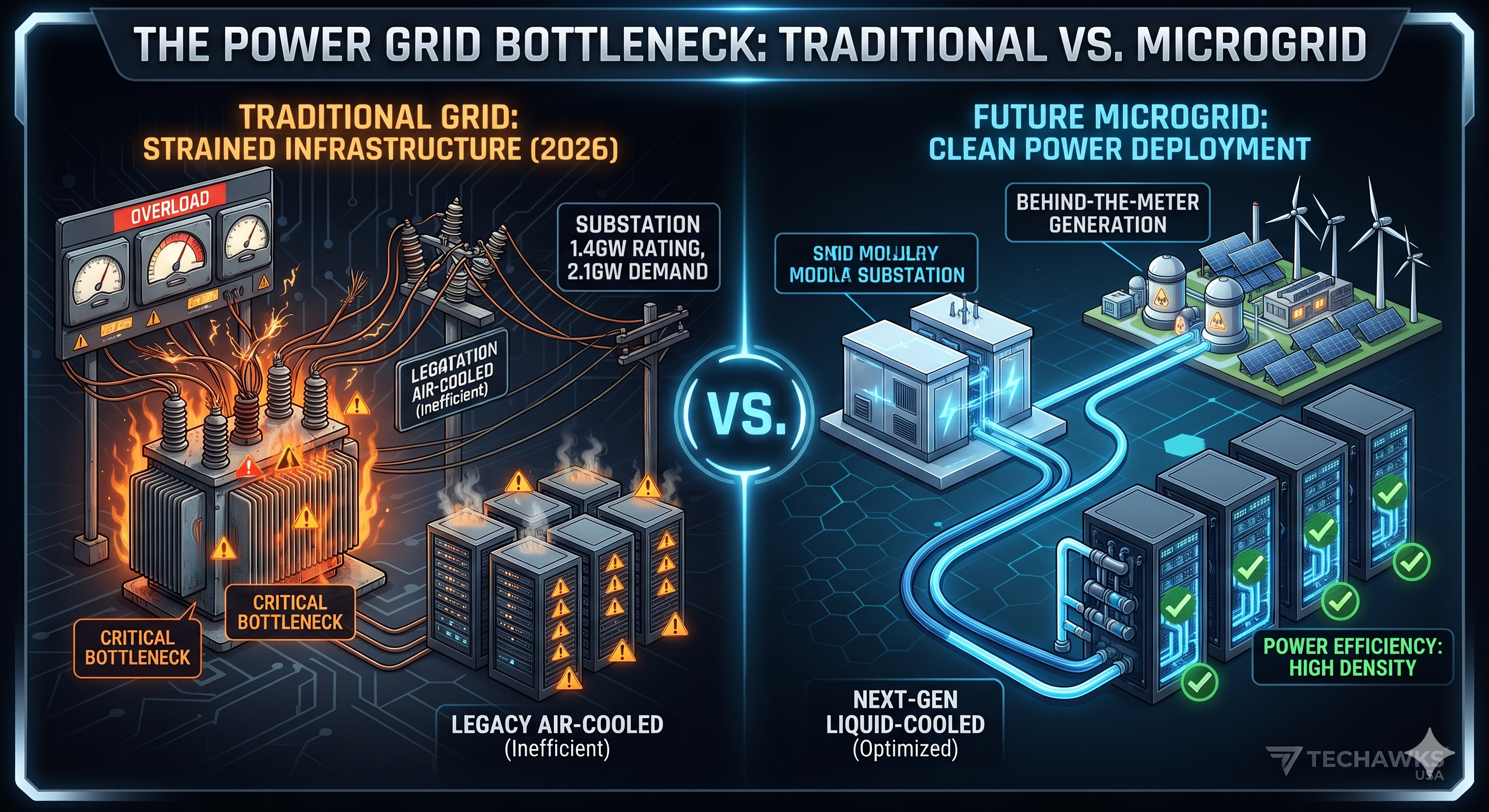
  • The Power Grid Bottleneck: Why US Tech Innovation Is Facing a Megawatt Crisis
    As Big Four hyperscalers and enterprise AI providers push capital expenditures past historical records to build out massive AI inference factories, they have run into an immovable physical wall: the US power grid.


    With data center electricity demand surging and lead times for large power sub-station transformers stretching past two years, energy availability has officially replaced software talent as the primary bottleneck for tech growth. Facilities that once required a few megawatts now demand hundreds, forcing the industry into an aggressive infrastructure pivot.


    What you need to understand about the infrastructure shift:


    The Rise of Behind-the-Meter Power: To bypass grid congestion and lengthy utility interconnection queues, leading tech campuses are increasingly investing in direct nuclear and clean energy microgrid partnerships.


    Liquid Cooling and Rack Density: With upcoming high-density server racks drawing hundreds of kilowatts, traditional air cooling is obsolete. Engineering teams must redesign software workloads around liquid-cooled, high-voltage data center architectures.


    Inference Efficiency as Cost Control: As power constraints drive up operational costs, writing unoptimized, bloated code is no longer just bad practice—it's an economic liability. Efficiency is the new scale.


    Discussion Question
    How is your engineering or infrastructure team adapting to rising energy constraints and changing cloud economics? Are you seeing power bottlenecks affect your deployment timelines?


    CTA (Join Techawks USA)
    Ready to build resilient architectures, stay ahead of national tech trends, and connect with top-tier US engineers and innovators? Join Techawks USA today and shape the future of American technology.
    The Power Grid Bottleneck: Why US Tech Innovation Is Facing a Megawatt Crisis As Big Four hyperscalers and enterprise AI providers push capital expenditures past historical records to build out massive AI inference factories, they have run into an immovable physical wall: the US power grid. With data center electricity demand surging and lead times for large power sub-station transformers stretching past two years, energy availability has officially replaced software talent as the primary bottleneck for tech growth. Facilities that once required a few megawatts now demand hundreds, forcing the industry into an aggressive infrastructure pivot. What you need to understand about the infrastructure shift: The Rise of Behind-the-Meter Power: To bypass grid congestion and lengthy utility interconnection queues, leading tech campuses are increasingly investing in direct nuclear and clean energy microgrid partnerships. Liquid Cooling and Rack Density: With upcoming high-density server racks drawing hundreds of kilowatts, traditional air cooling is obsolete. Engineering teams must redesign software workloads around liquid-cooled, high-voltage data center architectures. Inference Efficiency as Cost Control: As power constraints drive up operational costs, writing unoptimized, bloated code is no longer just bad practice—it's an economic liability. Efficiency is the new scale. Discussion Question How is your engineering or infrastructure team adapting to rising energy constraints and changing cloud economics? Are you seeing power bottlenecks affect your deployment timelines? CTA (Join Techawks USA) Ready to build resilient architectures, stay ahead of national tech trends, and connect with top-tier US engineers and innovators? Join Techawks USA today and shape the future of American technology.
    0 Комментарии 0 Поделились 62 Просмотры 0 предпросмотр
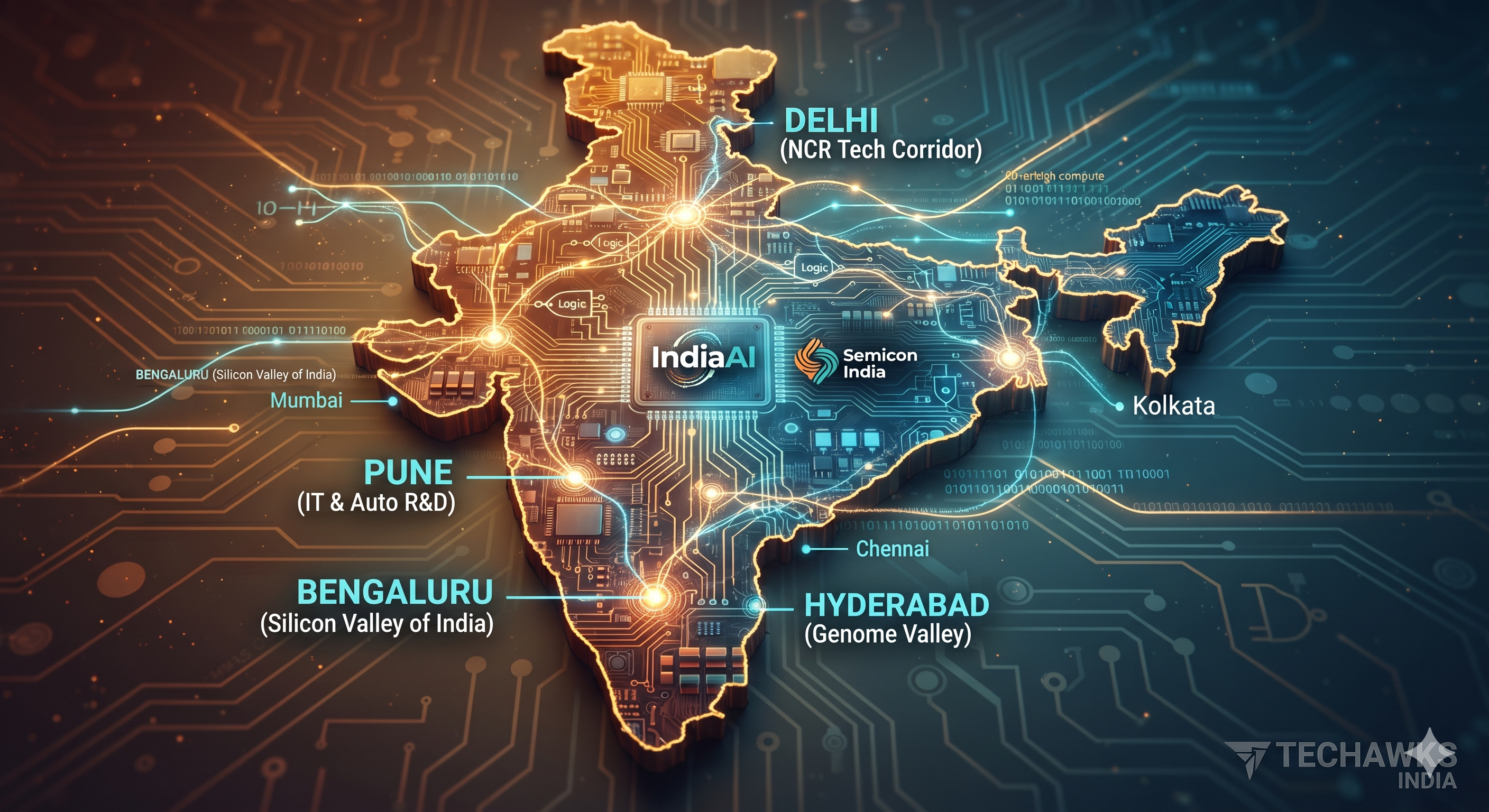
  • From Service Capital to Silicon Sovereignty: Why India’s Tech Ecosystem Must Master Full-Stack Deep Tech
    India's tech community is standing at a historic inflection point. With massive national pushes into domestic semiconductor fabrication, advanced OSAT/ATMP packaging, and millions of subsidized GPU hours rolling out through the IndiaAI Mission, the structural barriers to building hardware and foundational AI locally are disappearing.


    Yet, a massive cultural and technical gap remains. Many regional engineering teams still treat tech stacks as integration puzzles rather than invention platforms. If we want to transition from writing code for foreign products to architecting indigenous foundational systems, Indian developers need to move beyond routine software delivery.


    What you need to master to lead the next wave:


    Understand Hardware-Software Co-Design: Modern AI efficiency isn't just about prompt tuning; it’s about understanding how models map down to silicon accelerators, memory bandwidth, and edge architecture.


    Leverage Sovereign Compute Infrastructure: Take advantage of national high-performance computing resources and AI compute allocations to train, test, and deploy localized models rather than relying entirely on black-box external APIs.


    Build for Bharat’s Scale and Diversity: Use open datasets and localized architectures to solve complex multilingual, financial, and infrastructural challenges unique to the subcontinent.


    Discussion Question
    Is your engineering team exploring hardware co-design and localized compute frameworks yet, or is your workflow still locked into traditional application-layer development?


    CTA (Join Techawks India)
    Ready to build deep tech, connect with India's top innovators, and shape the nation's technological independence? Join Techawks India today and lead the shift from service to sovereignty.
    From Service Capital to Silicon Sovereignty: Why India’s Tech Ecosystem Must Master Full-Stack Deep Tech India's tech community is standing at a historic inflection point. With massive national pushes into domestic semiconductor fabrication, advanced OSAT/ATMP packaging, and millions of subsidized GPU hours rolling out through the IndiaAI Mission, the structural barriers to building hardware and foundational AI locally are disappearing. Yet, a massive cultural and technical gap remains. Many regional engineering teams still treat tech stacks as integration puzzles rather than invention platforms. If we want to transition from writing code for foreign products to architecting indigenous foundational systems, Indian developers need to move beyond routine software delivery. What you need to master to lead the next wave: Understand Hardware-Software Co-Design: Modern AI efficiency isn't just about prompt tuning; it’s about understanding how models map down to silicon accelerators, memory bandwidth, and edge architecture. Leverage Sovereign Compute Infrastructure: Take advantage of national high-performance computing resources and AI compute allocations to train, test, and deploy localized models rather than relying entirely on black-box external APIs. Build for Bharat’s Scale and Diversity: Use open datasets and localized architectures to solve complex multilingual, financial, and infrastructural challenges unique to the subcontinent. Discussion Question Is your engineering team exploring hardware co-design and localized compute frameworks yet, or is your workflow still locked into traditional application-layer development? CTA (Join Techawks India) Ready to build deep tech, connect with India's top innovators, and shape the nation's technological independence? Join Techawks India today and lead the shift from service to sovereignty.
    0 Комментарии 0 Поделились 61 Просмотры 0 предпросмотр
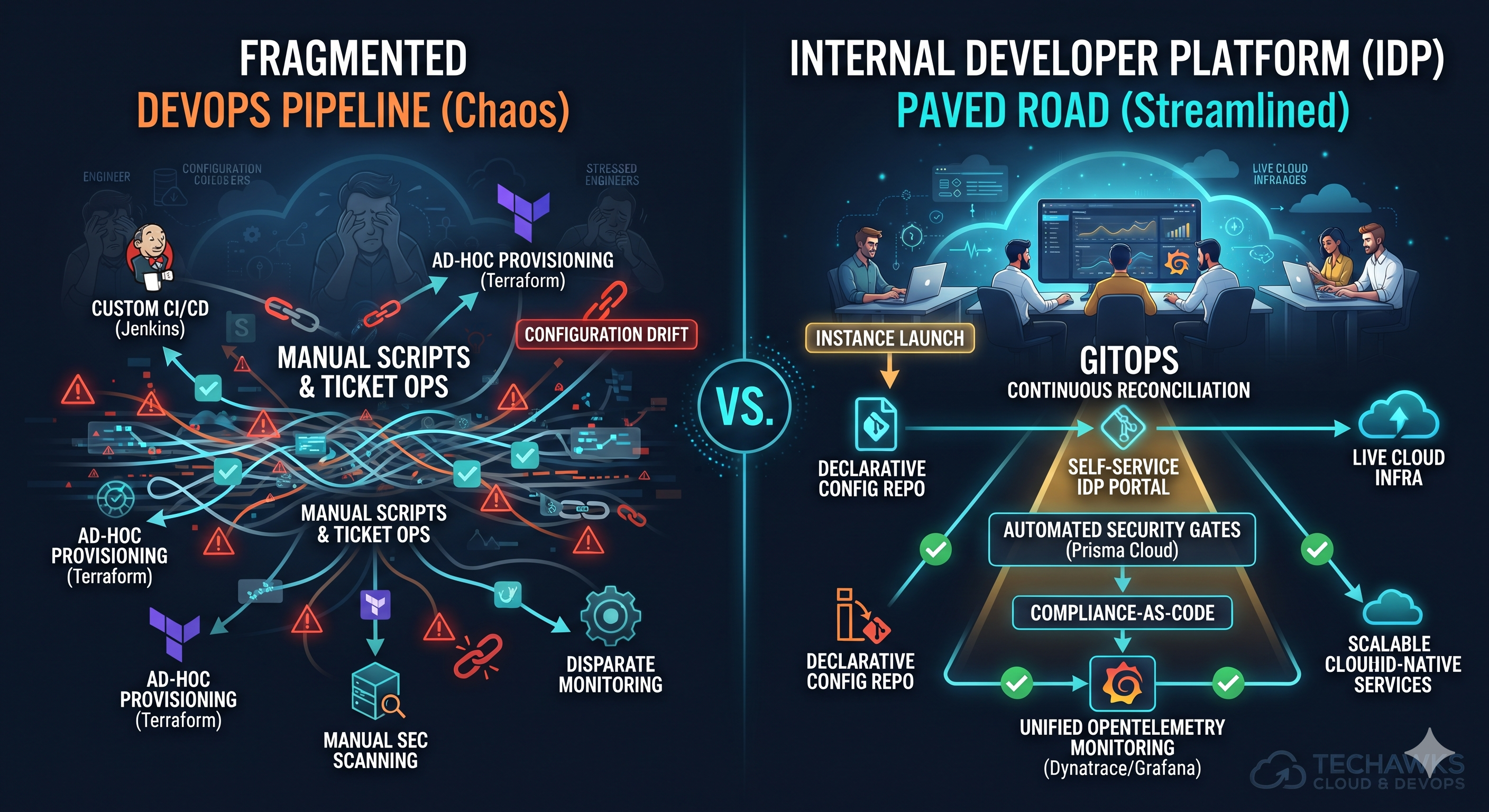
  • The Death of the Wild-West CI/CD Pipeline: Why Platform Engineering Is Replacing Traditional DevOps
    For years, "DevOps" became a catch-all term where software engineers were expected to manage everything from application logic to Kubernetes cluster tuning, security scanning, and cloud cost optimization. The result? Burnout, severe configuration drift, and pipelines that break every time an upstream dependency updates.


    That is why leading engineering organizations are rapidly shifting toward Platform Engineering and Internal Developer Platforms (IDPs). Instead of treating developers as infrastructure cowboys, platform teams build "paved roads"—standardized, self-service operational workflows that abstract away cloud complexity.


    What you need to implement in your cloud architecture right now:


    Treat Your Platform as a Product: Build an internal developer portal (using tools like Backstage or custom IDPs) where developers can spin up production-ready, compliant microservices with a single click.


    Enforce GitOps as the Single Source of Truth: Move away from manual kubectl commands or disparate CI/CD server scripts. Use GitOps engines (like Argo CD or Flux) to continuously reconcile your live cloud state with declarative code.


    Embed Policy and Security as Code: Stop using manual security review boards that slow down releases. Build automated compliance, vulnerability scanning, and OpenTelemetry observability directly into the deployment pipeline from day one.


    Discussion Question
    Is your engineering organization moving toward internal developer platforms and paved roads, or are your teams still building custom pipelines from scratch for every new service?


    CTA (Join Cloud, DevOps & Open Source)
    Ready to master cloud-native architecture, scale resilient infrastructure, and build the future of platform engineering with global experts? Join Cloud, DevOps & Open Source today and elevate your engineering career.
    The Death of the Wild-West CI/CD Pipeline: Why Platform Engineering Is Replacing Traditional DevOps For years, "DevOps" became a catch-all term where software engineers were expected to manage everything from application logic to Kubernetes cluster tuning, security scanning, and cloud cost optimization. The result? Burnout, severe configuration drift, and pipelines that break every time an upstream dependency updates. That is why leading engineering organizations are rapidly shifting toward Platform Engineering and Internal Developer Platforms (IDPs). Instead of treating developers as infrastructure cowboys, platform teams build "paved roads"—standardized, self-service operational workflows that abstract away cloud complexity. What you need to implement in your cloud architecture right now: Treat Your Platform as a Product: Build an internal developer portal (using tools like Backstage or custom IDPs) where developers can spin up production-ready, compliant microservices with a single click. Enforce GitOps as the Single Source of Truth: Move away from manual kubectl commands or disparate CI/CD server scripts. Use GitOps engines (like Argo CD or Flux) to continuously reconcile your live cloud state with declarative code. Embed Policy and Security as Code: Stop using manual security review boards that slow down releases. Build automated compliance, vulnerability scanning, and OpenTelemetry observability directly into the deployment pipeline from day one. Discussion Question Is your engineering organization moving toward internal developer platforms and paved roads, or are your teams still building custom pipelines from scratch for every new service? CTA (Join Cloud, DevOps & Open Source) Ready to master cloud-native architecture, scale resilient infrastructure, and build the future of platform engineering with global experts? Join Cloud, DevOps & Open Source today and elevate your engineering career.
    0 Комментарии 0 Поделились 42 Просмотры 0 предпросмотр
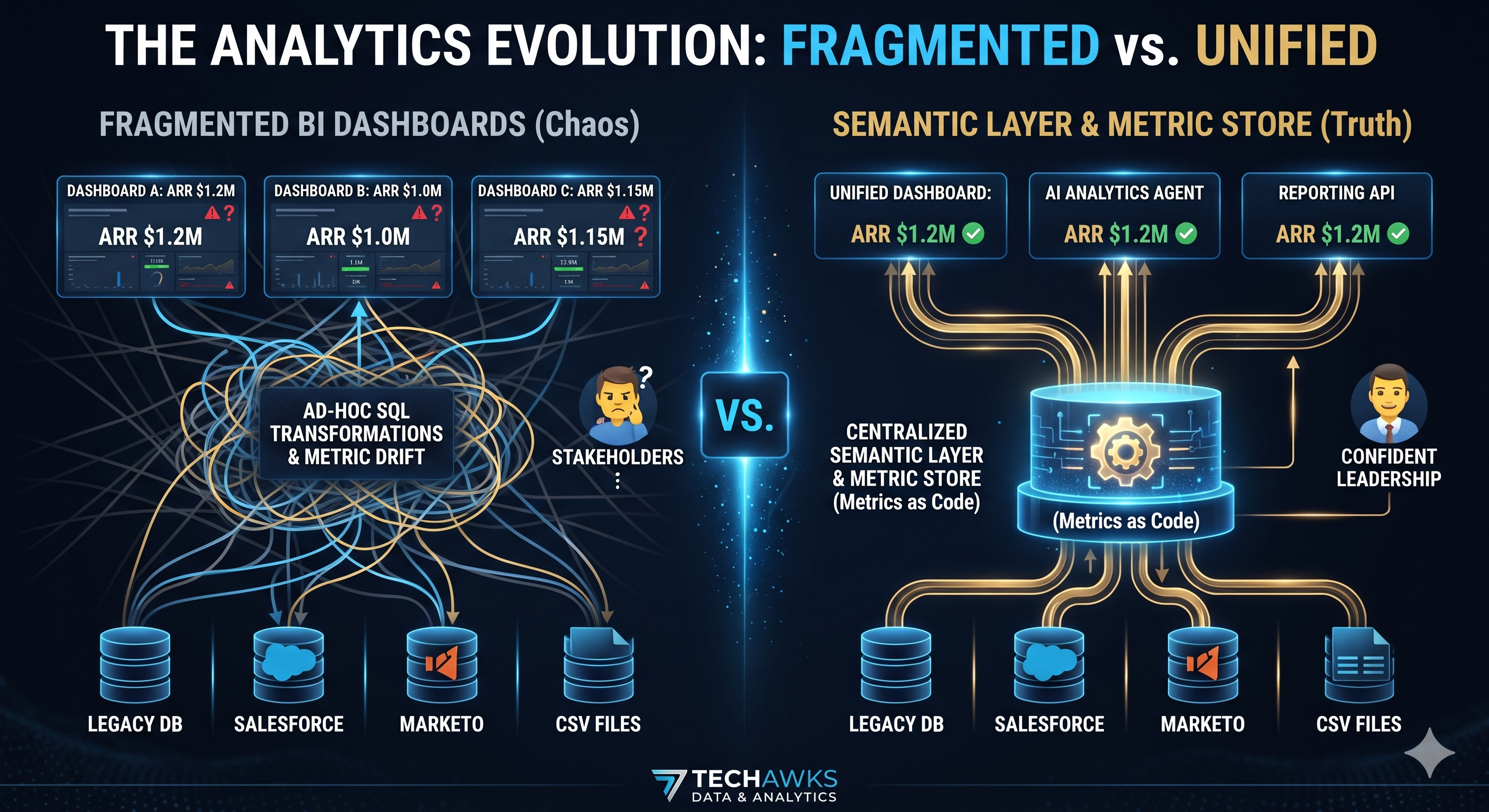
  • The Death of the Static Dashboard: Why Modern Data Teams Are Pivoting to Semantic Layers and Metric Stores
    For years, the standard analytics playbook looked identical: pull raw data from the warehouse, write custom SQL transformations in 15 different BI tools, and render static charts for leadership.


    The result? Metric drift. When Marketing calculates "Active User" one way in Tableau and Finance calculates it differently in Looker, trust in data collapses.


    That is why modern data engineering and analytics teams are rapidly migrating away from isolated dashboard development toward centralized Semantic Layers and Headless Metric Stores. Instead of defining business logic inside individual reports, you define metrics once as code (using tools like dbt semantics or Cube), decoupling your definitions from your visualization layer.


    What you need to implement in your stack:


    Centralized Metric Governance: Write your business logic (like churn rate, ARR, or active session) as version-controlled code so every downstream dashboard and LLM agent pulls the exact same truth.


    Semantic API Integration: Expose your metrics via standardized APIs so automated pipelines, executive reports, and AI query agents query governed definitions instead of raw tables.


    Shift from Reporters to Architects: Stop spending 80% of your time rebuilding ad-hoc charts. Pivot your role toward architecting reliable data models and semantic frameworks.


    Discussion Question
    Are you still dealing with conflicting metric definitions across different BI tools in your organization, or have you implemented a centralized semantic layer or metric store?


    CTA (Join Data Science & Analytics)
    Ready to master modern data architecture, eliminate metric drift, and build scalable analytics pipelines with top-tier professionals? Join Data Science & Analytics today and elevate your data career.
    The Death of the Static Dashboard: Why Modern Data Teams Are Pivoting to Semantic Layers and Metric Stores For years, the standard analytics playbook looked identical: pull raw data from the warehouse, write custom SQL transformations in 15 different BI tools, and render static charts for leadership. The result? Metric drift. When Marketing calculates "Active User" one way in Tableau and Finance calculates it differently in Looker, trust in data collapses. That is why modern data engineering and analytics teams are rapidly migrating away from isolated dashboard development toward centralized Semantic Layers and Headless Metric Stores. Instead of defining business logic inside individual reports, you define metrics once as code (using tools like dbt semantics or Cube), decoupling your definitions from your visualization layer. What you need to implement in your stack: Centralized Metric Governance: Write your business logic (like churn rate, ARR, or active session) as version-controlled code so every downstream dashboard and LLM agent pulls the exact same truth. Semantic API Integration: Expose your metrics via standardized APIs so automated pipelines, executive reports, and AI query agents query governed definitions instead of raw tables. Shift from Reporters to Architects: Stop spending 80% of your time rebuilding ad-hoc charts. Pivot your role toward architecting reliable data models and semantic frameworks. Discussion Question Are you still dealing with conflicting metric definitions across different BI tools in your organization, or have you implemented a centralized semantic layer or metric store? CTA (Join Data Science & Analytics) Ready to master modern data architecture, eliminate metric drift, and build scalable analytics pipelines with top-tier professionals? Join Data Science & Analytics today and elevate your data career.
    0 Комментарии 0 Поделились 41 Просмотры 0 предпросмотр
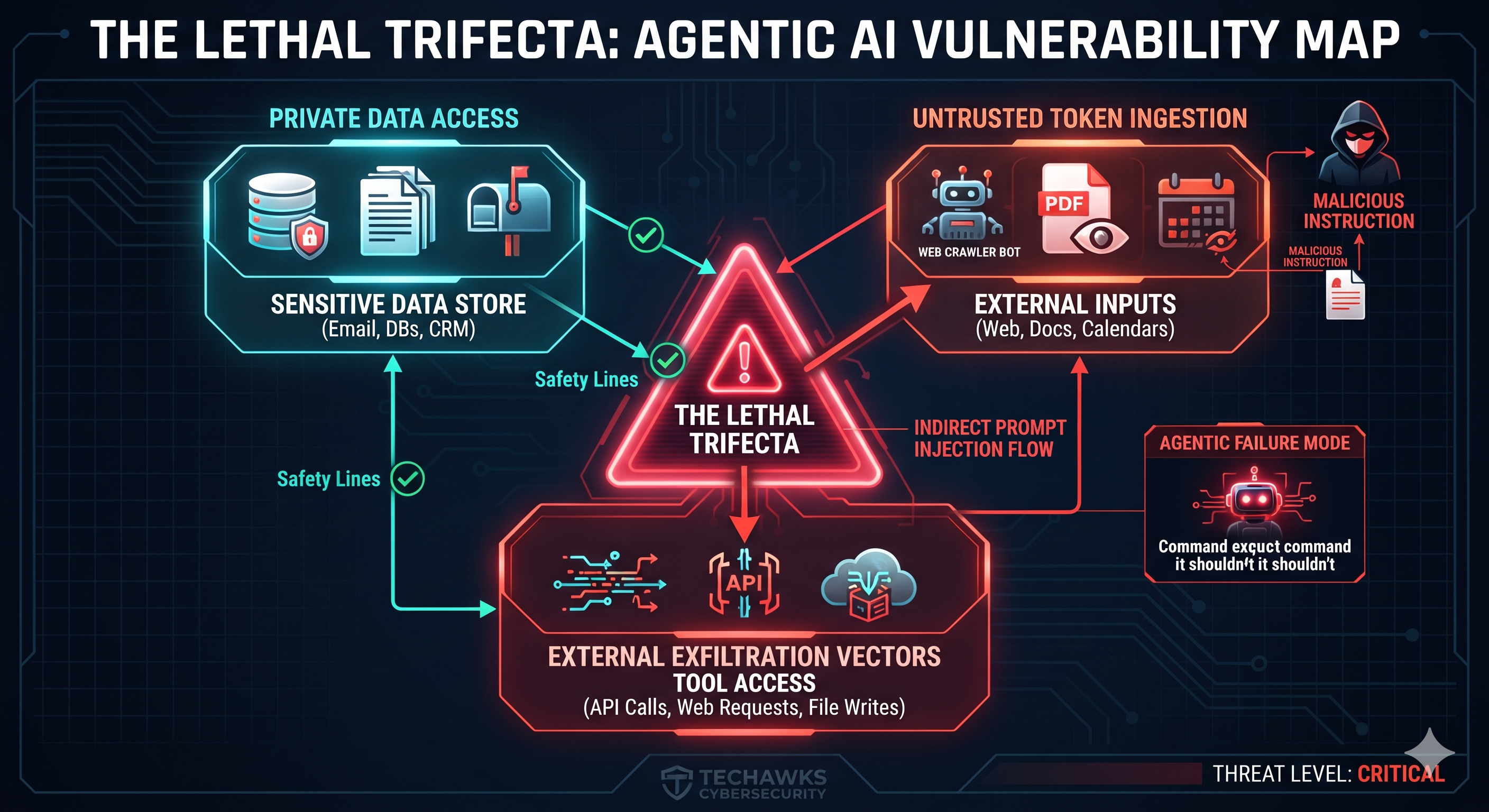
  • The Lethal Trifecta: Why Indirect Prompt Injection Is the Silent Killer of Autonomous AI Agents
    In traditional cybersecurity, we spent decades teaching systems to distinguish between code and data. In the era of autonomous AI agents and Retrieval-Augmented Generation (RAG), that boundary has completely collapsed.


    When an LLM processes external documents, shared calendar invites, or web pages, it treats data and instructions as a single continuous command stream. Security researchers call the intersection of three specific factors The Lethal Trifecta:


    Access to Private Data: The agent can read your internal databases, customer records, or mailboxes.


    Exposure to Untrusted Tokens: The agent ingests external files, web scrapers, or user-submitted PDFs.


    An External Exfiltration Vector: The agent has tools enabled to render images, send web requests, or call external APIs.


    When these three conditions meet, an attacker can plant hidden white-text instructions inside a seemingly innocent document or email. When your agent indexes or summarizes that file, it quietly executes the hidden command—exfiltrating your sensitive data via a malicious image URL or external request without a single click.


    What you need to implement to secure your agentic pipelines:


    Enforce Strict Principle of Least Privilege: Never give an agent broad, blanket access to every data source or API tool simultaneously. Scope permissions tightly per task.


    Implement Dual-Model or Capability-Based Architectures: Separate the planning/execution engine from the untrusted content parser. Wall off the privileged model that takes actions from the quarantined reader.


    Require Human-in-the-Loop Guardrails: Mandate explicit human approval checkpoints before any agentic workflow executes high-impact actions like data deletion, external transfers, or state changes.


    Discussion Question
    Are you auditing your AI agents for the "Lethal Trifecta" in your current security testing? How is your team handling the boundary between untrusted inputs and privileged tool access?


    CTA (Join Cybersecurity & Ethical Hacking)
    Ready to master offensive security, dissect advanced AI vulnerabilities, and defend modern cloud infrastructures? Join Cybersecurity & Ethical Hacking today and stay ahead of emerging threats.
    The Lethal Trifecta: Why Indirect Prompt Injection Is the Silent Killer of Autonomous AI Agents In traditional cybersecurity, we spent decades teaching systems to distinguish between code and data. In the era of autonomous AI agents and Retrieval-Augmented Generation (RAG), that boundary has completely collapsed. When an LLM processes external documents, shared calendar invites, or web pages, it treats data and instructions as a single continuous command stream. Security researchers call the intersection of three specific factors The Lethal Trifecta: Access to Private Data: The agent can read your internal databases, customer records, or mailboxes. Exposure to Untrusted Tokens: The agent ingests external files, web scrapers, or user-submitted PDFs. An External Exfiltration Vector: The agent has tools enabled to render images, send web requests, or call external APIs. When these three conditions meet, an attacker can plant hidden white-text instructions inside a seemingly innocent document or email. When your agent indexes or summarizes that file, it quietly executes the hidden command—exfiltrating your sensitive data via a malicious image URL or external request without a single click. What you need to implement to secure your agentic pipelines: Enforce Strict Principle of Least Privilege: Never give an agent broad, blanket access to every data source or API tool simultaneously. Scope permissions tightly per task. Implement Dual-Model or Capability-Based Architectures: Separate the planning/execution engine from the untrusted content parser. Wall off the privileged model that takes actions from the quarantined reader. Require Human-in-the-Loop Guardrails: Mandate explicit human approval checkpoints before any agentic workflow executes high-impact actions like data deletion, external transfers, or state changes. Discussion Question Are you auditing your AI agents for the "Lethal Trifecta" in your current security testing? How is your team handling the boundary between untrusted inputs and privileged tool access? CTA (Join Cybersecurity & Ethical Hacking) Ready to master offensive security, dissect advanced AI vulnerabilities, and defend modern cloud infrastructures? Join Cybersecurity & Ethical Hacking today and stay ahead of emerging threats.
    0 Комментарии 0 Поделились 44 Просмотры 0 предпросмотр
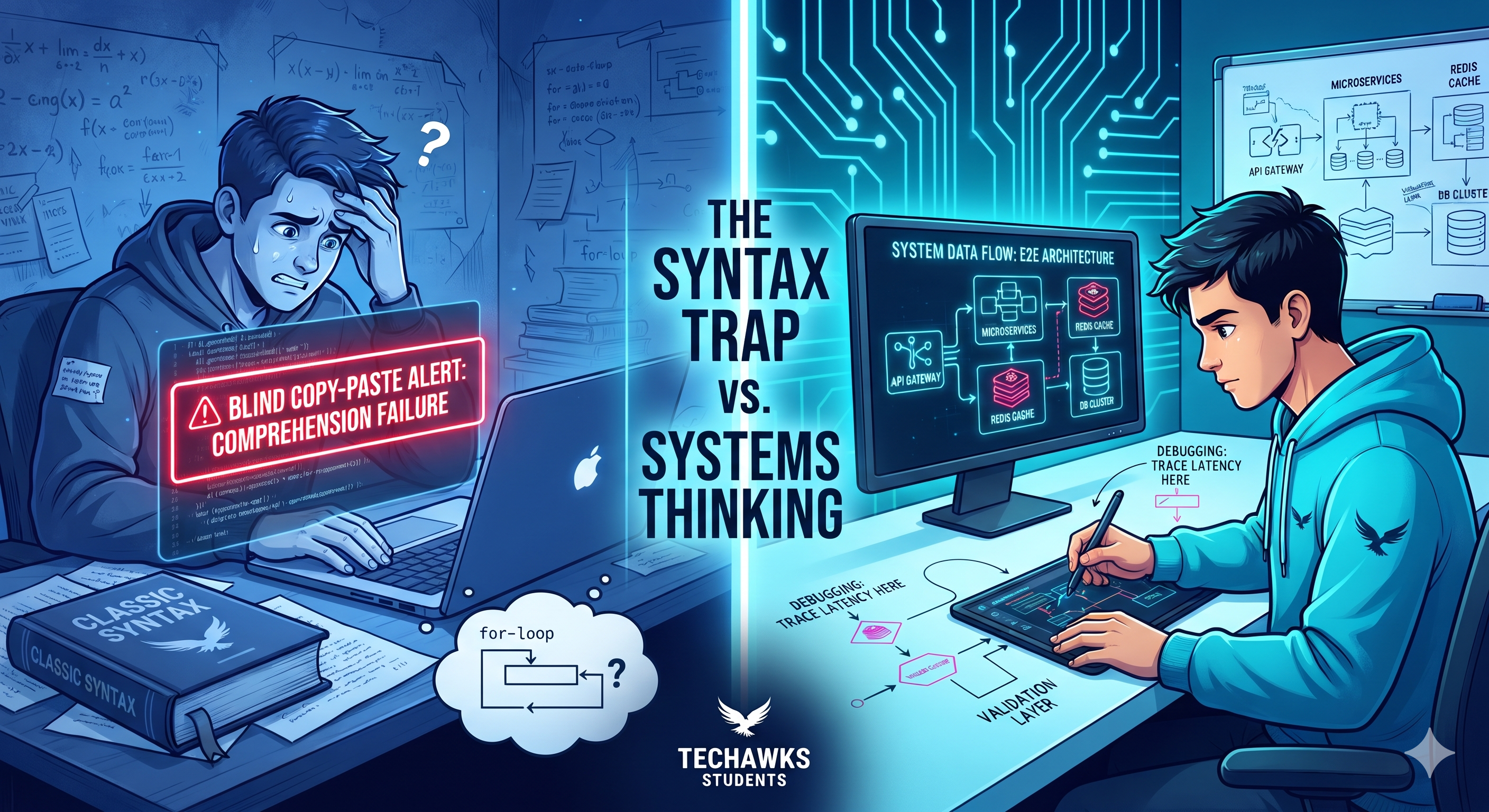
  • The Trap of the AI Shortcut: Why Memorizing Syntax Won't Save Your Tech Career
    As artificial intelligence reshapes computer science education and development workflows, the core objective of learning has fundamentally changed. Companies no longer hire graduates based on how well they can memorize sorting algorithms or regurgitate boilerplate code.


    AI tools are incredible force multipliers, but they operate on a simple rule: Your output quality is bounded by your foundational comprehension. If you don't understand how data structures interact under the hood, how operating systems manage memory, or how network protocols handle concurrency, you won't even be able to spot the subtle, catastrophic bugs that AI models inject into complex codebases.


    What you need to focus on as a student right now:


    Master System Architecture, Not Just Code: Shift your focus from individual language syntax to how end-to-end systems communicate, store data, and scale under load.


    Practice AI Collaboration with Rigor: Treat AI as a tireless junior partner, not an oracle. Always audit, test, and refactor generated code line-by-line instead of blindly copy-pasting.


    Build and Ship Portfolios: A degree alone proves compliance; a public portfolio of projects where you solved real architectural problems proves capability and engineering judgment.


    Discussion Question
    How are you balancing the convenience of AI coding tools with building deep, unshakeable computer science fundamentals in your studies?


    CTA (Join Students in Tech)
    Ready to bridge the gap between classroom theory and real-world engineering, build standout projects, and level up alongside peers worldwide? Join Students in Tech today and master the skills that actually matter.
    The Trap of the AI Shortcut: Why Memorizing Syntax Won't Save Your Tech Career As artificial intelligence reshapes computer science education and development workflows, the core objective of learning has fundamentally changed. Companies no longer hire graduates based on how well they can memorize sorting algorithms or regurgitate boilerplate code. AI tools are incredible force multipliers, but they operate on a simple rule: Your output quality is bounded by your foundational comprehension. If you don't understand how data structures interact under the hood, how operating systems manage memory, or how network protocols handle concurrency, you won't even be able to spot the subtle, catastrophic bugs that AI models inject into complex codebases. What you need to focus on as a student right now: Master System Architecture, Not Just Code: Shift your focus from individual language syntax to how end-to-end systems communicate, store data, and scale under load. Practice AI Collaboration with Rigor: Treat AI as a tireless junior partner, not an oracle. Always audit, test, and refactor generated code line-by-line instead of blindly copy-pasting. Build and Ship Portfolios: A degree alone proves compliance; a public portfolio of projects where you solved real architectural problems proves capability and engineering judgment. Discussion Question How are you balancing the convenience of AI coding tools with building deep, unshakeable computer science fundamentals in your studies? CTA (Join Students in Tech) Ready to bridge the gap between classroom theory and real-world engineering, build standout projects, and level up alongside peers worldwide? Join Students in Tech today and master the skills that actually matter.
    0 Комментарии 0 Поделились 35 Просмотры 0 предпросмотр
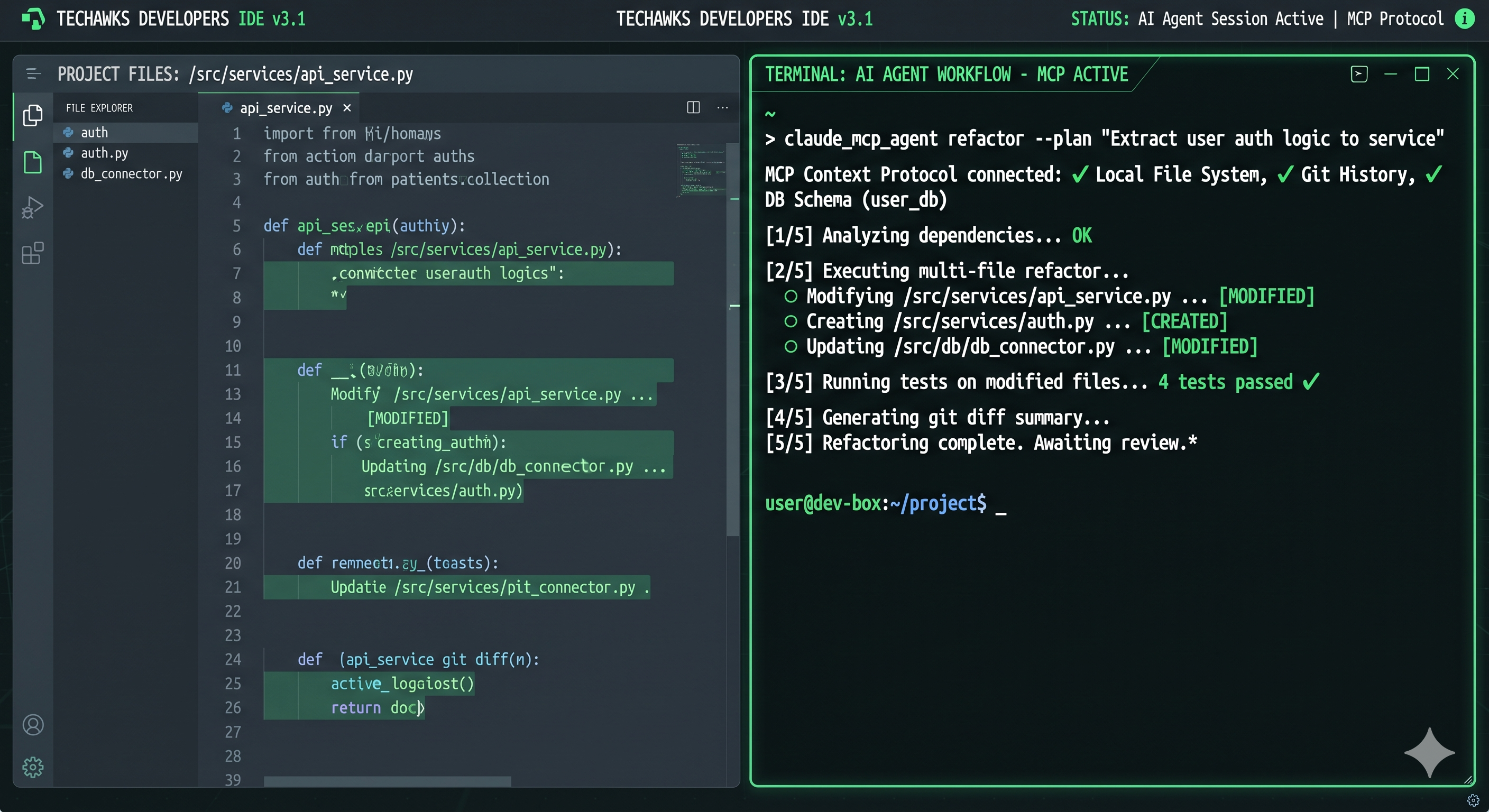
  • The Death of Blind Autocomplete: Why the Next Era of Coding Requires Model Context Protocols (MCP)
    Modern software engineering has moved past simple text prediction. When building complex distributed systems, AI tools fail not because of weak underlying models, but because of context starvation.


    Without secure, standardized access to your database schemas, internal CLI tools, and runtime logs, AI tools operate in a vacuum—forcing developers to constantly copy-paste error logs and boilerplate context.


    Enter Model Context Protocol (MCP) and multi-file agent workflows. Instead of treating AI as an isolated plugin, modern development pipelines treat it as an integrated system layer capable of inspecting file trees, executing terminal commands safely, and querying external data structures through explicit, standardized interfaces.


    What you need to implement in your workflow:


    Move to Review-First Agentic Loops: Never give an agent unverified write access. Use a review-first pattern where the agent outlines a multi-file migration plan or refactoring script before modifying your codebase.


    Standardize Context via Protocols: Adopt secure server-client bridges (like MCP) to give your terminal agents read-only access to your local databases, API docs, and environment variables without leaking credentials.


    Isolate Execution Boundaries: Always run agent-driven shell commands and code executions inside containerized or sandboxed environments to catch unintended side effects early.


    Discussion Question
    Are you integrating multi-file coding agents and context protocols into your local dev environment yet, or are you still relying primarily on traditional line-by-line autocomplete extensions?


    CTA (Join Developers & Coding)
    Ready to build faster, master modern coding workflows, and stay at the cutting edge of software architecture? Join Developers & Coding today and collaborate with top-tier engineers.
    The Death of Blind Autocomplete: Why the Next Era of Coding Requires Model Context Protocols (MCP) Modern software engineering has moved past simple text prediction. When building complex distributed systems, AI tools fail not because of weak underlying models, but because of context starvation. Without secure, standardized access to your database schemas, internal CLI tools, and runtime logs, AI tools operate in a vacuum—forcing developers to constantly copy-paste error logs and boilerplate context. Enter Model Context Protocol (MCP) and multi-file agent workflows. Instead of treating AI as an isolated plugin, modern development pipelines treat it as an integrated system layer capable of inspecting file trees, executing terminal commands safely, and querying external data structures through explicit, standardized interfaces. What you need to implement in your workflow: Move to Review-First Agentic Loops: Never give an agent unverified write access. Use a review-first pattern where the agent outlines a multi-file migration plan or refactoring script before modifying your codebase. Standardize Context via Protocols: Adopt secure server-client bridges (like MCP) to give your terminal agents read-only access to your local databases, API docs, and environment variables without leaking credentials. Isolate Execution Boundaries: Always run agent-driven shell commands and code executions inside containerized or sandboxed environments to catch unintended side effects early. Discussion Question Are you integrating multi-file coding agents and context protocols into your local dev environment yet, or are you still relying primarily on traditional line-by-line autocomplete extensions? CTA (Join Developers & Coding) Ready to build faster, master modern coding workflows, and stay at the cutting edge of software architecture? Join Developers & Coding today and collaborate with top-tier engineers.
    0 Комментарии 0 Поделились 25 Просмотры 0 предпросмотр
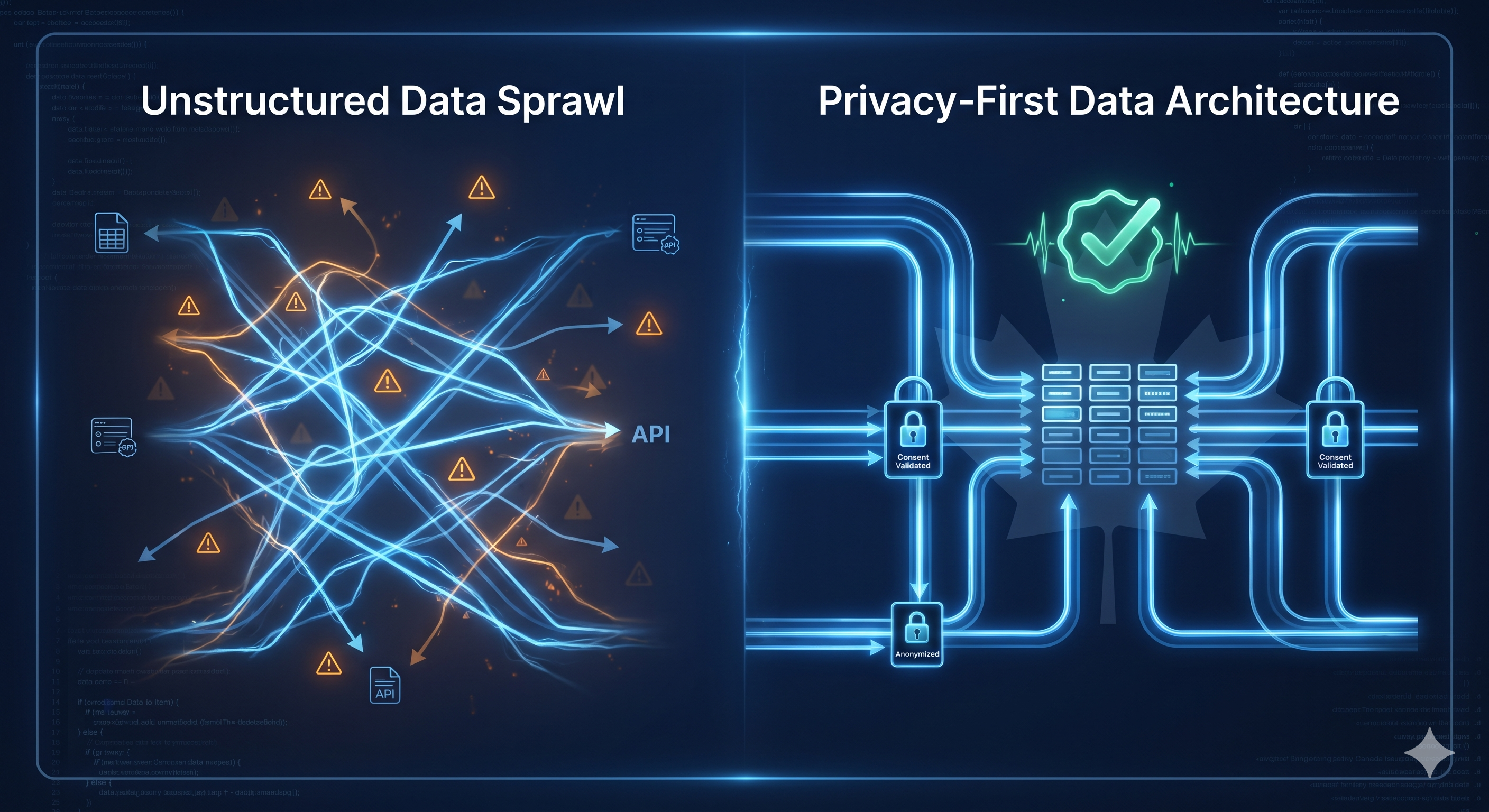
  • The Consent Illusion: Why Your Canadian Data Architecture Will Fail a Strict Privacy Audit
    With Canadian engineering teams building increasingly complex software stacks—integrating third-party analytics, customer data platforms, and automated decision-making tools—data governance has shifted from a legal afterthought to an active engineering challenge. Regulations across Canadian jurisdictions demand radical transparency around how personal information is collected, retained, and transferred.


    Why It Matters
    When data collection is decentralized across multiple microservices without a unified governance layer, tracking consent withdrawal, data portability requests, or retention limits becomes nearly impossible. If your architecture cannot programmatically isolate, delete, or anonymize user information upon request, your organization faces severe regulatory friction, steep penalties, and a rapid erosion of user trust.


    What You Need to Know: Engineering for Canadian Data Compliance
    To build resilient, privacy-forward applications that stand up to modern regulatory standards, development teams must enforce core data practices:


    Map Your Data Lifecycles Programmatically: You cannot protect what you haven't inventoried. Build automated data-mapping scripts to trace where personal information enters your system, how it flows between services, and where storage snapshots reside.


    Implement Granular Consent and Opt-In Workflows: Move away from ambiguous, bundled terms of service. Implement explicit, trackable consent management states that allow users to withdraw permission or request data disposal seamlessly.


    Automate Data Minimization and Anonymization: Never store raw personal data longer than necessary. Strip identifiers early in your ingestion pipeline, and ensure non-production environments (like staging and testing clusters) use synthetic or anonymized data sets.


    Discussion Question
    How does your engineering team handle data disposal and consent tracking across your microservices? Are you managing privacy compliance through code, or relying on manual documentation?


    CTA (Join Techawks Canada)
    Want to connect with Canadian tech leaders, software architects, and engineers solving data governance and cloud scale challenges? Join Techawks Canada to stay ahead of the curve.
    The Consent Illusion: Why Your Canadian Data Architecture Will Fail a Strict Privacy Audit With Canadian engineering teams building increasingly complex software stacks—integrating third-party analytics, customer data platforms, and automated decision-making tools—data governance has shifted from a legal afterthought to an active engineering challenge. Regulations across Canadian jurisdictions demand radical transparency around how personal information is collected, retained, and transferred. Why It Matters When data collection is decentralized across multiple microservices without a unified governance layer, tracking consent withdrawal, data portability requests, or retention limits becomes nearly impossible. If your architecture cannot programmatically isolate, delete, or anonymize user information upon request, your organization faces severe regulatory friction, steep penalties, and a rapid erosion of user trust. What You Need to Know: Engineering for Canadian Data Compliance To build resilient, privacy-forward applications that stand up to modern regulatory standards, development teams must enforce core data practices: Map Your Data Lifecycles Programmatically: You cannot protect what you haven't inventoried. Build automated data-mapping scripts to trace where personal information enters your system, how it flows between services, and where storage snapshots reside. Implement Granular Consent and Opt-In Workflows: Move away from ambiguous, bundled terms of service. Implement explicit, trackable consent management states that allow users to withdraw permission or request data disposal seamlessly. Automate Data Minimization and Anonymization: Never store raw personal data longer than necessary. Strip identifiers early in your ingestion pipeline, and ensure non-production environments (like staging and testing clusters) use synthetic or anonymized data sets. Discussion Question How does your engineering team handle data disposal and consent tracking across your microservices? Are you managing privacy compliance through code, or relying on manual documentation? CTA (Join Techawks Canada) Want to connect with Canadian tech leaders, software architects, and engineers solving data governance and cloud scale challenges? Join Techawks Canada to stay ahead of the curve.
    0 Комментарии 0 Поделились 853 Просмотры 0 предпросмотр
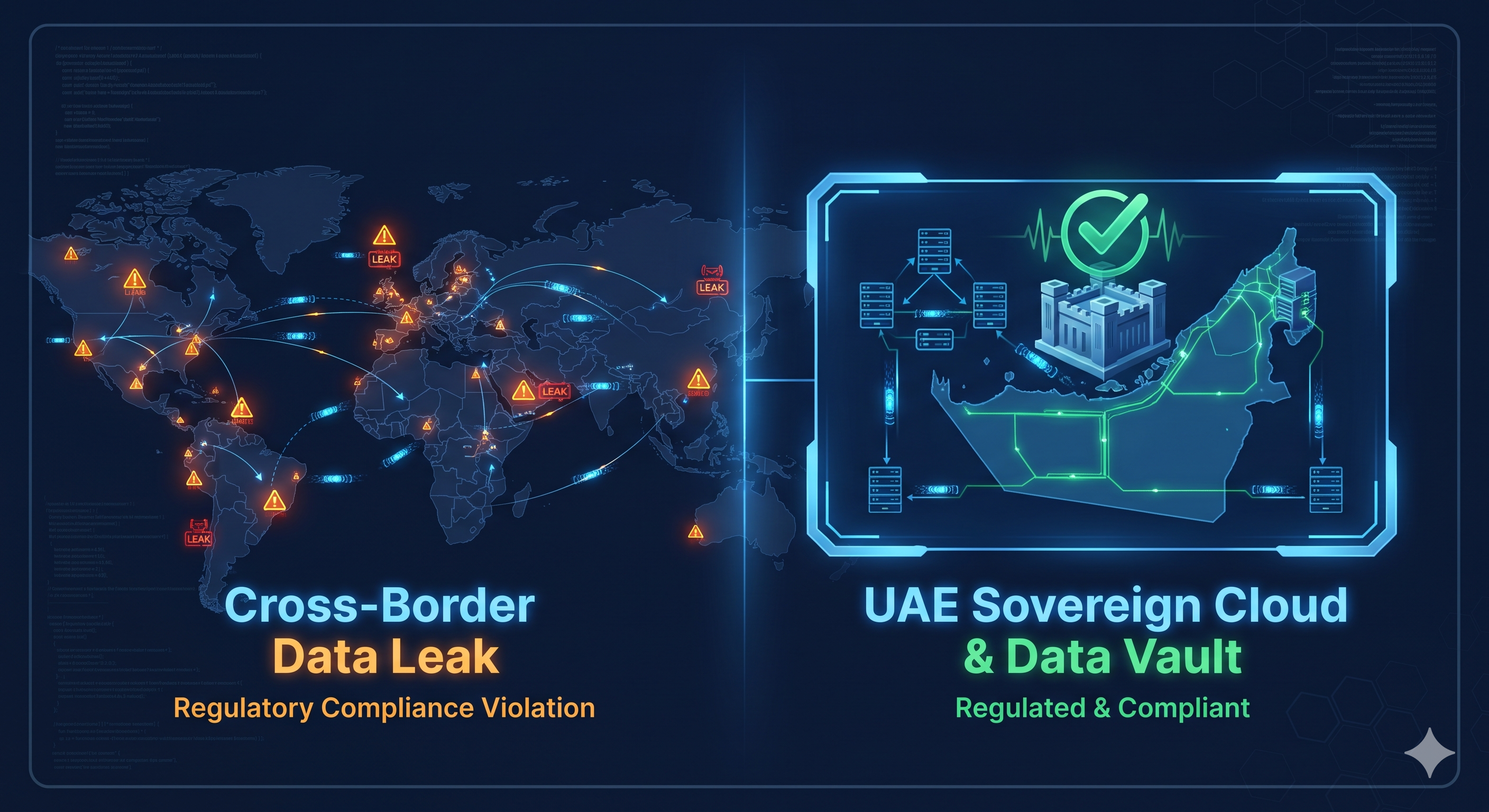
  • The Sovereign Cloud Trap: Why Multi-Region AI Pipelines Are Violating UAE Compliance
    With the UAE's data center market surging past billions in investments and powering dense GPU clusters for high-performance AI workloads, regional engineering standards have fundamentally evolved. Government digital transformation mandates, Central Bank regulations, and stricter frameworks around sovereign data residency dictate that sensitive, confidential, and government-class data must remain localized and heavily governed.


    Why It Matters
    When software architectures rely on global multi-region endpoints without enforcing strict data residency boundaries, you expose your organization to regulatory penalties, failed security audits, and lost enterprise contracts. Data sovereignty isn't just about where your primary database sits; it includes logging, telemetry, backup snapshots, and secondary API routing. If data crosses an unauthorized boundary during inference or caching, your compliance posture breaks instantly.


    What You Need to Know: Engineering for UAE Data Sovereignty
    To keep your tech stack fully compliant while scaling modern AI and cloud architectures in the UAE, engineering teams must implement strict residency controls:


    Deploy Inside Domestic Sovereign Regions: Leverage dedicated local cloud availability zones (such as UAE-based sovereign cloud infrastructure) to ensure all compute and storage nodes reside physically within the country.


    Enforce Hard Geographic Boundaries: Configure cloud policy controls and network routing tables to explicitly block resource creation or data replication outside approved domestic regions. Never let global billing or telemetry services silently leak data cross-border.


    Isolate AI Inference and Token Logging: When integrating LLMs and agentic pipelines, ensure prompt payloads, completion logs, and vector embeddings are stored within local data vaults rather than streaming to external global multi-tenant endpoints.


    Discussion Question
    How is your engineering team auditing data residency across your cloud and AI pipelines? Are you enforcing strict local routing, or are global third-party APIs creating compliance blind spots?


    CTA (Join Techawks UAE)
    Want to connect with UAE-based tech leaders, cloud architects, and engineers building the future of sovereign AI and infrastructure? Join Techawks UAE to stay ahead of the curve.
    The Sovereign Cloud Trap: Why Multi-Region AI Pipelines Are Violating UAE Compliance With the UAE's data center market surging past billions in investments and powering dense GPU clusters for high-performance AI workloads, regional engineering standards have fundamentally evolved. Government digital transformation mandates, Central Bank regulations, and stricter frameworks around sovereign data residency dictate that sensitive, confidential, and government-class data must remain localized and heavily governed. Why It Matters When software architectures rely on global multi-region endpoints without enforcing strict data residency boundaries, you expose your organization to regulatory penalties, failed security audits, and lost enterprise contracts. Data sovereignty isn't just about where your primary database sits; it includes logging, telemetry, backup snapshots, and secondary API routing. If data crosses an unauthorized boundary during inference or caching, your compliance posture breaks instantly. What You Need to Know: Engineering for UAE Data Sovereignty To keep your tech stack fully compliant while scaling modern AI and cloud architectures in the UAE, engineering teams must implement strict residency controls: Deploy Inside Domestic Sovereign Regions: Leverage dedicated local cloud availability zones (such as UAE-based sovereign cloud infrastructure) to ensure all compute and storage nodes reside physically within the country. Enforce Hard Geographic Boundaries: Configure cloud policy controls and network routing tables to explicitly block resource creation or data replication outside approved domestic regions. Never let global billing or telemetry services silently leak data cross-border. Isolate AI Inference and Token Logging: When integrating LLMs and agentic pipelines, ensure prompt payloads, completion logs, and vector embeddings are stored within local data vaults rather than streaming to external global multi-tenant endpoints. Discussion Question How is your engineering team auditing data residency across your cloud and AI pipelines? Are you enforcing strict local routing, or are global third-party APIs creating compliance blind spots? CTA (Join Techawks UAE) Want to connect with UAE-based tech leaders, cloud architects, and engineers building the future of sovereign AI and infrastructure? Join Techawks UAE to stay ahead of the curve.
    0 Комментарии 0 Поделились 818 Просмотры 0 предпросмотр
Расширенные страницы