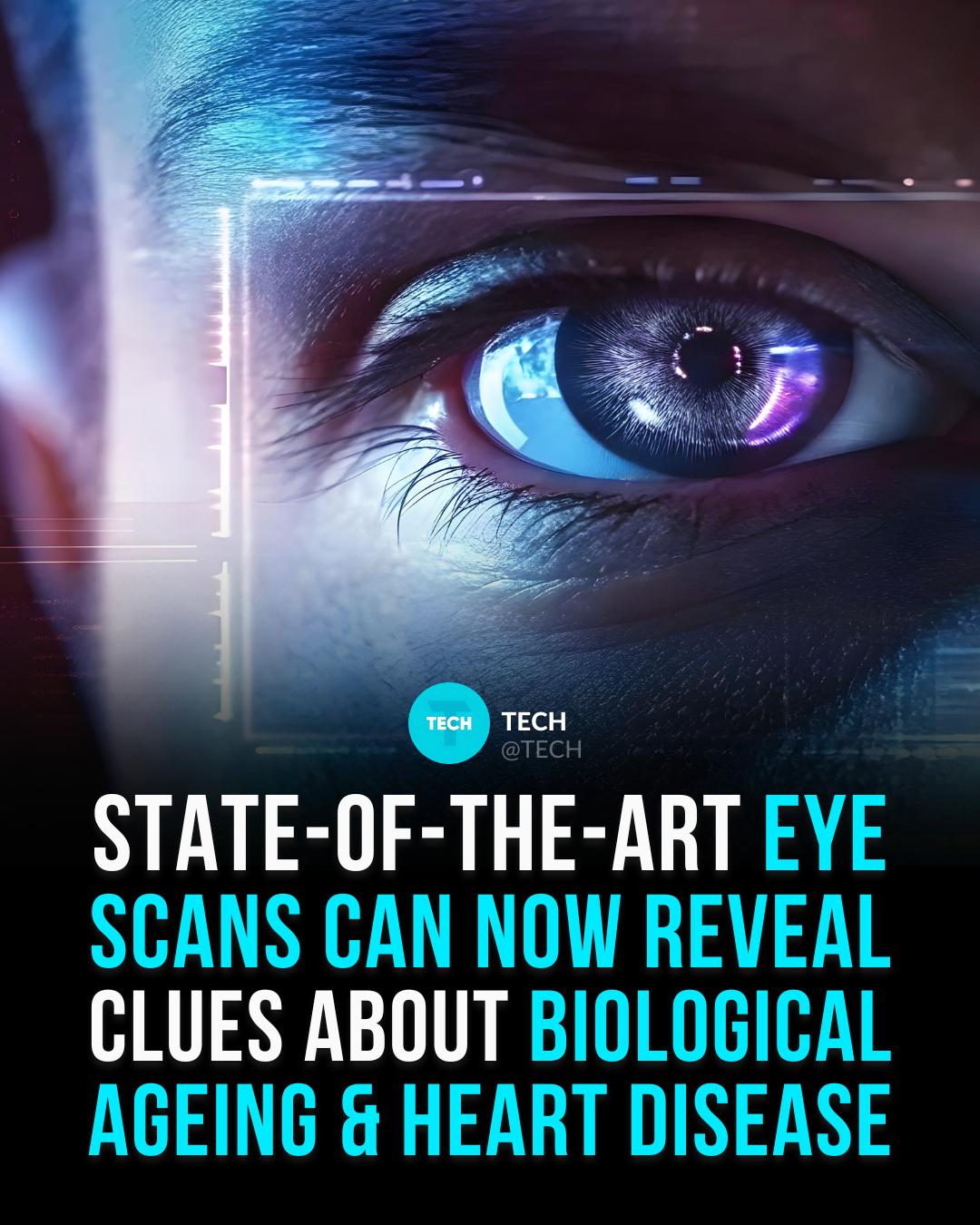
Your eyes are more than cameras. They’re diagnostic ports wired straight into your biology. A massive new study from McMaster University and the Population Health Research Institute, published October 24, 2025 in *Science Advances*, shows that the tiniest blood vessels in the retina can reveal two things doctors care about most: how fast your body is actually aging, and how high your risk is for cardiovascular disease like heart attack and stroke.
Scientists analyzed retinal scans, genetics, and blood samples from more than 74,000 people across four global health cohorts, including the UK Biobank and the Canadian Longitudinal Study on Aging. When the vessels in the back of the eye looked simpler and less branched, those people were more likely to show signs of “vascular aging,” including high inflammation, shorter projected lifespan, and higher odds of heart disease. Retinal vessel shape, in other words, maps to whole-body microvascular health, offering a visual fingerprint of how our organs may be faring long before symptoms arise.
Right now, evaluating aging and cardiovascular risk usually means multiple tests: blood work, imaging, specialist visits. The new work suggests that a fast, noninvasive eye scan might eventually function as an early warning system for heart disease, stroke, dementia, and accelerated biological aging. It could allow routine eye exams to double as powerful diagnostic tools, detecting hidden decline years before it becomes life-threatening. It is not ready to replace full clinical assessment, but the signal is strong enough that researchers are already treating it like a screening concept, not science fiction.
The team also dug into blood biomarkers and genetics to chase mechanism, not just correlation. They flagged two proteins, MMP12 and IgG–Fc receptor IIb, that appear to drive inflammation and vessel aging across the body. Those proteins are now on the radar as possible drug targets to slow vascular aging, reduce cardiovascular burden, and extend healthy lifespan.
Your eyes are more than cameras. They’re diagnostic ports wired straight into your biology. A massive new study from McMaster University and the Population Health Research Institute, published October 24, 2025 in *Science Advances*, shows that the tiniest blood vessels in the retina can reveal two things doctors care about most: how fast your body is actually aging, and how high your risk is for cardiovascular disease like heart attack and stroke.
Scientists analyzed retinal scans, genetics, and blood samples from more than 74,000 people across four global health cohorts, including the UK Biobank and the Canadian Longitudinal Study on Aging. When the vessels in the back of the eye looked simpler and less branched, those people were more likely to show signs of “vascular aging,” including high inflammation, shorter projected lifespan, and higher odds of heart disease. Retinal vessel shape, in other words, maps to whole-body microvascular health, offering a visual fingerprint of how our organs may be faring long before symptoms arise.
Right now, evaluating aging and cardiovascular risk usually means multiple tests: blood work, imaging, specialist visits. The new work suggests that a fast, noninvasive eye scan might eventually function as an early warning system for heart disease, stroke, dementia, and accelerated biological aging. It could allow routine eye exams to double as powerful diagnostic tools, detecting hidden decline years before it becomes life-threatening. It is not ready to replace full clinical assessment, but the signal is strong enough that researchers are already treating it like a screening concept, not science fiction.
The team also dug into blood biomarkers and genetics to chase mechanism, not just correlation. They flagged two proteins, MMP12 and IgG–Fc receptor IIb, that appear to drive inflammation and vessel aging across the body. Those proteins are now on the radar as possible drug targets to slow vascular aging, reduce cardiovascular burden, and extend healthy lifespan.
·159 Views
·0 previzualizare
 English
 Arabic
 French
 Spanish
 Portuguese
 Deutsch
 Turkish
 Dutch
Dutch
 Italiano
 Russian
 Romaian
 Portuguese (Brazil)
 Greek
Greek