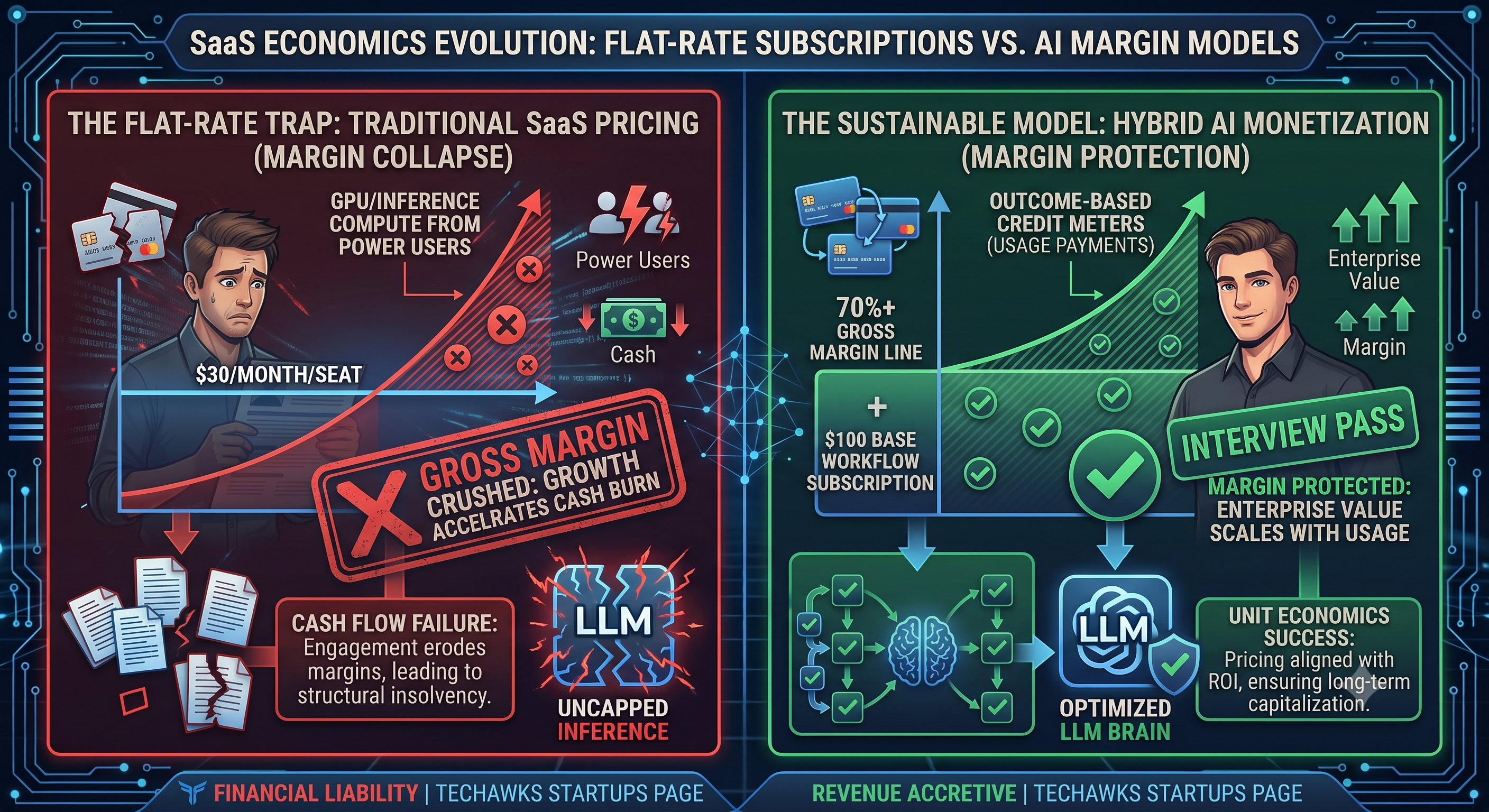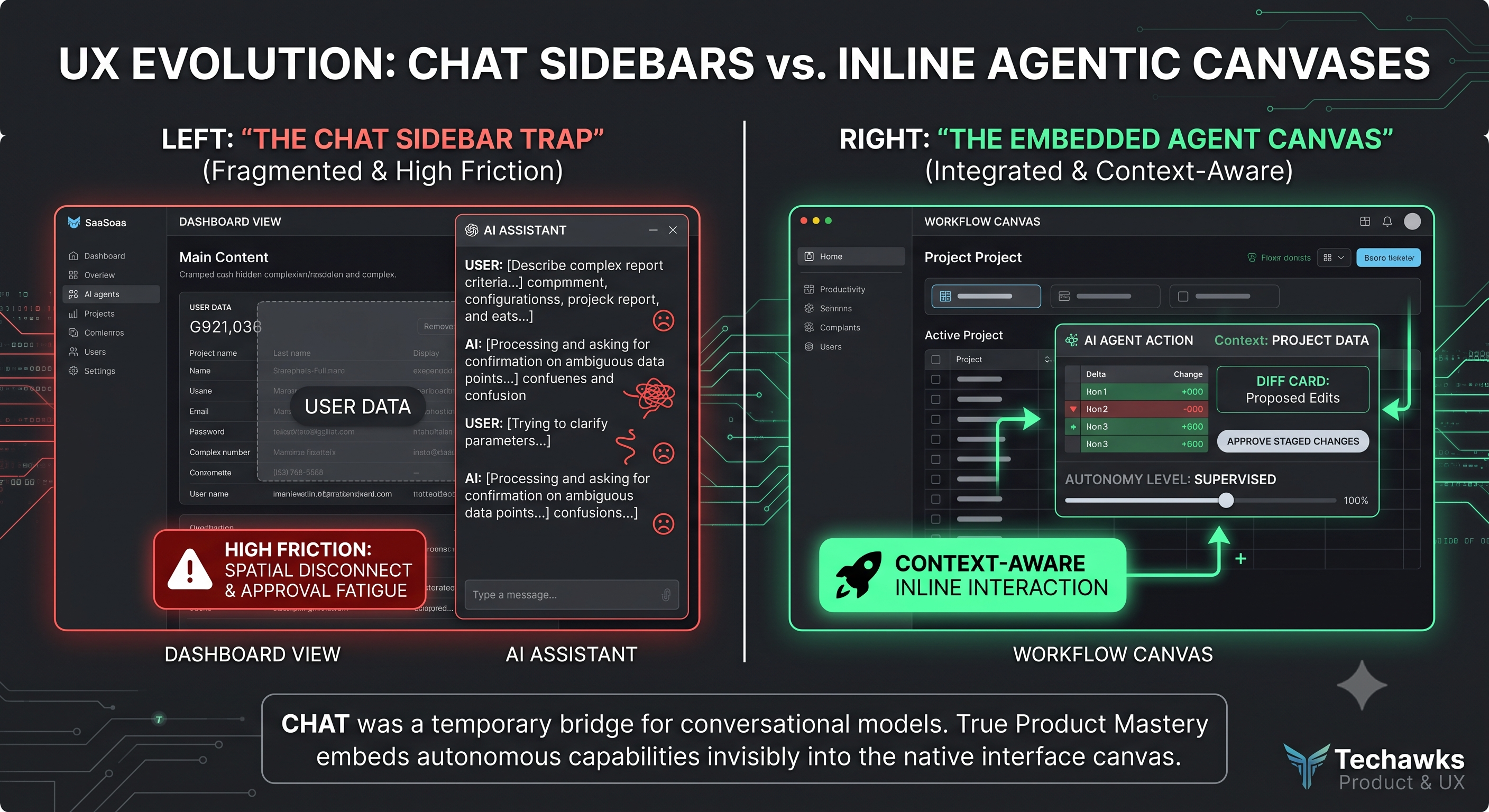
• Feature-Driven vs. Outcome-Driven Product Roadmaps: Shipping Code vs. Delivering Value
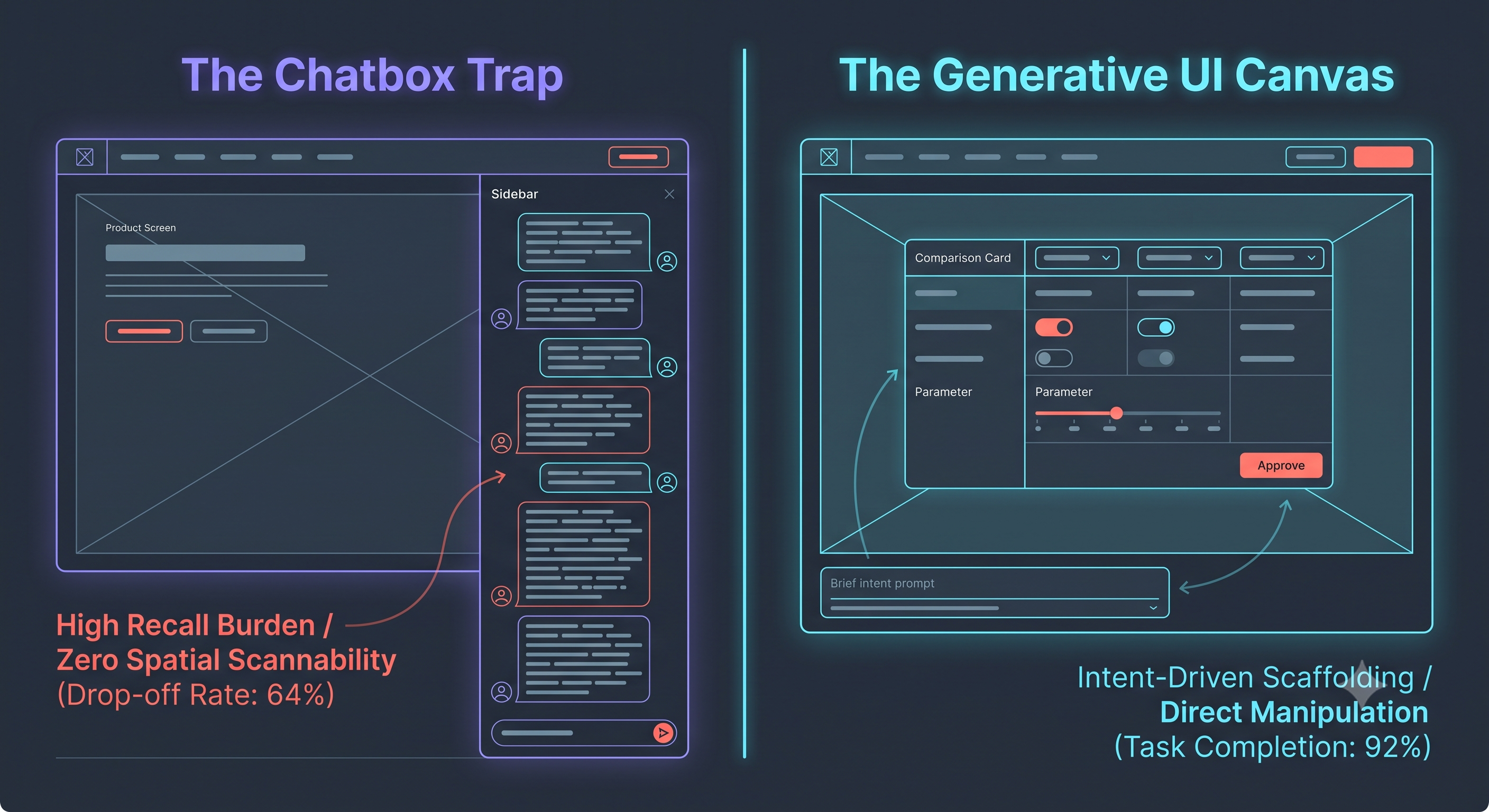
    The difference between average product teams and high-performing ones lies in how they define success. Feature-driven roadmaps commit to building specific solutions before fully understanding the problem, whereas outcome-driven roadmaps align the team around solving core user friction.Here is an educational breakdown of how both approaches operate and how to transition your product strategy:


    1. Feature-Driven Roadmaps (The Output Trap)
    The Mechanism: Focuses on shipping specific deliverables within fixed timeframes (e.g., "Q3 Deliverables: Multi-factor authentication, export to CSV, redesign dashboard").
    Why It Fails: It assumes chosen solutions will automatically solve business problems. If a feature launches on time but fails to move activation or retention metrics, the team still celebrates "shipping" while value remains zero.


    2. Outcome-Driven Roadmaps (The Impact Model)
    The Mechanism: Structures goals around measurable user behaviors and business impact using frameworks like OKRs or Opportunity Solution Trees (e.g., "Q3 Goal: Reduce onboarding drop-off rate from 40% to 20%").
    Why It Succeeds: It grants design and engineering teams the autonomy to experiment with multiple solutions. If the first feature iteration fails to hit the target metric, the team pivots and refines until the desired user behavior is achieved.


    How to Refactor Your Roadmap into OutcomesTo transition your team from an output factory to an outcome-driven engine, follow these three practical steps:
    Reframe Feature Requests into Hypotheses: Instead of stating "We need to add a search filter," write "We believe adding category filters will decrease time-to-first-purchase by 15% for new users.
    "Pair Key Results with Solution Tracks: Group potential features under explicit outcome metrics. Treat features as hypotheses to test rather than non-negotiable commitments.
    Decouple Discovery from Delivery: Run continuous user discovery (interviews, usability tests, product analytics) alongside delivery sprints to validate problems before committing full engineering resources.


    Key Takeaways
    Outputs $\neq$ Outcomes: Shipping a feature on time is an operational milestone; changing user behavior for the better is a product outcome.
    Empower Through Problem Statements: Outcome roadmaps give cross-functional teams the freedom to iterate on the best solution rather than locking them into rigid feature lists.
    Validate Hypotheses Early: Treat every proposed feature as an unverified hypothesis until user analytics prove it moves the target metric.


    CTA
    How does your team structure its quarterly product goals? Join Product, UX & Design to share roadmap templates, debate discovery frameworks, and learn how leading product strategists drive measurable user impact.
    Feature-Driven vs. Outcome-Driven Product Roadmaps: Shipping Code vs. Delivering Value The difference between average product teams and high-performing ones lies in how they define success. Feature-driven roadmaps commit to building specific solutions before fully understanding the problem, whereas outcome-driven roadmaps align the team around solving core user friction.Here is an educational breakdown of how both approaches operate and how to transition your product strategy: 1. Feature-Driven Roadmaps (The Output Trap) The Mechanism: Focuses on shipping specific deliverables within fixed timeframes (e.g., "Q3 Deliverables: Multi-factor authentication, export to CSV, redesign dashboard"). Why It Fails: It assumes chosen solutions will automatically solve business problems. If a feature launches on time but fails to move activation or retention metrics, the team still celebrates "shipping" while value remains zero. 2. Outcome-Driven Roadmaps (The Impact Model) The Mechanism: Structures goals around measurable user behaviors and business impact using frameworks like OKRs or Opportunity Solution Trees (e.g., "Q3 Goal: Reduce onboarding drop-off rate from 40% to 20%"). Why It Succeeds: It grants design and engineering teams the autonomy to experiment with multiple solutions. If the first feature iteration fails to hit the target metric, the team pivots and refines until the desired user behavior is achieved. How to Refactor Your Roadmap into OutcomesTo transition your team from an output factory to an outcome-driven engine, follow these three practical steps: Reframe Feature Requests into Hypotheses: Instead of stating "We need to add a search filter," write "We believe adding category filters will decrease time-to-first-purchase by 15% for new users. "Pair Key Results with Solution Tracks: Group potential features under explicit outcome metrics. Treat features as hypotheses to test rather than non-negotiable commitments. Decouple Discovery from Delivery: Run continuous user discovery (interviews, usability tests, product analytics) alongside delivery sprints to validate problems before committing full engineering resources. Key Takeaways Outputs $\neq$ Outcomes: Shipping a feature on time is an operational milestone; changing user behavior for the better is a product outcome. Empower Through Problem Statements: Outcome roadmaps give cross-functional teams the freedom to iterate on the best solution rather than locking them into rigid feature lists. Validate Hypotheses Early: Treat every proposed feature as an unverified hypothesis until user analytics prove it moves the target metric. CTA How does your team structure its quarterly product goals? Join Product, UX & Design to share roadmap templates, debate discovery frameworks, and learn how leading product strategists drive measurable user impact.
    0 Commentarii 0 Distribuiri 53 Views 0 previzualizare
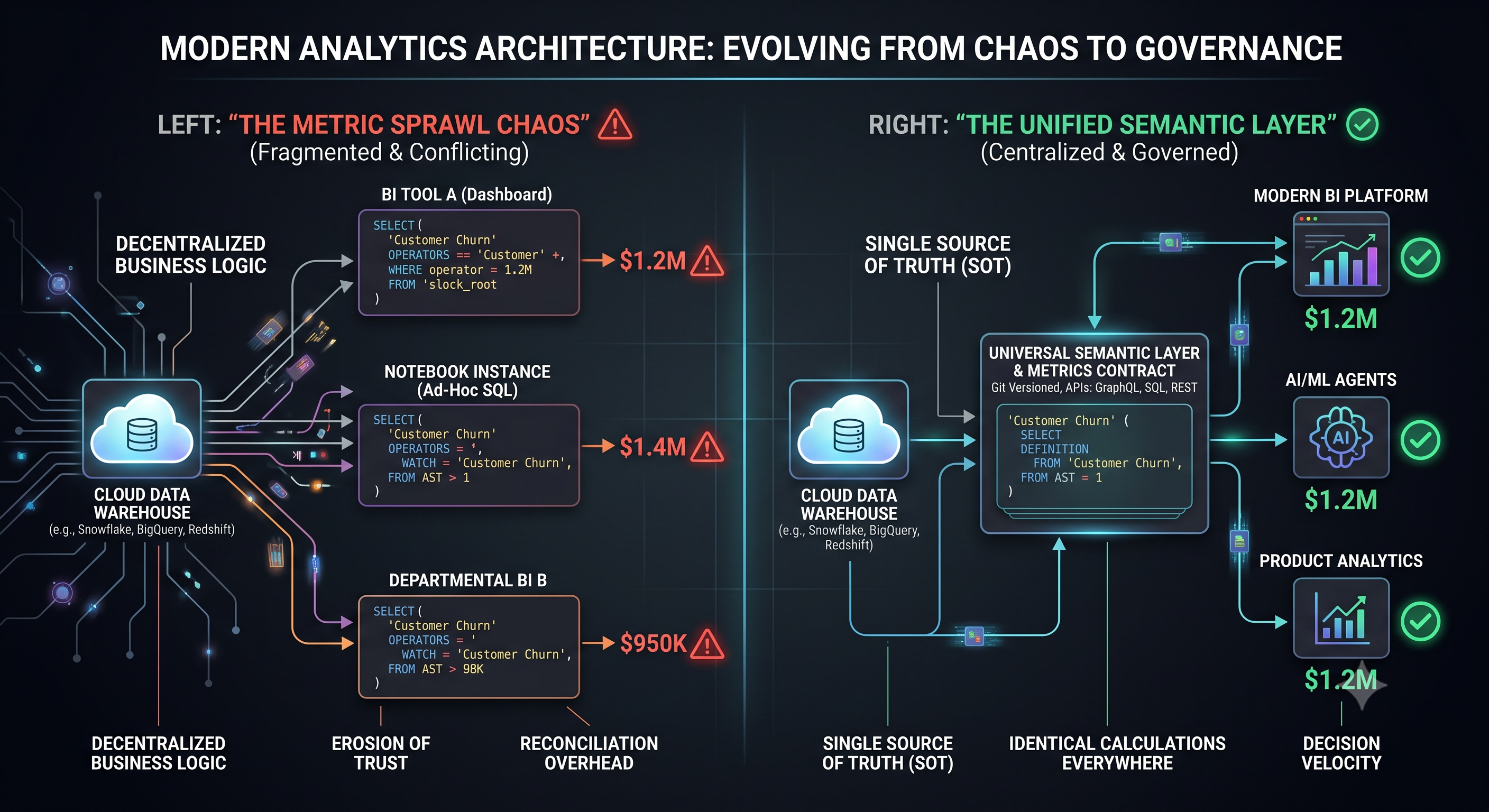
  • Data Warehouse vs. Data Lake: Choosing the Right Storage Architecture for Your Analytics Pipeline
    Choosing between a Data Warehouse and a Data Lake depends entirely on your data structure, processing requirements, and analytical use cases. Understanding the structural differences enables data teams to build performant, cost-effective pipelines.


    Here is an educational breakdown of how both storage paradigms operate and when to implement each:


    1. Data Warehouse (Schema-on-Write)
    A Data Warehouse is a centralized repository engineered specifically for transactional, structured business data. Data is extracted, transformed, and loaded (ETL) into predefined schemas before storage.
    Core Characteristics: Optimized for fast SQL queries, complex joins, high concurrency, and business intelligence (BI) reporting tools.
    Best Used For: Clean, highly structured data needed for executive dashboards, financial reporting, and operational KPIs where low query latency and strict data consistency (ACID compliance) are mandatory.
    Popular Technologies: Snowflake, Google BigQuery, Amazon Redshift.


    2. Data Lake (Schema-on-Read)
    A Data Lake is a scalable storage repository designed to hold vast amounts of raw data in its native format—whether structured, semi-structured (JSON, XML), or unstructured (images, audio, logs).
    Core Characteristics: Follows an ELT (Extract, Load, Transform) pattern. Schema definition is deferred until the data is queried or processed by downstream applications.
    Best Used For: Storing high-volume telemetry, clickstream data, machine learning model training datasets, and exploratory data analysis where upfront schema design is impractical.
    Popular Technologies: Amazon S3, Google Cloud Storage, Azure Blob Storage, Apache Iceberg.


    How to Build a Hybrid Modern Data Stack
    Modern enterprise architectures rarely use one exclusively. Instead, they implement the Data Lakehouse model or a hybrid pipeline:
    Ingest to the Lake: Store high-volume raw streams and logs directly in cost-effective Object Storage (Data Lake).
    Transform and Load to the Warehouse: Clean, aggregate, and model core business entities (using dbt or Spark) before loading curated datasets into a Data Warehouse for business users.
    Decouple Storage and Compute: Choose engine architectures that allow independent scaling of compute instances from underlying storage layers.


    Key Takeaways
    Schema-on-Write vs. Schema-on-Read: Warehouses require upfront schema modeling for fast SQL queries; Lakes preserve raw data formats for downstream flexibility.
    Match Purpose to Architecture: Use Warehouses for structured BI reporting and Lakes for unstructured ML training and telemetry ingestion.
    Combine Strengths: Modern data stacks often use Data Lakes as raw staging layers and Data Warehouses as curated analytical engines.


    CTA
    How is your organization structuring its data architecture this year? Join Data Science & Analytics to discuss pipeline optimization, compare data modeling techniques, and build hands-on projects with experienced data engineers.
    Data Warehouse vs. Data Lake: Choosing the Right Storage Architecture for Your Analytics Pipeline Choosing between a Data Warehouse and a Data Lake depends entirely on your data structure, processing requirements, and analytical use cases. Understanding the structural differences enables data teams to build performant, cost-effective pipelines. Here is an educational breakdown of how both storage paradigms operate and when to implement each: 1. Data Warehouse (Schema-on-Write) A Data Warehouse is a centralized repository engineered specifically for transactional, structured business data. Data is extracted, transformed, and loaded (ETL) into predefined schemas before storage. Core Characteristics: Optimized for fast SQL queries, complex joins, high concurrency, and business intelligence (BI) reporting tools. Best Used For: Clean, highly structured data needed for executive dashboards, financial reporting, and operational KPIs where low query latency and strict data consistency (ACID compliance) are mandatory. Popular Technologies: Snowflake, Google BigQuery, Amazon Redshift. 2. Data Lake (Schema-on-Read) A Data Lake is a scalable storage repository designed to hold vast amounts of raw data in its native format—whether structured, semi-structured (JSON, XML), or unstructured (images, audio, logs). Core Characteristics: Follows an ELT (Extract, Load, Transform) pattern. Schema definition is deferred until the data is queried or processed by downstream applications. Best Used For: Storing high-volume telemetry, clickstream data, machine learning model training datasets, and exploratory data analysis where upfront schema design is impractical. Popular Technologies: Amazon S3, Google Cloud Storage, Azure Blob Storage, Apache Iceberg. How to Build a Hybrid Modern Data Stack Modern enterprise architectures rarely use one exclusively. Instead, they implement the Data Lakehouse model or a hybrid pipeline: Ingest to the Lake: Store high-volume raw streams and logs directly in cost-effective Object Storage (Data Lake). Transform and Load to the Warehouse: Clean, aggregate, and model core business entities (using dbt or Spark) before loading curated datasets into a Data Warehouse for business users. Decouple Storage and Compute: Choose engine architectures that allow independent scaling of compute instances from underlying storage layers. Key Takeaways Schema-on-Write vs. Schema-on-Read: Warehouses require upfront schema modeling for fast SQL queries; Lakes preserve raw data formats for downstream flexibility. Match Purpose to Architecture: Use Warehouses for structured BI reporting and Lakes for unstructured ML training and telemetry ingestion. Combine Strengths: Modern data stacks often use Data Lakes as raw staging layers and Data Warehouses as curated analytical engines. CTA How is your organization structuring its data architecture this year? Join Data Science & Analytics to discuss pipeline optimization, compare data modeling techniques, and build hands-on projects with experienced data engineers.
    0 Commentarii 0 Distribuiri 57 Views 0 previzualizare
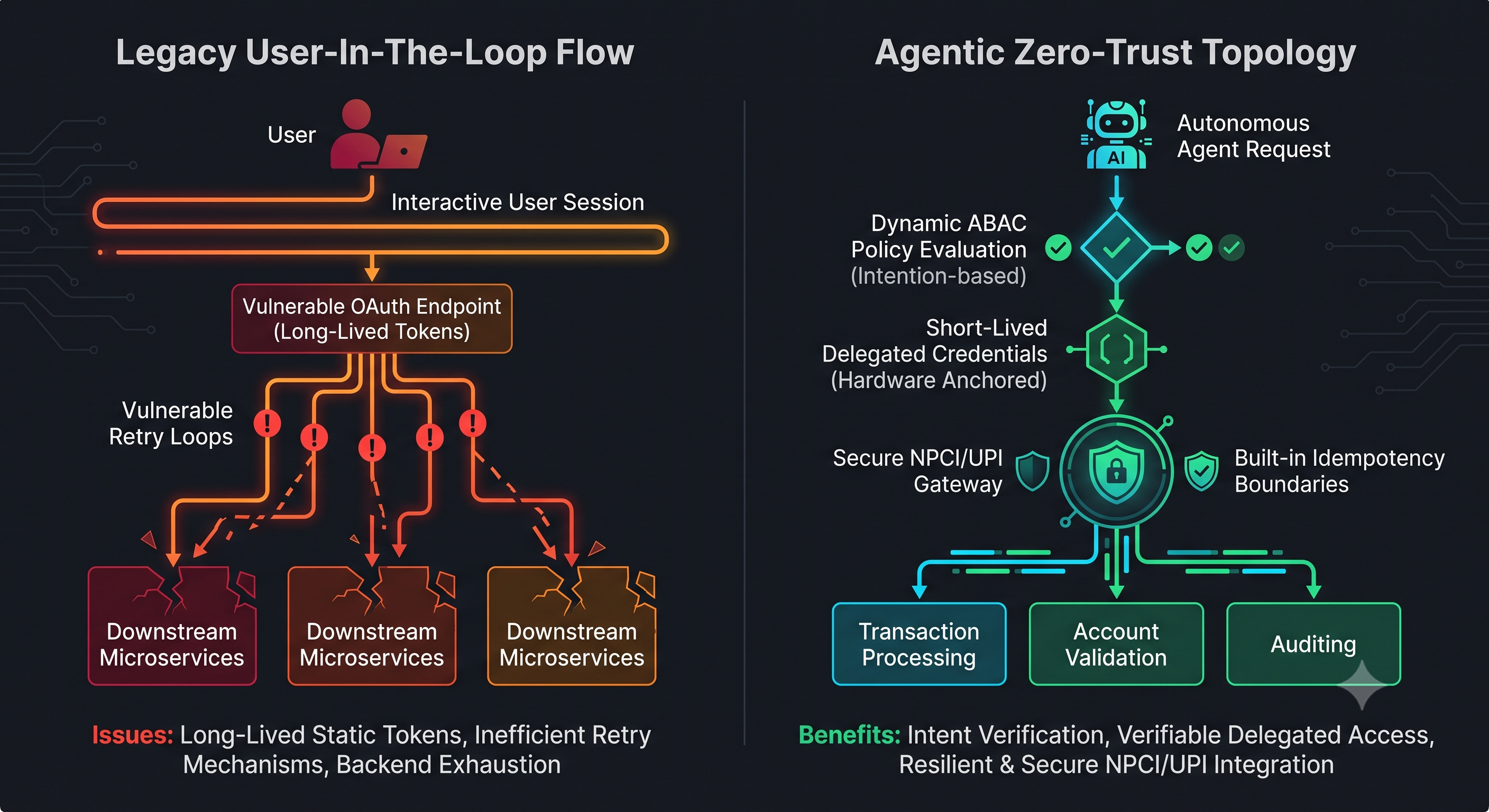
  • Zero Trust Architecture vs. Perimeter Security: Is the Traditional Network Defense Dead?
    The shift toward Zero Trust Architecture (ZTA) represents a fundamental evolution in how security teams approach network access and identity verification. Rather than assuming internal traffic is inherently safe, Zero Trust operates on a simple mandate: "Never trust, always verify."


    To evaluate where cybersecurity strategy is heading, it is crucial to analyze how these two models compare in production environments:


    1. Perimeter Security (Castle-and-Moat)
    The Core Premise: Focuses heavily on defending the boundary of a network. Once a user or device passes initial authentication (via VPN, firewall, or gateway), they are granted broad access to internal resources.
    The Vulnerability: If an attacker compromises a single endpoint or steals internal VPN credentials, they gain lateral movement privileges, allowing them to scan databases, pivot across servers, and exfiltrate sensitive data undetected.


    2. Zero Trust Architecture (Micro-Segmentation & Continuous Auth)
    The Core Premise: Removes implicit trust based on network location. Every access request—whether originating inside or outside the corporate network—must be authenticated, authorized, and encrypted before access is granted.


    Key Mechanisms:
    Identity-First Security: Access is granted based on verified identity, device health, and context rather than IP addresses.
    Least Privilege Access: Users only receive the minimum permissions necessary to perform their specific role (Role-Based Access Control / ABAC).
    Micro-segmentation: Networks are isolated into tiny zones to prevent lateral movement during a breach.


    Actionable Advice for Security Learners & Analysts
    Moving to Zero Trust doesn't mean firewalls and perimeter tools are useless—it means they can no longer stand alone as your primary defense:
    Start with Identity Management: Prioritize learning identity and access management (IAM) platforms, multi-factor authentication (MFA) protocols, and Single Sign-On (SSO) integrations.
    Master Micro-Segmentation: Understand how cloud networks (AWS VPCs, Azure VNets) use security groups and network policies to isolate microservices.
    Assume Breach: Design network policies under the assumption that an attacker is already inside the network segment.


    Key Takeaways
    Perimeter Alone Is Insufficient: Internal network location no longer guarantees that a device or user is benign.
    Verify Continuously: Zero Trust relies on continuous identity verification, device compliance checks, and least-privilege access rules.
    Contain Lateral Movement: Implementing micro-segmentation limits the blast radius if an individual endpoint or account is compromised.


    CTA
    How is your organization or lab environment balancing traditional firewalls with Zero Trust access controls? Join Cybersecurity & Ethical Hacking to share your architecture diagrams, discuss IAM strategies, and collaborate with fellow security researchers.
    Zero Trust Architecture vs. Perimeter Security: Is the Traditional Network Defense Dead? The shift toward Zero Trust Architecture (ZTA) represents a fundamental evolution in how security teams approach network access and identity verification. Rather than assuming internal traffic is inherently safe, Zero Trust operates on a simple mandate: "Never trust, always verify." To evaluate where cybersecurity strategy is heading, it is crucial to analyze how these two models compare in production environments: 1. Perimeter Security (Castle-and-Moat) The Core Premise: Focuses heavily on defending the boundary of a network. Once a user or device passes initial authentication (via VPN, firewall, or gateway), they are granted broad access to internal resources. The Vulnerability: If an attacker compromises a single endpoint or steals internal VPN credentials, they gain lateral movement privileges, allowing them to scan databases, pivot across servers, and exfiltrate sensitive data undetected. 2. Zero Trust Architecture (Micro-Segmentation & Continuous Auth) The Core Premise: Removes implicit trust based on network location. Every access request—whether originating inside or outside the corporate network—must be authenticated, authorized, and encrypted before access is granted. Key Mechanisms: Identity-First Security: Access is granted based on verified identity, device health, and context rather than IP addresses. Least Privilege Access: Users only receive the minimum permissions necessary to perform their specific role (Role-Based Access Control / ABAC). Micro-segmentation: Networks are isolated into tiny zones to prevent lateral movement during a breach. Actionable Advice for Security Learners & Analysts Moving to Zero Trust doesn't mean firewalls and perimeter tools are useless—it means they can no longer stand alone as your primary defense: Start with Identity Management: Prioritize learning identity and access management (IAM) platforms, multi-factor authentication (MFA) protocols, and Single Sign-On (SSO) integrations. Master Micro-Segmentation: Understand how cloud networks (AWS VPCs, Azure VNets) use security groups and network policies to isolate microservices. Assume Breach: Design network policies under the assumption that an attacker is already inside the network segment. Key Takeaways Perimeter Alone Is Insufficient: Internal network location no longer guarantees that a device or user is benign. Verify Continuously: Zero Trust relies on continuous identity verification, device compliance checks, and least-privilege access rules. Contain Lateral Movement: Implementing micro-segmentation limits the blast radius if an individual endpoint or account is compromised. CTA How is your organization or lab environment balancing traditional firewalls with Zero Trust access controls? Join Cybersecurity & Ethical Hacking to share your architecture diagrams, discuss IAM strategies, and collaborate with fellow security researchers.
    0 Commentarii 0 Distribuiri 65 Views 0 previzualizare
  • How Data Structures and Algorithms Actually Apply to Real-World Software Engineering
    When you study DSA for class exams or coding challenges, problems feel abstract—reversing linked lists or balancing trees in a controlled environment. However, when software engineers build scalable web apps, mobile services, or data pipelines, these concepts dictate how fast a system runs and how much server memory it consumes.Here is how foundational data structures map directly to real-world engineering challenges


    1. Hash Tables (Objects / Dictionaries) vs. Arrays
    The Academic View: Searching an array takes $O(n)$ time, while a Hash Table offers $O(1)$ constant time lookup on average.
    The Production Reality: Imagine building a user authentication middleware that runs on every API request. If you store session tokens in an Array, every API call requires scanning through every active user—slowing down the app as users grow. Using a Hash Map or Redis key-value store guarantees instant authorization checks regardless of user count.


    2. Queues in Asynchronous Background Processing
    The Academic View: A First-In, First-Out (FIFO) queue buffers data elements for sequential processing.
    The Production Reality: When a user signs up or uploads a video on a platform, processing tasks (like rendering thumbnails or sending welcome emails) shouldn't block the UI. Engineering teams send these tasks to background message queues (e.g., RabbitMQ, Kafka, or AWS SQS). The application responds instantly, while worker processes pull tasks from the queue in order.


    3. Graphs in Recommendation Systems & Social Networks
    The Academic View: Graphs consist of nodes (vertices) connected by edges, traversed using Breadth-First Search (BFS) or Depth-First Search (DFS).
    The Production Reality: Social networks like LinkedIn or Instagram rely on graph databases. Users are nodes, and connections or friendships are edges. Finding "mutual connections" or "people you may know" uses BFS traversal algorithms to discover degree-of-separation paths efficiently across millions of users.


    4. Trees in Database Indexing
    The Academic View: Binary Search Trees and B-Trees keep data sorted for logarithmic search time ($O(\log n)$).
    The Production Reality: Relational databases like PostgreSQL and MySQL use B-Trees to build indexes on columns. Searching through millions of database rows without an index requires a slow full-table scan; an indexed search pinpoints data in milliseconds.How to Shift Your Study ApproachInstead of just memorizing syntax for coding tests, ask yourself: "Where in a modern web application would this data structure save server memory or reduce latency?" Linking abstract theory to system behavior is what separates top CS students from industry-ready software engineers.


    Key Takeaways
    Algorithms Impact Performance: DSA concepts govern system responsiveness, database speed, and hosting costs in real applications.Select for Scalability: Choosing an $O(1)$ lookup or an $O(\log n)$ search structure prevents server slowdowns when user traffic scales.Connect Theory to Architecture: Understanding background queues, indexing trees, and graph traversal makes complex software design intuitive.


    CTA
    Want to bridge the gap between computer science coursework and building real-world software? Join Students in Tech to access project guides, join peer coding sessions, and connect with senior engineers who can mentor your journey.
    How Data Structures and Algorithms Actually Apply to Real-World Software Engineering When you study DSA for class exams or coding challenges, problems feel abstract—reversing linked lists or balancing trees in a controlled environment. However, when software engineers build scalable web apps, mobile services, or data pipelines, these concepts dictate how fast a system runs and how much server memory it consumes.Here is how foundational data structures map directly to real-world engineering challenges 1. Hash Tables (Objects / Dictionaries) vs. Arrays The Academic View: Searching an array takes $O(n)$ time, while a Hash Table offers $O(1)$ constant time lookup on average. The Production Reality: Imagine building a user authentication middleware that runs on every API request. If you store session tokens in an Array, every API call requires scanning through every active user—slowing down the app as users grow. Using a Hash Map or Redis key-value store guarantees instant authorization checks regardless of user count. 2. Queues in Asynchronous Background Processing The Academic View: A First-In, First-Out (FIFO) queue buffers data elements for sequential processing. The Production Reality: When a user signs up or uploads a video on a platform, processing tasks (like rendering thumbnails or sending welcome emails) shouldn't block the UI. Engineering teams send these tasks to background message queues (e.g., RabbitMQ, Kafka, or AWS SQS). The application responds instantly, while worker processes pull tasks from the queue in order. 3. Graphs in Recommendation Systems & Social Networks The Academic View: Graphs consist of nodes (vertices) connected by edges, traversed using Breadth-First Search (BFS) or Depth-First Search (DFS). The Production Reality: Social networks like LinkedIn or Instagram rely on graph databases. Users are nodes, and connections or friendships are edges. Finding "mutual connections" or "people you may know" uses BFS traversal algorithms to discover degree-of-separation paths efficiently across millions of users. 4. Trees in Database Indexing The Academic View: Binary Search Trees and B-Trees keep data sorted for logarithmic search time ($O(\log n)$). The Production Reality: Relational databases like PostgreSQL and MySQL use B-Trees to build indexes on columns. Searching through millions of database rows without an index requires a slow full-table scan; an indexed search pinpoints data in milliseconds.How to Shift Your Study ApproachInstead of just memorizing syntax for coding tests, ask yourself: "Where in a modern web application would this data structure save server memory or reduce latency?" Linking abstract theory to system behavior is what separates top CS students from industry-ready software engineers. Key Takeaways Algorithms Impact Performance: DSA concepts govern system responsiveness, database speed, and hosting costs in real applications.Select for Scalability: Choosing an $O(1)$ lookup or an $O(\log n)$ search structure prevents server slowdowns when user traffic scales.Connect Theory to Architecture: Understanding background queues, indexing trees, and graph traversal makes complex software design intuitive. CTA Want to bridge the gap between computer science coursework and building real-world software? Join Students in Tech to access project guides, join peer coding sessions, and connect with senior engineers who can mentor your journey.
    0 Commentarii 0 Distribuiri 533 Views 0 previzualizare
  • How to Measure True Product-Market Fit: 4 Quantitative Metrics Every Founder Needs
    Most startups fail not because they couldn't build a product, but because they built something without sustainable market demand. Founders often mistake initial launch buzz for Product-Market Fit, leading to premature scaling that burns through runway.


    To know if you have real PMF before spending heavily on sales and marketing, track these four core quantitative benchmarks:


    1. The "Sean Ellis" 40% Test
    Survey your active users with a single question: "How would you feel if you could no longer use [Product]?"
    The Threshold: If 40% or more of respondents answer "very disappointed," you have reached a baseline for PMF.
    Actionable Insight: If your score is below 40%, stop growing marketing spend and interview the users who did answer "very disappointed" to double down on what makes the core value proposition work for them.


    2. The Cohort Retention Curve (The "Flattening" Line)
    Track user cohorts over 30, 60, and 90 days. Plot retention percentages over time on a graph.
    The Threshold: Look for a curve that drops initially but eventually flattens out parallel to the x-axis.
    Actionable Insight: A curve that trends continuously down to zero indicates a "leaky bucket"—adding more users will not save the business. A flat line proves a baseline of core power users who find recurring value.


    3. Net Revenue Retention (NRR) > 100% (For B2B SaaS)
    NRR measures the percentage of recurring revenue retained from existing customers over a specific period, factoring in upgrades, cross-sells, and churn.
    The Threshold: An NRR above 100% (ideally 110%+ for SMB, 120%+ for Enterprise) means your business grows organically from your existing customer base even if you acquire zero new customers.


    4. LTV to CAC Ratio > 3:1
    Customer Lifetime Value (LTV) must significantly exceed Customer Acquisition Cost (CAC).
    The Threshold: A healthy ratio is 3:1 or higher, with a CAC payback period of less than 12 months.
    Actionable Insight: If your payback period exceeds 18–24 months early on, your acquisition engine is inefficient or your pricing model is undercharging for delivered value.


    Key Takeaways
    Ignore Vanity Metrics: Registrations and downloads mask underlying churn; focus on retention and repeat usage.
    Look for Flat Retention Curves: Sustainable growth requires a stable cohort baseline that never drops to zero.
    Fix Product Before Scaling Growth: Pouring capital into acquisition before achieving 40%+ survey disappointment or >100% NRR accelerates startup failure.


    CTA
    Are you evaluating your startup's retention numbers or preparing for a seed round? Join Startup Founders & Entrepreneurs to share benchmark metrics, refine your go-to-market strategy, and connect with fellow founders and investors.
    How to Measure True Product-Market Fit: 4 Quantitative Metrics Every Founder Needs Most startups fail not because they couldn't build a product, but because they built something without sustainable market demand. Founders often mistake initial launch buzz for Product-Market Fit, leading to premature scaling that burns through runway. To know if you have real PMF before spending heavily on sales and marketing, track these four core quantitative benchmarks: 1. The "Sean Ellis" 40% Test Survey your active users with a single question: "How would you feel if you could no longer use [Product]?" The Threshold: If 40% or more of respondents answer "very disappointed," you have reached a baseline for PMF. Actionable Insight: If your score is below 40%, stop growing marketing spend and interview the users who did answer "very disappointed" to double down on what makes the core value proposition work for them. 2. The Cohort Retention Curve (The "Flattening" Line) Track user cohorts over 30, 60, and 90 days. Plot retention percentages over time on a graph. The Threshold: Look for a curve that drops initially but eventually flattens out parallel to the x-axis. Actionable Insight: A curve that trends continuously down to zero indicates a "leaky bucket"—adding more users will not save the business. A flat line proves a baseline of core power users who find recurring value. 3. Net Revenue Retention (NRR) > 100% (For B2B SaaS) NRR measures the percentage of recurring revenue retained from existing customers over a specific period, factoring in upgrades, cross-sells, and churn. The Threshold: An NRR above 100% (ideally 110%+ for SMB, 120%+ for Enterprise) means your business grows organically from your existing customer base even if you acquire zero new customers. 4. LTV to CAC Ratio > 3:1 Customer Lifetime Value (LTV) must significantly exceed Customer Acquisition Cost (CAC). The Threshold: A healthy ratio is 3:1 or higher, with a CAC payback period of less than 12 months. Actionable Insight: If your payback period exceeds 18–24 months early on, your acquisition engine is inefficient or your pricing model is undercharging for delivered value. Key Takeaways Ignore Vanity Metrics: Registrations and downloads mask underlying churn; focus on retention and repeat usage. Look for Flat Retention Curves: Sustainable growth requires a stable cohort baseline that never drops to zero. Fix Product Before Scaling Growth: Pouring capital into acquisition before achieving 40%+ survey disappointment or >100% NRR accelerates startup failure. CTA Are you evaluating your startup's retention numbers or preparing for a seed round? Join Startup Founders & Entrepreneurs to share benchmark metrics, refine your go-to-market strategy, and connect with fellow founders and investors.
    0 Commentarii 0 Distribuiri 2K Views 0 previzualizare
  • How to Transition from Junior to Senior Developer: The 4 Core Competencies You Need
    Reaching the senior developer level isn't about mastering every framework—it's about demonstrating architectural foresight, business acumen, and cross-team leadership. If you want to accelerate your career trajectory, focus on building these four non-technical skills alongside your engineering practice:


    1. Shift from Coding Solutions to Defining Problems
    Junior Mindset: Waits for fully detailed ticket specifications and executes tasks as requested.
    Senior Action: Questions assumptions, identifies edge cases early, and clarifies business goals before writing code. Focus on understanding why a feature matters to end-users rather than just completing tickets.


    2. Communicate Architectural Trade-Offs
    Junior Mindset: Chooses technologies based on popularity or technical novelty.
    Senior Action: Evaluates technical choices through the lens of trade-offs: cost, maintainability, execution speed, and system security. When presenting decisions to managers, explain options in terms of business impact and risk rather than syntax preferences.


    3. Elevate Team Productivity Through Mentorship
    Junior Mindset: Focuses exclusively on individual daily ticket output.
    Senior Action: Acts as a force multiplier for the team. Senior engineers write clear documentation, create reusable tooling, conduct constructive code reviews, and unblock junior team members through pair programming.


    4. Practice System Health & Production Ownership
    Junior Mindset: Considers a task finished once code passes local tests and gets merged.
    Senior Action: Takes responsibility for observability, error logging, CI/CD pipeline reliability, and post-release monitoring. Senior engineers design systems that are easy to debug when failures occur in production.


    Key Takeaways


    Solve Business Problems: Focus on delivering measurable product value, not just closing software tickets.
    Multiply Team Output: Your growth to a senior role is measured by how much better you make the engineers around you.
    Master System Ownership: Take responsibility for operational health, monitoring, and long-term code maintainability.


    CTA
    Ready to take the next step in your tech career? Join Tech Jobs & Opportunities to connect with hiring managers, discover curated engineering roles, and access career growth strategies from industry mentors.
    How to Transition from Junior to Senior Developer: The 4 Core Competencies You Need Reaching the senior developer level isn't about mastering every framework—it's about demonstrating architectural foresight, business acumen, and cross-team leadership. If you want to accelerate your career trajectory, focus on building these four non-technical skills alongside your engineering practice: 1. Shift from Coding Solutions to Defining Problems Junior Mindset: Waits for fully detailed ticket specifications and executes tasks as requested. Senior Action: Questions assumptions, identifies edge cases early, and clarifies business goals before writing code. Focus on understanding why a feature matters to end-users rather than just completing tickets. 2. Communicate Architectural Trade-Offs Junior Mindset: Chooses technologies based on popularity or technical novelty. Senior Action: Evaluates technical choices through the lens of trade-offs: cost, maintainability, execution speed, and system security. When presenting decisions to managers, explain options in terms of business impact and risk rather than syntax preferences. 3. Elevate Team Productivity Through Mentorship Junior Mindset: Focuses exclusively on individual daily ticket output. Senior Action: Acts as a force multiplier for the team. Senior engineers write clear documentation, create reusable tooling, conduct constructive code reviews, and unblock junior team members through pair programming. 4. Practice System Health & Production Ownership Junior Mindset: Considers a task finished once code passes local tests and gets merged. Senior Action: Takes responsibility for observability, error logging, CI/CD pipeline reliability, and post-release monitoring. Senior engineers design systems that are easy to debug when failures occur in production. Key Takeaways Solve Business Problems: Focus on delivering measurable product value, not just closing software tickets. Multiply Team Output: Your growth to a senior role is measured by how much better you make the engineers around you. Master System Ownership: Take responsibility for operational health, monitoring, and long-term code maintainability. CTA Ready to take the next step in your tech career? Join Tech Jobs & Opportunities to connect with hiring managers, discover curated engineering roles, and access career growth strategies from industry mentors.
    0 Commentarii 0 Distribuiri 501 Views 0 previzualizare
  • Waiting for a dedicated "tech debt sprint" to clean up your code is a trap—it almost never happens. Here is how senior engineers maintain high code quality daily without slowing down delivery.


    Technical debt accumulates silently. A quick hack here, an unoptimized function there, and within six months, a once-agile project becomes a fragile nightmare to maintain. The solution isn’t halting feature development for two weeks to rewrite modules; it is practicing Micro-Refactoring.


    Micro-refactoring is the practice of leaving any file you touch slightly better than you found it, adhering to the Boy Scout Rule. By spending just 5 to 10 minutes refactoring during your standard task workflow, you continuously reduce debt without impacting your sprint velocity.


    Here is the 4-step framework to apply micro-refactoring today:


    Extract Complex Conditionals


    Before: if (user.age > 18 && user.hasPaid && !user.isSuspended)


    After: if (user.isEligibleForService())


    Why: Reading intent is vastly faster than evaluating logic.


    Flatten Deep Nesting


    Avoid deeply nested if/else blocks by using early returns (guard clauses). If conditions aren't met, exit the function immediately. This eliminates cognitive overload for the next developer.


    Rename for Intent, Not Mechanism


    Replace vague variable names like data or temp with descriptive domain terms like pendingInvoices or authenticatedUserSession. Code should read like documentation.


    Isolate Pure Functions


    Move side-effect-free logic (like calculations or data transformations) into standalone, pure functions. Pure functions are easier to reason about, reuse, and unit test.
    Waiting for a dedicated "tech debt sprint" to clean up your code is a trap—it almost never happens. Here is how senior engineers maintain high code quality daily without slowing down delivery. Technical debt accumulates silently. A quick hack here, an unoptimized function there, and within six months, a once-agile project becomes a fragile nightmare to maintain. The solution isn’t halting feature development for two weeks to rewrite modules; it is practicing Micro-Refactoring. Micro-refactoring is the practice of leaving any file you touch slightly better than you found it, adhering to the Boy Scout Rule. By spending just 5 to 10 minutes refactoring during your standard task workflow, you continuously reduce debt without impacting your sprint velocity. Here is the 4-step framework to apply micro-refactoring today: Extract Complex Conditionals Before: if (user.age > 18 && user.hasPaid && !user.isSuspended) After: if (user.isEligibleForService()) Why: Reading intent is vastly faster than evaluating logic. Flatten Deep Nesting Avoid deeply nested if/else blocks by using early returns (guard clauses). If conditions aren't met, exit the function immediately. This eliminates cognitive overload for the next developer. Rename for Intent, Not Mechanism Replace vague variable names like data or temp with descriptive domain terms like pendingInvoices or authenticatedUserSession. Code should read like documentation. Isolate Pure Functions Move side-effect-free logic (like calculations or data transformations) into standalone, pure functions. Pure functions are easier to reason about, reuse, and unit test.
    0 Commentarii 0 Distribuiri 1K Views 0 previzualizare