• The Department of Justice is reportedly pushing to force Google to spin off its Chrome browser business.

    That’s according to Bloomberg, which reports that the Justice Department is also planning to recommend to a federal judge that Google face antitrust requirements related to AI and its Android mobile operating system.

    The enforcement actions are the product of the Justice Department’s historic multi-year case against Google, which sought to prove that the tech giant has a web search monopoly in the U.S. The Justice Department won its case in August; federal judge Amit Mehta ruled that Google broke antitrust laws in both online search and search text ads markets.

    Why target Chrome? The Justice Department argues that it represents a key access point through which many people use Google Search. Chrome controls about 61% of the browser market in the U.S., according to web traffic service StatCounter.

    Image Credits: SOPA Images / Contributor / Getty Images

    #TechCrunch #technews #artificialintelligence #Google #DOJ
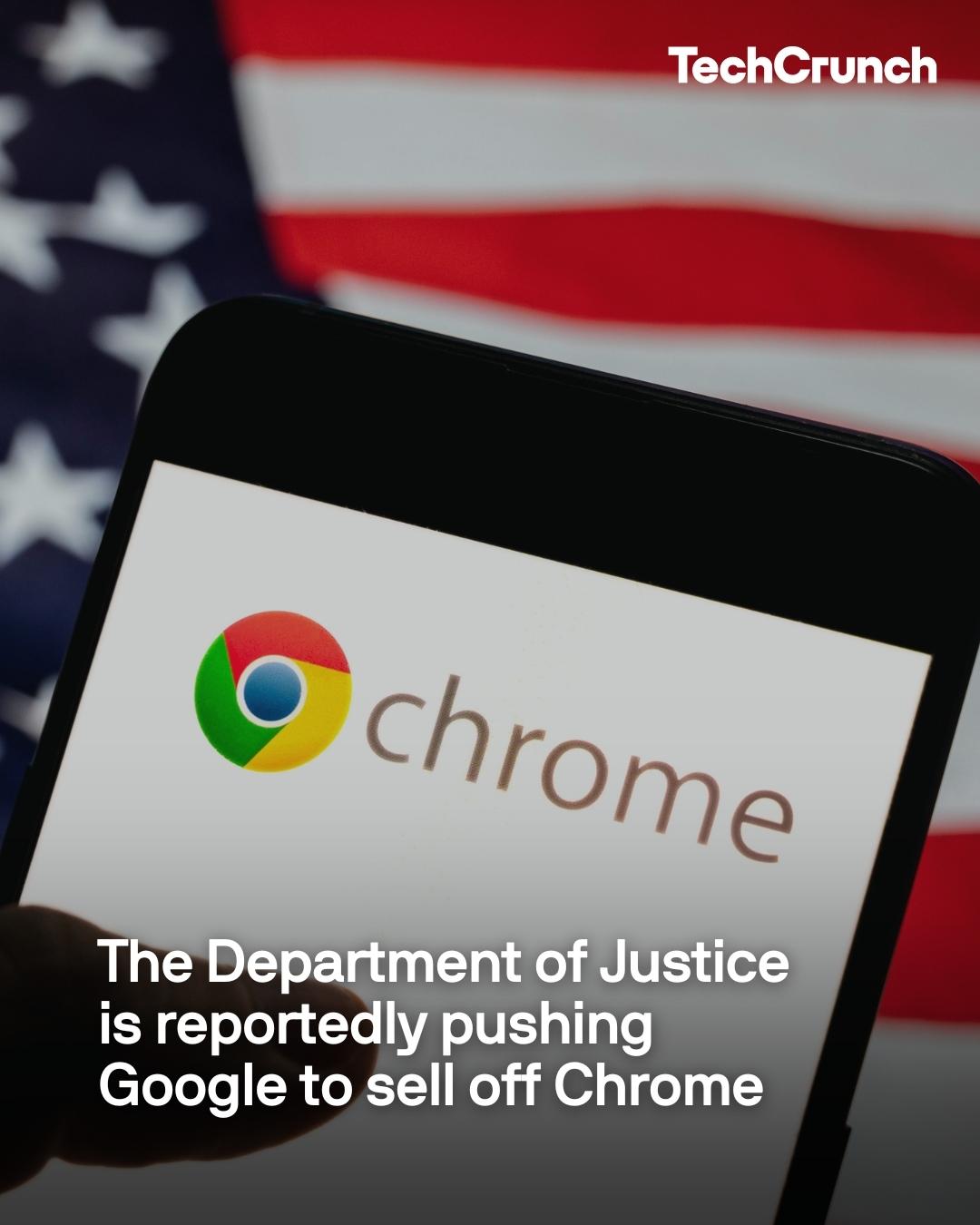
    The Department of Justice is reportedly pushing to force Google to spin off its Chrome browser business. That’s according to Bloomberg, which reports that the Justice Department is also planning to recommend to a federal judge that Google face antitrust requirements related to AI and its Android mobile operating system. The enforcement actions are the product of the Justice Department’s historic multi-year case against Google, which sought to prove that the tech giant has a web search monopoly in the U.S. The Justice Department won its case in August; federal judge Amit Mehta ruled that Google broke antitrust laws in both online search and search text ads markets. Why target Chrome? The Justice Department argues that it represents a key access point through which many people use Google Search. Chrome controls about 61% of the browser market in the U.S., according to web traffic service StatCounter. Image Credits: SOPA Images / Contributor / Getty Images #TechCrunch #technews #artificialintelligence #Google #DOJ
    ·304 Views ·0 Reviews
  • The United States Department of Justice argued Wednesday that Google should divest its Chrome browser as part of a remedy to break up the company’s illegal monopoly in online search, according to a filing with the U.S District Court of the District of Columbia.

    Ultimately, it will be up to District Court Judge Amit Mehta to decide what Google’s final punishment will be, a decision that could fundamentally change one of the world’s largest businesses and alter the structure of the internet as we know it. That phase of the trial is expected to kick off sometime in 2025.

    The DOJ’s latest filing suggested that Google’s ownership of Android and Chrome, which are key distribution channels for its search business, pose “a significant challenge” to apply remedies for making the search market competitive.

    Read more on the DOJ's push for Google to sell Chrome at the link in the bio

    Article by Maxwell Zeff, Ivan Mehta

    Image Credits: :Leon Neal / Staff / Getty Images

    #TechCrunch #technews #artificialintelligence #Google #DOJ #lawsuit
    The United States Department of Justice argued Wednesday that Google should divest its Chrome browser as part of a remedy to break up the company’s illegal monopoly in online search, according to a filing with the U.S District Court of the District of Columbia. Ultimately, it will be up to District Court Judge Amit Mehta to decide what Google’s final punishment will be, a decision that could fundamentally change one of the world’s largest businesses and alter the structure of the internet as we know it. That phase of the trial is expected to kick off sometime in 2025. The DOJ’s latest filing suggested that Google’s ownership of Android and Chrome, which are key distribution channels for its search business, pose “a significant challenge” to apply remedies for making the search market competitive. Read more on the DOJ's push for Google to sell Chrome at the link in the bio 👆 Article by Maxwell Zeff, Ivan Mehta Image Credits: :Leon Neal / Staff / Getty Images #TechCrunch #technews #artificialintelligence #Google #DOJ #lawsuit
    ·434 Views ·0 Reviews
  • AI startup Perplexity has made an unsolicited $34.5 billion all-cash bid to acquire Google’s Chrome browser, aiming to capitalize on a pending U.S. antitrust ruling that could force Google to divest the product. The offer, more than double Perplexity’s own $18 billion valuation, is backed by unnamed venture capital firms, according to the company.⁠

    Perplexity’s proposal, dubbed “Project Solomon,” pledges to keep Chrome’s underlying open-source Chromium project intact, invest $3 billion over two years in performance, security, and support, and make no changes to default search settings. The company also promises 100 months of continued user support and job offers to key Chrome staff, while maintaining interoperability with existing web standards and partner integrations.⁠

    The Justice Department is seeking Chrome’s sale after a federal court ruled Google maintained an illegal search monopoly through default-search deals with Apple, Samsung, and others. Judge Amit Mehta is expected to decide on remedies this month, though analysts say legal appeals could stretch for years. During the trial, several tech rivals, including OpenAI and DuckDuckGo, expressed interest in acquiring Chrome, signaling strong market appetite for the browser.⁠

    Skepticism runs high on Wall Street. Some analysts call the bid a publicity play, noting Chrome could be worth $50–$100 billion or more. Google has signaled it will fight any forced divestiture, arguing a sale could harm browser security and reliability.⁠

    Perplexity, founded in 2022, recently launched Comet, an AI-powered browser that integrates its “answer engine” directly into web navigation. Acquiring Chrome’s three-billion-plus users could supercharge its challenge to Google and rivals like OpenAI. Whether this bold gambit leads to a sale, or remains a headline grab, may hinge on the court’s next move.⁠

    #tech #google #chrome #ai #perplexity #antitrust #webbrowser #opensource #searchengine #technologynews #bigtech #innovation #startupnews #digitalprivacy
    AI startup Perplexity has made an unsolicited $34.5 billion all-cash bid to acquire Google’s Chrome browser, aiming to capitalize on a pending U.S. antitrust ruling that could force Google to divest the product. The offer, more than double Perplexity’s own $18 billion valuation, is backed by unnamed venture capital firms, according to the company.⁠ ⁠ Perplexity’s proposal, dubbed “Project Solomon,” pledges to keep Chrome’s underlying open-source Chromium project intact, invest $3 billion over two years in performance, security, and support, and make no changes to default search settings. The company also promises 100 months of continued user support and job offers to key Chrome staff, while maintaining interoperability with existing web standards and partner integrations.⁠ ⁠ The Justice Department is seeking Chrome’s sale after a federal court ruled Google maintained an illegal search monopoly through default-search deals with Apple, Samsung, and others. Judge Amit Mehta is expected to decide on remedies this month, though analysts say legal appeals could stretch for years. During the trial, several tech rivals, including OpenAI and DuckDuckGo, expressed interest in acquiring Chrome, signaling strong market appetite for the browser.⁠ ⁠ Skepticism runs high on Wall Street. Some analysts call the bid a publicity play, noting Chrome could be worth $50–$100 billion or more. Google has signaled it will fight any forced divestiture, arguing a sale could harm browser security and reliability.⁠ ⁠ Perplexity, founded in 2022, recently launched Comet, an AI-powered browser that integrates its “answer engine” directly into web navigation. Acquiring Chrome’s three-billion-plus users could supercharge its challenge to Google and rivals like OpenAI. Whether this bold gambit leads to a sale, or remains a headline grab, may hinge on the court’s next move.⁠ ⁠ #tech #google #chrome #ai #perplexity #antitrust #webbrowser #opensource #searchengine #technologynews #bigtech #innovation #startupnews #digitalprivacy
    ·501 Views ·0 Reviews
  • Follow (us) @InsideHistory to learn something NEW everyday

    You remember the Monopoly man wearing a monocle, right? Or Pikachu’s tail having a black tip? Turns out—neither is true. Your brain insists otherwise, but the facts don’t back it up!

    This strange mismatch between memory and reality is known as the Mandela Effect—a phenomenon where large groups of people share the same false memory. The term was coined in 2009 by Fiona Broome, who discovered many believed Nelson Mandela had died in prison in the 1980s. He didn’t.

    From misquoted movie lines to altered logos, the Mandela Effect highlights how unreliable our memories can be. Some scientists point to memory reconstruction, while others blame social reinforcement—but no one fully understands why these errors feel so real.

    It’s as if the brain quietly auto-corrects reality to match what we think should be true.

    -
    #history #mandelaeffect #photography #didyouknow #scary #explore #trending
    Follow (us) @InsideHistory to learn something NEW everyday 🧠💫 You remember the Monopoly man wearing a monocle, right? Or Pikachu’s tail having a black tip? Turns out—neither is true. Your brain insists otherwise, but the facts don’t back it up! This strange mismatch between memory and reality is known as the Mandela Effect—a phenomenon where large groups of people share the same false memory. The term was coined in 2009 by Fiona Broome, who discovered many believed Nelson Mandela had died in prison in the 1980s. He didn’t. From misquoted movie lines to altered logos, the Mandela Effect highlights how unreliable our memories can be. Some scientists point to memory reconstruction, while others blame social reinforcement—but no one fully understands why these errors feel so real. It’s as if the brain quietly auto-corrects reality to match what we think should be true. - #history #mandelaeffect #photography #didyouknow #scary #explore #trending
    ·345 Views ·0 Reviews
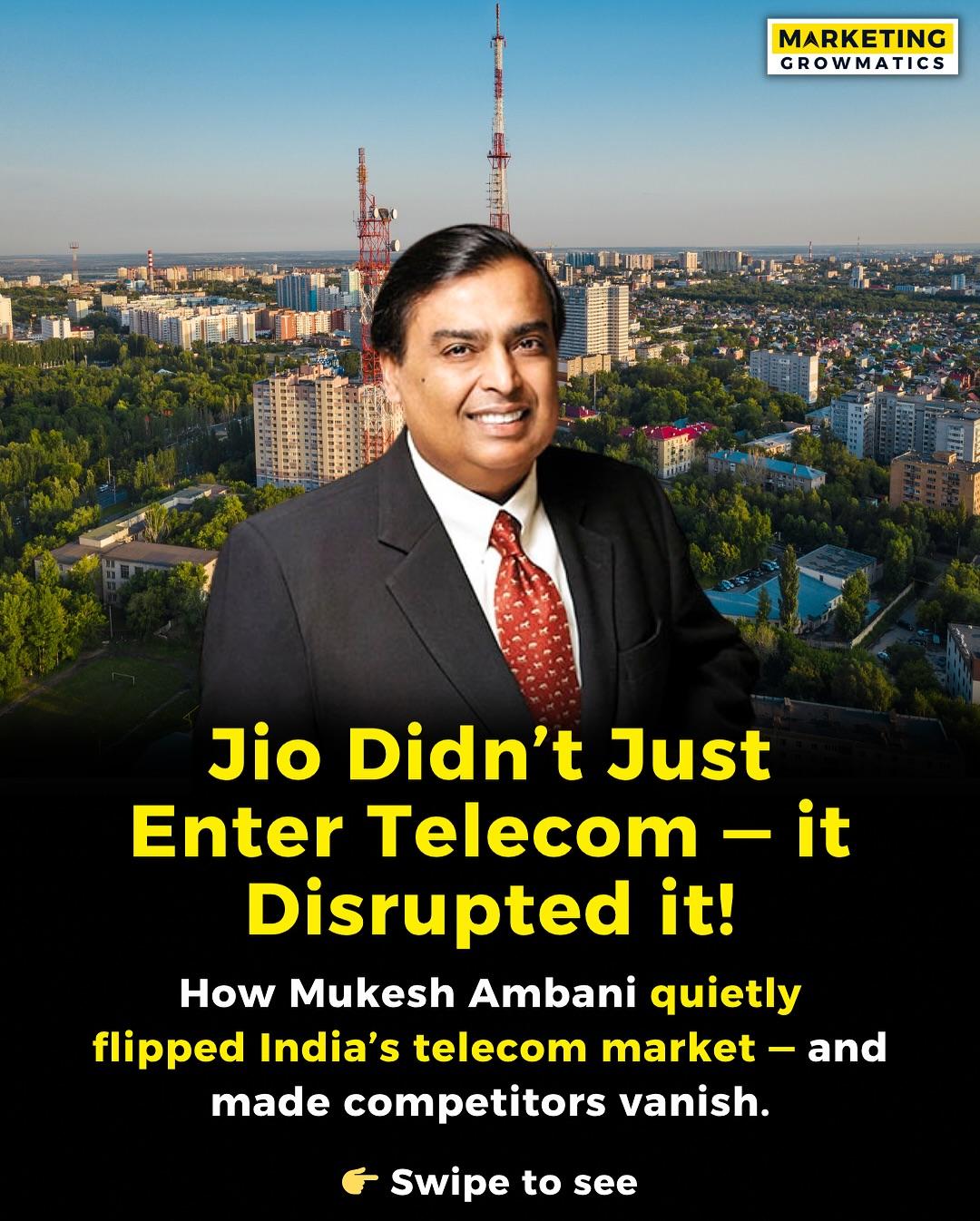
  • Before Jio, India’s telecom industry was a closed club.

    ₹250 for 1GB.
    Calls charged per minute.
    Internet = just emails & WhatsApp.

    Then, in 2016, Mukesh Ambani walked in with 3 bold moves:
    Free calls & data for 6 months
    1GB/day at ₹149/month
    Bundled services that kept users locked in

    The result?
    Competitors merged, shut down, or lost massive market share.
    India jumped from 155th to 1st in the world in mobile data usage.

    Jio didn’t just sell data.
    It built habits, reset the market, and created a monopoly.

    Most saw the free data.
    Smart minds saw the business strategy.

    Tap Like if you remember ₹250/GB.
    Share this with someone who witnessed the Jio disruption.
    Follow @marketing.growmatics for more bold business breakdowns.

    #Telecom #Jio #MukeshAmbani #TelecomDisruption #MarketingGrowmatics #IndianStartups #Airtel #Vi #Monopoly #Data #BusinessBreakdown #MarketingStrategy #Internet

    [Jio, Telecom, Disruption, Strategy, Ambani, Data, Pricing, Monopoly, Marketing, Infrastructure, Vision, Bundling, Ecosystem, Growth, India]
    Before Jio, India’s telecom industry was a closed club. ₹250 for 1GB. Calls charged per minute. Internet = just emails & WhatsApp. Then, in 2016, Mukesh Ambani walked in with 3 bold moves: 🆓 Free calls & data for 6 months 💰 1GB/day at ₹149/month 📲 Bundled services that kept users locked in The result? Competitors merged, shut down, or lost massive market share. India jumped from 155th to 1st in the world in mobile data usage. Jio didn’t just sell data. It built habits, reset the market, and created a monopoly. 💭 Most saw the free data. Smart minds saw the business strategy. ❤️ Tap Like if you remember ₹250/GB. 📤 Share this with someone who witnessed the Jio disruption. 📌 Follow @marketing.growmatics for more bold business breakdowns. #Telecom #Jio #MukeshAmbani #TelecomDisruption #MarketingGrowmatics #IndianStartups #Airtel #Vi #Monopoly #Data #BusinessBreakdown #MarketingStrategy #Internet [Jio, Telecom, Disruption, Strategy, Ambani, Data, Pricing, Monopoly, Marketing, Infrastructure, Vision, Bundling, Ecosystem, Growth, India]
    ·539 Views ·0 Reviews
  • Amazon Japan has said it will collaborate with Japan’s Fair Trade Commission (JFTC) after the watchdog conducted an on-site inspection related to suspected violations of anti-monopoly laws.

    The e-commerce giant is under suspicion of inappropriately urging vendors to lower their prices on its online shopping platform in return for better product placement, as first reported by Reuters, citing a source.“

    We are cooperating fully with the [Japanese] authorities,” Amazon Japan spokesperson, Tomoko Inoue, told TechCrunch in an email statement.

    The action concerns Amazon’s Buy Box system, which highlights one seller’s products as the preferred choice on a product page. Shoppers need to go to different pages to see products from different vendors so the Buy Box funnels shoppers’ attention to whichever products have been selected to be featured.

    Read more on Amazon Japan being raided by anti-monopoly authorities at the link in the bio

    Article by Kate Park

    Image Credits: SOPA Images / Contributor / Getty Images

    #TechCrunch #technews #Amazon #ecommerce #enterprise #government
    Amazon Japan has said it will collaborate with Japan’s Fair Trade Commission (JFTC) after the watchdog conducted an on-site inspection related to suspected violations of anti-monopoly laws. The e-commerce giant is under suspicion of inappropriately urging vendors to lower their prices on its online shopping platform in return for better product placement, as first reported by Reuters, citing a source.“ We are cooperating fully with the [Japanese] authorities,” Amazon Japan spokesperson, Tomoko Inoue, told TechCrunch in an email statement. The action concerns Amazon’s Buy Box system, which highlights one seller’s products as the preferred choice on a product page. Shoppers need to go to different pages to see products from different vendors so the Buy Box funnels shoppers’ attention to whichever products have been selected to be featured. Read more on Amazon Japan being raided by anti-monopoly authorities at the link in the bio 👆 Article by Kate Park Image Credits: SOPA Images / Contributor / Getty Images #TechCrunch #technews #Amazon #ecommerce #enterprise #government
    ·418 Views ·0 Reviews
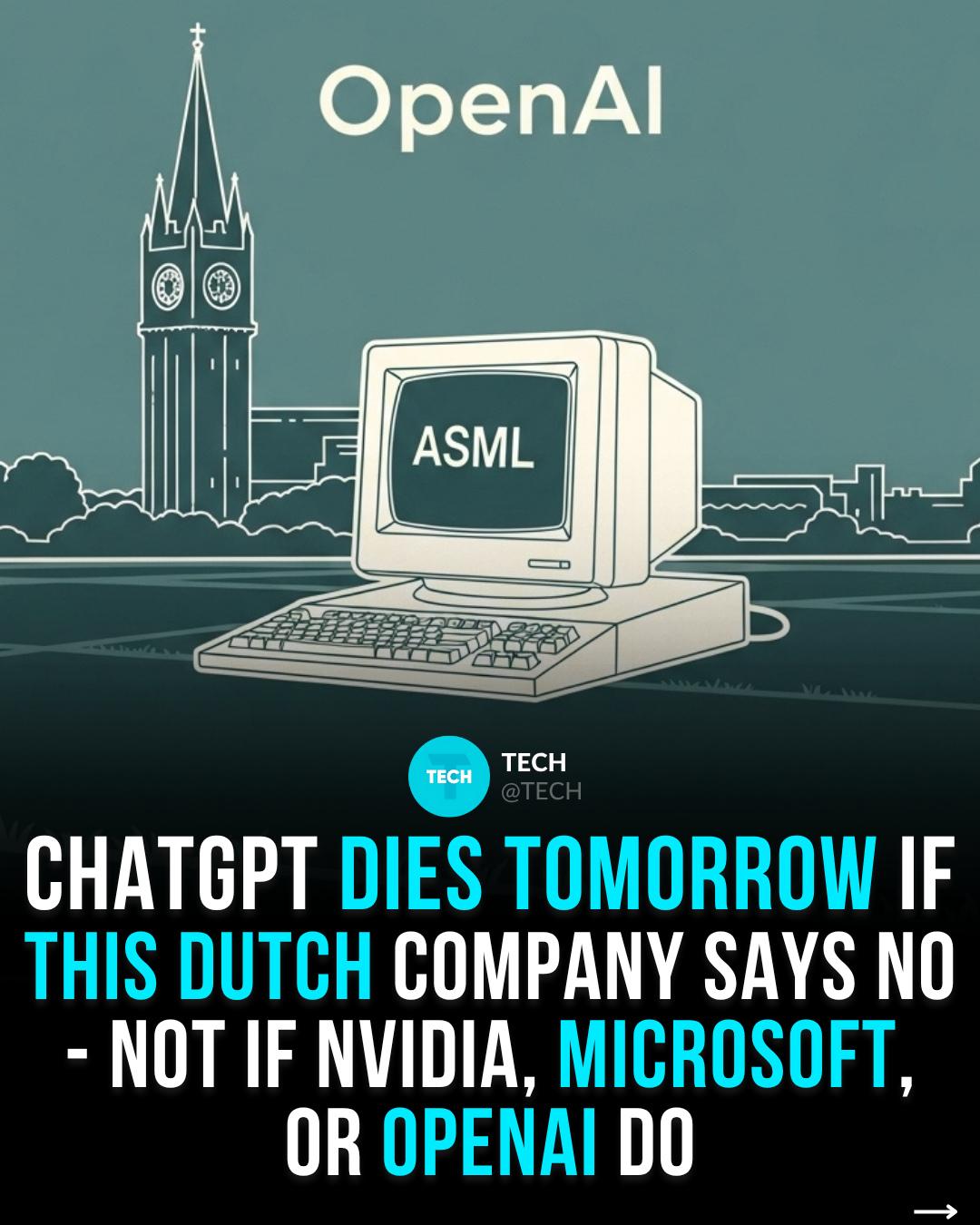
  • The Netherlands holds the ultimate power over AI development through ASML, a Dutch company that maintains a complete monopoly on the machines required to manufacture every advanced AI chip on Earth. While Nvidia designs the chips and TSMC builds them, ASML creates the €350 million extreme ultraviolet lithography machines that make chips at 7 nanometers and below physically possible—and no other company in the world can do this.⁠

    ASML's dominance is staggering: they control over 90% of the global lithography market and are the sole supplier of EUV systems that etch microscopic patterns onto silicon wafers using light with wavelengths of just 13.5 nanometers. These machines weigh as much as two Airbus A320 aircraft and use precise beams of light to create the intricate circuits that form modern AI processors. Without ASML's technology, companies like Nvidia, Intel, and AMD simply cannot manufacture the advanced chips that power ChatGPT, autonomous vehicles, and every other AI application we use daily.⁠

    The geopolitical implications are enormous. U.S. export controls have weaponized ASML's monopoly against China, with new restrictions in 2025 cutting Chinese access to these critical machines. China's share of ASML sales dropped from 47% in early 2024 to just 20% in 2025 as the Dutch government aligned with U.S. policies to control semiconductor technology. Even as China develops domestic alternatives, ASML CEO Christophe Fouquet projects the chip market will hit $1 trillion by 2030, with AI and memory chips comprising 40% of that total.⁠

    The company's €60 billion revenue projection by 2030 reflects AI's massive demand for advanced semiconductors, with ASML expecting 8-14% annual growth over the next five years. Every major AI breakthrough depends on ASML's Dutch-engineered precision, making the Netherlands the invisible kingmaker of the global AI revolution.
    The Netherlands holds the ultimate power over AI development through ASML, a Dutch company that maintains a complete monopoly on the machines required to manufacture every advanced AI chip on Earth. While Nvidia designs the chips and TSMC builds them, ASML creates the €350 million extreme ultraviolet lithography machines that make chips at 7 nanometers and below physically possible—and no other company in the world can do this.⁠ ⁠ ASML's dominance is staggering: they control over 90% of the global lithography market and are the sole supplier of EUV systems that etch microscopic patterns onto silicon wafers using light with wavelengths of just 13.5 nanometers. These machines weigh as much as two Airbus A320 aircraft and use precise beams of light to create the intricate circuits that form modern AI processors. Without ASML's technology, companies like Nvidia, Intel, and AMD simply cannot manufacture the advanced chips that power ChatGPT, autonomous vehicles, and every other AI application we use daily.⁠ ⁠ The geopolitical implications are enormous. U.S. export controls have weaponized ASML's monopoly against China, with new restrictions in 2025 cutting Chinese access to these critical machines. China's share of ASML sales dropped from 47% in early 2024 to just 20% in 2025 as the Dutch government aligned with U.S. policies to control semiconductor technology. Even as China develops domestic alternatives, ASML CEO Christophe Fouquet projects the chip market will hit $1 trillion by 2030, with AI and memory chips comprising 40% of that total.⁠ ⁠ The company's €60 billion revenue projection by 2030 reflects AI's massive demand for advanced semiconductors, with ASML expecting 8-14% annual growth over the next five years. Every major AI breakthrough depends on ASML's Dutch-engineered precision, making the Netherlands the invisible kingmaker of the global AI revolution.
    ·287 Views ·0 Reviews
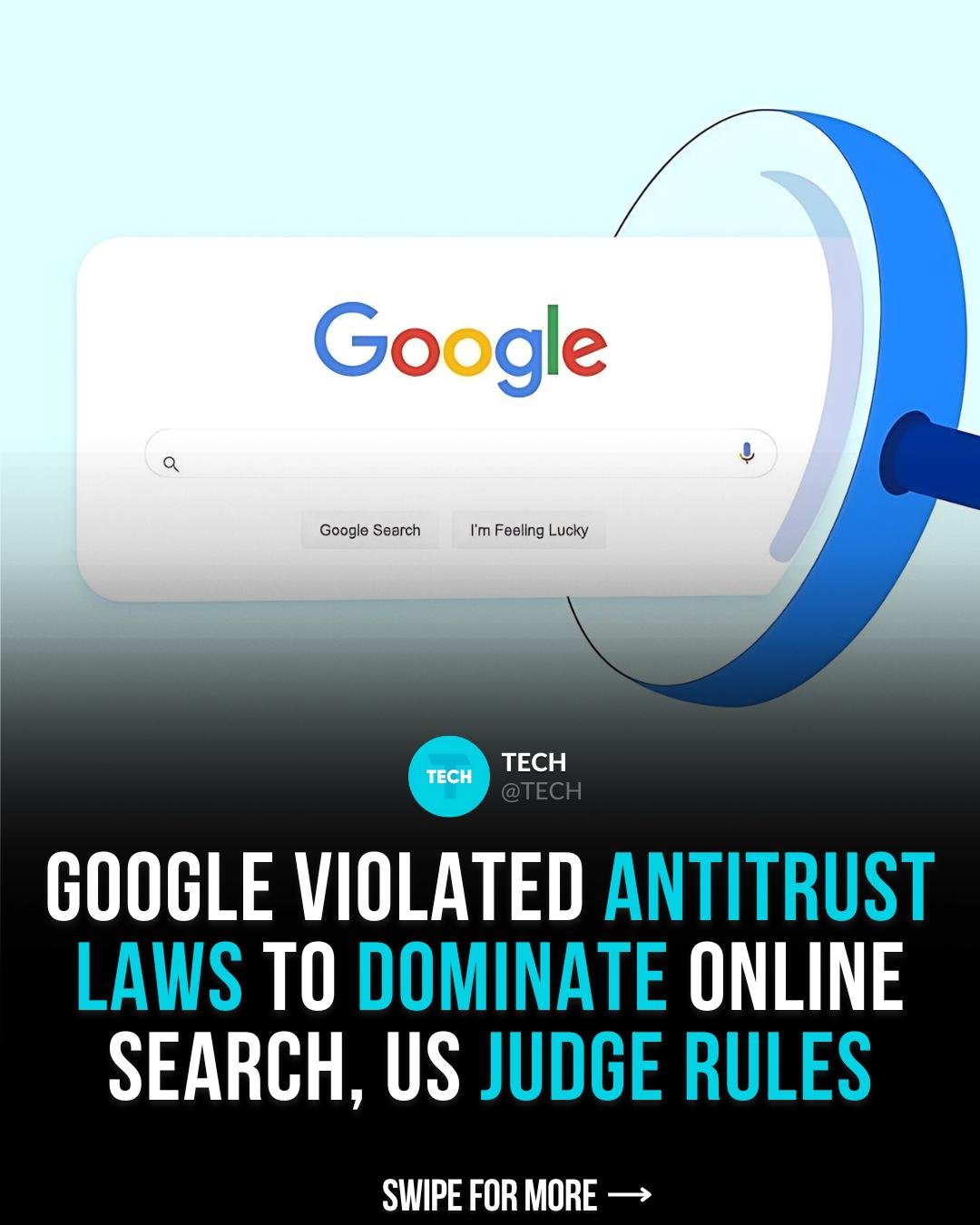
  • Google's 60-year search monopoly reign comes to an end with landmark antitrust ruling.⁠

    In a seismic shift for the tech industry, U.S. District Judge Amit Mehta has ruled that Google violated antitrust laws by illegally maintaining its dominance in online search and search advertising.⁠

    The decision, which follows a nearly year-long trial, is a major victory for the U.S. Department of Justice and could fundamentally reshape the search landscape. ⁠

    Central to the ruling were Google's exclusionary agreements with companies like Apple and Android device manufacturers, which effectively eliminated key distribution channels for competitors like Microsoft's Bing and DuckDuckGo.⁠

    The ruling paves the way for potential remedies that could force Google to divest parts of its business or restrict its ability to enter into anticompetitive agreements. Google is expected to appeal the decision, potentially taking the battle to the Supreme Court.
    Google's 60-year search monopoly reign comes to an end with landmark antitrust ruling.⁠ ⁠ In a seismic shift for the tech industry, U.S. District Judge Amit Mehta has ruled that Google violated antitrust laws by illegally maintaining its dominance in online search and search advertising.⁠ ⁠ The decision, which follows a nearly year-long trial, is a major victory for the U.S. Department of Justice and could fundamentally reshape the search landscape. ⁠ ⁠ Central to the ruling were Google's exclusionary agreements with companies like Apple and Android device manufacturers, which effectively eliminated key distribution channels for competitors like Microsoft's Bing and DuckDuckGo.⁠ ⁠ The ruling paves the way for potential remedies that could force Google to divest parts of its business or restrict its ability to enter into anticompetitive agreements. Google is expected to appeal the decision, potentially taking the battle to the Supreme Court. 🏛️
    ·216 Views ·0 Reviews
  • Court documents reveal the depths of Microsoft's relentless pursuit to replace Google as Apple's default search engine. Apple's senior VP Eddy Cue dropped a bombshell, stating that there's no price Microsoft could pay to make the switch happen, even if they offered Bing for free or "gave us the entire company."⁠

    The docs also show that Google pays a staggering $20 billion per year to maintain its spot as the default search on Apple devices, a deal the DOJ argues is an illegal monopoly.⁠

    Microsoft has repeatedly tried to woo Apple since 2009, even proposing a joint venture in 2018, but Apple consistently snubs their advances due to seeing Bing as inferior on mobile.⁠

    As the antitrust case threatens Apple's lucrative "Google Tax," the tech giant is already investing in AI and search tech to reduce reliance on Google. Meanwhile, Microsoft faces steep challenges in growing Bing's market share, despite its deep pockets.⁠

    What do you think of the Bing Search Engine? 👇🏻
    Court documents reveal the depths of Microsoft's relentless pursuit to replace Google as Apple's default search engine. Apple's senior VP Eddy Cue dropped a bombshell, stating that there's no price Microsoft could pay to make the switch happen, even if they offered Bing for free or "gave us the entire company."⁠ ⁠ The docs also show that Google pays a staggering $20 billion per year to maintain its spot as the default search on Apple devices, a deal the DOJ argues is an illegal monopoly.⁠ ⁠ Microsoft has repeatedly tried to woo Apple since 2009, even proposing a joint venture in 2018, but Apple consistently snubs their advances due to seeing Bing as inferior on mobile.⁠ ⁠ As the antitrust case threatens Apple's lucrative "Google Tax," the tech giant is already investing in AI and search tech to reduce reliance on Google. Meanwhile, Microsoft faces steep challenges in growing Bing's market share, despite its deep pockets.⁠ ⁠ What do you think of the Bing Search Engine? 💬👇🏻
    ·170 Views ·0 Reviews
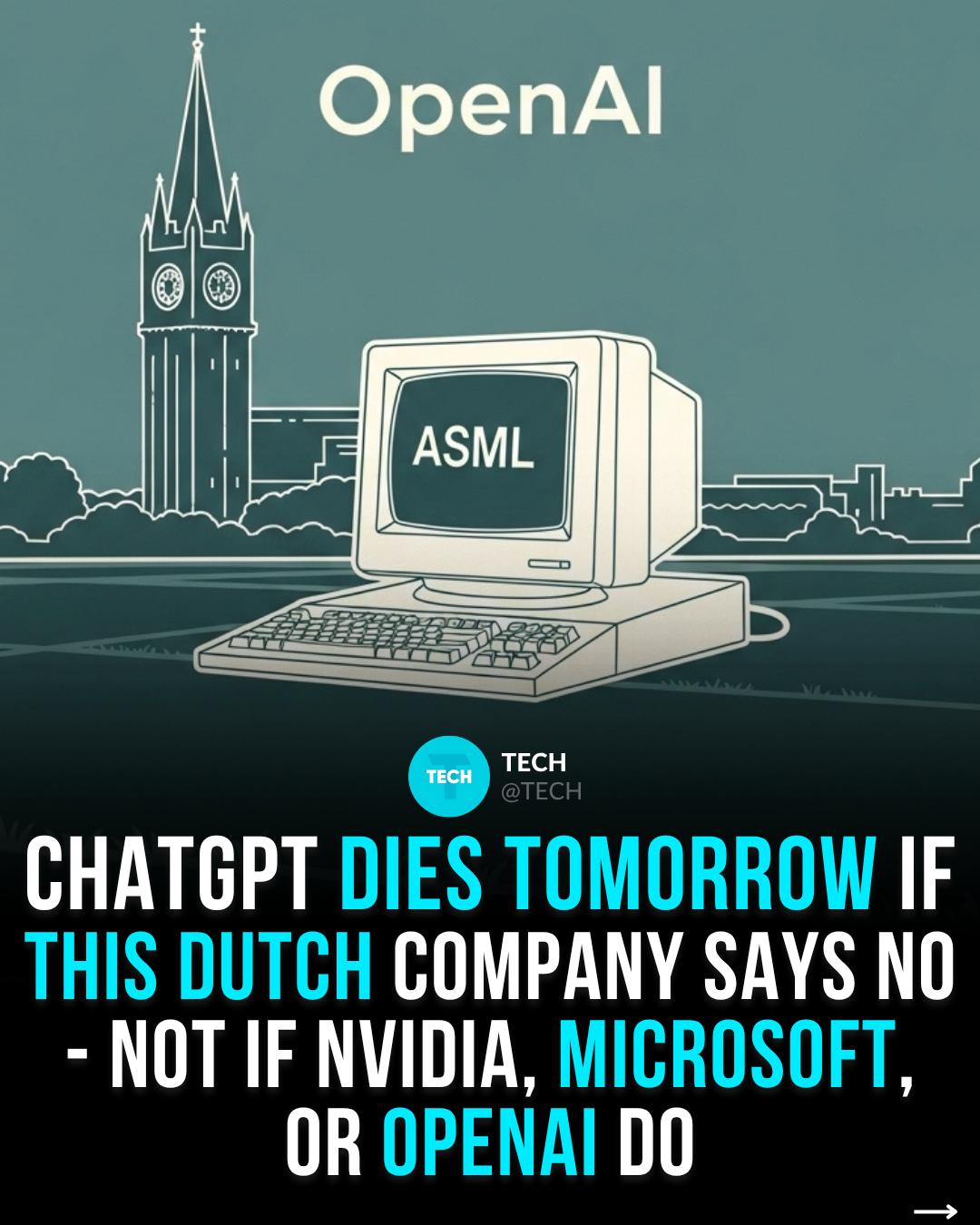
  • The Netherlands holds the ultimate power over AI development through ASML, a Dutch company that maintains a complete monopoly on the machines required to manufacture every advanced AI chip on Earth. While Nvidia designs the chips and TSMC builds them, ASML creates the €350 million extreme ultraviolet lithography machines that make chips at 7 nanometers and below physically possible—and no other company in the world can do this.⁠

    ASML's dominance is staggering: they control over 90% of the global lithography market and are the sole supplier of EUV systems that etch microscopic patterns onto silicon wafers using light with wavelengths of just 13.5 nanometers. These machines weigh as much as two Airbus A320 aircraft and use precise beams of light to create the intricate circuits that form modern AI processors. Without ASML's technology, companies like Nvidia, Intel, and AMD simply cannot manufacture the advanced chips that power ChatGPT, autonomous vehicles, and every other AI application we use daily.⁠

    The geopolitical implications are enormous. U.S. export controls have weaponized ASML's monopoly against China, with new restrictions in 2025 cutting Chinese access to these critical machines. China's share of ASML sales dropped from 47% in early 2024 to just 20% in 2025 as the Dutch government aligned with U.S. policies to control semiconductor technology. Even as China develops domestic alternatives, ASML CEO Christophe Fouquet projects the chip market will hit $1 trillion by 2030, with AI and memory chips comprising 40% of that total.⁠

    The company's €60 billion revenue projection by 2030 reflects AI's massive demand for advanced semiconductors, with ASML expecting 8-14% annual growth over the next five years. Every major AI breakthrough depends on ASML's Dutch-engineered precision, making the Netherlands the invisible kingmaker of the global AI revolution.
    The Netherlands holds the ultimate power over AI development through ASML, a Dutch company that maintains a complete monopoly on the machines required to manufacture every advanced AI chip on Earth. While Nvidia designs the chips and TSMC builds them, ASML creates the €350 million extreme ultraviolet lithography machines that make chips at 7 nanometers and below physically possible—and no other company in the world can do this.⁠ ⁠ ASML's dominance is staggering: they control over 90% of the global lithography market and are the sole supplier of EUV systems that etch microscopic patterns onto silicon wafers using light with wavelengths of just 13.5 nanometers. These machines weigh as much as two Airbus A320 aircraft and use precise beams of light to create the intricate circuits that form modern AI processors. Without ASML's technology, companies like Nvidia, Intel, and AMD simply cannot manufacture the advanced chips that power ChatGPT, autonomous vehicles, and every other AI application we use daily.⁠ ⁠ The geopolitical implications are enormous. U.S. export controls have weaponized ASML's monopoly against China, with new restrictions in 2025 cutting Chinese access to these critical machines. China's share of ASML sales dropped from 47% in early 2024 to just 20% in 2025 as the Dutch government aligned with U.S. policies to control semiconductor technology. Even as China develops domestic alternatives, ASML CEO Christophe Fouquet projects the chip market will hit $1 trillion by 2030, with AI and memory chips comprising 40% of that total.⁠ ⁠ The company's €60 billion revenue projection by 2030 reflects AI's massive demand for advanced semiconductors, with ASML expecting 8-14% annual growth over the next five years. Every major AI breakthrough depends on ASML's Dutch-engineered precision, making the Netherlands the invisible kingmaker of the global AI revolution.
    ·488 Views ·0 Reviews
More Results
Techawks - Powered By Pantrade Blockchain https://techawks.com