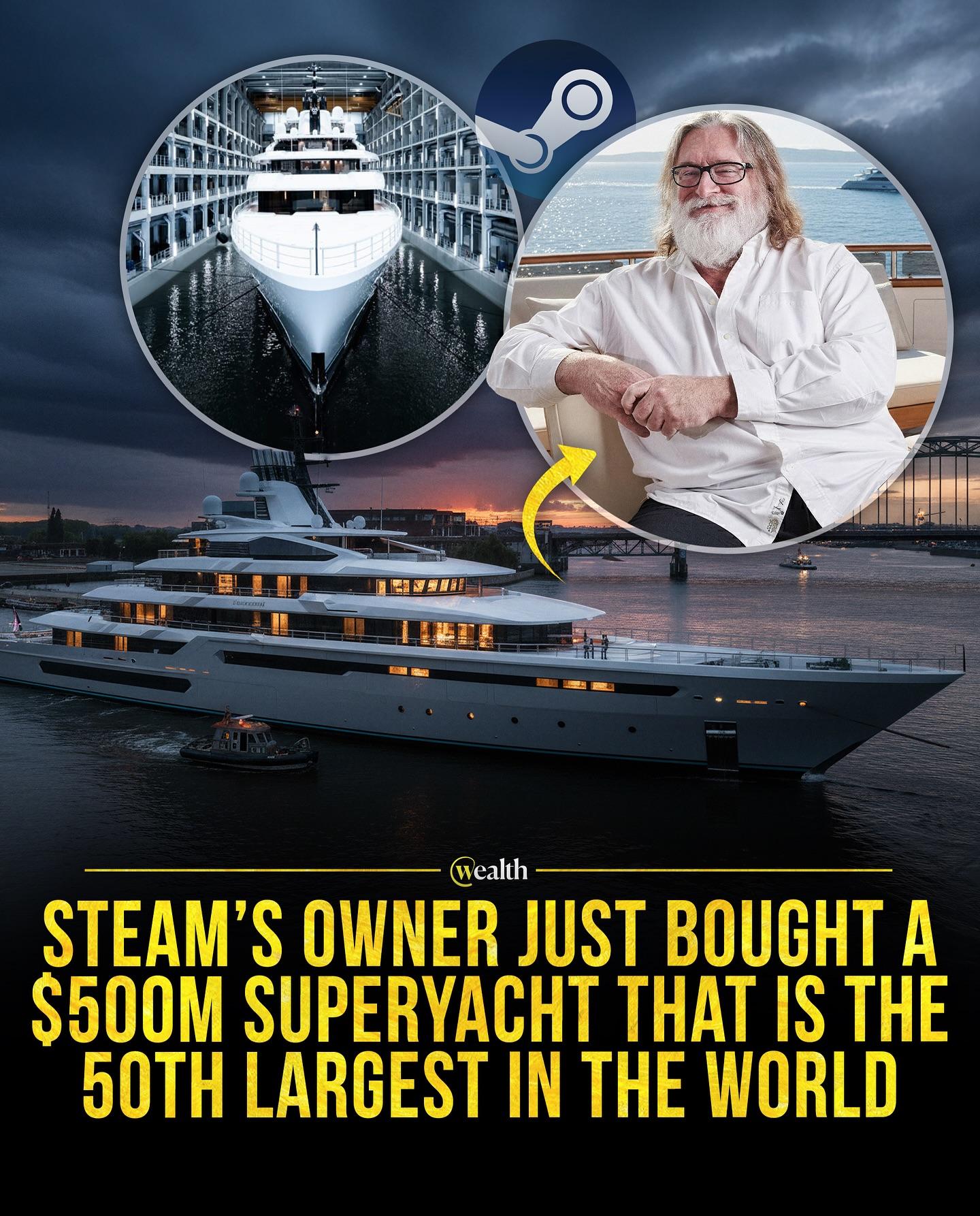
• Steam’s billionaire creator spent $500 million on a 111 meter gaming superyacht

    This year alone, Steam has already pushed $16.2 billion in game sales, while its founder is sailing a new 111 meter superyacht called Leviathan that cost $500 millio and ranks among the fifty biggest yachts in the world.

    Built for 22 guests and 33 crew and owned alongside the Dutch yard that constructed it, the ship also folds into his marine science projects, which means Steam’s river of cash is literally paying for a floating lab and luxury playground.

    Media: @oceancoyacht

    #GabeNewell #Steam #Superyacht #Wealth #Gaming
    Steam’s billionaire creator spent $500 million on a 111 meter gaming superyacht 🚢🔥 This year alone, Steam has already pushed $16.2 billion in game sales, while its founder is sailing a new 111 meter superyacht called Leviathan that cost $500 millio and ranks among the fifty biggest yachts in the world. Built for 22 guests and 33 crew and owned alongside the Dutch yard that constructed it, the ship also folds into his marine science projects, which means Steam’s river of cash is literally paying for a floating lab and luxury playground. Media: @oceancoyacht #GabeNewell #Steam #Superyacht #Wealth #Gaming
    ·11 مشاهدة ·0 معاينة

  • Adidas just turned two iconic characters into fully re-imagined sneakers.

    The Stan Smith becomes SpongeBob’s glossy dress shoe, complete with sock-tip laces, Plankton hidden inside, and a pineapple-themed box.

    The Superstar II transforms into Patrick’s world, covered in pink suede, ocean-pattern outsoles, and details lifted straight from the show.

    A collab that proves how nostalgia can reshape classics. What do you think of this drop?

    @adidasoriginals
    Adidas just turned two iconic characters into fully re-imagined sneakers. The Stan Smith becomes SpongeBob’s glossy dress shoe, complete with sock-tip laces, Plankton hidden inside, and a pineapple-themed box. The Superstar II transforms into Patrick’s world, covered in pink suede, ocean-pattern outsoles, and details lifted straight from the show. A collab that proves how nostalgia can reshape classics. What do you think of this drop? @adidasoriginals
    ·45 مشاهدة ·0 معاينة
  • This is what your unemployed friend is up to on a random Tuesday night

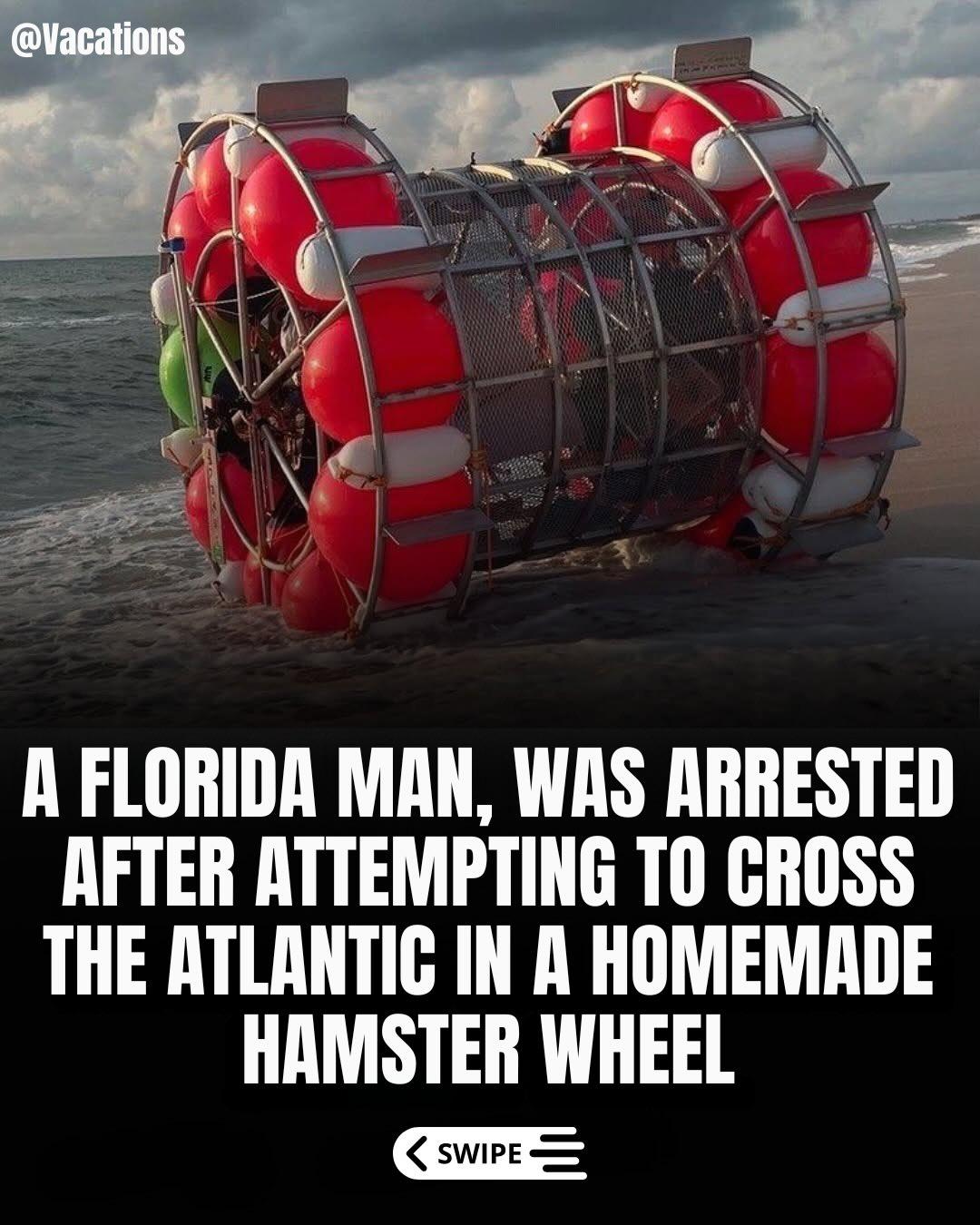
    Back in 2023, a Florida man was arrested after attempting to cross the Atlantic Ocean in a homemade floating contraption that basically looked like a giant hamster wheel.

    Coast Guard officials spotted him 70 miles off the Georgia coast, gearing up for a “jog to London,” and quickly declared the vessel “manifestly unsafe.”

    Built from buoys, metal bars, and wiring, the so-called “hydro pod” was meant to be powered by—wait for it—running inside of it. He refused to abandon ship, which led to the arrest.

    And here’s the wild part: it wasn’t even his first try. He’d attempted similar crossings in 2014, 2016, and 2021, all stopped for safety concerns.

    He said his bizarre voyages were meant to raise awareness for causes like homelessness and even the Coast Guard itself.

    #viral #florida #coastguard #news
    This is what your unemployed friend is up to on a random Tuesday night 😅 Back in 2023, a Florida man was arrested after attempting to cross the Atlantic Ocean in a homemade floating contraption that basically looked like a giant hamster wheel. Coast Guard officials spotted him 70 miles off the Georgia coast, gearing up for a “jog to London,” and quickly declared the vessel “manifestly unsafe.” Built from buoys, metal bars, and wiring, the so-called “hydro pod” was meant to be powered by—wait for it—running inside of it. He refused to abandon ship, which led to the arrest. And here’s the wild part: it wasn’t even his first try. He’d attempted similar crossings in 2014, 2016, and 2021, all stopped for safety concerns. He said his bizarre voyages were meant to raise awareness for causes like homelessness and even the Coast Guard itself. ❤️ #viral #florida #coastguard #news
    ·29 مشاهدة ·0 معاينة
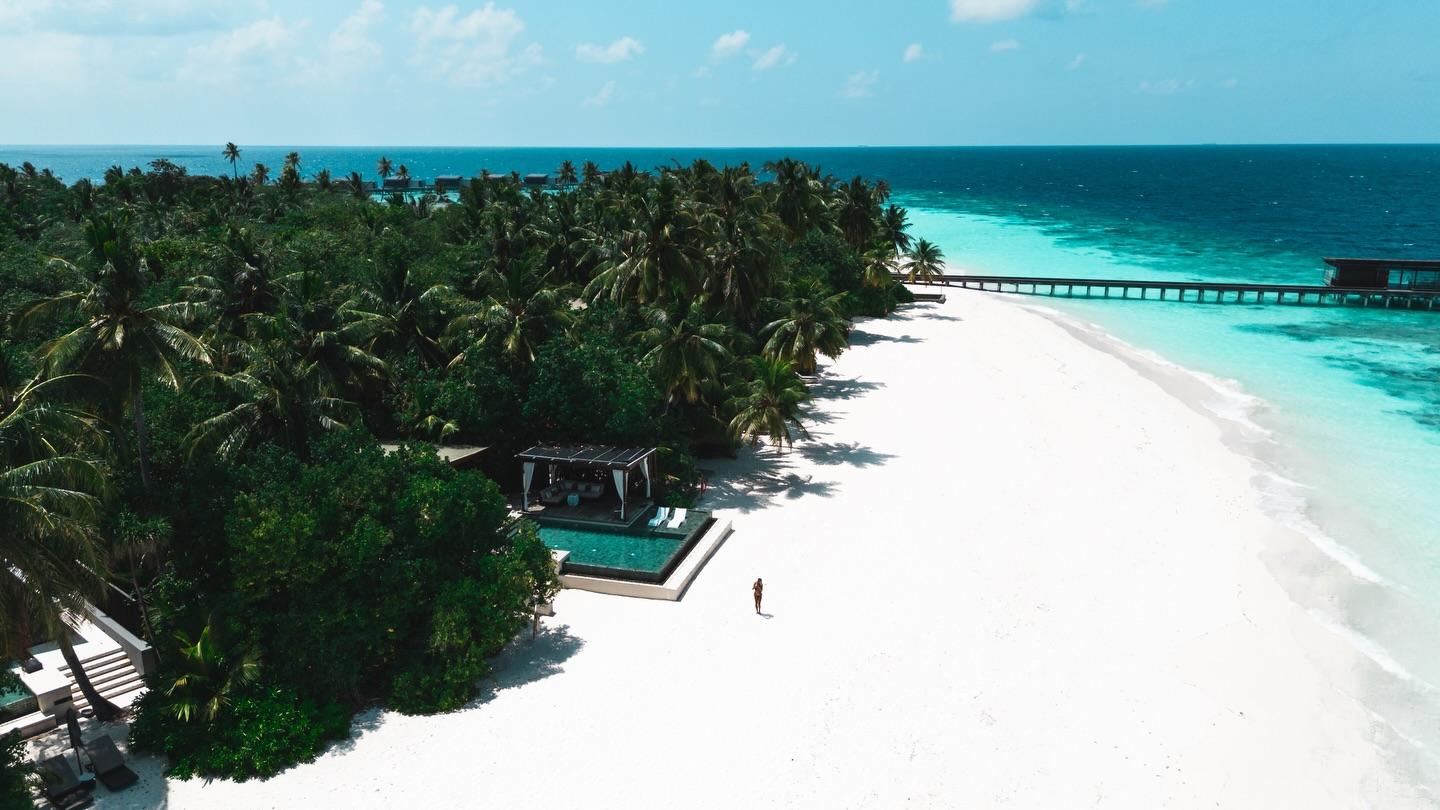
  • “What’s your favorite thing about being alive?” - one of my favorite questions to ask people…

    For me - it’s waking up in places like this and being able to walk straight into the Ocean. This also happens to be one of the most isolated, beautiful reefs in the world @parkhyattmaldiveshadahaa

    At our last @weekenderproductions mastermind retreat
    A life highlight experience for sure

    What’s your favorite part about being alive?
    “What’s your favorite thing about being alive?” 😱 - one of my favorite questions to ask people… For me - it’s waking up in places like this and being able to walk straight into the Ocean. This also happens to be one of the most isolated, beautiful reefs in the world @parkhyattmaldiveshadahaa At our last @weekenderproductions mastermind retreat ✨ A life highlight experience for sure What’s your favorite part about being alive?
    ·92 مشاهدة ·0 معاينة
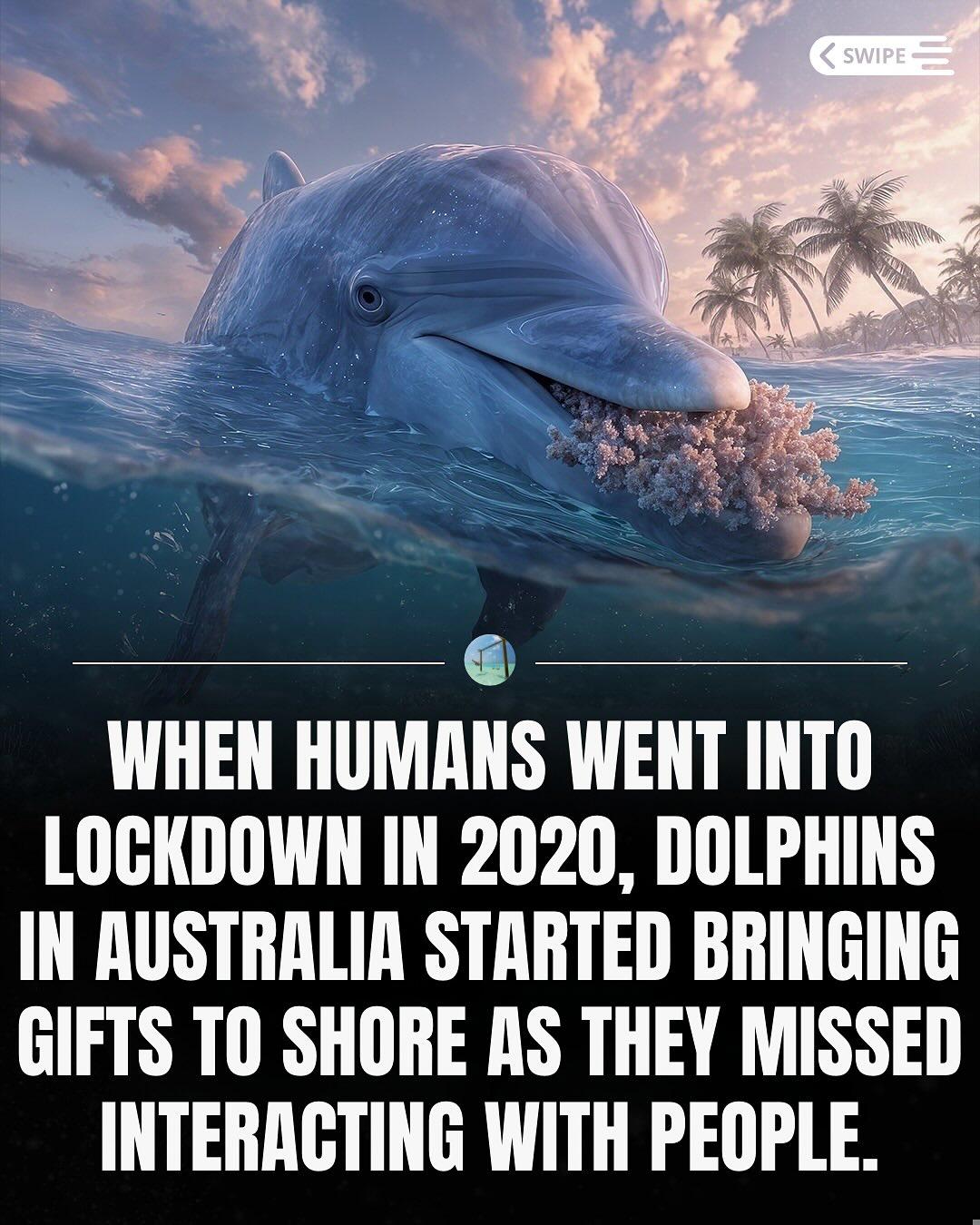
  • When Australia’s beaches fell quiet in 2020, one wild humpback dolphin at Tin Can Bay, nicknamed Mystique, began showing up with gifts from the sea.

    Shells, coral, bottles, bits of wood… volunteers watched as he gently presented each item, waiting patiently for a fish in return. His behavior wasn’t trained, and staff noticed the offerings increased as visitor numbers dropped during lockdown.

    We can’t say exactly why he did i.. But the moment was real, documented, and unforgettable. A single dolphin bridging the silence with small treasures from the ocean.

    #oceanstories #dolphins #wildlifestory #marineconservation #naturelovers #vacations #marinemammals
    When Australia’s beaches fell quiet in 2020, one wild humpback dolphin at Tin Can Bay, nicknamed Mystique, began showing up with gifts from the sea. 🐬💙 Shells, coral, bottles, bits of wood… volunteers watched as he gently presented each item, waiting patiently for a fish in return. His behavior wasn’t trained, and staff noticed the offerings increased as visitor numbers dropped during lockdown. We can’t say exactly why he did i.. But the moment was real, documented, and unforgettable. A single dolphin bridging the silence with small treasures from the ocean. 🌊 #oceanstories #dolphins #wildlifestory #marineconservation #naturelovers #vacations #marinemammals
    ·184 مشاهدة ·0 معاينة
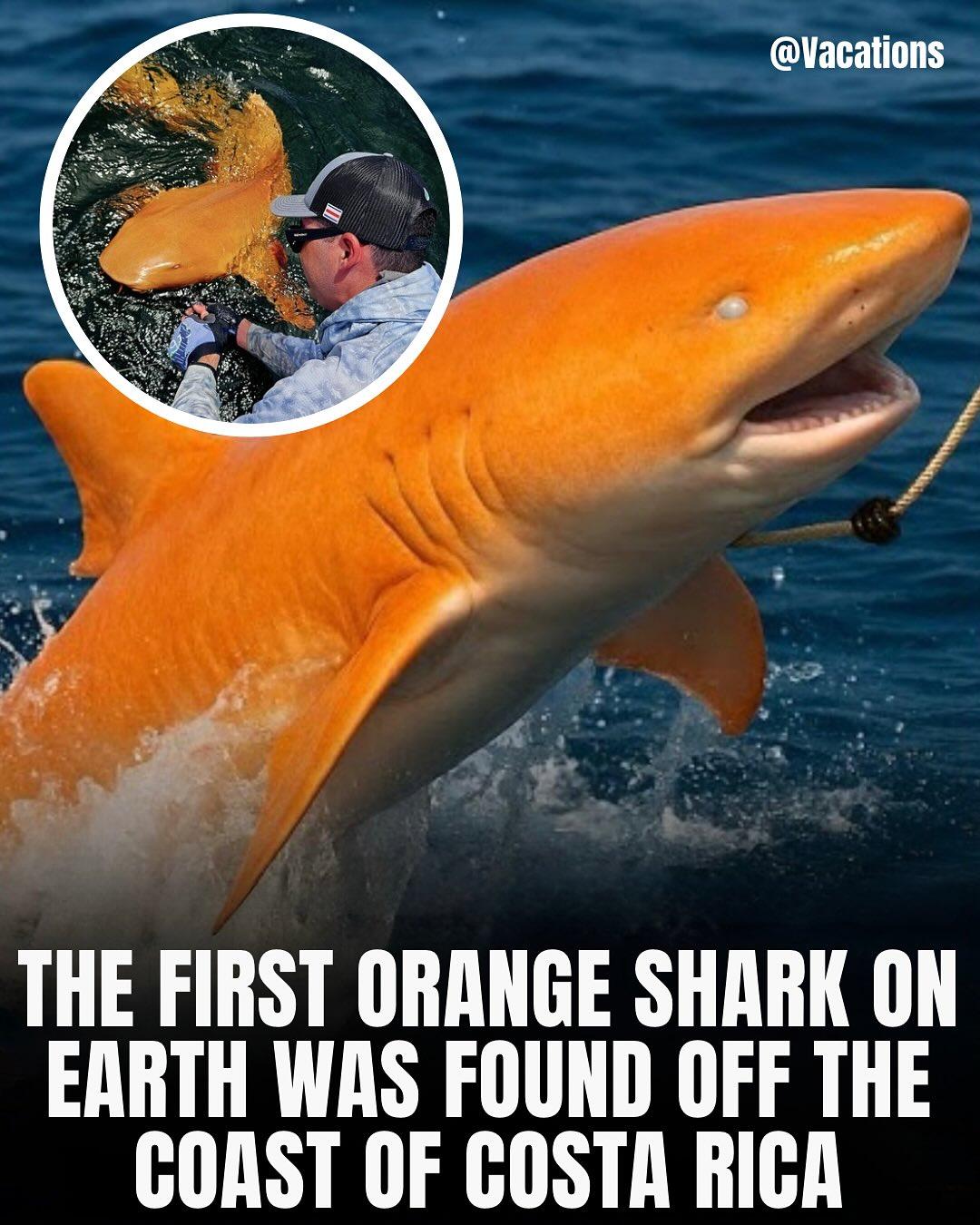
  • An incredibly rare orange shark with pale, ghost-white eyes was recently caught near Tortuguero National Park in Costa Rica.. And scientists are still trying to understand it.

    Researchers say its vivid color may be the result of xanthism, a condition that intensifies yellow pigments, combined with partial albinism — a genetic combo almost never seen in sharks.

    The find is so unusual that it’s prompting new questions about shark genetics, pigmentation, and how many mysteries still wait beneath the surface of our oceans.

    #vacations #wildlife #news #ocean #shark #marinebiology #nature #orange
    An incredibly rare orange shark with pale, ghost-white eyes was recently caught near Tortuguero National Park in Costa Rica.. And scientists are still trying to understand it. 🦈🧡 Researchers say its vivid color may be the result of xanthism, a condition that intensifies yellow pigments, combined with partial albinism — a genetic combo almost never seen in sharks. The find is so unusual that it’s prompting new questions about shark genetics, pigmentation, and how many mysteries still wait beneath the surface of our oceans. 🌊✨ #vacations #wildlife #news #ocean #shark #marinebiology #nature #orange
    ·150 مشاهدة ·0 معاينة
  • NASA research reveals that Earth’s oxygen levels are gradually declining, most noticeably in the oceans

    Since the 1960s, the ocean has lost about 2% of its oxygen, and projections suggest another 3–7% decrease by 2100.

    While this doesn’t mean we’ll run out of breathable air anytime soon, the real concern is the ocean’s oxygen loss, a change that could severely affect marine life.

    Follow us @FutureTech for more!
    NASA research reveals that Earth’s oxygen levels are gradually declining, most noticeably in the oceans 🌊 Since the 1960s, the ocean has lost about 2% of its oxygen, and projections suggest another 3–7% decrease by 2100. While this doesn’t mean we’ll run out of breathable air anytime soon, the real concern is the ocean’s oxygen loss, a change that could severely affect marine life. Follow us @FutureTech for more! 🔌
    ·99 مشاهدة ·0 معاينة
  • Google is reportedly developing a major infrastructure project on Christmas Island, a small Australian territory in the Indian Ocean that’s better known for being overrun by millions of migrating red crabs than for hosting cutting-edge technology.

    The initiative, part of Google’s broader Australia Connect program, centers on the construction of subsea cable systems designed to boost connectivity across the Indo-Pacific, but the island’s strategic location has fueled speculation that the site could serve as a covert AI or military-linked outpost.

    The project’s core feature, the Bosun subsea cable, will connect Darwin to Christmas Island and onward to Singapore, while additional interlink cables will tie Melbourne and Perth into the network. Analysts note that the island sits in a geopolitically sensitive region frequently monitored for Chinese naval activity, making the expansion of advanced digital infrastructure there especially significant.

    Beyond the high-tech ambitions, Christmas Island’s natural world offers a striking contrast. Every year, around 100 million red crabs emerge from the jungle to swarm roads and beaches in a spectacular migration to the sea. This year’s spawning peak, expected around November 15–16, coincides with Google’s push for environmental approvals for the subsea project, raising concerns over potential disruptions to the delicate ecosystem.

    As Google lays the groundwork for what could become one of the world’s most remote hubs of digital power, it faces a surreal challenge: balancing strategic technology expansion with the unstoppable march of millions of crabs that call the island home.

    Follow us @FutureTech for more!
    Google is reportedly developing a major infrastructure project on Christmas Island, a small Australian territory in the Indian Ocean that’s better known for being overrun by millions of migrating red crabs than for hosting cutting-edge technology. The initiative, part of Google’s broader Australia Connect program, centers on the construction of subsea cable systems designed to boost connectivity across the Indo-Pacific, but the island’s strategic location has fueled speculation that the site could serve as a covert AI or military-linked outpost. The project’s core feature, the Bosun subsea cable, will connect Darwin to Christmas Island and onward to Singapore, while additional interlink cables will tie Melbourne and Perth into the network. Analysts note that the island sits in a geopolitically sensitive region frequently monitored for Chinese naval activity, making the expansion of advanced digital infrastructure there especially significant. Beyond the high-tech ambitions, Christmas Island’s natural world offers a striking contrast. Every year, around 100 million red crabs emerge from the jungle to swarm roads and beaches in a spectacular migration to the sea. This year’s spawning peak, expected around November 15–16, coincides with Google’s push for environmental approvals for the subsea project, raising concerns over potential disruptions to the delicate ecosystem. As Google lays the groundwork for what could become one of the world’s most remote hubs of digital power, it faces a surreal challenge: balancing strategic technology expansion with the unstoppable march of millions of crabs that call the island home. Follow us 👉 @FutureTech for more! 🔌
    ·199 مشاهدة ·0 معاينة
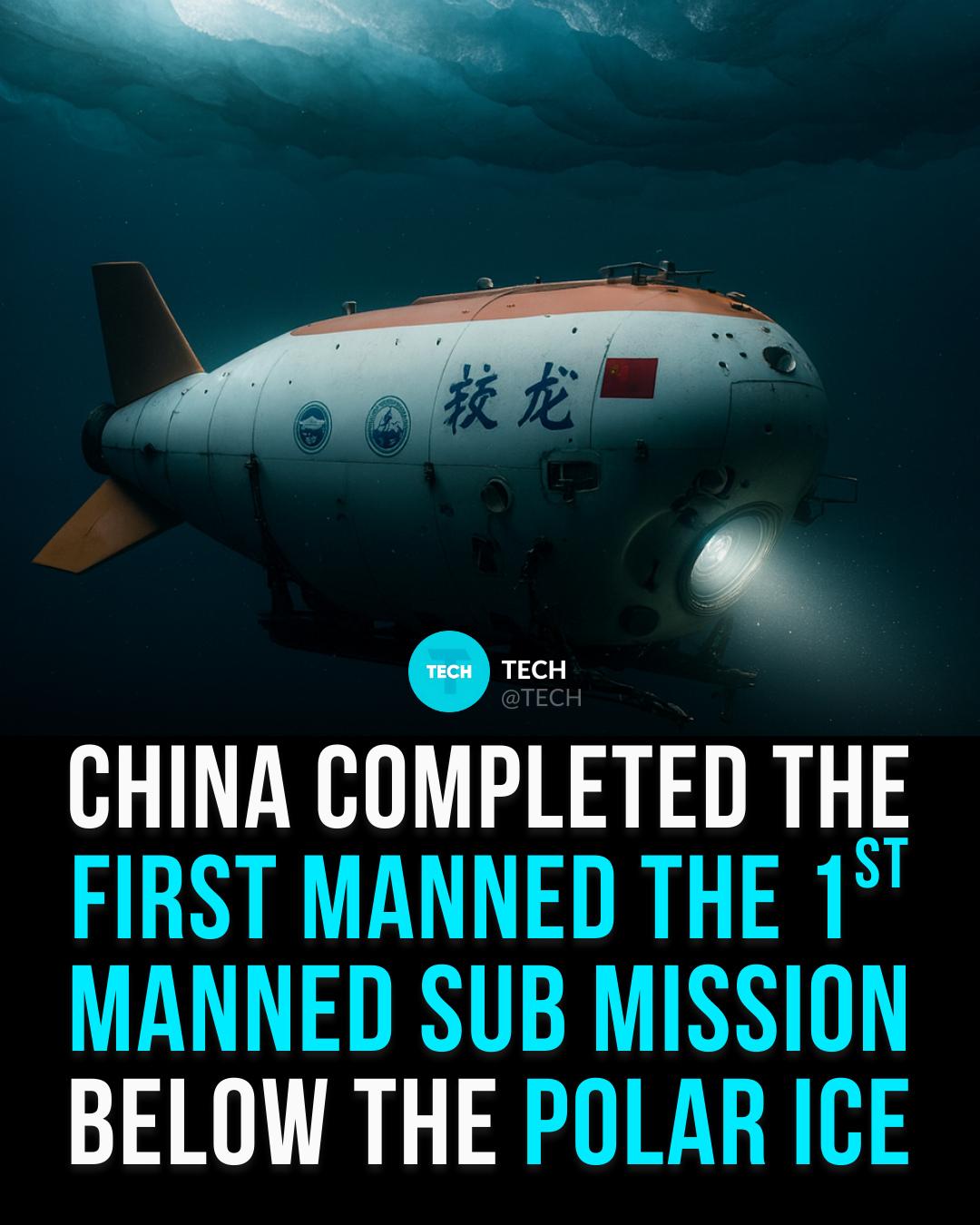
  • China has sent a crewed submersible beneath Arctic pack ice for the first time, marking a new phase in polar exploration and great-power competition. The dive, carried out by the Jiaolong on August 6 in the Chukchi Sea roughly 300 nautical miles northwest of Alaska, capped China’s largest Arctic mission to date and underscored its ambition to be a scientific and strategic player in the High North.⁠

    Four research vessels, led by the icebreaker Xuelong-2, spent the summer completing marine surveys across the Chukchi Plateau, Canada Basin, and central Arctic. The fleet returned to Shanghai on September 26, having executed coordinated “atmosphere-ice-ocean” observations and supported deep-sea operations designed to fill critical data gaps as sea ice thins and retreats.⁠

    Operating under ice is notoriously hard. Satellite links fade, radio is unreliable, and navigation becomes a puzzle without open-sky fixes. Ice floes can shift suddenly and temperatures punish machinery. Only a handful of nations have managed it, a lineage that includes the USS Nautilus crossing the North Pole in 1958 and subsequent Cold War dives by Soviet and British boats.⁠

    The scientific takeaways are starting to surface. Teams reported stark regional differences in seafloor life, from organism density to biodiversity and body size. Those measurements will refine maps of deep-sea habitats and help track how warming, acidification, and changing ice cover are reshaping Arctic ecosystems. The mission also advanced China’s polar toolset, pairing submersibles with ice-edge surveys to sharpen forecasting for hazards and shipping.⁠

    All of this unfolds amid mounting geopolitical interest. China calls the Arctic a “new strategic frontier,” the United States is upping patrols, and melting ice is opening routes and resources long out of reach. Science is the visible face, but strategy is never far below the surface.⁠

    #arctic #deepsea #china #oceanography #geopolitics #submersible #climate #polarresearch #technology
    China has sent a crewed submersible beneath Arctic pack ice for the first time, marking a new phase in polar exploration and great-power competition. The dive, carried out by the Jiaolong on August 6 in the Chukchi Sea roughly 300 nautical miles northwest of Alaska, capped China’s largest Arctic mission to date and underscored its ambition to be a scientific and strategic player in the High North.⁠ ⁠ Four research vessels, led by the icebreaker Xuelong-2, spent the summer completing marine surveys across the Chukchi Plateau, Canada Basin, and central Arctic. The fleet returned to Shanghai on September 26, having executed coordinated “atmosphere-ice-ocean” observations and supported deep-sea operations designed to fill critical data gaps as sea ice thins and retreats.⁠ ⁠ Operating under ice is notoriously hard. Satellite links fade, radio is unreliable, and navigation becomes a puzzle without open-sky fixes. Ice floes can shift suddenly and temperatures punish machinery. Only a handful of nations have managed it, a lineage that includes the USS Nautilus crossing the North Pole in 1958 and subsequent Cold War dives by Soviet and British boats.⁠ ⁠ The scientific takeaways are starting to surface. Teams reported stark regional differences in seafloor life, from organism density to biodiversity and body size. Those measurements will refine maps of deep-sea habitats and help track how warming, acidification, and changing ice cover are reshaping Arctic ecosystems. The mission also advanced China’s polar toolset, pairing submersibles with ice-edge surveys to sharpen forecasting for hazards and shipping.⁠ ⁠ All of this unfolds amid mounting geopolitical interest. China calls the Arctic a “new strategic frontier,” the United States is upping patrols, and melting ice is opening routes and resources long out of reach. Science is the visible face, but strategy is never far below the surface.⁠ ⁠ #arctic #deepsea #china #oceanography #geopolitics #submersible #climate #polarresearch #technology
    ·194 مشاهدة ·0 معاينة
  • First, a fridge without the fumes. Scientists at Lawrence Berkeley National Laboratory have built a new “ionocaloric” cycle that cools by moving ions through a material to shift its melting point, the same physics behind road salt melting ice. In lab tests, a sodium–iodine salt and ethylene carbonate delivered a 25 °C temperature swing using under one volt, a bigger lift than most solid-state “caloric” approaches and without hydrofluorocarbon refrigerants.⁠

    Because it toggles a solid–liquid phase change, the working fluid can be pumped, avoiding compressors and complex valves. The team’s models suggest efficiency on par with, or better than, today’s vapor-compression systems. Using ethylene carbonate, which can be synthesized from captured CO₂, the refrigerant footprint could be not just low but potentially carbon-negative. If prototypes scale, the same cycle could also supply efficient water and process heating, trimming emissions from buildings and industry that are notoriously hard to decarbonize.⁠

    Now, a data center that chills with the sea. Off Shanghai, Hailanyun’s first commercial underwater AI facility places sealed server pods beneath offshore wind turbines and circulates seawater across radiators to carry heat away. Internal assessments with a Chinese institute report at least 30% lower electricity use for cooling compared with land sites, and the company says the farm is powered 97% by the nearby wind array.⁠

    One operational pod holds 198 racks, enough for roughly 396–792 AI-ready servers, and the company claims capacity to train a GPT-3.5-class model in a day. Microsoft’s earlier Project Natick found submerged servers can fail less often, but scaling raises new risks, including thermal plumes, acoustic sabotage, corrosion, biofouling, and slow maintenance cycles. From ions to oceans, cooling is being rewired for an AI-hungry, climate-strained future.⁠

    #tech #ai #cooling #climate #datacenters #materials #energy #sustainability #berkeleylab

    Source: 10.1126/science.ade1696
    First, a fridge without the fumes. Scientists at Lawrence Berkeley National Laboratory have built a new “ionocaloric” cycle that cools by moving ions through a material to shift its melting point, the same physics behind road salt melting ice. In lab tests, a sodium–iodine salt and ethylene carbonate delivered a 25 °C temperature swing using under one volt, a bigger lift than most solid-state “caloric” approaches and without hydrofluorocarbon refrigerants.⁠ ⁠ Because it toggles a solid–liquid phase change, the working fluid can be pumped, avoiding compressors and complex valves. The team’s models suggest efficiency on par with, or better than, today’s vapor-compression systems. Using ethylene carbonate, which can be synthesized from captured CO₂, the refrigerant footprint could be not just low but potentially carbon-negative. If prototypes scale, the same cycle could also supply efficient water and process heating, trimming emissions from buildings and industry that are notoriously hard to decarbonize.⁠ ⁠ Now, a data center that chills with the sea. Off Shanghai, Hailanyun’s first commercial underwater AI facility places sealed server pods beneath offshore wind turbines and circulates seawater across radiators to carry heat away. Internal assessments with a Chinese institute report at least 30% lower electricity use for cooling compared with land sites, and the company says the farm is powered 97% by the nearby wind array.⁠ ⁠ One operational pod holds 198 racks, enough for roughly 396–792 AI-ready servers, and the company claims capacity to train a GPT-3.5-class model in a day. Microsoft’s earlier Project Natick found submerged servers can fail less often, but scaling raises new risks, including thermal plumes, acoustic sabotage, corrosion, biofouling, and slow maintenance cycles. From ions to oceans, cooling is being rewired for an AI-hungry, climate-strained future.⁠ ⁠ #tech #ai #cooling #climate #datacenters #materials #energy #sustainability #berkeleylab⁠ ⁠ Source: 10.1126/science.ade1696
    ·166 مشاهدة ·0 معاينة
الصفحات المعززة
Techawks - Powered By Pantrade Blockchain https://techawks.com